
What Is Material Science and How It Helps Select Better Materials for Industrial Parts





Material science is the foundation of smarter industrial part selection, helping technical evaluators balance strength, wear resistance, thermal stability, and cost with greater confidence. By understanding how materials behave under real operating conditions, manufacturers can reduce failure risks, improve service life, and support more efficient production decisions across welding, assembly, and precision tooling applications.
For technical evaluators, the issue is rarely just picking a metal, polymer, or coating from a catalog. The real task is matching material behavior to load cycles, heat input, corrosion risk, machining tolerance, joining method, and expected maintenance intervals.
In industrial assembly, metal joining, and precision metrology, a poor material choice can create dimensional drift, premature wear, cracking after welding, or unstable performance in 6 to 24 months. A better choice often starts with material science, not price alone.
For organizations tracking tooling, welding, and measurement trends through GPTWM, material science provides a practical framework for comparing options across suppliers, regions, and end-use conditions. It helps turn raw specifications into a decision model that supports quality, productivity, and lifecycle value.
Why Material Science Matters in Industrial Part Selection
Material science studies how structure, composition, processing, and environment affect performance. In practical terms, it explains why two parts with similar hardness may behave very differently under cyclic torque, abrasive dust, or repeated heat exposure above 200°C.
Technical evaluators often work between design intent and production reality. A drawing may specify tensile strength, but field performance also depends on grain structure, surface finish, heat treatment consistency, weldability, and tolerance retention after machining or assembly.
The Four Core Questions Evaluators Need to Answer
- Can the material carry the required load with an acceptable safety factor, often 1.5 to 3.0 depending on application?
- Will it resist wear, corrosion, or fatigue for the target service interval, such as 5,000 to 20,000 operating hours?
- Can it be processed efficiently through machining, welding, forming, or coating without raising scrap rates?
- Does total lifecycle cost remain acceptable after considering downtime, replacement frequency, and inspection burden?
Where Poor Material Decisions Usually Show Up
In welding fixtures, low thermal stability can distort alignment after repeated heating cycles. In torque tools, insufficient fatigue resistance may lead to spring or shaft failure. In caliper frames or gauge components, expansion mismatch can reduce measurement repeatability to outside a ±0.02 mm or ±0.05 mm tolerance band.
These failures do not always appear during incoming inspection. Many emerge after 3 to 9 months of production use, which is why material science must be applied before procurement, during supplier qualification, and again when field feedback starts to accumulate.
Typical Industrial Variables That Affect Material Choice
Evaluators should review at least 6 variables: static load, dynamic load, operating temperature, chemical exposure, required dimensional accuracy, and joining route. In many cases, adding surface hardness alone will not solve a fatigue or thermal expansion problem.
The table below shows how material science connects common failure modes to the selection criteria that matter most in industrial parts.
The key takeaway is that material science links application conditions to measurable selection criteria. This is especially valuable when two supplier quotations look similar on paper but differ in processing route, microstructure control, or expected service reliability.
How Material Science Improves Decisions for Welding, Assembly, and Precision Tooling
Industrial parts do not operate in isolation. A welded bracket, a torque-controlled fastener system, and a metrology fixture each face different stress profiles. Material science helps evaluators align material properties with function instead of relying on generic categories such as “strong steel” or “durable alloy.”
In Welding Applications
Weld zones can experience rapid heating and cooling within seconds. That means base material chemistry, thermal conductivity, and hardenability influence crack risk, residual stress, and distortion. A part that performs well in machining may still perform poorly after welding if the heat-affected zone becomes brittle.
For evaluators, three checkpoints are critical: weldability, post-weld dimensional change, and compatibility with filler or shielding conditions. In many industrial setups, preheat windows of 80°C to 200°C or controlled cooling procedures can be as important as the material grade itself.
In Assembly Systems
Assembly parts often face combined loading rather than simple tension. Fastening elements, housings, pins, and locator components may see vibration, clamp force loss, frictional wear, and contact corrosion. Material science helps predict how these factors interact over thousands of duty cycles.
Lightweight materials can reduce tool mass by 10% to 30%, improving ergonomics. However, if modulus, hardness, or thread strength are not sufficient, the same lightweight design may shorten service life. Material science prevents this tradeoff from being evaluated too narrowly.
In Precision Metrology and Tooling
Precision tools demand stability over time. Calipers, fixtures, gauge blocks, and reference structures must hold form under temperature shifts, handling stress, and repeated calibration cycles. A coefficient of thermal expansion mismatch can undermine repeatability even when surface hardness appears acceptable.
For metrology-related components, evaluators should prioritize stiffness, thermal response, corrosion resistance, and long-term dimensional retention. In workshop environments fluctuating from 15°C to 35°C, these factors can decide whether a system remains inside inspection tolerance.
Three Practical Benefits for Technical Evaluation Teams
- Fewer trial-and-error substitutions during sourcing or redesign.
- Better cross-functional communication between engineering, procurement, and quality teams.
- Clearer risk ranking for parts with high downtime or safety consequences.
The following comparison helps technical evaluators review common property priorities across three major industrial scenarios.
This comparison shows that better material selection is application-specific. Material science gives evaluators a common language for comparing cost, performance, and manufacturability without oversimplifying the decision.
A Practical Evaluation Framework for Selecting Better Materials
A useful material selection process should be structured, repeatable, and easy to share across teams. In industrial purchasing and technical review, a 5-step framework is often more effective than relying on a single data sheet or supplier recommendation.
Step 1: Define the Real Service Conditions
List the actual operating range, not just the nominal design target. Include maximum temperature, cycle frequency, load direction, humidity, contamination, contact media, and expected service hours. A component used 2 shifts per day may face very different wear behavior from one used intermittently.
Step 2: Rank Failure Modes
Identify the top 3 failure risks first: fracture, fatigue, corrosion, galling, deformation, creep, or dimensional instability. This ranking prevents teams from overvaluing one property, such as peak strength, while missing another, such as notch toughness or thermal cycling resistance.
Step 3: Compare Candidate Materials Beyond Basic Strength
Technical evaluators should compare at least 6 factors: yield behavior, hardness, wear response, machinability, weldability, and surface treatment compatibility. In many cases, a medium-strength material with better process stability delivers lower total cost than a harder but more difficult alternative.
Step 4: Check Process and Supply Constraints
Material science must be tied to sourcing realities. Lead times can vary from 2 to 8 weeks depending on alloy form, heat treatment route, and regional supply. Export restrictions, certification requirements, and MOQ thresholds can also limit an otherwise attractive material option.
Step 5: Validate Through Testing and Feedback
When the part is critical, evaluators should request small-batch trials, weld tests, wear checks, dimensional stability reviews, or field observation over a defined period such as 30, 60, or 90 days. Even simple validation can reduce later replacement or rework costs.
A Short Checklist for Procurement and Engineering Review
- Is the material suitable for the joining method used in production?
- Does the supplier control heat treatment and batch consistency?
- Will the part remain stable within the required tolerance band?
- Is any coating or surface treatment needed to reach service life targets?
- What inspection points should be added at incoming, in-process, and field stages?
Common Mistakes, Cost Risks, and Better Decision Signals
One common mistake is selecting a material mainly by initial price per kilogram. That approach ignores scrap, difficult machining, extra welding controls, coating costs, and downtime from early wear. In many industrial settings, total ownership cost over 12 to 36 months is the more relevant metric.
Mistake 1: Confusing Hardness with Overall Durability
A harder surface may resist abrasion, but excessive hardness can reduce toughness or increase crack sensitivity. This matters in impact-loaded tools, welded assemblies, and shafts with stress concentrations. Material science helps balance hardness with toughness and fatigue behavior rather than treating them as isolated values.
Mistake 2: Ignoring the Manufacturing Route
The same nominal material can perform differently depending on forging, casting, rolling, additive processing, or heat treatment sequence. Evaluators should ask how the part is made, because processing history directly influences grain size, residual stress, and defect distribution.
Mistake 3: Treating Environment as a Secondary Issue
Humidity, cleaning chemicals, welding fumes, airborne particulates, and temperature fluctuation often determine real-life service behavior. A part that lasts 18 months indoors may degrade much faster in coastal, high-humidity, or hot-workshop conditions without proper material or coating selection.
Better Signals for Smarter Evaluation
Look for evidence that a candidate material supports stable processing, predictable inspection, and manageable maintenance. Better decisions usually come from combining 4 types of information: mechanical properties, environmental resistance, manufacturing compatibility, and supplier consistency.
For GPTWM readers, this is where industrial intelligence becomes useful. Tracking changes in raw material availability, tooling trends, welding safety adoption, and measurement demand can help evaluators adjust specifications before supply, compliance, or performance problems become expensive.
Using Material Science as a Decision Tool, Not Just a Technical Topic
Material science is most valuable when it becomes part of a decision workflow. Technical evaluators can use it to shorten shortlist cycles, improve supplier discussions, and connect engineering requirements with commercial realities such as lead time, serviceability, and regional sourcing risk.
In industrial assembly, metal joining, and precision metrology, better materials are not always the most expensive or the most advanced. They are the materials that match the actual duty profile, remain stable through production, and reduce avoidable failures over time.
Organizations that apply material science early usually make stronger decisions on welded components, wear parts, precision fixtures, and ergonomic tool structures. That means better reliability, more predictable maintenance intervals, and fewer costly surprises after deployment.
If your team is reviewing industrial parts, tool components, or welded assemblies and needs a clearer basis for material comparison, GPTWM can help you connect technical criteria with market intelligence and application trends. Contact us today to explore tailored evaluation support, product details, or broader industrial solutions.
Related News
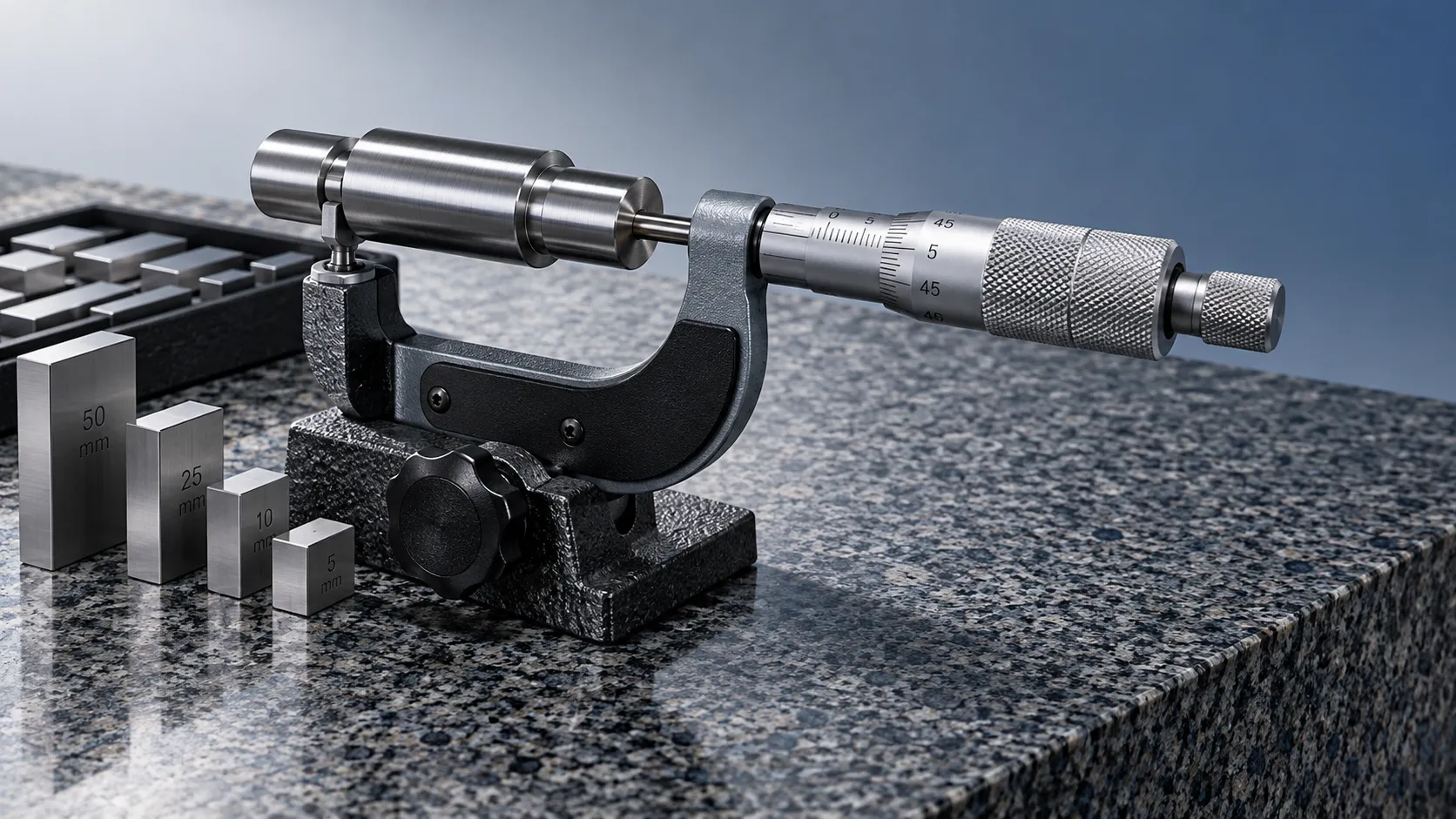
Choosing Industrial Metrology Tools: Matching Measurement Uncertainty to Tolerances
Improve industrial tool selection for metrology by matching measurement uncertainty to tolerances. Learn how to reduce inspection risk and choose equipment with confidence.
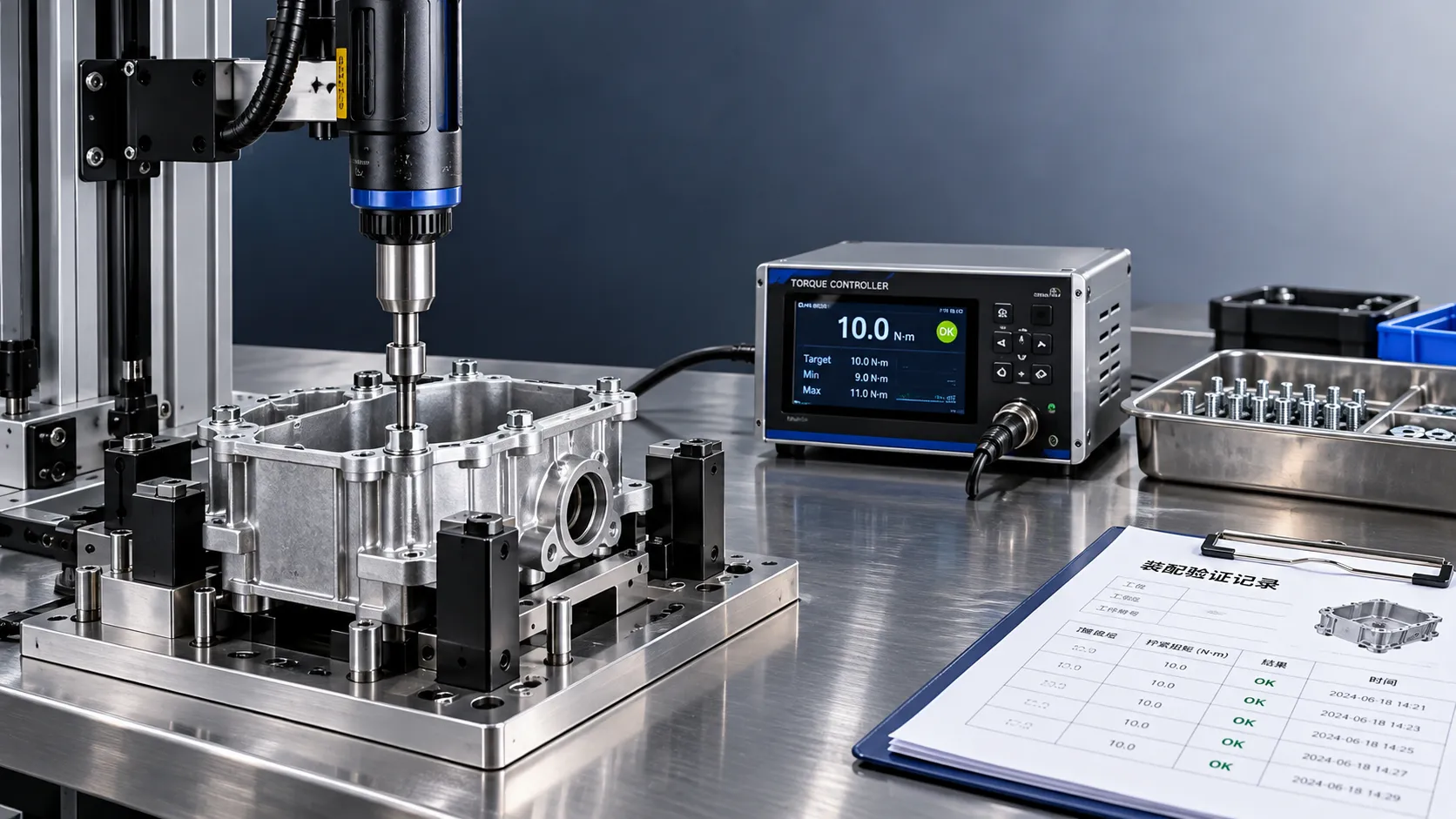
Torque System Suppliers: How to Assess References for Assembly Projects
Explore supplier and solution references torque systems buyers should verify. Assess assembly fit, traceability, and support to reduce risk and choose with confidence.

Equipment Application Guidance for the Middle East: Managing Heat and Dust
Explore application guidance Middle East teams can use to manage heat and dust, protect welding equipment, batteries and precision tools, and reduce downtime. Get practical tips.
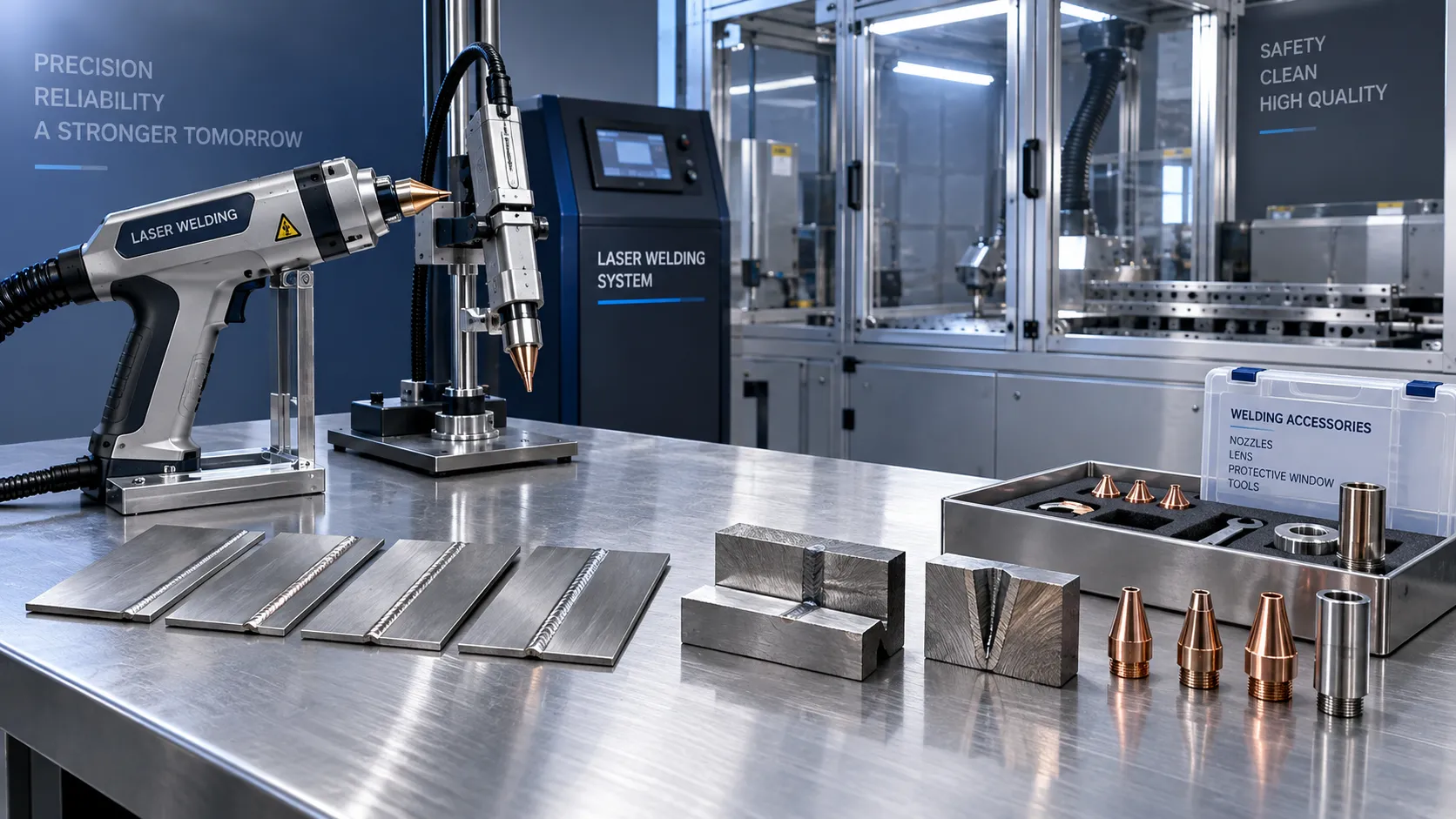
Choosing a Handheld Laser Welding Supplier: Weld Trials, Training, and Service
Choose a handheld laser welding supplier with proven weld trials, safety training, and reliable service. Learn what to verify before buying to reduce downtime and protect your investment.
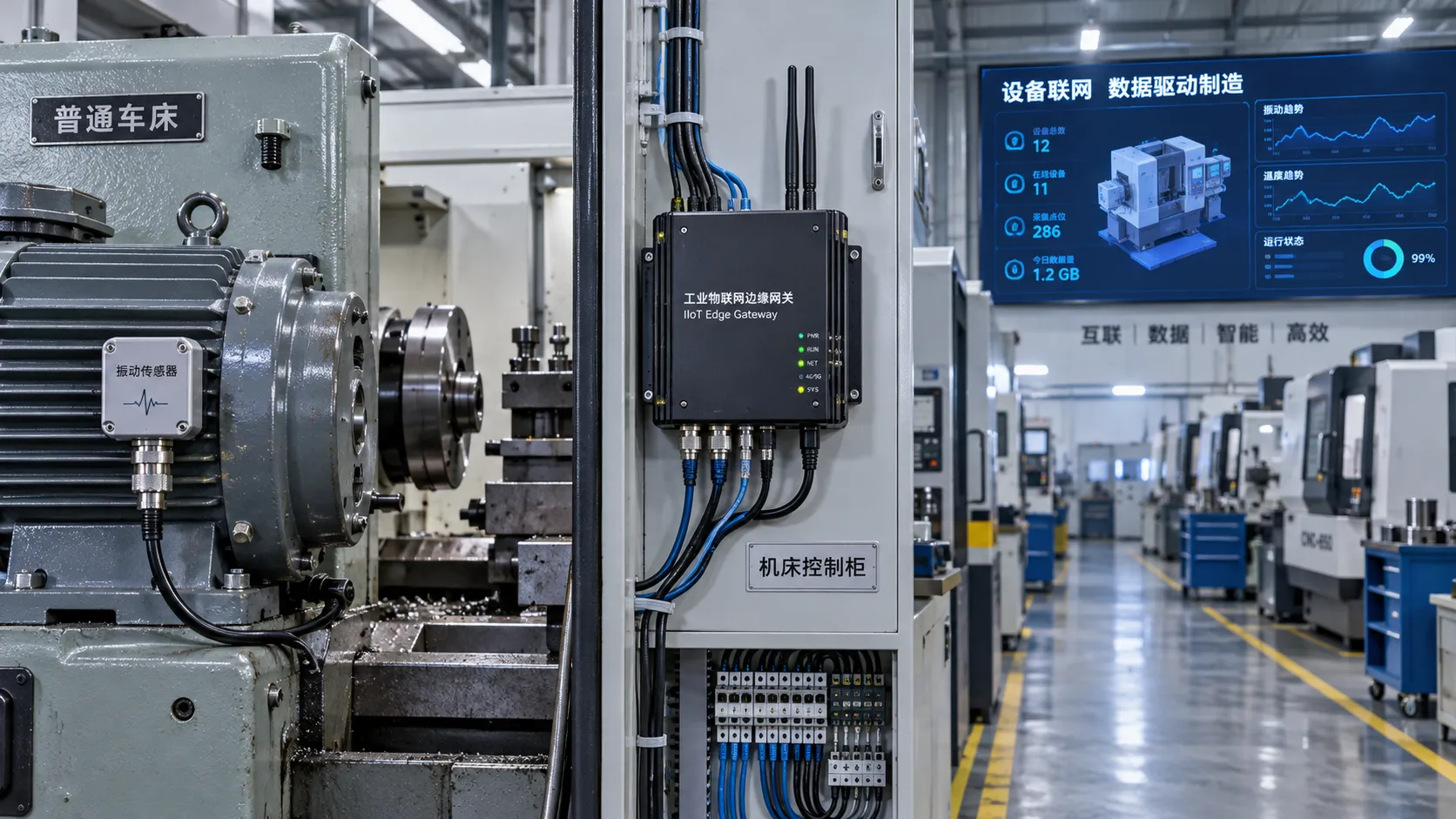
Choosing an Industrial IoT Platform: Key Criteria for Legacy Equipment
Choose an industrial IoT platform for legacy equipment with confidence. Discover key checks for connectivity, data integrity, security, and lifecycle costs before investing.

In-House vs. Outsourced Aircraft Maintenance: Comparing Total Costs
Compare aerospace maintenance cost for in-house vs. outsourced aircraft upkeep. Discover hidden expenses, downtime impacts, and break-even factors to find the best fit for your fleet.
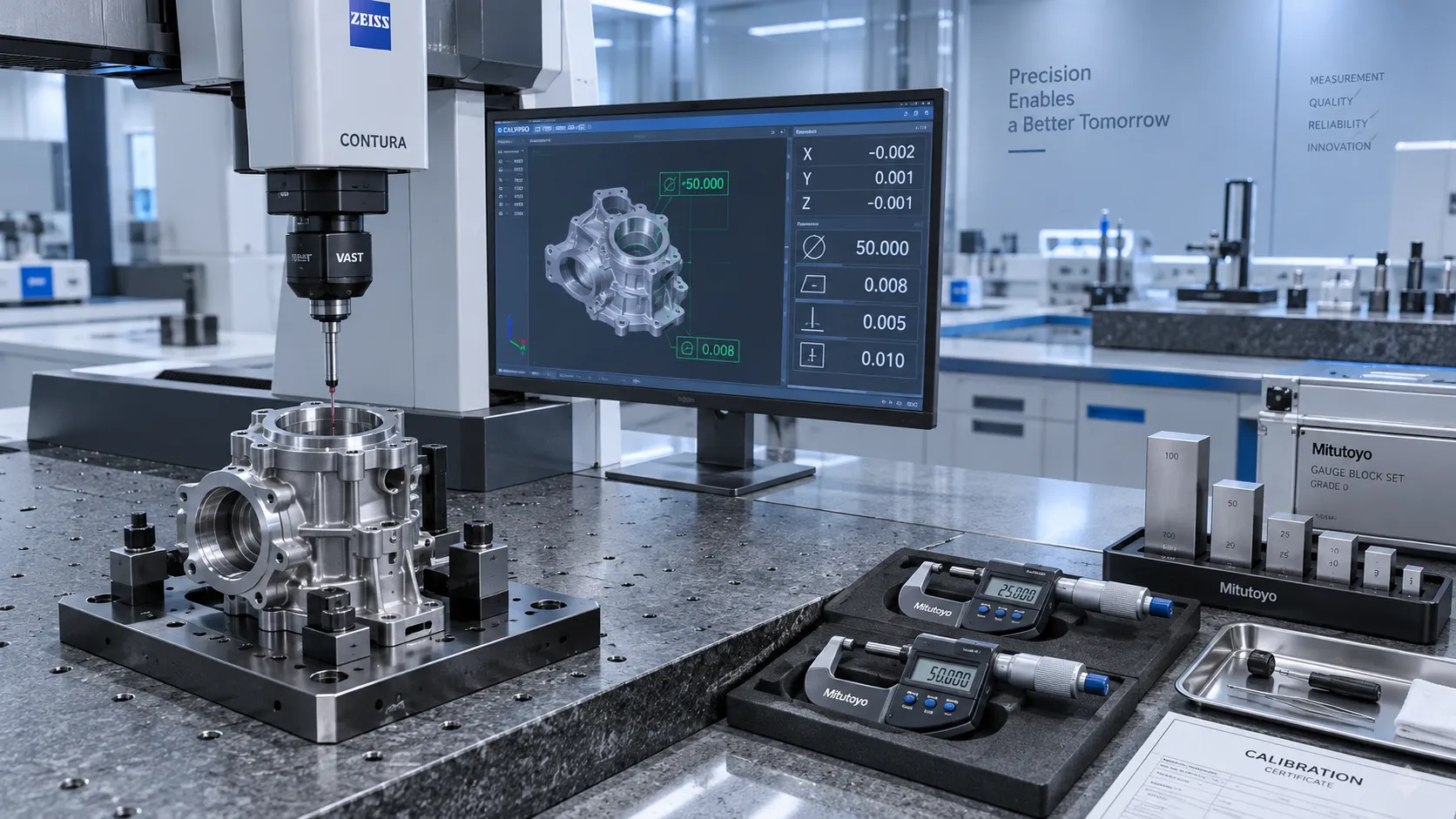
How to Select High-Precision Measuring Instruments for Tight-Tolerance Production?
High-precision measuring instruments are essential for tight-tolerance production. Learn how to evaluate accuracy, repeatability, environment, calibration, and data integration.
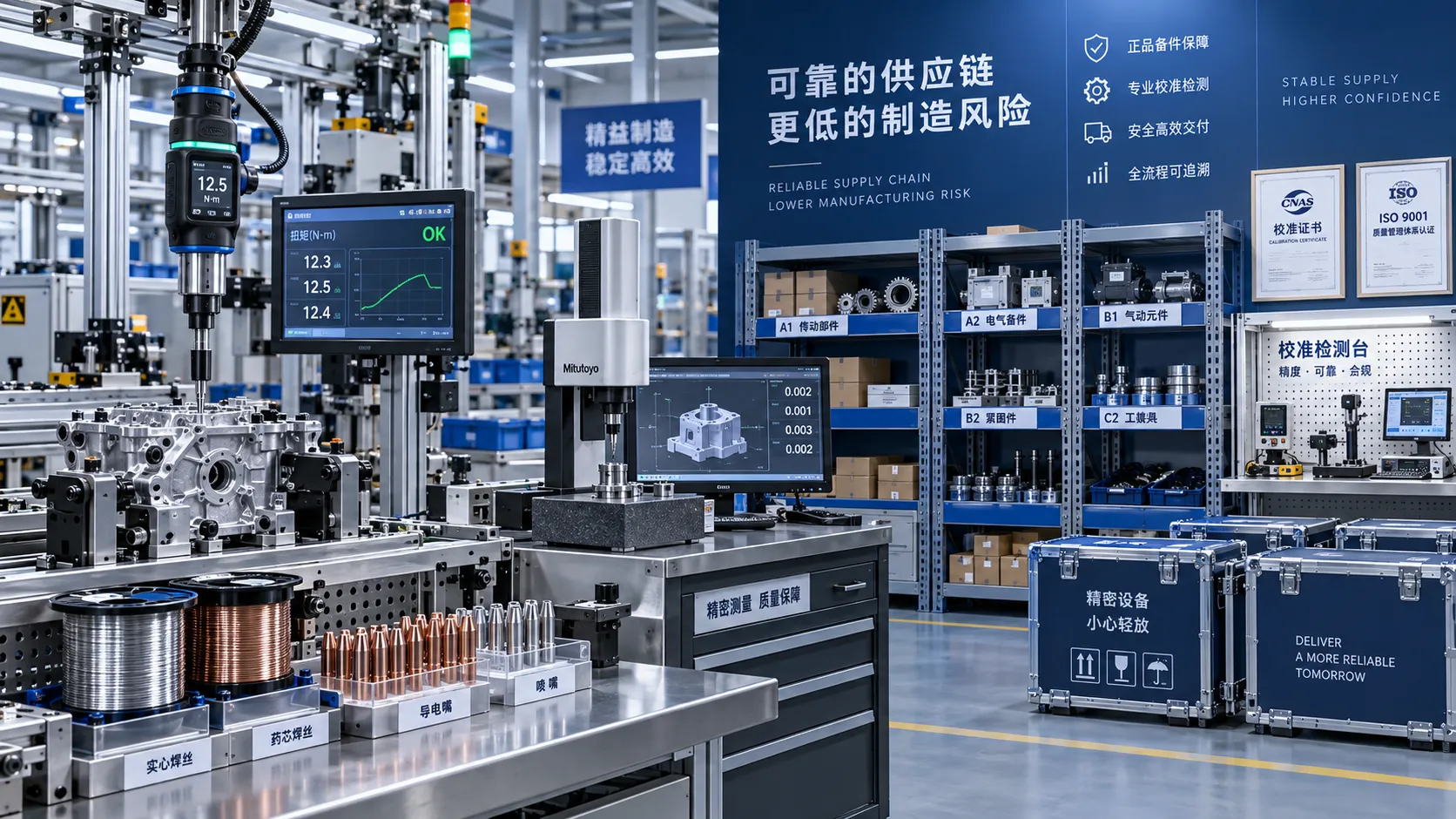
How Industrial Innovation Supplier Networks Reduce Sourcing Risk for Manufacturers
industrial innovation supplier network insights help manufacturers reduce sourcing risk, control lifecycle costs, and choose reliable tools, services, and suppliers with confidence.
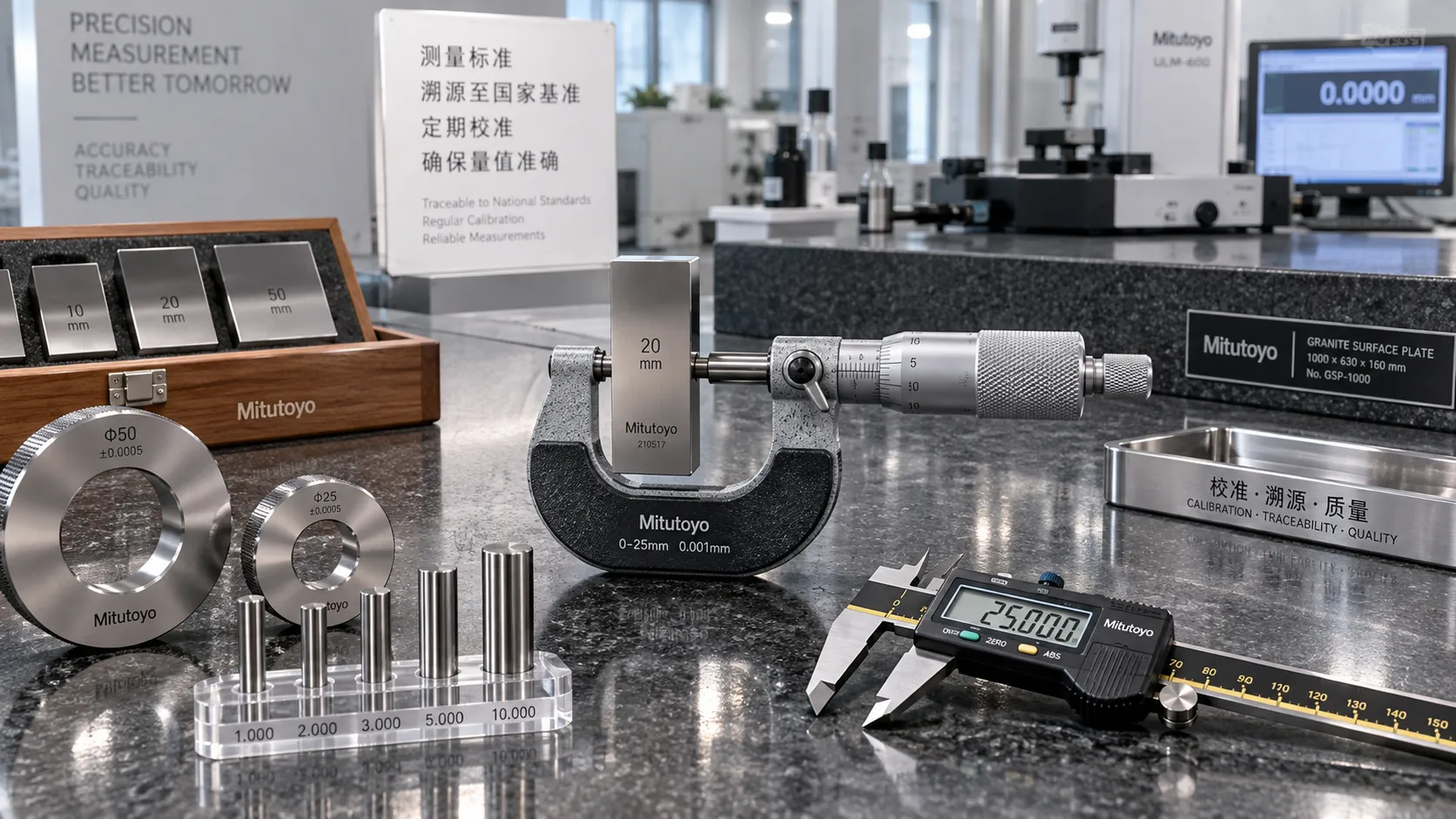
How Often Should Precision Measuring Instruments Be Calibrated?
How often should precision measuring instruments be calibrated? Learn how usage, tolerance, environment, and risk determine a reliable calibration schedule.
Related News
- 00
0000-00
Equipment Application Guidance for the Middle East: Managing Heat and Dust - 00
0000-00
Choosing an Industrial IoT Platform: Key Criteria for Legacy Equipment - 00
0000-00
How to Select High-Precision Measuring Instruments for Tight-Tolerance Production? - 00
0000-00
How Do Advanced Manufacturing Methods Improve Batch Consistency? - 00
0000-00
Precision Positioning in Electronics Manufacturing: A Practical Route to Higher Yield
Prof. Marcus Chen
Weekly Insights
Stay ahead with our curated technology reports delivered every Monday.