
Intelligent Tools vs Standard Tools: Which Features Matter in Daily Operation?





In daily service work, the choice between intelligent tools and standard tools now shapes more than convenience. It influences diagnosis speed, fastening accuracy, traceability, operator safety, and the total cost of every maintenance visit.
That shift matters across assembly, welding support, inspection, and field repair. In sectors where downtime is expensive, intelligent tools are no longer a novelty. They are becoming part of how reliable operations are maintained.
At the same time, standard tools remain essential. They are often durable, familiar, and effective in harsh environments. The real question is not which category is universally better, but which features actually matter in daily operation.
Why the comparison matters now
Industrial maintenance has changed at the edge of production. Equipment is more connected, quality expectations are tighter, and service records are under greater scrutiny than before.
This is especially visible in the “last mile” of manufacturing, where tools meet real working conditions. A torque wrench, diagnostic driver, welding accessory, or measuring device now contributes directly to uptime and compliance.
GPTWM tracks this transition closely through its coverage of precision metrology, industrial assembly, and metal joining technologies. Its strategic intelligence work highlights the same pattern seen in the field: feature relevance matters more than product labels.
That is why the discussion around intelligent tools has become more practical. Maintenance teams need to know which functions improve daily work and which ones simply add complexity.
What separates intelligent tools from standard tools
Standard tools are built around direct mechanical or electrical function. They do the job without generating operational data, adaptive feedback, or digital records.
Intelligent tools add a layer of sensing, control, communication, or analysis. That may include torque verification, battery health reporting, error alerts, calibration reminders, or connection to maintenance software.
The distinction is not always dramatic. A cordless driver becomes “intelligent” when it can log fastening events, flag out-of-range torque, and sync results into a service workflow.
In practice, intelligent tools are useful when they reduce uncertainty. If a feature does not improve control, visibility, or repeatability, it has limited operational value.
Features that matter in real maintenance work
Not every digital function deserves attention. Daily operation usually rewards a narrower group of capabilities that support faster decisions and fewer mistakes.
Diagnostic feedback
Clear fault indication is one of the most valuable intelligent tools features. A tool that shows overload, wear, misalignment, or improper settings shortens the path from symptom to action.
This matters in field repairs, where time is limited and replacement parts may not be immediately available. Better diagnosis reduces unnecessary disassembly and repeated site visits.
Torque control and verification
Fastening quality is a critical point in after-service performance. Intelligent tools with torque monitoring help confirm whether joints meet specification, especially in automotive, equipment servicing, and safety-sensitive assemblies.
This is more useful than raw power alone. A standard tool may tighten quickly, but an intelligent tool can show whether the result is repeatable and within acceptable range.
Data logging
Recorded events support accountability. Service history, fastening records, usage cycles, and calibration status all help when quality questions appear later.
In sectors with compliance pressure, this feature can be more important than speed. It creates evidence, not just output.
Safety monitoring
Intelligent tools can improve safety through temperature alerts, overload protection, lockout settings, and guided operating limits. That matters in welding support, rotating equipment, and high-torque applications.
GPTWM’s industry tracking shows growing attention to handheld laser welding safety and connected torque systems. This reflects a broader trend: safer tools increasingly depend on better feedback.
Calibration and metrology support
For measuring instruments, intelligence is most useful when it protects accuracy. Auto-check prompts, drift warnings, and calibration reminders reduce hidden quality loss.
Without this, even a high-grade instrument can quietly create bad decisions. In maintenance, wrong measurement often causes more damage than visible mechanical failure.
Where standard tools still hold an advantage
The rise of intelligent tools does not make standard tools obsolete. Many daily tasks still favor simpler equipment, especially when conditions are rough or tasks are repetitive.
Simple tools remain strong where failure modes are obvious, tolerances are broad, and documentation is minimal. They also make sense as backup equipment when battery dependence or connectivity can become a risk.
The industry signals behind feature selection
Current market attention is not centered on “smart” branding. It is focused on useful outcomes: repeatable torque, safer welding support, durable brushless performance, and precise measurement under real workload.
GPTWM’s intelligence approach is relevant here because it connects technical design with commercial reality. Raw material volatility, export restrictions, and ergonomic standards all affect which intelligent tools become practical at scale.
That broader perspective matters in maintenance planning. A feature that looks attractive in a catalog may lose value if spare parts are limited, firmware support is weak, or calibration service is difficult to access.
On the other hand, a well-supported intelligent tool can lift service consistency across multiple regions. That is one reason why connected metrology and torque control are receiving more attention in global operations.
How to judge value in actual workflows
A useful evaluation starts with the task, not the device category. Daily operation improves when the tool matches the failure risk, documentation needs, and time pressure of the job.
- Check whether the task requires proof of completion, not just completion itself.
- Review how often incorrect torque, missed measurements, or repeat visits occur.
- Compare setup time against time saved in diagnosis or reporting.
- Assess battery life, sensor durability, and calibration support in local conditions.
- Confirm whether data from intelligent tools can enter existing service records.
This approach often shows that only certain tools need intelligence. A measuring device or torque tool may justify advanced features, while a basic cutting or holding tool may not.
A balanced path forward
The most effective tool strategy is usually mixed. Standard tools continue to handle durable, straightforward tasks, while intelligent tools are introduced where errors are costly or invisible.
That balance reflects how industrial work is actually done. Precision does not come from digitizing everything. It comes from choosing the right level of control for each operation.
For teams comparing options, the next step is practical: map frequent service tasks, identify where uncertainty creates rework, and test intelligent tools against those specific gaps. The best decision usually appears when features are judged against workflow, not marketing claims.
In that sense, the debate between intelligent tools and standard tools is not really about replacement. It is about building a more reliable maintenance system, one function at a time.
Related News
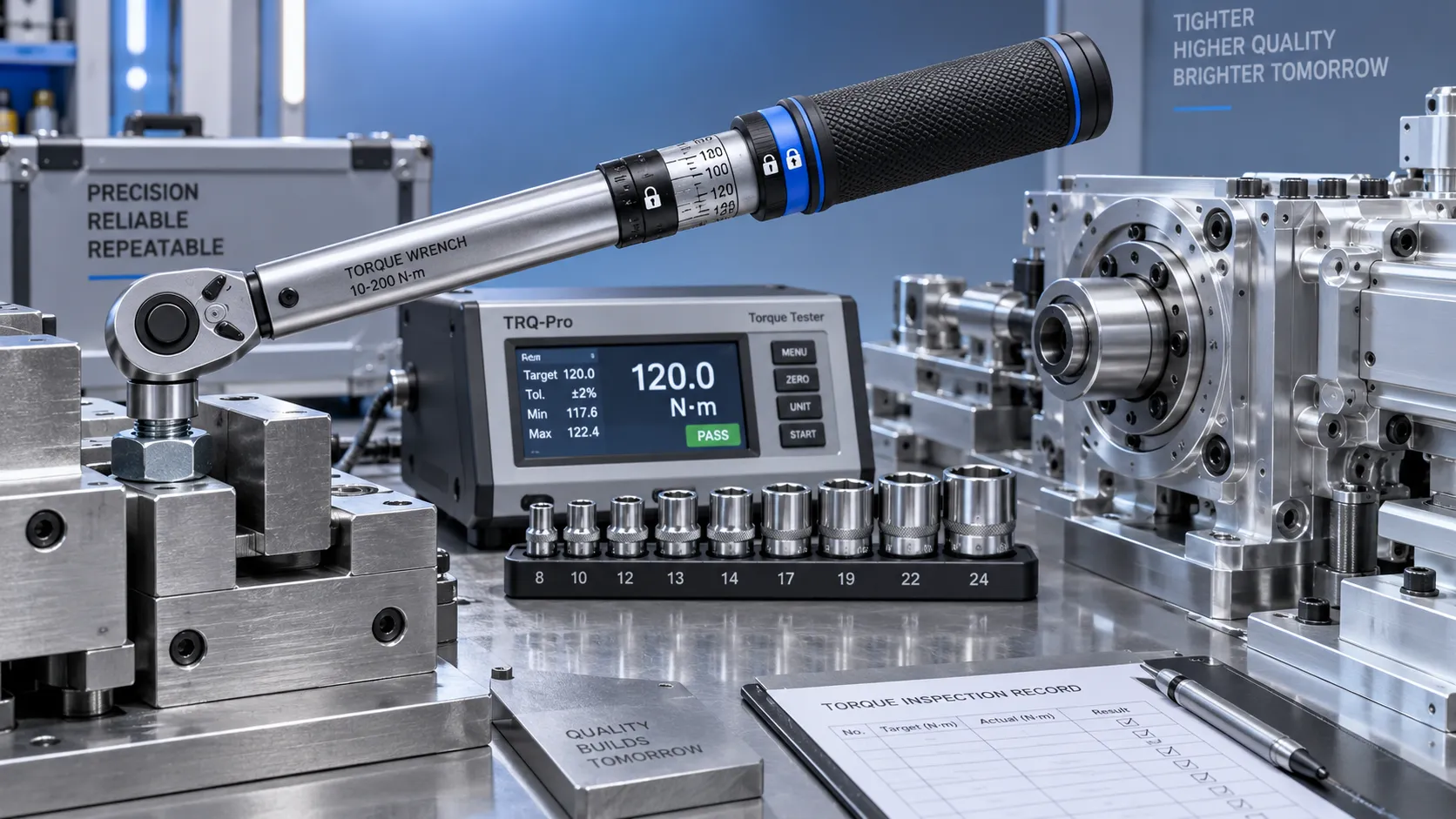
Selecting Adjustable Torque Tools for Repeatable Fastener Assembly
Adjustable torque tools: learn how to match range, accuracy, control methods, calibration, and ergonomics for repeatable, reliable fastener assembly.
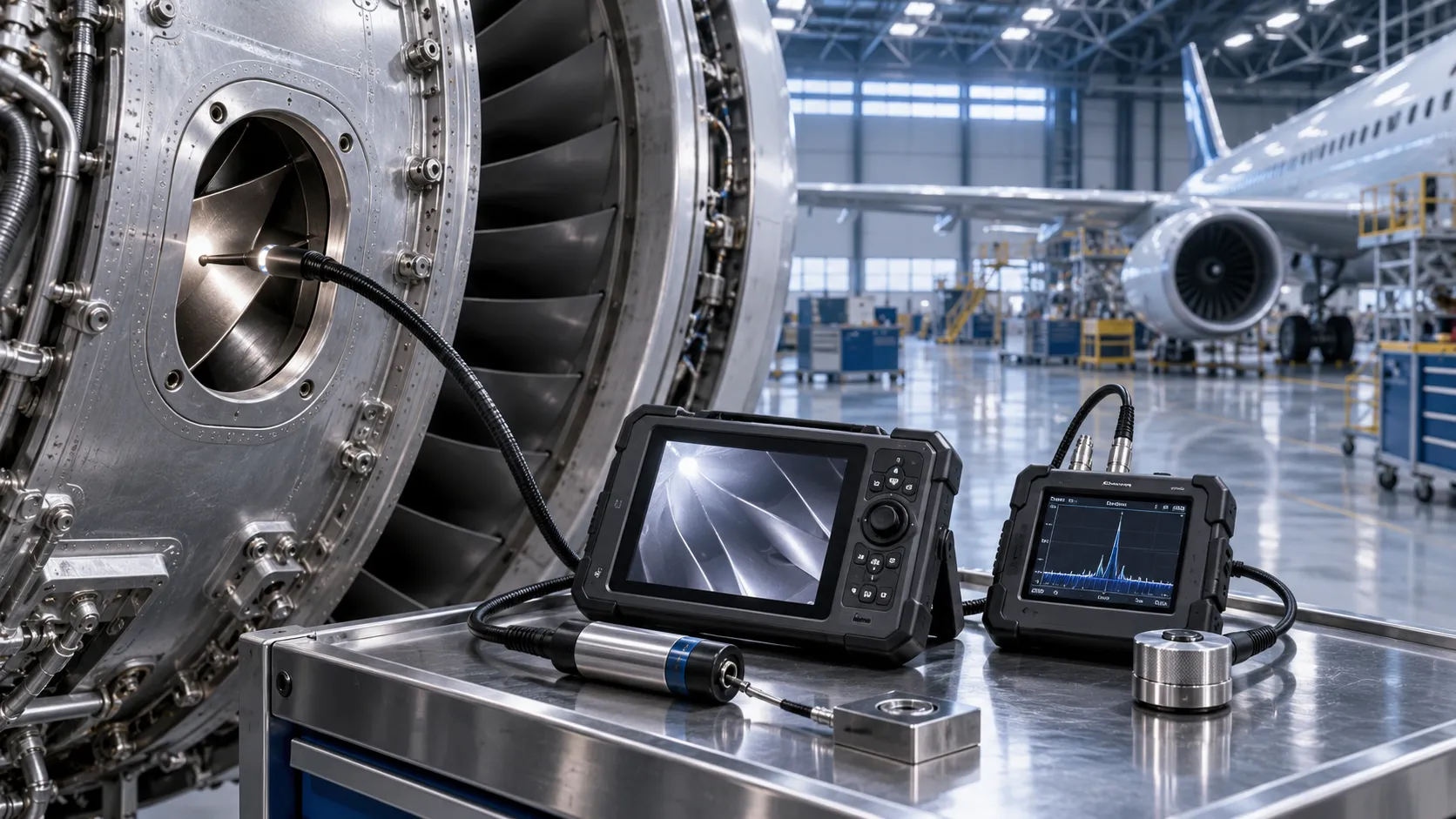
How to Select Aerospace Inspection Tools for Aircraft Maintenance Tasks
Aerospace maintenance inspection tools: learn how to select reliable, traceable equipment for aircraft access, accuracy, calibration, and compliant maintenance decisions.
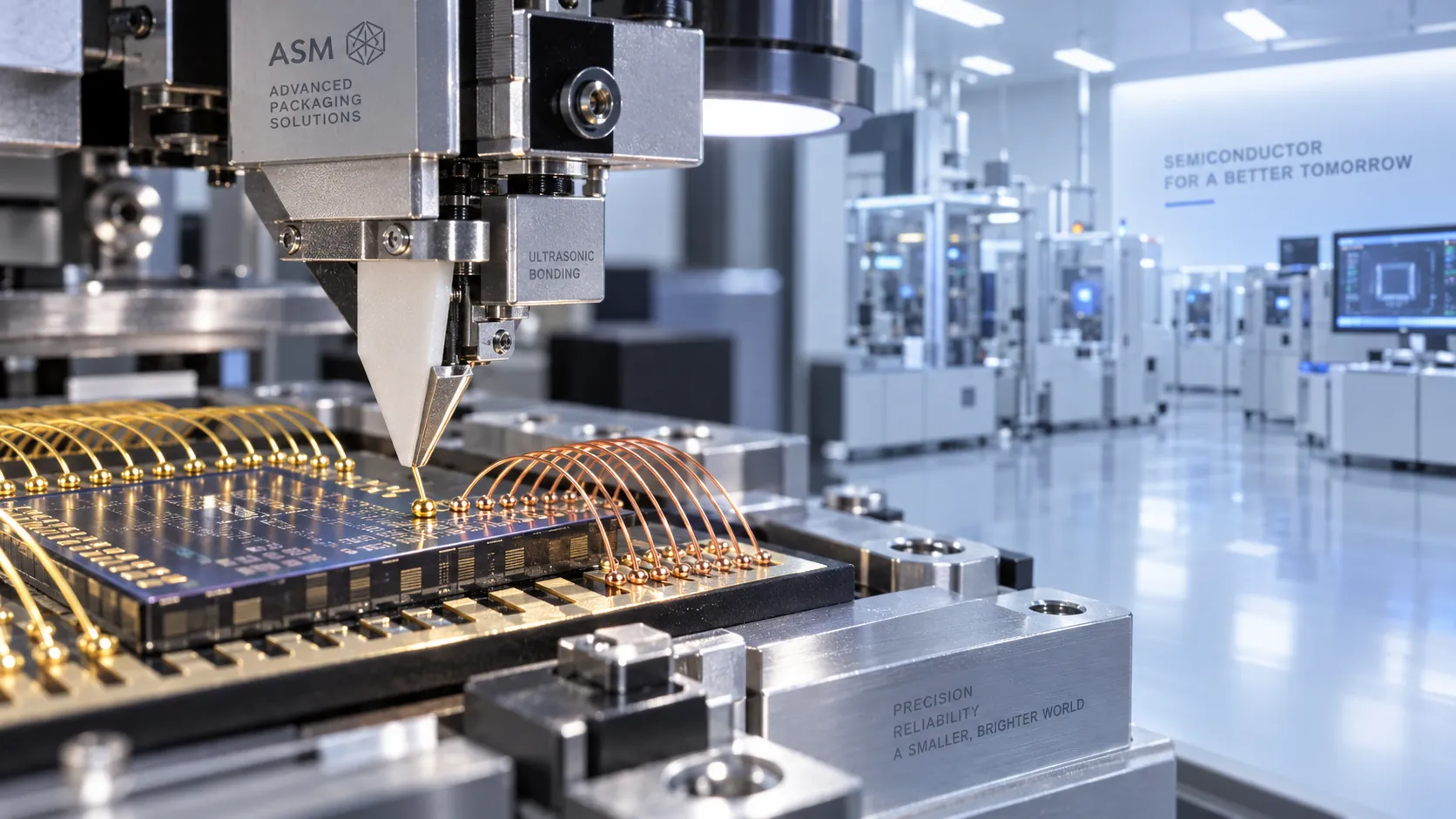
How to Select Wire Bonding Tools for Fine-Pitch Semiconductor Packaging
Explore semiconductor manufacturing tools for wire bonding and learn how to select precision solutions for fine-pitch packaging, reliable loops, accuracy, and yield.
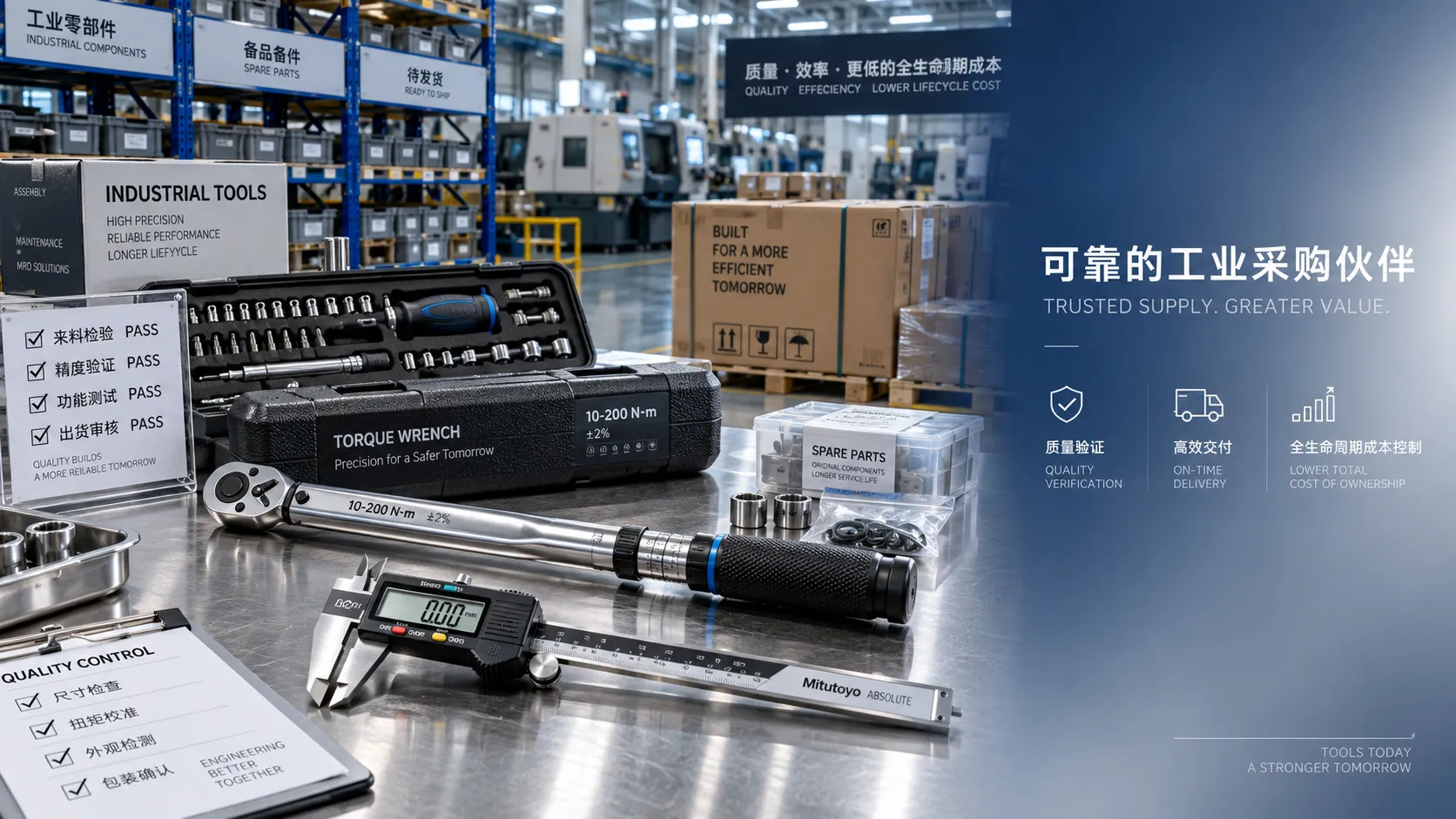
How to Compare Industrial Tool Suppliers for Quality, Lead Time, and Total Cost
Industrial tool selection supplier comparison made simple: evaluate quality, lead times, total cost, service, and supply resilience for confident sourcing decisions.
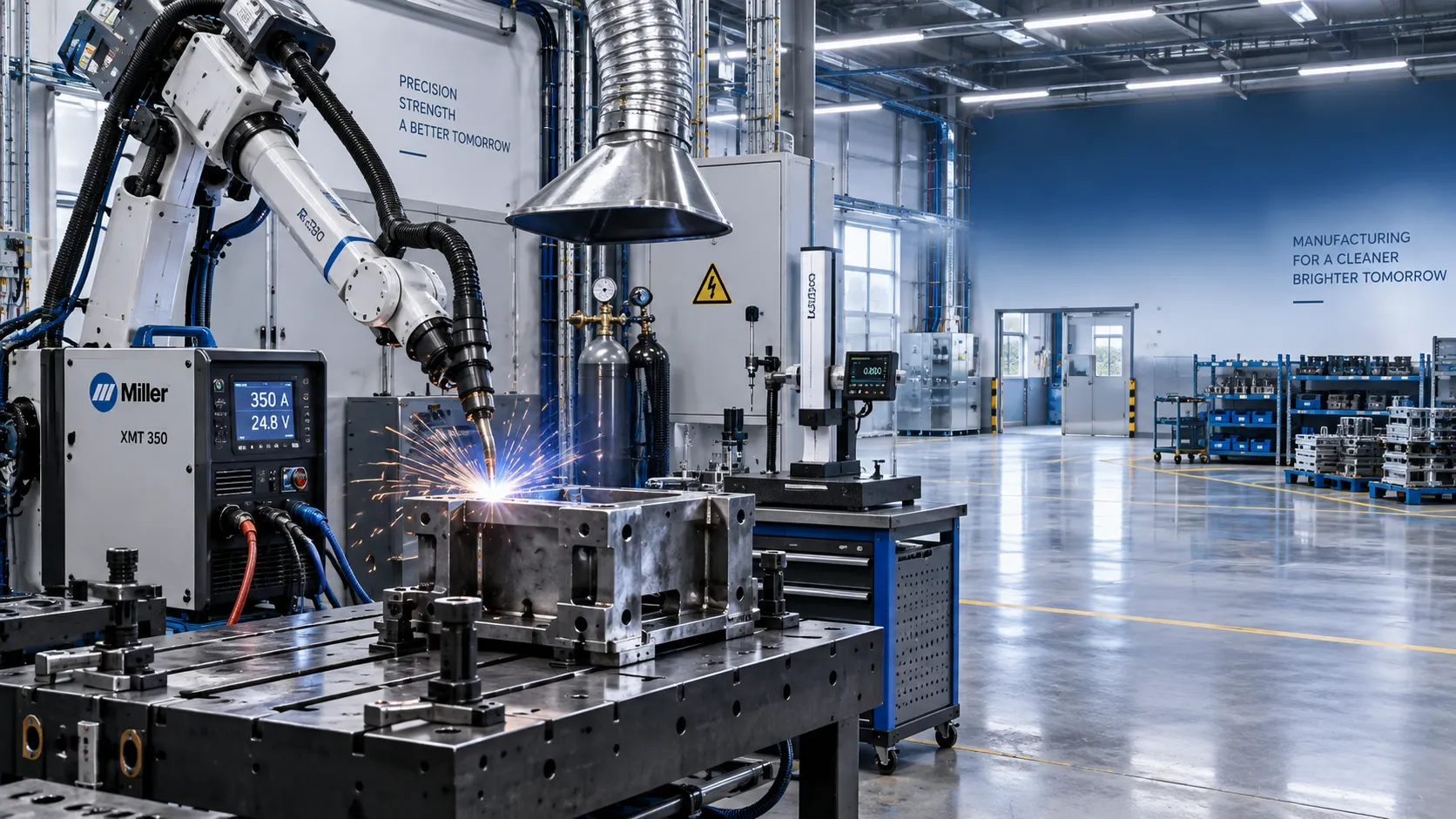
Industrial Equipment Application Guidance: Match Machines to Operating Conditions
Application guidance industrial equipment: match capacity, duty cycle, materials, site conditions, safety, and lifecycle cost to improve reliable output. Read the guide.
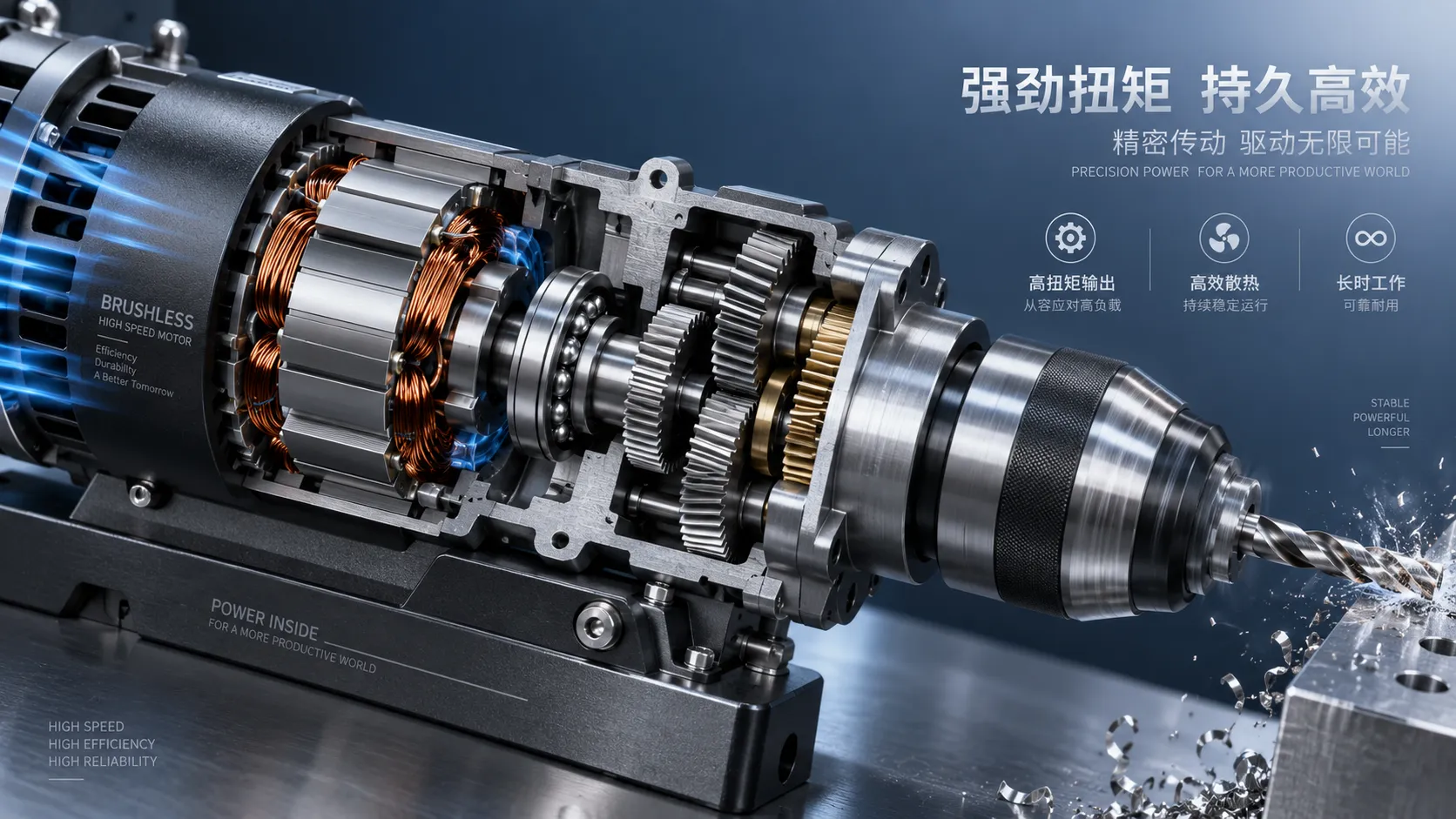
Selecting High-Speed Brushless Tool Motors for Torque, Heat, and Duty Cycle
High speed brushless tool motors: learn how to balance torque, heat, gearing, and duty cycle for reliable industrial tool performance and longer service life.
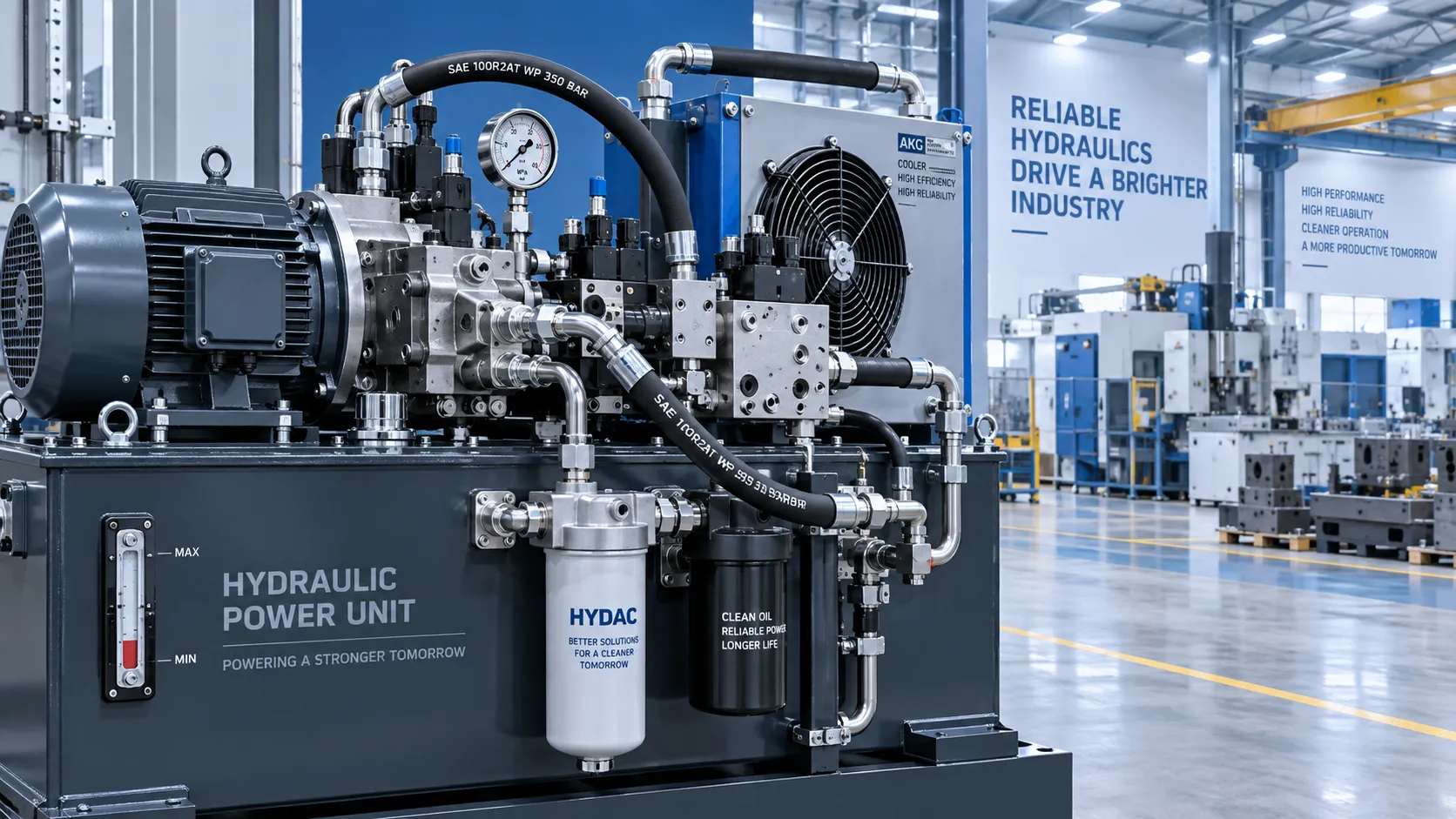
What Determines Industrial Hydraulic System Price for Heavy-Duty Equipment?
Industrial hydraulic system price depends on duty cycle, pressure, components, cooling, and integration. Compare quotes intelligently to secure reliable heavy-duty performance.
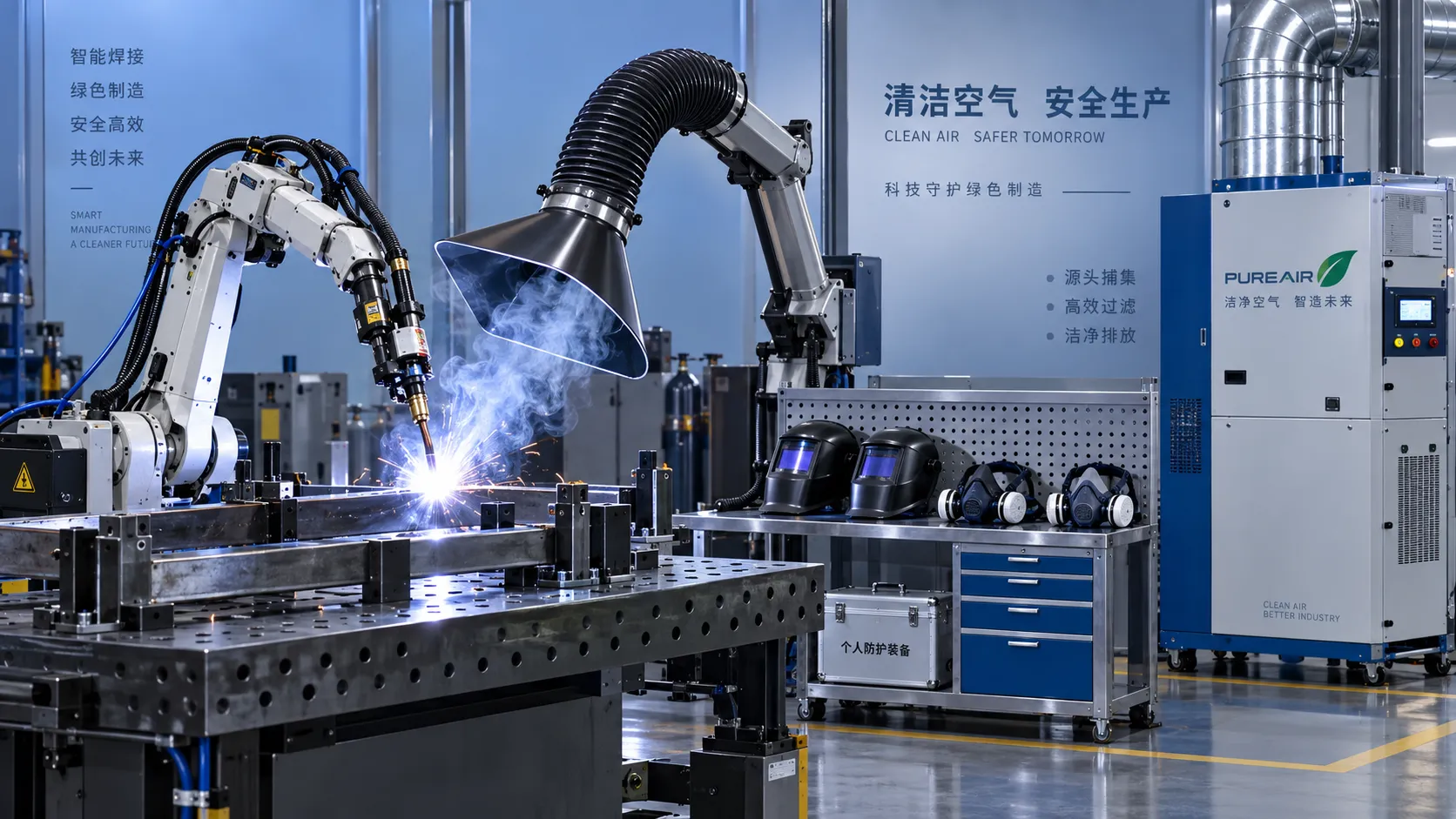
Welding Fume Extraction PPE: When Respirators Are Not Enough for Shop Safety
Welding fume extraction PPE: learn why respirators alone fall short and how source capture, ventilation, and layered controls improve shop safety.
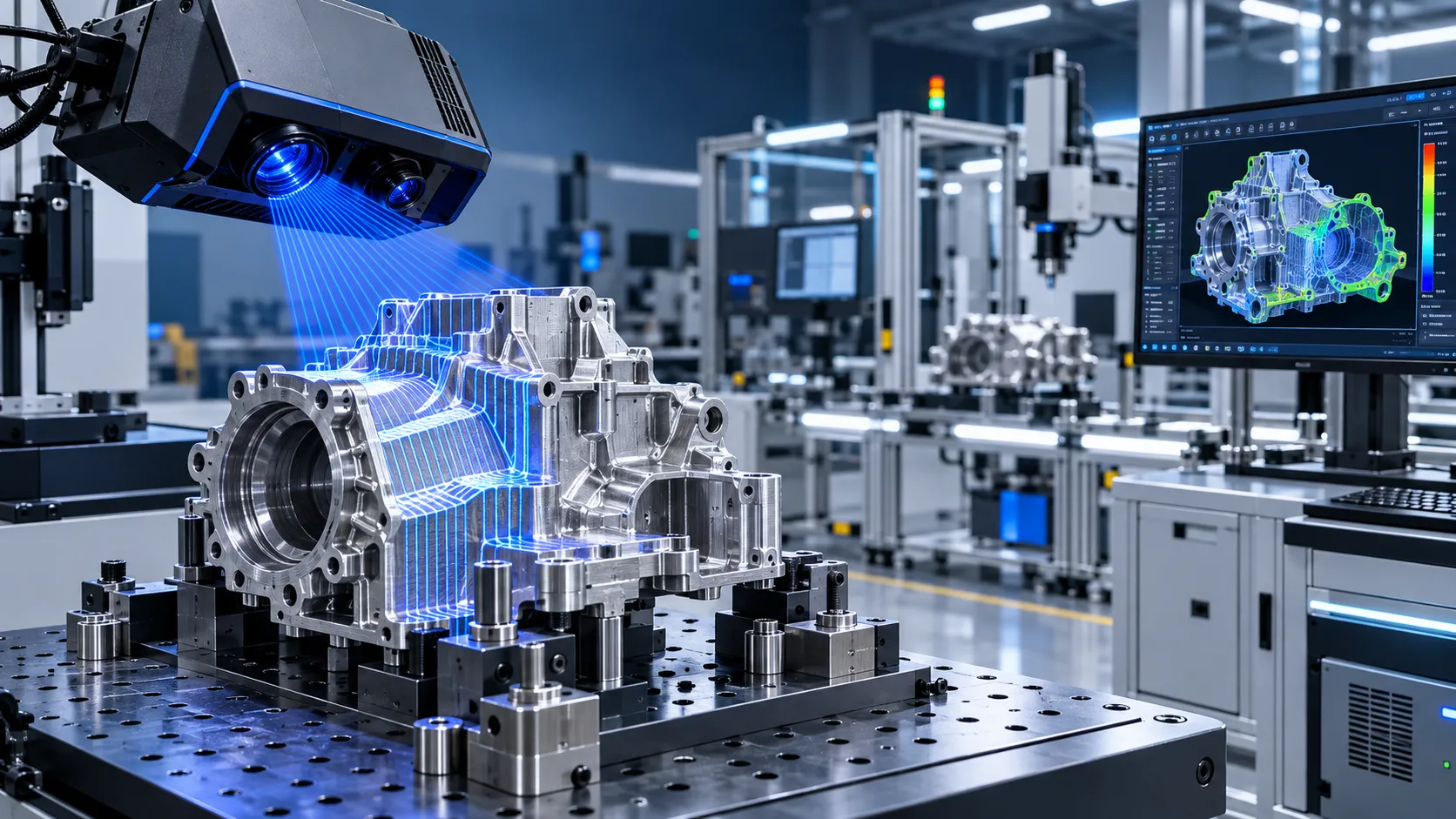
How to Select Optical Metrology Solutions for Tight-Tolerance Manufacturing
Optical industrial metrology solutions for tight-tolerance manufacturing: evaluate accuracy, surface compatibility, workflow, and traceability to select with confidence.
Related News
- 00
0000-00
Selecting Adjustable Torque Tools for Repeatable Fastener Assembly - 00
0000-00
How to Select Aerospace Inspection Tools for Aircraft Maintenance Tasks - 00
0000-00
How to Select Wire Bonding Tools for Fine-Pitch Semiconductor Packaging - 00
0000-00
Industrial Equipment Application Guidance: Match Machines to Operating Conditions - 00
0000-00
Selecting High-Speed Brushless Tool Motors for Torque, Heat, and Duty Cycle
Prof. Marcus Chen
Weekly Insights
Stay ahead with our curated technology reports delivered every Monday.