
How to Evaluate a Precision Engineering Distributor in Europe for Quality and Lead Time





It usually starts with a familiar procurement problem: a drawing is approved, the internal team is aligned, and the production schedule assumes parts or tooling will arrive on time. Then the questions begin. Can this distributor really hold the tolerances the application requires? Are the quoted lead times realistic once customs, stock transfers, and subcontracted finishing are involved? If you are sourcing in multiple European markets, those doubts get bigger, not smaller.
A precision engineering distributor Europe buyers choose too quickly can create trouble long before a shipment is late. Small quality deviations can block assembly, trigger incoming inspection disputes, or force urgent reordering from another source. A supplier that looks efficient on paper may still be weak at documentation control, batch traceability, or communication when specifications change. For that reason, evaluation should not stop at price, product range, or a polished website.
Many teams run into the same mistake: they compare distributors as if they were only traders. In practice, some distributors are technical intermediaries with strong engineering support, structured quality review, and reliable replenishment planning. Others are mainly order processors. The difference matters most when you need tight-tolerance components, metrology tools, welding-related precision accessories, or engineered assemblies that must perform consistently across plants.
Start with the risk behind the purchase, not the catalog
Before reviewing any distributor, define what failure would look like in your specific sourcing context. A standard replacement item for maintenance does not carry the same risk as a precision fixture, a measurement-related accessory, or a component that affects calibration or downstream joining quality. If the item is tied to product conformity, line uptime, or operator safety, your review needs to go deeper.
This first step is often skipped because teams are under time pressure. Yet it changes the entire evaluation. A distributor suited for low-risk consumables may not be suitable for engineered items requiring dimensional consistency, controlled packaging, revision management, or technical clarification before order release.
A practical way to frame it is to ask:
- Does this item have critical tolerances or fit requirements?
- Will a minor deviation stop assembly or alter measurement accuracy?
- Do we need material, inspection, or batch records?
- Is lead time sensitivity driven by production planning, service commitments, or both?
- Will specification changes happen during the buying cycle?
Once these risks are visible, it becomes easier to judge whether a distributor’s promises actually match the job.
Look past “quality” claims and examine the distributor’s control points
When people say they want a quality-focused distributor, they often mean one of two different things without separating them. The first is product quality at source: whether the supplied item matches drawing, standard, and intended use. The second is process quality at the distributor level: whether orders are reviewed correctly, paperwork is controlled, and issues are handled without confusion. Both matter.
A useful conversation with a potential distributor should move beyond general statements like “we work with approved manufacturers” or “we inspect goods before shipping.” Those answers are too broad. Instead, ask where the distributor actually checks risk.
For example, does the team review technical requirements before accepting the order, or only after it reaches the manufacturer? Can they identify unclear tolerances, coating specifications, revision mismatches, or packaging needs early? If they cannot, procurement ends up acting as the technical filter, which is not always realistic.
You also want to understand what “inspection” means in their process. In some cases it means quantity and visible condition only. In others, it includes dimensional verification against agreed points, document matching, lot control, or coordination with external inspection resources. The right level depends on your application, but vague answers are a warning sign.
Another overlooked area is nonconformance handling. Ask how they isolate suspect stock, how they communicate deviations, and whether they can prevent mixed lots or outdated revisions from re-entering supply. A distributor that treats every quality issue as a simple return request may struggle when you need root-cause communication or controlled replacement planning.
Lead time is not one number
One reason distributor selection goes wrong is that quoted lead time is treated as a single promise. In reality, lead time is a chain: order review, manufacturer confirmation, production or picking, any secondary processing, internal inspection, export or transfer preparation, transport booking, customs steps where applicable, and final delivery. If any link is unclear, the headline date means very little.
When evaluating a precision engineering distributor Europe sourcing teams should ask where the distributor has direct control and where it relies on third parties. There is nothing inherently wrong with subcontracted processes or multi-warehouse supply. The issue is visibility. If the distributor cannot explain the path of supply in plain terms, it becomes difficult to trust schedule commitments.
Good questions here are specific:
- Is the quoted lead time based on stock, planned replenishment, or fresh production?
- Are secondary operations such as finishing, marking, or calibration included?
- How are partial deliveries managed if one line slips?
- Who updates the ETA if the manufacturer revises the schedule?
- How are urgent orders prioritized internally?
Reliable distributors tend to describe constraints clearly. They may not always offer the shortest lead time, but they usually separate optimistic possibilities from normal execution. That honesty is often more valuable than an aggressive quote that keeps changing.
Watch how they handle technical communication
Precision purchases often fail because the commercial process and the technical process are disconnected. A buyer sends a specification package, receives a price, places the order, and only later discovers that assumptions were made about finish, measurement reference, tolerances, or compatibility. By then, changing the order costs time on both sides.
A stronger distributor does not wait for trouble. The team asks clarifying questions early, points out missing information, and confirms what will be supplied in language that matches the drawing or standard. This does not require long engineering workshops for every order. It does require discipline.
You can usually see the difference during quotation. If your inquiry includes a drawing revision, material callout, inspection note, or a special packaging instruction, notice whether the reply reflects those details accurately. Generic responses may suggest that the internal handoff between sales, sourcing, and quality is weak.
This is especially relevant when sourcing products linked to assembly, metal joining, or metrology, where downstream performance depends on details people sometimes treat as minor. Market intelligence sources focused on these industrial areas can help teams understand where common specification gaps occur, particularly when evaluating distributors across multiple countries and supplier networks. Used carefully, that kind of information supports better questioning rather than replacing supplier validation.
Documentation is part of delivery performance
In many organizations, a shipment is considered “on time” only to become unusable because required documents are missing or inconsistent. Material declarations, inspection records, certificates, packing labels, revision references, and customs-facing descriptions all affect whether the goods can move smoothly into inventory or production.
This is why documentation capability deserves the same attention as physical logistics. Ask what documents can be supplied as standard, which require advance agreement, and how they are matched to each order line. If your operation relies on receiving inspection or digital goods receipt workflows, missing paperwork can create delays that are functionally identical to late delivery.
It is also worth checking whether the distributor can maintain consistency across repeat orders. The first order often gets special attention. The real test is whether the second, fifth, and tenth orders arrive with the same labeling, revision logic, and supporting files. Repetition reveals process maturity better than promises do.
Do not ignore stock policy and replenishment logic
Some distributors look strong because they offer wide product coverage, but wide coverage is not the same as dependable availability. If an item appears in a catalog, that does not tell you whether it is stocked locally, stocked regionally, bought to order, or dependent on a long manufacturer cycle.
For recurring demand, ask how they decide what to stock and how they protect continuity. Do they hold safety stock for agreed items? Can they separate regular demand from one-off project demand so that one large order does not distort future supply? If the answer is vague, the risk of shortages increases as volumes become less predictable.
There is also a practical point here for buyers managing European supply complexity. Cross-border distribution can work very well, but only if the distributor has a stable routine for inter-branch transfers, import documentation where needed, and communication between local sales teams and central warehouses. Without that coordination, “available in Europe” may still mean “not available when your plant needs it.”
Use a small trial, but design it properly
Many teams want to reduce risk by placing a test order, which is sensible. The problem is that the test is often too easy. If you send only a simple item with flexible timing, you learn very little about the distributor’s real capability.
A better trial order includes at least some of the conditions that matter in live operation: a defined document requirement, a realistic delivery window, one or two technical notes that require careful review, and normal receiving procedures on your side. The purpose is not to trap the supplier. It is to observe how the process behaves under ordinary pressure.
Pay attention to communication during the trial. Were questions raised at the right time? Was the order acknowledgment aligned with the inquiry? Did lead-time updates come before you had to chase them? Was the packaging adequate for traceability and handling? These are small signals, but together they tell you whether the distributor is likely to perform well at scale.
Warning signs that often appear early
Some problems can be spotted before any order is placed. Repeatedly changing contact points, unclear answers about sourcing routes, reluctance to discuss nonconformance process, and quotation documents that do not reflect your stated revision level are common indicators of future friction.
Another warning sign is overconfidence without boundaries. Precision supply always has constraints. A distributor that claims every item is available quickly, every document is easy to provide, and every issue can be solved after shipment may simply be pushing risk downstream to you.
On the other hand, caution is not a negative sign by itself. A distributor that asks for clarification, separates standard scope from special requirements, and confirms assumptions in writing may feel slower at the start, but often proves easier to work with once orders become routine.
Making the final decision without overcomplicating it
If you are comparing several options, bring the decision back to a short list of operational priorities. For high-risk items, quality control points, technical review discipline, and documentation reliability should carry more weight than the lowest unit price. For recurring items with schedule pressure, replenishment logic and communication rhythm may matter more than breadth of catalog.
It can help to summarize each distributor in practical terms rather than scoring abstract categories. One may be suitable for repeat standard items with stable demand. Another may be better for technically sensitive orders that need close specification review. A third may be acceptable only when lead time is flexible and documentation requirements are light. That kind of classification is often more useful than pretending one distributor is universally best.
Choosing a precision engineering distributor Europe organizations can depend on is less about finding the most impressive supplier profile and more about checking whether the distributor’s process matches your risk. When quality, traceability, and lead time all matter, the strongest option is usually the one that makes fewer assumptions, explains its control points clearly, and behaves consistently before the first problem appears.
If you approach the decision that way, you are less likely to be surprised by hidden delays, unclear paperwork, or avoidable quality disputes. And in procurement, reducing surprises is often the real measure of a good sourcing choice.
Related News
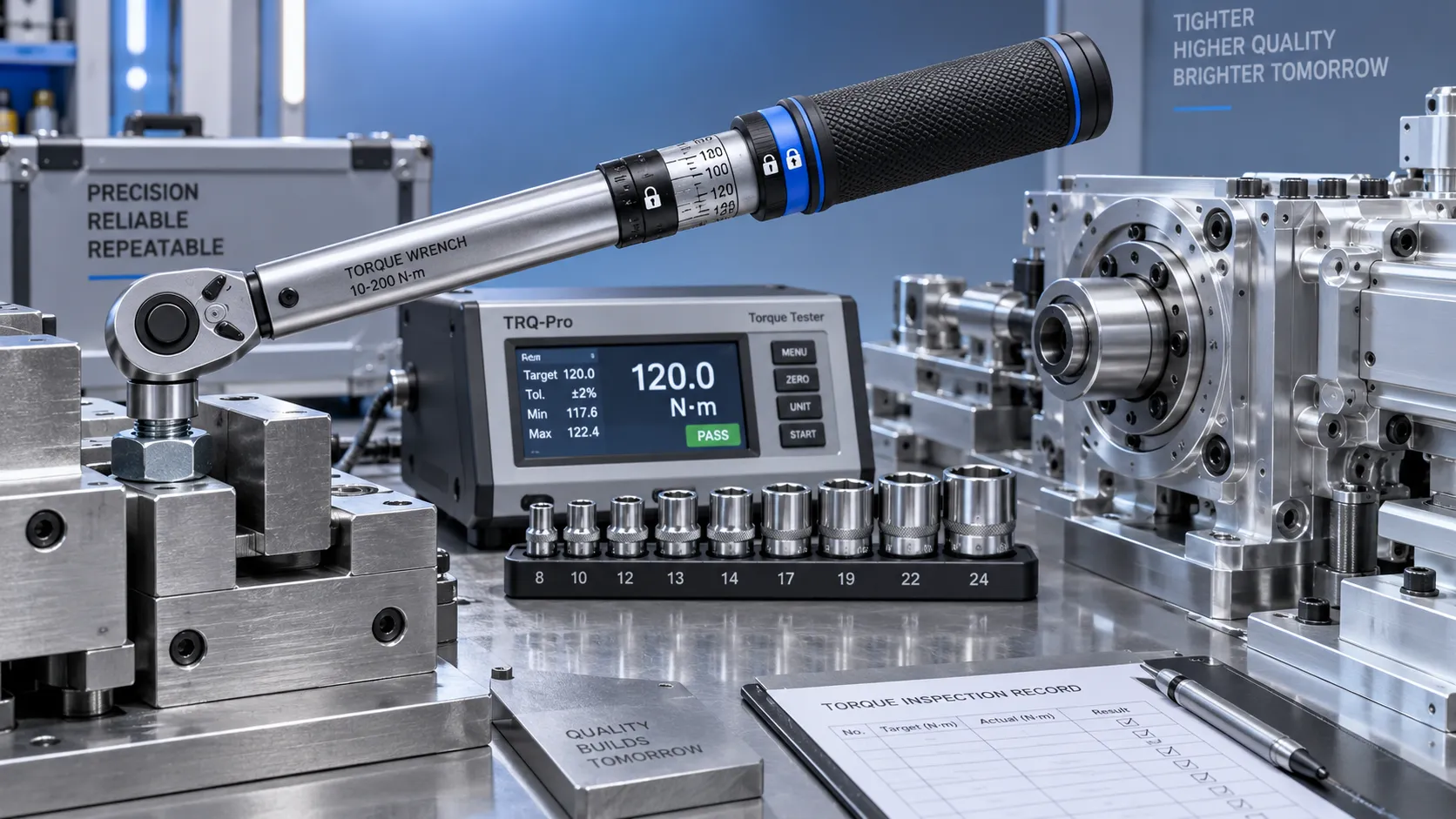
Selecting Adjustable Torque Tools for Repeatable Fastener Assembly
Adjustable torque tools: learn how to match range, accuracy, control methods, calibration, and ergonomics for repeatable, reliable fastener assembly.

How to Select Aerospace Inspection Tools for Aircraft Maintenance Tasks
Aerospace maintenance inspection tools: learn how to select reliable, traceable equipment for aircraft access, accuracy, calibration, and compliant maintenance decisions.

How to Select Wire Bonding Tools for Fine-Pitch Semiconductor Packaging
Explore semiconductor manufacturing tools for wire bonding and learn how to select precision solutions for fine-pitch packaging, reliable loops, accuracy, and yield.
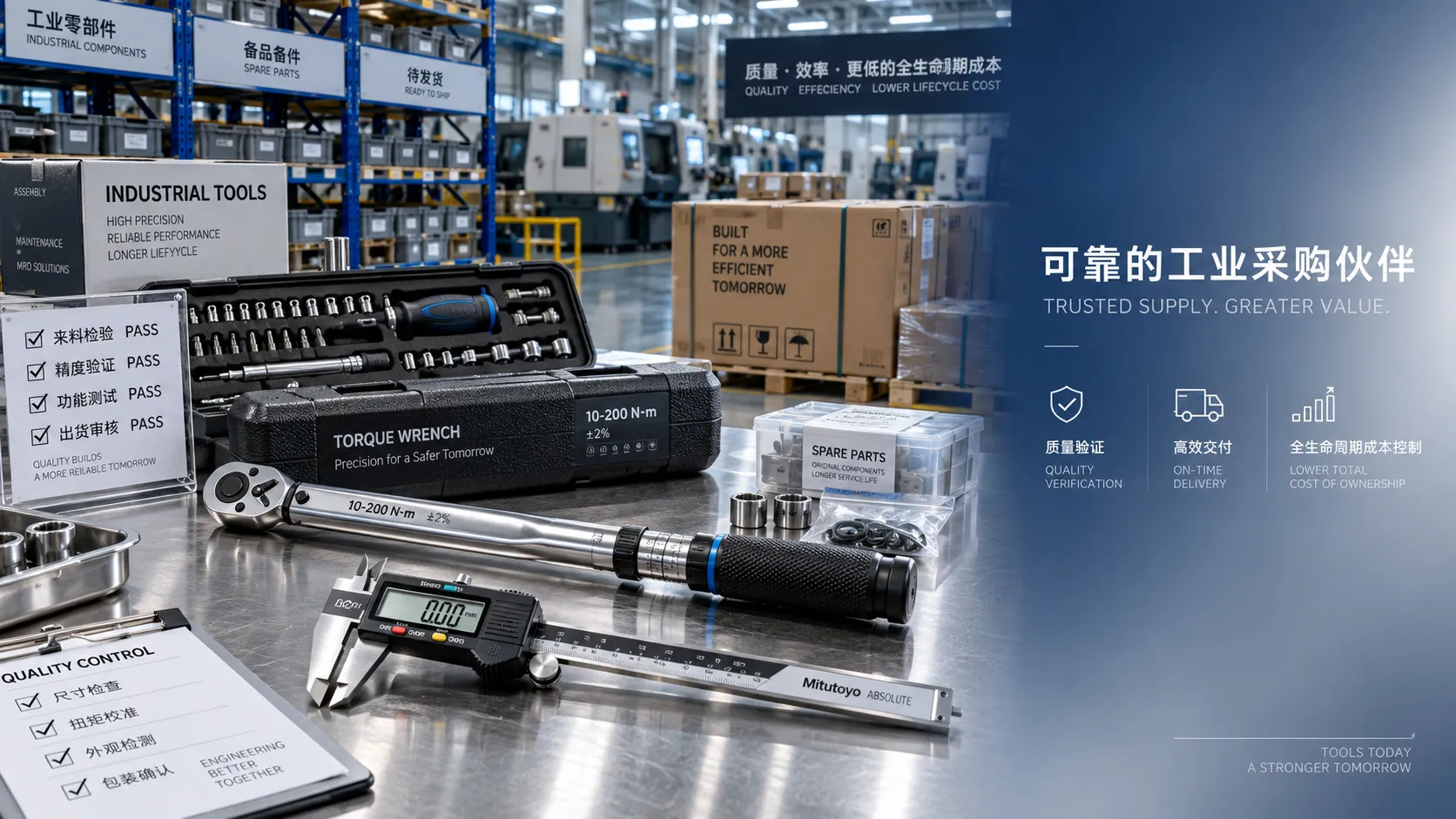
How to Compare Industrial Tool Suppliers for Quality, Lead Time, and Total Cost
Industrial tool selection supplier comparison made simple: evaluate quality, lead times, total cost, service, and supply resilience for confident sourcing decisions.

Industrial Equipment Application Guidance: Match Machines to Operating Conditions
Application guidance industrial equipment: match capacity, duty cycle, materials, site conditions, safety, and lifecycle cost to improve reliable output. Read the guide.
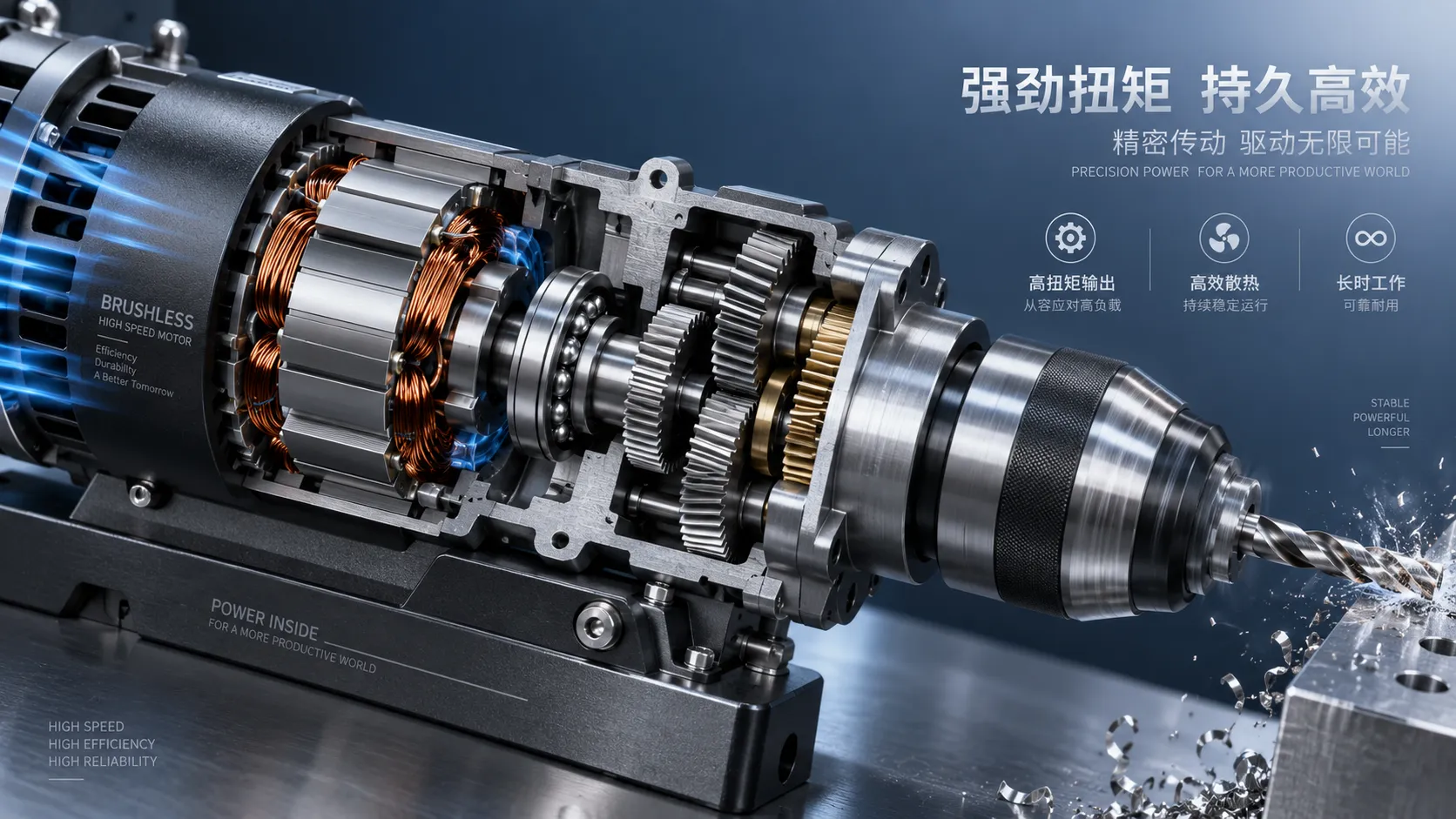
Selecting High-Speed Brushless Tool Motors for Torque, Heat, and Duty Cycle
High speed brushless tool motors: learn how to balance torque, heat, gearing, and duty cycle for reliable industrial tool performance and longer service life.
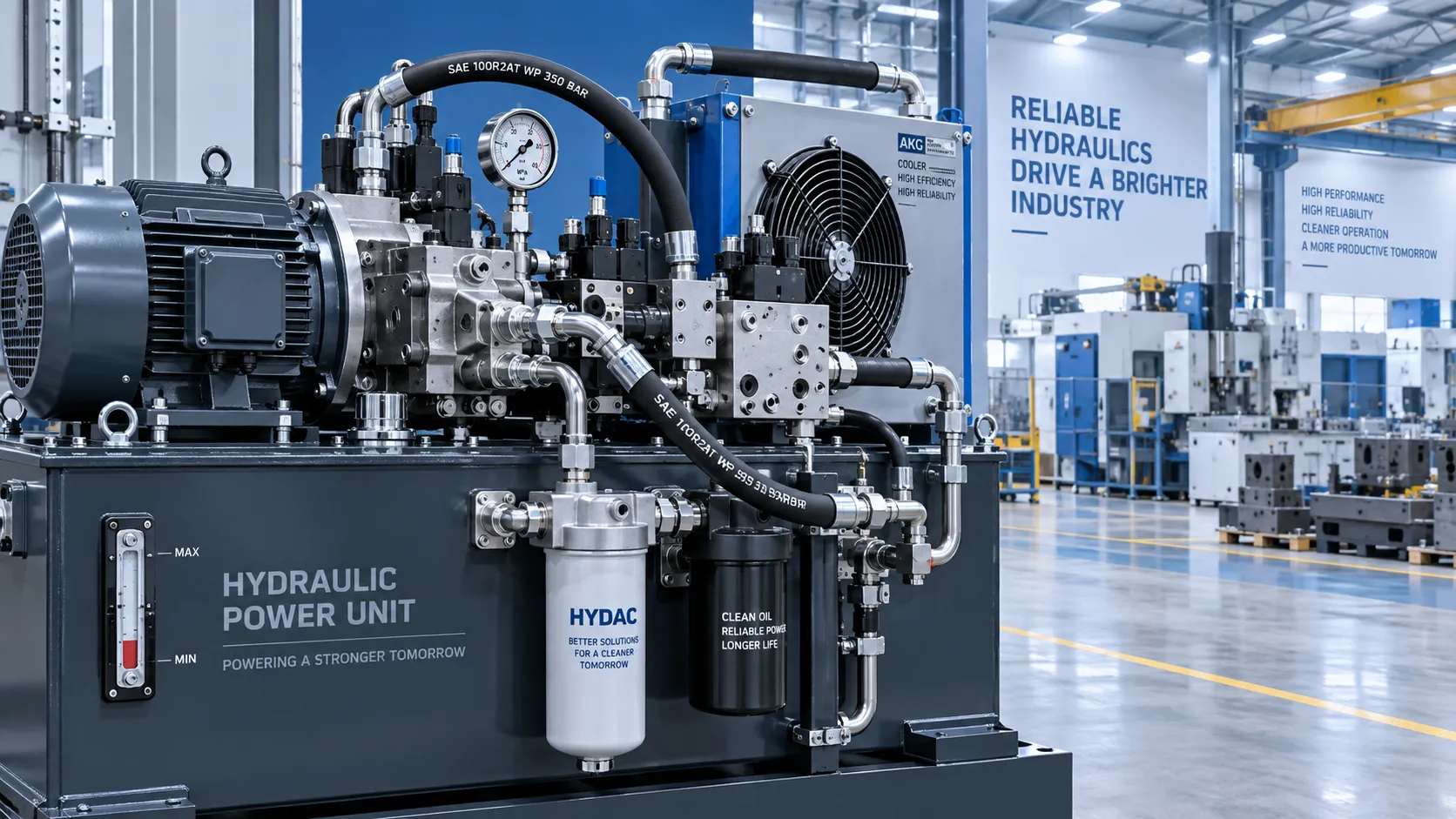
What Determines Industrial Hydraulic System Price for Heavy-Duty Equipment?
Industrial hydraulic system price depends on duty cycle, pressure, components, cooling, and integration. Compare quotes intelligently to secure reliable heavy-duty performance.

Welding Fume Extraction PPE: When Respirators Are Not Enough for Shop Safety
Welding fume extraction PPE: learn why respirators alone fall short and how source capture, ventilation, and layered controls improve shop safety.

How to Select Optical Metrology Solutions for Tight-Tolerance Manufacturing
Optical industrial metrology solutions for tight-tolerance manufacturing: evaluate accuracy, surface compatibility, workflow, and traceability to select with confidence.
Related News
- 00
0000-00
How to Compare Industrial Tool Suppliers for Quality, Lead Time, and Total Cost - 00
0000-00
How to Evaluate a Technology Integration Service Provider for Complex Projects - 00
0000-00
Product Comparison Resources in Europe: How Buyers Can Verify Specs and Suppliers - 00
0000-00
How to Evaluate an Industrial Metrology Solution Manufacturer for Production Use - 00
0000-00
How to Evaluate a Metal Joining Solutions Factory for Quality, Capacity, and Delivery Risk
Dr. Alistair Vaughn
Weekly Insights
Stay ahead with our curated technology reports delivered every Monday.