
Evaluating Industrial Intelligence Solutions for Legacy Equipment Integration





Evaluating Industrial Intelligence Solutions for Legacy Equipment Integration
Connecting legacy equipment to modern analytics is rarely a plug-and-play exercise. For technical evaluators, the challenge is identifying industrial intelligence solutions that deliver reliable data without compromising machine availability, measurement integrity, or operational safety. From aging welding systems to precision assembly tools, successful integration depends on protocol compatibility, sensor retrofit options, cybersecurity, and measurable lifecycle costs.
The decisive question is not whether a platform can display machine data. It is whether the complete system can support a specific operational decision—and remain trustworthy when production conditions change. A polished dashboard can conceal missing events, incorrect units, or a gateway that stops collecting whenever the network fails.
Start with the decision, then define the evidence
Before comparing vendors, identify what someone will do differently with the information. Investigating unexplained stoppages requires different evidence from verifying tightening results or identifying welding process drift. “Improve visibility” is too broad to become a useful acceptance criterion.
For downtime analysis, machine state transitions and reason codes may be sufficient. For fastening traceability, the useful record might include measured torque, angle, tightening program, tool identity, result status, and part association. Welding evaluation may require process parameters linked to the relevant job, but those parameters alone do not establish weld quality.
Write a short evidence contract for each use case: required signals, units, timestamps, acceptable missing data, retention, and the person responsible for acting on exceptions. Distinguish between information used for investigation and information used for product acceptance. The latter demands stronger control over measurement, traceability, and validation.
Audit the machine, not just the protocol list
A vendor’s support for OPC UA, Modbus, or an industrial Ethernet protocol does not prove compatibility with your equipment. Controller generation, firmware, enabled options, accessible registers, and licensing can determine what is actually available. MQTT can transport data effectively, but its presence says little about whether the underlying machine signals have been interpreted correctly.
Build the asset inventory around exact configurations. Record controller models, firmware versions, electrical drawings, existing network connections, available ports, and maintenance restrictions. Include machines with undocumented modifications; these often require more discovery than their nameplates suggest.
Most brownfield projects involve a combination of three acquisition routes:
- Native controller access: Can expose useful process context, but requires verified tag definitions and a check on communication load.
- Protocol gateways: Can connect older interfaces to modern infrastructure, while adding dependencies around drivers, mapping, buffering, and support.
- Retrofitted sensors: Can observe equipment without controller changes, but usually require more interpretation and installation validation.
A current sensor may indicate that a motor is running; it does not necessarily distinguish productive machining from idling. A vibration sensor can reveal changes, but mounting position and operating conditions affect the signal. Evaluate the inference being made, not merely the sensor specification.
Ask vendors to demonstrate acquisition from your controller version or a technically equivalent configuration. A generic demonstration is useful for interface review, not proof of integration readiness.
Check whether the data preserves physical meaning
Legacy equipment can produce plausible-looking data that is unsuitable for the intended analysis. A displayed value might be a setpoint rather than a measurement, a filtered average rather than a peak, or a result overwritten at the next cycle. These distinctions matter more than dashboard refresh speed.
For every critical signal, confirm its source, scaling, resolution, update behavior, and validity flags. Polling a register more frequently cannot recover information that the controller never retained. Short events may require event-driven acquisition, local capture, or access to a dedicated result buffer.
Separate connectivity from measurement assurance
Digitizing a caliper reading does not establish calibration status. Streaming torque results does not prove that the tool was suitable for the joint. Where records influence acceptance decisions, preserve instrument identity, relevant calibration references, measurement units, and result status alongside the value. Review the complete measurement chain, including any analog conversion or software transformation.
Time also needs an explicit design. Determine whether timestamps originate at the machine, gateway, or server, and how clocks are synchronized. When correlating a tightening result with a serial number, delayed delivery must not attach the result to the next part. Specify how the system handles clock drift, duplicate messages, sequence gaps, and records arriving out of order.
Keep analytics failures outside the production control path
For an initial monitoring project, read-only acquisition is generally a sensible starting boundary. However, “read-only” does not mean “without impact.” Excessive polling can burden older controllers, and physical installation can introduce electrical or mechanical risks. Review communication loads and installation methods with the responsible controls and maintenance personnel.
Draw the failure boundaries before approving the architecture. If a gateway restarts, a certificate expires, or the cloud service becomes unavailable, what happens to the machine? Monitoring infrastructure should not unintentionally become a production dependency. Any proposal to write parameters or initiate actions needs a separate controls, safety, and change-management assessment.
Edge processing and cloud analytics are not mutually exclusive. Local collection can support buffering and continued operation during connectivity loss, while centralized services can support cross-site analysis. Size the buffer using expected data volume and outage duration. Then test replay behavior: restoring connectivity should not create duplicate production counts or silently discard older records.
For welding installations, sensor placement, cable routing, electromagnetic interference, and enclosure suitability deserve specific attention. Retrofitting handheld laser welding equipment must not bypass interlocks or be treated as a substitute for the applicable laser safety assessment.
Make cybersecurity and data ownership testable
Older machines may lack capabilities expected of modern networked devices. The integration design must account for those limitations rather than assuming every endpoint can support current authentication or encryption methods. Segmentation, controlled gateways, and restricted communication paths can help reduce exposure, but their suitability depends on the site architecture.
Request a data-flow diagram showing connections, trust boundaries, remote support access, and external services. Ask who approves vendor access, how it expires, what is logged, and how access can be revoked without stopping production. Review patching responsibilities, certificate renewal, vulnerability handling, and support arrangements for the gateway operating system.
IEC 62443 can provide a useful reference for industrial cybersecurity discussions, but a broad claim of alignment is not equivalent to independently assessed conformity. Ask which component, process, or system the claim covers and request supporting documentation where relevant.
Data portability deserves equal attention. Verify that you can export raw records, timestamps, quality flags, asset mappings, and necessary context—not only charts. Check API limits, export charges, retention tiers, hosting locations, and contract termination provisions. A downloadable file is of limited value if its field definitions disappear with the subscription.
Use a pilot to challenge the weakest assumptions
A useful pilot includes an awkward but representative asset, not only the newest machine with the cleanest interface. Choose equipment that exposes a meaningful integration risk: an older controller, frequent recipe changes, intermittent connectivity, or difficult part tracking. Keep the scope narrow enough that discrepancies can be investigated.
Agree on pass/fail criteria before installation. These should cover event completeness against an independent reference, timestamp suitability, correct part association, recovery after disconnection, controller impact, and usable export. Set thresholds according to the process and decision; there is no universal latency or completeness target suitable for every factory application.
During the pilot, deliberately test planned interruptions under approved conditions. Restart the gateway, interrupt its network connection, change a recipe, and examine how invalid measurements appear. Confirm that missing data is marked as missing rather than represented as zero or carried forward as a valid value.
Predictive analytics needs additional scrutiny. Ask what maintenance history and failure labels the model requires, how operating modes affect its baseline, and how false alarms will be evaluated. A short pilot may validate acquisition and anomaly detection without establishing reliable failure prediction. Keep those claims separate.
Compare lifecycle effort before approving rollout
The purchase price rarely captures the full integration burden. Compare industrial intelligence solutions using the same scope: discovery, hardware, electrical work, shutdown access, driver configuration, tag mapping, cybersecurity review, training, subscriptions, and ongoing support. Include the internal time required to investigate data-quality problems.
Clarify who maintains mappings after controller replacement, firmware updates, tooling changes, or line reconfiguration. Check whether licensing scales by asset, tag, message volume, user, or storage. Costs that look modest on one machine may behave differently when high-frequency signals or longer retention are added.
This is where the Global Precision Tools & Welding Matrix (GPTWM) offers a relevant intelligence perspective. Its focus on industrial assembly, metal joining, and precision metrology connects digital integration questions with the physical realities of tools and measurement. Its Strategic Intelligence Center’s coverage of intelligent torque control, welding safety, and technology trends can inform evaluation questions, while project documentation must establish actual compatibility.
Before selection, require three concrete deliverables: a verified signal map, a tested failure-and-recovery record, and a lifecycle responsibility matrix. If a vendor cannot explain where a critical value originates, what happens when collection stops, or who maintains the integration after a machine change, the solution is not ready for production approval.
Related News

ADAS Calibration After Vehicle Maintenance: Which Jobs Require It?
Automotive maintenance calibration: Learn which repairs may require ADAS recalibration, from windshield replacement to alignment, and how OEM guidance helps you avoid costly mistakes.

Laser vs. Resistance Spot Welding: Which Fits Automotive Body Assembly?
Choosing welding technology for automotive body assembly? Compare laser and resistance spot welding on joint access, quality, cycle time, and cost to find the right fit for your production line.
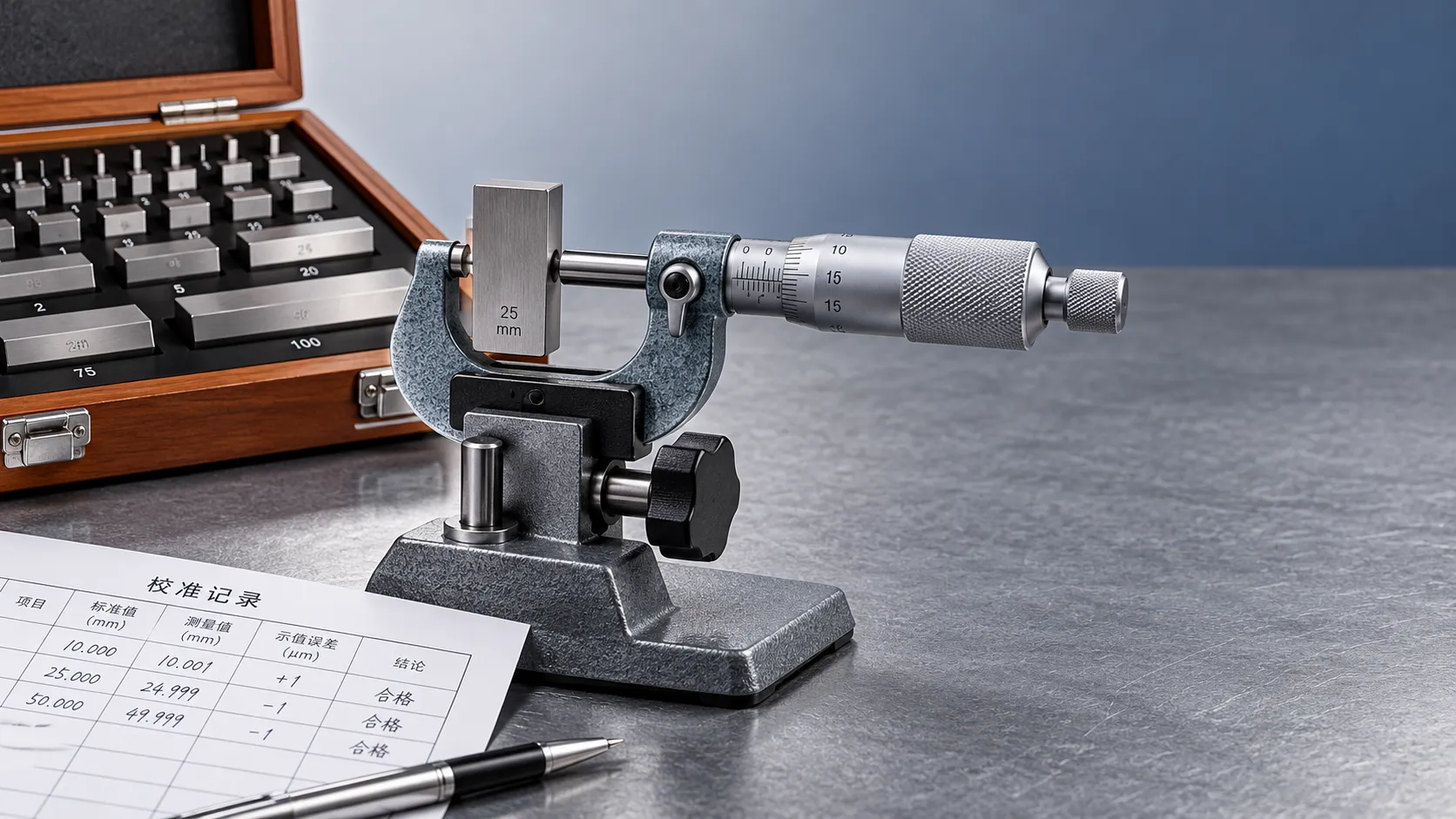
Choosing a High-Precision Measuring Instrument Supplier: Calibration and Support
Choose a high-precision measuring instruments supplier with confidence. Discover how to verify calibration, compare support, and control lifecycle costs before you buy.
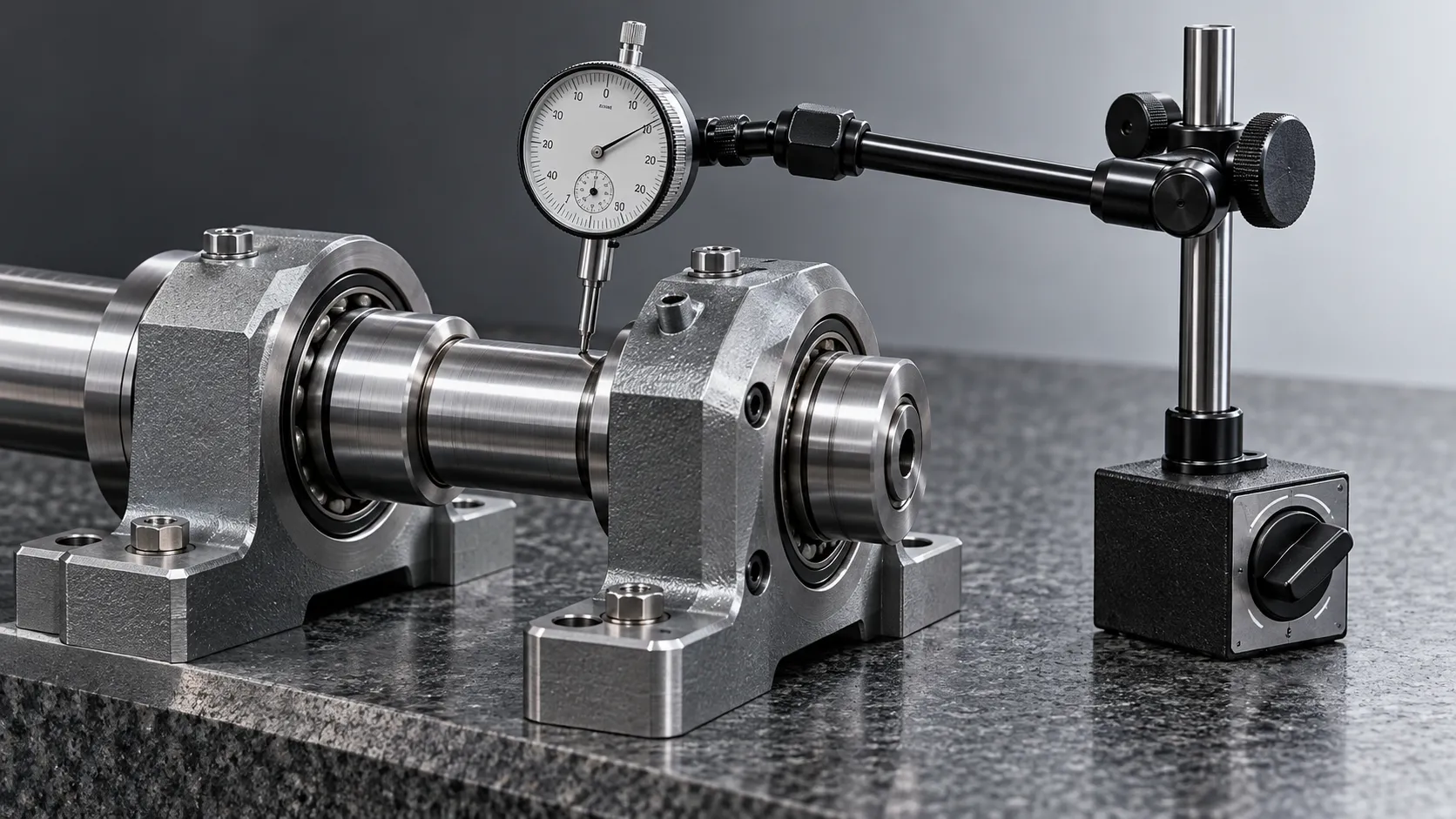
What Defines Craftsmanship in Metalworking? Fit, Finish, and Precision
Discover what defines craftsmanship in metalworking: fit, finish, and precision. Learn how to spot quality, assess suppliers, and choose parts that perform reliably.
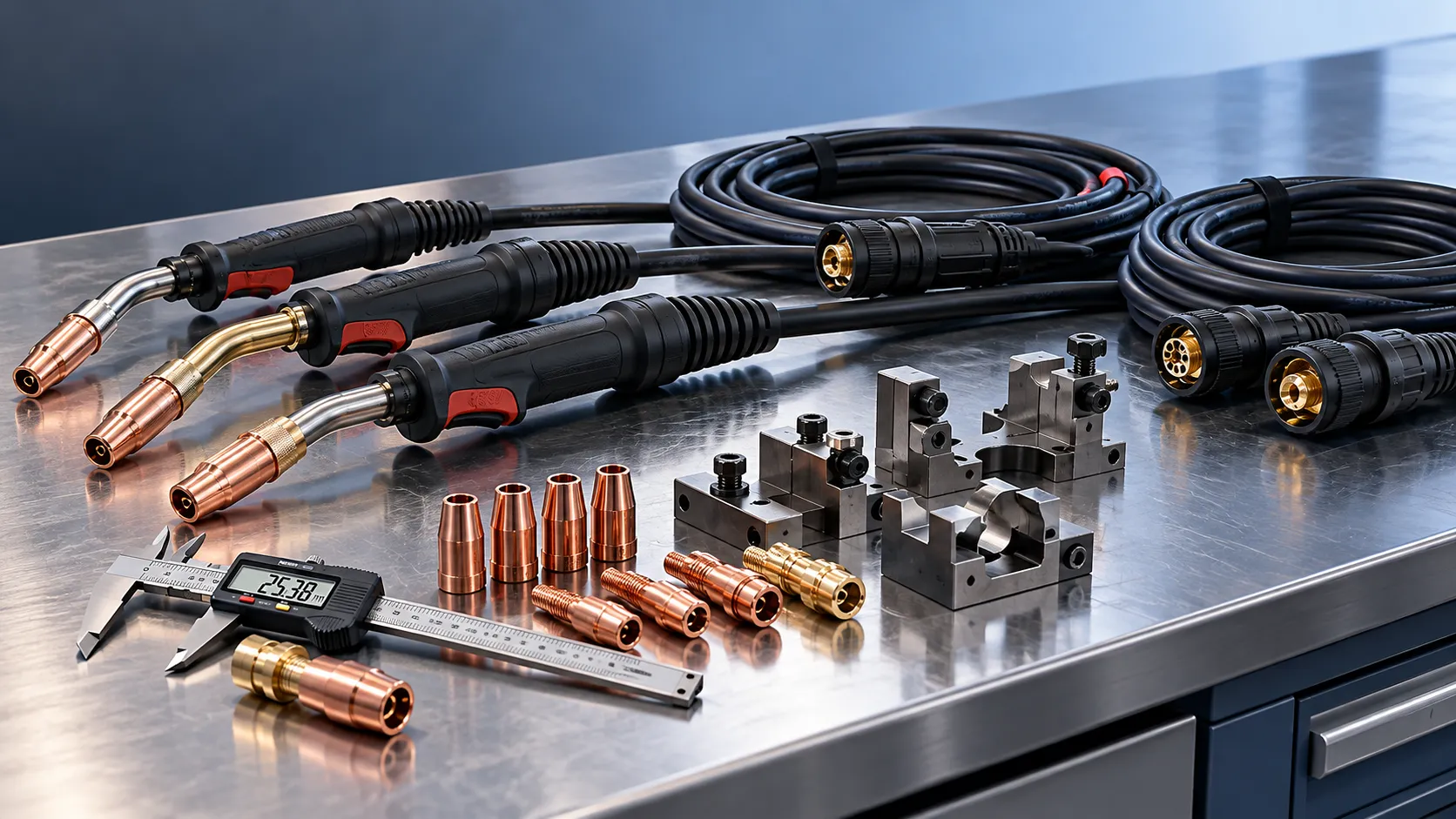
Choosing a Welding Tools Manufacturer: Quality Checks Before a Bulk Order
Choosing a welding tools manufacturer? Discover essential quality checks, sample tests, and inspection terms to reduce bulk-order risks and buy with confidence.
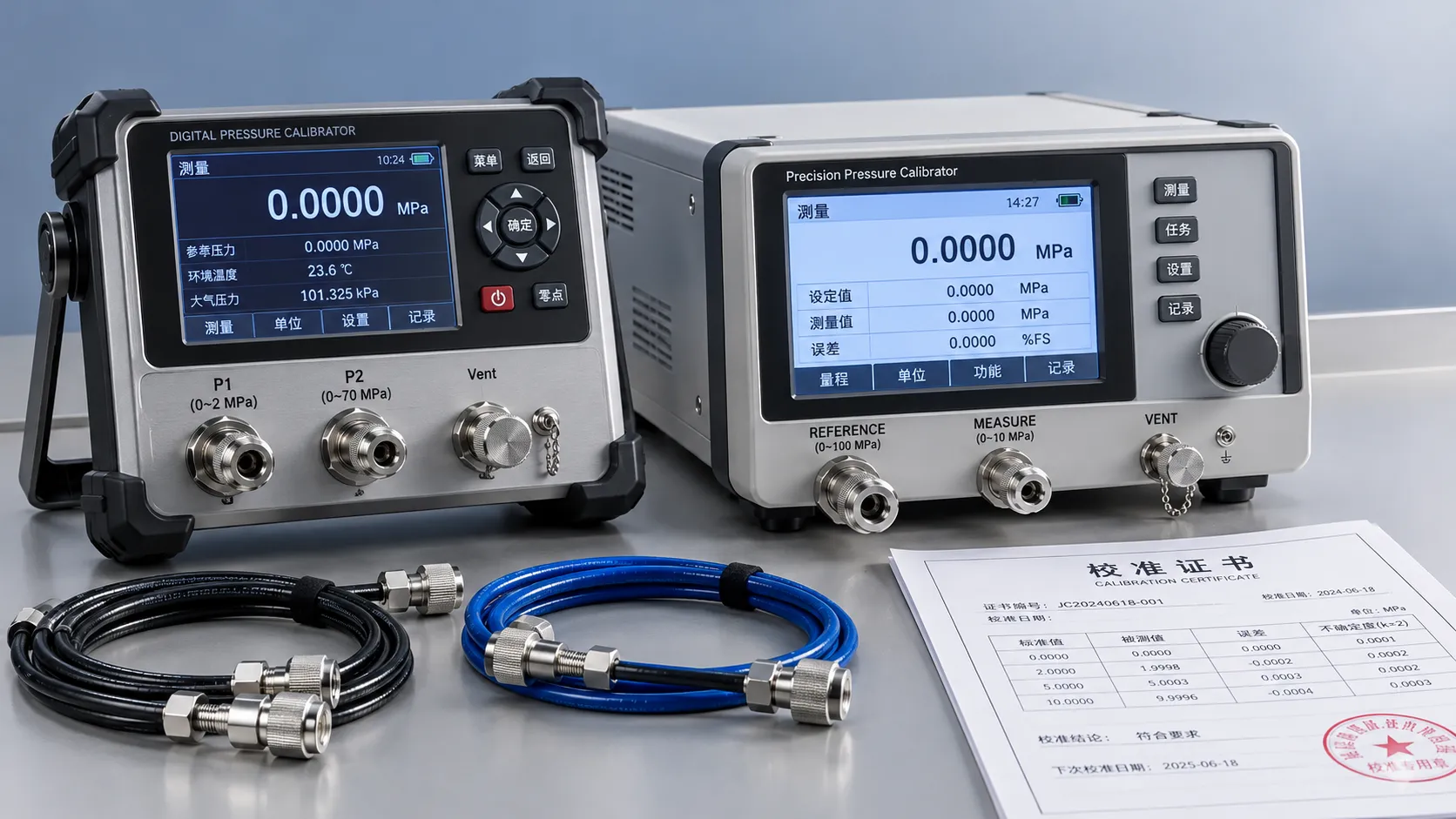
How to Compare Calibration Tools: Range, Uncertainty, and Traceability
Explore product comparison resources for calibration tools. Compare range, uncertainty, and traceability to choose confidently and support defensible measurement decisions.
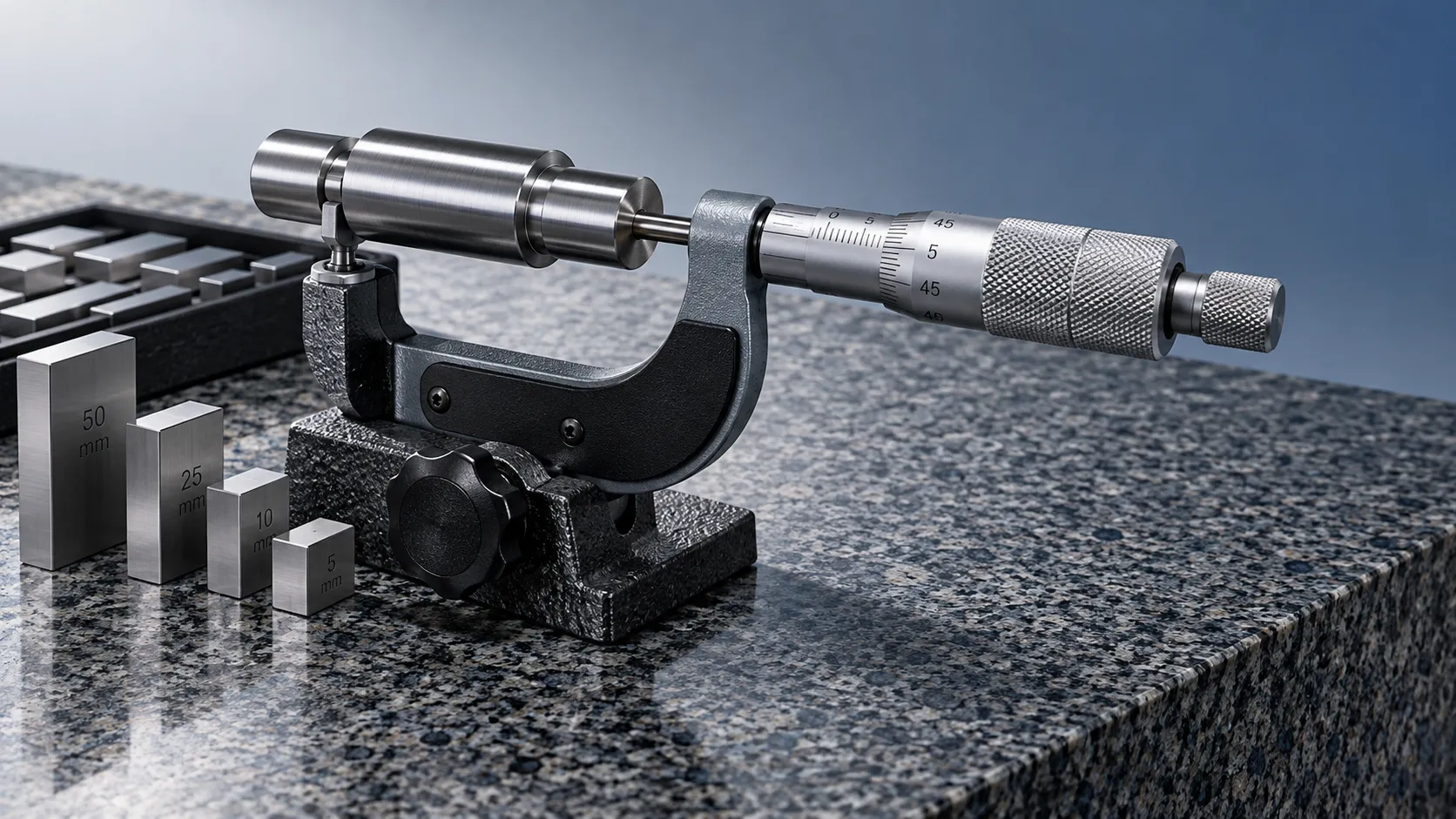
Choosing Industrial Metrology Tools: Matching Measurement Uncertainty to Tolerances
Improve industrial tool selection for metrology by matching measurement uncertainty to tolerances. Learn how to reduce inspection risk and choose equipment with confidence.
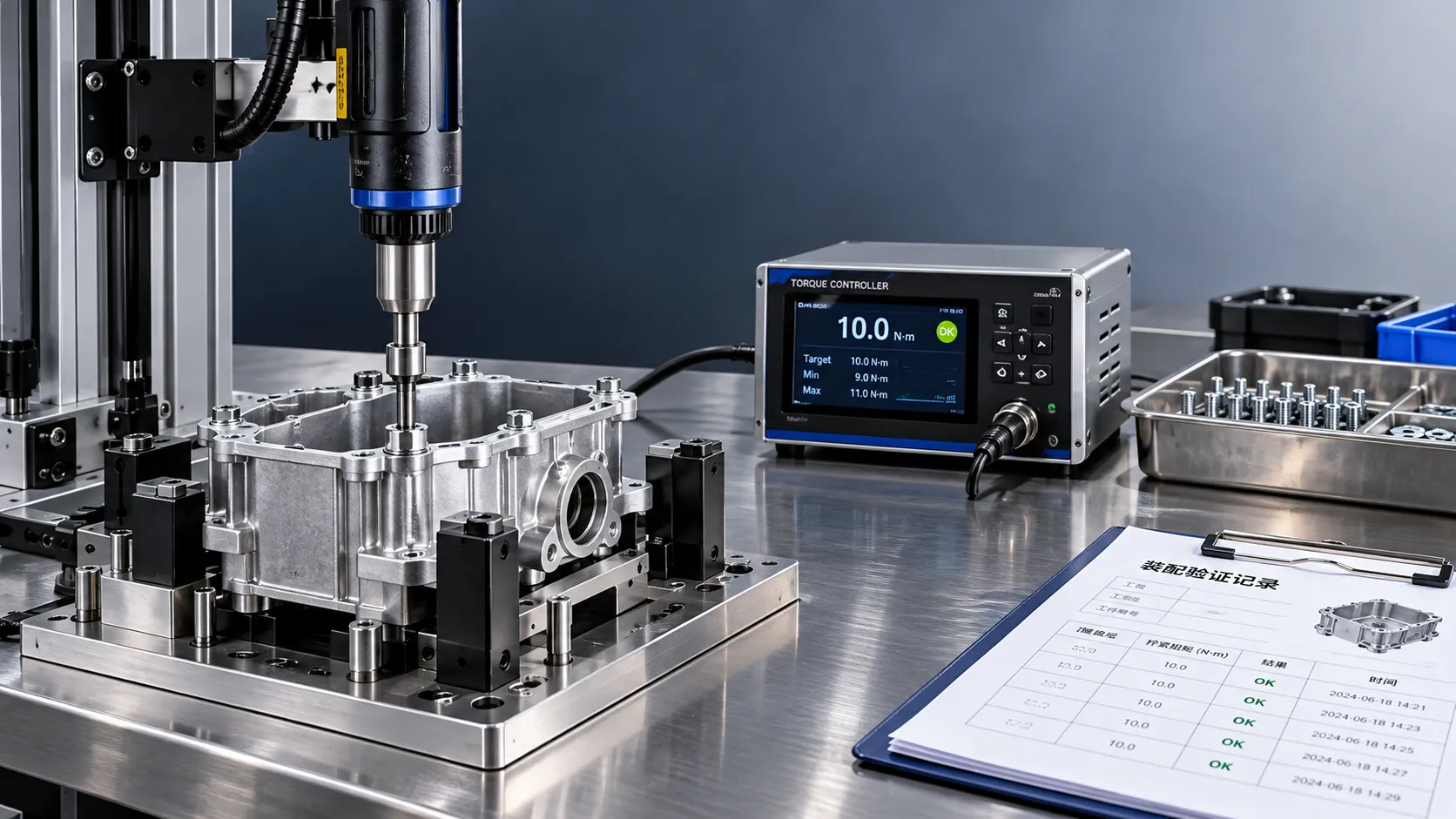
Torque System Suppliers: How to Assess References for Assembly Projects
Explore supplier and solution references torque systems buyers should verify. Assess assembly fit, traceability, and support to reduce risk and choose with confidence.

Equipment Application Guidance for the Middle East: Managing Heat and Dust
Explore application guidance Middle East teams can use to manage heat and dust, protect welding equipment, batteries and precision tools, and reduce downtime. Get practical tips.
Related News
- 00
0000-00
Evaluating Industrial Intelligence Solutions for Legacy Equipment Integration - 00
0000-00
ADAS Calibration After Vehicle Maintenance: Which Jobs Require It? - 00
0000-00
Equipment Application Guidance for the Middle East: Managing Heat and Dust - 00
0000-00
Choosing an Industrial IoT Platform: Key Criteria for Legacy Equipment - 00
0000-00
How to Select High-Precision Measuring Instruments for Tight-Tolerance Production?
0000-00
Prof. Marcus Chen
Weekly Insights
Stay ahead with our curated technology reports delivered every Monday.