
How to Choose Industrial IoT Tools for Machine Monitoring and Predictive Maintenance





Choosing industrial IoT tools for machine monitoring is no longer a narrow automation decision. It affects uptime, maintenance planning, data quality, and how quickly operations can respond to small equipment changes before they become expensive failures.
That matters across assembly, welding, machining, inspection, construction equipment service, and other industrial settings where performance depends on stable assets, measurable output, and fewer unplanned interruptions.
The challenge is not access to data alone. The real question is whether industrial IoT tools can turn machine signals into decisions that support predictive maintenance, production efficiency, and practical accountability on the plant floor.
What industrial IoT tools actually need to do
In this context, industrial IoT tools include sensors, edge devices, connectivity hardware, software dashboards, analytics engines, and alert systems linked to operating assets.
Their value starts with visibility. A machine that reports vibration, torque drift, cycle count, temperature, power consumption, or pressure creates a usable operating picture.
But visibility alone is not enough. The better systems also explain deviation, connect signals to failure modes, and support maintenance action before a stoppage affects output or quality.
For precision manufacturing environments, this becomes especially important. A small inconsistency in a joining process, spindle load, or calibration routine may signal a larger performance decline.
Why selection has become more important now
Industrial operations are dealing with tighter quality tolerances, labor constraints, fluctuating material costs, and stronger pressure to document equipment performance.
At the same time, digital tools are expanding faster than many sites can evaluate them. Some platforms promise predictive maintenance but mostly deliver raw charts, disconnected alarms, and heavy integration work.
That gap explains why careful evaluation matters. Good industrial IoT tools reduce uncertainty. Poorly matched tools simply multiply notifications, dashboards, and subscription costs.
From GPTWM’s industry viewpoint, the issue is closely tied to the last mile of manufacturing. Tool intelligence only creates value when it supports real production behavior, not abstract digital ambition.
Start with the machine problem, not the software catalog
Selection usually improves when the process begins with a defined operational problem. That may be repeated bearing failure, unstable weld consistency, unexplained motor overheating, or low utilization on critical assets.
Without that anchor, teams often buy platforms that collect too much information and solve too little.
A useful first screen is simple: which machines matter most, what failure patterns cost the most, and which variables are most likely to reveal early deterioration.
In welding cells, torque-controlled assembly lines, hydraulic systems, compressors, and metrology stations, those variables differ. The tool should fit the asset behavior rather than force a generic monitoring model.
Questions that sharpen scope
- Which assets create the highest downtime cost or quality risk?
- Which failure modes are predictable through measurable signals?
- How fast must alerts reach maintenance or production staff?
- What existing PLC, SCADA, MES, or CMMS systems must connect?
- Which locations have limited bandwidth, harsh environments, or difficult access?
The most useful evaluation criteria
Not every feature deserves equal weight. The strongest buying decisions usually balance technical fit, operational usability, and long-term maintainability.
This is often where industrial IoT tools separate into two categories. Some are built for demonstration. Others are built for continuous industrial use under operational pressure.
Where predictive maintenance creates real business value
Predictive maintenance is most effective when asset behavior is measurable and the cost of failure is meaningful. It is less useful when assets are low value, failure is random, or repair is simpler than monitoring.
In practice, high-value use cases often include rotating equipment, robotic cells, torque tools, hydraulic systems, welding power units, cooling systems, and precision inspection devices.
The gains are not limited to repair savings. Better industrial IoT tools can also protect process capability, improve spare parts timing, reduce emergency maintenance, and support more stable delivery commitments.
In sectors such as automotive maintenance, aerospace support, fabricated metal production, and construction equipment service, that reliability can carry commercial weight as well as operational value.
Signals that deserve extra attention
- Vibration patterns that change gradually over repeated cycles
- Temperature rise under normal load conditions
- Power draw shifts that suggest mechanical resistance
- Pressure instability in pneumatic or hydraulic processes
- Torque deviation in fastening and assembly routines
A cross-industry view of tool fit
Although the term industrial IoT tools is broad, evaluation becomes clearer when linked to operating context.
A machining site may prioritize spindle health, coolant flow, and energy load. A welding operation may focus on arc stability, thermal drift, wire feed consistency, and safety conditions.
In precision metrology, the priority may shift toward calibration intervals, environmental stability, and traceable measurement conditions. In field service fleets, connectivity resilience and remote diagnostics may dominate.
GPTWM’s coverage of intelligent torque control, metrology demand, and tool performance trends reflects this same point: digital selection only works when industrial context stays central.
Common selection mistakes to avoid
One frequent mistake is assuming more sensors automatically produce better insight. In reality, excess inputs often create noise and slow adoption.
Another mistake is trusting generic predictive claims without checking the model logic, training requirements, and data history needed to produce reliable alerts.
It is also risky to ignore installation realities. Industrial IoT tools may look strong in software demonstrations but struggle with dust, heat, vibration, inconsistent power, or mixed legacy equipment.
Finally, many projects fail because ownership is unclear. If maintenance, IT, production, and quality teams do not share response rules, alarms remain visible but unresolved.
A practical way to compare options
A short pilot usually reveals more than a long vendor presentation. Start with one asset class, one failure concern, and one operating area where data can be tested against known maintenance history.
Track whether the industrial IoT tools produce usable alerts, not just visual dashboards. Measure false positives, response time, integration effort, and whether users trust the recommendations.
It also helps to compare total effort beyond purchase price. Installation labor, calibration, cybersecurity review, training, API work, and ongoing model tuning often shape the real cost.
A credible decision framework should connect every chosen feature to an operational outcome, whether that is reduced downtime, improved quality stability, or better maintenance scheduling.
What to do next
The best next step is to map critical assets, rank failure costs, and define which machine signals are worth monitoring first. That keeps industrial IoT tools tied to measurable priorities.
From there, compare platforms by data relevance, integration strength, edge performance, and predictive maintenance credibility rather than feature volume alone.
For organizations following GPTWM’s industrial intelligence perspective, the most durable advantage comes from combining practical equipment knowledge with digital evaluation discipline. That is where machine monitoring begins to support better decisions instead of creating another layer of unmanaged data.
Related News
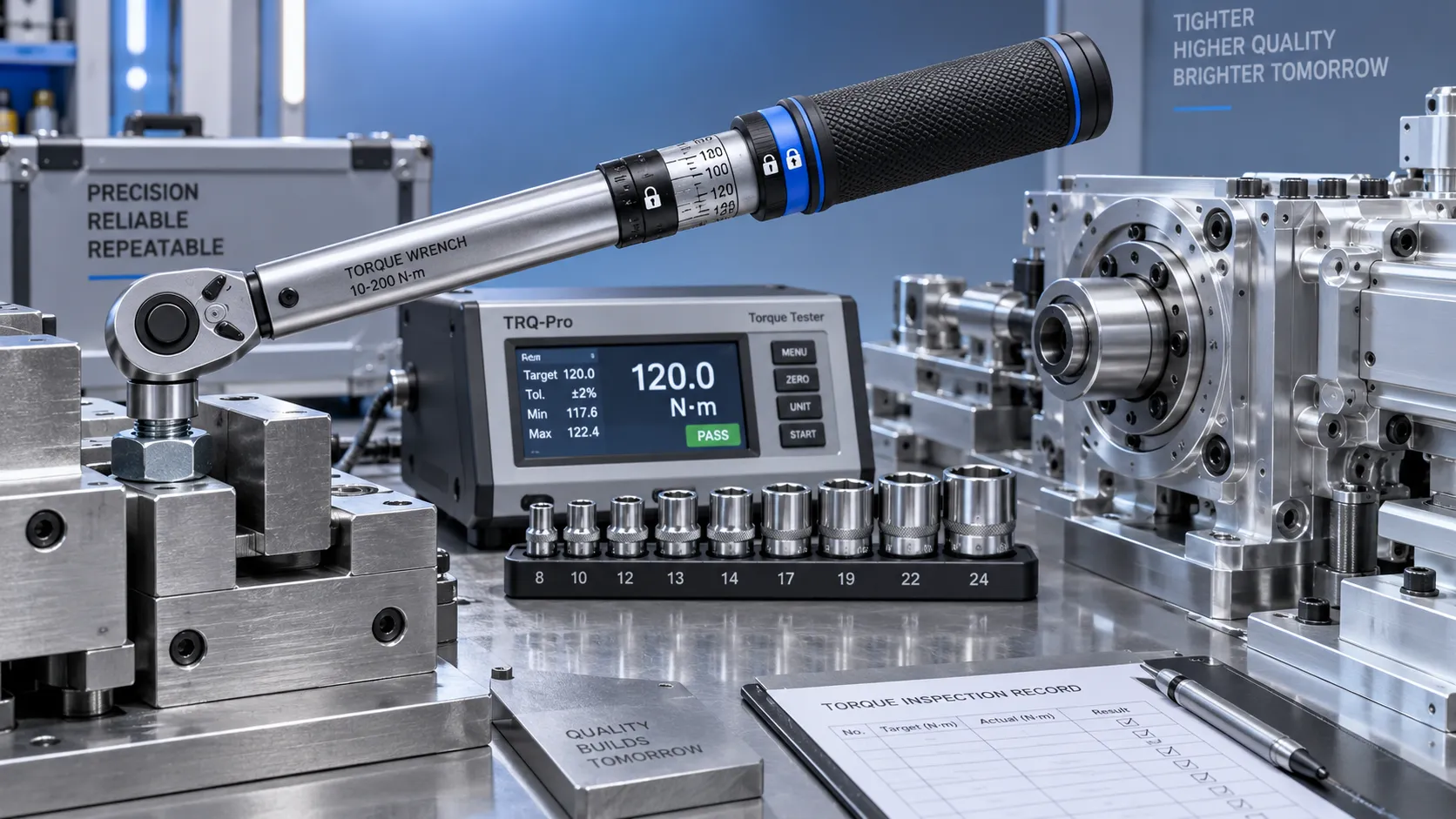
Selecting Adjustable Torque Tools for Repeatable Fastener Assembly
Adjustable torque tools: learn how to match range, accuracy, control methods, calibration, and ergonomics for repeatable, reliable fastener assembly.

How to Select Aerospace Inspection Tools for Aircraft Maintenance Tasks
Aerospace maintenance inspection tools: learn how to select reliable, traceable equipment for aircraft access, accuracy, calibration, and compliant maintenance decisions.

How to Select Wire Bonding Tools for Fine-Pitch Semiconductor Packaging
Explore semiconductor manufacturing tools for wire bonding and learn how to select precision solutions for fine-pitch packaging, reliable loops, accuracy, and yield.
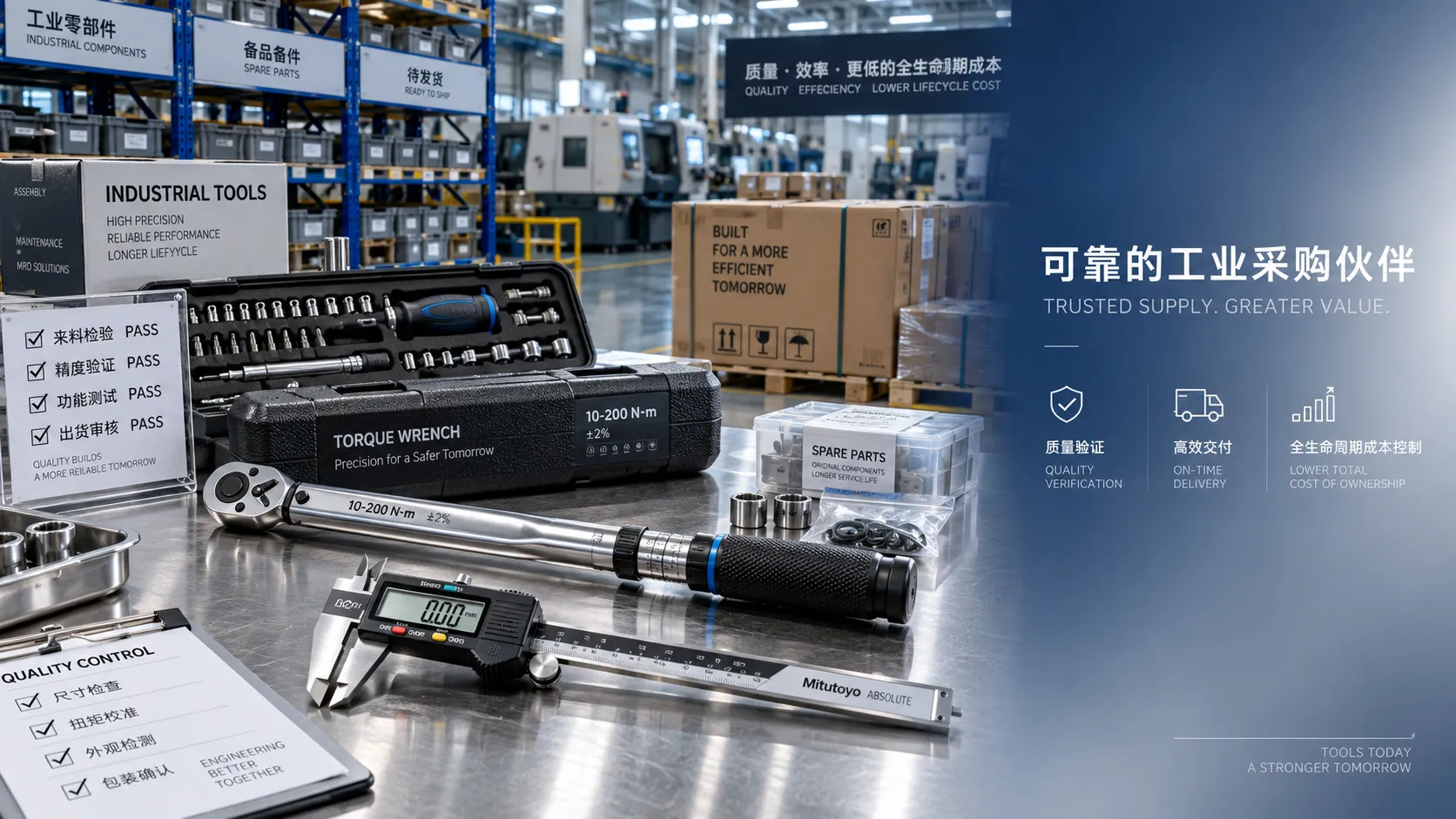
How to Compare Industrial Tool Suppliers for Quality, Lead Time, and Total Cost
Industrial tool selection supplier comparison made simple: evaluate quality, lead times, total cost, service, and supply resilience for confident sourcing decisions.
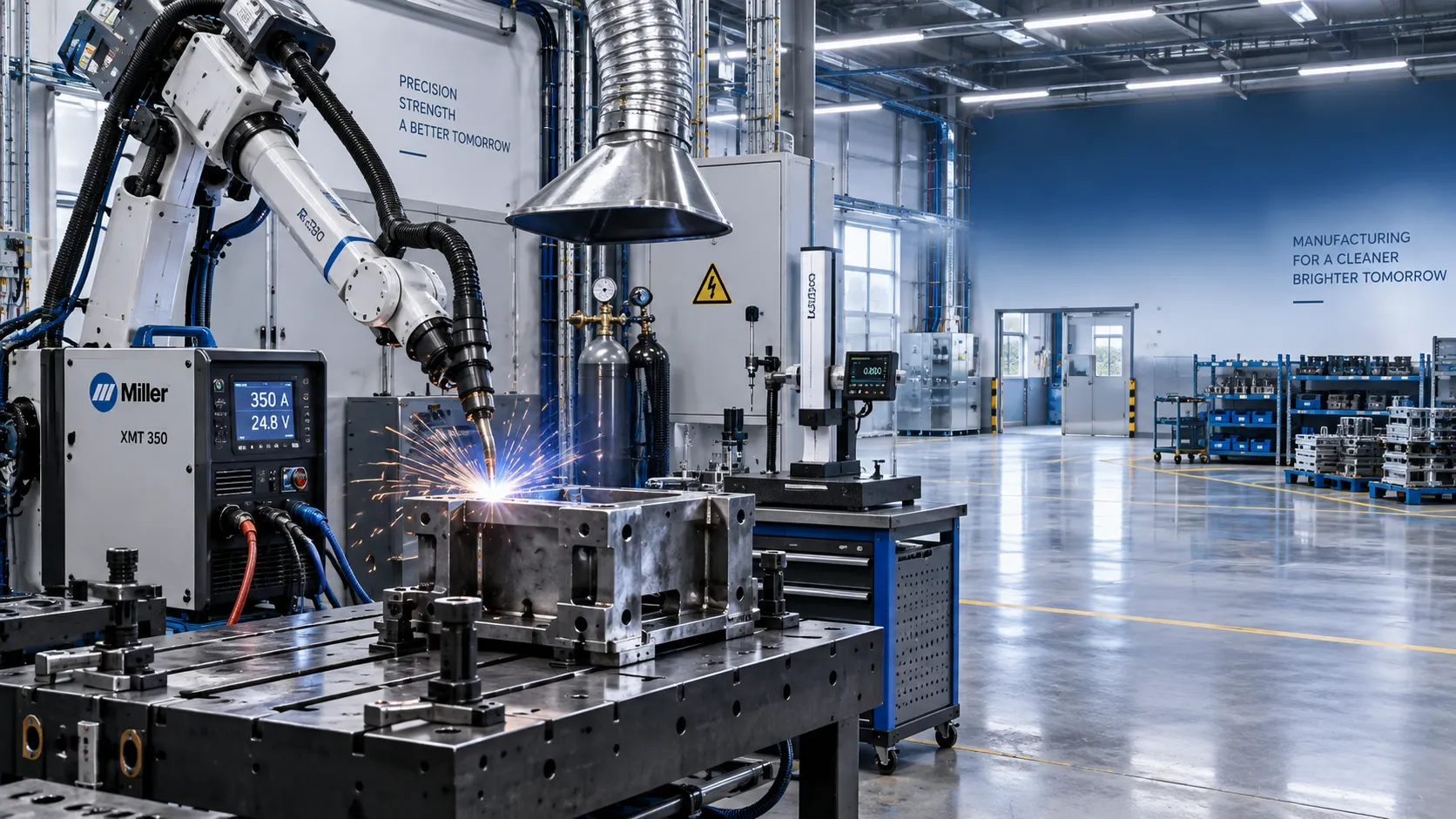
Industrial Equipment Application Guidance: Match Machines to Operating Conditions
Application guidance industrial equipment: match capacity, duty cycle, materials, site conditions, safety, and lifecycle cost to improve reliable output. Read the guide.
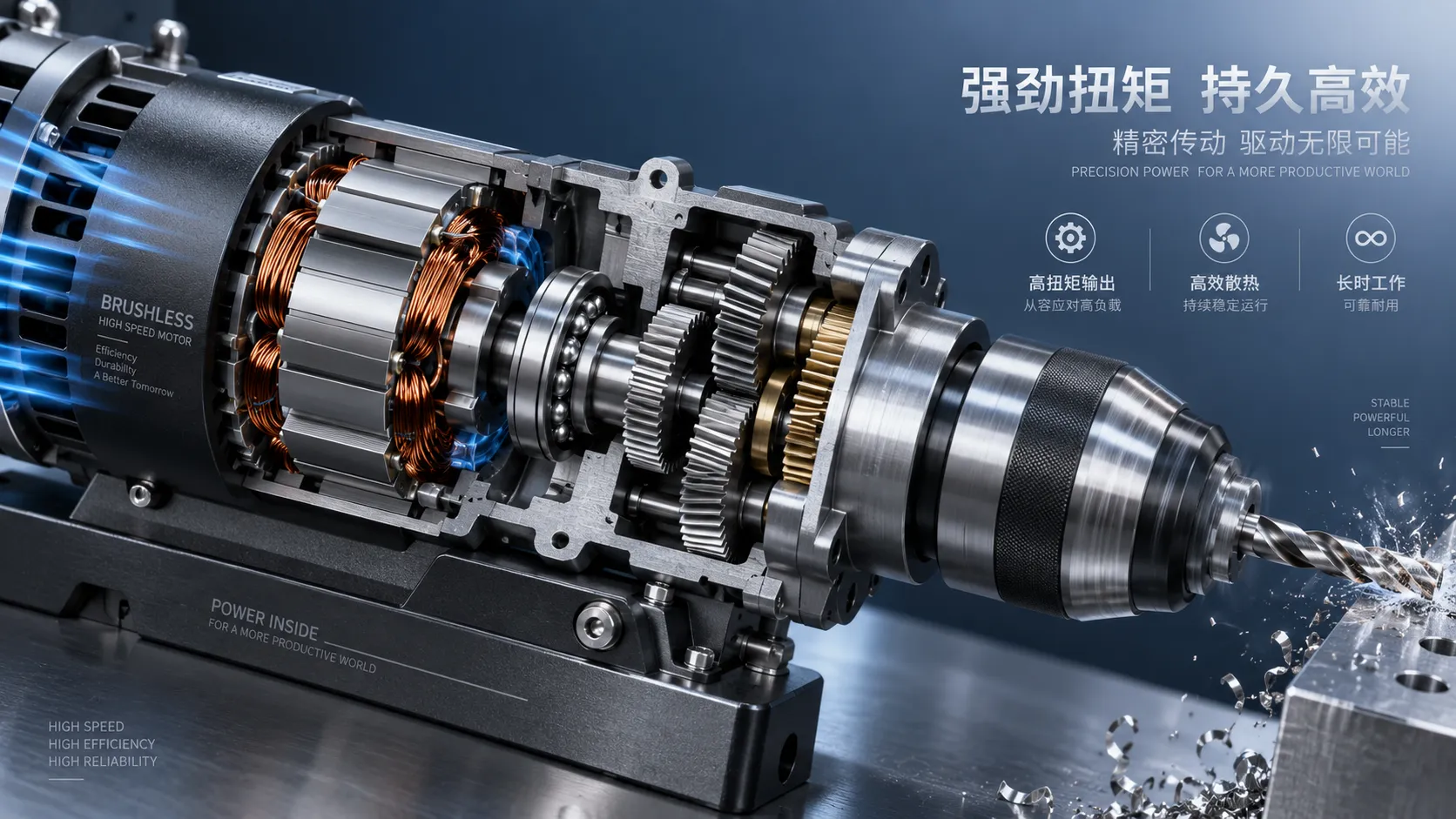
Selecting High-Speed Brushless Tool Motors for Torque, Heat, and Duty Cycle
High speed brushless tool motors: learn how to balance torque, heat, gearing, and duty cycle for reliable industrial tool performance and longer service life.
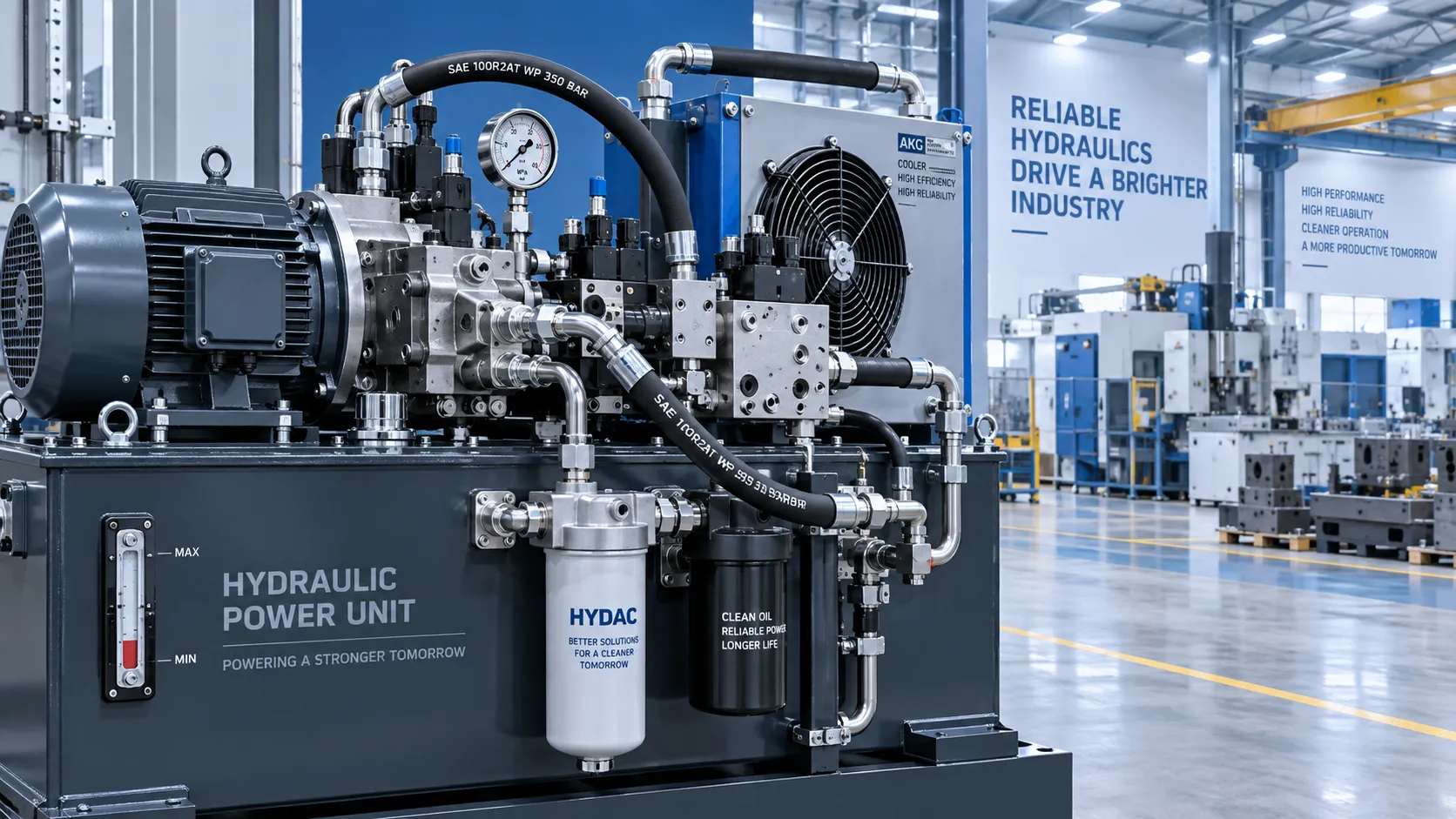
What Determines Industrial Hydraulic System Price for Heavy-Duty Equipment?
Industrial hydraulic system price depends on duty cycle, pressure, components, cooling, and integration. Compare quotes intelligently to secure reliable heavy-duty performance.
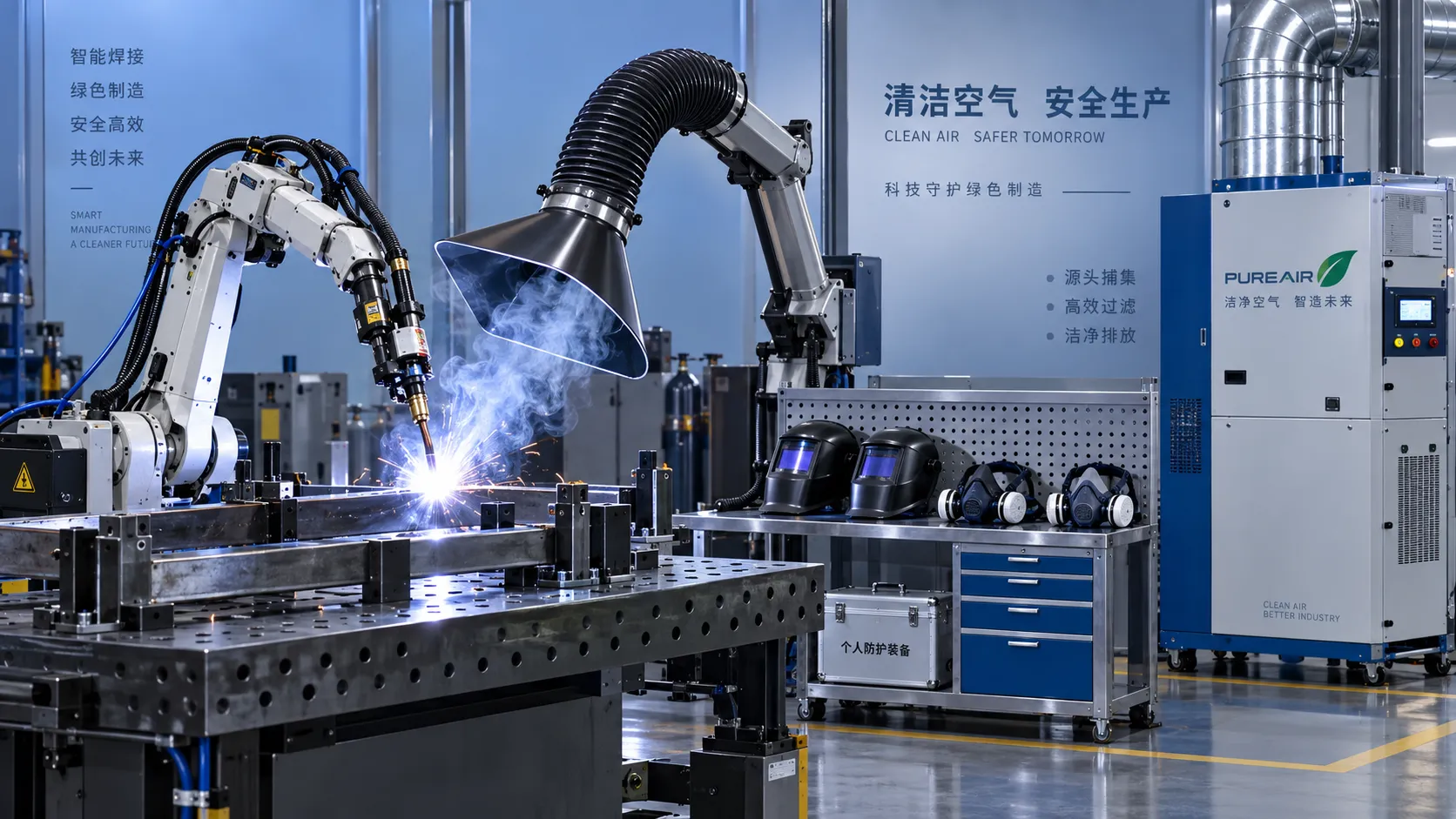
Welding Fume Extraction PPE: When Respirators Are Not Enough for Shop Safety
Welding fume extraction PPE: learn why respirators alone fall short and how source capture, ventilation, and layered controls improve shop safety.

How to Select Optical Metrology Solutions for Tight-Tolerance Manufacturing
Optical industrial metrology solutions for tight-tolerance manufacturing: evaluate accuracy, surface compatibility, workflow, and traceability to select with confidence.
Related News
- 00
0000-00
Selecting Adjustable Torque Tools for Repeatable Fastener Assembly - 00
0000-00
How to Select Aerospace Inspection Tools for Aircraft Maintenance Tasks - 00
0000-00
How to Select Wire Bonding Tools for Fine-Pitch Semiconductor Packaging - 00
0000-00
Industrial Equipment Application Guidance: Match Machines to Operating Conditions - 00
0000-00
Selecting High-Speed Brushless Tool Motors for Torque, Heat, and Duty Cycle
Prof. Marcus Chen
Weekly Insights
Stay ahead with our curated technology reports delivered every Monday.