
How to Improve Production Efficiency Without New Lines: 7 Bottlenecks to Check First





When output slows, the real constraint is often already inside the plant
Production efficiency usually drops long before capacity is officially declared full.
In many mixed-industry operations, the visible symptom is late output.
The hidden cause is a bottleneck that shifts between processes, tools, inspection points, and material flow.
That is why adding a new line often delivers less production efficiency than expected.
A constrained welding cell, a delayed torque verification step, or unstable gauge readiness can limit the whole value stream.
In actual operations, the right question is not how to expand first.
It is where existing assets stop flowing at their designed pace.
This matters across fabrication, assembly, maintenance, and precision inspection.
It also aligns with the way GPTWM tracks the last mile of industrial manufacturing.
Its intelligence focus on welding safety, tool performance, metrology, and industrial economics reflects one practical truth.
Production efficiency improves fastest when decisions connect process detail with field conditions.
Different operating scenes create different limits
The same output problem does not behave the same way everywhere.
A high-mix assembly line usually loses production efficiency in changeovers and operator handoffs.
A heavy welding environment may lose it in fixture stability, heat distortion, or fume-related pauses.
A precision measurement workflow may appear fast, yet still hold back release because calibration confidence is weak.
More often, demand differences come from batch size, tolerance level, product mix, maintenance discipline, and export compliance pressure.
So the first review should separate local symptoms from system constraints.
That comparison helps avoid a common mistake.
Many sites treat similar output losses as identical, then pursue the wrong fix.
Start with workflow friction before touching equipment budgets
The first bottleneck is often workflow design rather than machine capability.
Parts wait because routing is unclear, approvals arrive late, or dispatch rules change every shift.
This is especially common where manual assembly and digital scheduling coexist without tight integration.
Production efficiency falls even when utilization looks respectable.
A useful test is simple.
Track how long a job waits between value-adding steps, not only how long each step takes.
If waiting time exceeds touch time, process logic is likely the larger issue.
Tooling losses are small on paper, but large across a week
The second bottleneck sits in tooling readiness.
A torque tool that drifts, a worn fixture, or a slow-clamping jig rarely shuts a line down completely.
Instead, it causes repeated micro-delays.
In real plants, those losses quietly reshape production efficiency more than one major breakdown.
GPTWM often highlights the practical side of this issue.
Brushless motor limits, ergonomic design, and intelligent torque control affect not only performance, but cycle repeatability.
If operators compensate for tool inconsistency, cycle time becomes unstable by default.
Where changeovers steal production efficiency without being reported clearly
The third bottleneck appears when product variety rises faster than setup discipline.
Short runs can be profitable, but only if changeovers are engineered, not improvised.
A line may show acceptable output on long orders and poor production efficiency on mixed batches.
That usually signals hidden setup waste.
- Pre-stage fixtures, fasteners, labels, and gauges before the last batch ends.
- Separate internal setup from external setup wherever possible.
- Lock recipe parameters to approved variants instead of manual re-entry.
- Review first-piece approval time, not only mechanical setup time.
The last point is often missed.
A fast setup still weakens production efficiency if the first conforming unit arrives too late.
Quality checkpoints can protect output or quietly choke it
The fourth bottleneck is quality control that expands faster than process capability.
In regulated or export-facing operations, added checks are understandable.
Still, if every variance triggers full inspection, production efficiency declines even when defect rates stay modest.
This matters in precision tools, welded assemblies, and maintenance-critical components.
The better judgment is to match inspection depth to process risk.
Stable operations need fast confirmation methods.
Unstable operations need root-cause containment before more output is pushed through.
Where metrology resources are limited, queue discipline matters as much as instrument accuracy.
A premium caliper or advanced gauge does not improve production efficiency if release priorities remain unclear.
Material flow problems often look like labor problems
The fifth bottleneck is poor material movement.
Operators appear idle, but the real issue is missing kits, partial deliveries, or inconsistent replenishment timing.
This is common where raw material volatility or supplier restrictions change planning assumptions.
GPTWM’s market intelligence perspective is relevant here.
Raw material shifts and export standard changes do not stay in procurement.
They alter staging rules, substitution risk, and verification workload on the floor.
When production efficiency falls after a sourcing change, check part presentation before blaming labor balance.
Maintenance delays reduce speed long before failure occurs
The sixth bottleneck is maintenance that reacts too late.
Most equipment does not move from healthy to failed in one step.
It first becomes inconsistent.
Weld penetration drifts, clamping force varies, hydraulic response slows, or spindle heat rises.
These conditions reduce production efficiency because cycle time buffers expand to protect quality.
In high-precision environments, preventive checks should prioritize repeatability-critical assets, not just the most expensive machines.
Operator coordination is the last bottleneck, but often the first one people blame
The seventh bottleneck involves coordination across people, not individual effort.
When work instructions, inspection triggers, and escalation rules differ by shift, production efficiency becomes person-dependent.
That is a fragile operating model.
In practical terms, stable output usually comes from three basics done well.
- Clear sequence control at each handoff point.
- Shared definitions for stop, rework, and release decisions.
- Fast feedback when process drift starts, not after scrap accumulates.
The common misjudgment is to read coordination loss as a training problem only.
Often the deeper issue is that the operating standard is not specific enough for a mixed product environment.
What gets misread most often before improvement projects begin
Several errors repeatedly weaken production efficiency programs.
- Treating utilization as proof of good flow.
- Buying faster tools before fixing setup logic.
- Expanding inspection volume without ranking process risk.
- Comparing similar lines without checking mix, tolerance, and routing differences.
- Looking only at purchase price, while ignoring maintenance, recalibration, and changeover cost.
These mistakes usually come from isolated decision-making.
Production efficiency improves faster when process data, tool behavior, and commercial realities are reviewed together.
A practical next step for improving production efficiency
Before any expansion plan, map one product family from release to shipment.
Measure waiting time, touch time, changeover delay, inspection queue, tool interruptions, and material misses separately.
Then compare those findings across at least two operating scenes.
That contrast usually reveals where production efficiency is truly being lost.
From there, build an adaptation standard around process limits, metrology readiness, tooling stability, and maintenance response.
That approach is slower than buying capacity on paper.
In practice, it is often the faster route to durable production efficiency.
Related News
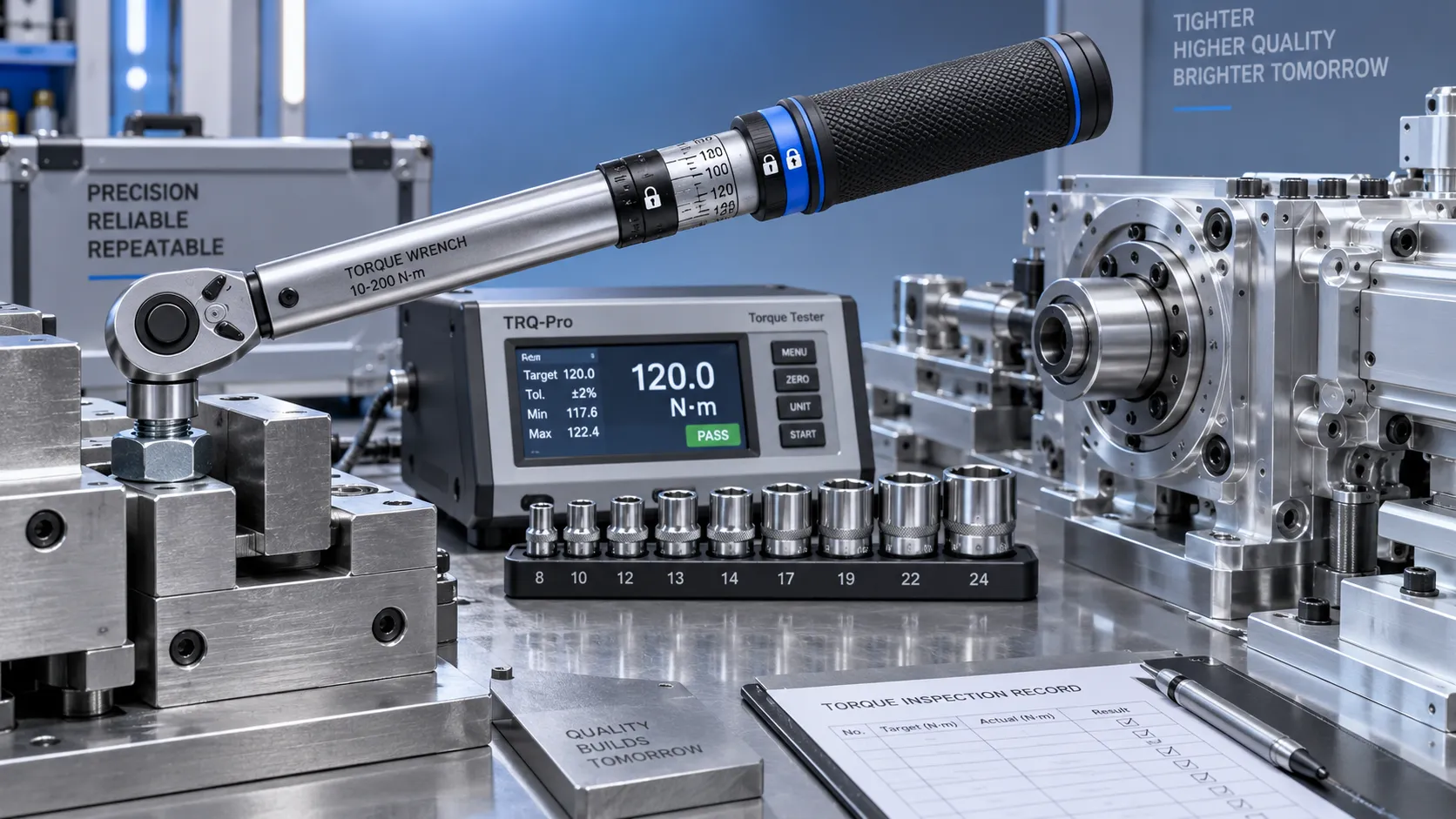
Selecting Adjustable Torque Tools for Repeatable Fastener Assembly
Adjustable torque tools: learn how to match range, accuracy, control methods, calibration, and ergonomics for repeatable, reliable fastener assembly.

How to Select Aerospace Inspection Tools for Aircraft Maintenance Tasks
Aerospace maintenance inspection tools: learn how to select reliable, traceable equipment for aircraft access, accuracy, calibration, and compliant maintenance decisions.
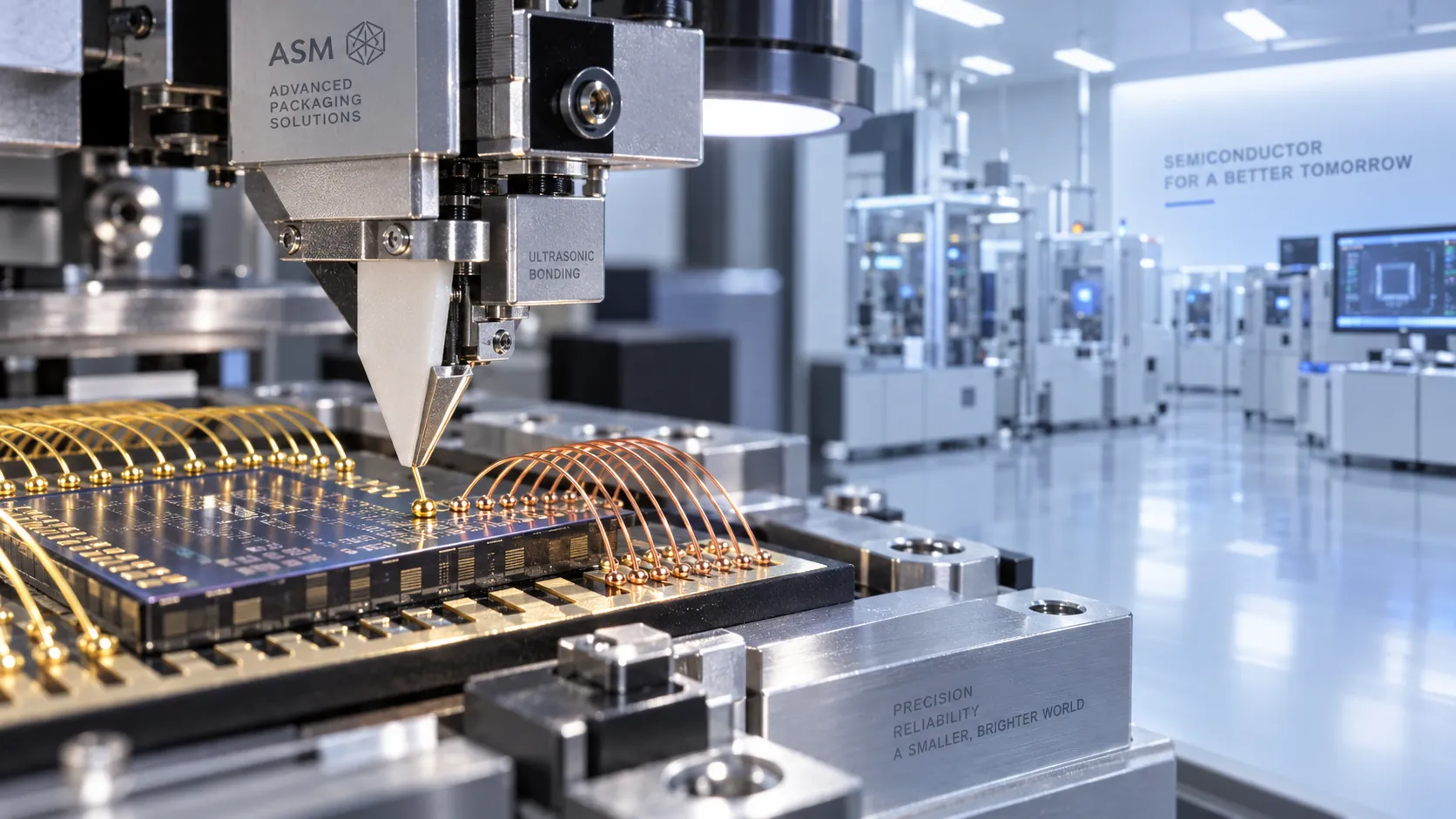
How to Select Wire Bonding Tools for Fine-Pitch Semiconductor Packaging
Explore semiconductor manufacturing tools for wire bonding and learn how to select precision solutions for fine-pitch packaging, reliable loops, accuracy, and yield.
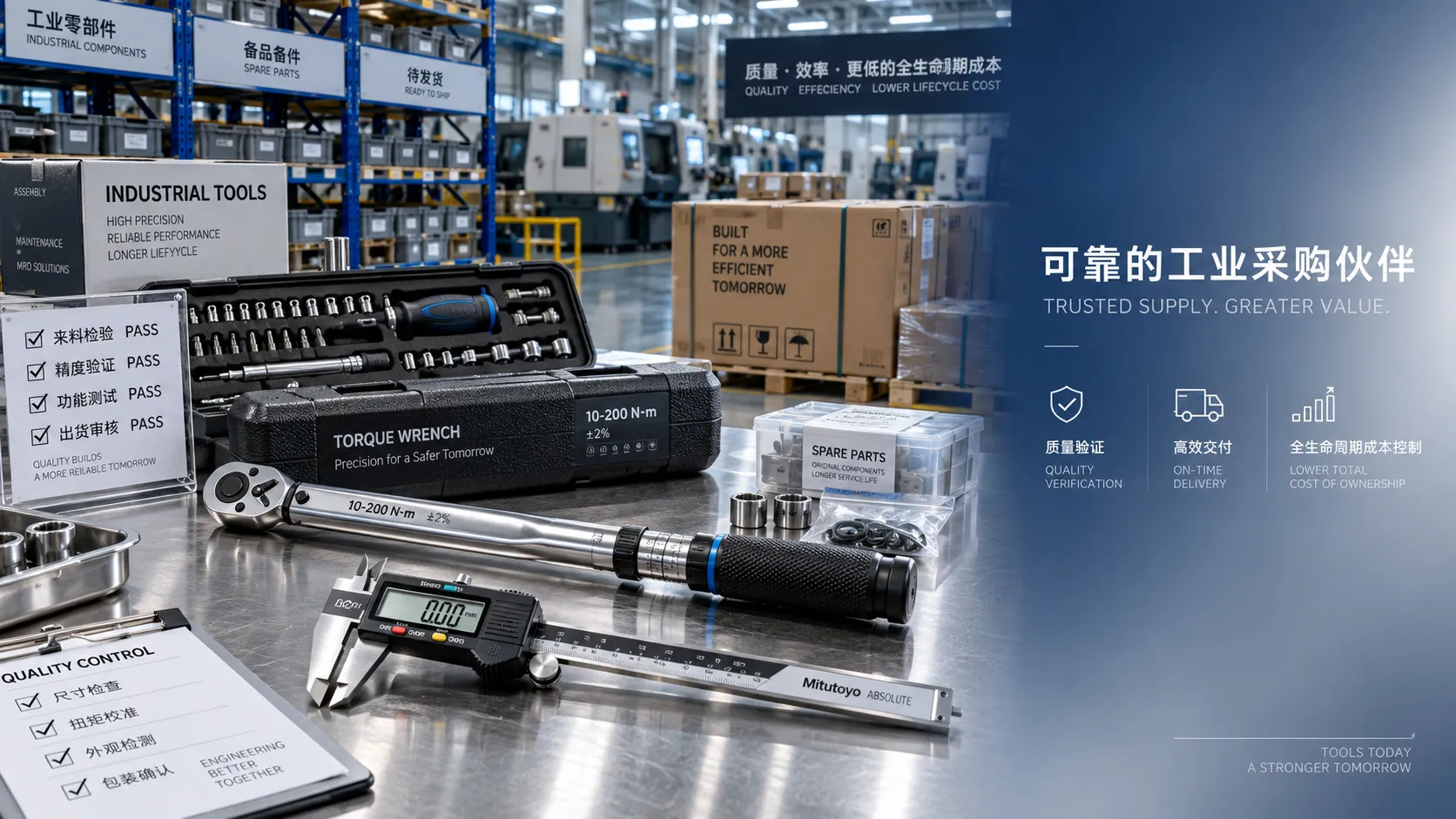
How to Compare Industrial Tool Suppliers for Quality, Lead Time, and Total Cost
Industrial tool selection supplier comparison made simple: evaluate quality, lead times, total cost, service, and supply resilience for confident sourcing decisions.
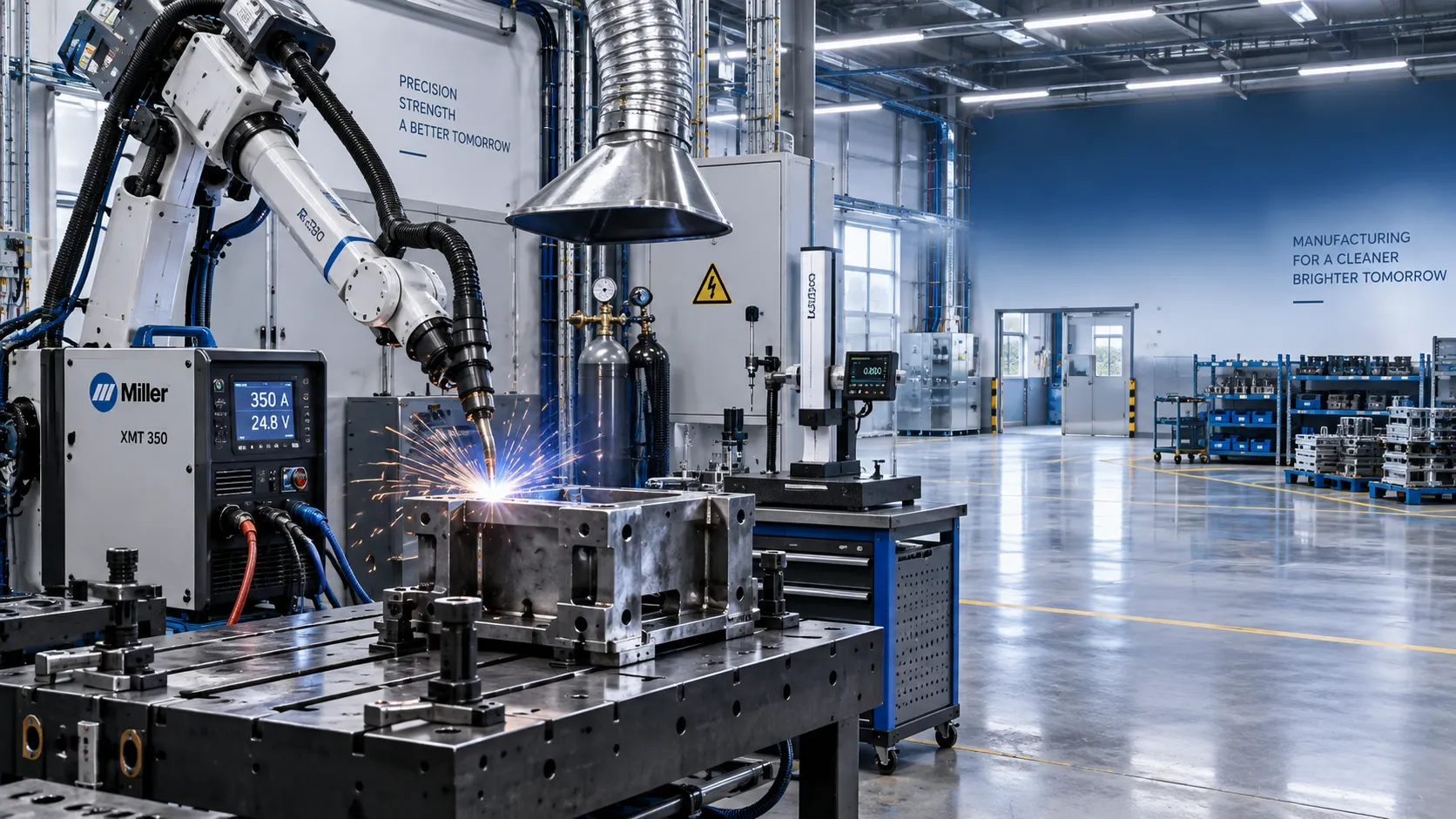
Industrial Equipment Application Guidance: Match Machines to Operating Conditions
Application guidance industrial equipment: match capacity, duty cycle, materials, site conditions, safety, and lifecycle cost to improve reliable output. Read the guide.
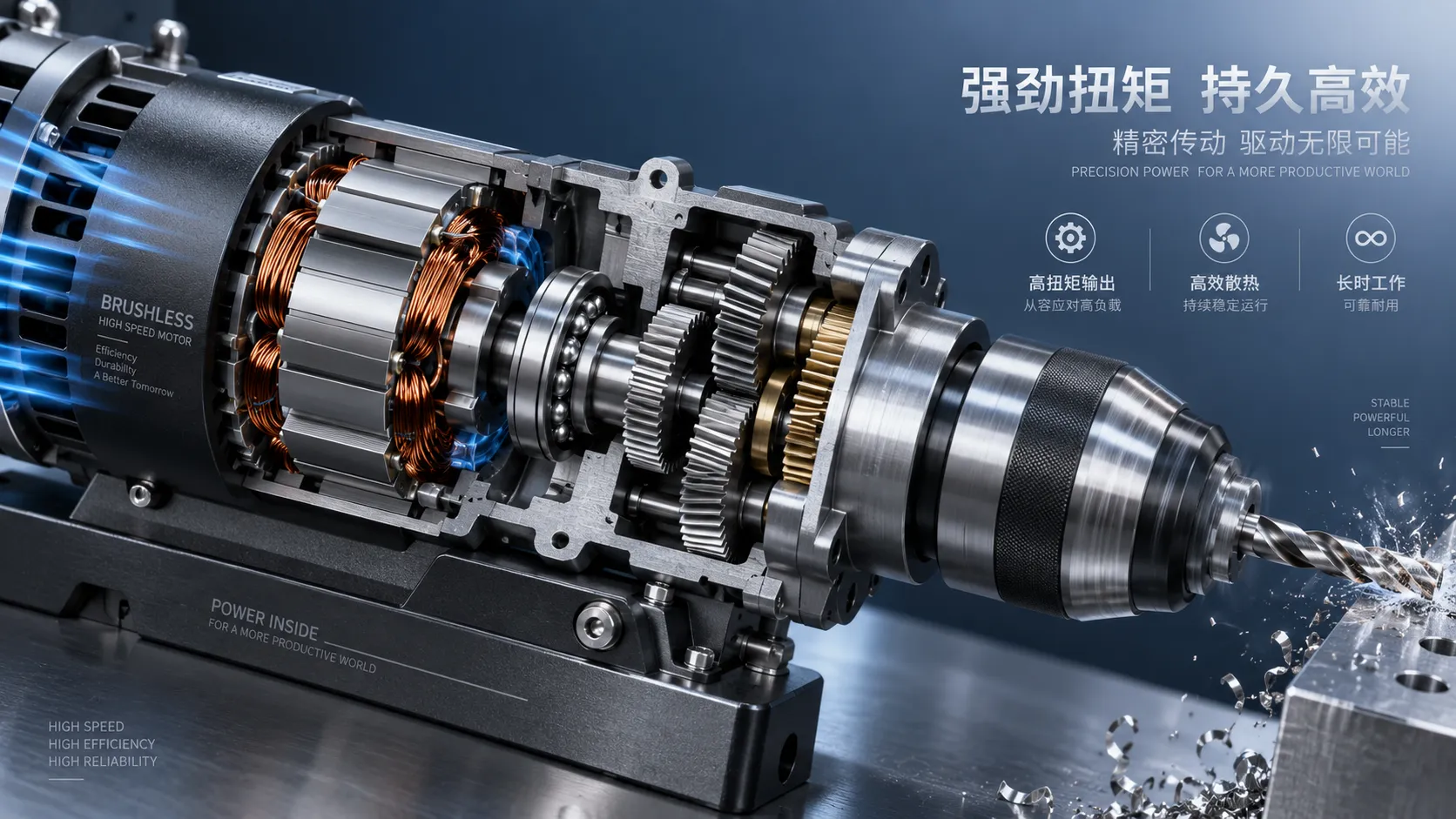
Selecting High-Speed Brushless Tool Motors for Torque, Heat, and Duty Cycle
High speed brushless tool motors: learn how to balance torque, heat, gearing, and duty cycle for reliable industrial tool performance and longer service life.
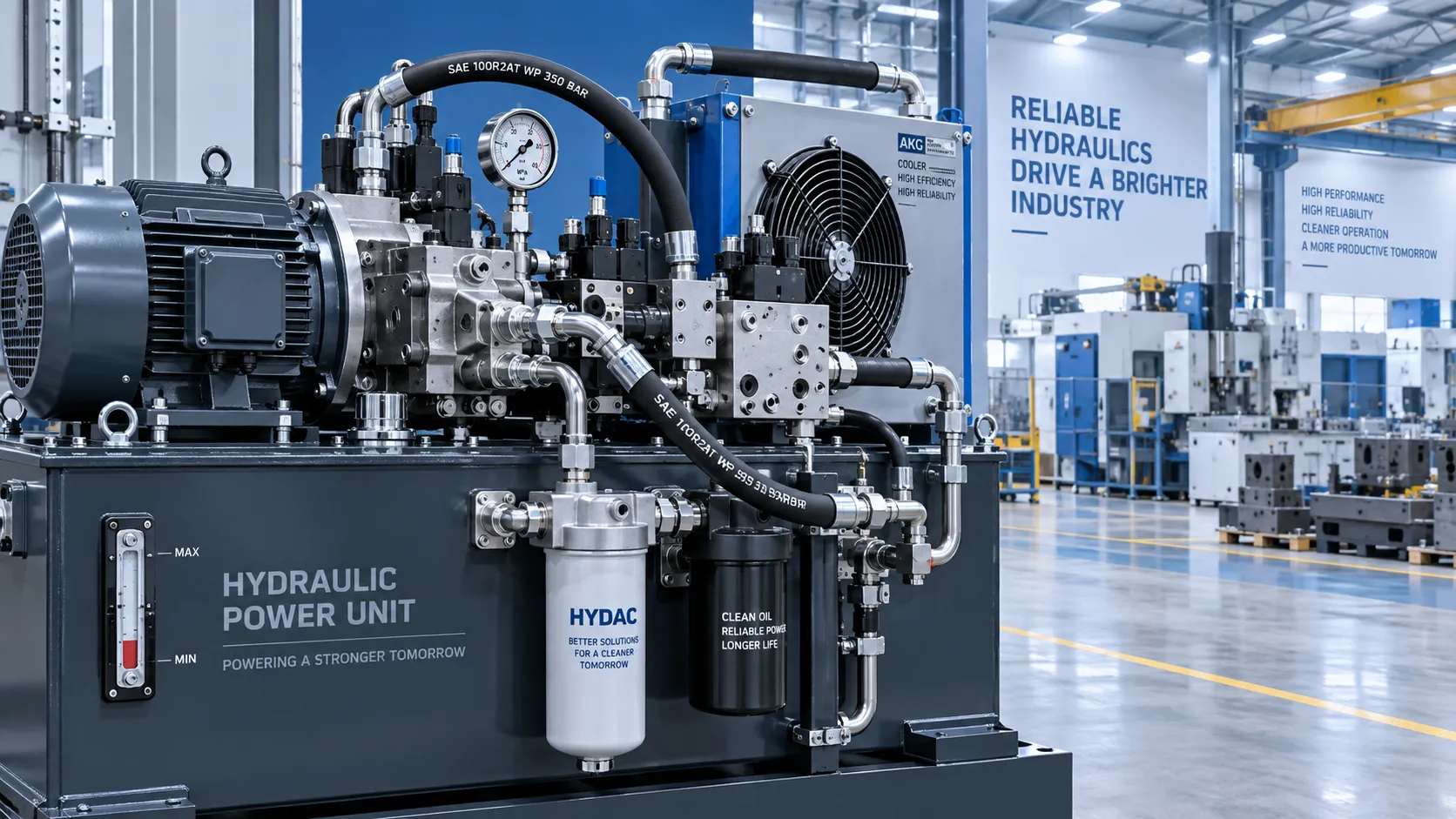
What Determines Industrial Hydraulic System Price for Heavy-Duty Equipment?
Industrial hydraulic system price depends on duty cycle, pressure, components, cooling, and integration. Compare quotes intelligently to secure reliable heavy-duty performance.
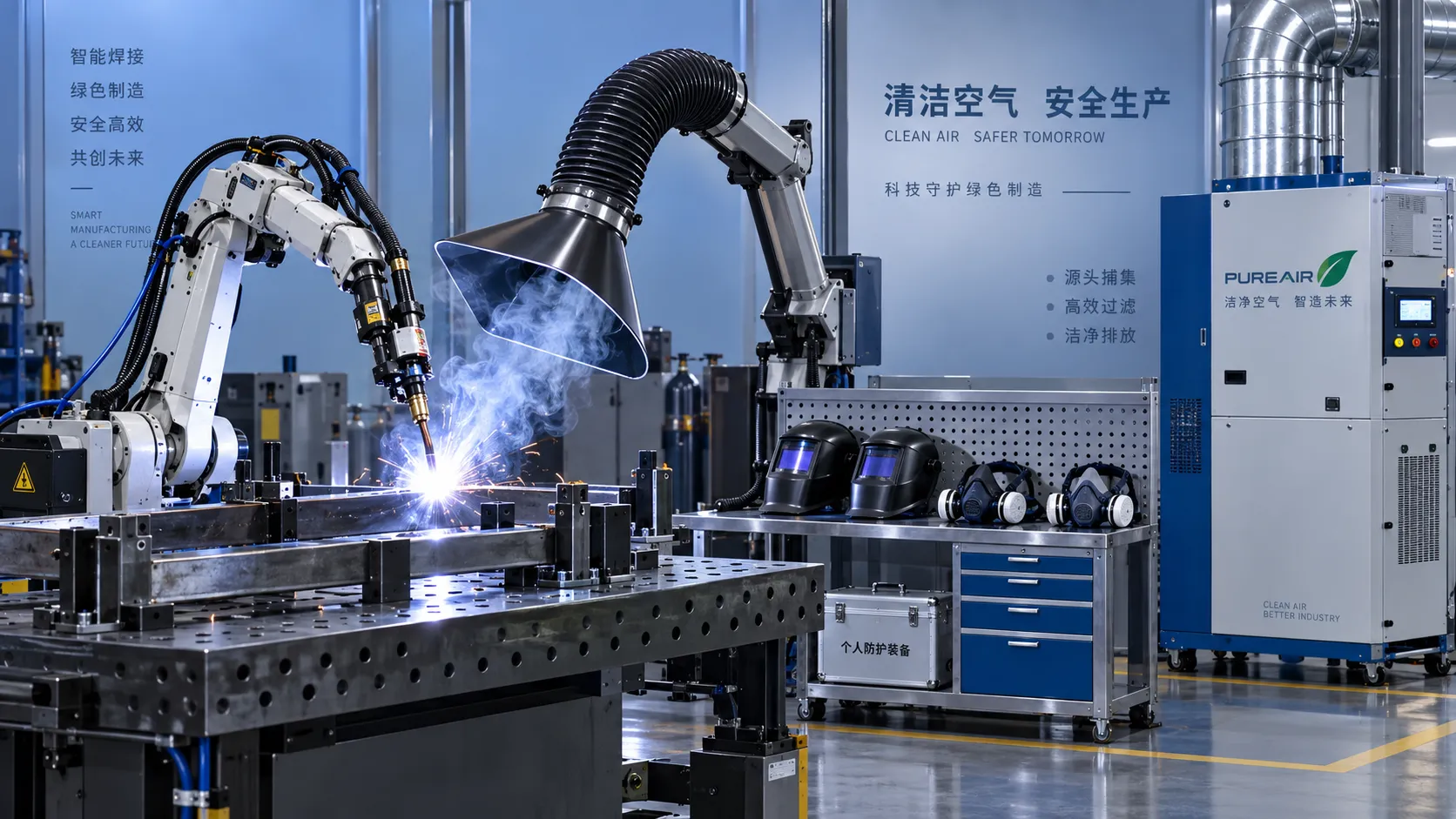
Welding Fume Extraction PPE: When Respirators Are Not Enough for Shop Safety
Welding fume extraction PPE: learn why respirators alone fall short and how source capture, ventilation, and layered controls improve shop safety.
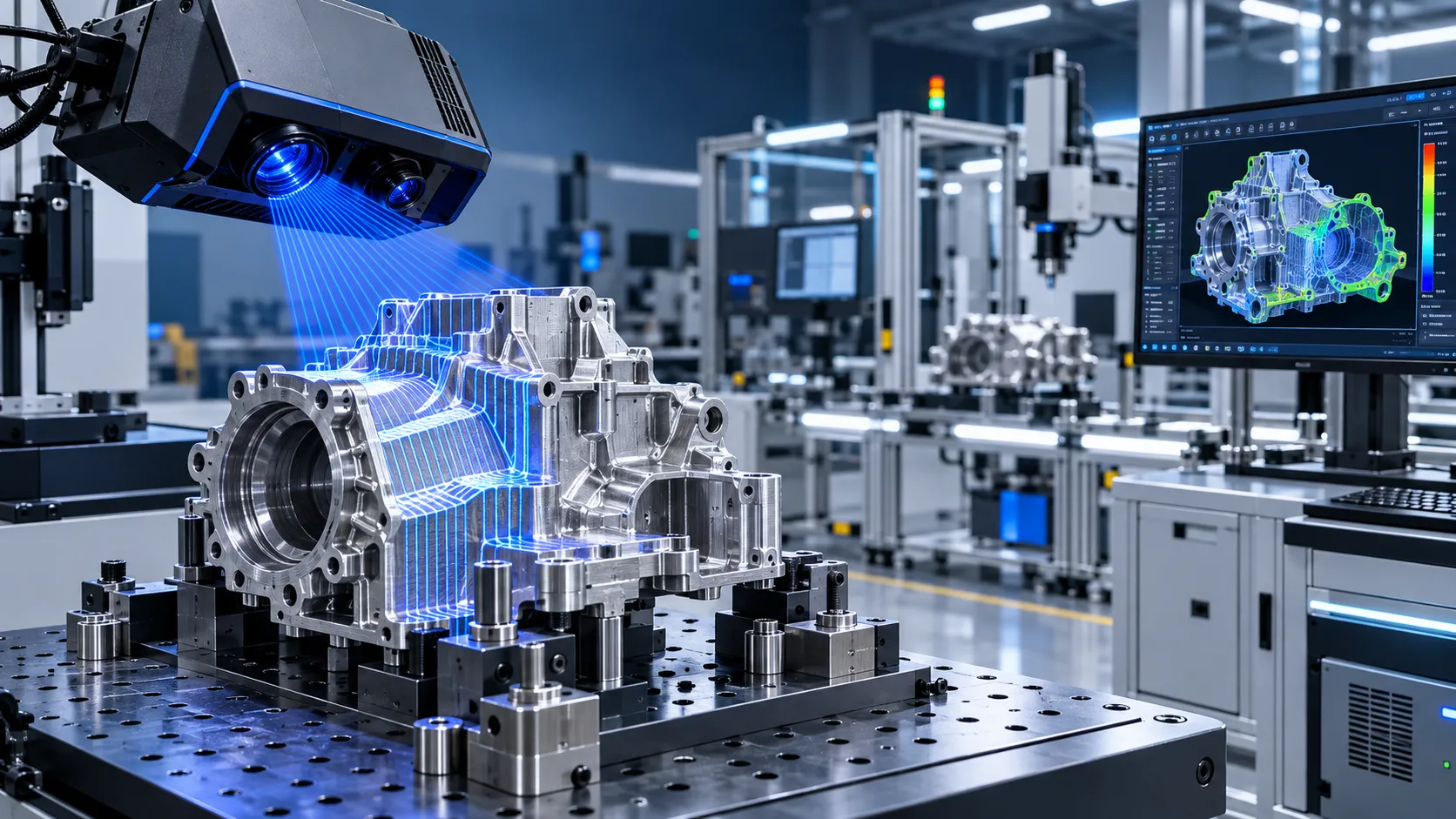
How to Select Optical Metrology Solutions for Tight-Tolerance Manufacturing
Optical industrial metrology solutions for tight-tolerance manufacturing: evaluate accuracy, surface compatibility, workflow, and traceability to select with confidence.
Related News
- 00
0000-00
Selecting Adjustable Torque Tools for Repeatable Fastener Assembly - 00
0000-00
How to Select Aerospace Inspection Tools for Aircraft Maintenance Tasks - 00
0000-00
How to Select Wire Bonding Tools for Fine-Pitch Semiconductor Packaging - 00
0000-00
Industrial Equipment Application Guidance: Match Machines to Operating Conditions - 00
0000-00
Selecting High-Speed Brushless Tool Motors for Torque, Heat, and Duty Cycle
Prof. Marcus Chen
Weekly Insights
Stay ahead with our curated technology reports delivered every Monday.