
Welding Tools Price Guide: What Affects Cost and How Buyers Can Compare Options





Start with the cost question that actually matters
When buyers search for welding tools price, they usually want a number. What they really need is a way to explain why one quote is 30% higher than another and whether that gap is justified. In practice, the price of welding tools moves for a few predictable reasons: process type, duty level, build quality, power configuration, included accessories, safety features, and after-sales support. If your team compares unit price alone, you will almost always miss the real cost driver.
A better approach is to review quotes in the same order the tool will be used, maintained, and replaced. That keeps procurement aligned with operations instead of buying a cheap line item that becomes an expensive problem on the shop floor.
Check whether you are comparing the same tool category
This sounds obvious, but it is where many comparisons go wrong. “Welding tools” can mean a very wide range of equipment: welding machines, torches, wire feeders, regulators, electrode holders, clamps, helmets, positioners, and supporting hand tools. Prices vary because these tools solve different production problems.
Before reviewing any supplier list, lock down three points:
- The welding process: MIG, TIG, stick, plasma-related accessories, or handheld laser-related tooling.
- The scope: core equipment only, or a working package with consumables and safety gear.
- The use case: repair work, light fabrication, continuous production, field installation, or high-precision joining.
If one supplier quotes only the machine and another includes torch, cable set, regulator, pedal, and starter consumables, you are not looking at a price difference. You are looking at two different offer structures.
Match price to duty cycle and operating load
The biggest cost mistake in welding procurement is buying for peak amperage on paper while ignoring actual operating load. A tool built for occasional maintenance work and a tool built for repeated production welding may look similar in a catalog, but internally they are priced very differently. Cooling design, transformer or inverter quality, feeder stability, and thermal protection all affect cost.
Ask production or maintenance for the real duty profile:
- What material is being joined most often?
- What thickness range is typical?
- How long is the arc-on time during a normal shift?
- Is the tool used by one operator occasionally or across multiple shifts?
If those answers point to intermittent work, paying for heavy industrial duty may not return value. If they point to sustained output, the cheaper machine often becomes more expensive through overheating, unstable weld quality, slower throughput, and early replacement.
Look closely at the power source and internal architecture
Power configuration is a direct price factor. Portable single-phase units, higher-capacity three-phase machines, and more advanced inverter systems sit in different cost bands for good reason. Portability, energy behavior, arc stability, and control precision all move with the internal design.
For procurement, the practical question is not which design is “best.” It is whether the site power supply matches the tool you are buying. A lower-priced machine can become a bad purchase if it needs electrical upgrades, special cabling, or operating conditions the plant cannot support. On the quote review sheet, keep the electrical requirement next to the purchase price. Too many teams separate them and lose sight of installed cost.
Separate machine price from package price
Suppliers package welding tools in very different ways. Some sell an attractive entry price, then add torches, work leads, gas accessories, connectors, foot controls, carts, liners, and protective equipment later. Others quote a more complete package from the start.
A simple comparison table helps.
When buyers ask why welding tools price seems inconsistent across offers, this is often the reason.
Do not treat consumables as a side issue
A lower acquisition price can hide a more expensive consumables model. Contact tips, nozzles, TIG consumables, electrodes, liners, diffusers, cups, lenses, and replacement cables may be proprietary, premium-branded, or harder to source locally. That matters if you are buying across multiple sites or supporting distributors in different markets.
Two checks matter here. First, ask for a spare parts and consumables list tied to the quoted model. Second, identify whether those parts use common interface standards or supplier-specific formats. That single step can change the long-term cost calculation more than a discount on the machine itself.
Price differences often reflect control quality, not just materials
Buyers sometimes focus on external build and overlook the value of stable control systems. On higher-spec welding tools, cost may rise because of better arc control, more repeatable wire feeding, cleaner parameter adjustment, or features that reduce operator variation. These are not cosmetic upgrades if your operation depends on consistent weld appearance, lower rework, or easier training.
That does not mean every advanced control feature is worth paying for. It means you should tie the feature to a measurable shop-floor problem. If a plant struggles with frequent setup changes, intuitive presets may have value. If the application is simple and repetitive, that premium may not pay back.
Review safety and compliance as cost drivers, not paperwork
Safety-related design adds cost, especially on equipment categories that involve higher thermal, electrical, optical, or gas-handling risk. For buyers, the important point is to check which documents apply to the specific product and destination market before comparing quotes. The field to review is not a vague claim of “compliance.” It is the exact model documentation, rating label, instruction set, and any market-entry markings or declarations required for where the tool will be sold or used.
If your sourcing scope covers cross-border supply, verify that the quoted version is the same version supported by those documents. A common mistake is approving one model code while the compliance file covers a slightly different configuration, voltage version, or accessory set.
Brand premium can be justified, but only under the right conditions
Some brands carry a real price premium because they offer stronger service networks, more reliable spare parts supply, better documentation, broader accessory ecosystems, or easier operator acceptance. Other times, the premium is mostly reputation layered on top of a requirement that does not need it.
Use brand as a procurement variable, not a shortcut. It tends to matter more when downtime is expensive, site support is decentralized, training time is limited, or process consistency is commercially sensitive. It matters less when the tool is used for occasional repair work and internal technical teams can handle setup and maintenance without difficulty.
Compare total landed and operating cost, not ex-works price
Procurement teams already know this in theory, but welding purchases still get narrowed too early to headline unit cost. Total cost should include freight, duties where applicable, packaging, local certification handling if needed, installation support, operator training, spare parts starter stock, and expected maintenance exposure.
This is especially important when comparing imported equipment with local or regional supply. A cheaper offshore quote may lose its advantage if replacement torches, boards, or specialized consumables have long lead times. For production buyers, lead time risk belongs in the cost model because it affects continuity just as directly as price.
Use a short qualification checklist before asking for final quotes
Suppliers can only price accurately if the requirement is disciplined. A vague RFQ creates noisy offers and wasted negotiation rounds. Before requesting final commercial terms, qualify each option against the same buying sheet:
- Process and application fit.
- Duty cycle and production intensity.
- Electrical compatibility at the target site.
- Included accessories and first-use readiness.
- Consumables model and spare parts path.
- Required safety documentation for the destination market.
- Service response, warranty terms, and replacement lead time.
Once those points are aligned, the welding tools price discussion becomes much cleaner. You can see where the premium comes from and whether it buys lower risk, better uptime, or simply extra features no one asked for.
How experienced buyers usually make the final call
A practical decision sequence works better than chasing the lowest initial number. Start by eliminating offers that do not match the process, site power, or compliance needs. Then compare package completeness and consumables exposure. After that, weigh service support against the cost of downtime in your operation. Only then does it make sense to negotiate unit price.
If two options are technically acceptable, the stronger purchase is usually the one with clearer parts support, cleaner documentation, and fewer hidden add-ons, even when the upfront quote is not the lowest. That is how you keep welding tools price tied to procurement value instead of treating it as a number detached from production reality.
Related News
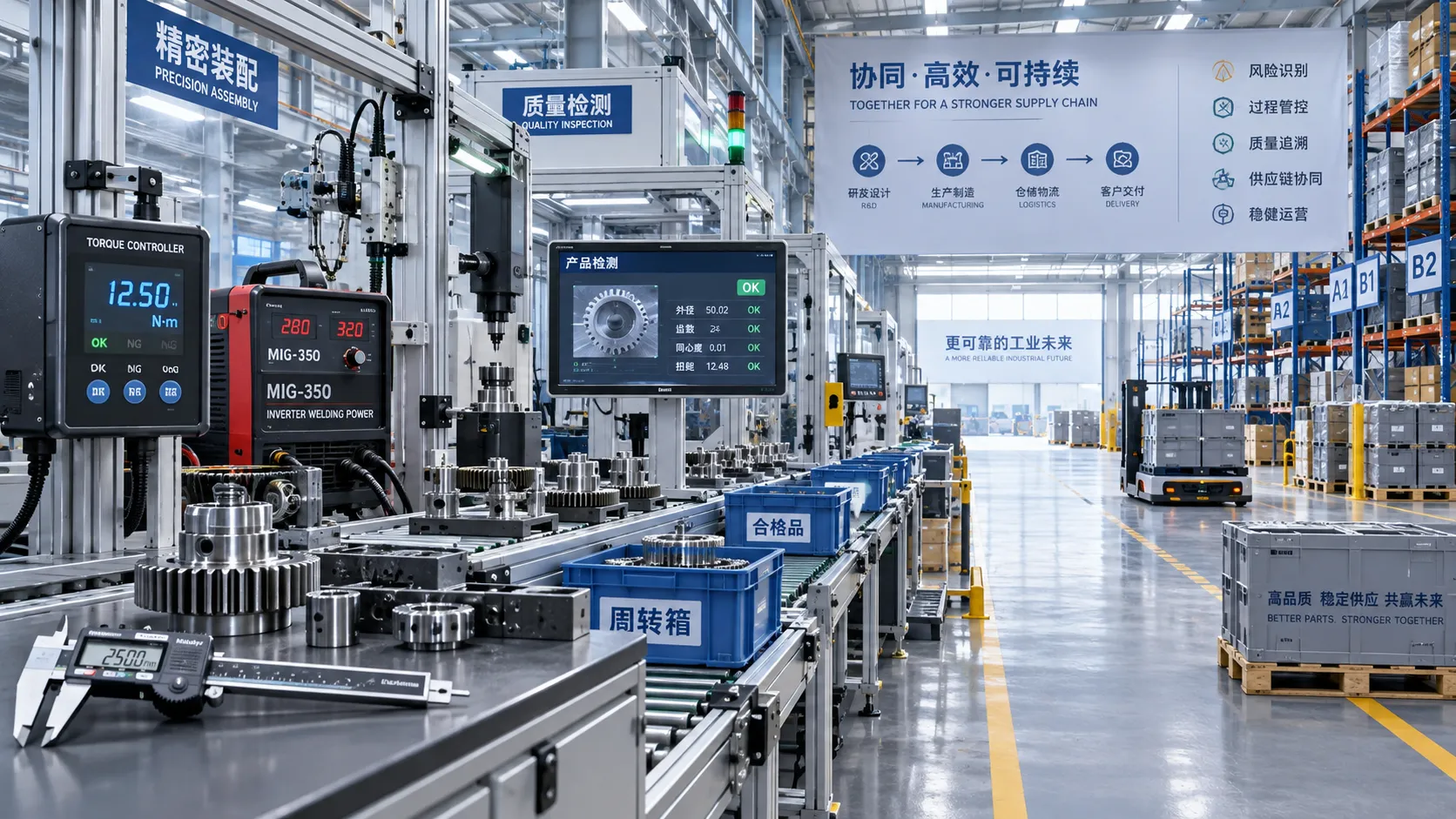
How Procurement Teams Can Map the Industrial Value Chain to Reduce Supply Risk
Industrial value chain procurement helps teams map hidden dependencies, qualify resilient sources, and reduce supply risk before disruptions stop production.

How Specification-Driven Articles Improve Precision Measurement System Selection
Specification-oriented articles precision measurement guidance helps teams compare accuracy, repeatability, environment, and data needs to select reliable systems with confidence.

How to Evaluate a Technology Integration Service Provider for Complex Projects
Technology integration service provider selection guide: evaluate interface ownership, delivery discipline, scalable architecture, and risk control for complex projects.
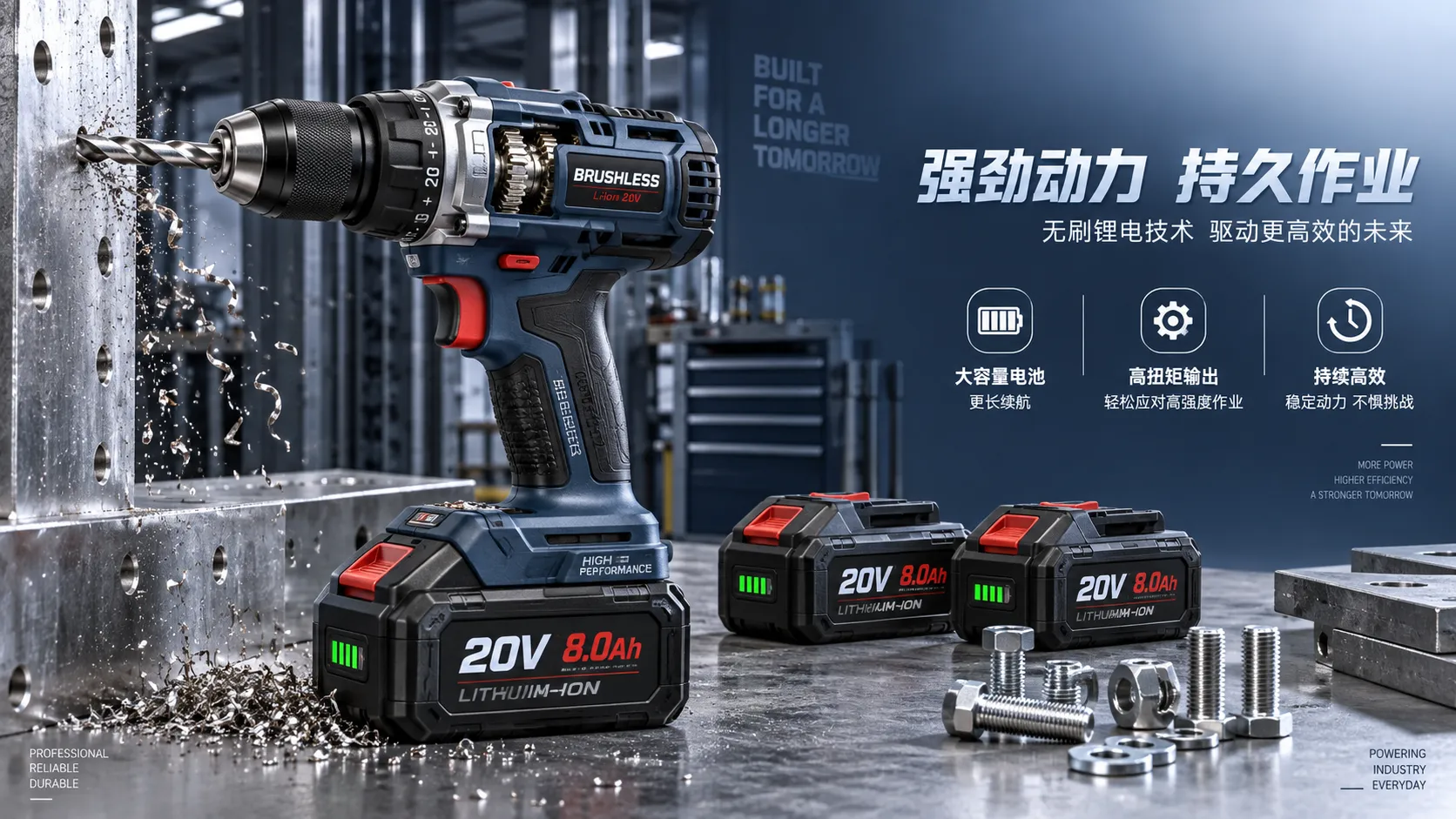
How Battery, Torque, and Duty Cycle Affect Cordless Power Tool Efficiency
Cordless power tool efficiency depends on battery output, torque, and duty cycle. Learn how to match tools to demanding jobs for stronger runtime and productivity.

Product Comparison Resources for Component Compatibility and Lifecycle Risk
Product comparison resources for components: evaluate compatibility, interfaces, service support, and lifecycle risk to reduce downtime, avoid redesigns, and make confident sourcing decisions.
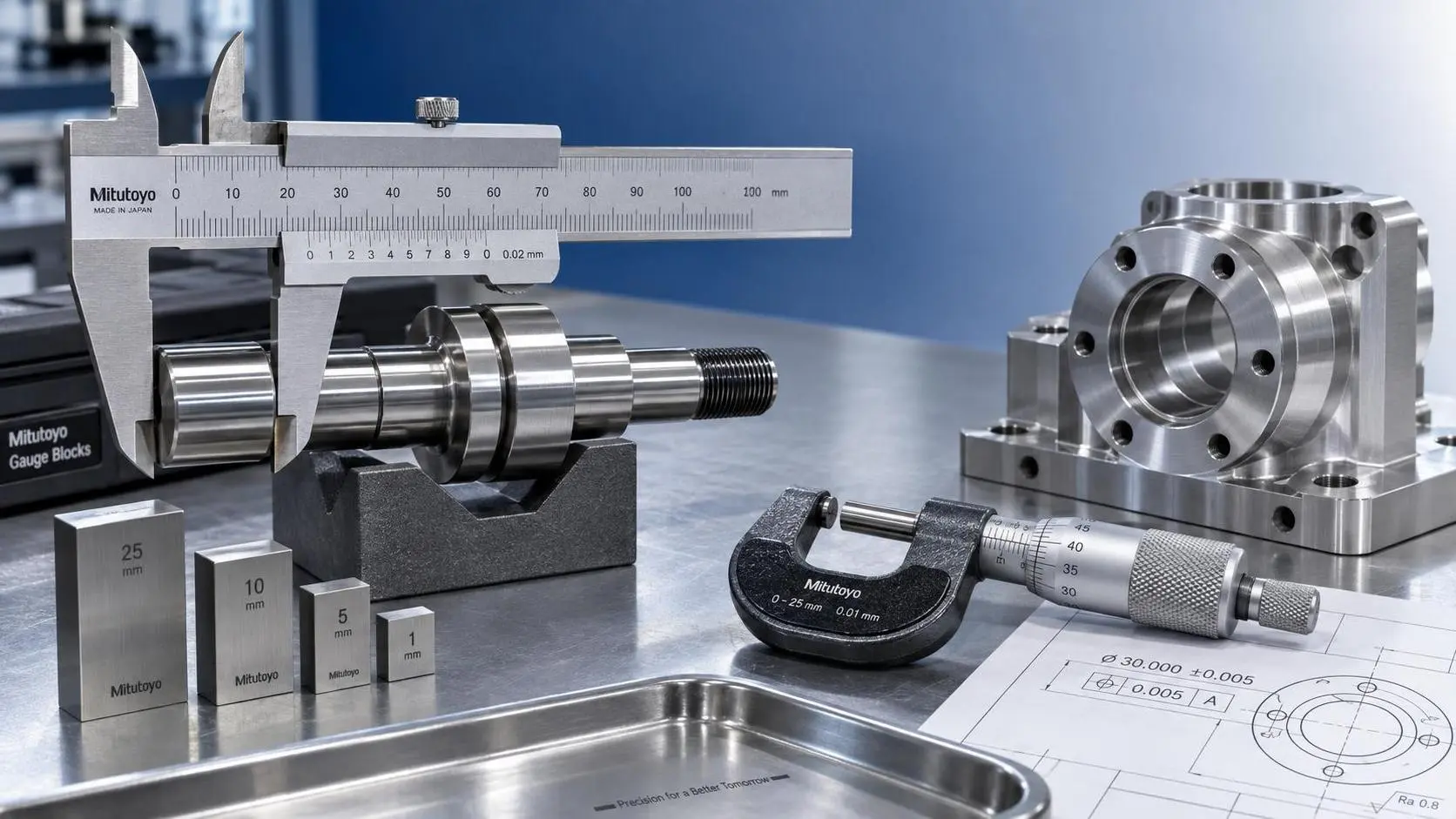
How to Select Vernier Precision Calipers for Tight-Tolerance Machining Inspection
Vernier precision calipers for tight-tolerance machining: learn how to select the right range, jaw design, accuracy, and verification process for reliable inspection.
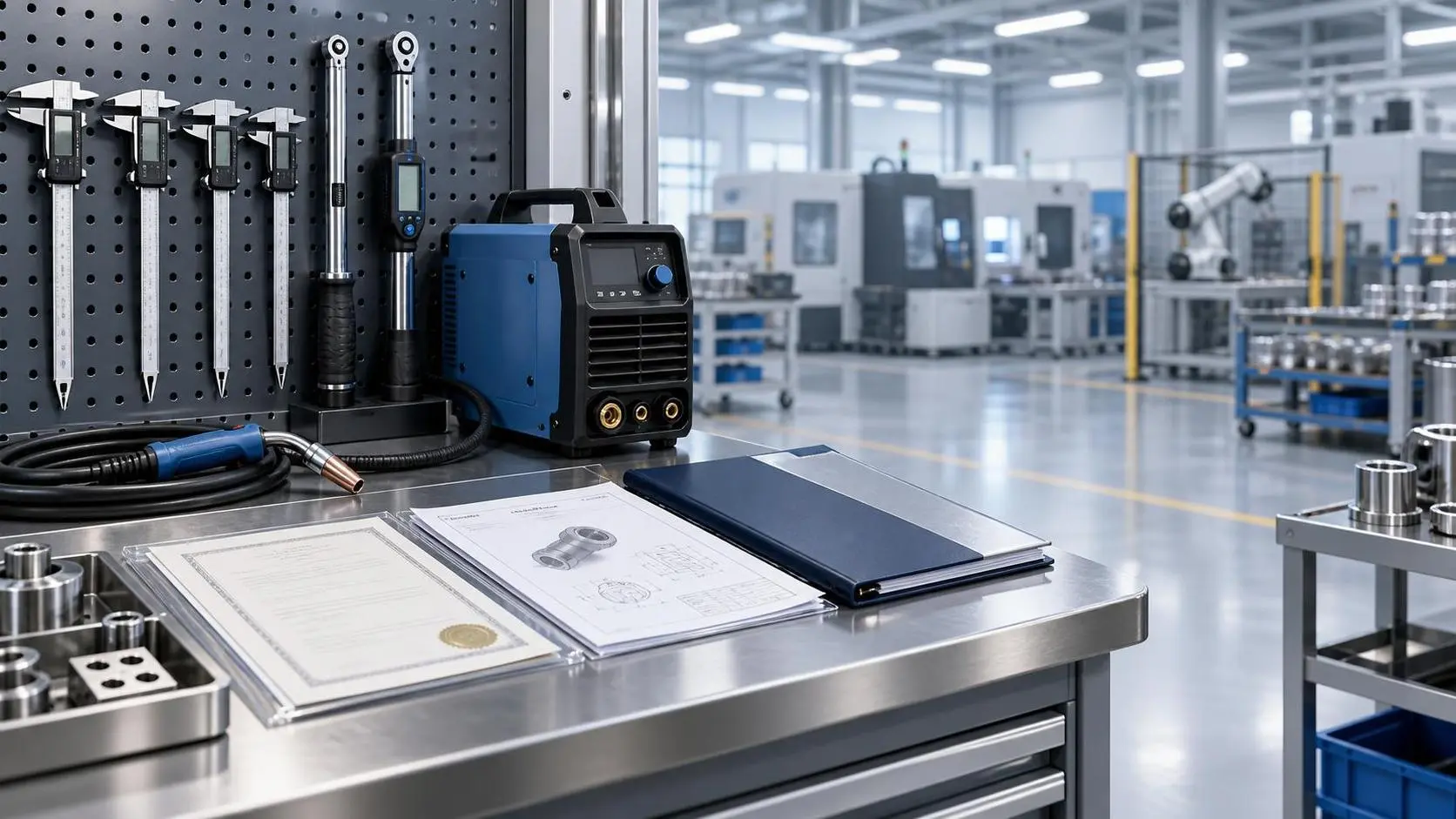
Product Comparison Resources in Europe: How Buyers Can Verify Specs and Suppliers
Product comparison resources Europe: learn how to verify industrial specs, compliance claims, supplier credibility, and delivery risk for smarter purchasing decisions.

How to Evaluate an Industrial Metrology Solution Manufacturer for Production Use
Industrial metrology solution manufacturer evaluation guide for production: compare accuracy, traceability, automation, software, service, and acceptance testing to reduce risk.

Which ISO Standards Matter Most for Precision Engineering Quality Control?
Precision engineering ISO standards explained: discover how ISO 9001, ISO/IEC 17025, ISO 10012, GPS, and ISO 3834 strengthen quality control, traceability, and compliance.
Related News
- 00
0000-00
What Does Data-Driven Intelligence Cost? Budgeting for Data, Tools, and Talent - 00
0000-00
What Determines Metrology Technology Prices for Factory Inspection Systems? - 00
0000-00
Welding Tools Price Guide: What Affects Cost and How Buyers Can Compare Options - 00
0000-00
What Drives Industrial Tools Cost? A Buyer’s Guide to Materials, Volume, and Lifecycle Expenses - 00
0000-00
Brand Premiums in North America: What Drives Price Gaps in Industrial Tools?
Ms. Elena Rodriguez
Weekly Insights
Stay ahead with our curated technology reports delivered every Monday.