
How to Evaluate Industrial IoT Tools for Factory Monitoring and Process Control





Choosing an industrial IoT tools factory solution for monitoring and process control is no longer a narrow software decision. It affects data trust, machine uptime, quality consistency, maintenance timing, and the speed of operational decisions across the plant.
That is why evaluation has become more demanding. A dashboard may look polished, yet still fail where factories need it most: stable data capture, reliable alerts, safe connectivity, and useful integration with production systems already in place.
In sectors tied to assembly, metal joining, precision measurement, and equipment maintenance, the stakes are even higher. Small deviations in torque, temperature, vibration, weld quality, or dimensional tolerance can quickly turn into scrap, downtime, or compliance risk.
Viewed from that angle, evaluating industrial IoT tools factory teams can trust means looking beyond features. The real question is whether the system can support process discipline in real operating conditions, not only in a demo environment.
What Industrial IoT Tools Must Actually Deliver
Factory monitoring and process control rely on more than connected sensors. A complete industrial IoT stack usually includes edge devices, gateways, communication protocols, data models, analytics, alarm logic, user interfaces, and links to MES, ERP, SCADA, or CMMS platforms.
The value appears when these elements work as one operating layer. Data from machines, welding stations, torque tools, inspection instruments, or utilities must arrive with context, timing, and enough quality to support control actions.
For an industrial IoT tools factory deployment, this means answering a practical question: can the system help detect drift early, trace root causes faster, and keep production within defined process windows?
That focus is consistent with how GPTWM reads industrial change. In precision manufacturing, intelligence becomes valuable when it connects craftsmanship, tool behavior, metrology, and plant economics into one decision framework.
Why Evaluation Is Getting Harder
Industrial plants now run mixed environments. New smart tools often sit beside legacy controllers, manual stations, stand-alone gauges, and older field networks. Any industrial IoT tools factory platform must operate across that reality.
At the same time, expectations have changed. Monitoring is no longer enough. Operations want predictive maintenance, quality traceability, energy visibility, faster audits, and better process control from the same data foundation.
There is also a market pressure component. Raw material volatility, export restrictions, safety rules, and changing customer specifications all increase the need for faster operational feedback loops. A weak IoT layer becomes a business constraint, not just a technical gap.
This is especially visible in environments tracked by GPTWM, where intelligent torque control, handheld laser welding safety, and precision measurement adoption are reshaping how factories judge equipment performance.
Start With the Quality of Data, Not the Quality of Screens
A common evaluation mistake is overvaluing visualization. Dashboards matter, but they sit at the far end of the chain. If sensor readings are noisy, delayed, uncalibrated, or poorly mapped, every downstream analysis becomes questionable.
For that reason, the first review should cover signal integrity. Check sampling frequency, time synchronization, buffering behavior, packet loss handling, calibration support, and the treatment of missing values.
Data lineage matters as well. A sound industrial IoT tools factory platform should show where data originated, how it was transformed, and whether it remains suitable for alarms, trend analysis, or closed-loop control.
In metrology-heavy operations, this is critical. If dimensional readings, torque values, or weld parameters cannot be tied to time, asset, operator action, and batch context, traceability weakens immediately.
Questions worth asking early
- How does the platform validate incoming data before it reaches analytics or control logic?
- Can it distinguish sensor failure from true process deviation?
- What happens to data during network interruption or power loss?
- How are calibration records linked to process values and alarms?
Integration Depth Often Decides Long-Term Value
A factory rarely needs one more isolated interface. It needs a working connection between equipment data and production decisions. That is why integration depth is usually more important than the number of built-in widgets.
The right industrial IoT tools factory architecture should connect with PLCs, SCADA, MES, QMS, ERP, maintenance software, and laboratory or metrology systems where relevant. Otherwise, data remains descriptive rather than operational.
This is where open standards matter. Support for OPC UA, Modbus, MQTT, REST APIs, and structured export options reduces lock-in and shortens deployment friction. Proprietary convenience can become an expensive limitation later.
Integration should also be judged by effort. If every device onboarding step requires custom scripting, the platform may look flexible while remaining difficult to scale across multiple lines or plants.
Process Control Requires More Than Monitoring
Many platforms monitor machine status well but stop short of supporting real process control. That distinction matters. Monitoring tells what happened. Process control helps keep conditions within acceptable limits before quality loss becomes visible.
When reviewing an industrial IoT tools factory system, examine how it handles thresholds, alarm hierarchies, event correlation, and response workflows. A useful platform should reduce alert noise and highlight actionable deviation.
Some operations need advisory control only. Others require semi-automated adjustments or integration with closed-loop logic. The tool does not need to replace existing control systems, but it should strengthen them with contextual intelligence.
This becomes highly relevant in welding, fastening, thermal treatment, coating, and precision assembly, where process windows are narrow and defect costs can travel downstream unnoticed.
Useful indicators of control maturity
- Rule engines that support multi-variable conditions
- Alarm escalation based on severity and persistence
- Workflow triggers for maintenance, inspection, or containment
- Historical replay for incident review and tuning
- Statistical tools for drift detection and process capability checks
Scalability, Safety, and Governance Need Equal Weight
A pilot can hide structural weaknesses. An industrial IoT tools factory program only proves itself when it expands across assets, lines, plants, or supplier networks without losing reliability or governance.
Scalability starts with architecture. Review edge processing options, cloud or hybrid support, storage design, user permission controls, and performance under heavy event volumes. Ask for evidence, not roadmap promises.
Security deserves the same rigor. Plant systems often bridge OT and IT environments, so access control, encryption, patch management, network segmentation, and audit trails should be visible parts of the evaluation.
Governance is often overlooked. Clear ownership of tags, asset models, alert logic, and master data prevents the platform from degrading into a collection of disconnected local configurations.
Use Cases That Reveal Real Capability
The best way to test an industrial IoT tools factory platform is through realistic use cases. Generic demonstrations rarely show how the tool behaves under production constraints, shift changes, unstable inputs, or maintenance interruptions.
In assembly operations, a strong test case may track torque completion, tool health, and fastening sequence compliance. In welding, it may combine current, heat input, gas flow, and safety interlock status.
For metrology-led environments, useful trials can involve gauge calibration status, dimensional trend drift, and automatic quarantine triggers when readings move outside control limits. In utilities, energy and compressed air monitoring often expose integration quality quickly.
These scenarios reflect the kind of last-mile manufacturing intelligence that GPTWM consistently highlights: value appears when data can shape action close to the process, not only at reporting level.
A Practical Evaluation Path
A disciplined review usually starts by defining operational decisions that the platform must improve. That may be downtime response, weld parameter traceability, preventive maintenance timing, energy exceptions, or quality containment speed.
From there, map required data sources, signal frequency, user roles, integration points, and control outcomes. This prevents the evaluation from drifting toward feature comparison without business context.
Then run a bounded proof under live conditions. Use real assets, real operators, and realistic event volumes. Measure deployment effort, data quality, alarm usefulness, and the time required to convert an issue into action.
A strong decision framework should include technical fit, operational fit, vendor support maturity, and the platform’s ability to grow with broader digital factory goals.
- List the top five process risks the platform must help control.
- Rank data sources by criticality and integration difficulty.
- Test one high-value use case before expanding scope.
- Score vendors on evidence from live industrial conditions.
- Review roadmap alignment with safety, metrology, and automation priorities.
The most reliable industrial IoT tools factory choice is usually the one that makes plant data clearer, process response faster, and scaling more manageable without adding hidden complexity. With that standard in place, the next step is straightforward: build a use-case-led scorecard, test it in production conditions, and judge every claim against measurable process outcomes.
Related News
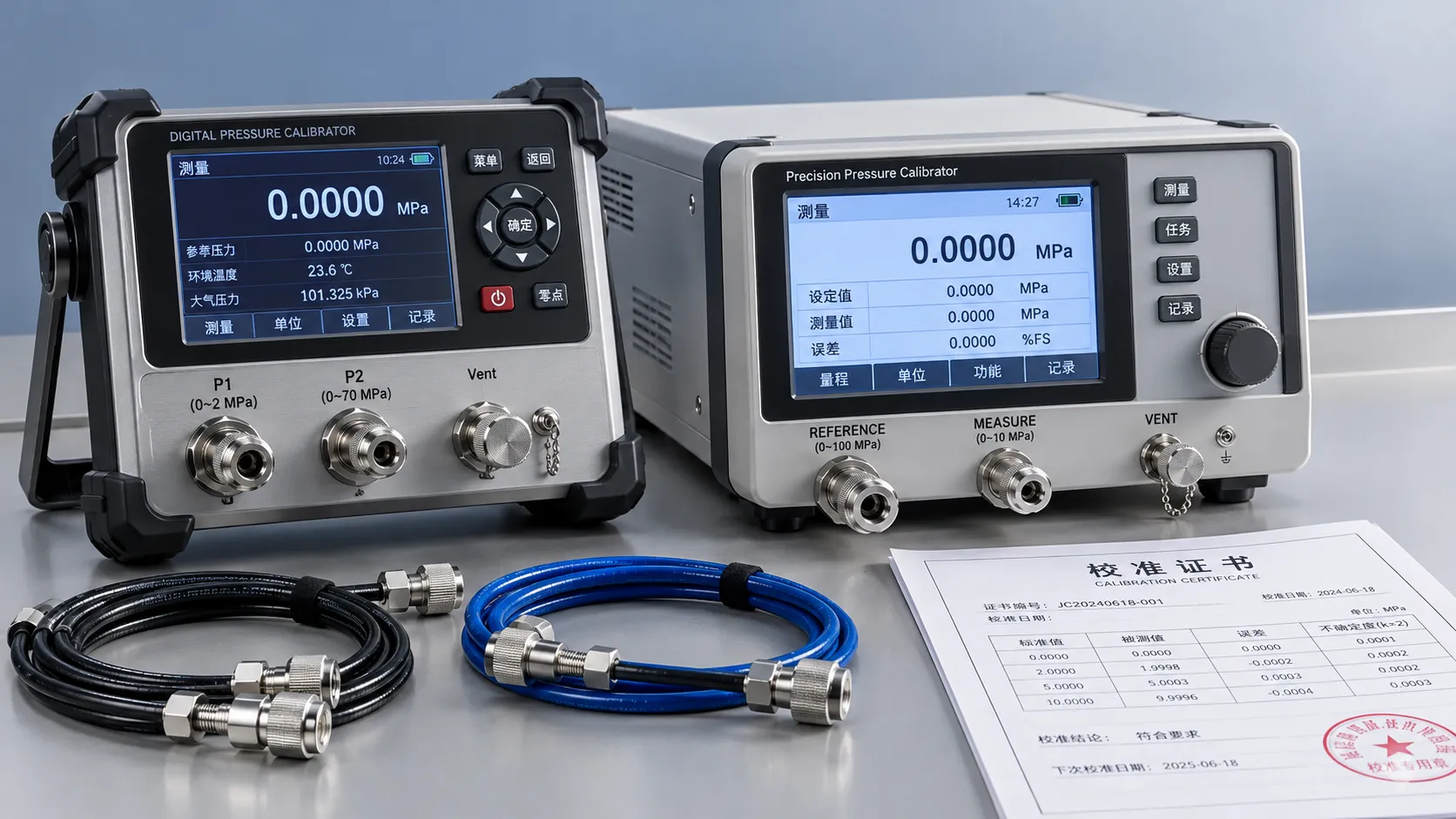
How to Compare Calibration Tools: Range, Uncertainty, and Traceability
Explore product comparison resources for calibration tools. Compare range, uncertainty, and traceability to choose confidently and support defensible measurement decisions.
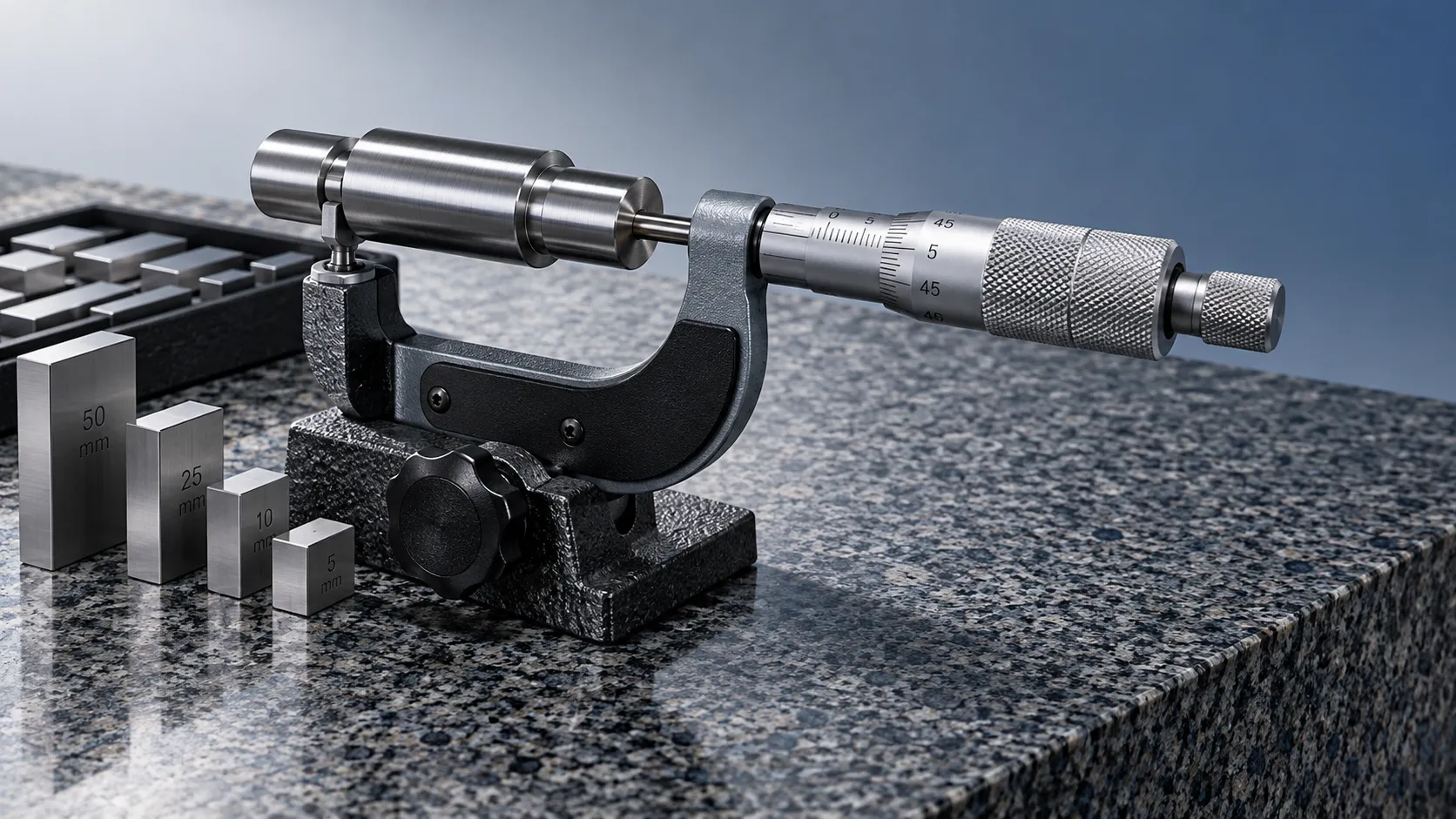
Choosing Industrial Metrology Tools: Matching Measurement Uncertainty to Tolerances
Improve industrial tool selection for metrology by matching measurement uncertainty to tolerances. Learn how to reduce inspection risk and choose equipment with confidence.
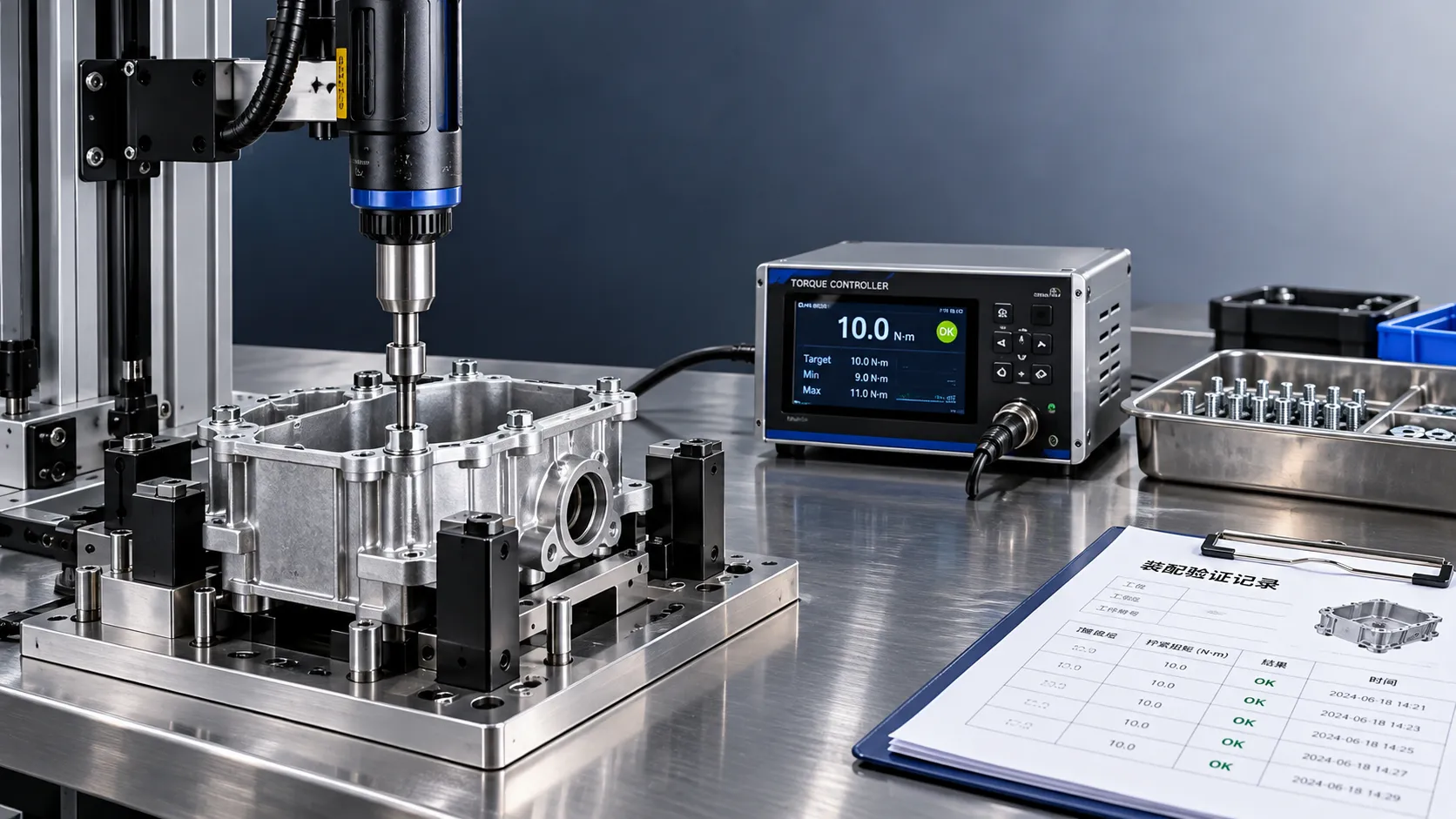
Torque System Suppliers: How to Assess References for Assembly Projects
Explore supplier and solution references torque systems buyers should verify. Assess assembly fit, traceability, and support to reduce risk and choose with confidence.

Equipment Application Guidance for the Middle East: Managing Heat and Dust
Explore application guidance Middle East teams can use to manage heat and dust, protect welding equipment, batteries and precision tools, and reduce downtime. Get practical tips.
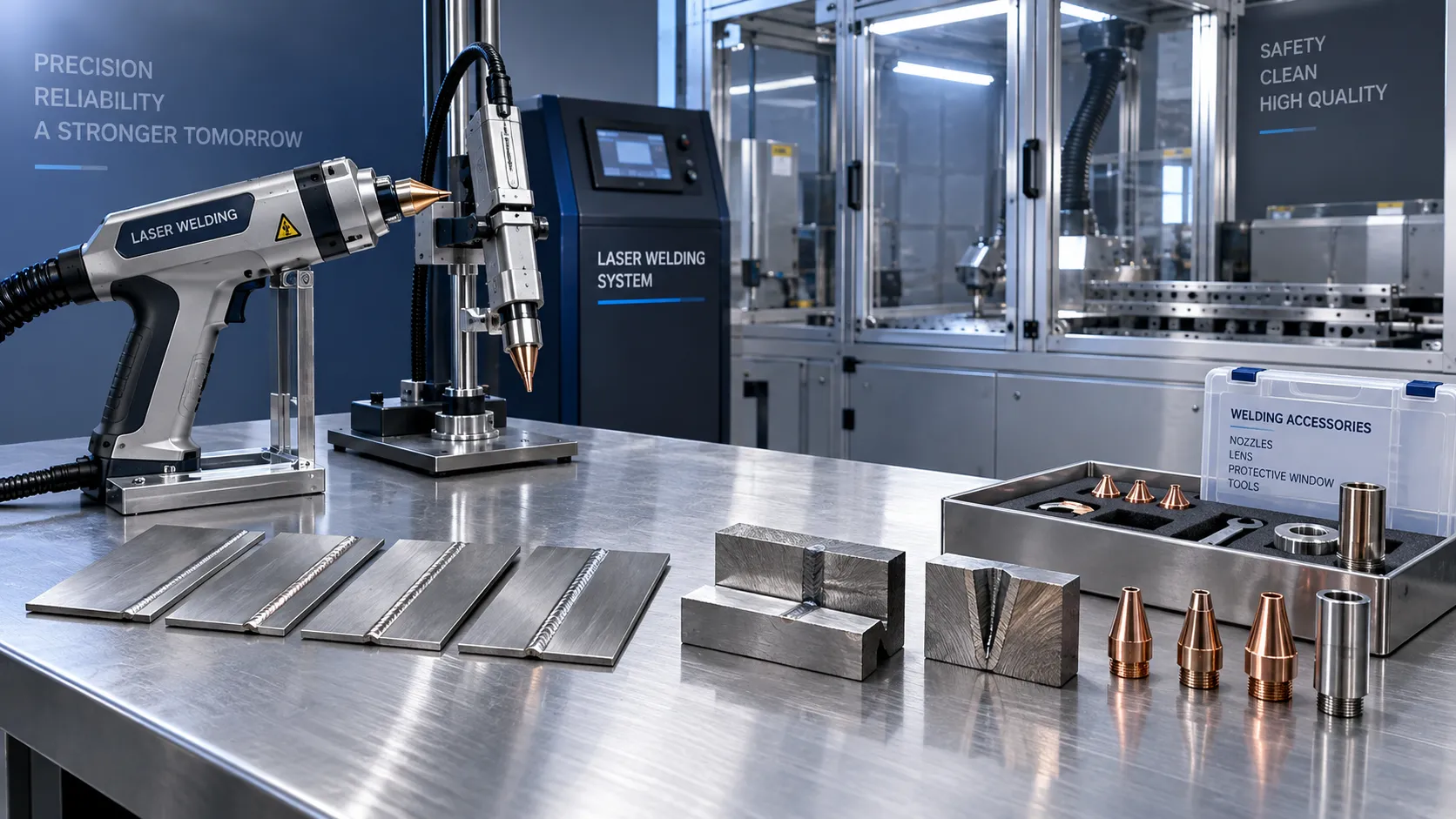
Choosing a Handheld Laser Welding Supplier: Weld Trials, Training, and Service
Choose a handheld laser welding supplier with proven weld trials, safety training, and reliable service. Learn what to verify before buying to reduce downtime and protect your investment.
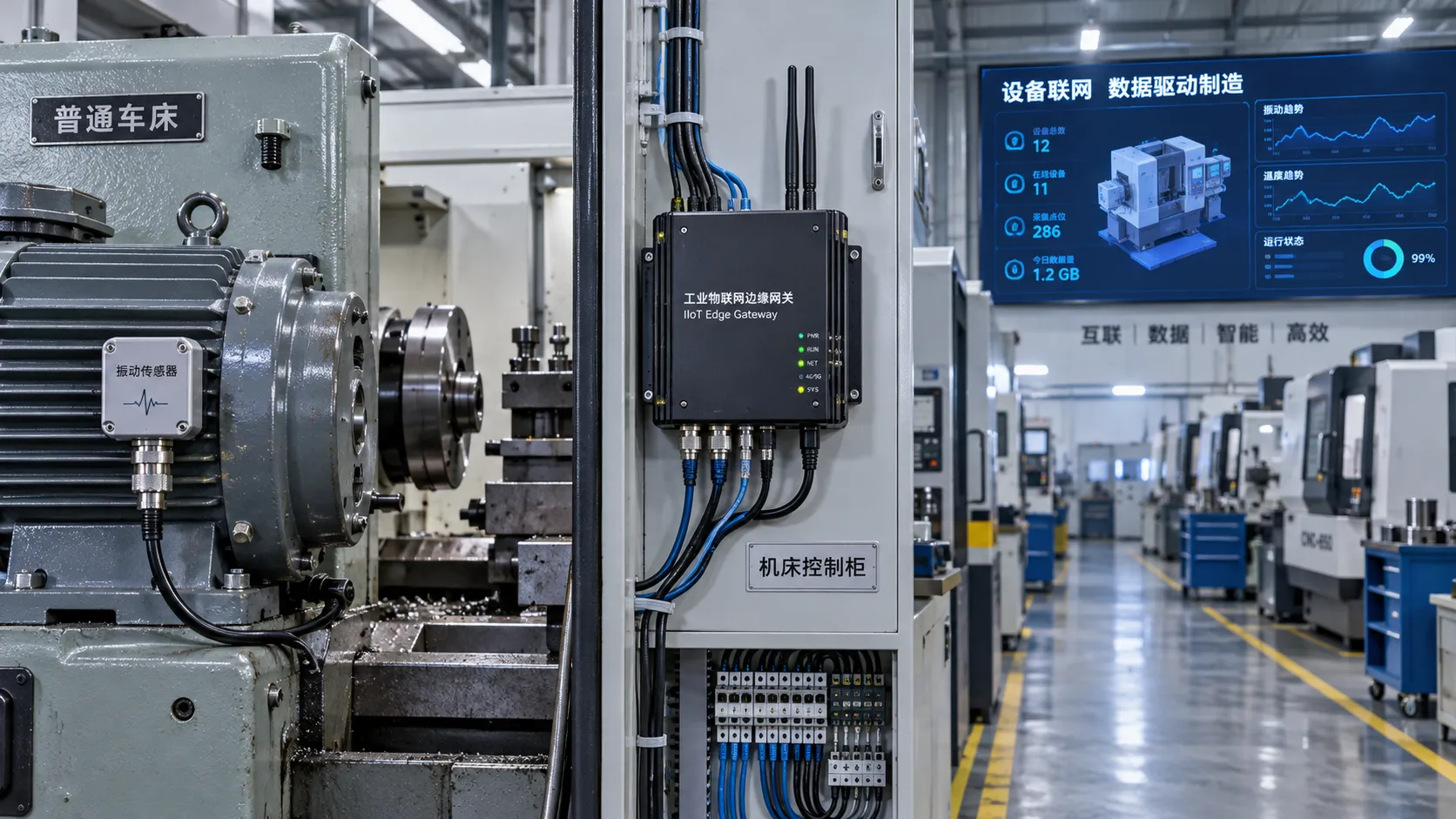
Choosing an Industrial IoT Platform: Key Criteria for Legacy Equipment
Choose an industrial IoT platform for legacy equipment with confidence. Discover key checks for connectivity, data integrity, security, and lifecycle costs before investing.

In-House vs. Outsourced Aircraft Maintenance: Comparing Total Costs
Compare aerospace maintenance cost for in-house vs. outsourced aircraft upkeep. Discover hidden expenses, downtime impacts, and break-even factors to find the best fit for your fleet.
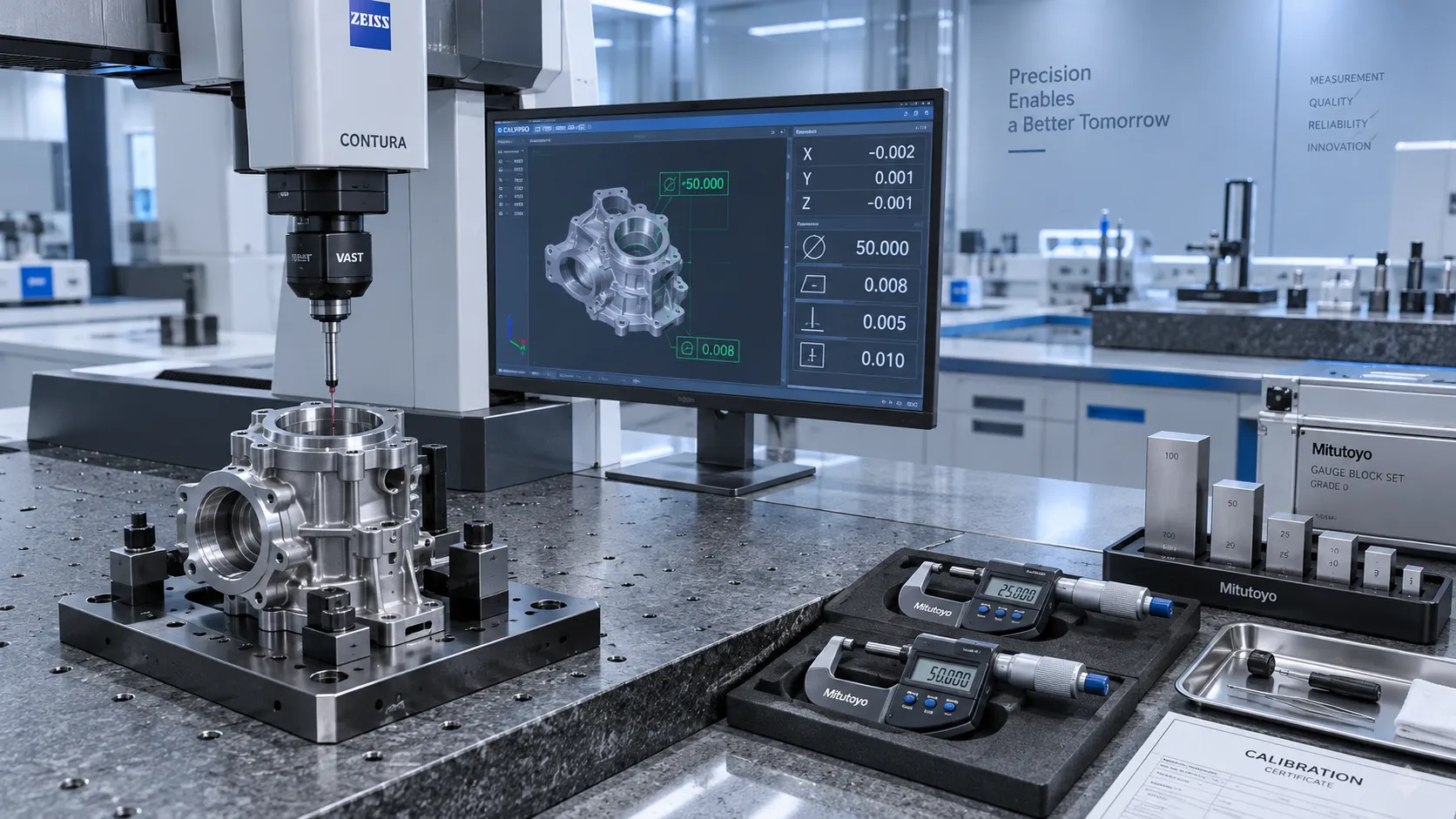
How to Select High-Precision Measuring Instruments for Tight-Tolerance Production?
High-precision measuring instruments are essential for tight-tolerance production. Learn how to evaluate accuracy, repeatability, environment, calibration, and data integration.
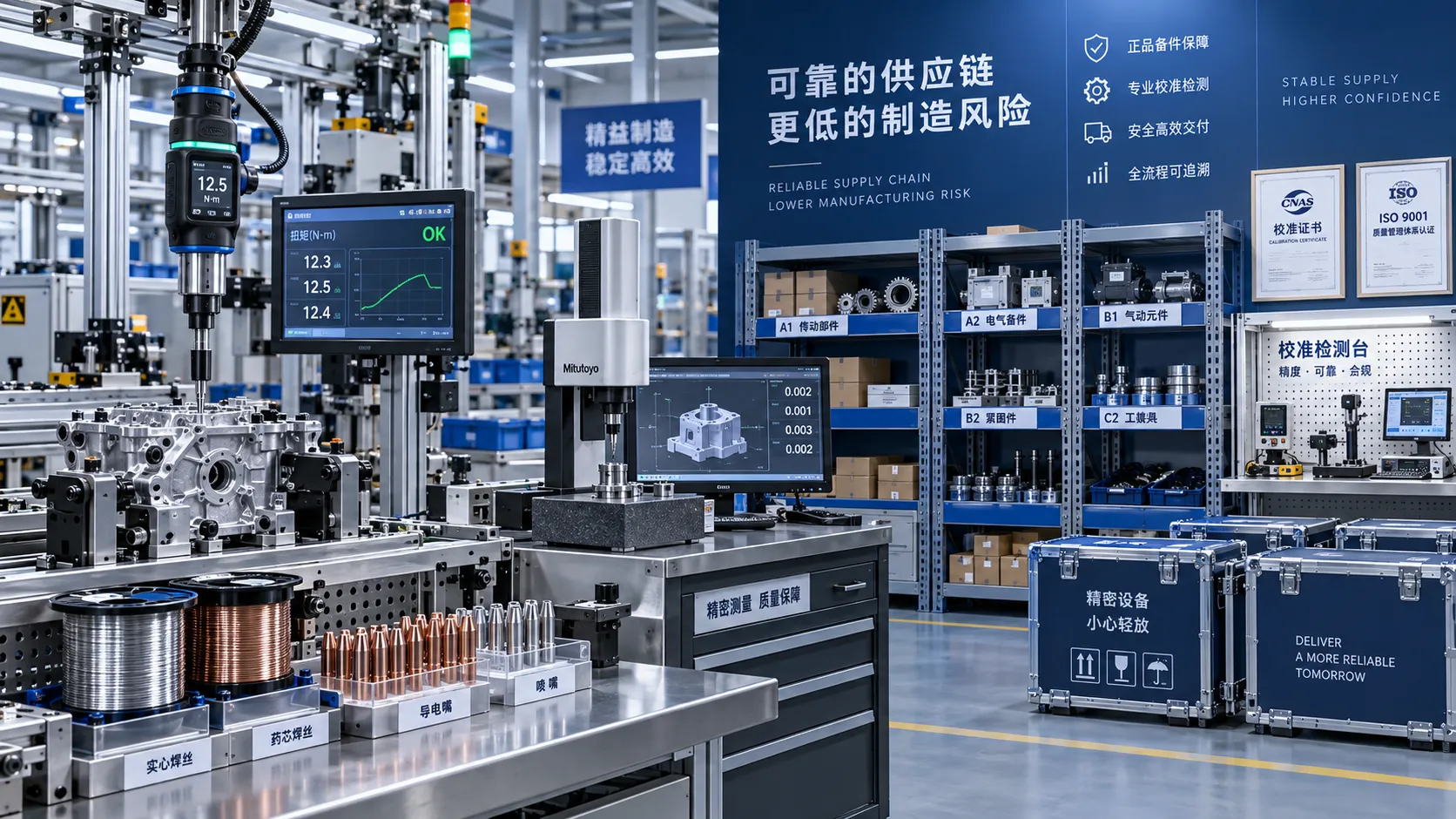
How Industrial Innovation Supplier Networks Reduce Sourcing Risk for Manufacturers
industrial innovation supplier network insights help manufacturers reduce sourcing risk, control lifecycle costs, and choose reliable tools, services, and suppliers with confidence.
Related News
- 00
0000-00
Equipment Application Guidance for the Middle East: Managing Heat and Dust - 00
0000-00
Choosing an Industrial IoT Platform: Key Criteria for Legacy Equipment - 00
0000-00
How to Select High-Precision Measuring Instruments for Tight-Tolerance Production? - 00
0000-00
How Do Advanced Manufacturing Methods Improve Batch Consistency? - 00
0000-00
What Maintenance Do Digital Factory Monitoring Systems Need?
Prof. Marcus Chen
Weekly Insights
Stay ahead with our curated technology reports delivered every Monday.