
How to Evaluate IoT Torque Control Tools for Traceable Assembly Quality





IoT torque control tools are worth evaluating when fastening quality must be proved after the cycle, not merely assumed from a tool setting. A conventional torque tool can apply a programmed value; an intelligent connected system can potentially show which fastener was tightened, by whom or by which station, under which program, with what result, and whether the result was accepted within the defined process window.
That distinction matters in assemblies where an incorrectly tightened joint can create safety, warranty, functional, or rework exposure. Yet connectivity alone does not make a fastening process traceable or reliable. A tool may transmit data consistently while measuring the wrong event, using an unsuitable control strategy, or attaching incomplete records to the wrong product. Technical assessment therefore has to examine the entire fastening system: joint behavior, tool performance, process logic, data integrity, and the path from a recorded cycle to a usable quality decision.
The strongest selection process begins with a clear question: what evidence must the plant retain to demonstrate that this joint was assembled correctly? The answer should shape the tool architecture, software requirements, validation plan, and integration scope.
Start with the joint and the quality risk
Torque is often treated as the final quality characteristic, but torque is only an indirect indicator of clamp load. Friction at the threads and under the fastener head can absorb a substantial share of the applied torque. Surface finish, coatings, lubrication, washer condition, repeated use of a fastener, and joint stiffness can all change the relationship between torque and the force holding the parts together.
For that reason, a tool with a narrow torque tolerance does not automatically guarantee a robust joint. Before comparing models, assessors should identify whether the process needs simple torque control, torque-plus-angle control, yield-based control, or a more specialized strategy. The appropriate method depends on the fastening specification and the way the joint responds during rundown.
Torque control may be sufficient for stable, low-risk applications with well-characterized parts. It becomes less persuasive where friction variation is significant or where joint integrity depends on achieving a repeatable clamp load. In those situations, angle monitoring after a seating threshold can add useful discrimination. A torque-angle signature may also reveal conditions that a final torque reading misses, such as cross-threading, a missing washer, stripped threads, an unexpected part stack-up, or a fastener that reaches torque too early.
The evaluation team should obtain the defined acceptance logic from the engineering owner of the joint. “Tighten to 40 Nm” is not enough to configure a traceable process. A usable specification should address the torque target or range, the angle window where applicable, the seating or snug point, the permitted speed profile, the type of fastener, the socket or bit interface, and any reaction requirements. It should also state which abnormal signatures are rejectable.
- What failure would the system be expected to prevent or detect?
- Is the joint hard, soft, or variable across normal production conditions?
- Does the specification require a final torque value, an angle result, a full tightening curve, or all of these?
- Can the same assembly contain visually similar fasteners with different programs?
- Will the assembly be repaired, retightened, or disassembled later?
These questions prevent a common procurement mistake: buying a sophisticated connected tool for a process that has not defined what a good fastening event looks like.
Evaluate the measurement chain, not the brochure accuracy figure
Tool accuracy is usually presented as a percentage of reading or full scale under stated conditions. It remains an important comparison point, but it should not be read in isolation. A published figure may describe the transducer or tool under laboratory calibration conditions rather than the complete installed fastening system in a production cell.
The useful question is whether the system can repeatedly distinguish acceptable joints from unacceptable ones at the actual operating range. A tool selected near the extreme low end of its torque capacity may offer limited resolution or less stable control for the application. A tool selected with excessive capacity can also be poorly matched to the required range. Assess the intended torque band relative to the manufacturer’s recommended operating range, rather than choosing solely by maximum output.
The measurement chain extends beyond the motorized tool. It includes the torque transducer, controller, cables or wireless link, output drive, extension, crowfoot adapter, socket, bit, reaction arm, fixture, and the joint itself. Extensions and adapters may alter angular behavior, introduce compliance, or create side loading. Worn sockets can distort engagement and increase the likelihood of runout. A reaction arm that shifts during rundown may affect ergonomics and process consistency even when the recorded torque remains within limits.
Technical assessors should ask suppliers to define how calibration applies to the installed tool and controller, how often verification is expected, what adjustment functions are controlled, and what evidence the system retains. Calibration traceability should be meaningful to the organization’s quality system, but a calibration certificate alone does not validate the complete fastening process. Routine verification against a suitable reference and periodic process audits are still needed.
Where torque-angle analysis is part of the acceptance criteria, review sampling behavior and curve handling as well. The controller must capture enough detail to support the required signature analysis without generating data so large or poorly organized that it becomes impractical to retain and investigate. The team should determine whether raw curves, selected points, calculated parameters, or only pass/fail results will be stored. Each option has different value when a quality event must be reconstructed months later.
Traceability must link the fastening result to the correct assembly
A connected tool creates data. Traceability requires context. A timestamp, torque result, and serial number are useful only when they can be reliably connected to the correct product, operation, fastener location, process revision, and operator or automated station.
This is where many deployments become weaker than expected. Data may be captured in the controller, while product identification remains manual. An operator can scan the wrong label, select the wrong program, or complete steps in an incorrect sequence. The stored result may look complete but prove little about the physical assembly.
Evaluate the proposed traceability model as a chain of custody for each fastening event. At a minimum, determine how the system will establish:
- the unique identity of the assembly, carrier, or work order;
- the station and fastening location;
- the active program and its revision;
- the tool, controller, and measurement status used for the cycle;
- the result, including the reason for failure where available;
- the operator identity or automation cell identity;
- the release status of the assembly after all required fastenings are complete.
The means of identification should suit the line conditions. Barcode and RFID approaches can be effective, but both depend on disciplined label management, read reliability, and recovery rules for failed scans. In a highly configured product mix, a manufacturing execution system may need to send the correct build recipe to the controller. In a lower-volume cell, a controlled scan-and-confirm workflow may be adequate. The right answer is the one that prevents an incorrect program from being applied while keeping the operation workable for production.
Sequence control deserves particular attention. A system should be able to enforce a specified tightening order when the assembly requires it, prevent a completed part from advancing with a missed fastening, and handle rework without destroying the original quality record. Rework is often overlooked during initial demonstrations. Ask how the system records a loosening event, replacement fastener, repeat tightening, supervisor override, or manual repair. A traceability record that cannot represent exceptions accurately will encourage unofficial workarounds.
Test the software as a quality system component
IoT torque control tools are frequently evaluated as hardware purchases, even though the controller software, gateway, database, and integration layer determine much of their long-term value. A technically capable nutrunner can become difficult to operate if program governance is weak, failure recovery is unclear, or records are trapped in a vendor-specific environment.
First examine recipe and program control. Authorized personnel should be able to create, approve, release, revise, and retire fastening programs through a defined workflow. The system should make it obvious which version was active for any historical result. Direct, untracked changes at the station may be convenient during commissioning but create an avoidable quality risk in normal production.
Then assess the event model. A useful platform distinguishes a completed pass from a completed operation, a failed cycle from an aborted cycle, a communication interruption from a missing result, and a temporary override from an authorized deviation. These distinctions affect how supervisors respond and how analysts interpret loss trends. A simple green/red result screen may be adequate for the operator, but the underlying records should preserve enough detail for quality and engineering review.
Integration capability should be assessed using the plant’s actual systems and constraints. It is reasonable to ask which interfaces are available, how data is structured, whether the tool can exchange commands as well as send results, how communication failures are handled, and whether buffered records can be reconciled after a network interruption. Compatibility claims should be tested in a representative environment, particularly where the controller must exchange data with MES, quality software, production databases, or plant identity systems.
Data ownership and retention are also commercial and operational issues. The buyer should understand where records reside, who can export them, what happens if a subscription changes, how long data remains accessible, and how format changes will be managed. A system that delivers a dashboard but cannot provide usable event-level records may be difficult to defend during an investigation.
Connectivity needs a production failure mode
Wireless connectivity can improve deployment flexibility, especially for mobile stations, large fixtures, or reconfigurable cells. It also introduces variables that should not be dismissed as an IT detail. Radio interference, coverage gaps, battery status, roaming behavior, controller placement, and network segmentation can all affect availability.
The decisive issue is not whether the tool is wireless, but what happens when connectivity is degraded. Can the tool continue a controlled operation using a locally validated program? Are results buffered securely and synchronized without duplication once the connection returns? Is an assembly blocked from release until the missing records are reconciled? Can an operator tell the difference between a valid offline cycle and an unknown data-loss condition?
For wired systems, cable durability, connector life, strain relief, and routing remain part of the reliability assessment. For both architectures, cybersecurity should be evaluated proportionately. Connected torque systems may provide a path into production networks or expose quality data that influences release decisions. Review authentication, role-based access, device management, encrypted communication where required by the environment, audit logging, patch management, and the supplier’s process for addressing vulnerabilities.
A secure system should not become an unusable one. Excessive login friction, unclear authorization roles, or maintenance procedures that require informal administrator access often lead to local bypasses. The best configuration aligns security controls with real shop-floor responsibilities.
Use a representative acceptance trial before standardizing
A controlled trial should be treated as a process evaluation, not a brief tool demonstration. Run the candidate system on representative joints, parts, access conditions, cycle rates, operators, and shift patterns. Include known edge conditions where possible: variation in fastener finish, difficult tool access, program changes, failed scans, loss of network connection, rework, and a deliberately induced fastening error.
The acceptance criteria should cover more than pass rate. Review repeatability across the intended operating band, curve consistency, cycle time, operator handling, reaction control, programming effort, recovery from faults, traceability completeness, data export, and the clarity of alarms. A system that catches errors but produces frequent ambiguous stops may shift risk into manual bypasses and lost production time.
Ask the people who will support the system to perform their own tasks during the trial. Quality engineers should retrieve and interpret historical records. Maintenance personnel should change a consumable component and verify tool status. Manufacturing engineers should revise a recipe under controlled permissions. IT or OT staff should assess network behavior and device administration. The outcome is more credible when each owner can confirm that the promised workflow works outside a supplier-led demonstration.
Select for the operating model, not the most feature-rich tool
For a single critical joint, a focused connected controller with reliable traceability may be more valuable than a broad platform that requires extensive custom integration. For a mixed-model line with many stations, centralized recipe governance and MES connectivity may justify a more capable architecture. Mobile service operations may prioritize ruggedness, offline control, and secure synchronization over dense real-time analytics.
The selection should also reflect support realities. Consider spare tool availability, local calibration capability, controller replacement procedures, software upgrade governance, training needs, and the organization’s ability to maintain master data. A connected fastening system introduces discipline requirements around product IDs, process revisions, user roles, and exception handling. It performs best when those operating responsibilities are assigned before rollout.
IoT torque control tools can strengthen assembly quality when they turn a fastening event into dependable, interpretable evidence. The purchase decision should therefore be based on whether the system can control the specified joint, preserve a trustworthy link to the assembly, and remain usable when production conditions become imperfect. Those three tests are more revealing than a long feature list, and they provide a sound basis for scaling traceable fastening across the operation.
Related News
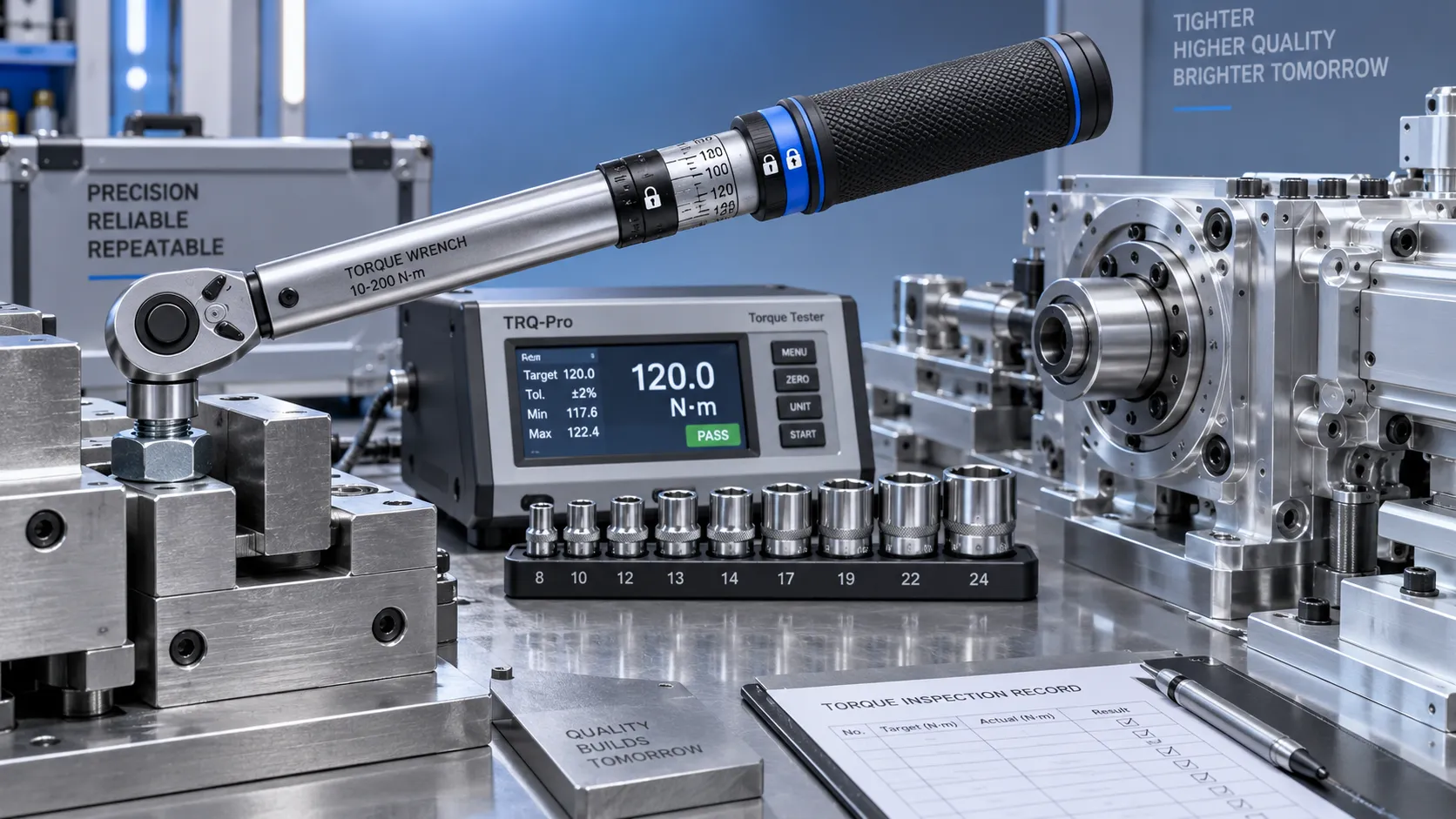
Selecting Adjustable Torque Tools for Repeatable Fastener Assembly
Adjustable torque tools: learn how to match range, accuracy, control methods, calibration, and ergonomics for repeatable, reliable fastener assembly.
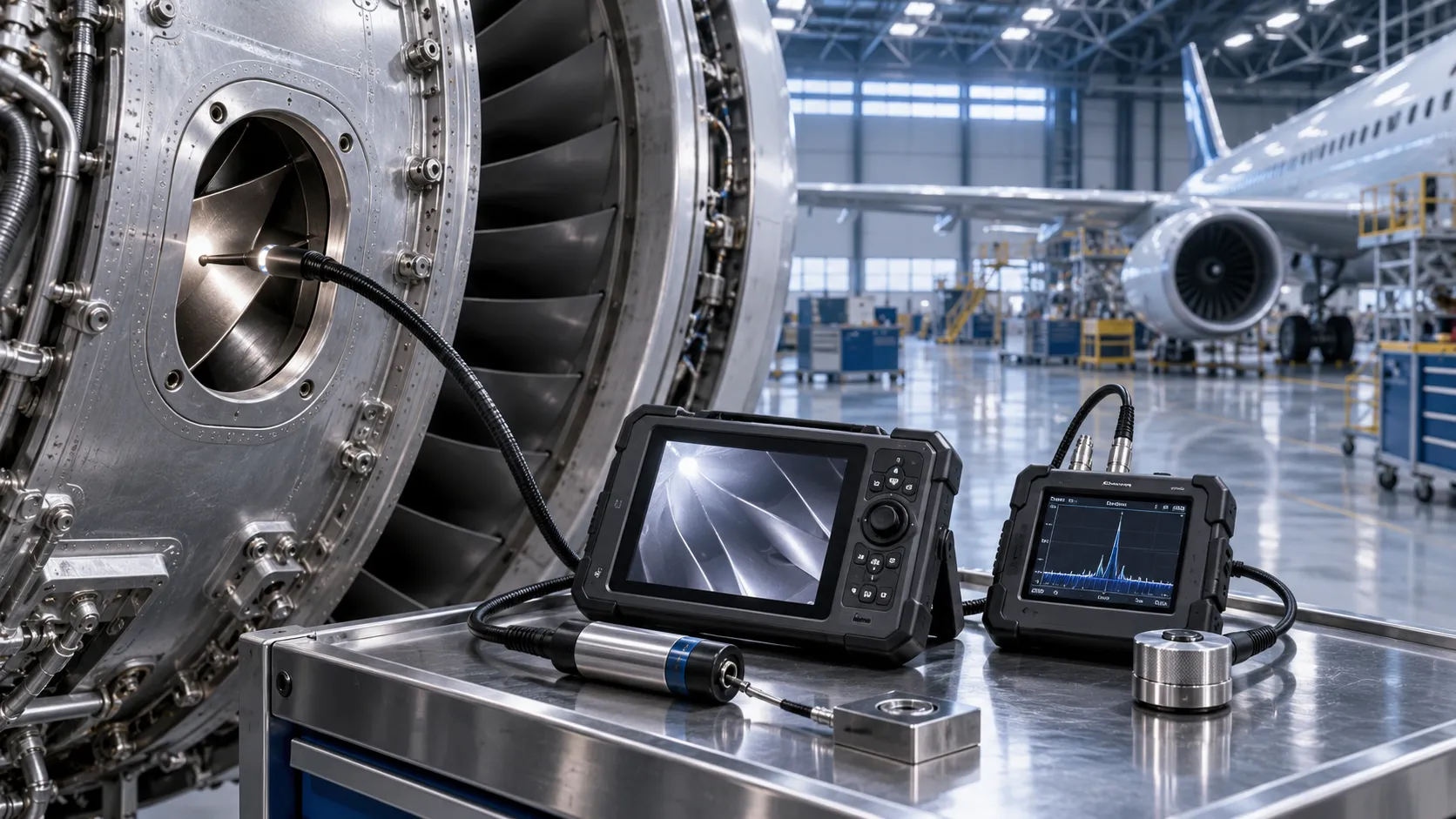
How to Select Aerospace Inspection Tools for Aircraft Maintenance Tasks
Aerospace maintenance inspection tools: learn how to select reliable, traceable equipment for aircraft access, accuracy, calibration, and compliant maintenance decisions.

How to Select Wire Bonding Tools for Fine-Pitch Semiconductor Packaging
Explore semiconductor manufacturing tools for wire bonding and learn how to select precision solutions for fine-pitch packaging, reliable loops, accuracy, and yield.
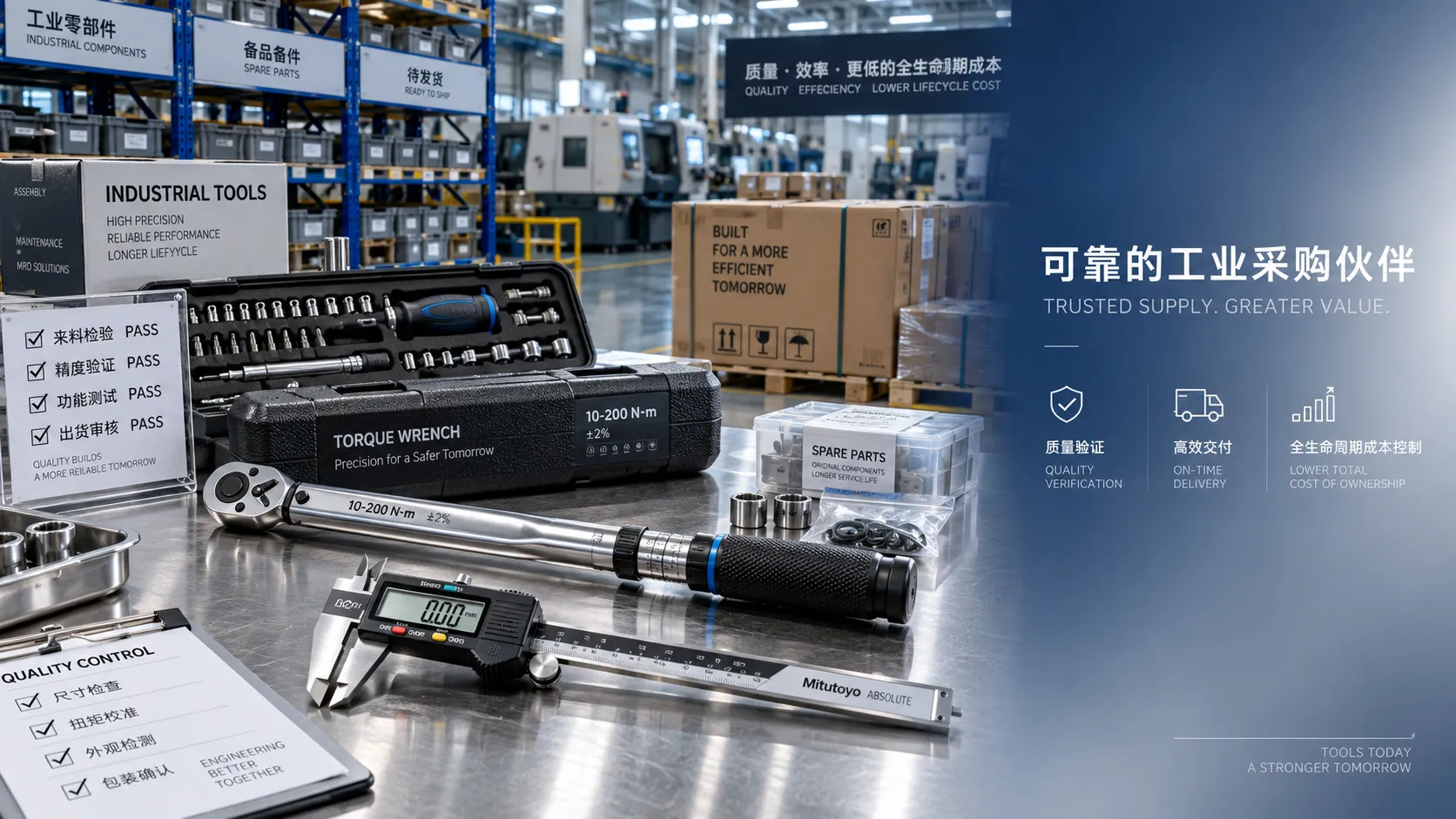
How to Compare Industrial Tool Suppliers for Quality, Lead Time, and Total Cost
Industrial tool selection supplier comparison made simple: evaluate quality, lead times, total cost, service, and supply resilience for confident sourcing decisions.
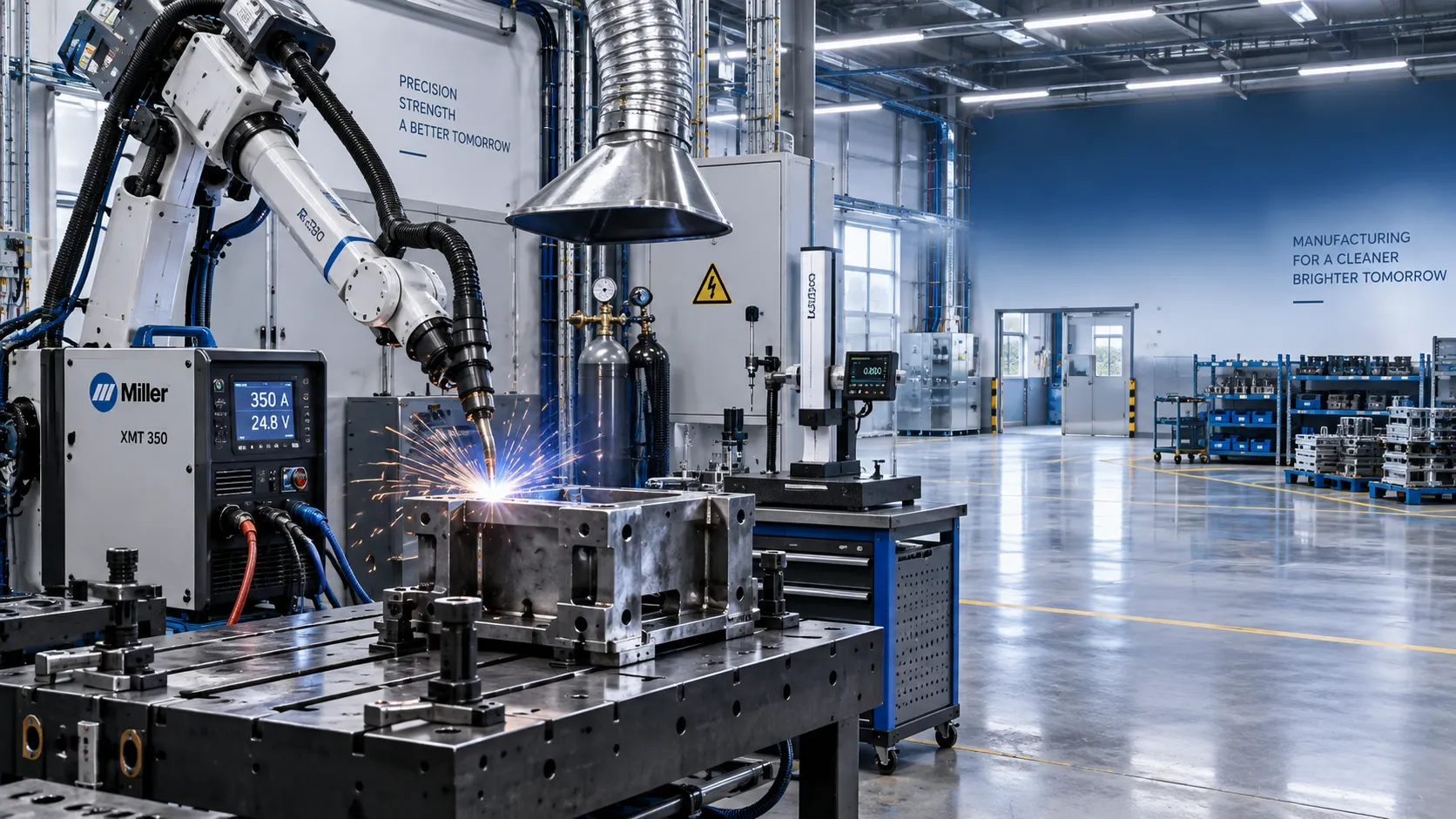
Industrial Equipment Application Guidance: Match Machines to Operating Conditions
Application guidance industrial equipment: match capacity, duty cycle, materials, site conditions, safety, and lifecycle cost to improve reliable output. Read the guide.
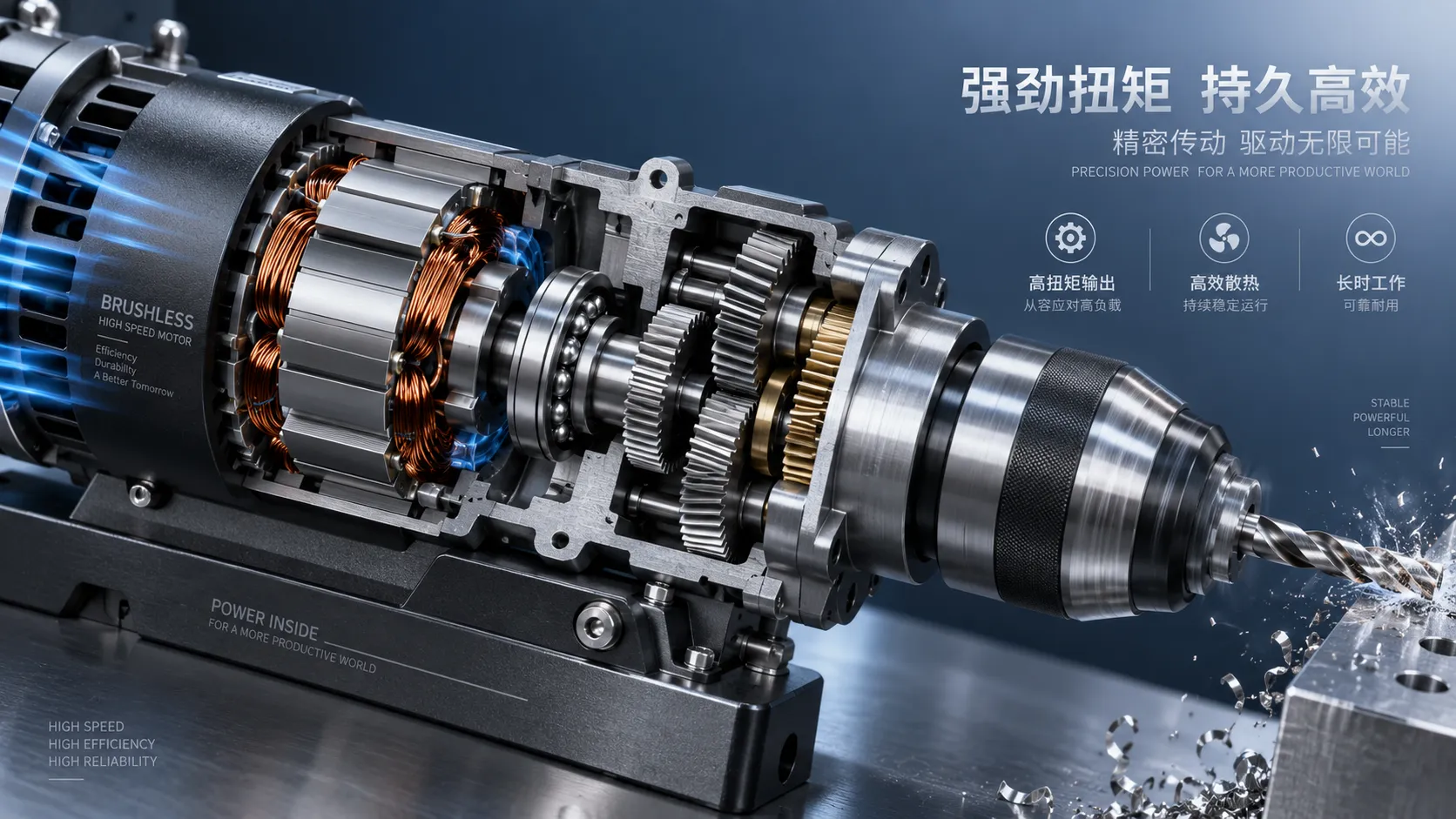
Selecting High-Speed Brushless Tool Motors for Torque, Heat, and Duty Cycle
High speed brushless tool motors: learn how to balance torque, heat, gearing, and duty cycle for reliable industrial tool performance and longer service life.
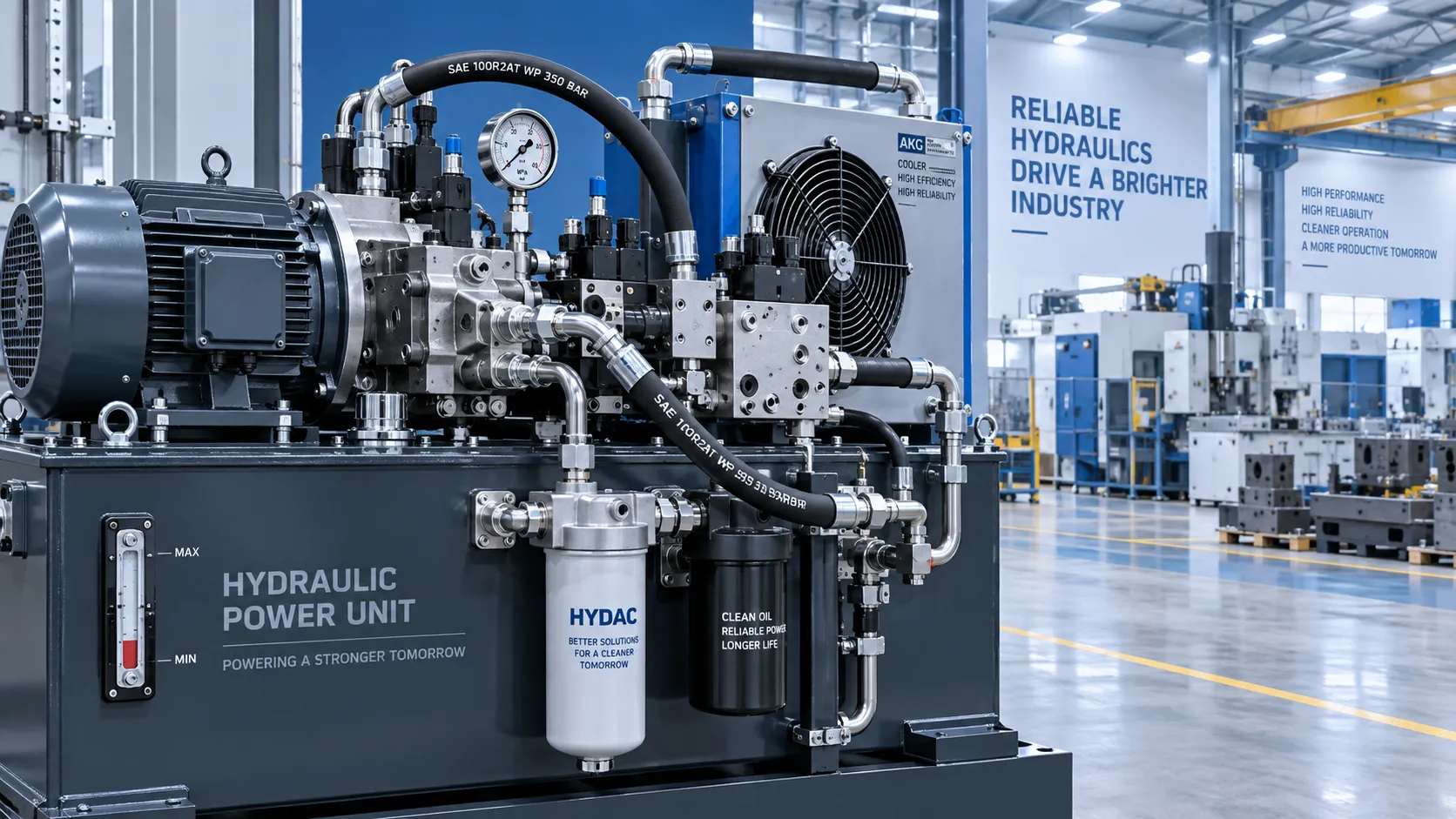
What Determines Industrial Hydraulic System Price for Heavy-Duty Equipment?
Industrial hydraulic system price depends on duty cycle, pressure, components, cooling, and integration. Compare quotes intelligently to secure reliable heavy-duty performance.
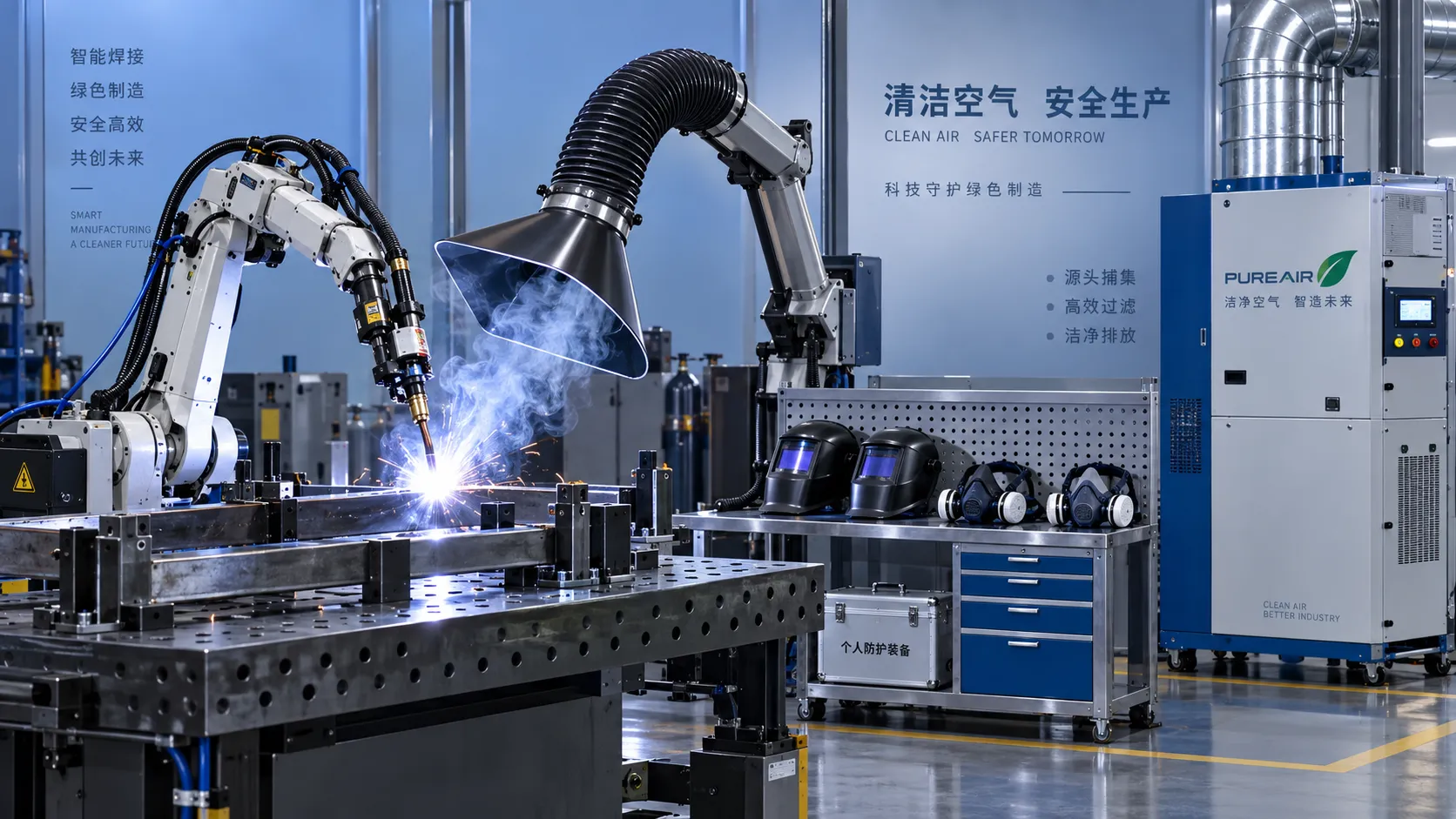
Welding Fume Extraction PPE: When Respirators Are Not Enough for Shop Safety
Welding fume extraction PPE: learn why respirators alone fall short and how source capture, ventilation, and layered controls improve shop safety.

How to Select Optical Metrology Solutions for Tight-Tolerance Manufacturing
Optical industrial metrology solutions for tight-tolerance manufacturing: evaluate accuracy, surface compatibility, workflow, and traceability to select with confidence.
Related News
- 00
0000-00
Selecting Adjustable Torque Tools for Repeatable Fastener Assembly - 00
0000-00
How to Select Aerospace Inspection Tools for Aircraft Maintenance Tasks - 00
0000-00
How to Select Wire Bonding Tools for Fine-Pitch Semiconductor Packaging - 00
0000-00
Industrial Equipment Application Guidance: Match Machines to Operating Conditions - 00
0000-00
Selecting High-Speed Brushless Tool Motors for Torque, Heat, and Duty Cycle
Prof. Marcus Chen
Weekly Insights
Stay ahead with our curated technology reports delivered every Monday.