
How to Evaluate a High Efficiency Brushless Motor for Torque, Heat, and Duty Cycle





Selecting a high efficiency brushless motor is rarely a matter of reading the nameplate and choosing the highest power number. In real industrial evaluation, the harder questions come later: can the motor hold torque when load spikes, does heat rise stay under control during extended operation, and will the duty cycle match the actual production rhythm rather than the ideal lab condition?
That is why technical evaluation has to move beyond headline efficiency. A motor that looks excellent on a datasheet may still underperform in a handheld power tool, automated fastening station, pump, actuator, or compact welding auxiliary system if torque delivery is unstable, thermal margins are too tight, or continuous-duty behavior depends on aggressive cooling that the final machine cannot provide.
Across industrial assembly and precision tool applications, this is a familiar pattern. It also explains why intelligence platforms such as GPTWM pay close attention not only to brushless motor efficiency limits, but to the practical relationship between motor design, tool ergonomics, heat management, and application duty. For evaluators making a selection decision, that broader view matters more than any isolated specification.
Start with the load profile, not the motor brochure
Before comparing suppliers, define the real load profile. A high efficiency brushless motor that works well in intermittent use may be the wrong choice for high-inertia starts, repetitive stall-near conditions, or long low-speed holding periods. Technical teams often compress these into a single “required power” figure, which hides the conditions that actually stress the motor.
A useful evaluation file should include at least:
- Required torque at startup, rated running, and transient overload
- Speed range, especially operation below base speed
- Load inertia and acceleration/deceleration frequency
- Ambient temperature and enclosure conditions
- Expected run/rest pattern across a shift
- Controller, battery, or power supply limits
Without this context, comparing motors by nominal watts or peak efficiency is not especially meaningful. Two motors can share similar output ratings while behaving very differently once installed in the same machine.
Torque evaluation: look past peak claims
Torque is usually the first parameter discussed and one of the most misunderstood. Peak torque is easy to advertise, but it is rarely the value that determines production reliability. What matters more is the shape and stability of the torque-speed curve, along with how long the motor can sustain high torque before thermal protection, demagnetization risk, or controller current limiting intervenes.
For selection work, there are three practical checks.
Continuous torque versus intermittent torque
Continuous torque is tied to temperature rise. Intermittent or peak torque depends on how much temporary thermal headroom and current margin the system has. If the application includes frequent starts, reverse cycles, or repetitive fastening peaks, ask how the manufacturer defines duration, rest interval, and cooling assumptions behind the peak figure. If those assumptions are unclear, the number is not decision-grade.
Low-speed torque quality
Many industrial tools operate in low-speed, high-load regions where brushless systems can expose control weaknesses. Cogging, torque ripple, poor commutation tuning, or sensor limitations may not appear in a high-speed efficiency chart but will show up in precision tightening, feed control, or welding wire handling. If low-speed smoothness matters, request test data or a witnessed run under representative load rather than relying on idealized curves.
System torque, not motor torque alone
Motor performance is shaped by the inverter, firmware, gearing, and supply conditions. A high efficiency brushless motor paired with a conservative controller may never reach the expected torque envelope. In battery-driven equipment, voltage sag can further compress real output. Evaluation therefore needs to cover the electromechanical system, not just the rotor-stator package.
Heat is where good selections often fail
Thermal behavior is often the deciding factor between a motor that performs well in short demonstrations and one that survives in production. Copper loss, iron loss, bearing friction, switching losses in the drive, and poor heat rejection can all push winding or magnet temperatures higher than expected. Efficiency helps, but high efficiency does not automatically mean low operating temperature under every load point.
A common mistake is to treat case temperature as the whole story. Housing temperature is useful, but internal hot spots can be significantly higher depending on winding design, potting, airflow, mounting method, and duty pattern. If thermal margin is tight, ask what measurement method was used: winding resistance estimation, embedded sensor, case thermocouple, or infrared on the surface. These are not interchangeable.
It is also worth checking the installation assumptions behind the thermal rating. A motor mounted to a large metal structure may dissipate heat very differently from the same motor placed inside a sealed handheld enclosure or compact automation module. In practice, thermal bottlenecks often belong to the machine design, not the motor alone.
What to verify in thermal assessment
Where possible, request thermal performance under the same torque-speed points that matter to your application. A generic “rated condition” test can be too distant from real use to support a confident decision.
Duty cycle is not a footnote
Duty cycle sits at the intersection of torque and heat. It describes whether a motor can repeat the required work over time without drifting into overload, nuisance trips, or premature wear. In selection meetings, teams often reduce this to a percentage number, but the pattern behind the percentage matters just as much.
Ten seconds on and fifty seconds off is not equivalent to fifty minutes on and ten minutes off, even if the average duty ratio looks similar. Thermal time constants, repeated current peaks, and cooling recovery all change. For that reason, evaluators should model or test the actual cycle sequence: start, accelerate, loaded run, decelerate, hold, idle, then repeat.
This becomes especially important in tools and compact industrial devices where the pressure for lightweighting is strong. GPTWM’s coverage of intelligent tools and ergonomic standardization reflects a real market tension: users want smaller, lighter, more efficient equipment, but shrinking the package leaves less room for thermal mass and cooling paths. A motor that looks ideal on power density alone may have little margin for harsh duty cycles.
A few warning signs during supplier comparison
Certain gaps in technical documentation usually deserve extra scrutiny.
- Only peak torque is shown, with no continuous curve or time basis.
- Efficiency is presented at one operating point, with no map across load and speed range.
- Thermal limits are stated without describing ambient conditions or mounting assumptions.
- The controller used for published results is not identified.
- Duty cycle capability is described in general language rather than a testable cycle profile.
None of these automatically disqualify a motor, but they do mean the evaluation is still incomplete.
What a practical decision process looks like
In most projects, the best path is iterative rather than purely theoretical. Start with application load requirements, narrow candidates by torque-speed envelope and physical integration constraints, then review thermal assumptions and controller compatibility. After that, bench testing under a representative cycle usually tells more than another round of spreadsheet comparison.
If the application crosses markets or sectors, additional checks may be needed for export restrictions, safety expectations, or integration standards. This is where broader manufacturing intelligence becomes useful. GPTWM’s Strategic Intelligence Center is relevant not because it “sells” a motor answer, but because motor choice is increasingly shaped by adjacent factors: electronics sourcing, industrial tool trends, safety expectations, and how different end-use sectors define reliability.
A sound decision usually comes down to a simple question: under the exact torque demand, heat rejection conditions, and duty rhythm of the intended machine, does this motor still have margin? If the answer depends on optimistic assumptions, the selection is fragile. If the supplier can show stable torque delivery, defensible thermal behavior, and repeatable duty-cycle performance under conditions close to your own, that is a much stronger basis for specification.
For teams moving toward final selection, the next step is not to ask for more marketing material. It is to confirm the torque-speed curve, test method, thermal measurement approach, controller pairing, and cycle definition in writing. That discipline prevents many expensive surprises later, especially when a high efficiency brushless motor must do more than look efficient on paper.
Related News
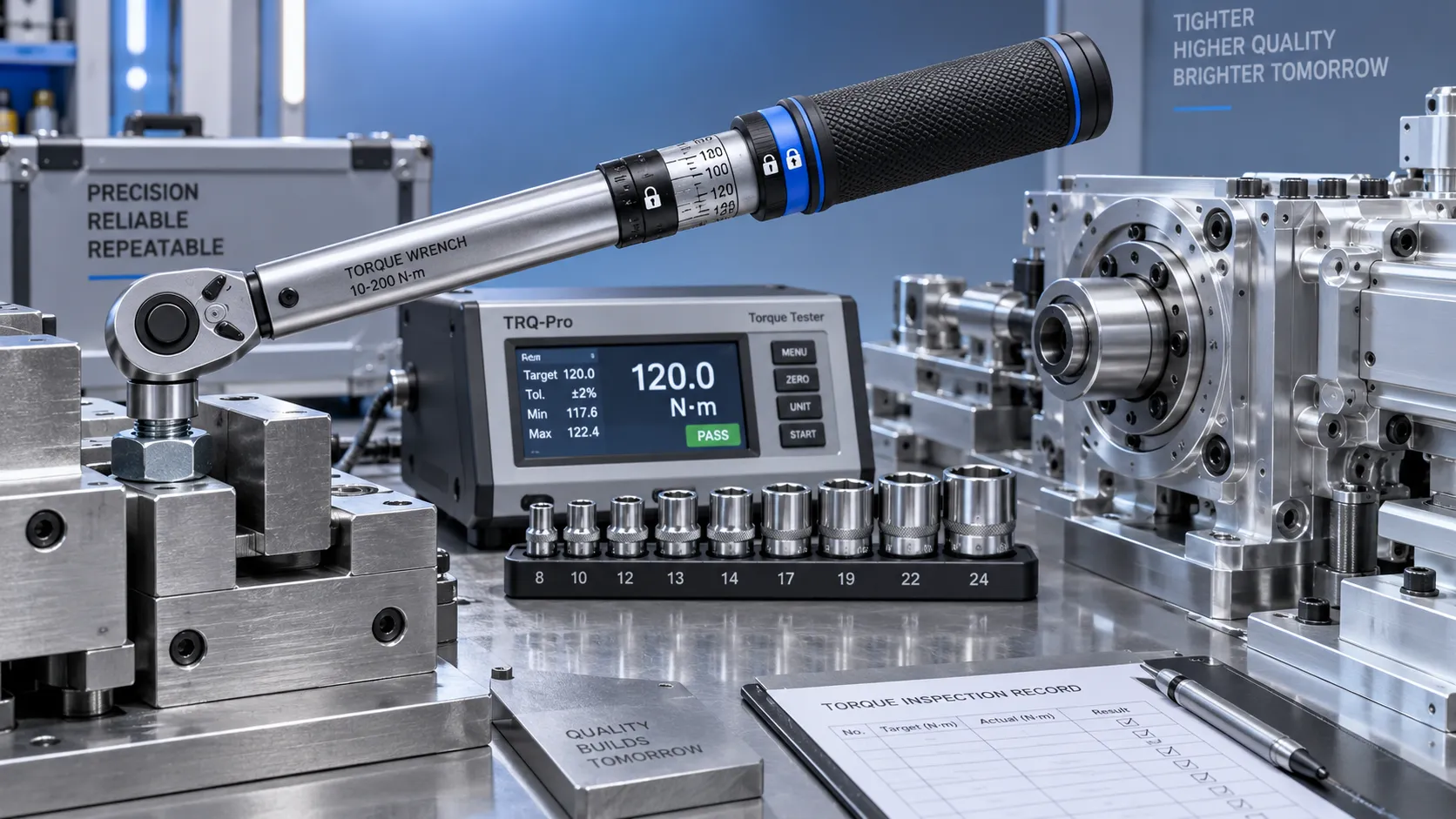
Selecting Adjustable Torque Tools for Repeatable Fastener Assembly
Adjustable torque tools: learn how to match range, accuracy, control methods, calibration, and ergonomics for repeatable, reliable fastener assembly.

How to Select Aerospace Inspection Tools for Aircraft Maintenance Tasks
Aerospace maintenance inspection tools: learn how to select reliable, traceable equipment for aircraft access, accuracy, calibration, and compliant maintenance decisions.

How to Select Wire Bonding Tools for Fine-Pitch Semiconductor Packaging
Explore semiconductor manufacturing tools for wire bonding and learn how to select precision solutions for fine-pitch packaging, reliable loops, accuracy, and yield.
How to Compare Industrial Tool Suppliers for Quality, Lead Time, and Total Cost
Industrial tool selection supplier comparison made simple: evaluate quality, lead times, total cost, service, and supply resilience for confident sourcing decisions.
Industrial Equipment Application Guidance: Match Machines to Operating Conditions
Application guidance industrial equipment: match capacity, duty cycle, materials, site conditions, safety, and lifecycle cost to improve reliable output. Read the guide.
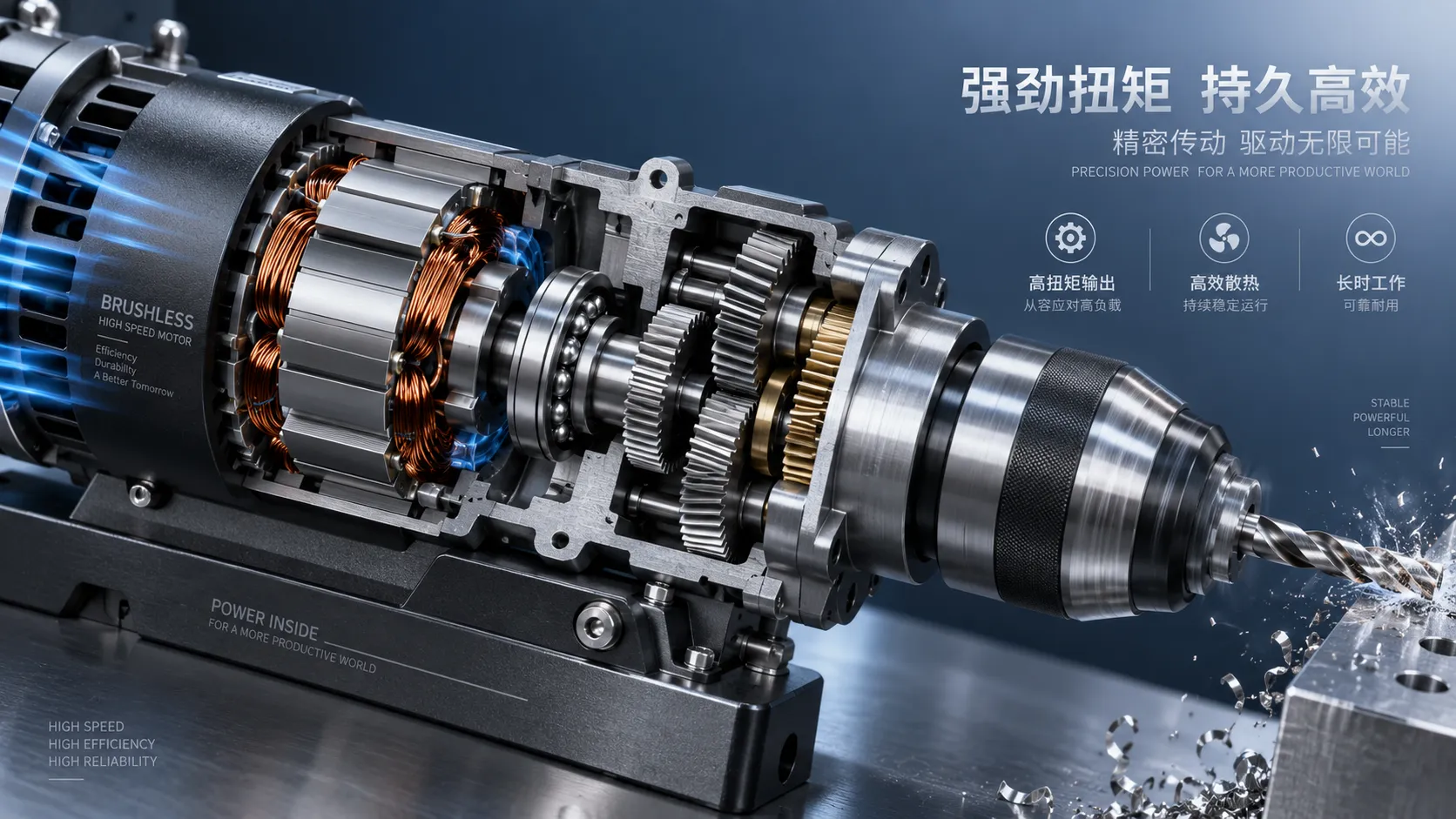
Selecting High-Speed Brushless Tool Motors for Torque, Heat, and Duty Cycle
High speed brushless tool motors: learn how to balance torque, heat, gearing, and duty cycle for reliable industrial tool performance and longer service life.
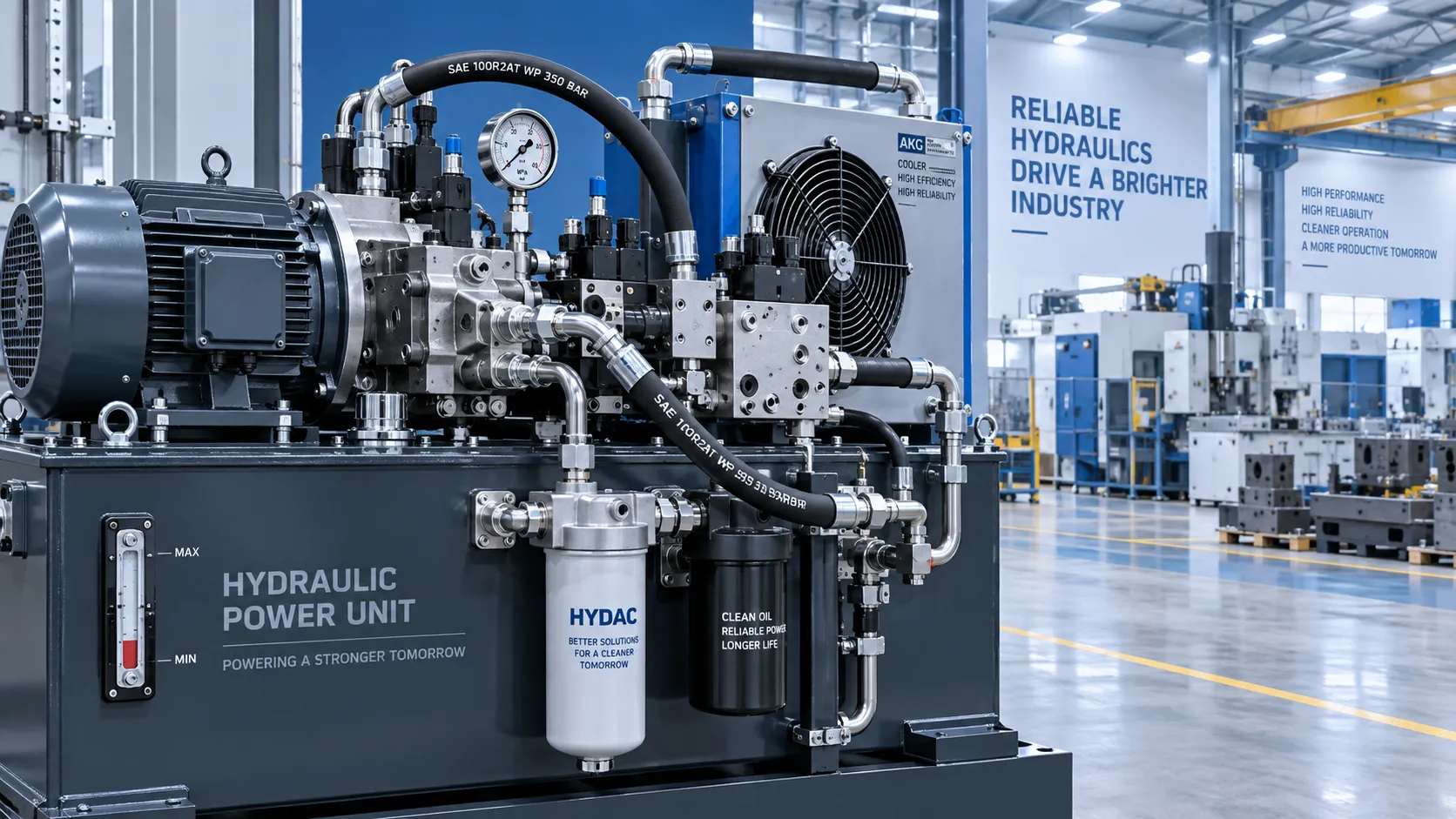
What Determines Industrial Hydraulic System Price for Heavy-Duty Equipment?
Industrial hydraulic system price depends on duty cycle, pressure, components, cooling, and integration. Compare quotes intelligently to secure reliable heavy-duty performance.
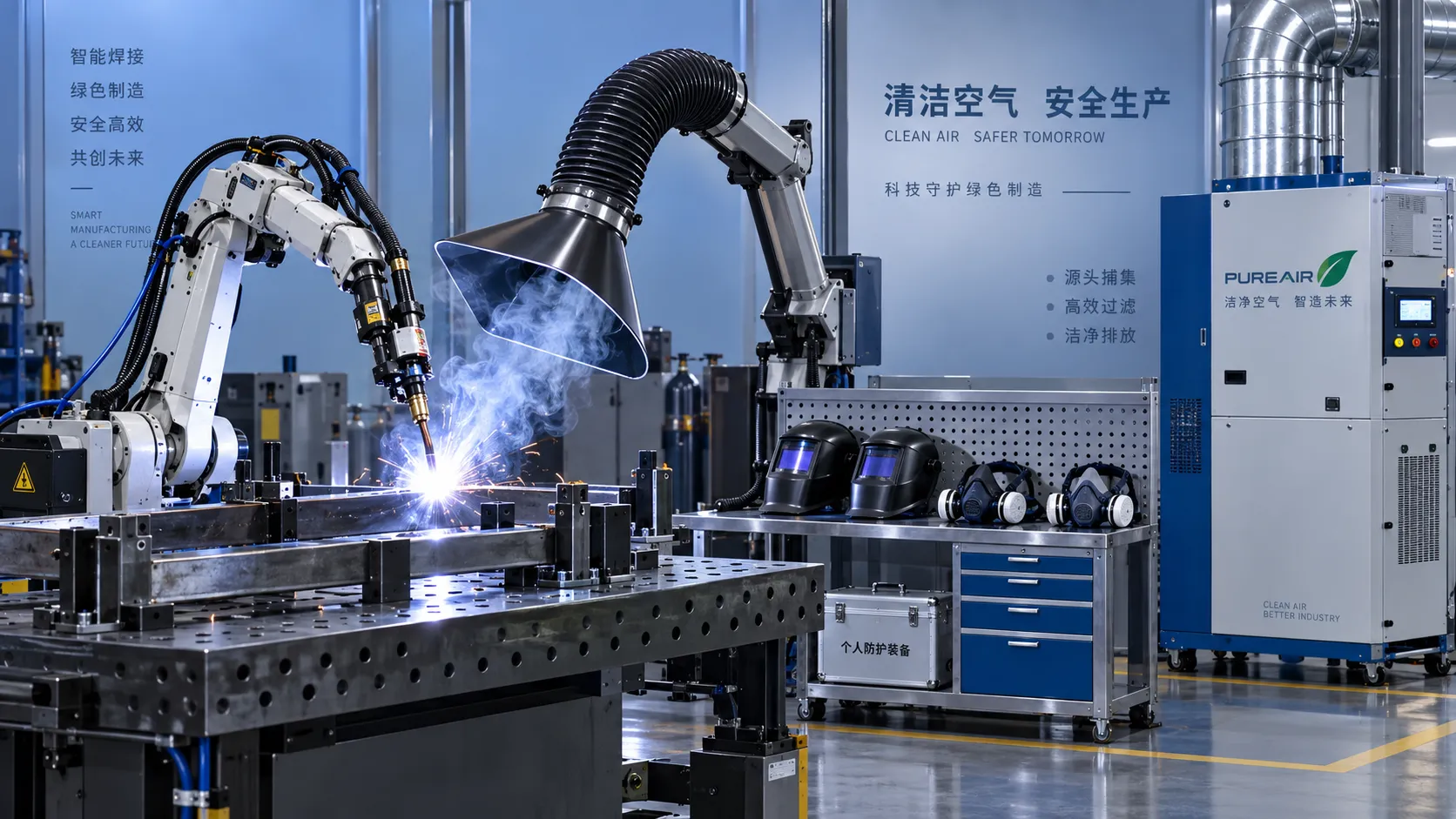
Welding Fume Extraction PPE: When Respirators Are Not Enough for Shop Safety
Welding fume extraction PPE: learn why respirators alone fall short and how source capture, ventilation, and layered controls improve shop safety.

How to Select Optical Metrology Solutions for Tight-Tolerance Manufacturing
Optical industrial metrology solutions for tight-tolerance manufacturing: evaluate accuracy, surface compatibility, workflow, and traceability to select with confidence.
Related News
- 00
0000-00
Selecting Adjustable Torque Tools for Repeatable Fastener Assembly - 00
0000-00
How to Select Aerospace Inspection Tools for Aircraft Maintenance Tasks - 00
0000-00
How to Select Wire Bonding Tools for Fine-Pitch Semiconductor Packaging - 00
0000-00
Industrial Equipment Application Guidance: Match Machines to Operating Conditions - 00
0000-00
Selecting High-Speed Brushless Tool Motors for Torque, Heat, and Duty Cycle
Prof. Marcus Chen
Weekly Insights
Stay ahead with our curated technology reports delivered every Monday.