
Industrial IoT is changing how factories spot hidden downtime





Industrial IoT is reshaping factory visibility by uncovering hidden downtime that often escapes traditional monitoring. For business decision-makers, this means more than better machine data—it means faster response, stronger productivity, and sharper control over cost, quality, and delivery. As smart manufacturing accelerates, understanding how industrial IoT turns operational blind spots into actionable insight is becoming essential for competitive growth.
Why hidden downtime still escapes traditional factory reporting
Most plants already track uptime, alarms, and output. Yet many losses happen between recorded events, where systems show “available” while operations quietly stall.
This hidden downtime appears in micro-stops, delayed changeovers, idle conveyors, tool waiting, torque verification pauses, and quality-related hold points.
Industrial IoT closes that gap by connecting machines, tools, sensors, and operator interactions into one continuous operational timeline.
For assembly, welding, machining, inspection, and material flow, industrial IoT reveals not only when downtime happens, but why it repeats.
That matters across the broader industrial landscape. In mixed-production environments, hidden losses often cut throughput more than major equipment failures do.
Use this industrial IoT checklist to detect hidden downtime
A useful industrial IoT program starts with disciplined observation, not only software deployment. The checklist below helps structure evaluation and execution.
- Map every loss point across machines, welding cells, torque stations, gauges, conveyors, and inspection benches before selecting industrial IoT devices or dashboards.
- Define downtime categories precisely, separating planned stops, micro-stops, waiting time, blocked flow, starved equipment, quality holds, and maintenance-related interruptions.
- Capture high-frequency machine states with edge sensors so short interruptions are not averaged away by slow PLC polling cycles.
- Connect tool-level data, including torque completion, battery status, welding parameters, and calibration events, to the same industrial IoT timeline.
- Correlate downtime with upstream and downstream activity, because the root cause often sits outside the machine that appears idle.
- Tag manual interventions immediately using tablets, HMIs, or Andon inputs, so industrial IoT records human causes with operational context.
- Track changeover behavior minute by minute, including first-part approval delays, fixture searching, program loading, and material confirmation steps.
- Measure quality-triggered stoppages separately from mechanical downtime, especially where rework, leak testing, weld inspection, or gauge mismatch causes line pauses.
- Set threshold logic for recurring micro-stops, because frequent ten-second interruptions can destroy takt performance without triggering traditional alarms.
- Build role-specific dashboards that highlight action windows, not just summary OEE, so industrial IoT drives response instead of passive reporting.
- Validate data integrity weekly by comparing sensor events, operator logs, maintenance notes, and ERP production records for timing mismatches.
- Prioritize one bottleneck asset family first, then scale the industrial IoT model across similar lines after proving measurable downtime reduction.
How industrial IoT exposes downtime in different operating scenarios
Discrete assembly lines
In assembly, hidden downtime often comes from torque confirmation delays, missing components, barcode exceptions, or intermittent feeder issues.
Industrial IoT links smart tools, pick-to-light systems, scanners, and conveyor signals. This reveals whether the stop began with supply, sequencing, verification, or operator waiting.
Welding and metal joining cells
Welding operations rarely lose time only to major faults. More often, output slips through gas replacement, tip wear, parameter adjustment, fixture cleaning, or safety resets.
Industrial IoT can combine arc-on time, consumable usage, fume extraction status, and part flow data. That shows which “normal” pauses actually suppress capacity.
Precision metrology and inspection
Inspection zones create hidden bottlenecks when gauges wait for calibration, fixtures queue for approval, or suspect parts trigger repeated measurement cycles.
By connecting CMM events, handheld measuring tools, environmental readings, and release timestamps, industrial IoT turns quality delay into a measurable production variable.
Material handling and intralogistics
A machine may appear idle because pallets arrive late, AGV routes conflict, or racks are not replenished in sequence.
Industrial IoT helps trace movement latency across sensors, fleet traffic, and storage locations. That prevents maintenance teams from chasing the wrong failure source.
Common blind spots that weaken industrial IoT downtime analysis
Ignoring micro-stops
A line can hit daily output loss without a single major breakdown. Industrial IoT must count repeated short stops as strategic losses, not operational noise.
Relying only on machine alarms
Alarms show faults, but not waiting. Hidden downtime often comes from missing parts, inspection hold, or delayed manual confirmation with no alarm generated.
Treating OEE as the whole answer
OEE is useful, but it can hide sequence-level causes. Industrial IoT should support event tracing, causal links, and time-stamped workflow evidence.
Separating maintenance from production data
If lubrication, tool replacement, or service tickets sit outside the main dataset, root-cause analysis becomes fragmented and corrective action slows.
Launching too wide, too early
A plant-wide rollout before event definitions stabilize usually creates inconsistent reporting. Start narrow, refine logic, then expand the industrial IoT architecture.
Practical steps to implement industrial IoT for downtime visibility
Start with one process where hidden downtime affects delivery, labor efficiency, or first-pass yield. Bottleneck stations create the fastest proof of value.
- Select measurable events first: cycle start, cycle complete, wait state, fault, reset, quality hold, material arrival, and manual override.
- Use edge collection where latency matters, especially for fast tools, robotic cells, and short-cycle assembly operations.
- Create a downtime dictionary that every system uses, from MES and CMMS to smart tools and inspection platforms.
- Review event trails daily for the first month, then tune thresholds, signal filters, and reason-code discipline.
- Link actions to findings, such as fixture redesign, replenishment timing changes, PM intervals, or revised quality gates.
The strongest industrial IoT deployments do not stop at visibility. They convert observed downtime into standard work, alert rules, and closed-loop improvement.
This is where intelligence platforms such as GPTWM add value. Sector insight, tool-level understanding, and manufacturing context help frame the right metrics before scaling investment.
Conclusion and next action
Industrial IoT is changing how factories spot hidden downtime by making small, repeated losses visible across equipment, tools, inspection, and material flow.
The real advantage is not more data alone. It is faster diagnosis, better coordination, and clearer control over throughput, quality, and operating cost.
Begin with one constrained process, define loss categories carefully, and build an industrial IoT event model that captures what conventional reporting misses.
Once hidden downtime becomes measurable, improvement stops being reactive. It becomes systematic, repeatable, and far easier to scale across modern industrial operations.
Related News
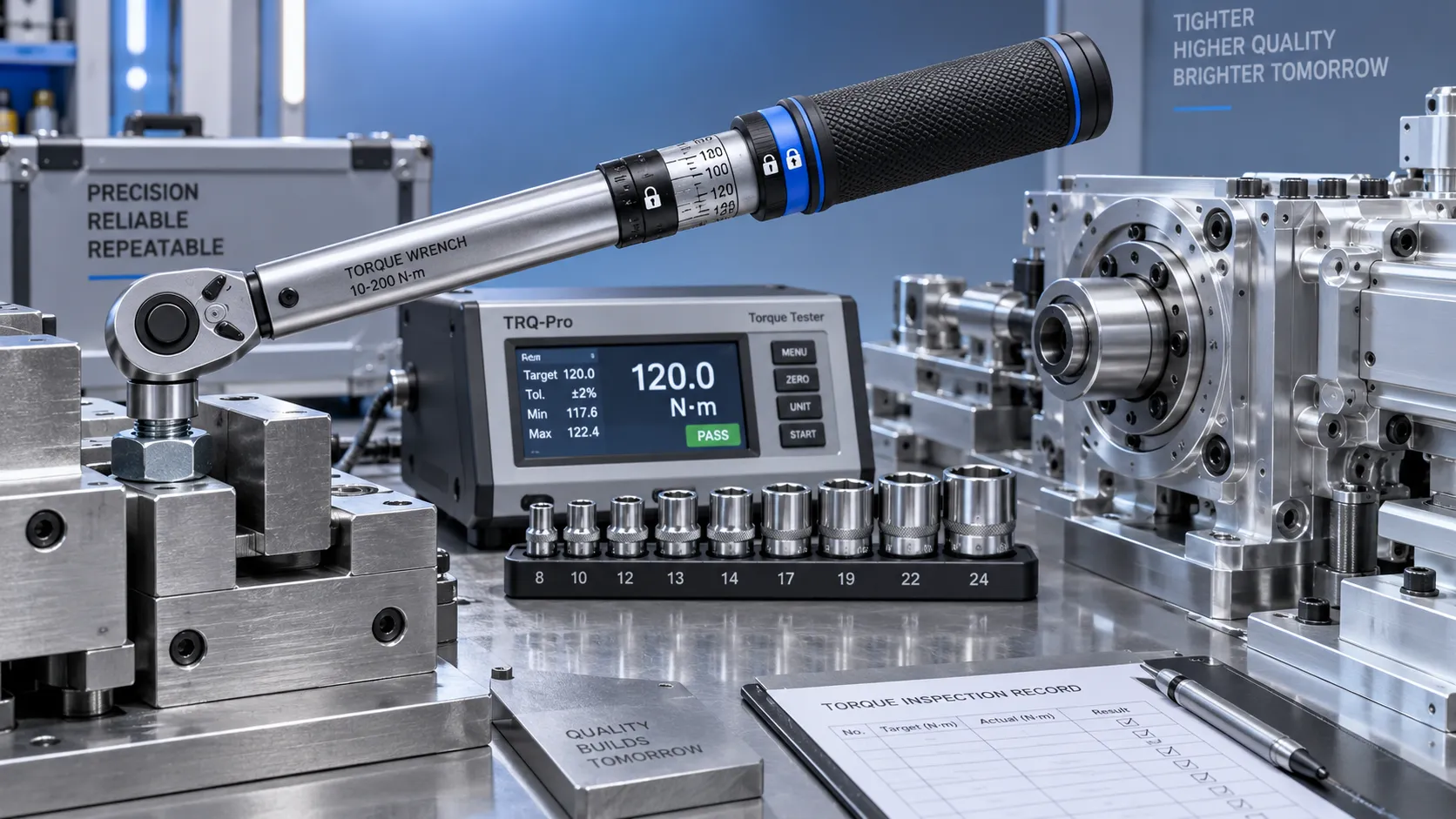
Selecting Adjustable Torque Tools for Repeatable Fastener Assembly
Adjustable torque tools: learn how to match range, accuracy, control methods, calibration, and ergonomics for repeatable, reliable fastener assembly.

How to Select Aerospace Inspection Tools for Aircraft Maintenance Tasks
Aerospace maintenance inspection tools: learn how to select reliable, traceable equipment for aircraft access, accuracy, calibration, and compliant maintenance decisions.

How to Select Wire Bonding Tools for Fine-Pitch Semiconductor Packaging
Explore semiconductor manufacturing tools for wire bonding and learn how to select precision solutions for fine-pitch packaging, reliable loops, accuracy, and yield.
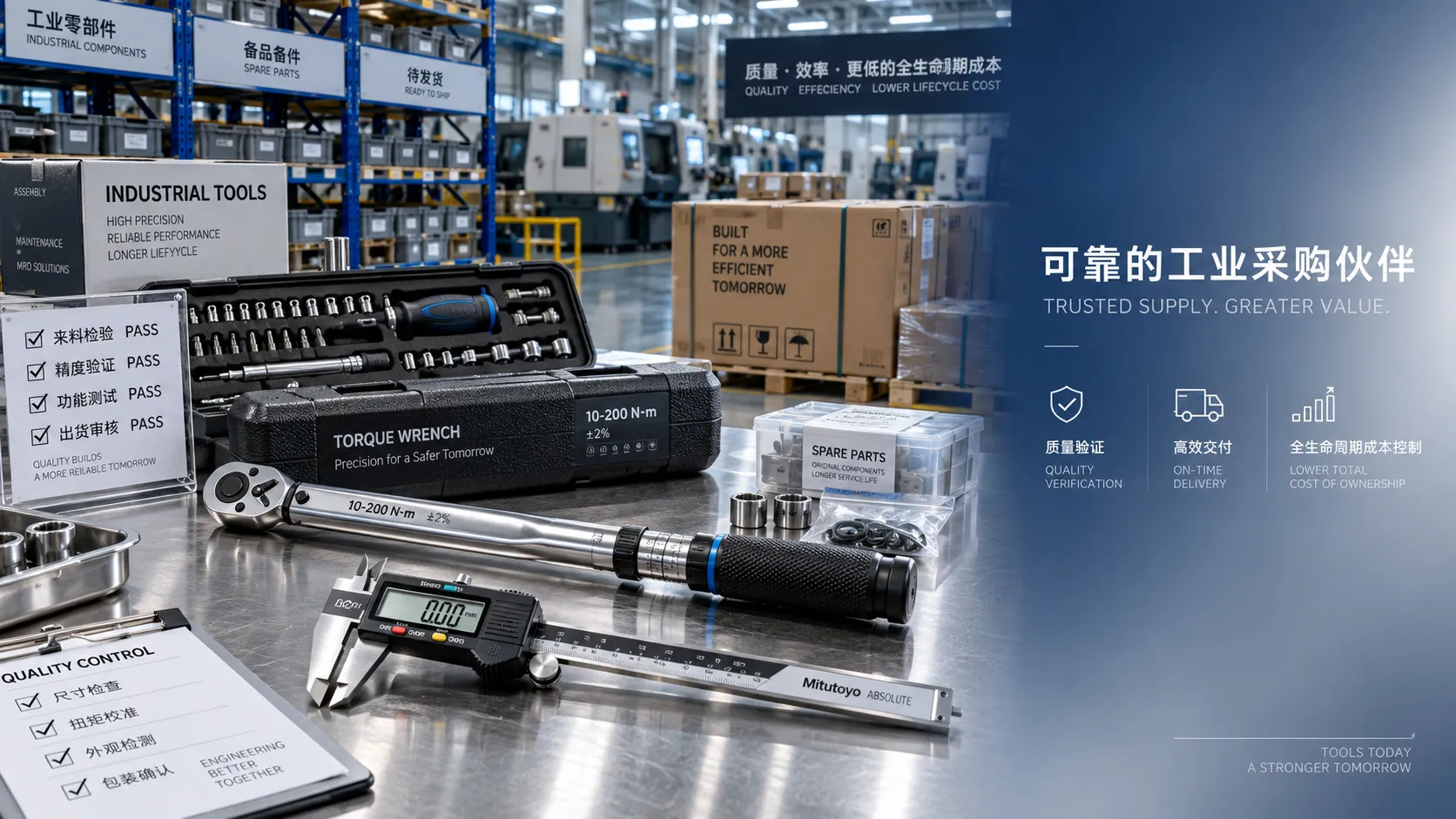
How to Compare Industrial Tool Suppliers for Quality, Lead Time, and Total Cost
Industrial tool selection supplier comparison made simple: evaluate quality, lead times, total cost, service, and supply resilience for confident sourcing decisions.
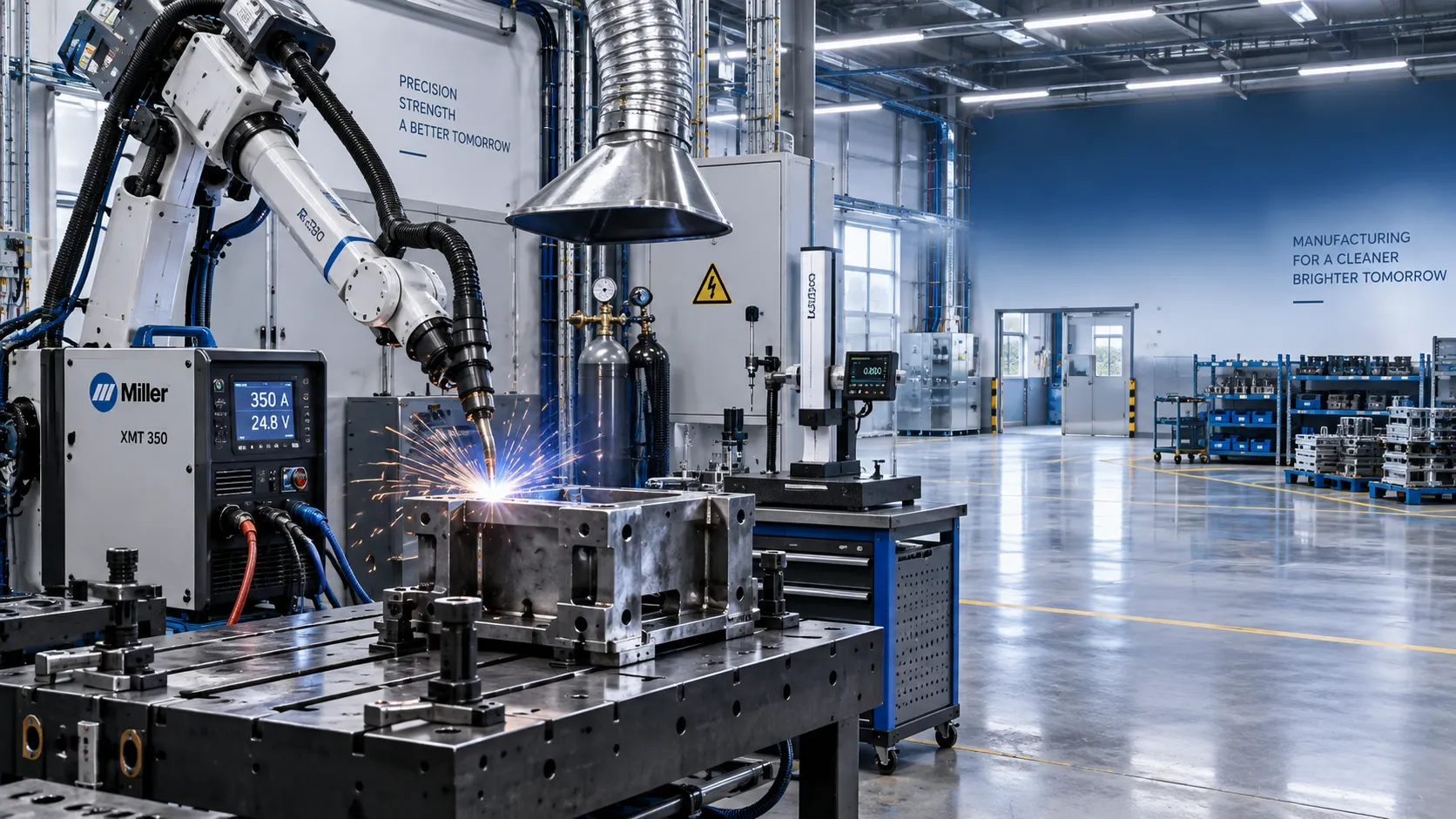
Industrial Equipment Application Guidance: Match Machines to Operating Conditions
Application guidance industrial equipment: match capacity, duty cycle, materials, site conditions, safety, and lifecycle cost to improve reliable output. Read the guide.
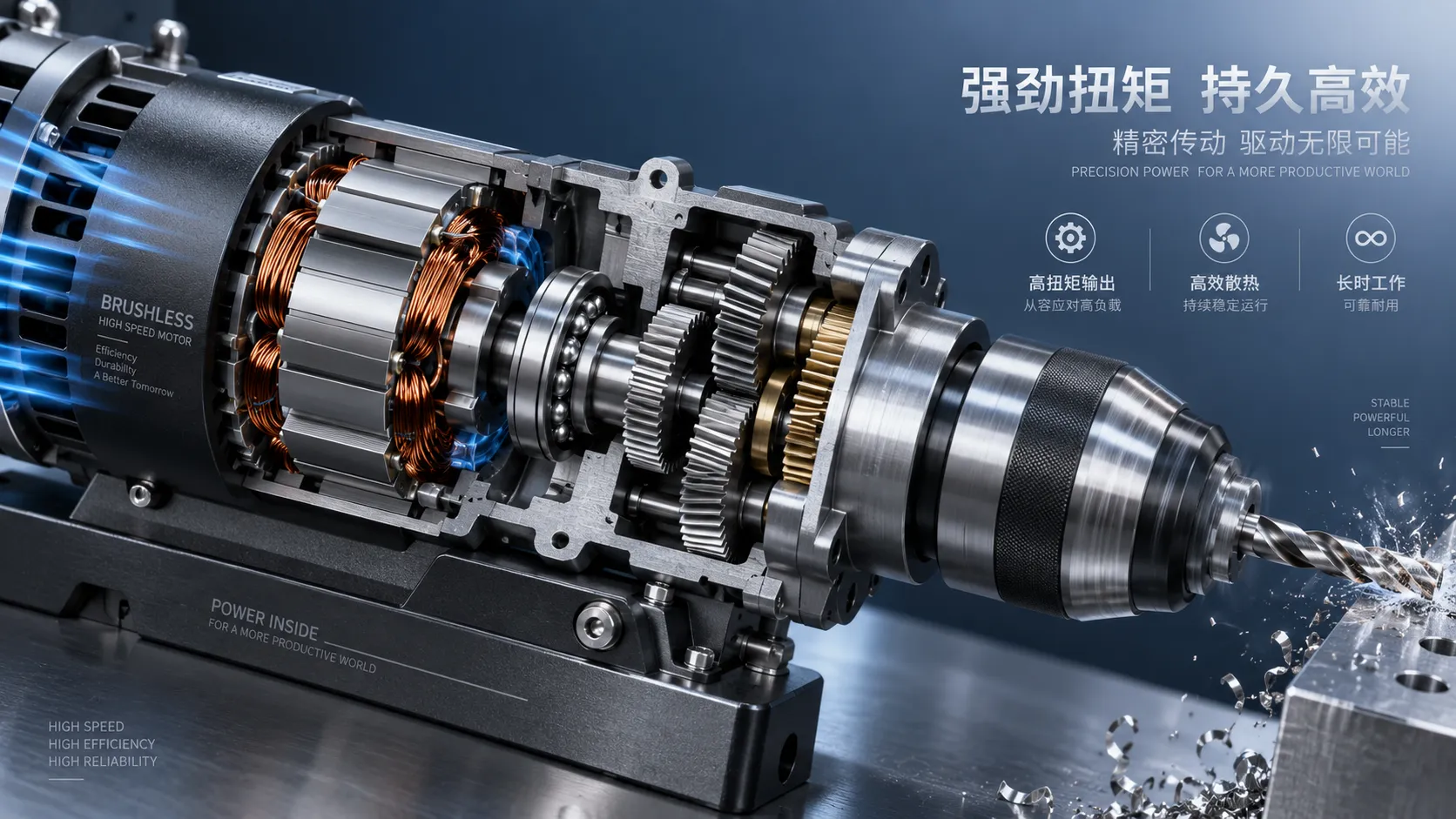
Selecting High-Speed Brushless Tool Motors for Torque, Heat, and Duty Cycle
High speed brushless tool motors: learn how to balance torque, heat, gearing, and duty cycle for reliable industrial tool performance and longer service life.
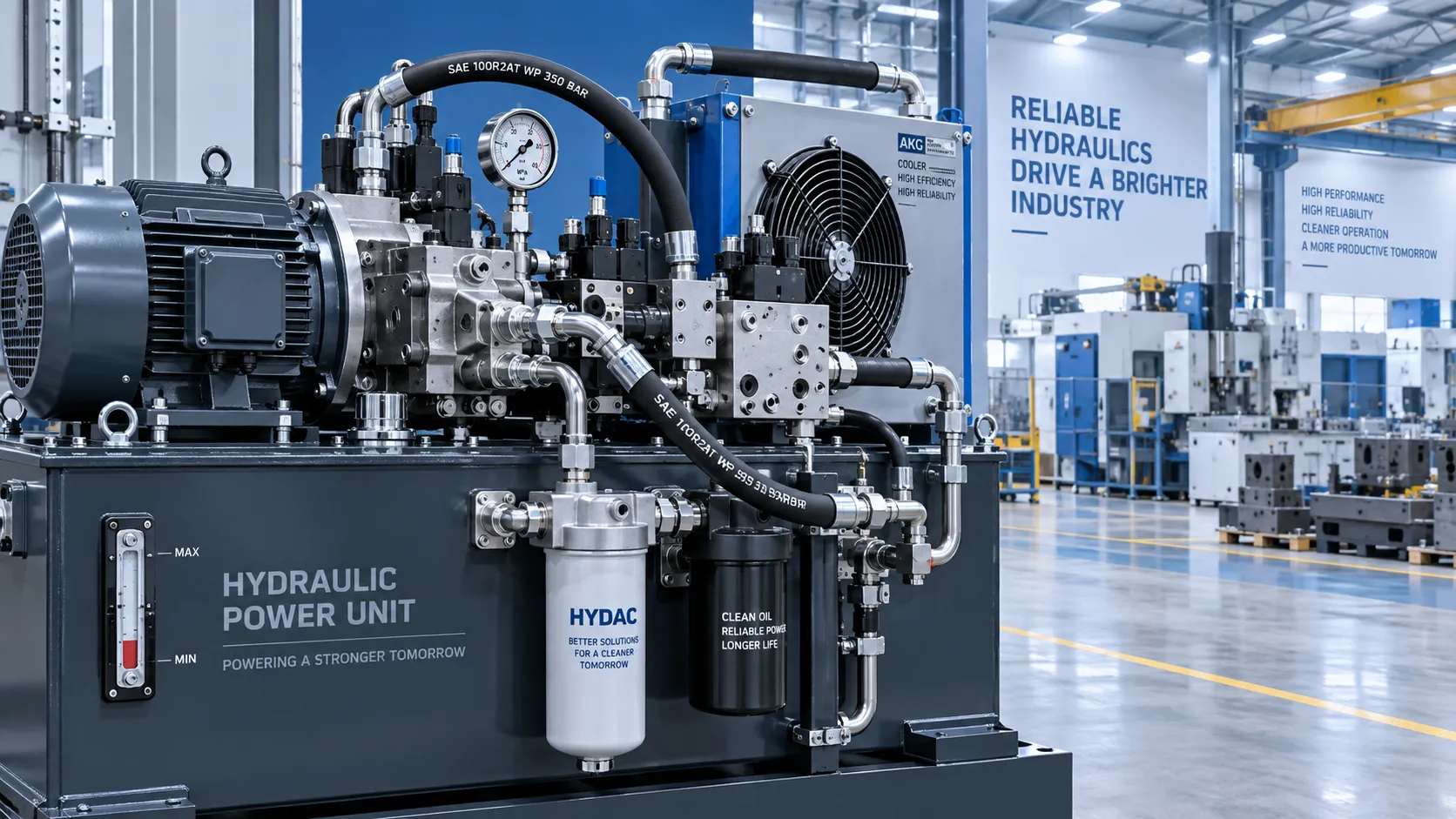
What Determines Industrial Hydraulic System Price for Heavy-Duty Equipment?
Industrial hydraulic system price depends on duty cycle, pressure, components, cooling, and integration. Compare quotes intelligently to secure reliable heavy-duty performance.
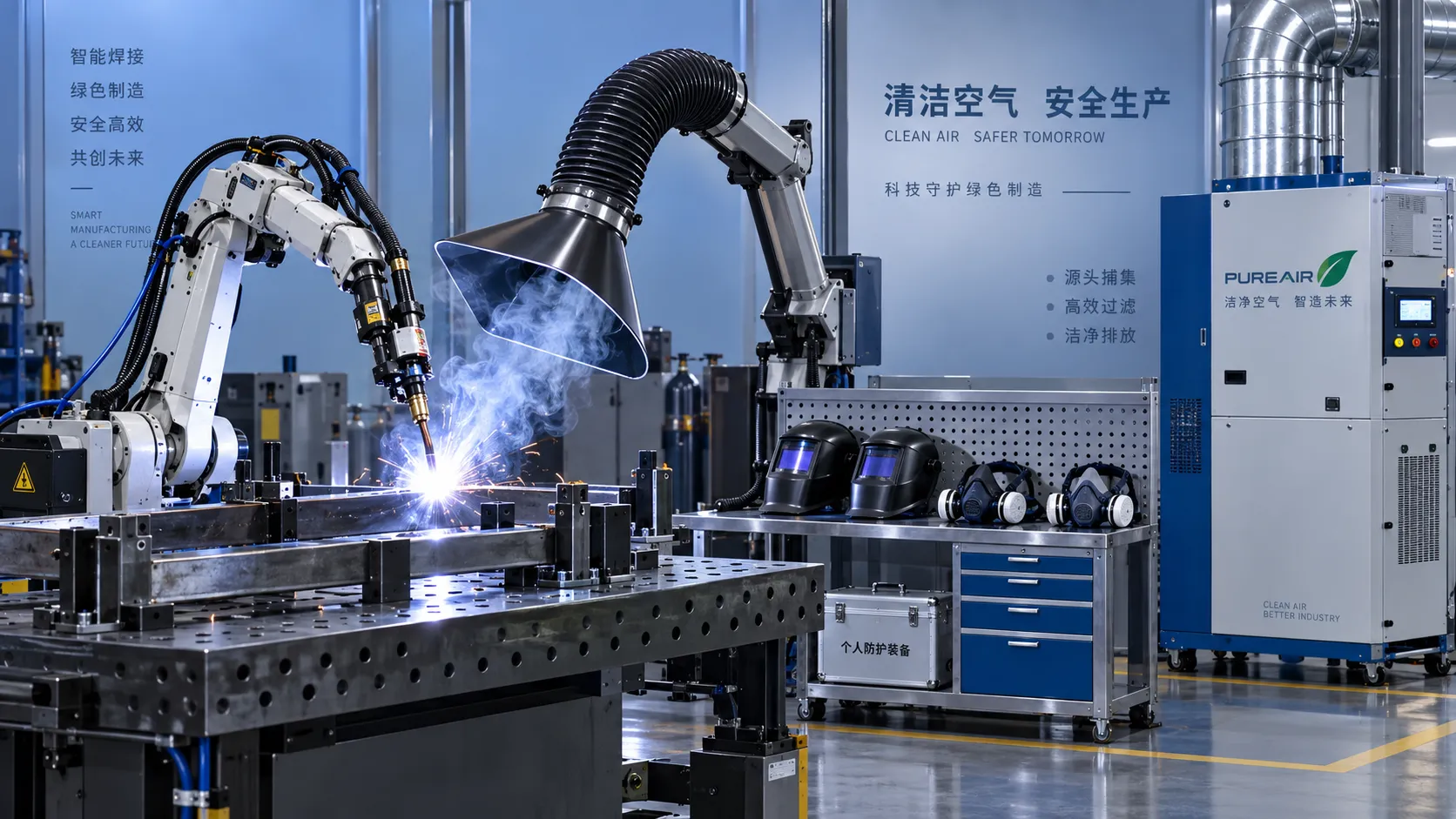
Welding Fume Extraction PPE: When Respirators Are Not Enough for Shop Safety
Welding fume extraction PPE: learn why respirators alone fall short and how source capture, ventilation, and layered controls improve shop safety.

How to Select Optical Metrology Solutions for Tight-Tolerance Manufacturing
Optical industrial metrology solutions for tight-tolerance manufacturing: evaluate accuracy, surface compatibility, workflow, and traceability to select with confidence.
Related News
- 00
0000-00
Selecting Adjustable Torque Tools for Repeatable Fastener Assembly - 00
0000-00
How to Select Aerospace Inspection Tools for Aircraft Maintenance Tasks - 00
0000-00
How to Select Wire Bonding Tools for Fine-Pitch Semiconductor Packaging - 00
0000-00
Industrial Equipment Application Guidance: Match Machines to Operating Conditions - 00
0000-00
Selecting High-Speed Brushless Tool Motors for Torque, Heat, and Duty Cycle
Prof. Marcus Chen
Weekly Insights
Stay ahead with our curated technology reports delivered every Monday.