
What tool intellectualization means for daily machine operation





For daily machine operators, tool intellectualization now shapes routine work in visible ways. It changes how tools sense, respond, report, and support each task.
In the broader industrial landscape, this shift connects manual skill with digital precision. It improves consistency, lowers preventable mistakes, and makes machine operation more measurable.
For platforms such as GPTWM, tool intellectualization represents a practical bridge. It links precision tools, welding systems, metrology, and factory intelligence into daily operational decisions.
Understanding what tool intellectualization means
At its core, tool intellectualization means adding sensing, processing, connectivity, and adaptive control to industrial tools. The tool no longer only performs force or motion.
It also gathers data, checks conditions, and guides action. This can apply to torque tools, welding equipment, measuring devices, hydraulic systems, and powered hand tools.
In daily machine operation, tool intellectualization usually includes several functions:
- Real-time sensing of force, temperature, vibration, angle, or position
- Automatic parameter adjustment during operation
- Digital feedback through screens, lights, alarms, or dashboards
- Traceability for quality records and maintenance history
- Connectivity with MES, IoT systems, or inspection software
This definition matters because many operators still associate intelligence only with robots. In reality, smart functionality is increasingly embedded into everyday tools already used on the floor.
Why the industry is focusing on tool intellectualization
Industrial operations face tighter quality targets, shorter training windows, and stronger traceability demands. These pressures make tool intellectualization a direct operational topic, not a future concept.
Sectors such as construction equipment, automotive repair, aerospace maintenance, metal fabrication, and general assembly all depend on repeatable results under changing conditions.
GPTWM tracks this trend because precision and intelligence now move together. Tool performance is judged not only by mechanical durability, but also by data quality and control capability.
These signals explain why tool intellectualization has become a practical investment area. The objective is not novelty. The objective is better control over everyday variation.
What tool intellectualization changes in daily machine operation
The biggest change is that tools become active participants in the process. They help verify setup, guide execution, and warn against conditions that could damage quality.
More accurate task execution
A smart torque tool can confirm target values and angle sequence. A digital welding unit can stabilize energy input and store parameter records for later review.
This reduces variation between shifts, stations, and operators. Tool intellectualization supports consistent output when process windows are narrow.
Faster response to abnormalities
Intelligent tools detect overload, overheating, calibration drift, or unstable power. Instead of waiting for visible failure, the system can alert before performance drops sharply.
That means less unplanned stoppage and fewer hidden defects. For daily machine operation, early signals are often more valuable than post-failure analysis.
Safer handling and lower fatigue
Tool intellectualization often supports ergonomic improvement. Smart shutoff, controlled speed ramps, lighter brushless designs, and guided handling reduce strain and exposure to misuse.
Safety also improves when a tool blocks operation outside approved limits. That is especially relevant in welding, fastening, cutting, and hydraulic applications.
Clearer learning for new routines
Visual prompts, parameter presets, and digital work instructions shorten adaptation time. Operators can focus more on process awareness and less on remembering every setting manually.
This does not replace skill. Tool intellectualization supports skill by making critical steps visible, repeatable, and easier to verify.
Operational value across common industrial scenarios
The value of tool intellectualization appears differently across tasks. However, the common theme is stronger control of precision, time, and process reliability.
These examples show why tool intellectualization matters beyond automation headlines. It improves small decisions repeated many times each day.
How to assess whether tool intellectualization is useful in practice
Not every digital feature creates real value. The right approach is to judge tool intellectualization by operational fit, not by feature quantity.
Useful evaluation points include:
- Does the tool reduce a known source of defects or delays?
- Can operators understand alerts and feedback quickly?
- Is the data captured actionable for maintenance or quality review?
- Does connectivity match existing software and reporting methods?
- Will the tool remain reliable in dust, heat, vibration, or outdoor conditions?
A practical system should simplify decisions, not overload them. If an intelligent tool adds complexity without reducing risk, its value remains limited.
Implementation considerations and common cautions
Successful tool intellectualization depends on more than buying connected equipment. Results improve when process rules, training, and maintenance standards evolve together.
Start with process pain points
Begin where rework, inconsistency, or downtime already exists. This makes the value of tool intellectualization measurable from the first phase.
Keep interfaces simple
Operators need clear signals, not crowded screens. Lights, short prompts, and distinct alarm logic work better than dense layers of information.
Protect calibration and data integrity
Smart output is only useful when measurements remain trustworthy. Calibration schedules, firmware control, and access permissions must be treated as core requirements.
Support adoption with training
Tool intellectualization changes habits. Training should explain not only button sequences, but also why alerts appear and how digital records influence quality decisions.
Avoid isolated smart islands
A connected tool that cannot share useful information stays underused. Integration with inspection logs, maintenance records, or production systems increases long-term value.
A practical next step for stronger daily performance
Tool intellectualization should be viewed as a gradual capability upgrade. It works best when tied to one task, one risk point, and one measurable improvement target.
A useful starting action is to review one routine operation. Check where settings drift, confirmation is weak, or fault signals arrive too late.
Then compare whether a smarter torque tool, digital measuring device, intelligent welding unit, or condition-aware power tool can close that gap.
As GPTWM continues tracking precision tools, welding systems, and metrology intelligence, the meaning of tool intellectualization remains clear. Better tools now help create better daily decisions.
When daily machine operation becomes more visible, traceable, and adaptive, performance gains stop being accidental. They become repeatable parts of the process.
Related News
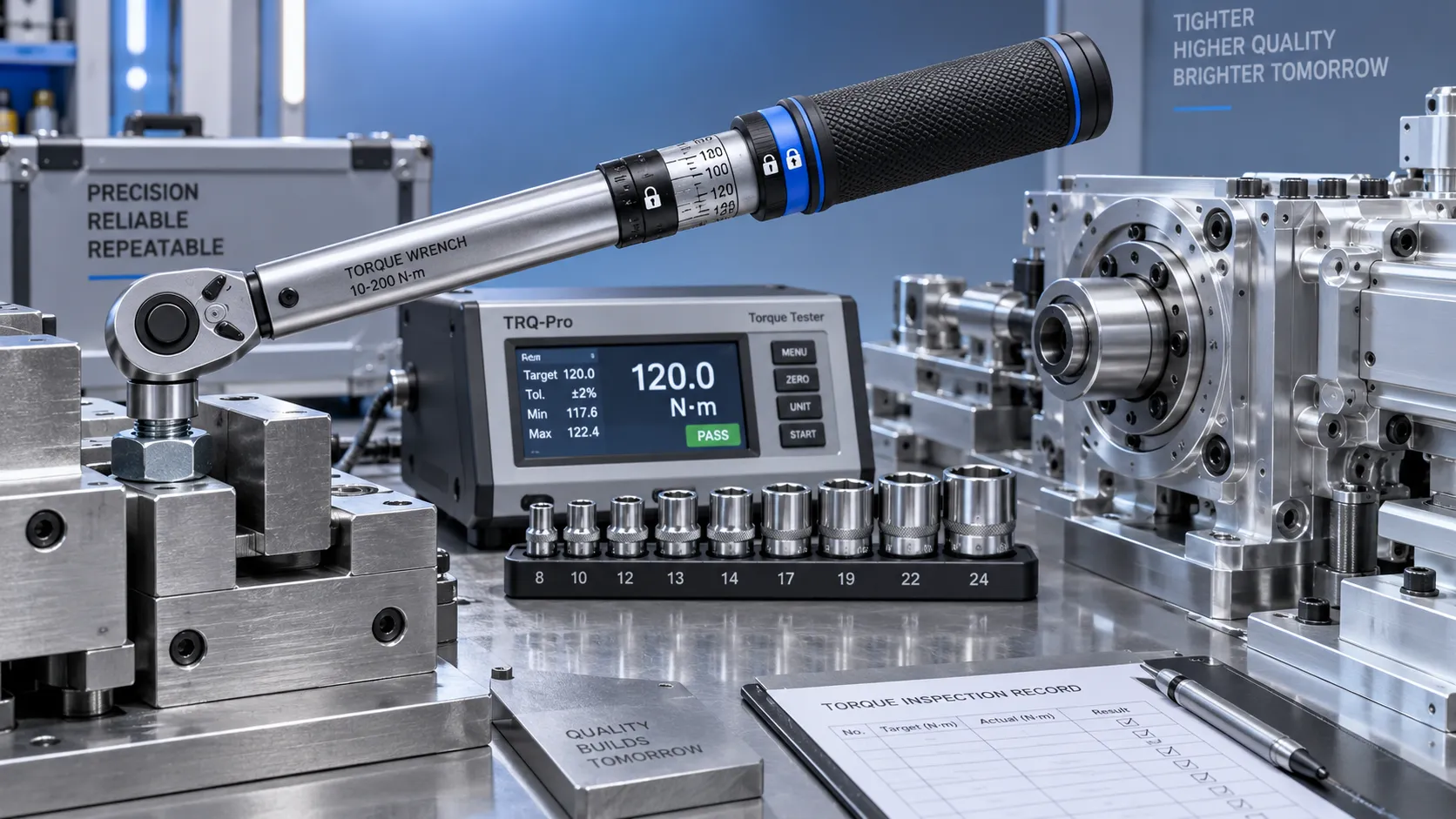
Selecting Adjustable Torque Tools for Repeatable Fastener Assembly
Adjustable torque tools: learn how to match range, accuracy, control methods, calibration, and ergonomics for repeatable, reliable fastener assembly.
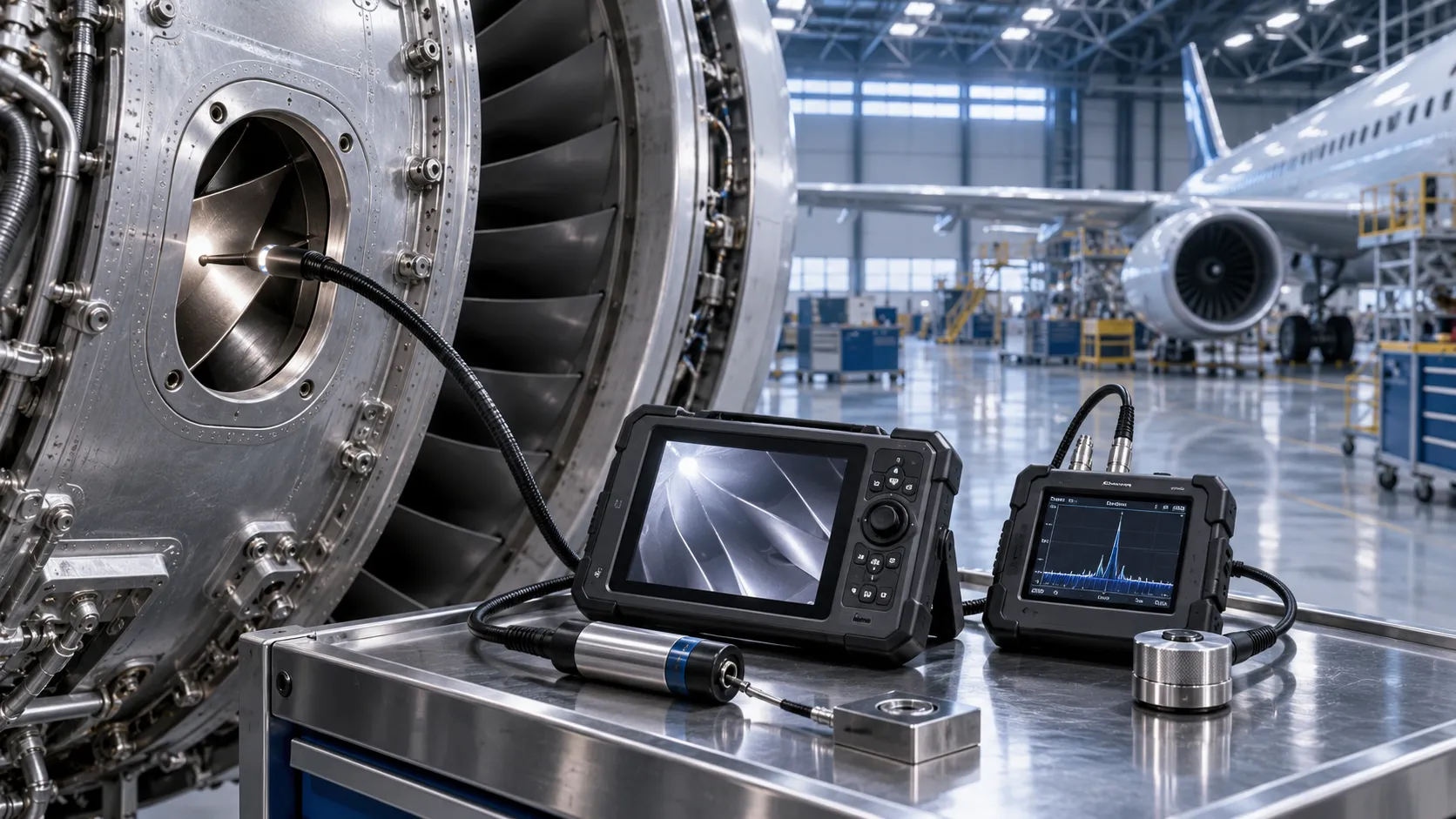
How to Select Aerospace Inspection Tools for Aircraft Maintenance Tasks
Aerospace maintenance inspection tools: learn how to select reliable, traceable equipment for aircraft access, accuracy, calibration, and compliant maintenance decisions.
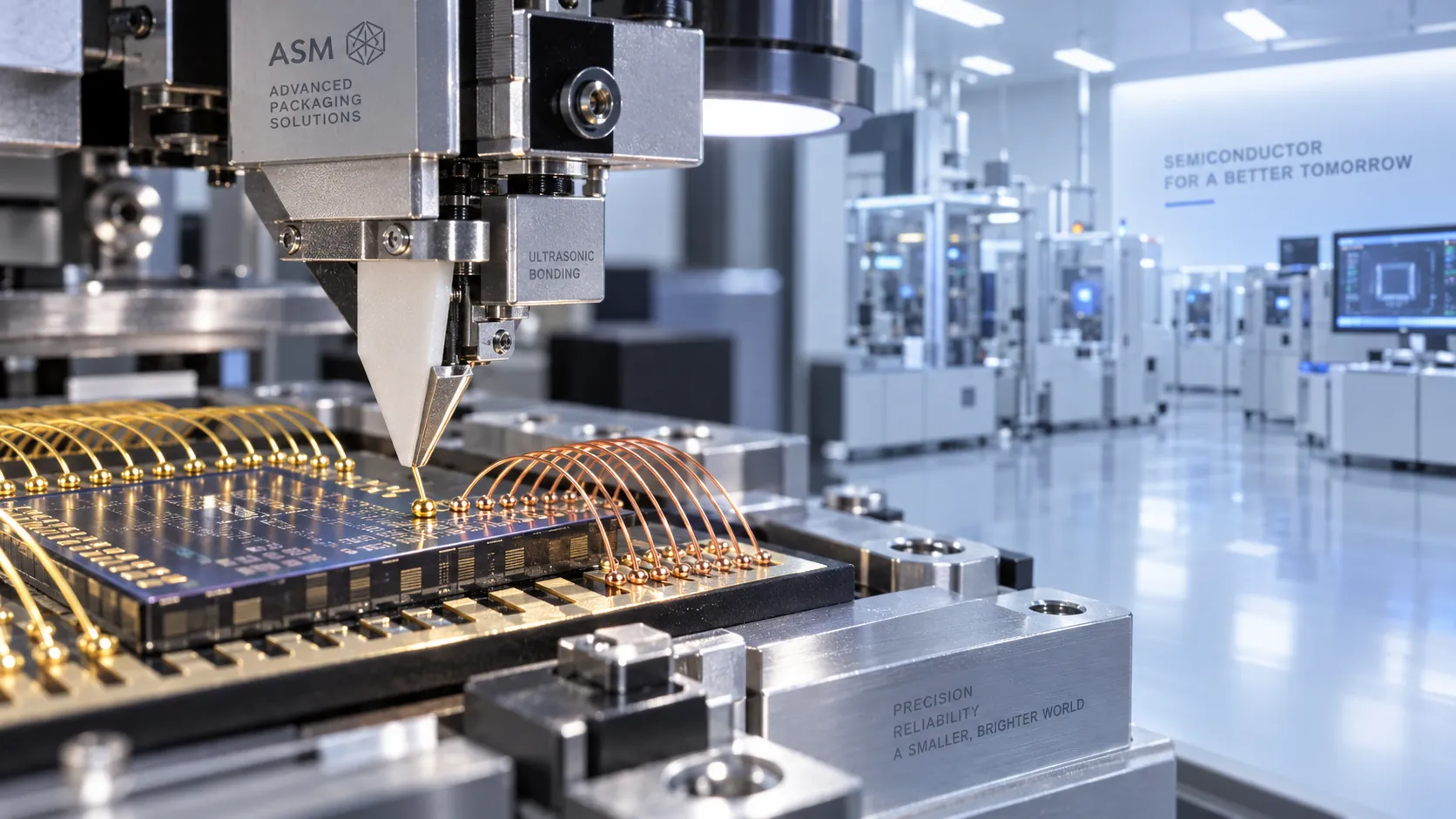
How to Select Wire Bonding Tools for Fine-Pitch Semiconductor Packaging
Explore semiconductor manufacturing tools for wire bonding and learn how to select precision solutions for fine-pitch packaging, reliable loops, accuracy, and yield.
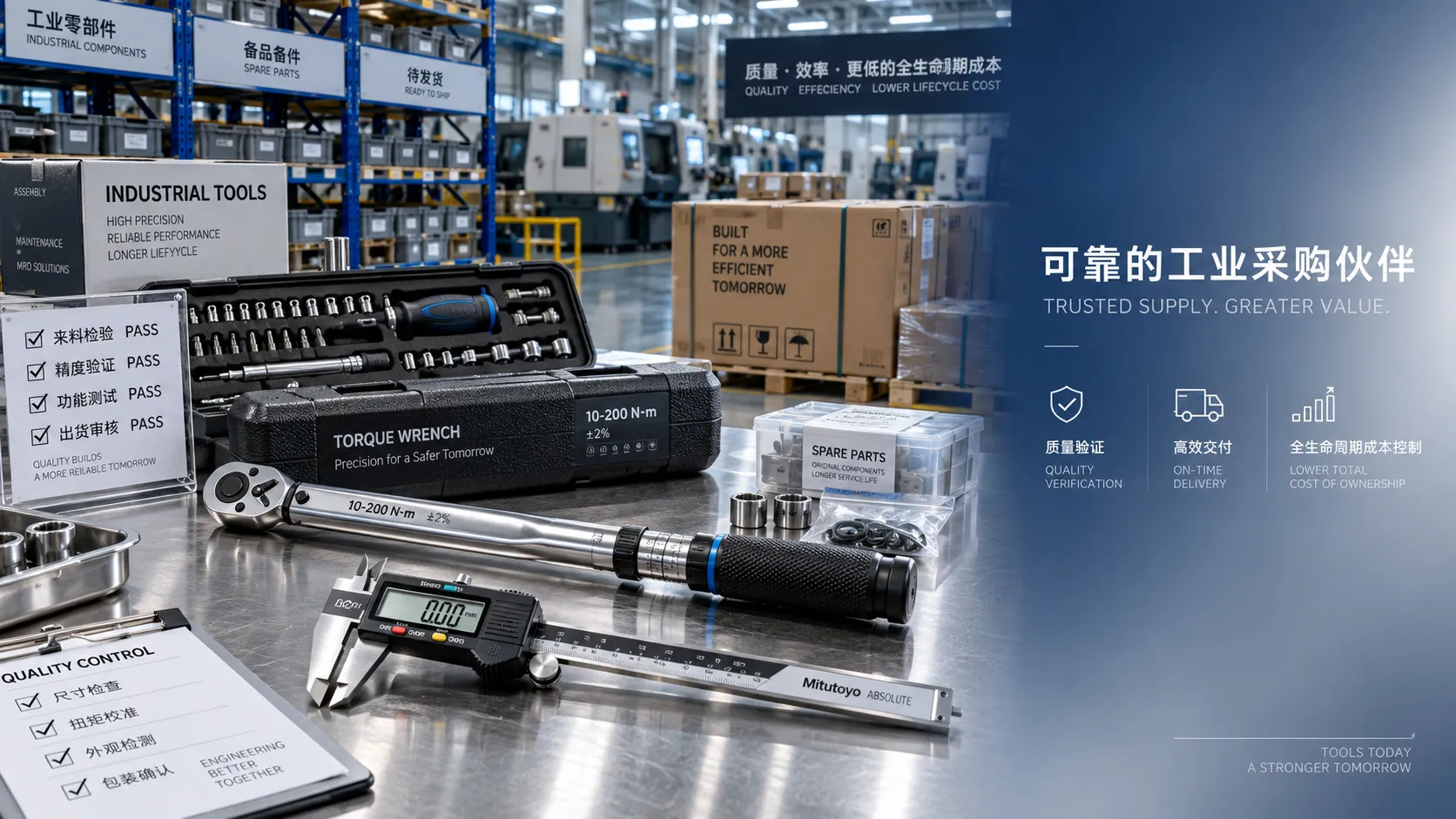
How to Compare Industrial Tool Suppliers for Quality, Lead Time, and Total Cost
Industrial tool selection supplier comparison made simple: evaluate quality, lead times, total cost, service, and supply resilience for confident sourcing decisions.
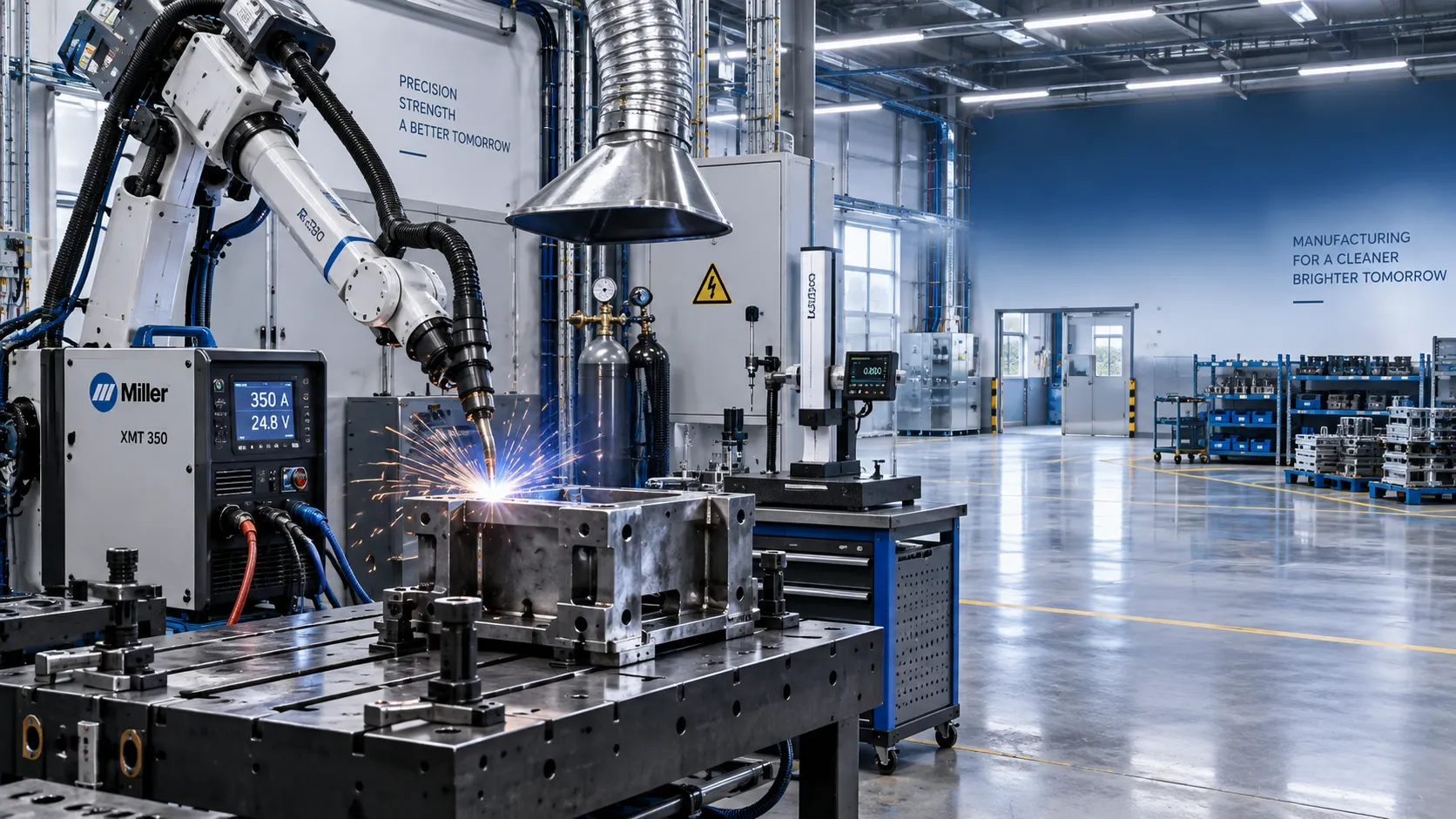
Industrial Equipment Application Guidance: Match Machines to Operating Conditions
Application guidance industrial equipment: match capacity, duty cycle, materials, site conditions, safety, and lifecycle cost to improve reliable output. Read the guide.
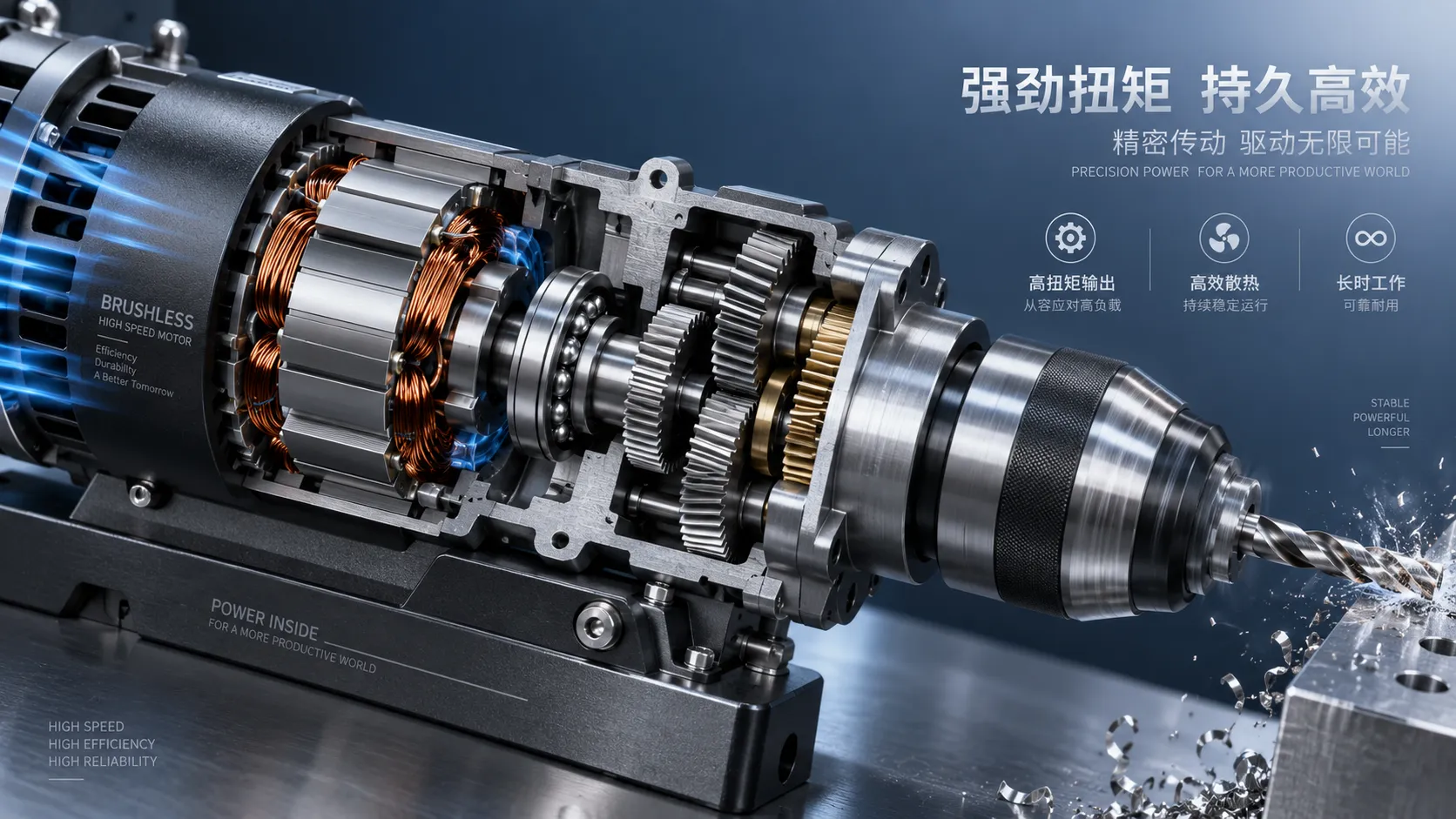
Selecting High-Speed Brushless Tool Motors for Torque, Heat, and Duty Cycle
High speed brushless tool motors: learn how to balance torque, heat, gearing, and duty cycle for reliable industrial tool performance and longer service life.
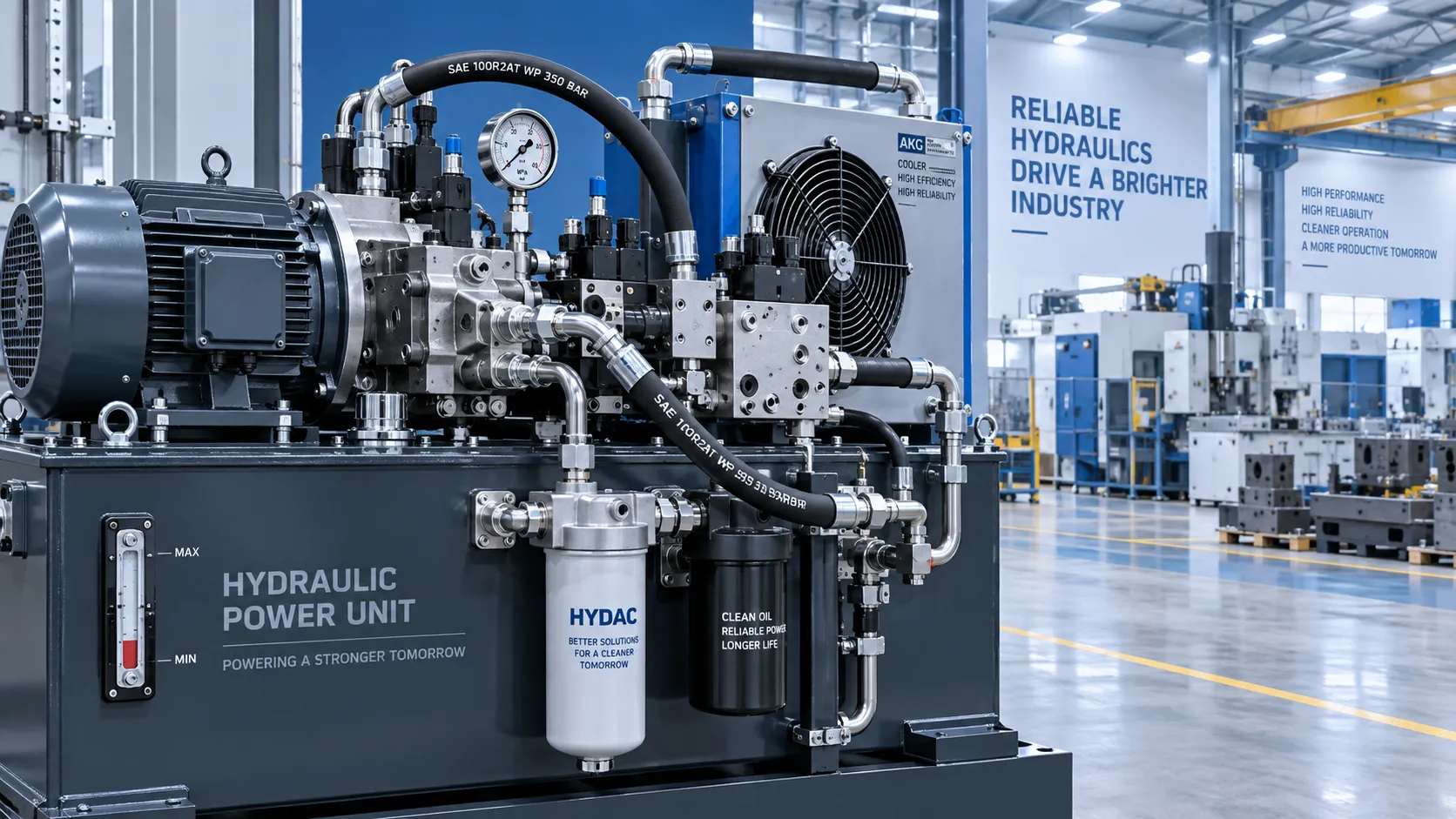
What Determines Industrial Hydraulic System Price for Heavy-Duty Equipment?
Industrial hydraulic system price depends on duty cycle, pressure, components, cooling, and integration. Compare quotes intelligently to secure reliable heavy-duty performance.
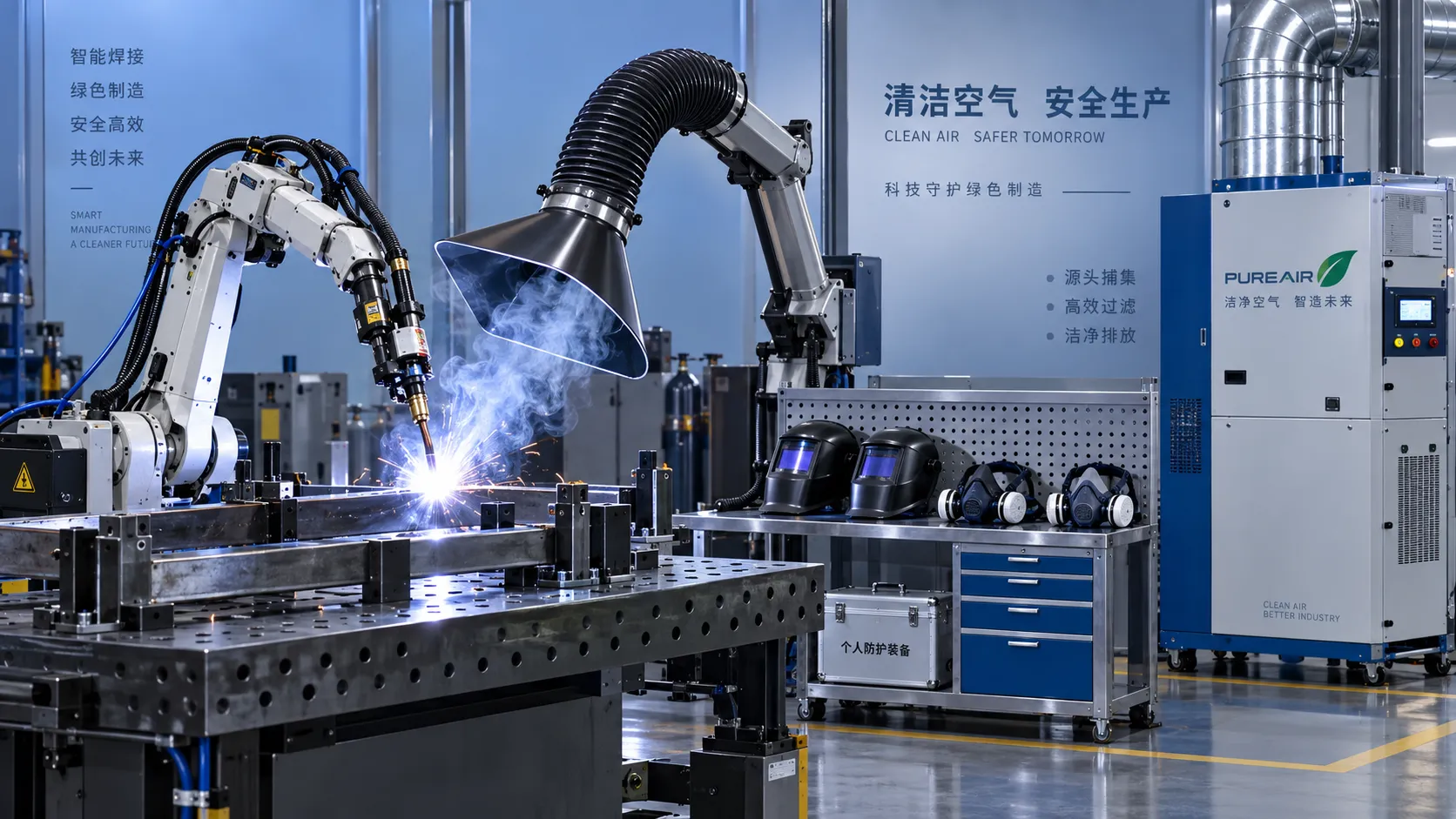
Welding Fume Extraction PPE: When Respirators Are Not Enough for Shop Safety
Welding fume extraction PPE: learn why respirators alone fall short and how source capture, ventilation, and layered controls improve shop safety.
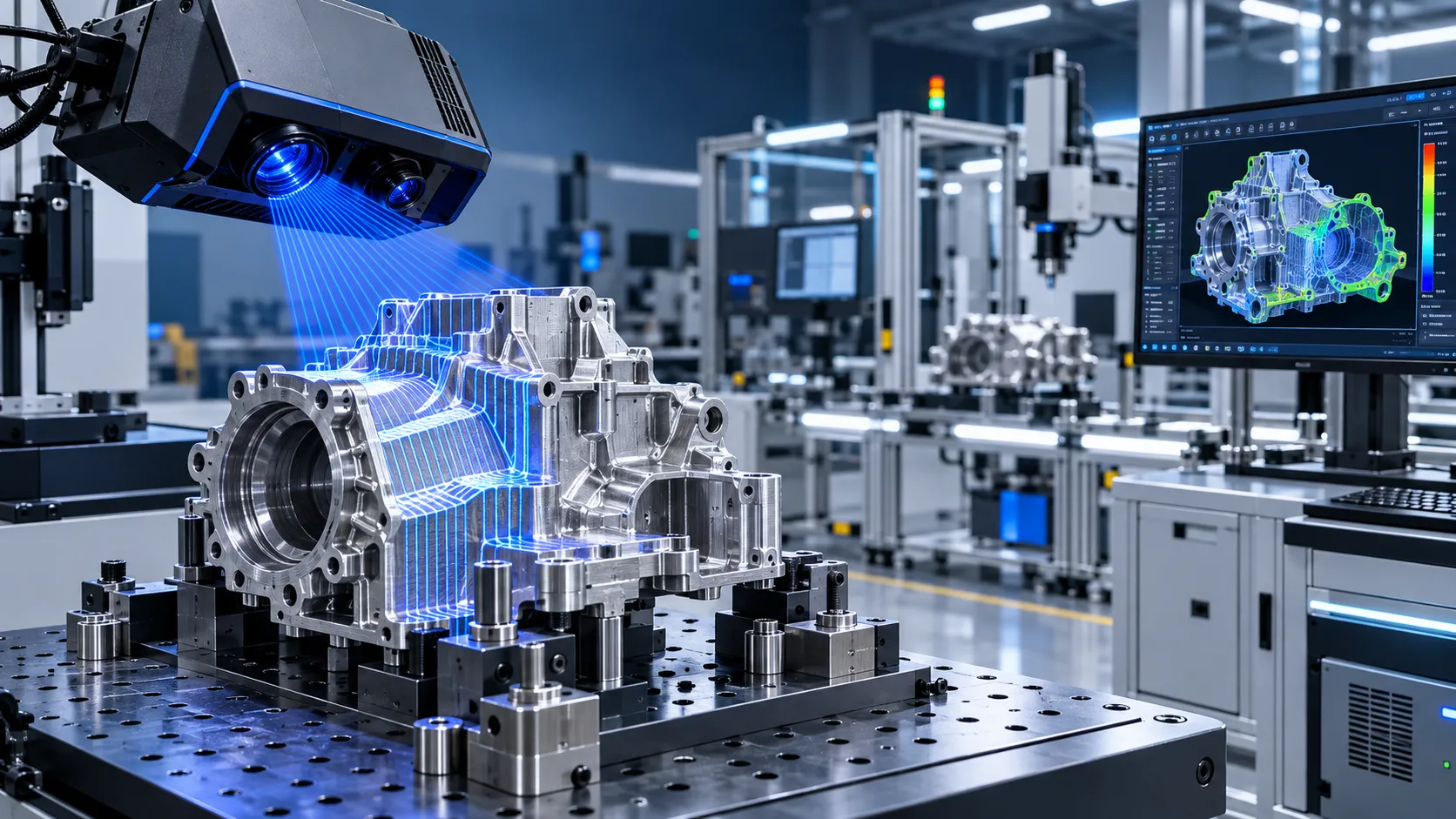
How to Select Optical Metrology Solutions for Tight-Tolerance Manufacturing
Optical industrial metrology solutions for tight-tolerance manufacturing: evaluate accuracy, surface compatibility, workflow, and traceability to select with confidence.
Related News
- 00
0000-00
Selecting Adjustable Torque Tools for Repeatable Fastener Assembly - 00
0000-00
How to Select Aerospace Inspection Tools for Aircraft Maintenance Tasks - 00
0000-00
How to Select Wire Bonding Tools for Fine-Pitch Semiconductor Packaging - 00
0000-00
Industrial Equipment Application Guidance: Match Machines to Operating Conditions - 00
0000-00
Selecting High-Speed Brushless Tool Motors for Torque, Heat, and Duty Cycle
Prof. Marcus Chen
Weekly Insights
Stay ahead with our curated technology reports delivered every Monday.