
Why tool lightweighting matters more in all-day field work





In all-day field work, fatigue is not just uncomfortable—it directly affects speed, accuracy, and safety. That is why tool lightweighting has become a practical priority for end users who rely on handheld equipment for hours at a time. Lighter tools help reduce strain, improve control, and support higher productivity, making them a key factor in modern industrial performance.
Across construction, maintenance, utilities, fabrication, inspection, and repair, every extra gram matters over a full shift. Tool lightweighting is no longer a design detail. It is now tied to uptime, ergonomic risk, and work quality.
For GPTWM, this topic sits at the intersection of craftsmanship, industrial efficiency, and smart tool evolution. It reflects how precision, ergonomics, and intelligent engineering shape the last mile of industrial manufacturing.
What tool lightweighting means in practical field use
Tool lightweighting means reducing total tool mass without weakening core performance, durability, or safety. The goal is not simply a smaller number on a specification sheet.
In real work, effective tool lightweighting improves handling balance, lowers wrist and shoulder strain, and helps the operator keep steady motion during repeated tasks.
This applies to drills, grinders, torque tools, welding torches, measuring devices, crimpers, inspection cameras, and cordless service equipment used outdoors or on elevated access points.
Good tool lightweighting also includes smarter weight distribution. A poorly balanced light tool can still feel exhausting. A well-balanced design often feels lighter than its actual mass.
Core design elements behind lightweight tools
- Magnesium, aluminum, and engineered polymer housings
- Compact brushless motors with higher power density
- Optimized battery chemistry and pack architecture
- Shorter transmission paths and reduced internal friction
- Ergonomic grip geometry and center-of-gravity control
Why the industry is paying closer attention to tool lightweighting
Several industrial signals explain why tool lightweighting now receives wider attention. Labor intensity remains high in many field environments, even as digital systems become more common.
At the same time, safety expectations are rising. Repetitive strain, overhead work, ladder use, and confined access all increase the value of lightweight handheld equipment.
Electrification also matters. Cordless tools expanded mobility, but batteries added weight. The next stage of innovation focuses on keeping runtime and torque while cutting mass.
This is why tool lightweighting is now discussed alongside productivity, metrology reliability, and ergonomic standardization, not only industrial design aesthetics.
Operational value of tool lightweighting in all-day work
The most immediate value of tool lightweighting is reduced physical load. Over a long day, repeated lifting, aiming, fastening, grinding, or welding accumulates into measurable fatigue.
When fatigue increases, movement becomes less stable. Alignment suffers. Reaction time slows. Fine adjustments become inconsistent. In precision tasks, small errors quickly become expensive rework.
Key performance benefits
- Reduced arm, wrist, shoulder, and back strain
- Improved control during overhead or extended-reach work
- Better consistency in fastening, cutting, measuring, and joining
- Faster task completion with fewer pauses
- Lower probability of fatigue-related safety incidents
Tool lightweighting also supports workforce endurance. A lighter tool does not remove all effort, but it makes sustained productivity more realistic across a full work cycle.
For precision measurement and inspection, lightweight devices are especially valuable. Stable hand positioning improves reading confidence, especially in awkward access areas.
Where tool lightweighting delivers the strongest impact
Not every application benefits equally. The strongest gains appear where tools are carried often, held above shoulder height, or used continuously with repetitive motion.
These examples show why tool lightweighting matters beyond comfort. It changes how easily a task can be completed, especially when access, posture, and duration are difficult.
How to evaluate tool lightweighting without losing performance
The best lightweight tool is not always the lightest tool. Selection should balance mass, output, runtime, vibration behavior, durability, and controllability.
Practical evaluation points
- Check the center of gravity, not only total weight.
- Compare power-to-weight ratio under real load conditions.
- Review battery weight versus actual runtime needs.
- Assess vibration and grip comfort during repetition.
- Confirm structural strength for impact, dust, and moisture exposure.
- Verify compatibility with accessories that may add front-end mass.
In many cases, moderate tool lightweighting with strong balance and durability outperforms extreme weight reduction that compromises service life or stability.
This is especially important in welding, fastening, and metrology, where precision can drop if the housing flexes, the grip overheats, or accessories distort balance.
Implementation considerations for broader industrial use
Tool lightweighting should be treated as part of a wider operational system. Results improve when combined with ergonomics, digital monitoring, and better task planning.
- Standardize tool categories by task duration and posture demand.
- Use lighter tools first in overhead, elevated, and mobile assignments.
- Track fatigue indicators, pauses, and repeat quality outcomes.
- Review accessory combinations that erase lightweighting gains.
- Align tool choices with evolving ergonomic standards and safety training.
From GPTWM’s perspective, the long-term value of tool lightweighting grows when it connects with brushless motor advances, torque intelligence, and ergonomic standard unification.
That connection supports a broader industrial shift. Precision tools are no longer judged by force alone. They are judged by efficiency, safety, and sustained human usability.
A practical next step for evaluating tool lightweighting
Begin with the tasks that create the highest fatigue load. Focus on all-day use, repeated overhead movement, long carry distance, and work requiring steady hand control.
Then compare current tools using a simple scorecard: weight, balance, runtime, vibration, accuracy impact, and end-of-shift usability. This turns tool lightweighting into a measurable decision.
Why tool lightweighting matters more in all-day field work is now clear. It reduces physical strain, protects work quality, and improves practical efficiency where industrial performance is most exposed.
For organizations following precision, welding, and intelligent tool trends, tool lightweighting should be reviewed as a strategic performance factor, not just a product feature.
Related News
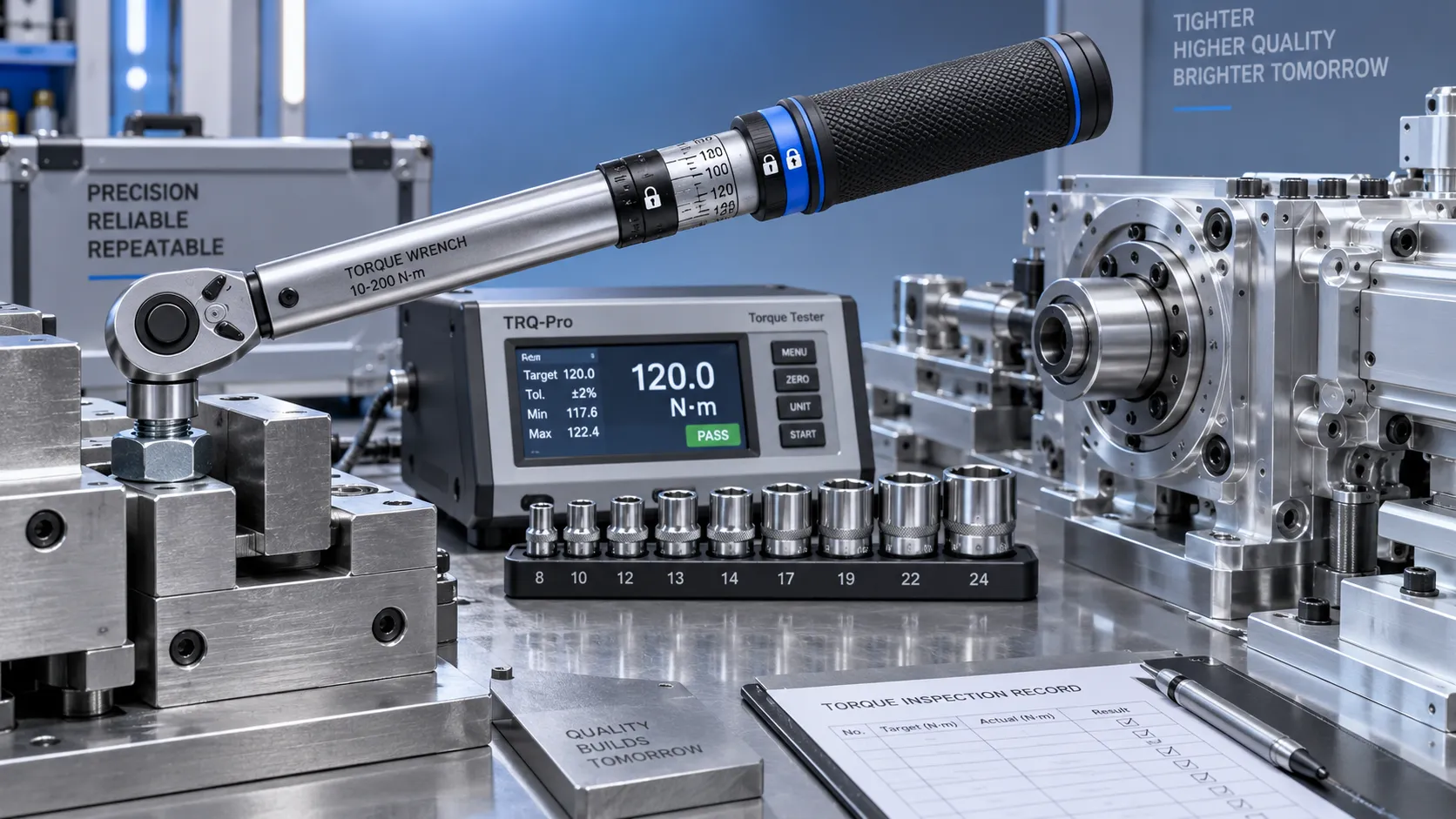
Selecting Adjustable Torque Tools for Repeatable Fastener Assembly
Adjustable torque tools: learn how to match range, accuracy, control methods, calibration, and ergonomics for repeatable, reliable fastener assembly.
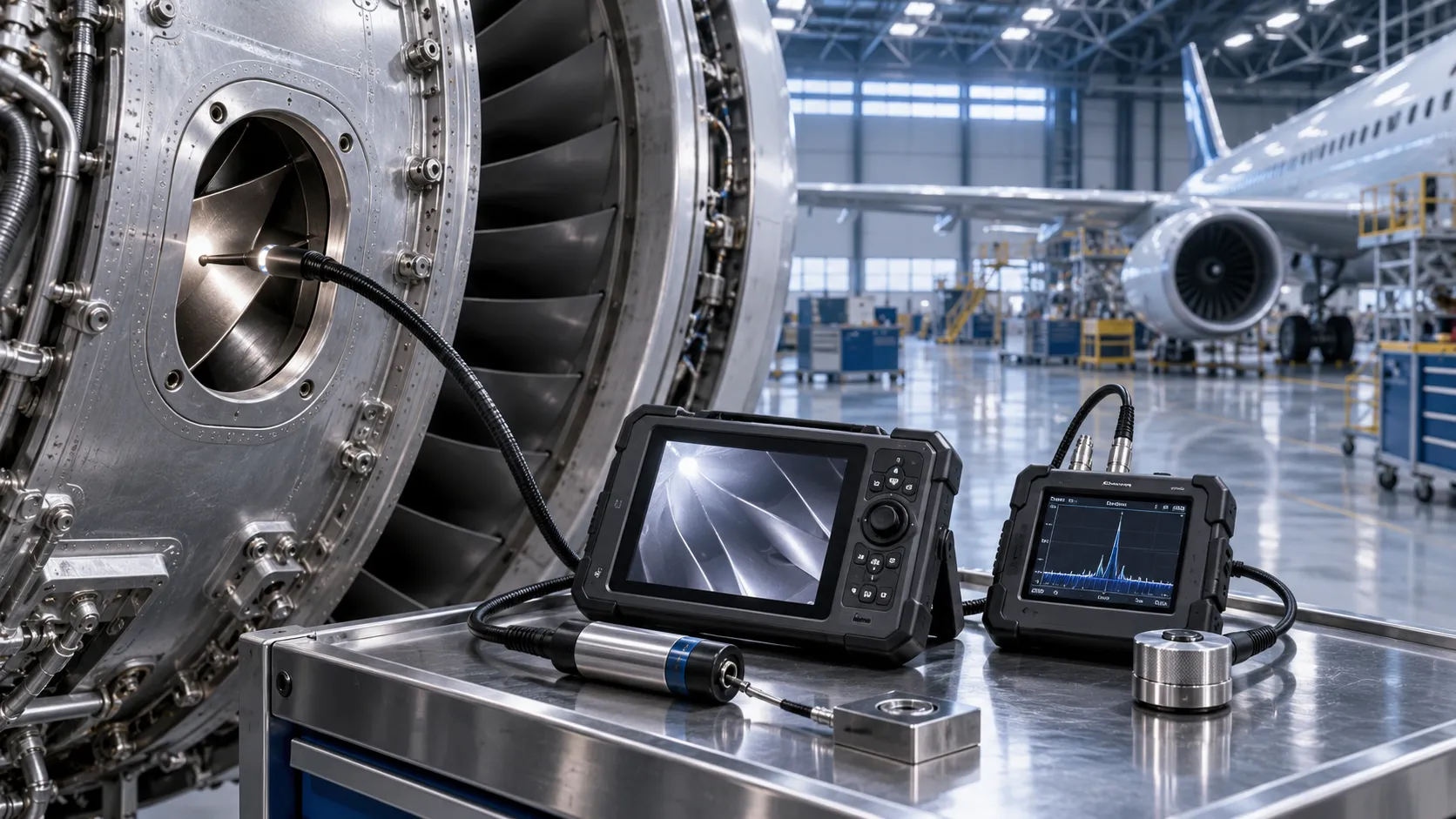
How to Select Aerospace Inspection Tools for Aircraft Maintenance Tasks
Aerospace maintenance inspection tools: learn how to select reliable, traceable equipment for aircraft access, accuracy, calibration, and compliant maintenance decisions.

How to Select Wire Bonding Tools for Fine-Pitch Semiconductor Packaging
Explore semiconductor manufacturing tools for wire bonding and learn how to select precision solutions for fine-pitch packaging, reliable loops, accuracy, and yield.
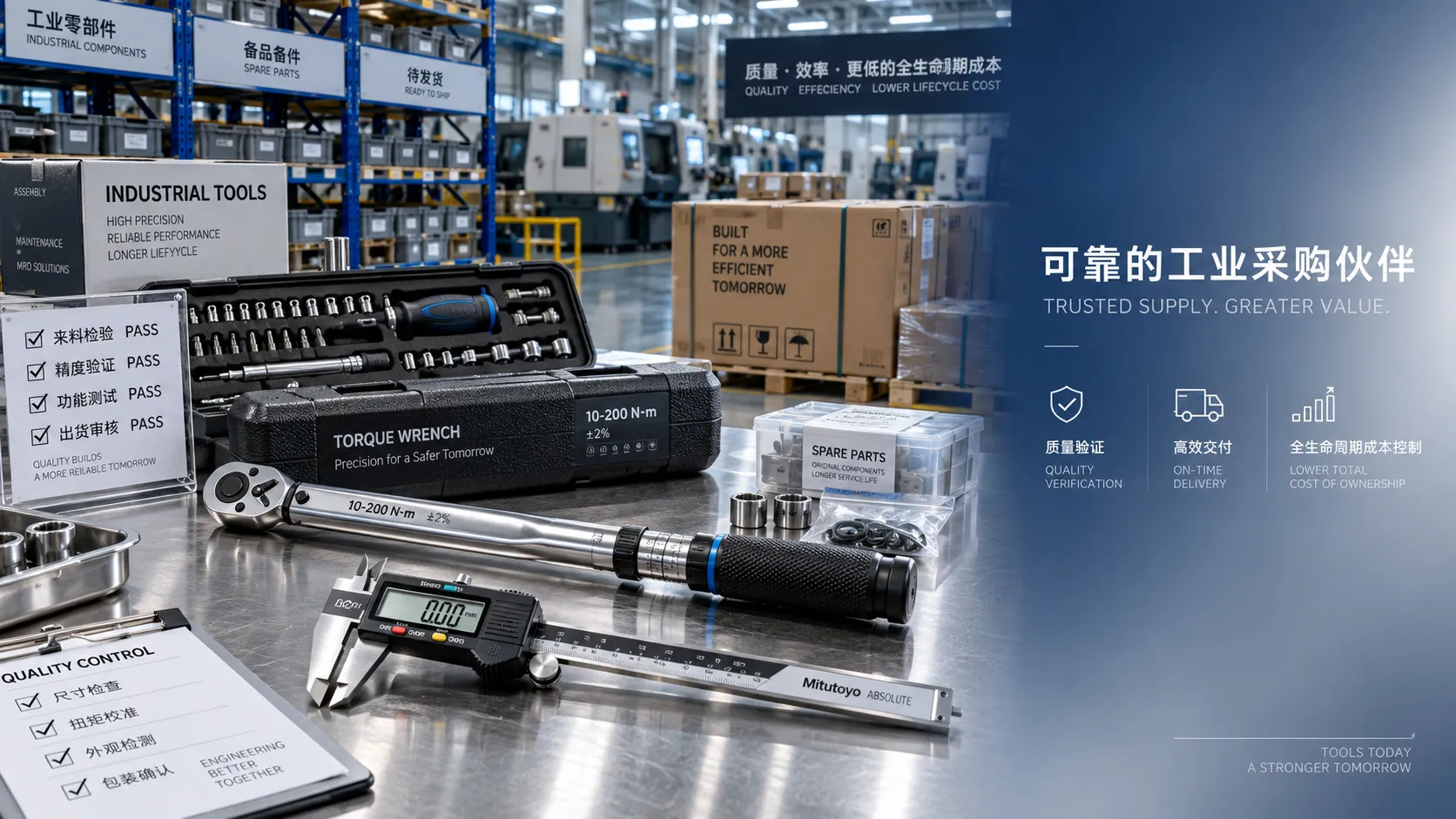
How to Compare Industrial Tool Suppliers for Quality, Lead Time, and Total Cost
Industrial tool selection supplier comparison made simple: evaluate quality, lead times, total cost, service, and supply resilience for confident sourcing decisions.
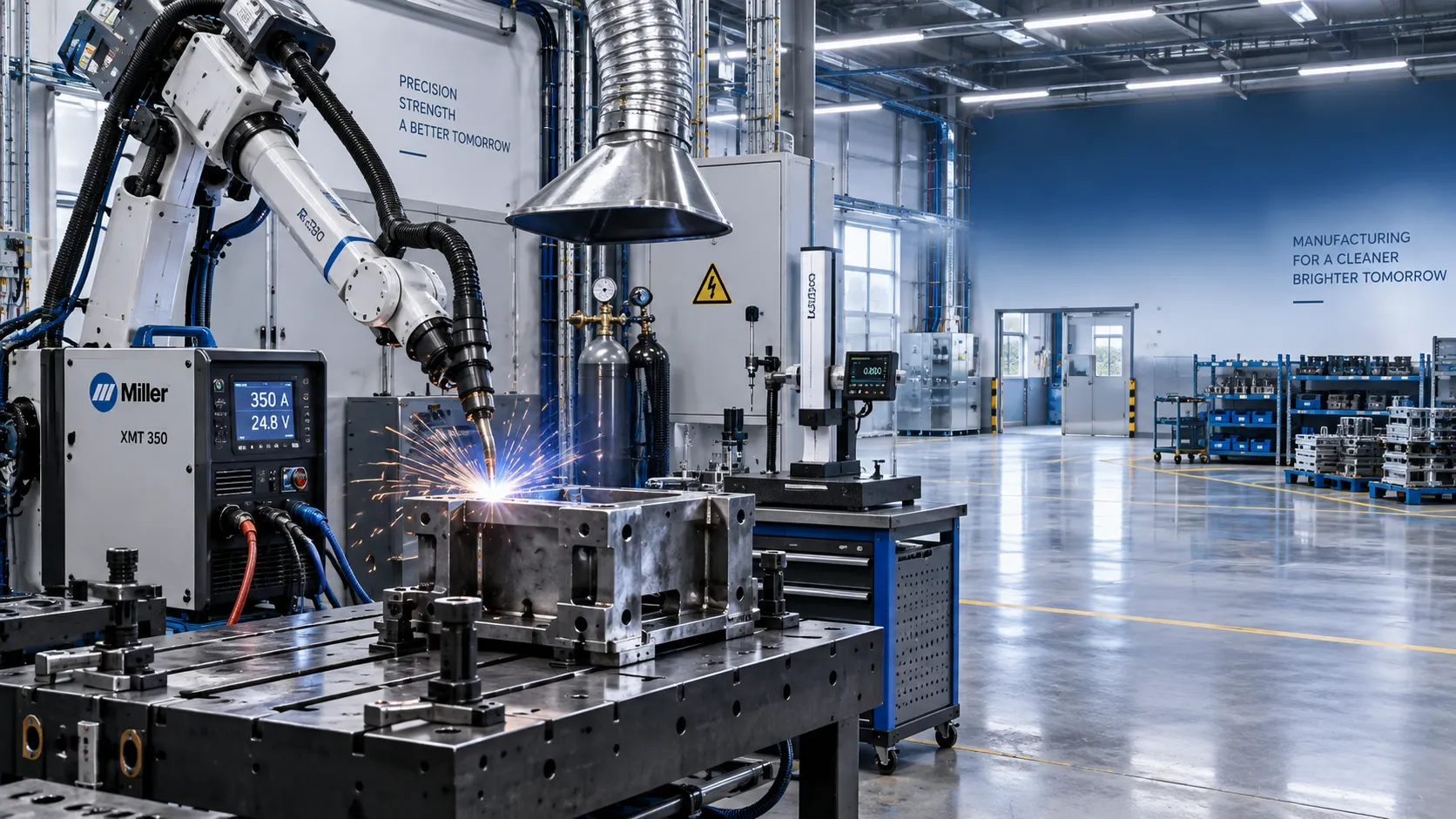
Industrial Equipment Application Guidance: Match Machines to Operating Conditions
Application guidance industrial equipment: match capacity, duty cycle, materials, site conditions, safety, and lifecycle cost to improve reliable output. Read the guide.
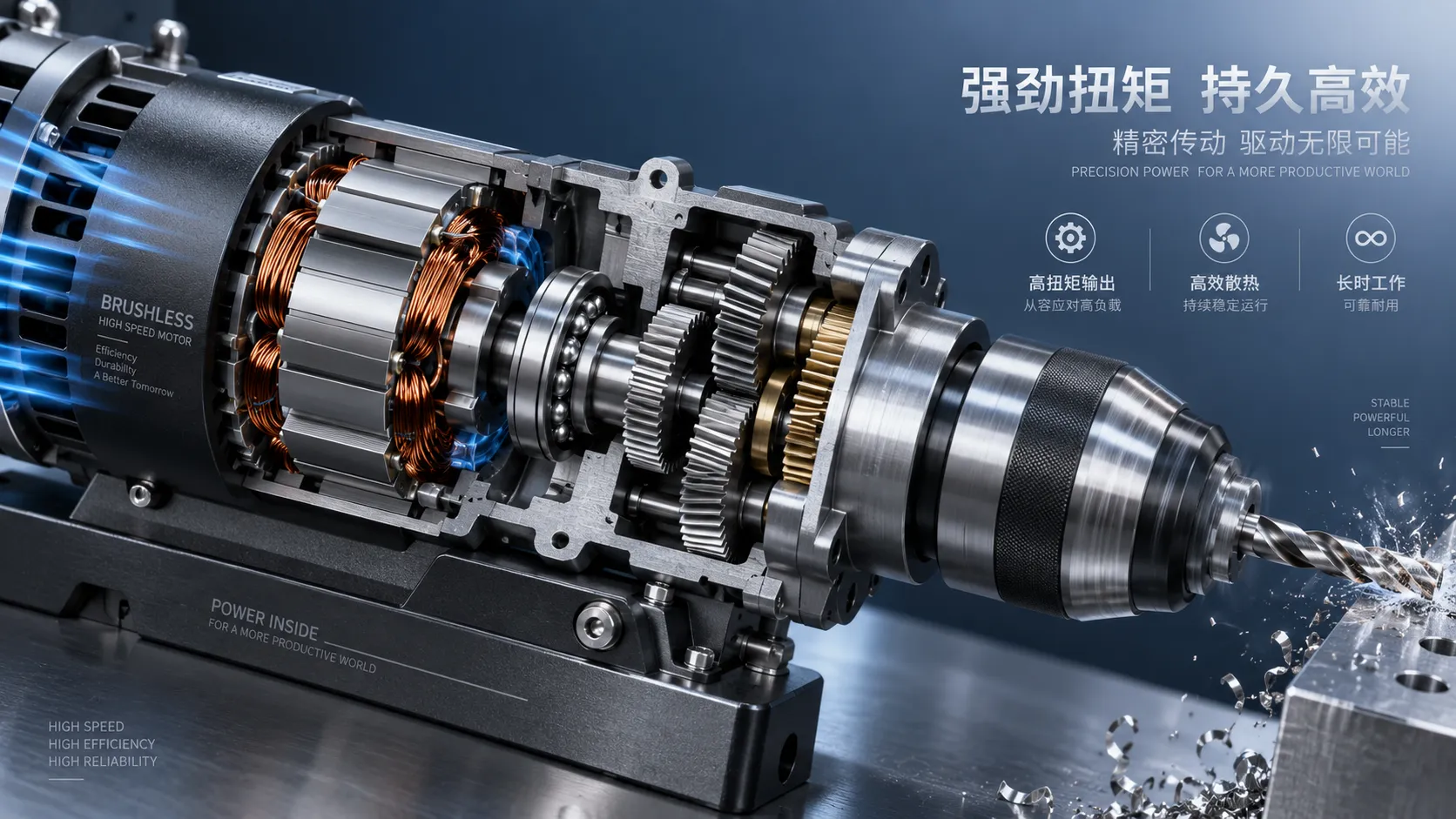
Selecting High-Speed Brushless Tool Motors for Torque, Heat, and Duty Cycle
High speed brushless tool motors: learn how to balance torque, heat, gearing, and duty cycle for reliable industrial tool performance and longer service life.
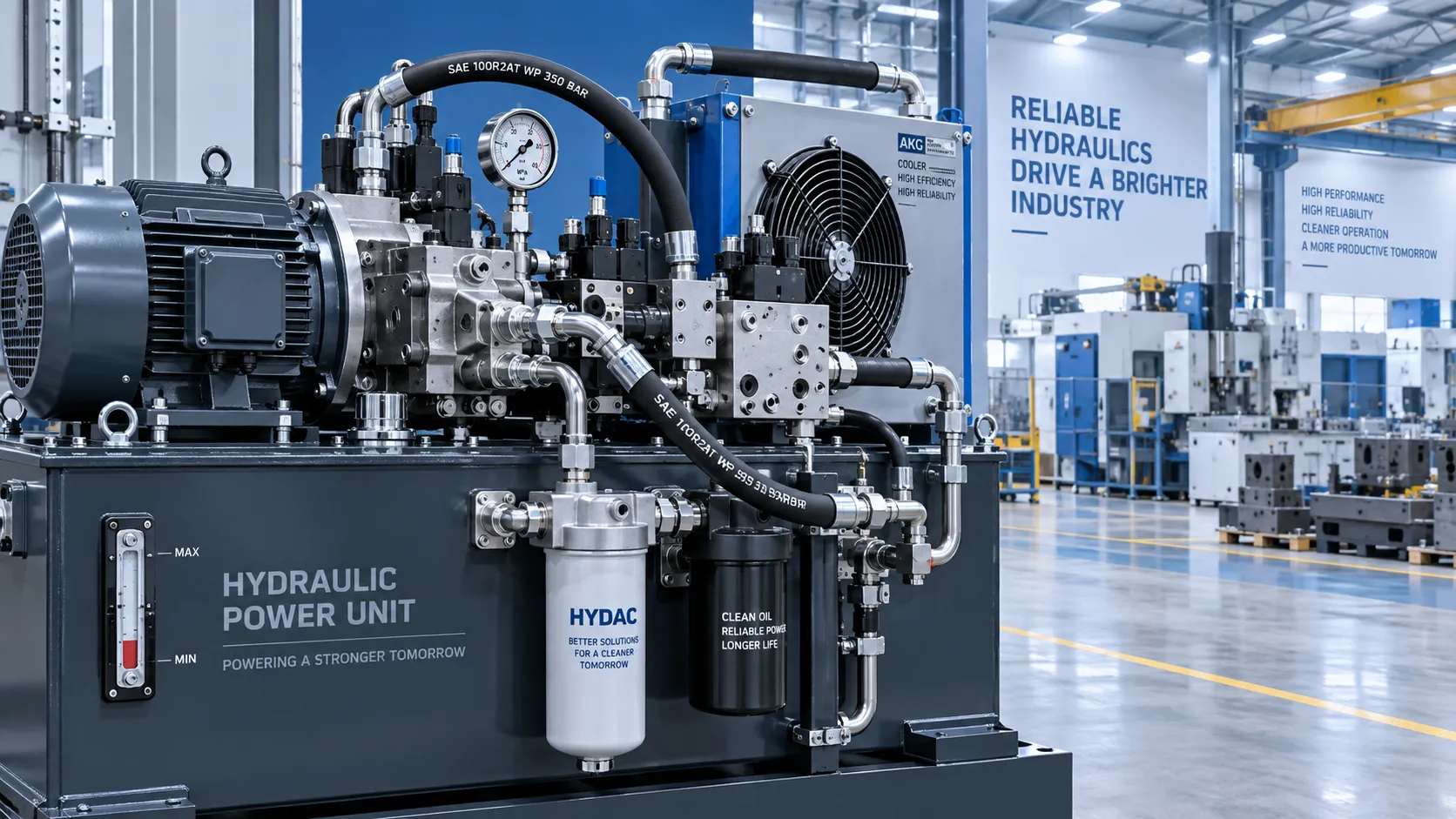
What Determines Industrial Hydraulic System Price for Heavy-Duty Equipment?
Industrial hydraulic system price depends on duty cycle, pressure, components, cooling, and integration. Compare quotes intelligently to secure reliable heavy-duty performance.
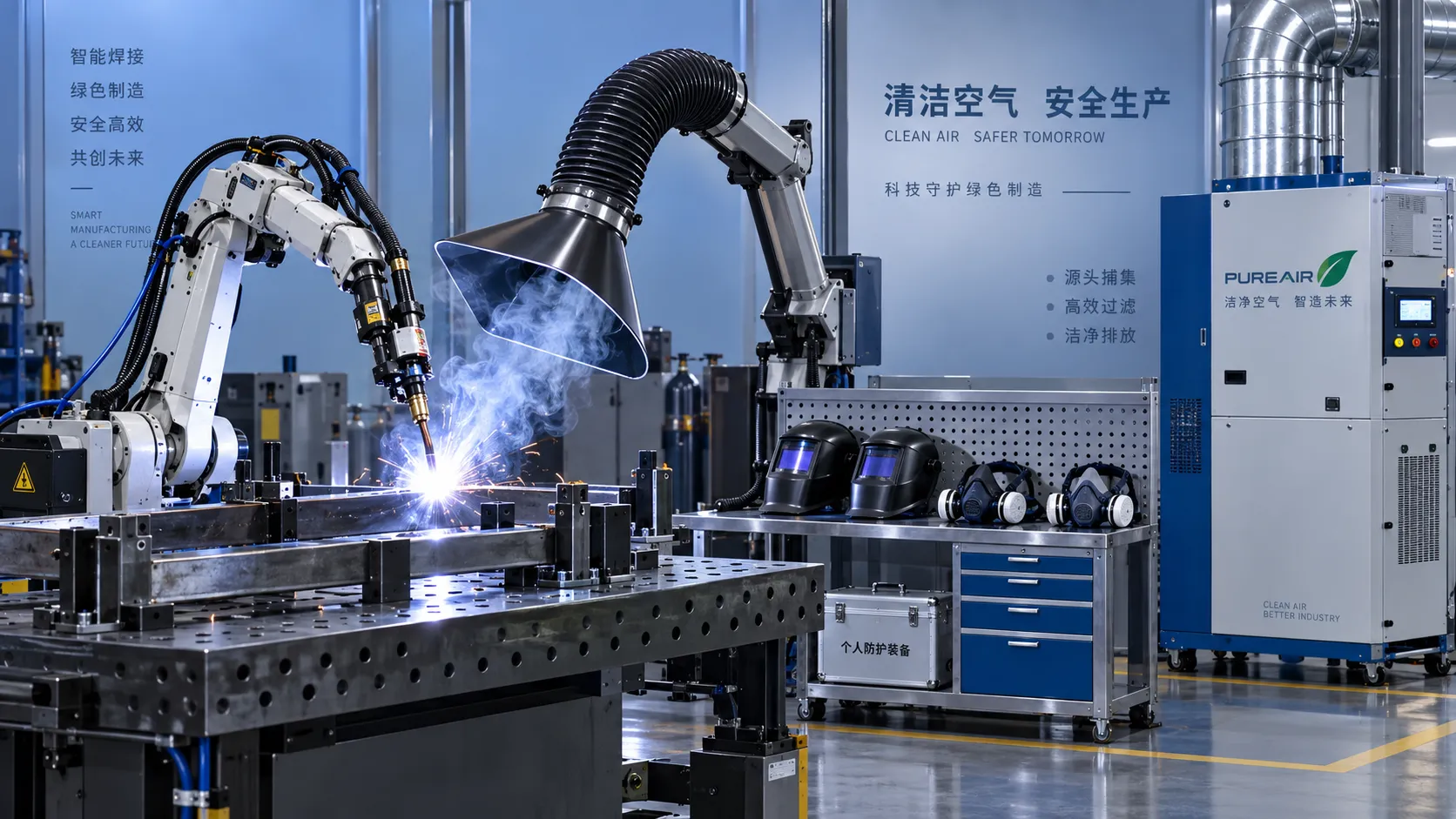
Welding Fume Extraction PPE: When Respirators Are Not Enough for Shop Safety
Welding fume extraction PPE: learn why respirators alone fall short and how source capture, ventilation, and layered controls improve shop safety.

How to Select Optical Metrology Solutions for Tight-Tolerance Manufacturing
Optical industrial metrology solutions for tight-tolerance manufacturing: evaluate accuracy, surface compatibility, workflow, and traceability to select with confidence.
Related News
- 00
0000-00
Automotive Tools: How to Build a Reliable Toolkit for Routine Vehicle Service - 00
0000-00
How to Build an Automotive Hand Tool Set for Routine Vehicle Service - 00
0000-00
Construction Maintenance Tools for Site Repair: What to Pack for Concrete, Steel, and Pipe Fixes - 00
0000-00
Product Information Resources for Assembly Tools: What Specs Matter Before You Compare Models? - 00
0000-00
Industrial Applications of Torque Control Wrenches in Assembly Lines and Field Maintenance
Industrial Craft Curator
Weekly Insights
Stay ahead with our curated technology reports delivered every Monday.