
What precision instruments matter most in tight-tolerance work





In tight-tolerance work, the choice of precision instruments directly affects accuracy, repeatability, and production risk. For technical evaluators, knowing which tools matter most is not just about specifications—it is about matching measurement capability to real manufacturing demands. This article outlines the core instruments that support reliable inspection, process control, and high-standard industrial performance.
Which precision instruments matter most when tolerances leave no room for error?
In general industry, tight-tolerance work appears in machining, welding preparation, assembly verification, tool setting, maintenance, and incoming quality control. The most important precision instruments are not always the most advanced ones. They are the instruments that consistently reduce uncertainty at the point of decision.
For technical evaluators, the challenge is practical. A supplier may present attractive resolution figures, yet resolution alone does not guarantee stable measurement in a workshop exposed to vibration, heat, oil mist, operator variation, and mixed materials. Effective evaluation starts with function, environment, and traceability.
In most tight-tolerance environments, the core stack of precision instruments includes handheld dimensional tools, comparator-based instruments, height and depth systems, bore measurement devices, surface and geometry verification tools, and increasingly, digital or connected systems that support data capture and process feedback.
- Calipers remain useful for fast screening, setup checks, and non-critical dimensions, but they should not be the final authority for the tightest tolerances.
- Micrometers are often the first serious step up for outside dimensions, wall thickness, and shaft inspection where repeatability matters.
- Dial indicators and test indicators are essential for runout, flatness-related checks, alignment, and machine setup verification.
- Bore gauges matter when internal diameters drive fit, sealing, or bearing performance.
- Height gauges, gauge blocks, and surface plates support reference-based inspection rather than quick approximation.
- Optical and non-contact systems become critical when surfaces are delicate, geometry is complex, or documentation needs are strict.
This is where GPTWM adds value for evaluators. By combining metrology insight, industrial tool design perspective, and market intelligence, GPTWM helps decision-makers connect measurement needs with realistic operating conditions, procurement timing, and long-term equipment suitability.
How should technical evaluators rank precision instruments by application priority?
The table below helps prioritize precision instruments by common industrial tasks. It is not a brand guide. It is a use-case guide for technical evaluators who need to align measuring tools with risk level, tolerance demands, and inspection frequency.
The ranking shows a common pattern: no single precision instrument can cover all tight-tolerance work. Evaluators should build a layered measurement system, where quick tools support throughput and higher-control instruments protect critical acceptance decisions.
Why calipers alone are not enough in tight-tolerance work
The convenience trap
Many facilities overuse calipers because they are fast, versatile, and familiar. That makes sense in maintenance, fabrication support, and mixed-batch operations. But in true tight-tolerance work, convenience can hide risk. Jaw wear, parallax on non-digital models, inconsistent force, and contamination all affect results.
What precision instruments should replace or support them?
Micrometers should be used when outside dimensions directly govern fit. Bore gauges should be used when internal dimensions affect bearing life, leakage control, or thermal expansion margins. Indicators should be used when the real concern is motion error rather than static size.
- Use calipers for screening and pre-checking.
- Use micrometers for final dimensional confirmation on critical external features.
- Use bore gauges or internal micrometers for close-tolerance holes.
- Use indicators and gauge fixtures to track setup drift during production runs.
This distinction is especially relevant across automotive maintenance, aerospace repair, metal joining preparation, and precision assembly, where wrong instrument selection can lead to expensive rework, delayed release, or disputed inspection outcomes.
What technical specifications matter more than marketing claims?
When comparing precision instruments, evaluators should look beyond display resolution. The better question is whether the instrument will hold repeatable performance under the actual process conditions. Resolution is only one layer of the decision.
The following table highlights practical selection parameters that influence real-world inspection quality more than brochure language alone.
For many technical evaluators, the biggest mistake is buying by display features instead of process capability. A tool with impressive digital functions may still underperform if contact stability, fixture compatibility, or calibration management is weak.
Which precision instruments fit specific industrial scenarios best?
Machining and finishing
In machining cells, outside micrometers, bore gauges, indicators, and height gauges usually matter most. Here, tolerance stack-up, tool wear, spindle runout, and thermal effects can all shift dimensions before defects become visible.
Welding preparation and metal joining
In welding-related workflows, precision instruments support gap verification, edge preparation, alignment, fixture consistency, and post-process dimensional checks. They help prevent distortion-related surprises, especially where downstream assembly depends on fit after heat input.
Assembly and fastening control
During assembly, dimensional precision is only part of the picture. Indicators, depth gauges, thread verification tools, and sometimes torque-monitoring systems work together. GPTWM’s industrial intelligence perspective is useful here because assembly quality often depends on the interaction between measurement, ergonomic tooling, and digital traceability.
Maintenance, repair, and field service
For MRO teams, portable precision instruments with durable housings and straightforward calibration routines are usually more valuable than lab-style systems. The evaluator’s task is to balance portability against the risk of overestimating what field instruments can verify.
- Choose robust handheld instruments for field checks where immediate decisions are required.
- Reserve higher-order verification for controlled environments when acceptance criteria are strict.
- Document which dimensions are process checks and which are release-critical checks.
How should procurement teams evaluate precision instruments under budget pressure?
Budget limits often push teams toward broad-use tools instead of purpose-fit precision instruments. That approach may appear efficient, but it can create hidden cost through inspection delays, measurement disputes, scrap, and unnecessary calibration load.
A better procurement model is to divide instruments into three tiers and buy according to decision risk rather than unit price alone.
- Tier 1: screening tools for routine checks, high movement, and broad operator access.
- Tier 2: control tools for critical dimensions that frequently influence process adjustment.
- Tier 3: reference or verification tools used for final release, dispute resolution, or audit-sensitive inspection.
This approach also supports more rational calibration planning. Not every instrument needs the same calibration interval, handling rule, or storage condition. Technical evaluators should work with quality and production teams to map actual risk exposure before finalizing purchasing lists.
What standards, traceability, and compliance issues should not be overlooked?
In regulated or export-facing manufacturing, precision instruments must support more than measurement. They must support confidence. Evaluators should check whether the measurement system can align with internal quality procedures and common frameworks such as ISO-based calibration and documented inspection control.
The exact compliance path depends on the sector, but several principles apply broadly across general industry.
- Calibration records should be traceable and synchronized with asset management routines.
- Measurement methods should be defined clearly enough to reduce operator interpretation differences.
- Reference standards such as gauge blocks or master rings should be protected from uncontrolled wear and contamination.
- Digital data output should be reviewed for compatibility with reporting and quality documentation systems.
GPTWM’s strength lies in linking tool intelligence with global industrial context. When export restrictions, standard updates, or demand shifts affect instrument sourcing, technical evaluators need more than a catalog. They need guidance that reflects compliance pressure, application reality, and supply-side change.
Common mistakes when selecting precision instruments for tight-tolerance work
Choosing by range instead of measurement purpose
A wide-range tool can reduce the number of instruments purchased, but it may also lower control quality on the dimensions that matter most. Broad versatility is not the same as tight-tolerance suitability.
Ignoring operator interaction
Even strong precision instruments can deliver weak outcomes if grips are awkward, readings are difficult to interpret, or measuring force depends too heavily on user habit. Ergonomic fit is not cosmetic. It affects repeatability.
Underestimating environment
An instrument that performs well in a clean room may struggle near coolant splash, vibration, or fluctuating shop temperature. Evaluators should classify the measurement environment before approving final instrument lists.
Treating data output as optional
In modern industrial workflows, connected measurement can shorten reporting time, reduce transcription error, and support trend analysis. For some operations, that benefit outweighs a small difference in purchase price.
FAQ: what do evaluators ask most about precision instruments?
How do I decide whether a caliper or micrometer is the right precision instrument?
Start with the tolerance and the consequence of a bad decision. If the measurement is for quick setup or general receiving checks, a caliper may be appropriate. If the dimension controls fit, sealing, or final release, a micrometer is usually the safer choice because it offers better repeatability and force control.
Which precision instruments are best for internal diameters?
For close-tolerance bores, bore gauges or internal micrometers are generally preferred over calipers. The better option depends on access, diameter range, and the need for comparative versus absolute measurement. If internal geometry directly affects bearing fit or fluid sealing, do not rely on a quick handheld estimate alone.
What should I check before approving digital precision instruments?
Check battery management, environmental resistance, data output format, calibration compatibility, and user interface clarity. Digital features help only when they fit the workflow. In some sites, strong readability and clean data export matter more than extra menu functions.
Are optical systems worth the higher cost?
They can be, especially when parts are delicate, geometry is complex, or documentation requirements are strict. Optical systems often reduce contact risk and improve reporting quality. However, they should be justified by application need, operator skill, and expected inspection volume.
How can I reduce purchasing risk when selecting precision instruments across multiple sites?
Standardize by measurement purpose, not by a single universal tool list. Define instrument categories, required accuracy levels, calibration practice, and data expectations. Then compare local conditions such as operator training, production mix, and environmental exposure. This method is more sustainable than copying one site’s purchasing habit to every location.
Why choose us for precision instrument evaluation support?
GPTWM supports technical evaluators who need more than product descriptions. Our perspective combines industrial assembly knowledge, metal joining context, and precision metrology intelligence, helping teams understand which precision instruments matter most for actual process control rather than theoretical comparison alone.
You can contact us to discuss specific evaluation points, including parameter confirmation for tight-tolerance applications, instrument selection for machining or welding-related inspection, delivery cycle considerations for multi-item procurement, digital data compatibility, calibration and traceability expectations, sample support planning, and quotation alignment for different usage tiers.
If your team is comparing handheld measuring tools, bore inspection solutions, indicator systems, or higher-level precision instruments for cross-border sourcing or process upgrades, GPTWM can help structure the decision around application risk, compliance needs, and long-term operating value. That makes purchasing clearer, implementation faster, and inspection outcomes more dependable.
Related News
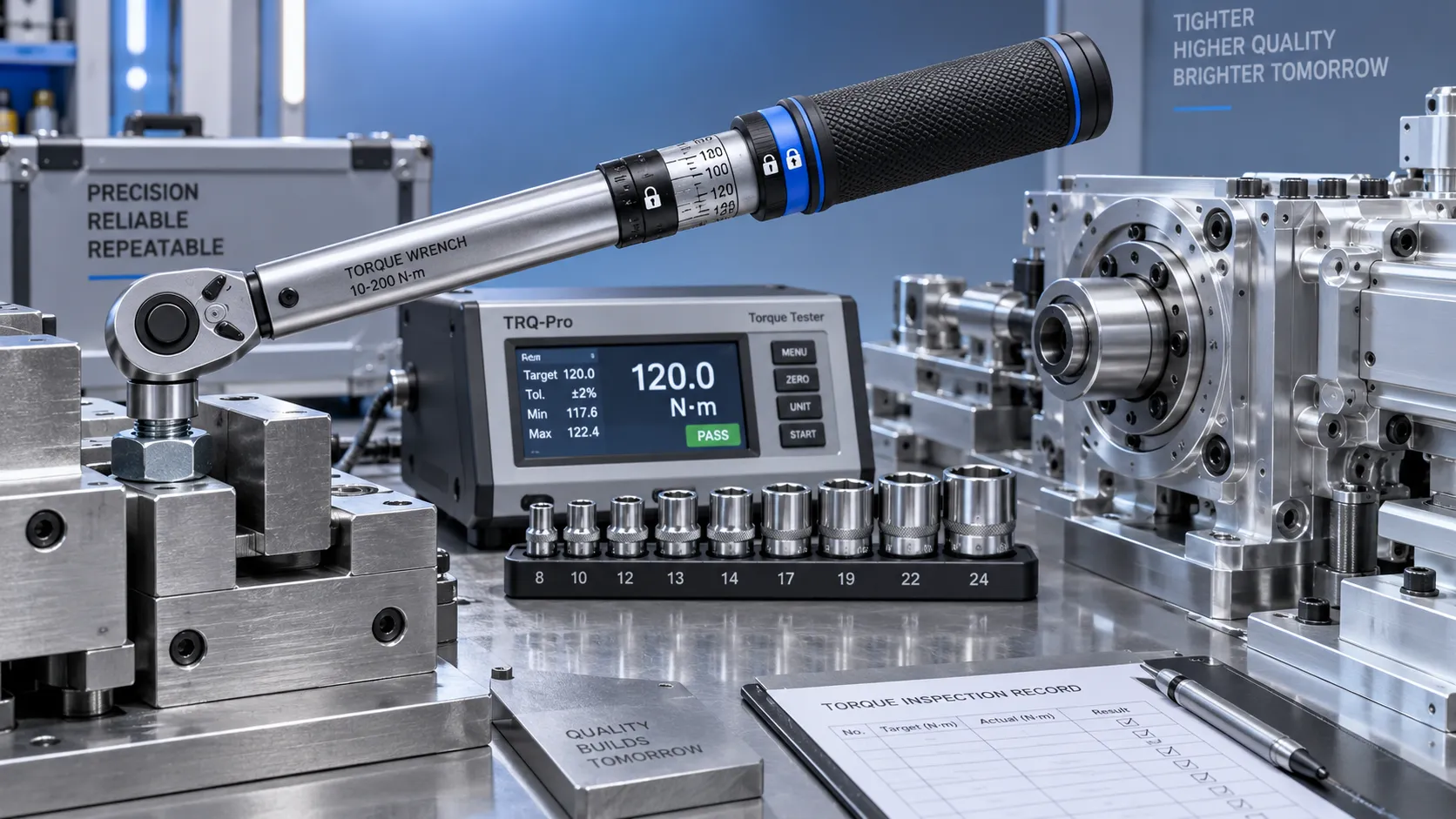
Selecting Adjustable Torque Tools for Repeatable Fastener Assembly
Adjustable torque tools: learn how to match range, accuracy, control methods, calibration, and ergonomics for repeatable, reliable fastener assembly.
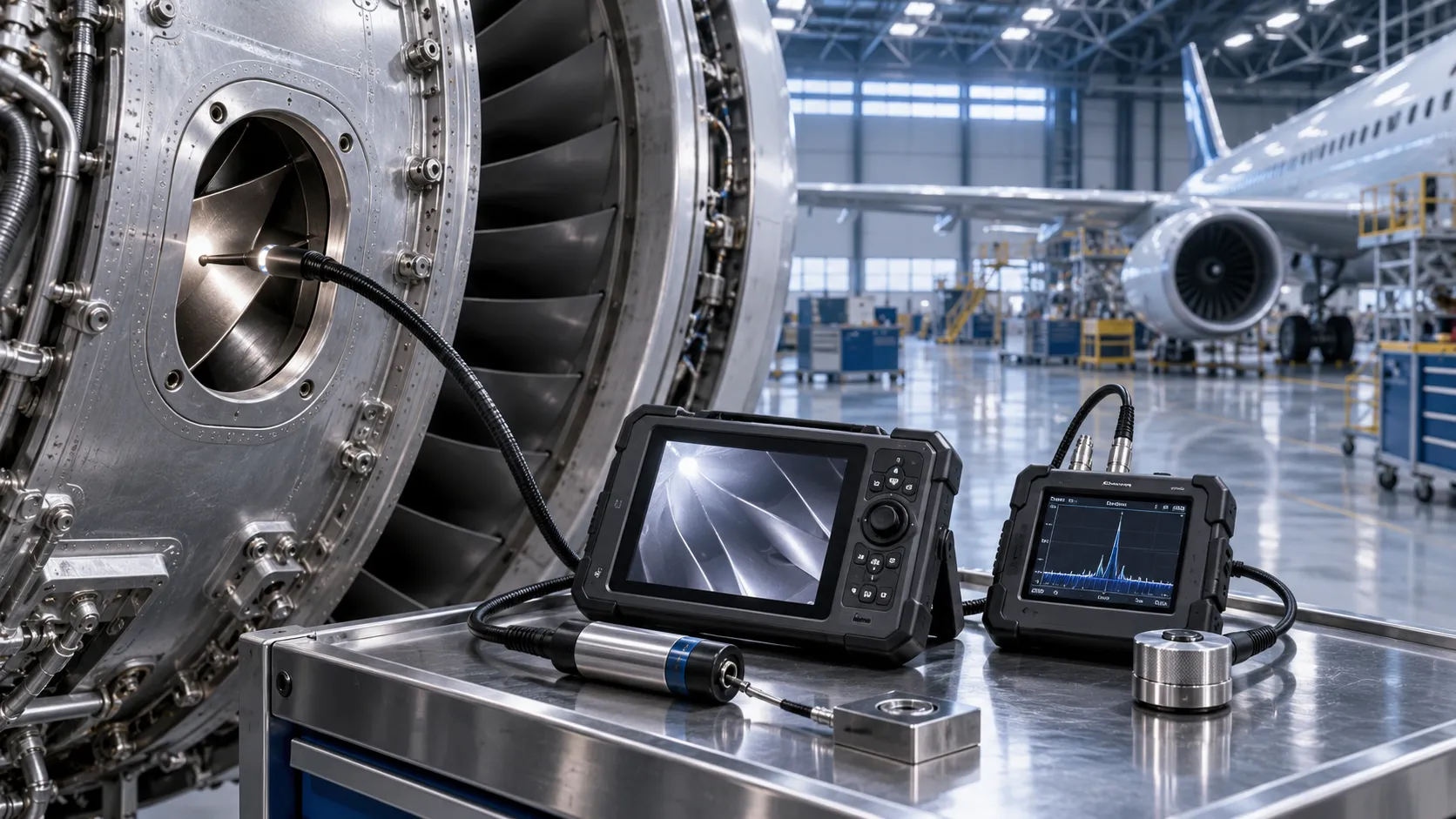
How to Select Aerospace Inspection Tools for Aircraft Maintenance Tasks
Aerospace maintenance inspection tools: learn how to select reliable, traceable equipment for aircraft access, accuracy, calibration, and compliant maintenance decisions.
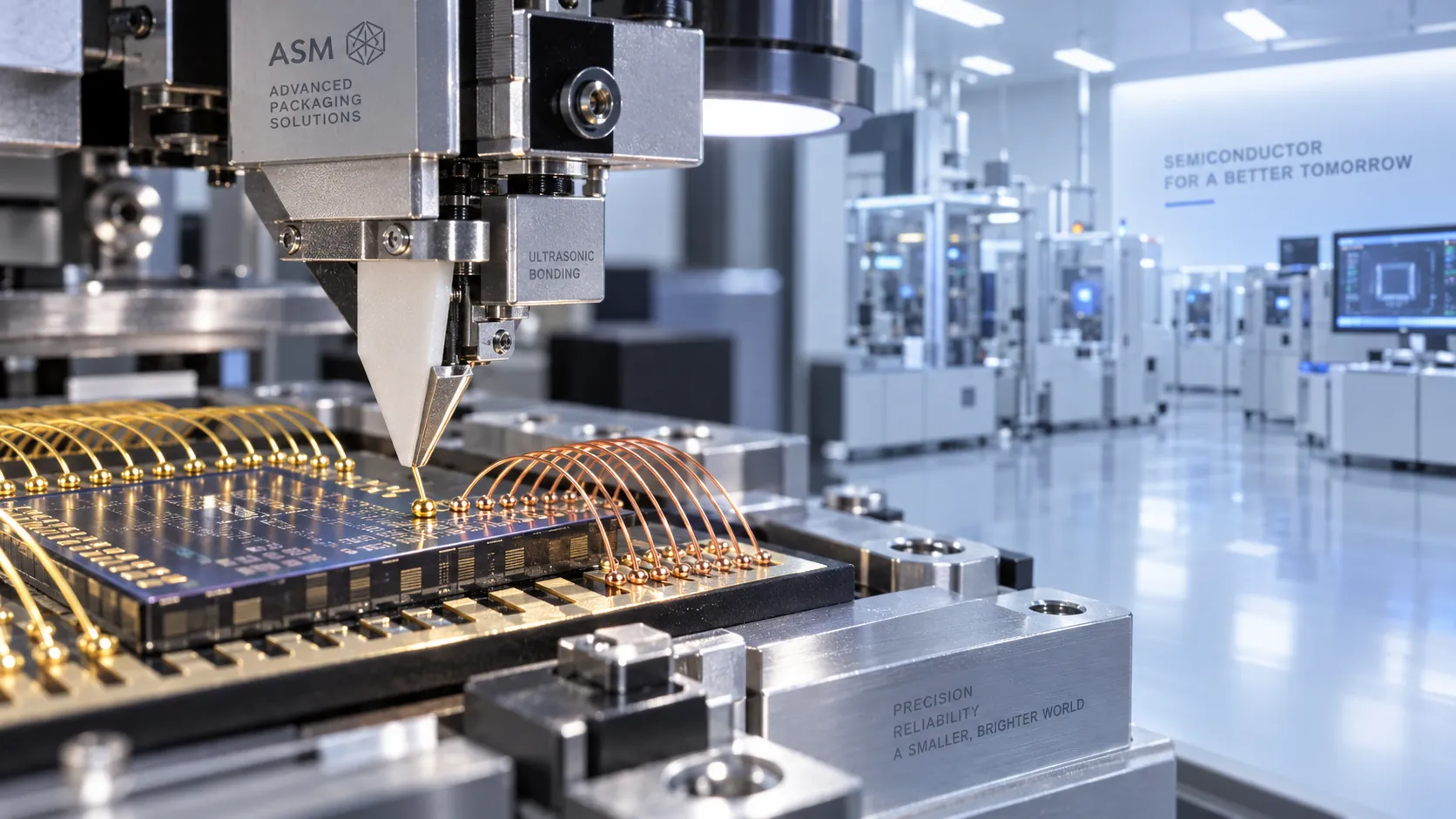
How to Select Wire Bonding Tools for Fine-Pitch Semiconductor Packaging
Explore semiconductor manufacturing tools for wire bonding and learn how to select precision solutions for fine-pitch packaging, reliable loops, accuracy, and yield.
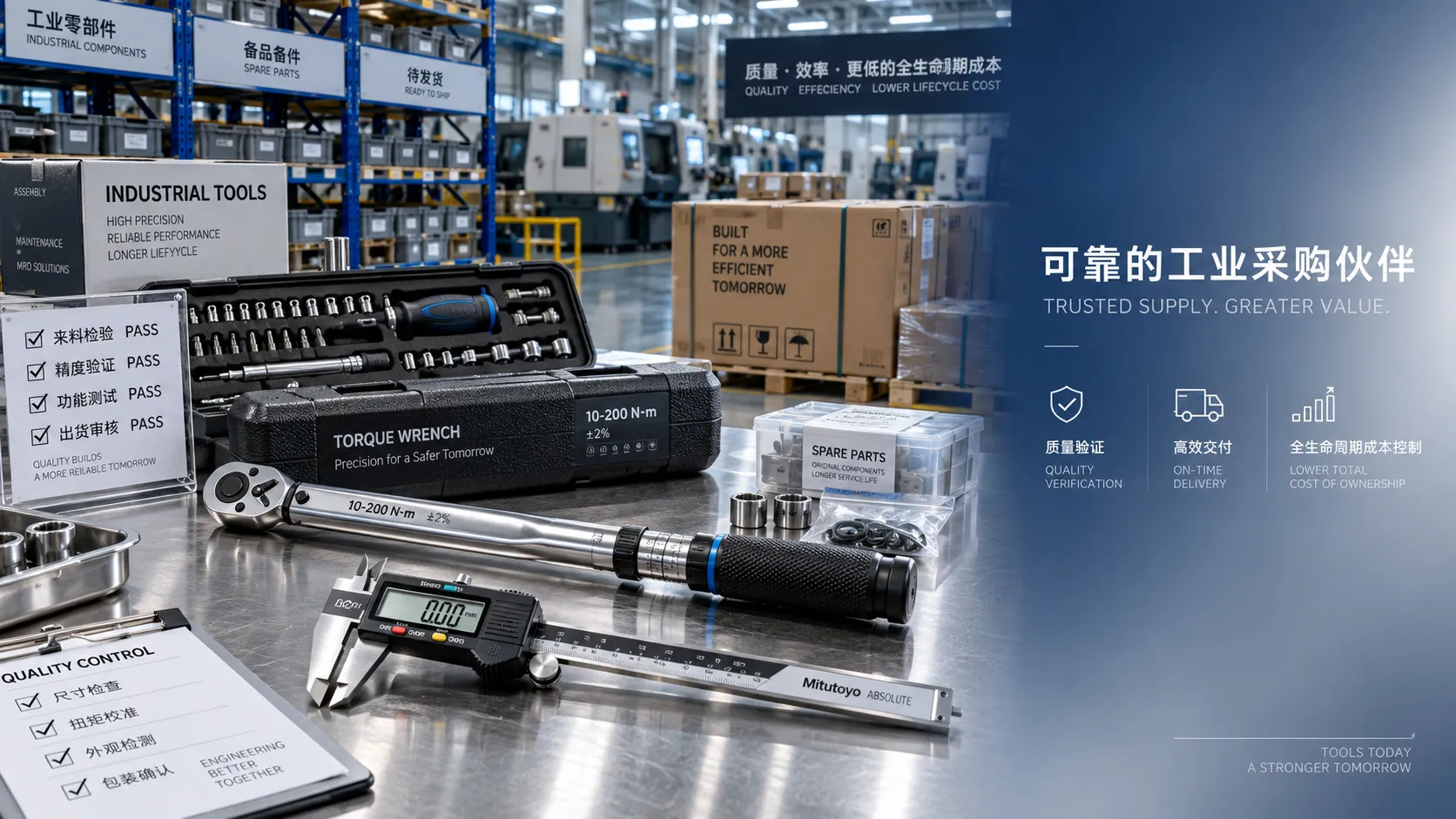
How to Compare Industrial Tool Suppliers for Quality, Lead Time, and Total Cost
Industrial tool selection supplier comparison made simple: evaluate quality, lead times, total cost, service, and supply resilience for confident sourcing decisions.
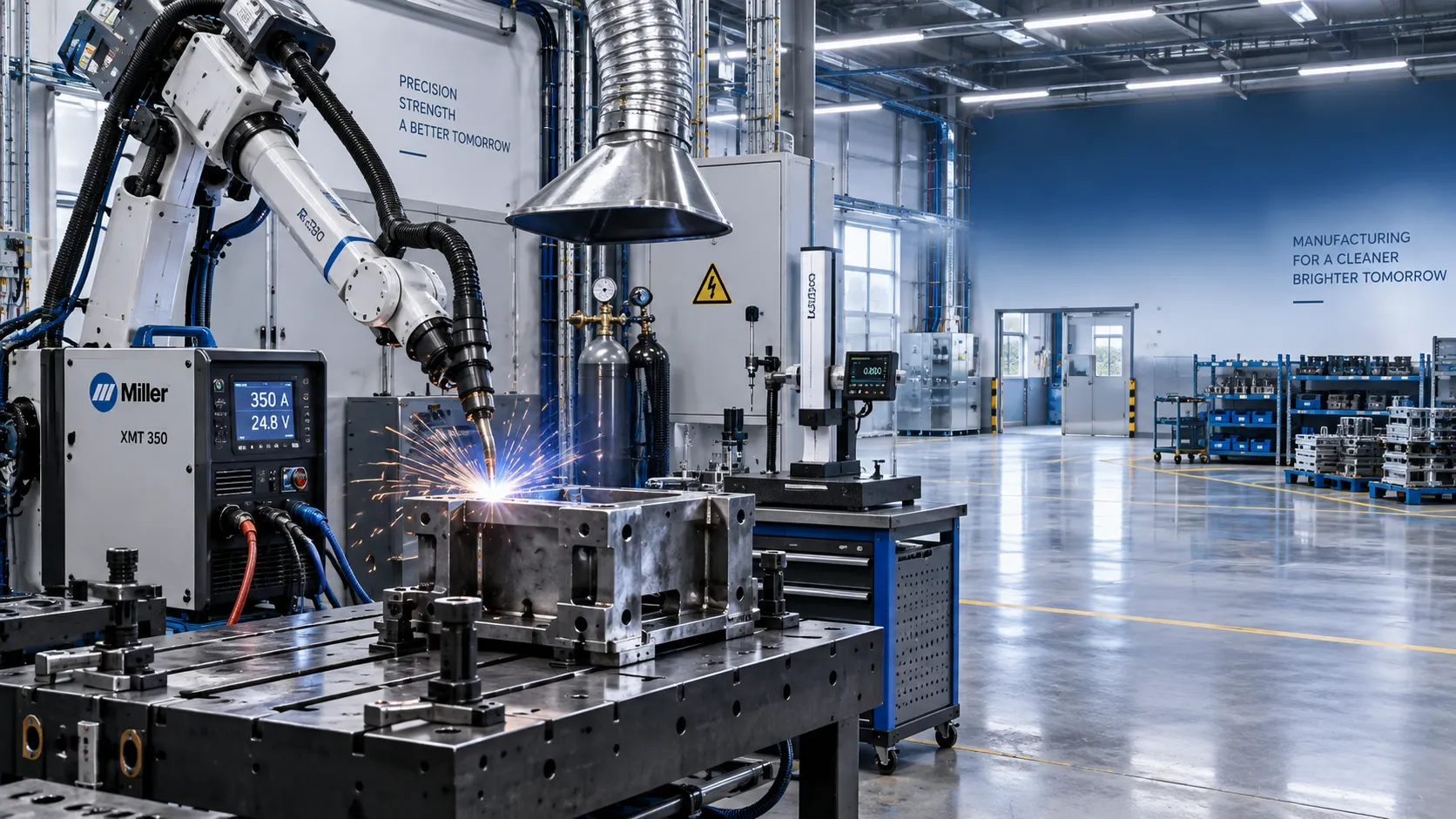
Industrial Equipment Application Guidance: Match Machines to Operating Conditions
Application guidance industrial equipment: match capacity, duty cycle, materials, site conditions, safety, and lifecycle cost to improve reliable output. Read the guide.
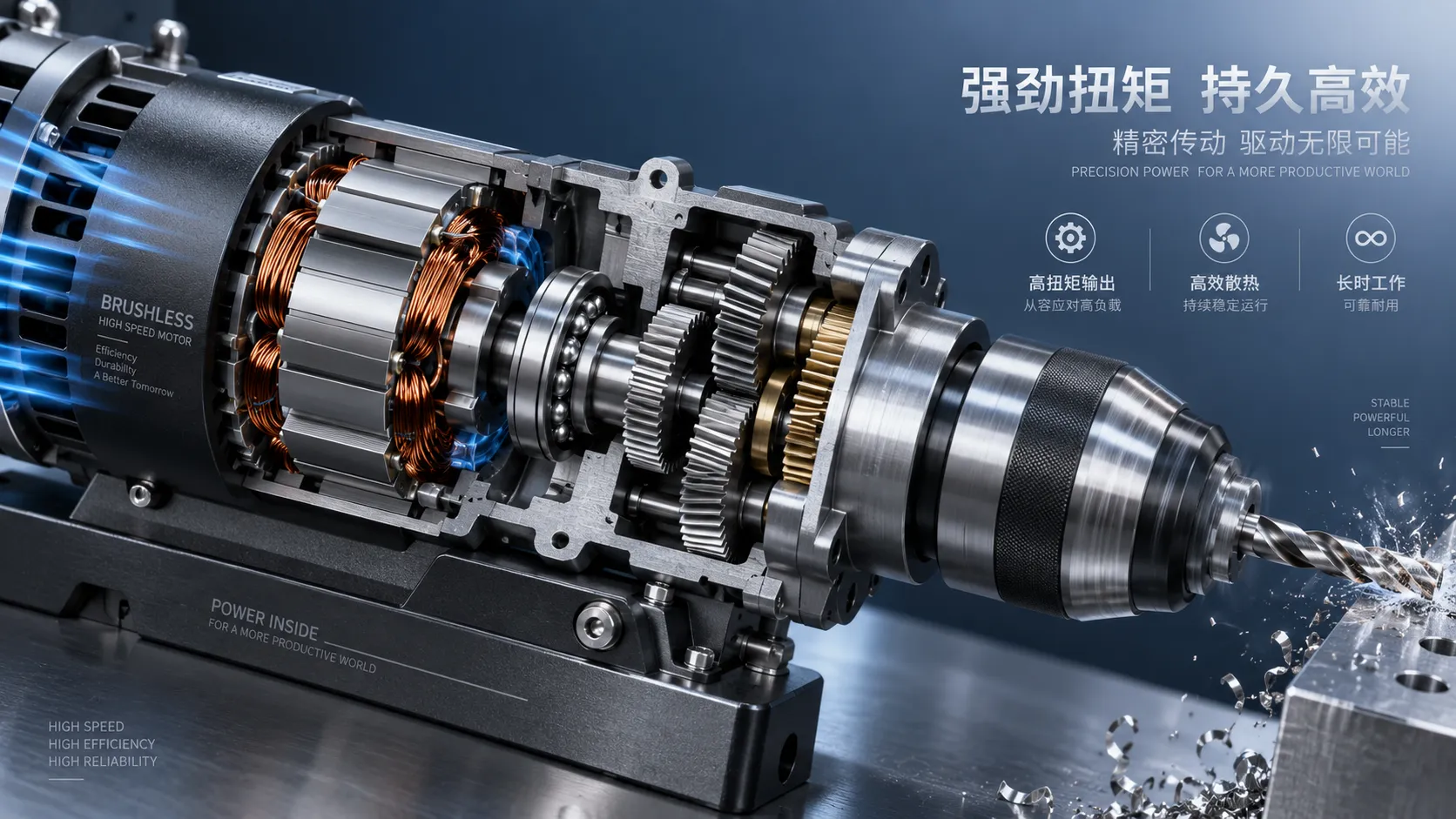
Selecting High-Speed Brushless Tool Motors for Torque, Heat, and Duty Cycle
High speed brushless tool motors: learn how to balance torque, heat, gearing, and duty cycle for reliable industrial tool performance and longer service life.
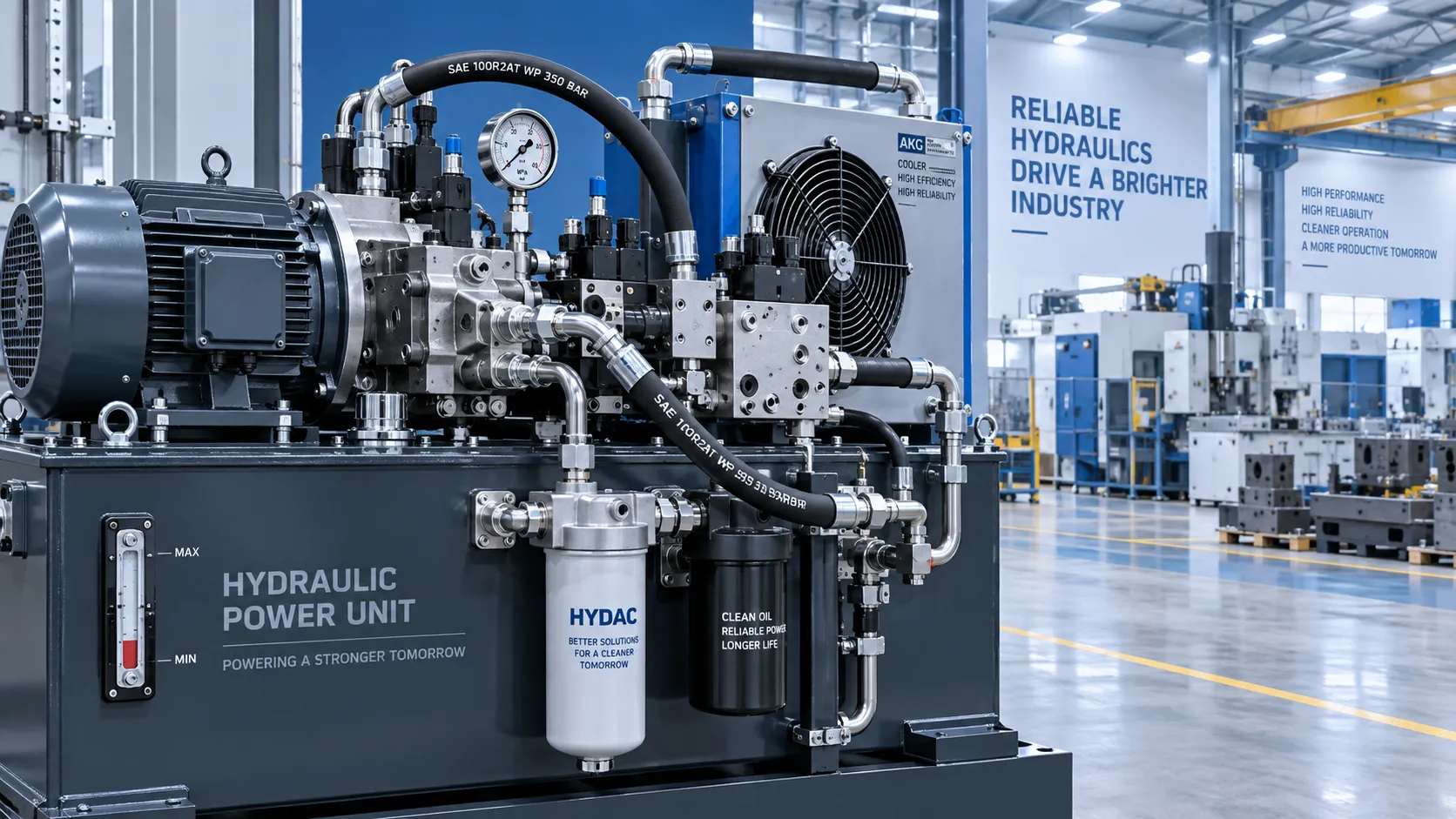
What Determines Industrial Hydraulic System Price for Heavy-Duty Equipment?
Industrial hydraulic system price depends on duty cycle, pressure, components, cooling, and integration. Compare quotes intelligently to secure reliable heavy-duty performance.
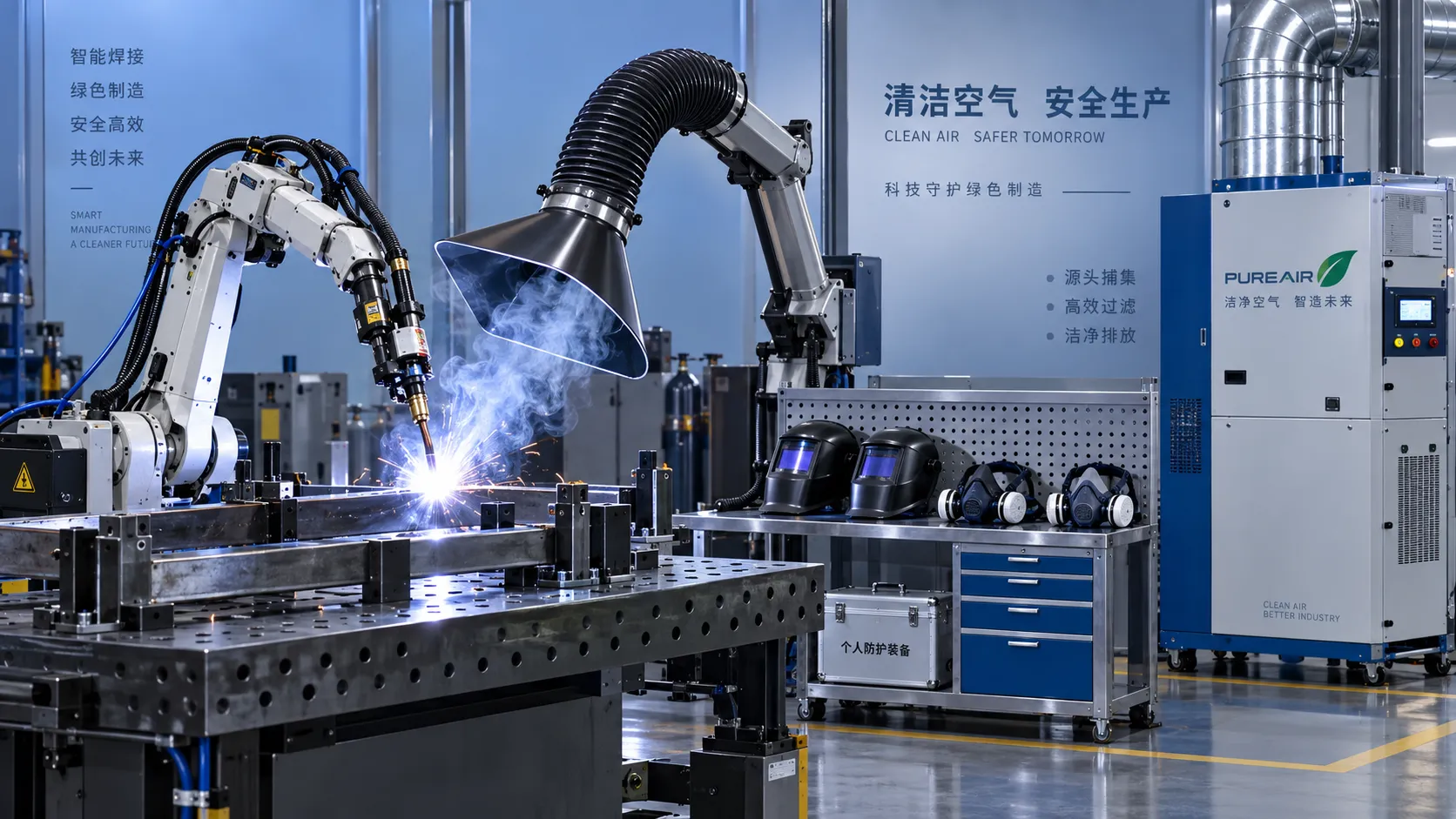
Welding Fume Extraction PPE: When Respirators Are Not Enough for Shop Safety
Welding fume extraction PPE: learn why respirators alone fall short and how source capture, ventilation, and layered controls improve shop safety.
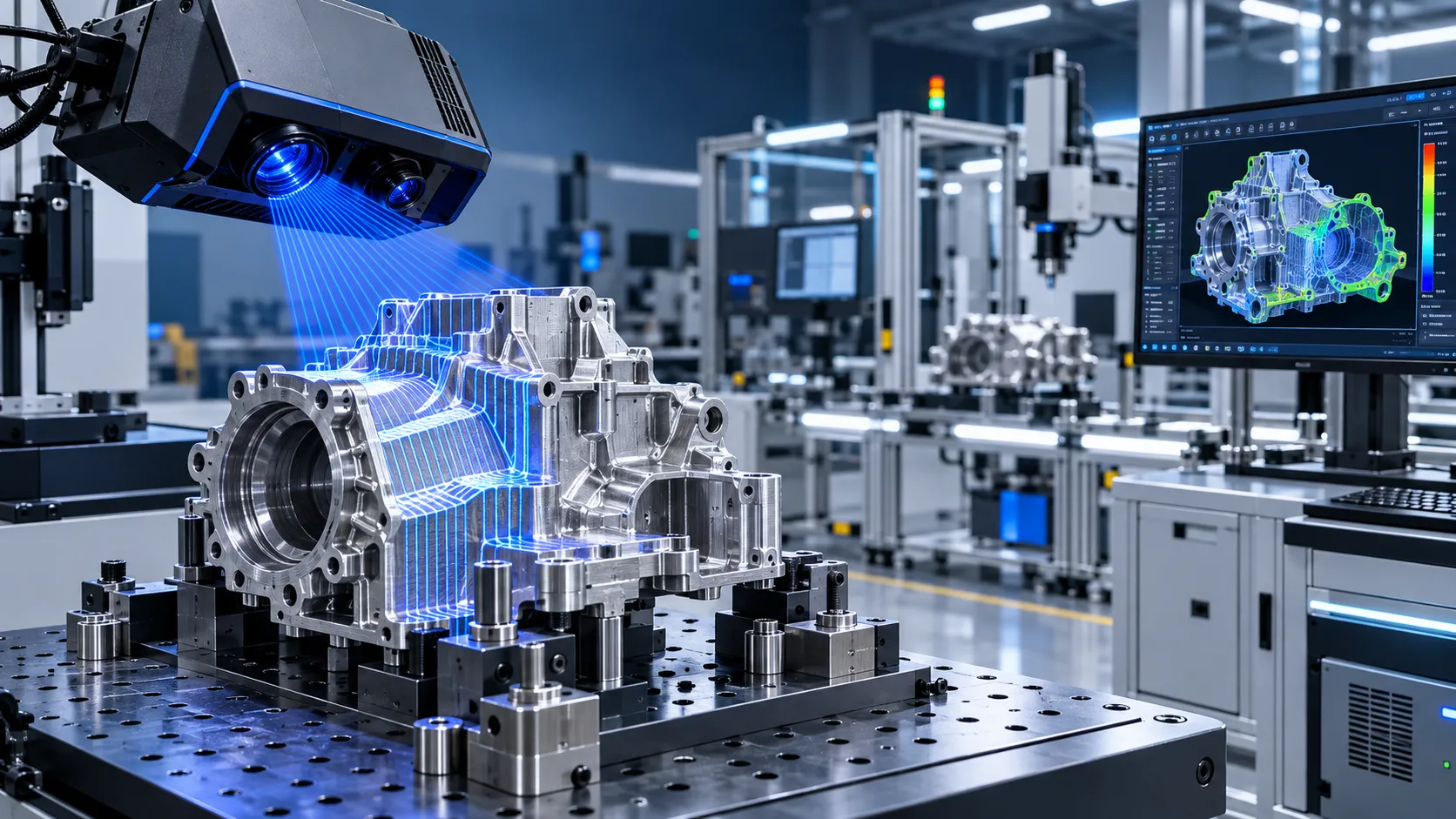
How to Select Optical Metrology Solutions for Tight-Tolerance Manufacturing
Optical industrial metrology solutions for tight-tolerance manufacturing: evaluate accuracy, surface compatibility, workflow, and traceability to select with confidence.
Related News
- 00
0000-00
Selecting Adjustable Torque Tools for Repeatable Fastener Assembly - 00
0000-00
How to Select Aerospace Inspection Tools for Aircraft Maintenance Tasks - 00
0000-00
How to Select Wire Bonding Tools for Fine-Pitch Semiconductor Packaging - 00
0000-00
Industrial Equipment Application Guidance: Match Machines to Operating Conditions - 00
0000-00
Selecting High-Speed Brushless Tool Motors for Torque, Heat, and Duty Cycle
Prof. Marcus Chen
Weekly Insights
Stay ahead with our curated technology reports delivered every Monday.