
Smart Manufacturing for Metal Fabrication: Where to Start and Which Processes to Automate First





Smart Manufacturing for Metal Fabrication: Where to Start and Which Processes to Automate First
Smart manufacturing can reshape metal fabrication faster than many teams expect.
Still, the first move is often the hardest.
Many companies know automation matters, yet struggle to decide where smart manufacturing should begin.
That hesitation is understandable.
Metal fabrication includes many linked operations, and not every process deserves automation at the same time.
A better approach is to start with bottlenecks, quality risks, and repetitive tasks.
In practice, smart manufacturing works best when it solves a clear business problem first.
That may mean unstable weld quality, high scrap, labor shortages, delayed inspection, or poor production visibility.
Why Smart Manufacturing in Metal Fabrication Starts with Process Visibility
Before buying robots or software, map the current production flow.
This step sounds basic, but it is where many smart manufacturing programs succeed or fail.
Look at order release, nesting, cutting, bending, welding, inspection, rework, packing, and internal logistics.
Then ask a simple question.
Where does time disappear, quality drift, or cost rise without warning?
Smart manufacturing depends on data, but useful data starts on the shop floor.
From recent industry shifts, a stronger signal is clear.
Companies gain more from targeted automation than from broad, expensive transformation plans.
A strong starting audit should measure:
- Cycle time by process and shift
- Scrap and rework rates by product family
- Machine downtime causes
- Labor intensity and skill dependency
- Inspection delays and traceability gaps
- Material movement frequency and waiting time
This baseline helps prioritize smart manufacturing investments with a faster and more measurable return.
Which Metal Fabrication Processes to Automate First
The best early targets usually share three traits.
They are repetitive, sensitive to variation, and closely tied to throughput.
In most metal fabrication plants, four areas stand out.
1. Cutting and Nesting
Cutting is often the first logical step in smart manufacturing.
Laser, plasma, or waterjet operations already generate useful machine data.
When connected with nesting software and production planning, this process becomes easier to optimize.
Automation here can reduce scrap, improve sheet utilization, and shorten setup time.
It also creates a cleaner digital starting point for downstream smart manufacturing decisions.
2. Welding Operations
Welding is one of the highest-impact areas for smart manufacturing.
It directly affects quality, safety, throughput, and labor availability.
Manual welding remains essential for complex work, but repetitive welds are ideal for automation.
Robotic welding cells, handheld laser welding controls, and parameter monitoring improve consistency.
More importantly, connected welding systems support traceability.
That matters when customers demand proof of process stability and repeatable quality.
3. Inspection and Measurement
Inspection is often overlooked in early smart manufacturing plans.
That is a mistake.
If quality data arrives too late, defects flow through the plant and become expensive rework.
Digital calipers, vision systems, in-process sensors, and connected metrology platforms change that pattern.
They move quality control closer to the source.
For smart manufacturing, faster feedback is often more valuable than more reports.
4. Material Handling and Internal Logistics
A surprising amount of lost productivity happens between machines.
Parts wait for transport, get misplaced, or arrive in the wrong sequence.
Smart manufacturing should address these invisible losses.
Barcode tracking, automated storage, AGVs, and digital work routing can improve flow quickly.
This also supports better scheduling accuracy across the full metal fabrication line.
How to Choose the First Smart Manufacturing Project
Not every automation opportunity should become the first project.
The right pilot is visible, manageable, and tied to a business outcome.
In real operations, good first projects usually have limited process complexity.
They also affect common products, not rare custom jobs.
Use these filters when selecting a pilot:
- High volume or repeatable demand
- Measurable pain in labor, quality, or lead time
- Stable part design and process steps
- Available baseline data for comparison
- Clear ownership from operations and engineering
This is where smart manufacturing becomes practical rather than theoretical.
A focused pilot builds internal confidence.
It also reveals integration issues before larger investments begin.
Common Mistakes That Slow Smart Manufacturing Results
The biggest mistake is treating smart manufacturing as a technology purchase only.
Machines matter, but process design matters more.
Another common issue is automating unstable processes.
If the manual method is inconsistent, automation may simply repeat that inconsistency faster.
Some companies also overbuild their first system.
They try to connect every machine, dashboard, and ERP function at once.
That usually delays value and frustrates the production team.
Watch for these risks:
- Weak change management on the shop floor
- Poor data quality from disconnected equipment
- Unclear ROI assumptions
- No plan for operator training
- Limited cybersecurity controls for connected assets
The better path is to scale smart manufacturing in stages, with feedback after each stage.
A Practical Roadmap for Smart Manufacturing Adoption
A useful roadmap does not need to be complicated.
It needs to be realistic, sequenced, and tied to operational metrics.
For many metal fabrication businesses, the following model works well.
Phase 1: Stabilize and Measure
Document standard work.
Add basic data capture.
Clean up the process before major automation begins.
Phase 2: Automate One High-Impact Cell
Choose cutting, welding, inspection, or handling based on real constraints.
Track productivity, defect rate, uptime, and labor use.
Phase 3: Connect Adjacent Processes
Integrate scheduling, quality data, and material movement around the pilot area.
This is where smart manufacturing starts improving flow, not just one machine.
Phase 4: Scale with Governance
Standardize data rules, maintenance routines, operator training, and cybersecurity practices.
At this point, smart manufacturing becomes repeatable across product lines and sites.
What Success Looks Like After Early Automation
Early success is not about having the most advanced factory.
It is about better control.
Smart manufacturing should make output more predictable and decisions faster.
In metal fabrication, that often shows up as shorter lead times, fewer defects, and less unplanned downtime.
It may also improve quoting accuracy and customer confidence.
Those outcomes matter more than the label of automation itself.
For organizations following industrial intelligence closely, this is the larger lesson.
Smart manufacturing is most effective when precision, data, and process discipline move together.
That is especially true in welding, assembly, and metrology-driven environments.
A portal such as GPTWM reflects this shift clearly.
The market no longer rewards isolated equipment decisions.
It rewards connected thinking across tooling, measurement, process control, and commercial timing.
Where to Begin Now
If the goal is to start smart manufacturing without wasting capital, begin with one line, one pain point, and one measurable target.
Map the workflow.
Choose the process that combines repetition, delay, and quality exposure.
For many operations, that will be cutting, welding, inspection, or material handling.
Then launch a pilot with clear ownership and a short review cycle.
That approach keeps smart manufacturing grounded in operational value.
It also creates a scalable foundation for broader digital factory progress.
In other words, start where precision and business impact meet first, then scale with confidence.
Related News
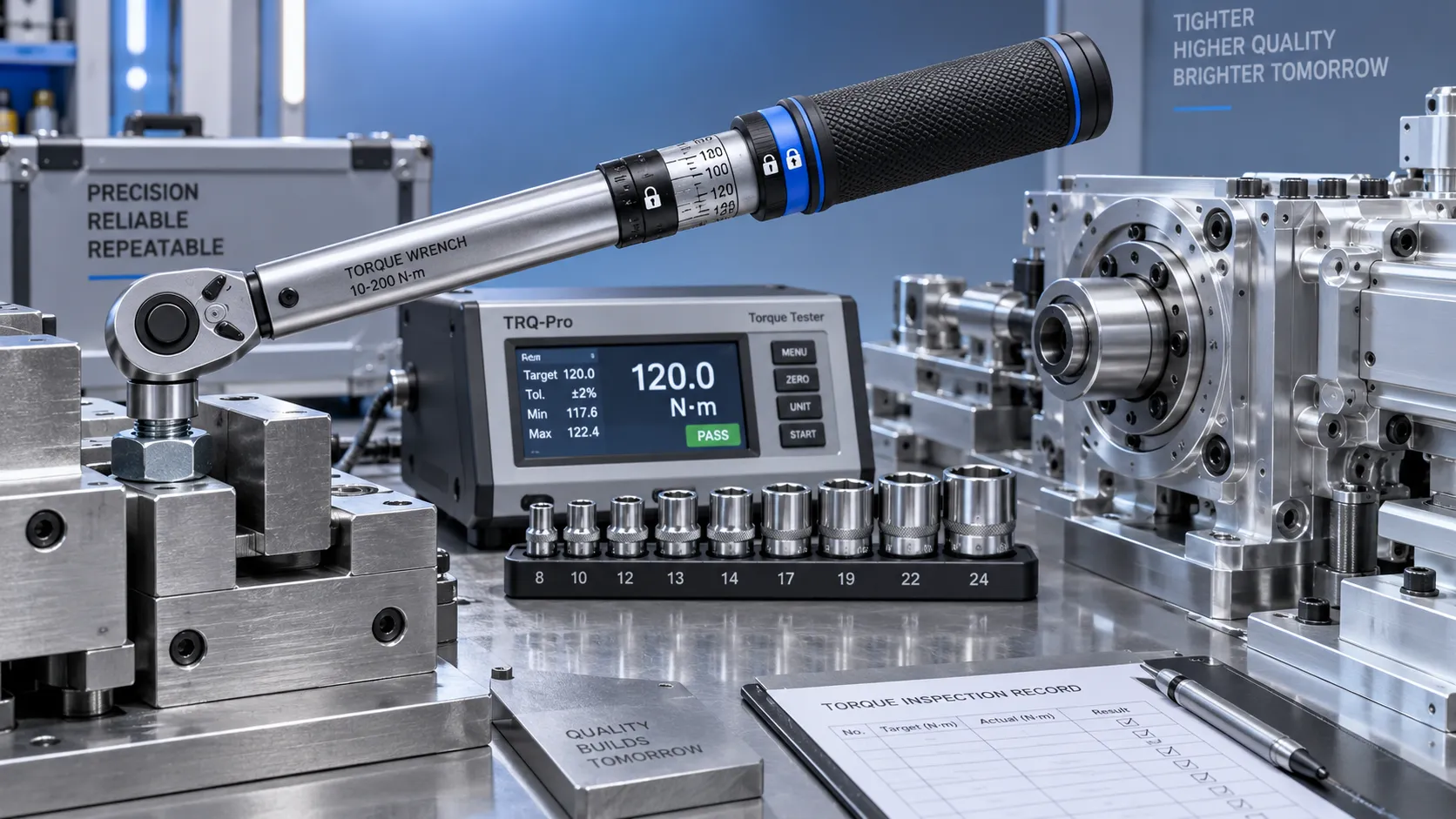
Selecting Adjustable Torque Tools for Repeatable Fastener Assembly
Adjustable torque tools: learn how to match range, accuracy, control methods, calibration, and ergonomics for repeatable, reliable fastener assembly.

How to Select Aerospace Inspection Tools for Aircraft Maintenance Tasks
Aerospace maintenance inspection tools: learn how to select reliable, traceable equipment for aircraft access, accuracy, calibration, and compliant maintenance decisions.
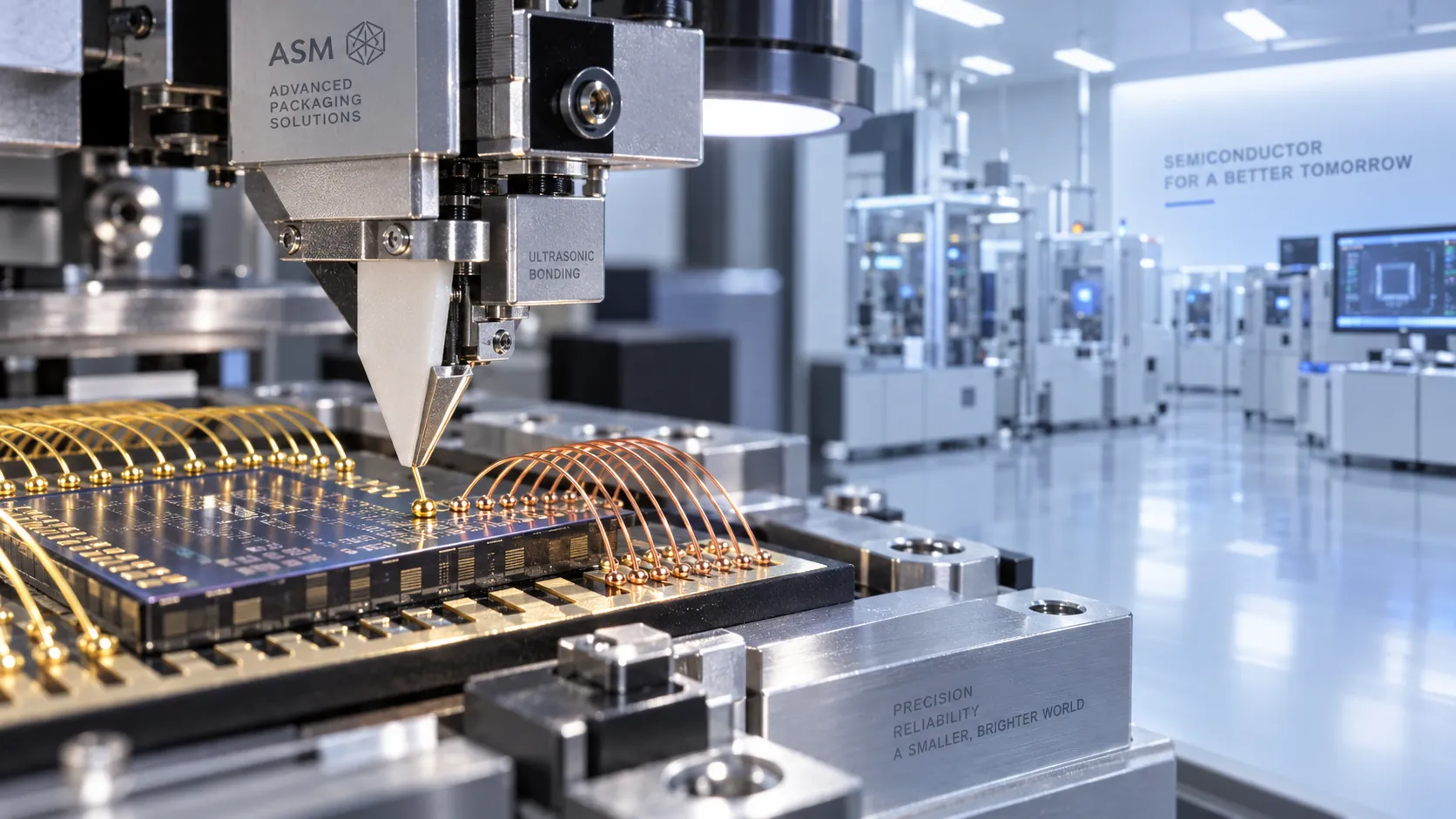
How to Select Wire Bonding Tools for Fine-Pitch Semiconductor Packaging
Explore semiconductor manufacturing tools for wire bonding and learn how to select precision solutions for fine-pitch packaging, reliable loops, accuracy, and yield.
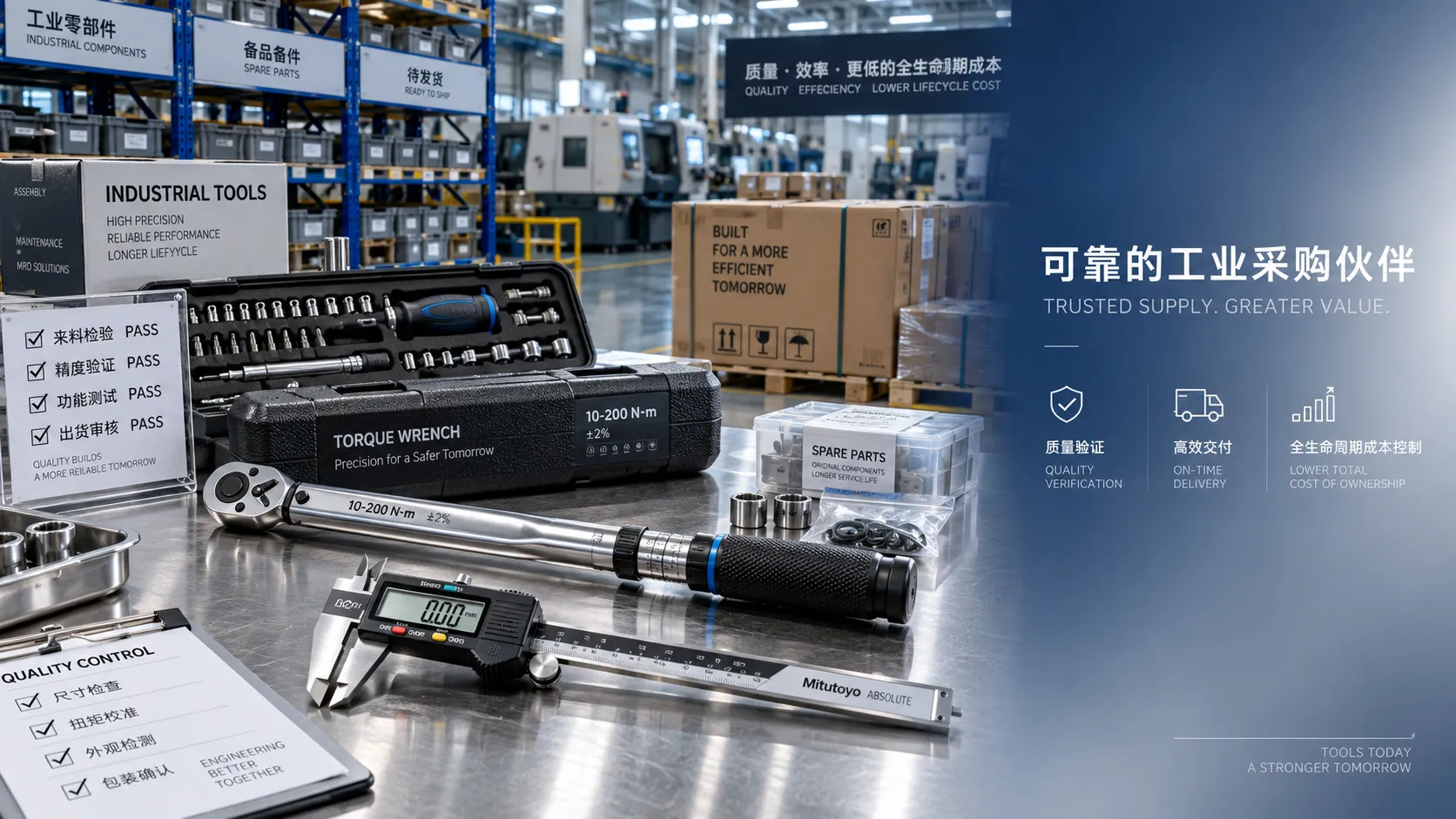
How to Compare Industrial Tool Suppliers for Quality, Lead Time, and Total Cost
Industrial tool selection supplier comparison made simple: evaluate quality, lead times, total cost, service, and supply resilience for confident sourcing decisions.
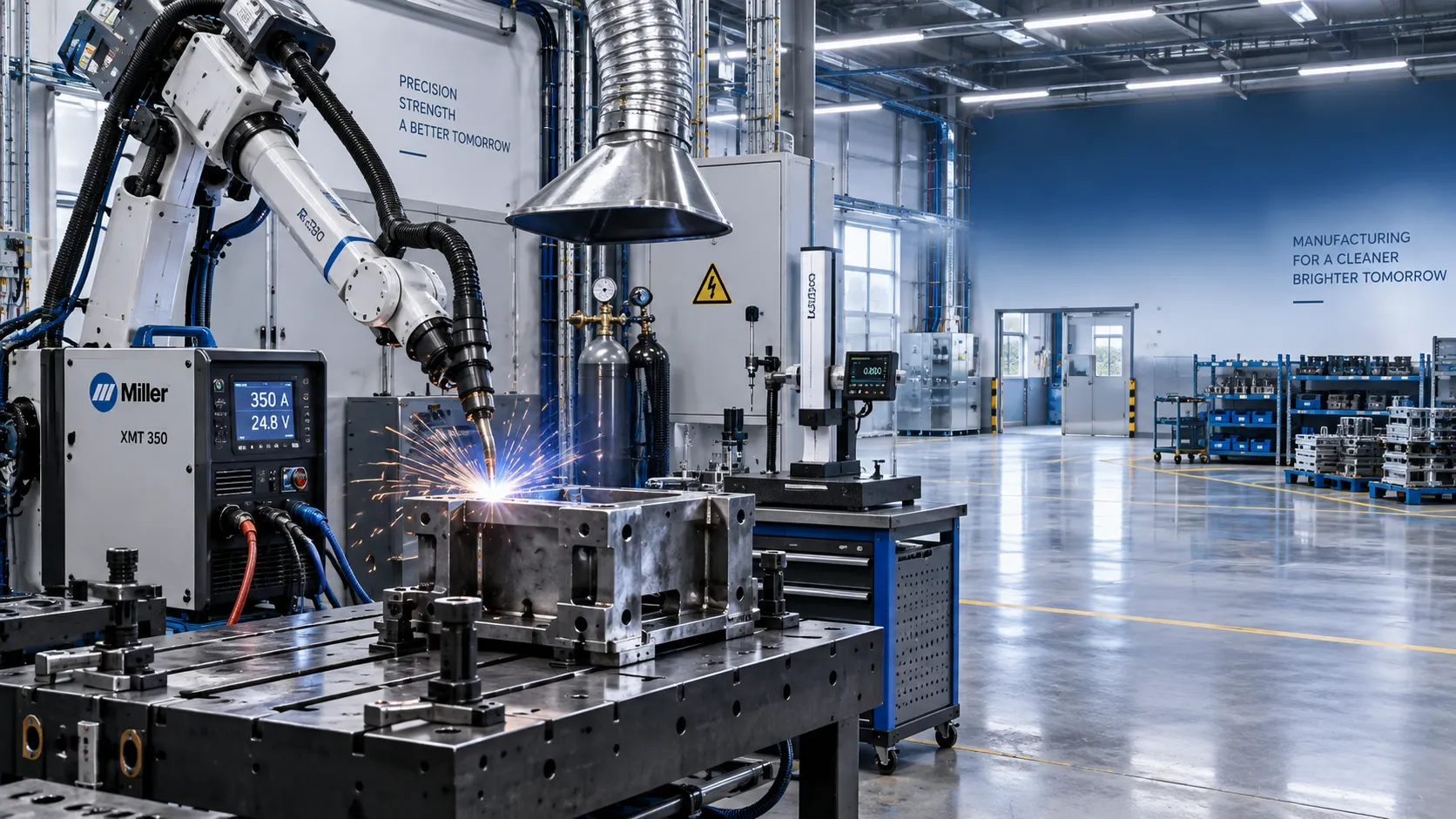
Industrial Equipment Application Guidance: Match Machines to Operating Conditions
Application guidance industrial equipment: match capacity, duty cycle, materials, site conditions, safety, and lifecycle cost to improve reliable output. Read the guide.
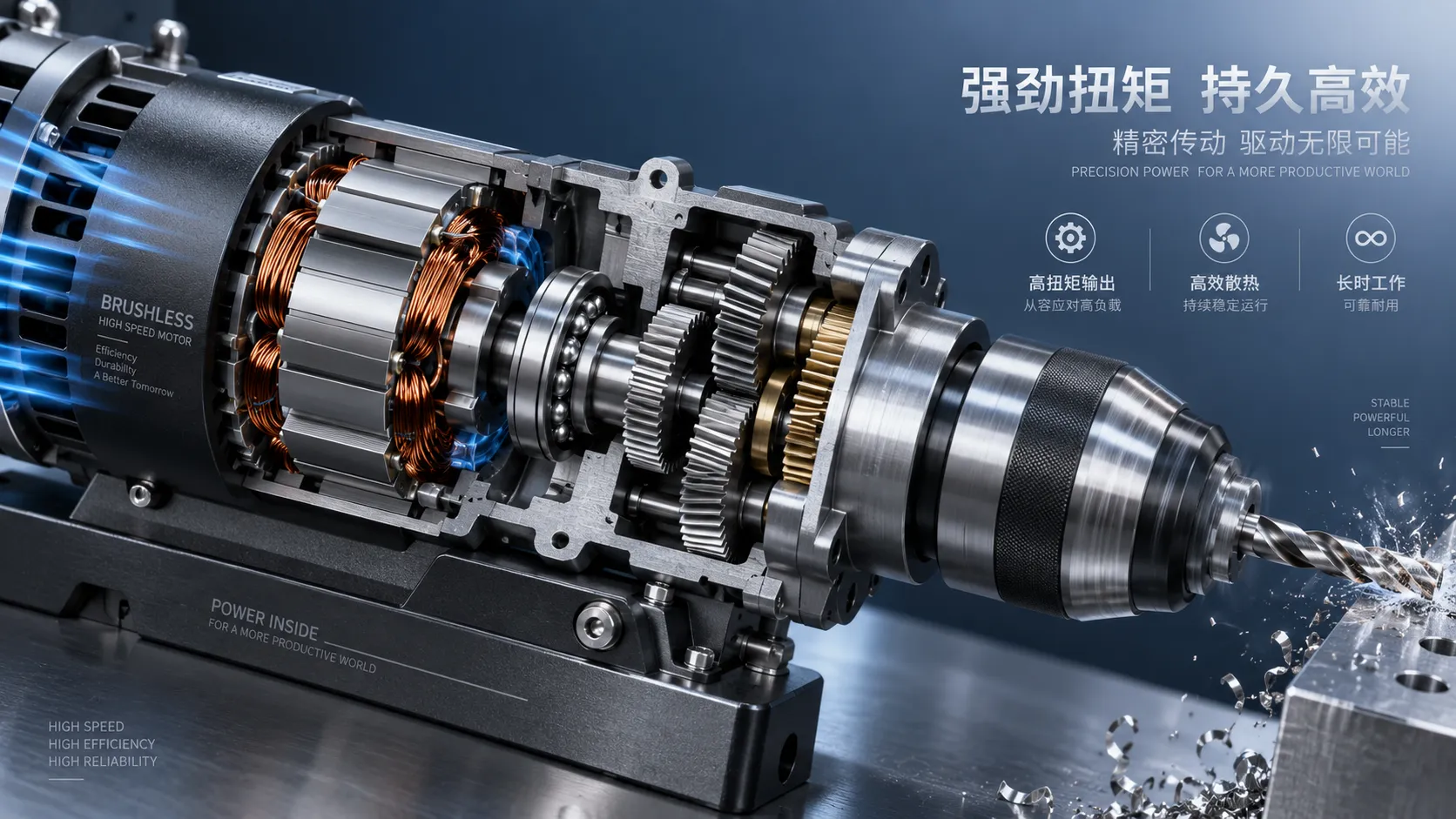
Selecting High-Speed Brushless Tool Motors for Torque, Heat, and Duty Cycle
High speed brushless tool motors: learn how to balance torque, heat, gearing, and duty cycle for reliable industrial tool performance and longer service life.
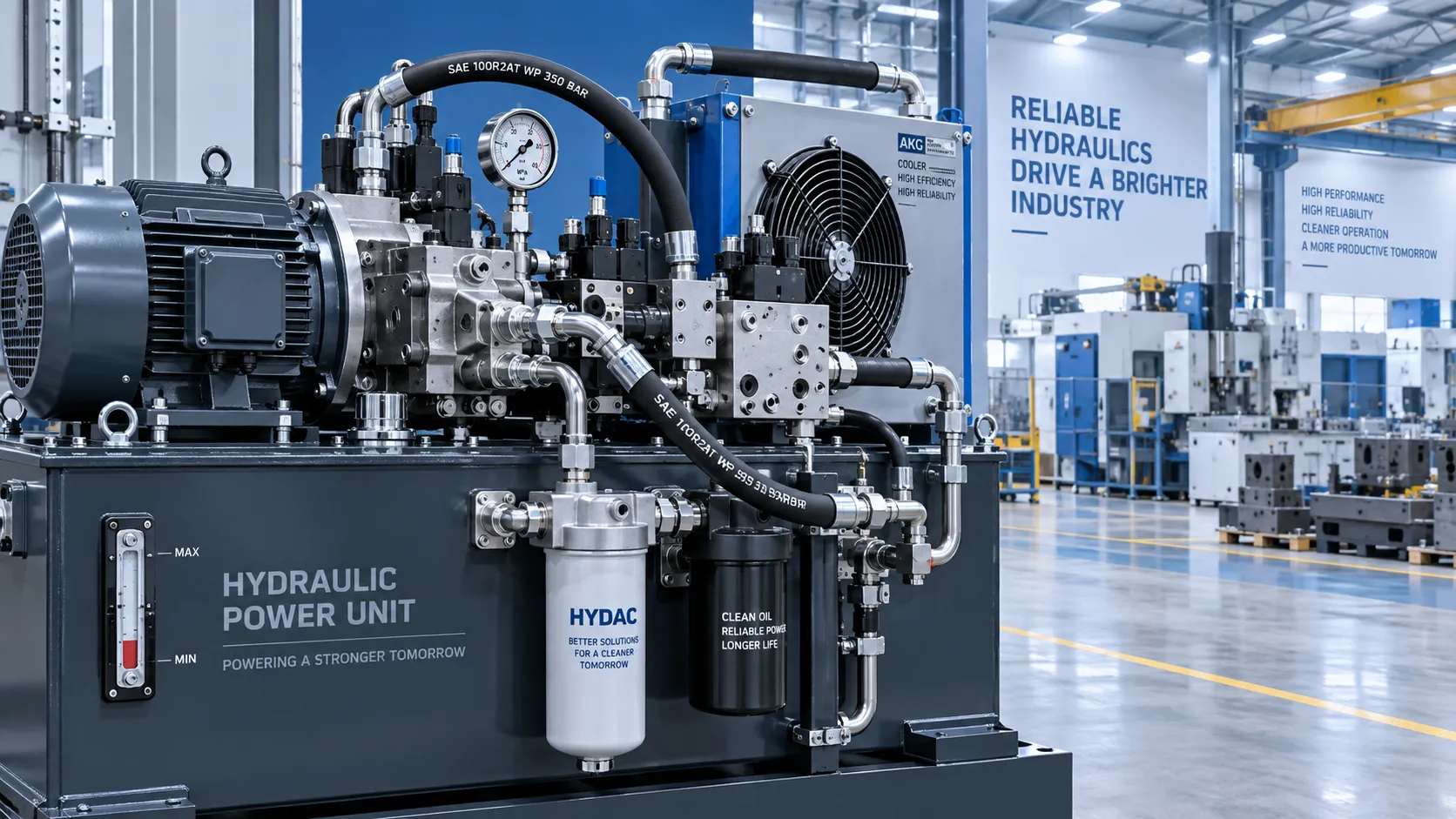
What Determines Industrial Hydraulic System Price for Heavy-Duty Equipment?
Industrial hydraulic system price depends on duty cycle, pressure, components, cooling, and integration. Compare quotes intelligently to secure reliable heavy-duty performance.
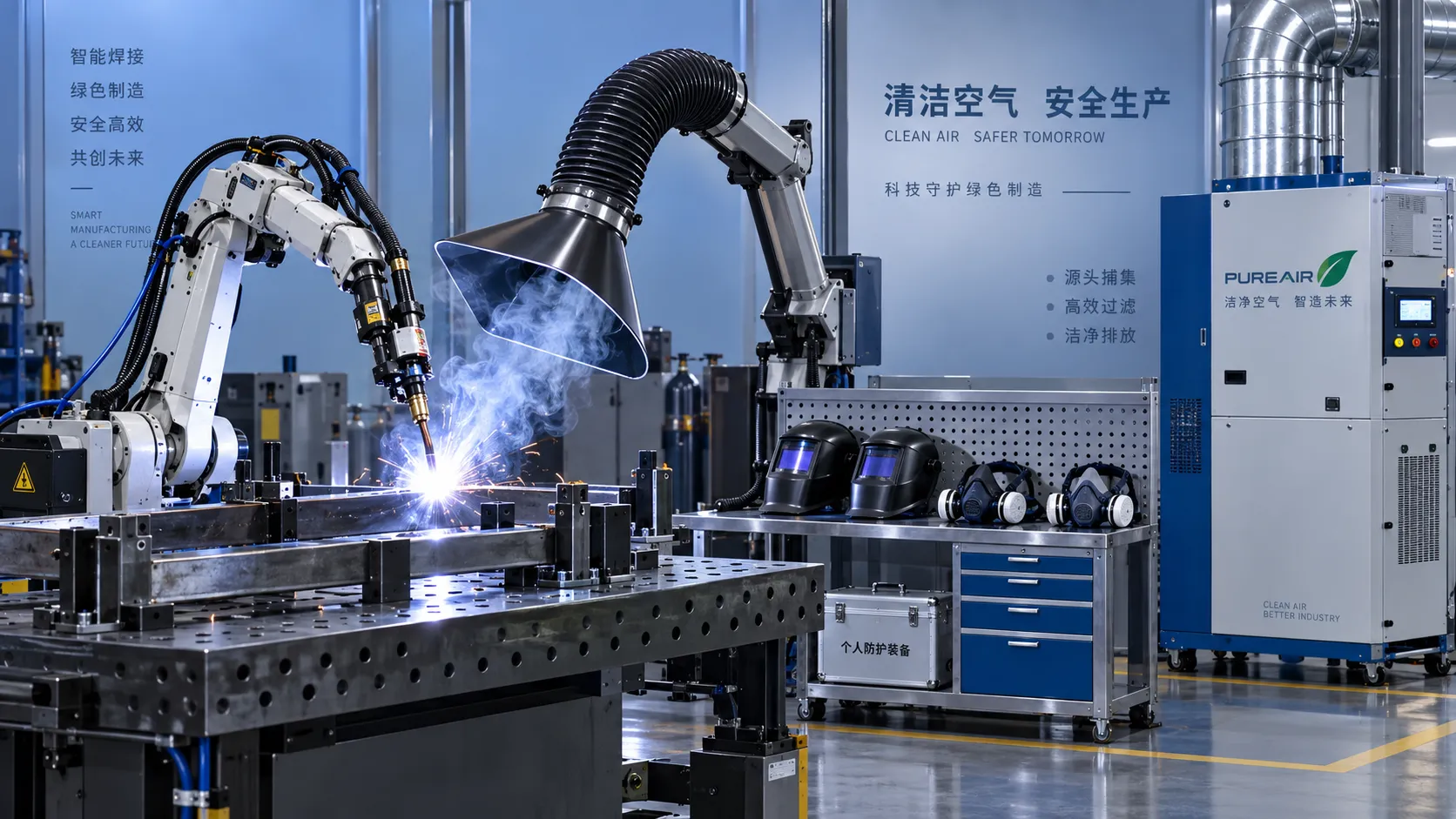
Welding Fume Extraction PPE: When Respirators Are Not Enough for Shop Safety
Welding fume extraction PPE: learn why respirators alone fall short and how source capture, ventilation, and layered controls improve shop safety.
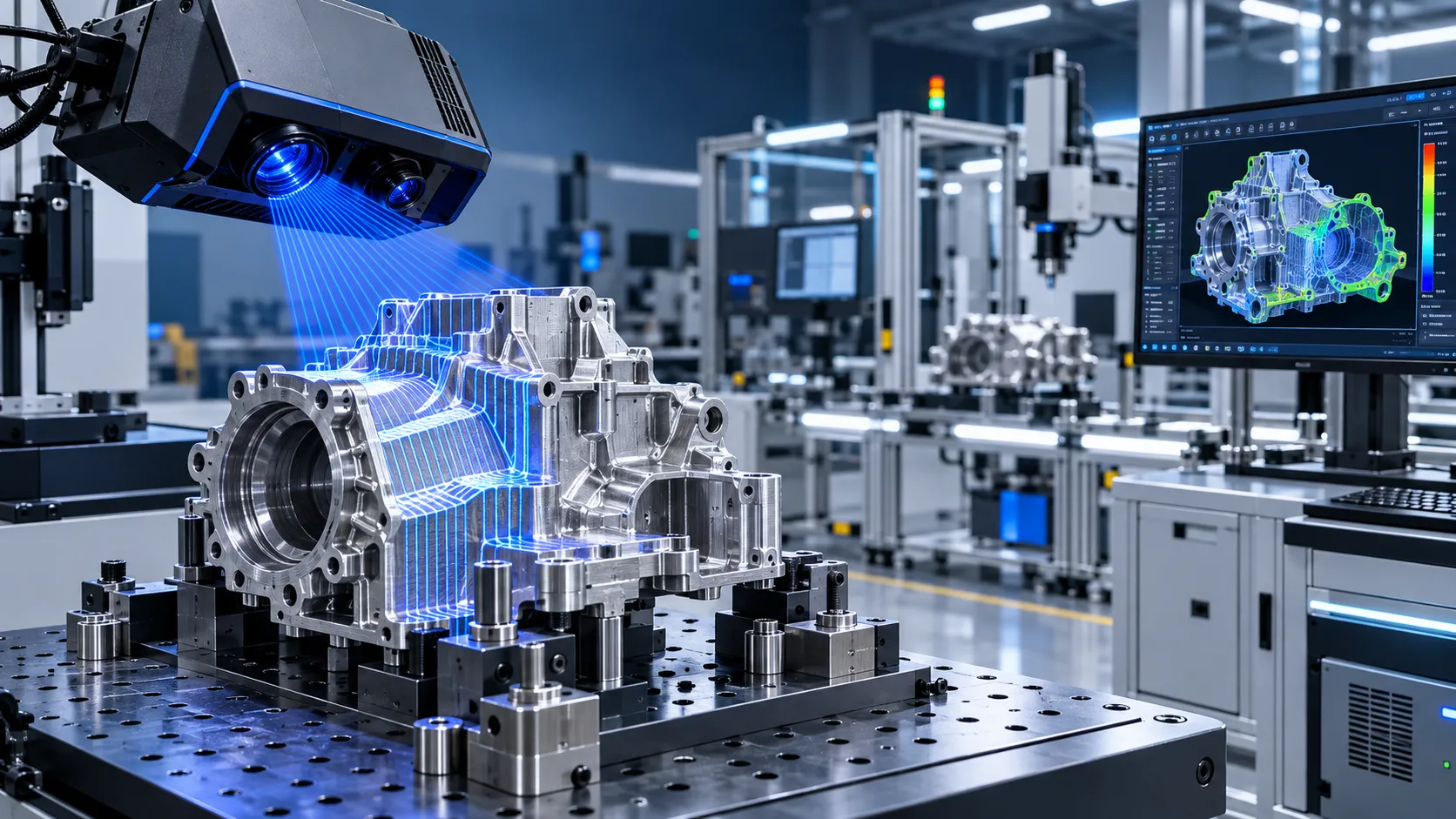
How to Select Optical Metrology Solutions for Tight-Tolerance Manufacturing
Optical industrial metrology solutions for tight-tolerance manufacturing: evaluate accuracy, surface compatibility, workflow, and traceability to select with confidence.
Related News
- 00
0000-00
Selecting Adjustable Torque Tools for Repeatable Fastener Assembly - 00
0000-00
How to Select Aerospace Inspection Tools for Aircraft Maintenance Tasks - 00
0000-00
How to Select Wire Bonding Tools for Fine-Pitch Semiconductor Packaging - 00
0000-00
Industrial Equipment Application Guidance: Match Machines to Operating Conditions - 00
0000-00
Selecting High-Speed Brushless Tool Motors for Torque, Heat, and Duty Cycle
Prof. Marcus Chen
Weekly Insights
Stay ahead with our curated technology reports delivered every Monday.