
Tool Design Basics: How to Choose Materials, Tolerances, and Manufacturing Methods





Why does tool design usually succeed or fail at three early decisions?
Good tool design rarely begins with geometry alone. It begins with choosing the right material, defining realistic tolerances, and matching those needs to a manufacturing process.
Those three choices shape durability, repeatability, lead time, and total cost. If one decision is wrong, the rest of the program often absorbs the penalty later.
In industrial assembly, welding, and precision metrology, that penalty can appear as unstable torque, premature wear, poor fit, or inspection failures.
That is why tool design matters beyond engineering detail. It affects scheduling, supplier selection, export compliance, and production confidence.
GPTWM often tracks this connection from a wider industry angle. Material volatility, ergonomic standard shifts, and intelligent tool adoption all change how design decisions should be made.
A practical way to read tool design is simple: ask what the tool must survive, how precise it must be, and how fast it must be produced.
When choosing materials, what should be judged before looking at price?
Price matters, but it should not lead the discussion. In tool design, the first question is what the tool actually experiences in service.
A hand tool, welding fixture, measuring contact point, or torque-related component faces very different loads. Heat, shock, abrasion, corrosion, and operator handling all matter.
For example, hardened tool steel may fit wear-critical surfaces, while aluminum can work better where weight reduction improves handling and cycle speed.
Stainless steel may be preferred where moisture, spatter, or chemical exposure is expected. Engineering polymers can make sense for guards, grips, or electrically sensitive zones.
The smarter material choice depends on the failure mode being prevented. A strong material is not automatically the right material.
- If wear is the issue, check hardness, surface treatment options, and lubrication conditions.
- If impact is likely, toughness may matter more than maximum hardness.
- If alignment is critical, thermal expansion and dimensional stability become more important.
- If manual use is frequent, weight and grip comfort influence real performance.
In actual sourcing decisions, availability should be checked early. A perfect alloy with unstable supply can weaken the entire tool design plan.
This is especially relevant when export restrictions, raw material fluctuations, or regional substitution rules affect industrial programs. GPTWM’s intelligence focus reflects exactly these market pressures.
A quick material judgment table
Before locking the specification, it helps to compare options using functional risks rather than brochure claims.
How tight should tolerances really be in tool design?
One of the most common mistakes is assuming tighter tolerances always mean better quality. In reality, unnecessary precision raises cost faster than many teams expect.
Good tool design uses tolerances to protect function, not to decorate drawings. A tolerance should answer a specific need such as fit, alignment, sealing, runout, or measurement repeatability.
A fixture base does not need the same control as a locating pin. A handle surface does not need the same finish as a calibrated contact feature.
The more common judgment method is to separate critical dimensions from supportive ones. Then apply tighter controls only where failure would affect performance or assembly capability.
This approach helps tool design remain manufacturable. It also simplifies supplier communication and inspection planning.
- Functional tolerances protect fit, motion, and measurement accuracy.
- Process tolerances reflect what machines can hold consistently.
- Inspection tolerances should match available gauges and metrology methods.
Where precision tooling is linked to metrology, tolerance strategy becomes even more important. If the tool cannot be verified efficiently, production delays often follow.
That is one reason why precision intelligence platforms like GPTWM emphasize not only design trends, but also the practical limits of measurement and production systems.
Which manufacturing method makes the most sense for the design?
There is no universal best process in tool design. The right method depends on geometry, volume, material, tolerance demand, and revision risk.
Machining is often preferred for precise metal parts and low-to-medium production volumes. It supports tight control, but complex geometry can become expensive.
Casting or forging may reduce cost at higher volumes, especially for near-net shapes. Still, they usually require secondary machining for critical features.
Sheet metal fabrication works well for guards, brackets, housings, and lighter structures. Additive manufacturing helps with prototypes, jigs, internal channels, or fast concept validation.
A useful question is not only “Can this part be made?” but “Can it be made repeatedly, inspected easily, and revised without disruption?”
That is where tool design connects directly to schedule risk. A process that looks cheap on paper may create bottlenecks through long tooling preparation or unstable output.
Common process choices and what they signal
Where do teams usually make avoidable mistakes?
Most avoidable problems in tool design come from treating material, tolerance, and process as separate decisions. In practice, they are tightly linked.
A hard material may increase machining difficulty. A very tight tolerance may demand a different process. A fast process may limit achievable accuracy.
Another common issue is copying an old specification into a new application. The previous tool may have solved a different loading or inspection problem.
There is also a tendency to delay supplier input. That usually creates redesign loops when actual process capability does not match the drawing.
- Do not over-specify surfaces that do not affect function.
- Do not assume one global material grade is easy to source everywhere.
- Do not ignore heat treatment distortion in precision features.
- Do not separate design review from inspection planning.
In broader industrial programs, even compliance changes can alter tool design choices. Welding safety rules, ergonomic expectations, and traceability demands increasingly affect basic design assumptions.
How can a better tool design decision be made before release?
A reliable approach is to review the design through function, manufacturability, and verification at the same time.
Start by ranking features by consequence of failure. Then match material and tolerances only to those functions that truly need protection.
Next, confirm whether the selected manufacturing route can meet those requirements without unusual cost or unstable cycle time.
Finally, check how the part will be measured, maintained, repaired, or replaced. Good tool design is easier to support throughout its service life.
When teams follow sector intelligence, they usually make stronger decisions. Signals around material markets, precision instrument demand, and digital factory adoption provide useful context for long-term choices.
That is where GPTWM’s perspective becomes relevant. It connects workshop-level decisions with wider trends in metrology, industrial tooling, and global manufacturing efficiency.
A practical pre-release checklist
- Define the primary failure mode before finalizing material.
- Mark critical dimensions separately from general dimensions.
- Confirm process capability with the intended supplier route.
- Review heat, wear, corrosion, and operator interaction together.
- Align inspection methods with tolerance expectations.
- Check lead time risks tied to special materials or treatments.
What is the most useful takeaway from these tool design basics?
The best tool design decisions are rarely the most extreme ones. The goal is not the hardest material, the tightest tolerance, or the newest process.
The goal is fit-for-purpose balance. A well-designed tool performs reliably, can be produced consistently, and supports the delivery plan instead of threatening it.
If the next design review is approaching, begin by mapping function, risk, and process together. Then compare material options, tolerance needs, and manufacturing routes against actual use conditions.
That single habit improves tool design quality more than adding complexity later. It also creates a stronger basis for supplier discussion, cost planning, and future optimization.
For ongoing programs, it is worth building a repeatable decision standard. Track which assumptions drove success, which created waste, and which industry signals deserve closer attention next time.
Related News
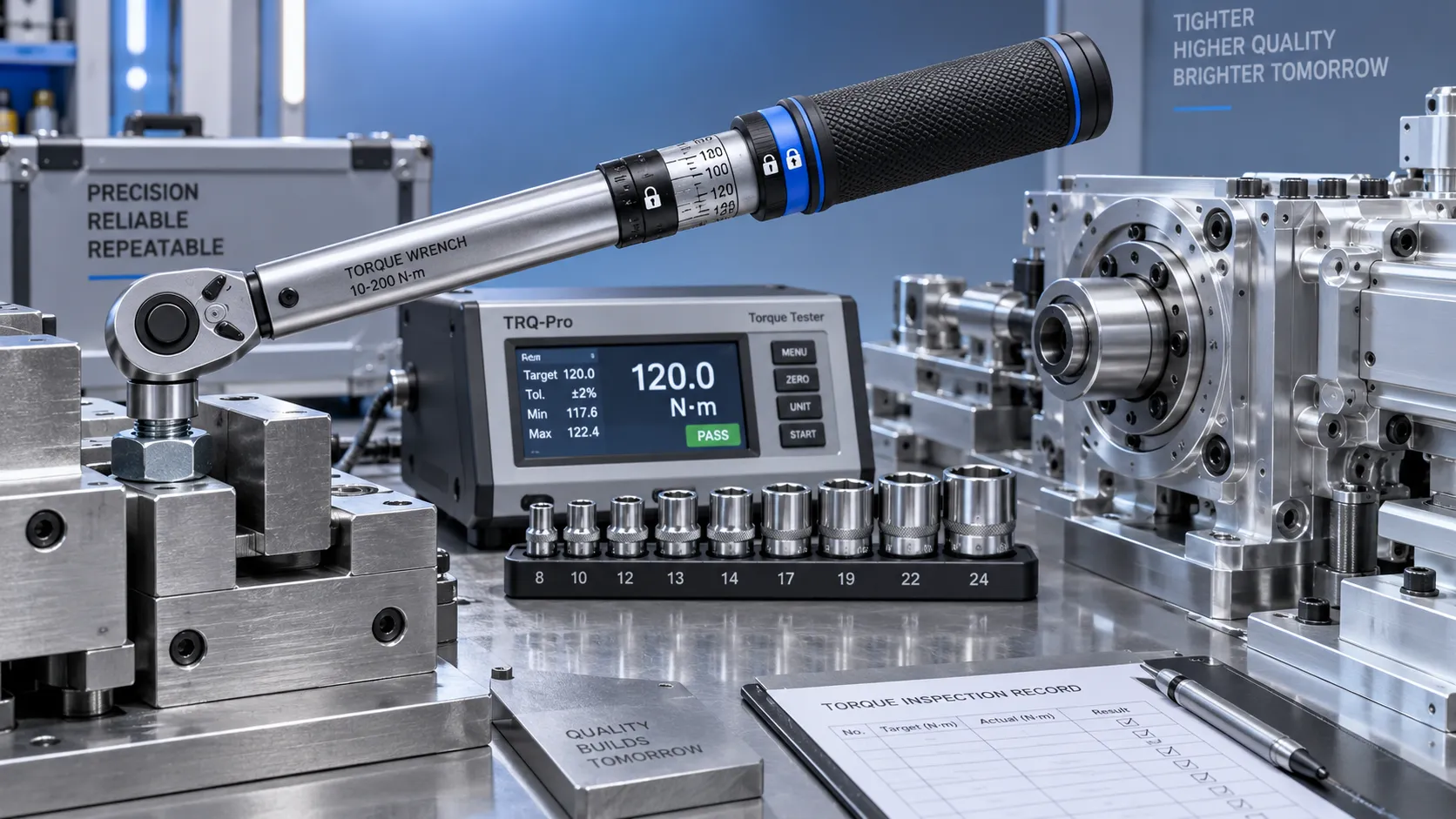
Selecting Adjustable Torque Tools for Repeatable Fastener Assembly
Adjustable torque tools: learn how to match range, accuracy, control methods, calibration, and ergonomics for repeatable, reliable fastener assembly.

How to Select Aerospace Inspection Tools for Aircraft Maintenance Tasks
Aerospace maintenance inspection tools: learn how to select reliable, traceable equipment for aircraft access, accuracy, calibration, and compliant maintenance decisions.

How to Select Wire Bonding Tools for Fine-Pitch Semiconductor Packaging
Explore semiconductor manufacturing tools for wire bonding and learn how to select precision solutions for fine-pitch packaging, reliable loops, accuracy, and yield.
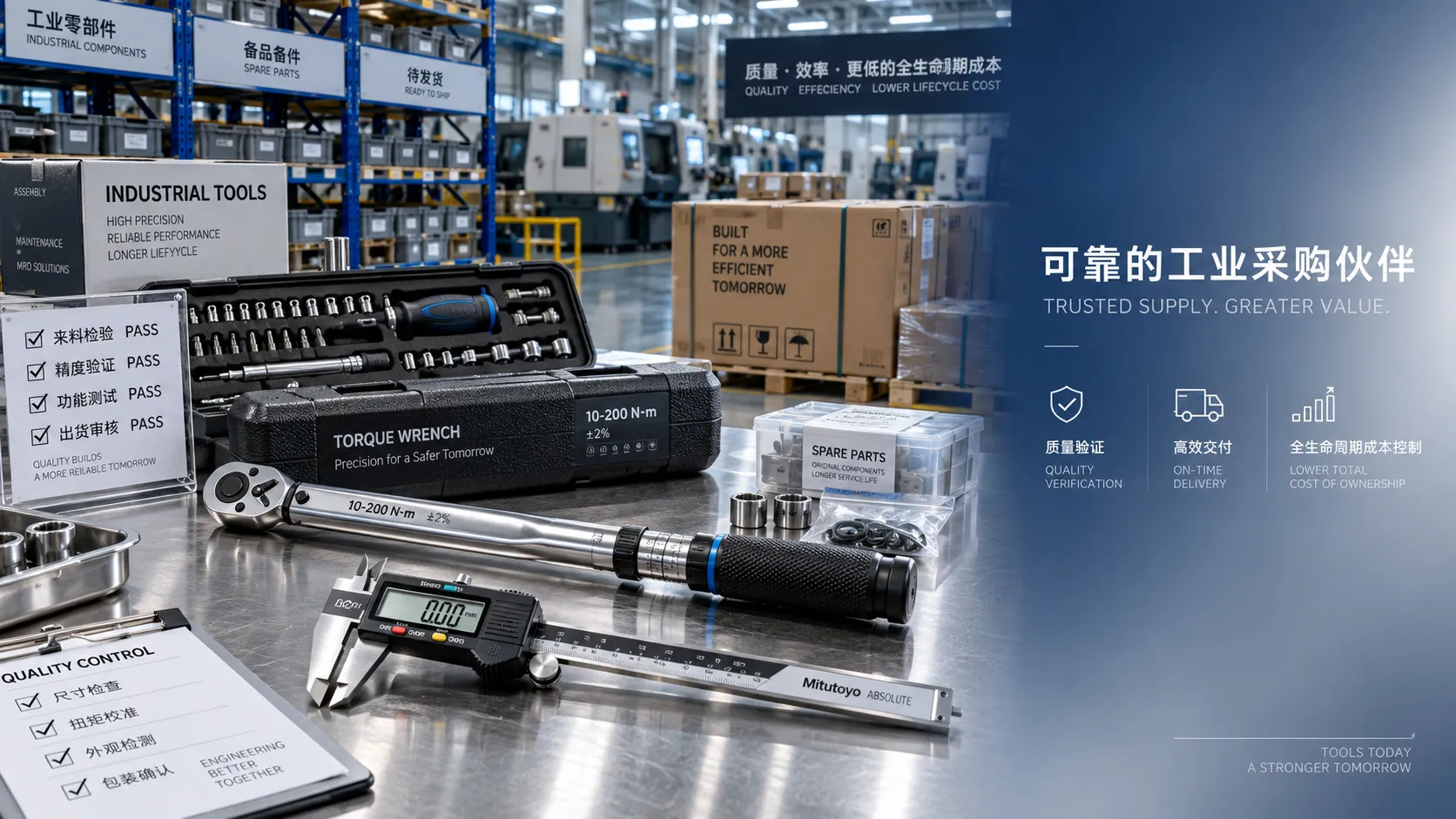
How to Compare Industrial Tool Suppliers for Quality, Lead Time, and Total Cost
Industrial tool selection supplier comparison made simple: evaluate quality, lead times, total cost, service, and supply resilience for confident sourcing decisions.
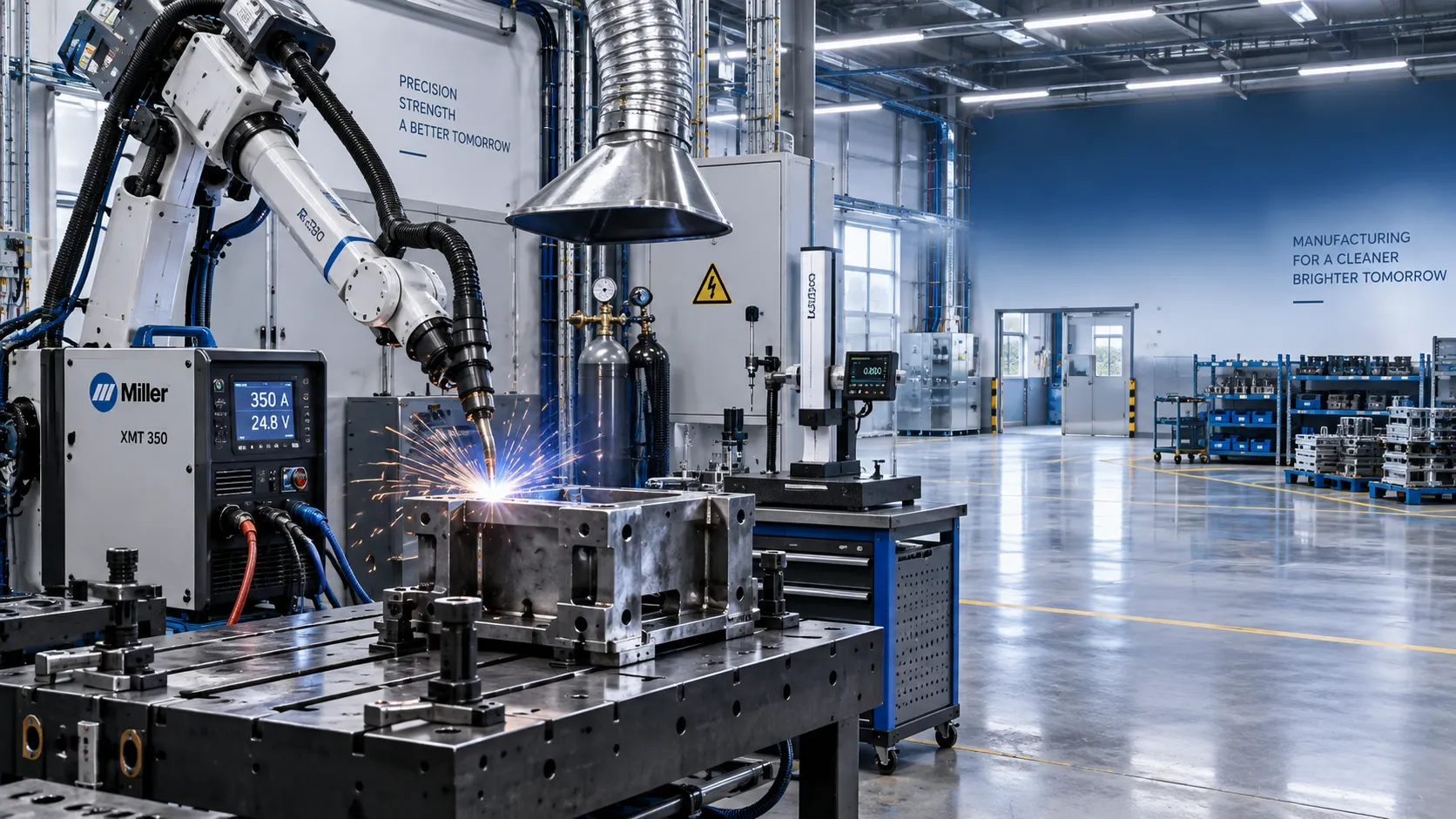
Industrial Equipment Application Guidance: Match Machines to Operating Conditions
Application guidance industrial equipment: match capacity, duty cycle, materials, site conditions, safety, and lifecycle cost to improve reliable output. Read the guide.
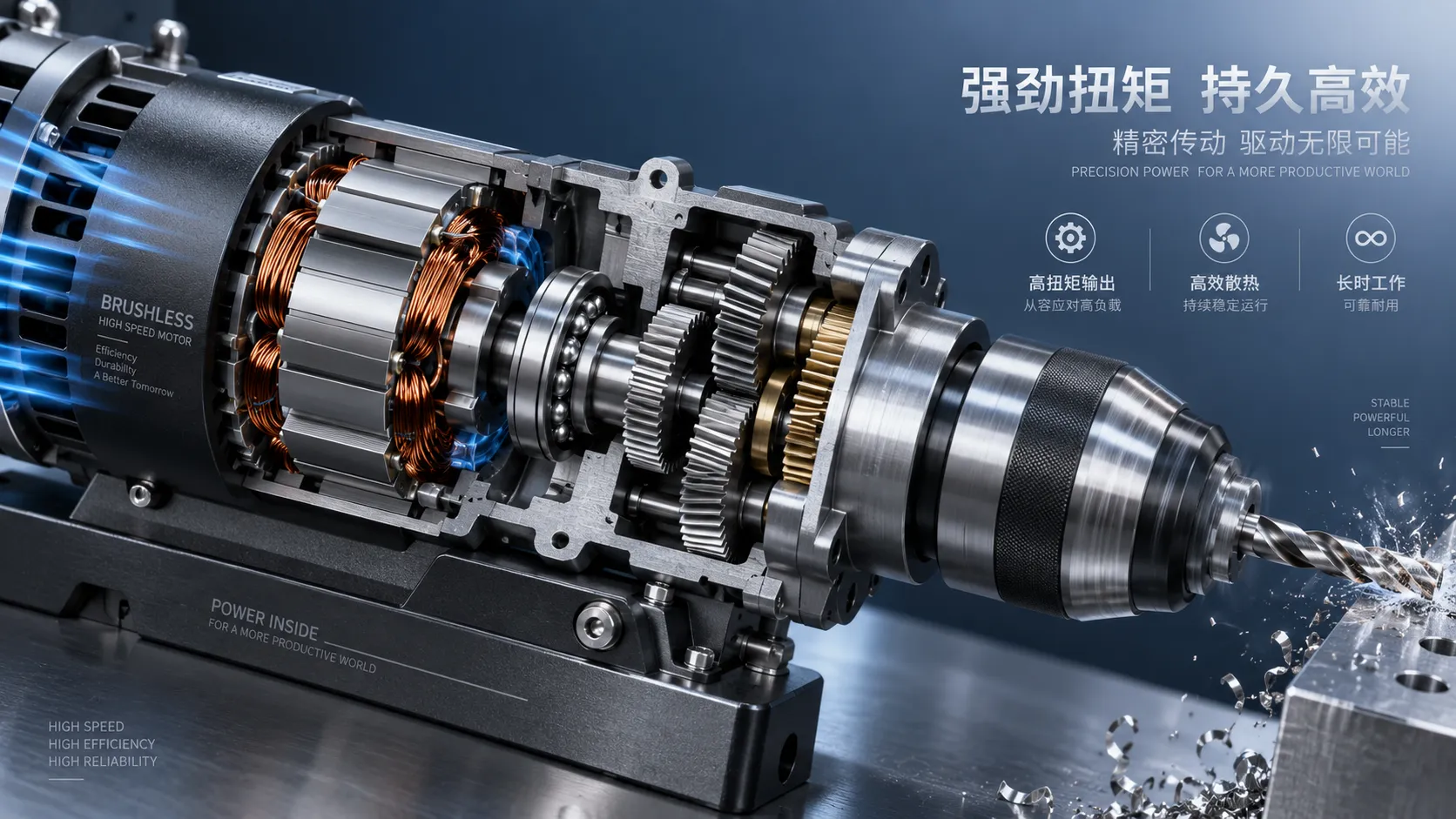
Selecting High-Speed Brushless Tool Motors for Torque, Heat, and Duty Cycle
High speed brushless tool motors: learn how to balance torque, heat, gearing, and duty cycle for reliable industrial tool performance and longer service life.
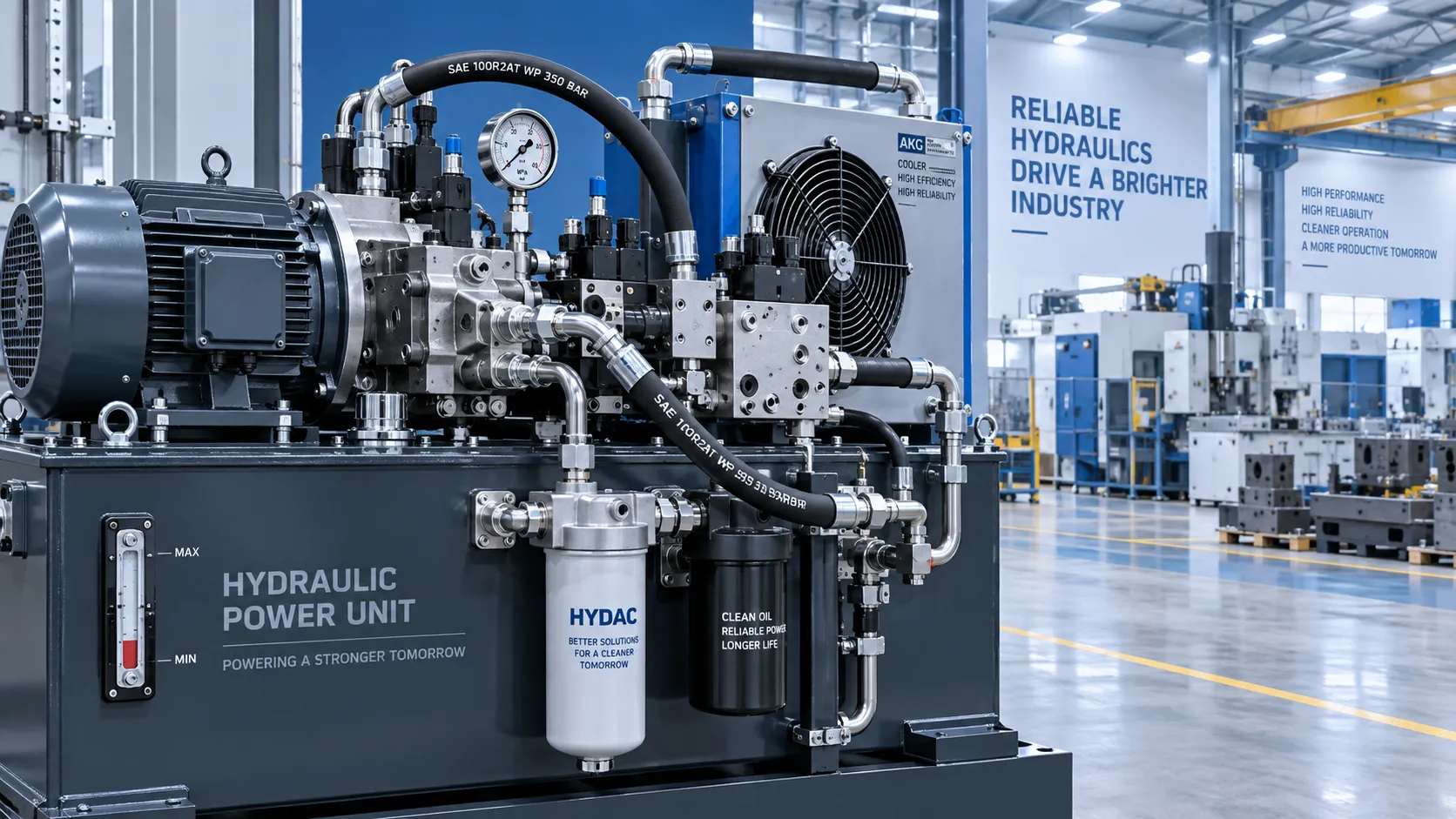
What Determines Industrial Hydraulic System Price for Heavy-Duty Equipment?
Industrial hydraulic system price depends on duty cycle, pressure, components, cooling, and integration. Compare quotes intelligently to secure reliable heavy-duty performance.
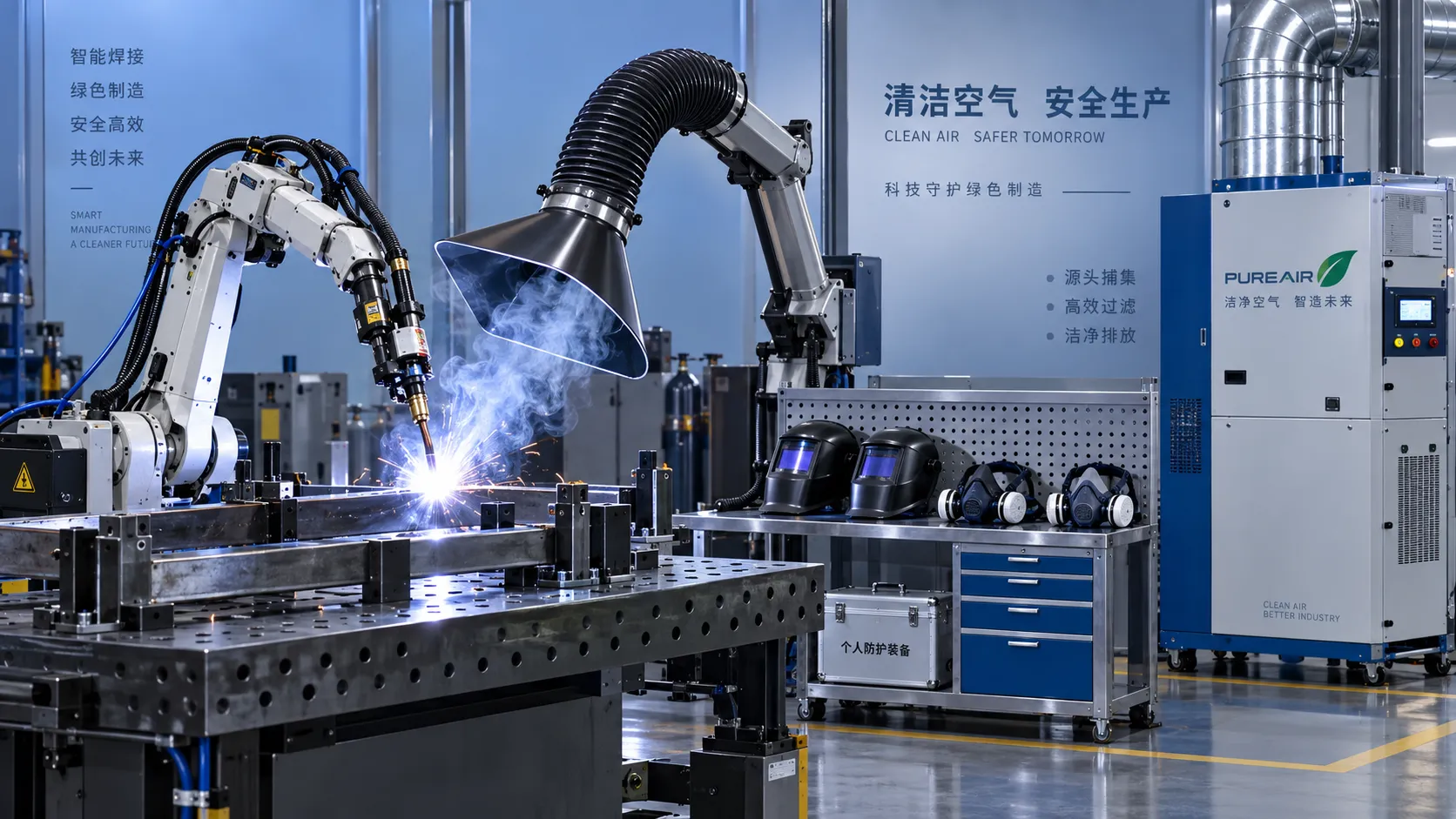
Welding Fume Extraction PPE: When Respirators Are Not Enough for Shop Safety
Welding fume extraction PPE: learn why respirators alone fall short and how source capture, ventilation, and layered controls improve shop safety.

How to Select Optical Metrology Solutions for Tight-Tolerance Manufacturing
Optical industrial metrology solutions for tight-tolerance manufacturing: evaluate accuracy, surface compatibility, workflow, and traceability to select with confidence.
Related News
- 00
0000-00
Selecting Adjustable Torque Tools for Repeatable Fastener Assembly - 00
0000-00
How to Select Aerospace Inspection Tools for Aircraft Maintenance Tasks - 00
0000-00
How to Select Wire Bonding Tools for Fine-Pitch Semiconductor Packaging - 00
0000-00
Industrial Equipment Application Guidance: Match Machines to Operating Conditions - 00
0000-00
Selecting High-Speed Brushless Tool Motors for Torque, Heat, and Duty Cycle
Prof. Marcus Chen
Weekly Insights
Stay ahead with our curated technology reports delivered every Monday.