
What Does Digital Tool Intellectualization Mean for Industrial Equipment Strategy?





Why is digital tool intellectualization suddenly central to equipment strategy?
Digital tool intellectualization now sits at the center of industrial equipment planning because tools no longer create value only through mechanical output.
They also produce operational data, safety signals, quality records, and usage patterns that affect uptime, training, maintenance, and compliance.
In practical terms, a torque tool, laser welder, or precision gauge can become part of a connected decision system.
That shift matters because equipment strategy is no longer just about purchase price, rated power, or nominal accuracy.
It is about whether the tool supports traceability, standardization, ergonomic improvement, and faster response to production variation.
This is why digital tool intellectualization is drawing attention across construction, automotive service, aerospace maintenance, and general assembly.
The broader industrial conversation has also changed.
Intelligence platforms such as GPTWM increasingly track not only tools themselves, but also the market signals around them.
Those signals include raw material volatility, export restrictions, safety adoption rates, and the commercial demand for precision measurement and hydraulic systems.
So when people ask what digital tool intellectualization means, the better question is what kind of operating model it enables.
What does digital tool intellectualization actually include?
It does not simply mean adding a screen or wireless module to a traditional tool.
More commonly, digital tool intellectualization combines sensing, connectivity, control logic, and feedback into one usable equipment layer.
That layer helps the tool react, record, warn, or optimize.
A smart torque system may verify fastening sequences and store tightening records.
A connected metrology device may flag drift, synchronize results, and reduce manual transcription errors.
An intelligent welding tool may integrate safety parameters, power control, and process data for better repeatability.
In this sense, digital tool intellectualization usually involves four capabilities:
- Data capture from actual use conditions, not just laboratory settings.
- Process guidance that reduces operator variability.
- System integration with MES, quality, maintenance, or asset platforms.
- Actionable feedback for safety, efficiency, and lifecycle decisions.
That is why the concept matters beyond electronics.
It touches workflow design, workforce capability, and cross-site standardization.
Where does this shift create the most visible business value?
The value becomes visible where process variation is costly, documentation is important, or safety risk is difficult to manage manually.
Precision metrology is a clear example.
When measurement data moves directly into a digital record, inspection delays and transcription mistakes usually decline.
Metal joining is another strong case.
Handheld laser welding safety, parameter monitoring, and usage analytics can reduce hidden risk while improving training discipline.
Assembly operations also benefit when torque tools enforce process windows and verify each step in sequence.
A useful way to judge digital tool intellectualization is to look at where it changes decisions, not where it adds features.
The pattern is consistent.
Digital tool intellectualization creates value when data closes a decision gap that manual supervision cannot close efficiently.
How can you tell whether a tool is genuinely intelligent or just digitally decorated?
This is one of the most useful questions because the market often confuses connectivity with intelligence.
A tool is not strategically valuable just because it has Bluetooth, an app, or downloadable reports.
The stronger test is whether it improves control over a business-critical variable.
A practical evaluation usually starts with several checks.
- Does the data change operator behavior during the task, not only after it?
- Can the tool support compliance, traceability, or remote diagnostics?
- Does it reduce variation between shifts, sites, or experience levels?
- Can the information integrate into existing quality or maintenance systems?
- Is the interface simple enough for repeated industrial use?
If the answer is mostly no, the tool may be digital, but not meaningfully intellectualized.
This distinction matters when comparing capital budgets.
In many cases, the equipment with the most features is not the one that produces the best strategic fit.
More common success comes from choosing a tool that solves one stubborn operational problem very well.
What risks or misconceptions usually slow down digital tool intellectualization?
The first misconception is that digital tool intellectualization always requires a full factory transformation.
In reality, many strong programs begin with one process family, one inspection bottleneck, or one safety-sensitive workflow.
Another common mistake is treating data as the goal.
Data without response rules, ownership, and clear thresholds usually creates reporting noise rather than operational clarity.
There is also a people risk.
If intelligent tools are introduced without ergonomic thinking or workflow redesign, adoption often stalls even when the technology works.
A further issue is strategic timing.
Export rules, component supply, and raw material shifts can change the economics of tool programs faster than expected.
That is why intelligence sources like GPTWM matter.
They help connect micro-level equipment choices with wider industrial signals, including motor efficiency limits, welding safety adoption, and regional demand structures.
The more grounded view is simple: digital tool intellectualization is not a gadget trend.
It is an operating discipline that only works when process design, data logic, and training move together.
What should be reviewed before making digital tool intellectualization part of the next equipment plan?
Before expanding investment, it helps to review the decision through three lenses: process value, implementation realism, and external change.
Process value means identifying where the tool can prevent errors, shorten verification time, or support standard execution.
Implementation realism means checking connectivity conditions, training demands, software compatibility, and maintenance responsibilities.
External change means monitoring the market context that can reshape equipment return, especially in globally linked supply chains.
A concise review table can help frame the decision.
That review often leads to a clearer roadmap.
Instead of upgrading everything, the better next step is usually to prioritize high-impact processes where digital tool intellectualization can prove itself quickly.
So what does digital tool intellectualization mean for strategy going forward?
It means industrial equipment strategy is becoming inseparable from information strategy.
Tools are increasingly judged by how well they sense, guide, document, and adapt, not only by how long they run.
For that reason, digital tool intellectualization should be evaluated as a business system decision.
The most effective next move is to map one or two critical workflows, define the decision gaps inside them, and compare which intelligent tool functions actually close those gaps.
After that, review implementation conditions, data ownership, and lifecycle support with the same discipline used for core equipment.
Reliable industry intelligence can sharpen that process.
When market observation, process knowledge, and equipment evaluation are connected, digital tool intellectualization becomes easier to judge and harder to misread.
That is the real strategic meaning: better tools, better signals, and better decisions across the last mile of manufacturing.
Related News
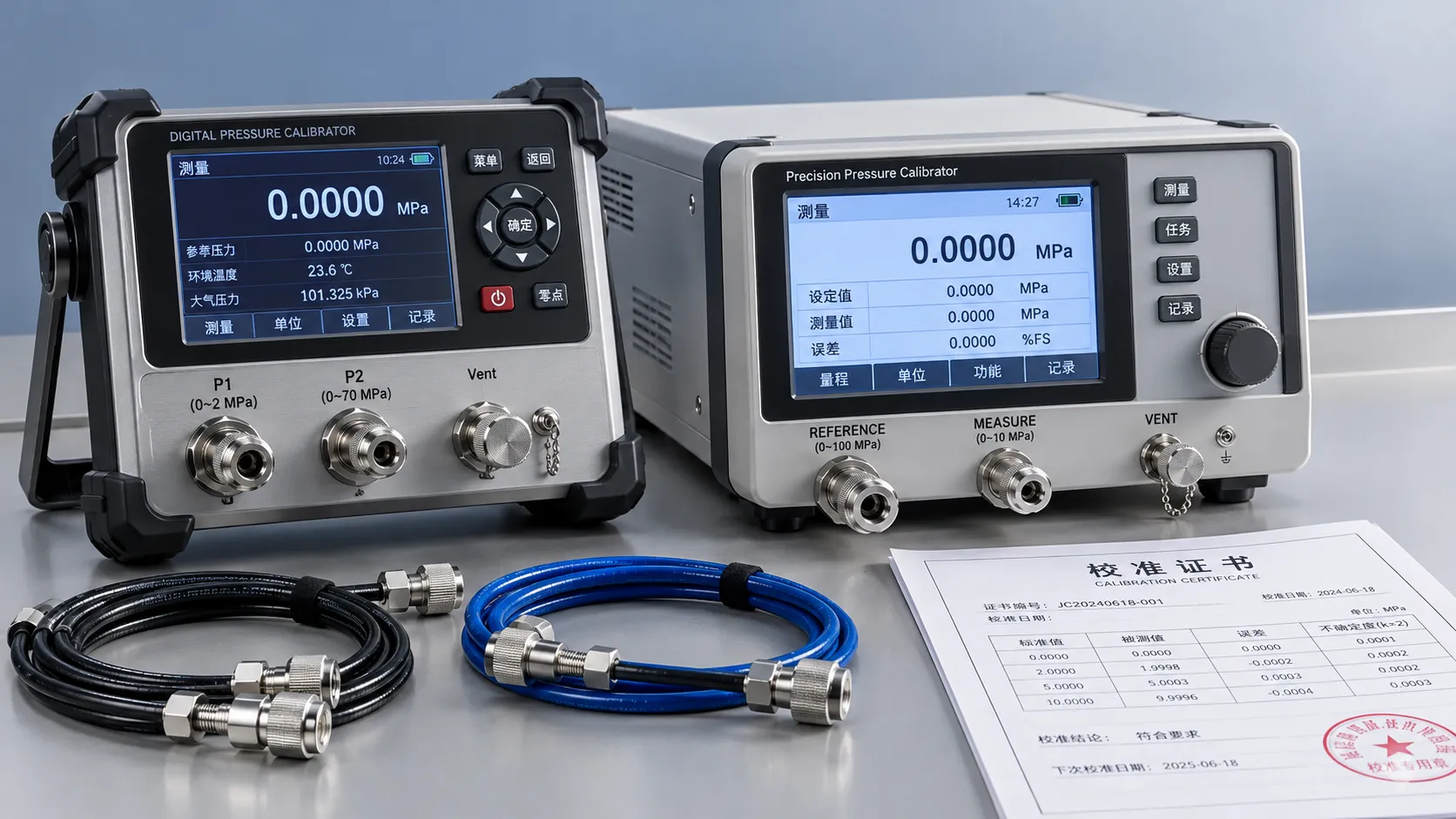
How to Compare Calibration Tools: Range, Uncertainty, and Traceability
Explore product comparison resources for calibration tools. Compare range, uncertainty, and traceability to choose confidently and support defensible measurement decisions.
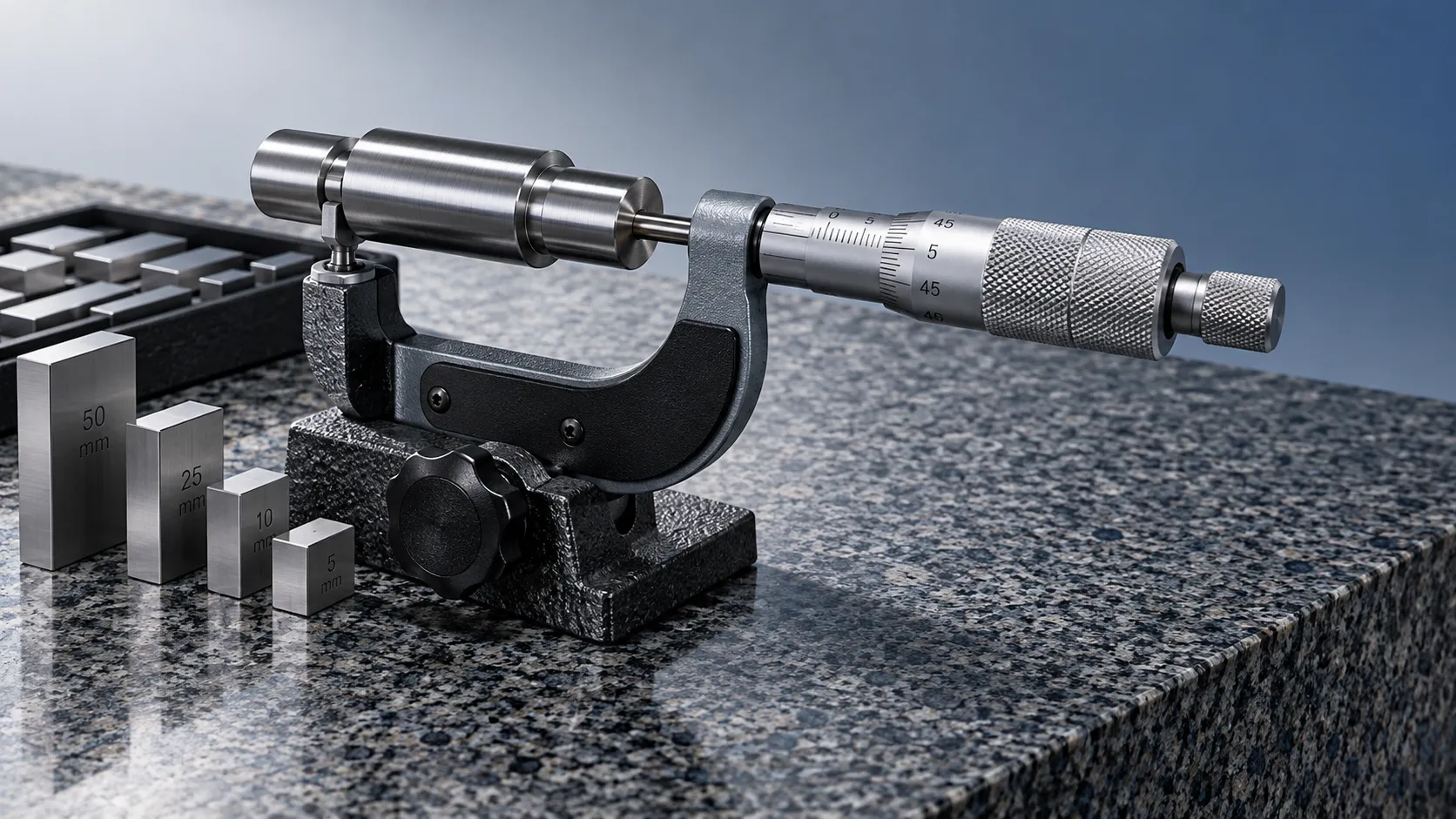
Choosing Industrial Metrology Tools: Matching Measurement Uncertainty to Tolerances
Improve industrial tool selection for metrology by matching measurement uncertainty to tolerances. Learn how to reduce inspection risk and choose equipment with confidence.
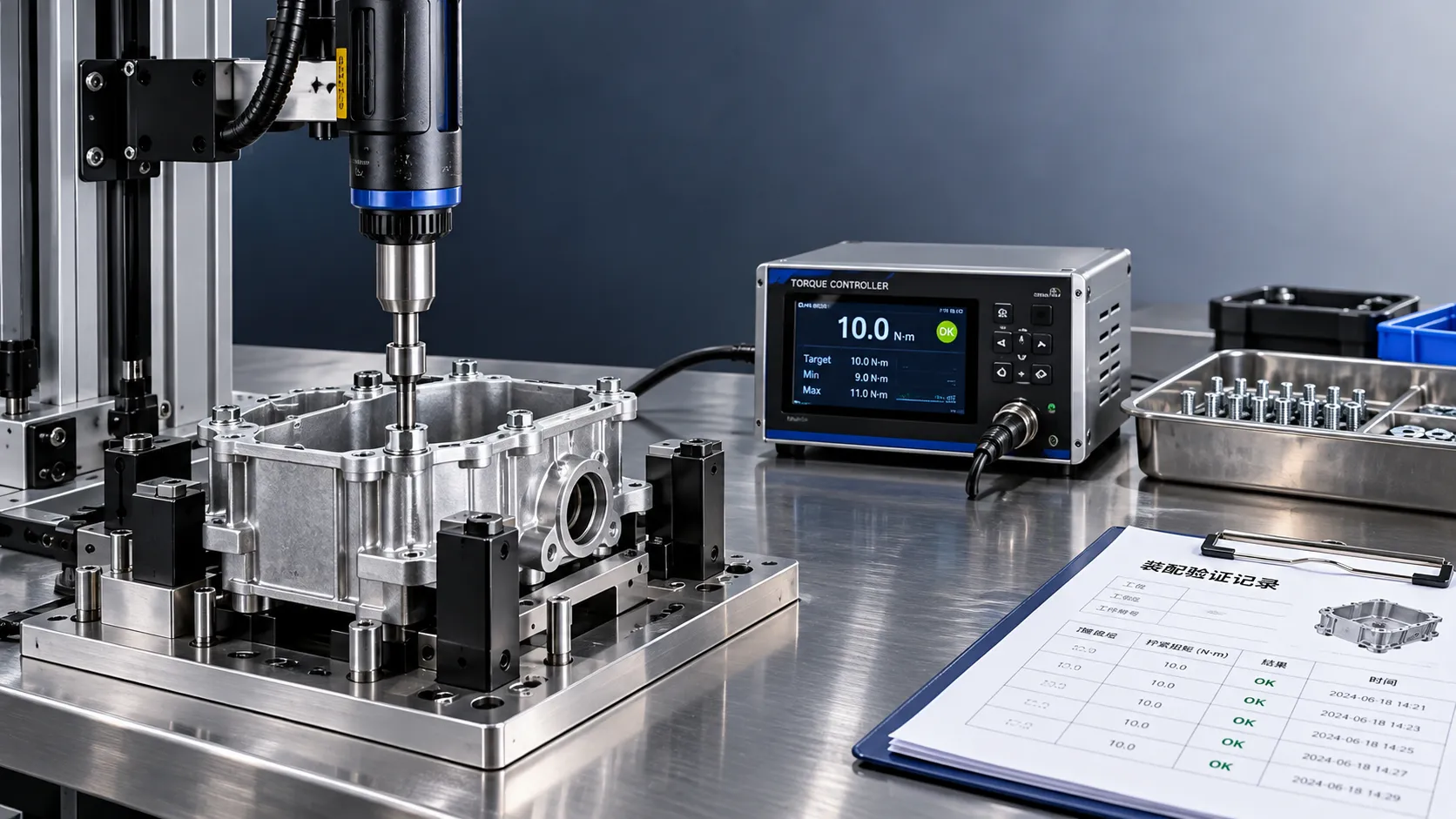
Torque System Suppliers: How to Assess References for Assembly Projects
Explore supplier and solution references torque systems buyers should verify. Assess assembly fit, traceability, and support to reduce risk and choose with confidence.
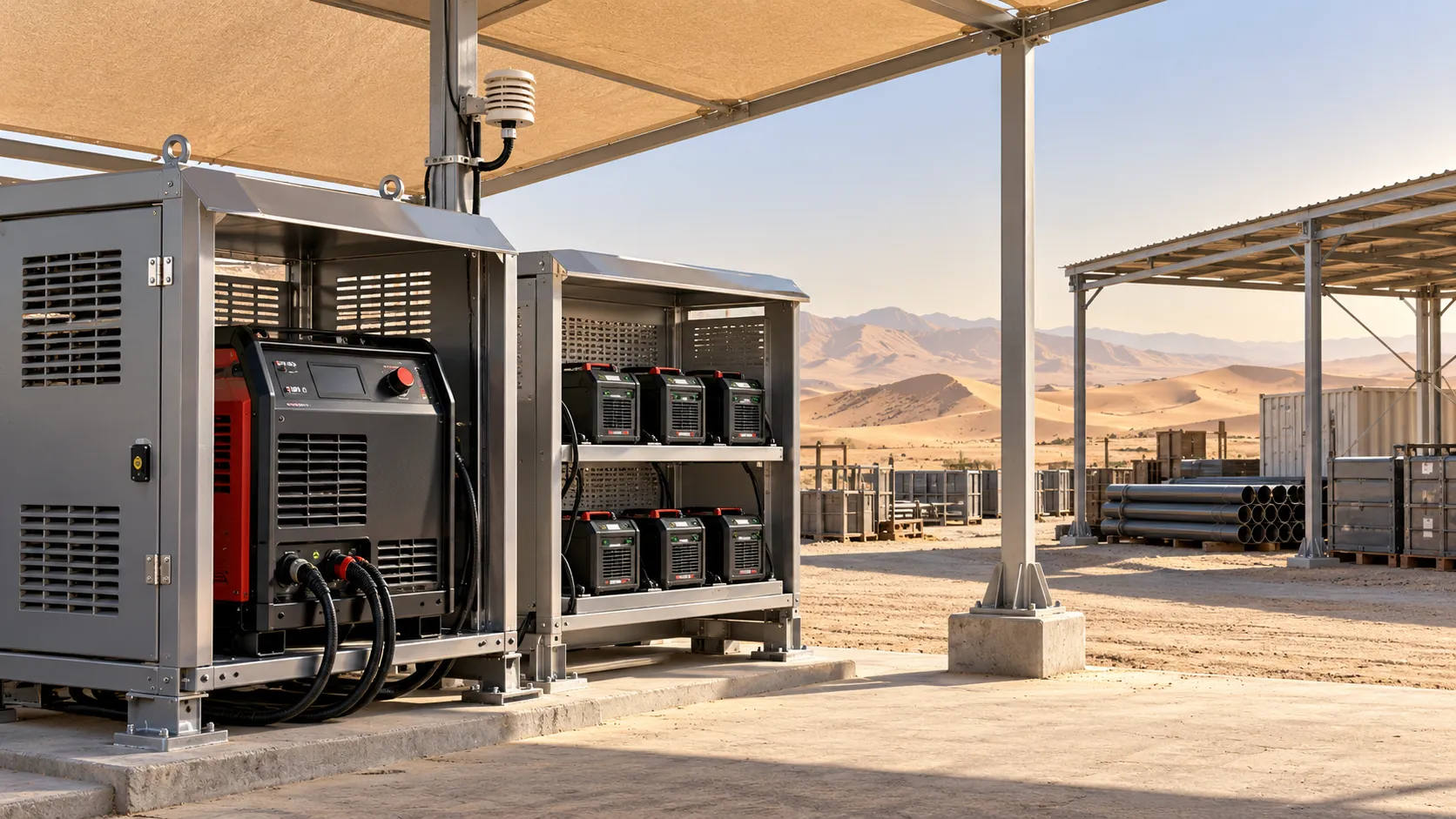
Equipment Application Guidance for the Middle East: Managing Heat and Dust
Explore application guidance Middle East teams can use to manage heat and dust, protect welding equipment, batteries and precision tools, and reduce downtime. Get practical tips.
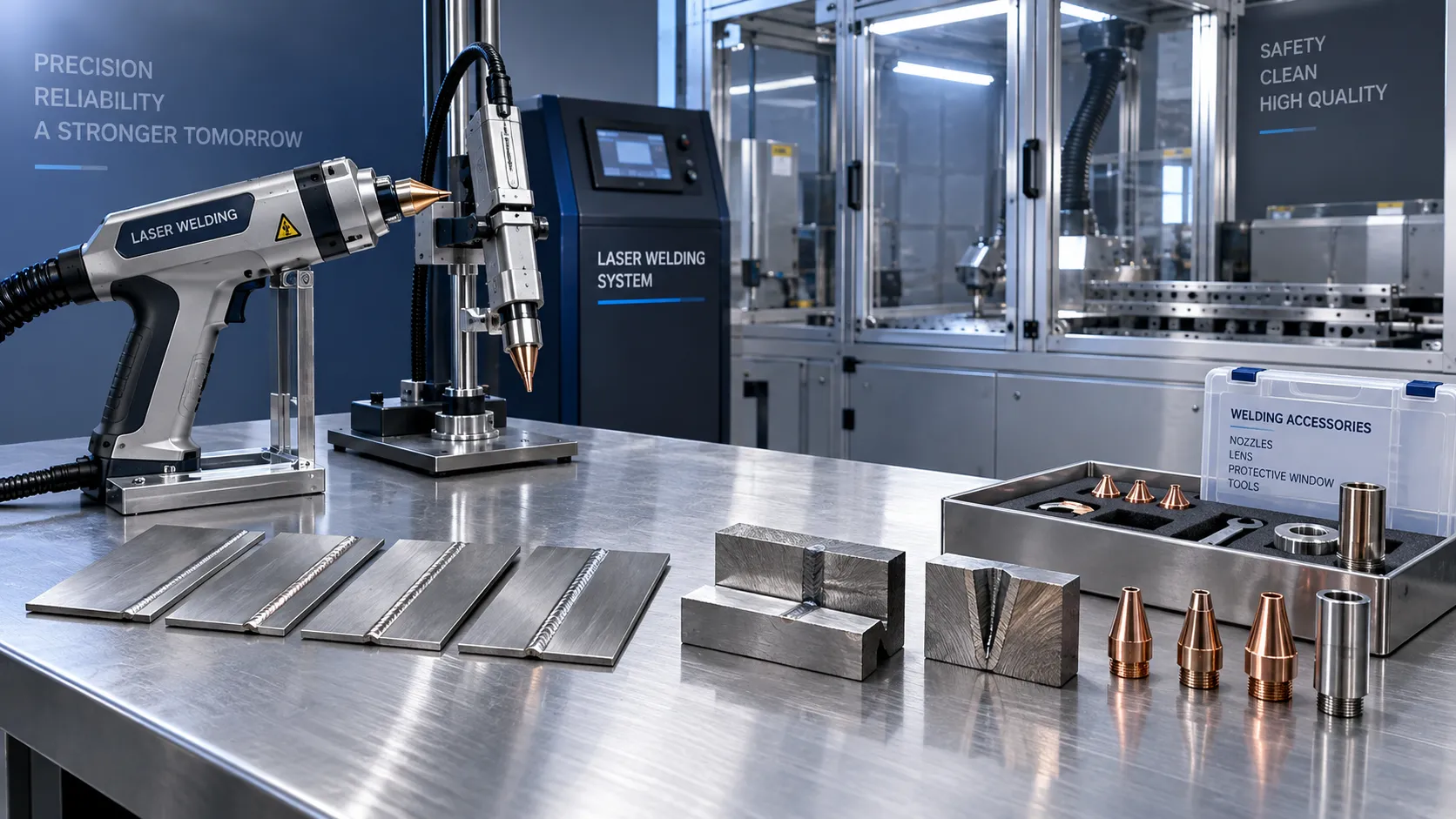
Choosing a Handheld Laser Welding Supplier: Weld Trials, Training, and Service
Choose a handheld laser welding supplier with proven weld trials, safety training, and reliable service. Learn what to verify before buying to reduce downtime and protect your investment.
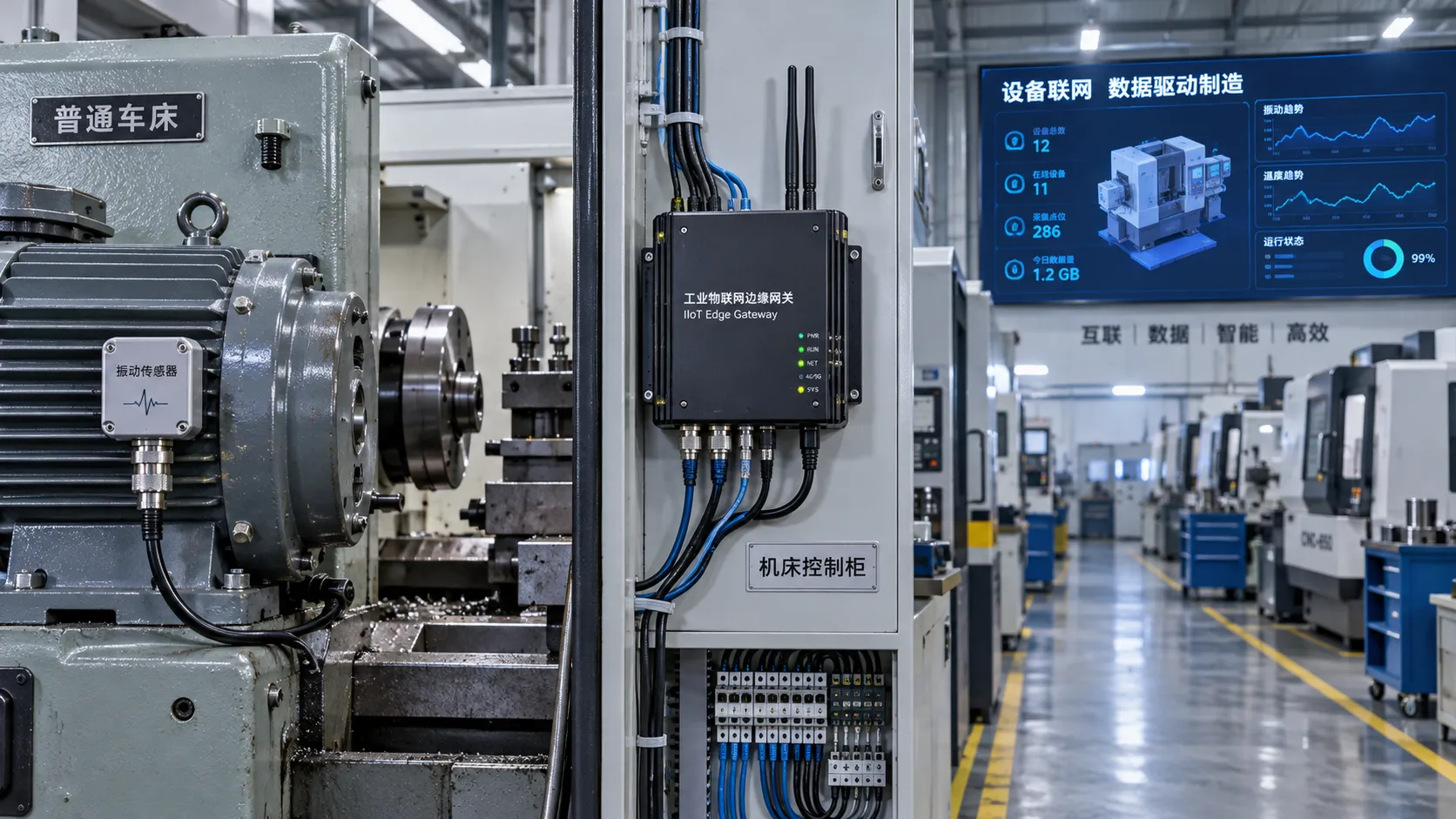
Choosing an Industrial IoT Platform: Key Criteria for Legacy Equipment
Choose an industrial IoT platform for legacy equipment with confidence. Discover key checks for connectivity, data integrity, security, and lifecycle costs before investing.

In-House vs. Outsourced Aircraft Maintenance: Comparing Total Costs
Compare aerospace maintenance cost for in-house vs. outsourced aircraft upkeep. Discover hidden expenses, downtime impacts, and break-even factors to find the best fit for your fleet.
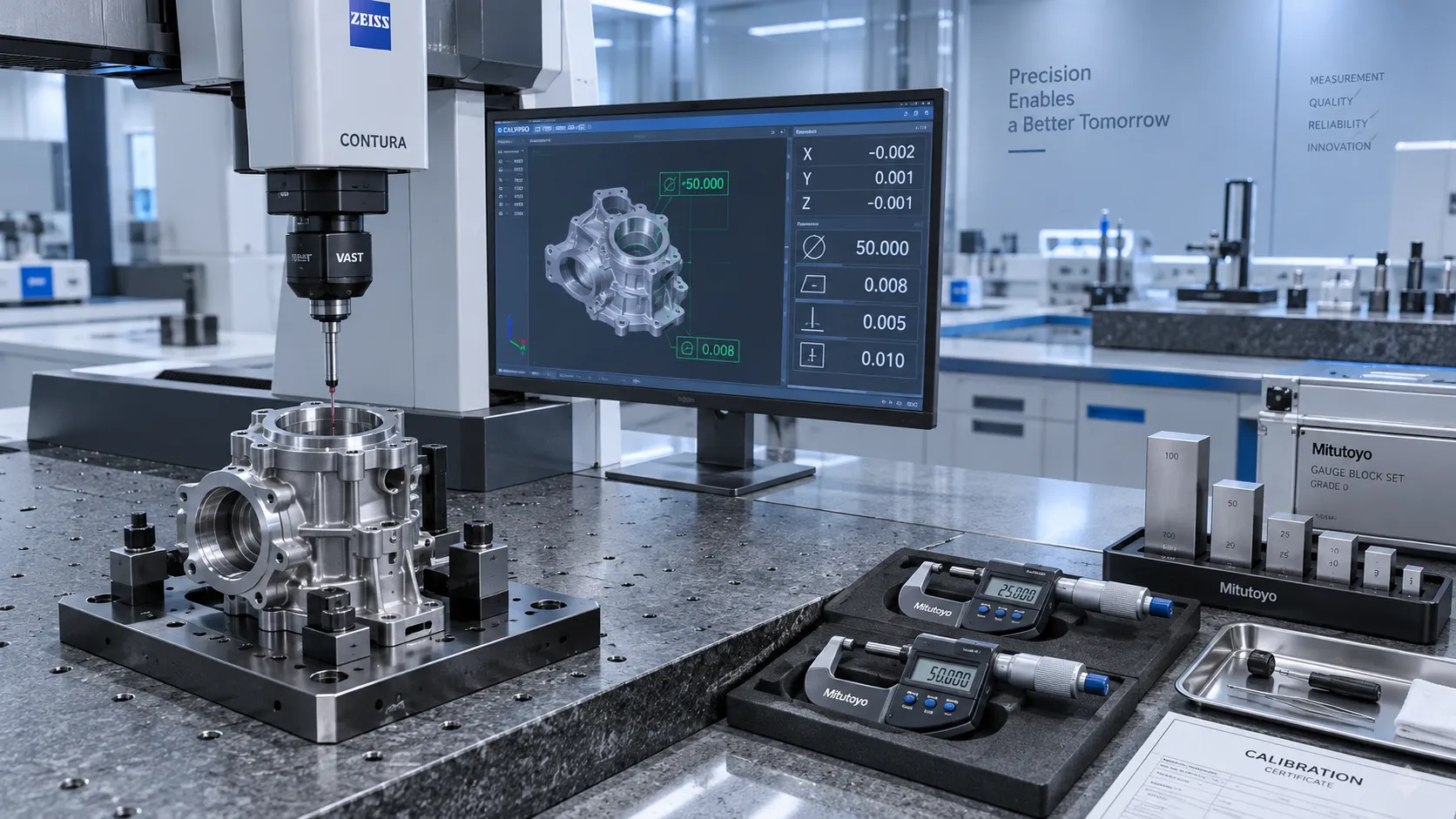
How to Select High-Precision Measuring Instruments for Tight-Tolerance Production?
High-precision measuring instruments are essential for tight-tolerance production. Learn how to evaluate accuracy, repeatability, environment, calibration, and data integration.
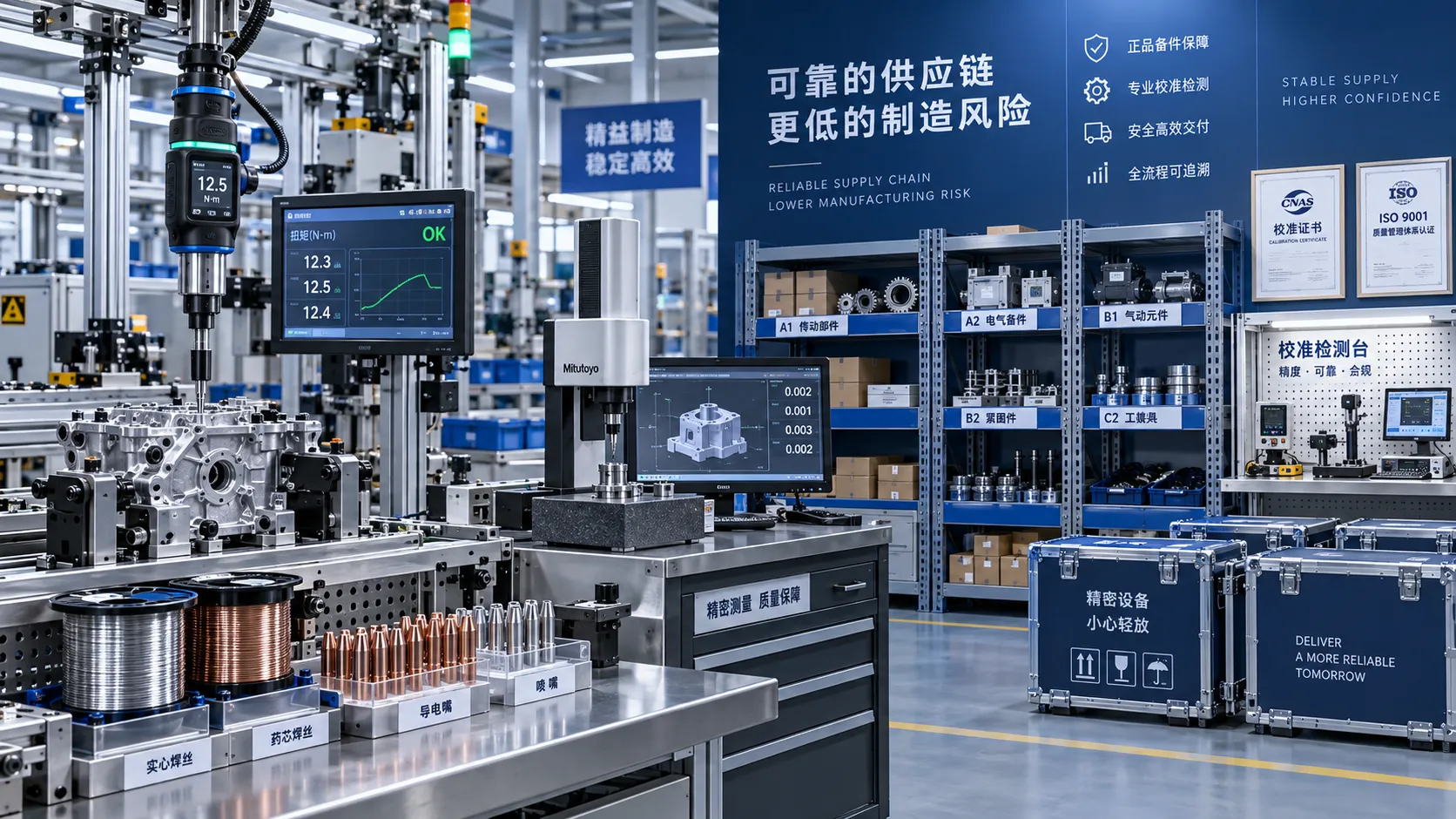
How Industrial Innovation Supplier Networks Reduce Sourcing Risk for Manufacturers
industrial innovation supplier network insights help manufacturers reduce sourcing risk, control lifecycle costs, and choose reliable tools, services, and suppliers with confidence.
Related News
- 00
0000-00
Equipment Application Guidance for the Middle East: Managing Heat and Dust - 00
0000-00
Choosing an Industrial IoT Platform: Key Criteria for Legacy Equipment - 00
0000-00
How to Select High-Precision Measuring Instruments for Tight-Tolerance Production? - 00
0000-00
How Do Advanced Manufacturing Methods Improve Batch Consistency? - 00
0000-00
What Maintenance Do Digital Factory Monitoring Systems Need?
Prof. Marcus Chen
Weekly Insights
Stay ahead with our curated technology reports delivered every Monday.