
Material Science in Europe: Key Research Hubs, Funding Trends, and Industry Opportunities





Material Science in Europe: Key Research Hubs, Funding Trends, and Industry Opportunities
Material science Europe is not a single market category in the way buyers sometimes expect. It is closer to an operating system for several industrial value chains at once: aerospace alloys, battery chemistries, semiconductor materials, technical ceramics, coatings, composites, additive manufacturing powders, and metrology methods used to validate them. That distinction matters for business evaluation. If a company says it is “active in European materials,” the real question is whether it is positioned in upstream discovery, pilot-scale process development, certification-heavy industrialization, or application-specific integration. Those are very different commercial environments, with different timelines, funding logic, and barriers to entry.
Europe’s advantage has never been based only on academic depth. The stronger signal is how tightly research institutions, industrial OEMs, test labs, equipment makers, and public funding programs are linked. In practice, that means advanced materials in Europe are often developed inside a structured pathway: public research, collaborative consortium work, pilot validation, standards and compliance review, and then selective scale-up in industries where qualification is more important than sheer production speed. For business assessors, this is often more relevant than headline spending numbers, because it shows where a technology can actually cross from laboratory credibility into procurement acceptance.
Germany remains one of the clearest reference points. Its strength is not just the presence of major manufacturers; it is the density of applied research infrastructure around them. Organizations such as the Fraunhofer institutes are widely recognized for bridging industrial needs with scalable technical development, especially in areas like lightweight materials, surface engineering, production processes, and advanced characterization. That has practical consequences for tooling, welding, and precision assembly businesses. Materials innovation in Germany often moves together with process validation: a new alloy, coating, or composite is rarely considered in isolation from joining behavior, wear performance, thermal stability, inspection requirements, or compatibility with automated production lines.
France plays a somewhat different role. Its materials ecosystem is closely tied to aerospace, energy systems, transportation, and public research institutions with strong engineering traditions. The commercial takeaway is that French hubs tend to reward technologies that can survive demanding qualification environments. High-temperature materials, specialty polymers, nuclear-related materials science, and next-generation mobility materials all sit within that broader landscape. For companies hoping to enter through product supply alone, this can be a difficult market. For firms that bring process know-how, testing capability, traceability, or integration support, it becomes more accessible.
The Nordics deserve attention not because they dominate every segment, but because they are unusually influential in sustainability-linked materials development. Sweden and Finland, in particular, are repeatedly associated with steel decarbonization, battery value chains, mining-to-materials integration, and bio-based or circular materials research. Those themes align with broader EU industrial policy, which increasingly connects material innovation with supply security, emissions reduction, and strategic autonomy. In other words, a material is no longer evaluated only by performance and cost. European buyers, investors, and regulators are also asking where feedstock comes from, how energy-intensive processing is, whether recyclability is credible, and whether dependence on external supply chains creates risk.
Why the Funding Landscape Matters More Than Headlines
A common misunderstanding is that European funding for materials science works like a broad subsidy pool waiting for any promising idea. It does not. Much of the serious opportunity is embedded in mission-oriented programs and cross-border frameworks where materials are treated as enabling technologies for larger industrial goals. Horizon Europe is the most visible example, supporting collaborative research and innovation across climate, digitalization, mobility, health, and industrial competitiveness. The European Innovation Council also matters, particularly where deep-tech ventures need support beyond pure research. In some cases, the European Institute of Innovation and Technology and its sector communities help connect research outcomes to entrepreneurship and commercialization pathways.
For market watchers, the more useful reading of these programs is thematic. Funding attention tends to cluster around batteries, hydrogen, semiconductors, lightweighting, circular materials, advanced manufacturing, and critical raw materials resilience. If a technology aligns with two or three of those policy vectors at once, its probability of attracting consortium interest usually improves. A novel ceramic coating that supports thermal efficiency is interesting. The same coating becomes commercially more legible if it also helps electrification hardware, extends equipment life, and reduces maintenance in high-value assets.
National programs still matter, and sometimes matter more than pan-European calls for companies that need local pilot partners or regional manufacturing support. Germany, France, the Netherlands, Sweden, Finland, and Belgium each have their own institutional channels for supporting industrial R&D, though the mechanisms differ. The practical point is straightforward: firms evaluating European expansion should not read funding as cash alone. Funding often acts as a market filter. It reveals what problems public and industrial actors agree are strategically urgent.
Where Industrial Opportunity Is Actually Forming
The strongest opportunities are forming where materials performance directly affects manufacturing reliability or regulatory acceptance. That is why precision engineering businesses should watch materials science Europe through an application lens rather than a purely academic one.
In aerospace, advanced alloys, composites, coatings, and non-destructive evaluation methods move together. New material adoption is constrained by certification and long validation cycles, but once qualified, demand can be durable. In energy, the field is broader: battery materials, hydrogen-compatible metals, corrosion-resistant surfaces, thermal interface materials, and insulation systems all matter, but each faces a different route to commercialization. In medical devices and high-end electronics, material purity, repeatability, and traceability often outweigh simple price competition. In industrial tooling and joining, wear-resistant coatings, lightweight structural materials, engineered abrasives, and heat-management materials can reshape tool life and process stability without looking “disruptive” in the venture-capital sense.
That last point is easy to underestimate. Some of the most commercially relevant materials advances in Europe will not arrive as entirely new substances. They will come as better process windows, more consistent powder characteristics for additive manufacturing, cleaner surface preparation for bonded or welded assemblies, improved hardness-to-toughness balance in tool steels, or smarter metrology for verifying microstructural consistency. For industrial distributors, equipment suppliers, and manufacturing service firms, these incremental shifts can create real margin differentiation because customers buy reduced variability, not just novel chemistry.
How to Read Research Hubs Without Overrating Them
A prestigious research cluster is not automatically a business opportunity. Evaluators should ask a narrower set of questions.
This is also where many market narratives become misleading. Europe is sometimes portrayed as excellent at research and weak at industrialization. That is too broad to be useful. In sectors that demand certification, precision, and process discipline, Europe can be highly effective at industrialization. What it may not always favor is rapid, low-governance scaling detached from standards, environmental scrutiny, or supply-chain transparency. For some business models, that is a constraint. For others, especially in high-specification manufacturing, it is part of the value proposition.
What This Means for Commercial Strategy
For companies in tooling, welding, measurement, and industrial assembly, the practical opportunity is often indirect but substantial. Europe’s materials push creates demand for better joining methods, more stable heat input control, finer surface preparation, traceable torque management, inspection systems that can catch subtle material-related defects, and dimensional verification tools suitable for tighter tolerances. A new battery enclosure material, for example, is also a joining and metrology problem. A lightweight structural alloy is also a machining and fastening problem. A high-performance coating is also a wear-monitoring and maintenance problem.
That is why business evaluators should avoid treating materials science as a silo. In Europe, the better commercial positions often sit one layer adjacent to the material itself: process equipment, qualification services, inspection technologies, digital traceability, repair methods, and application engineering. GPTWM’s industrial lens is relevant here because the “last mile” of adoption is usually where technical promise meets operational resistance. If a material requires a different weld profile, stricter surface cleanliness, new calibration practice, or upgraded operator safety controls, then the opportunity extends beyond the material producer into the tool and process ecosystem around it.
The most credible way to assess material science Europe is to track three things at the same time: where public and institutional funding is concentrating, where industrial qualification capability already exists, and where downstream manufacturing pain points remain unresolved. When those three line up, a concept has a chance of becoming a market. When only one is present, interest may still be real, but the commercial path is usually longer than promotional language suggests.
For decision-makers, the useful question is not whether Europe is strong in materials science. It clearly is. The more valuable question is where that strength is close enough to production reality that a supplier, distributor, investor, or industrial technology partner can participate before the market is mature and after the science is no longer speculative. That narrower view tends to separate noise from actual opportunity.
Related News
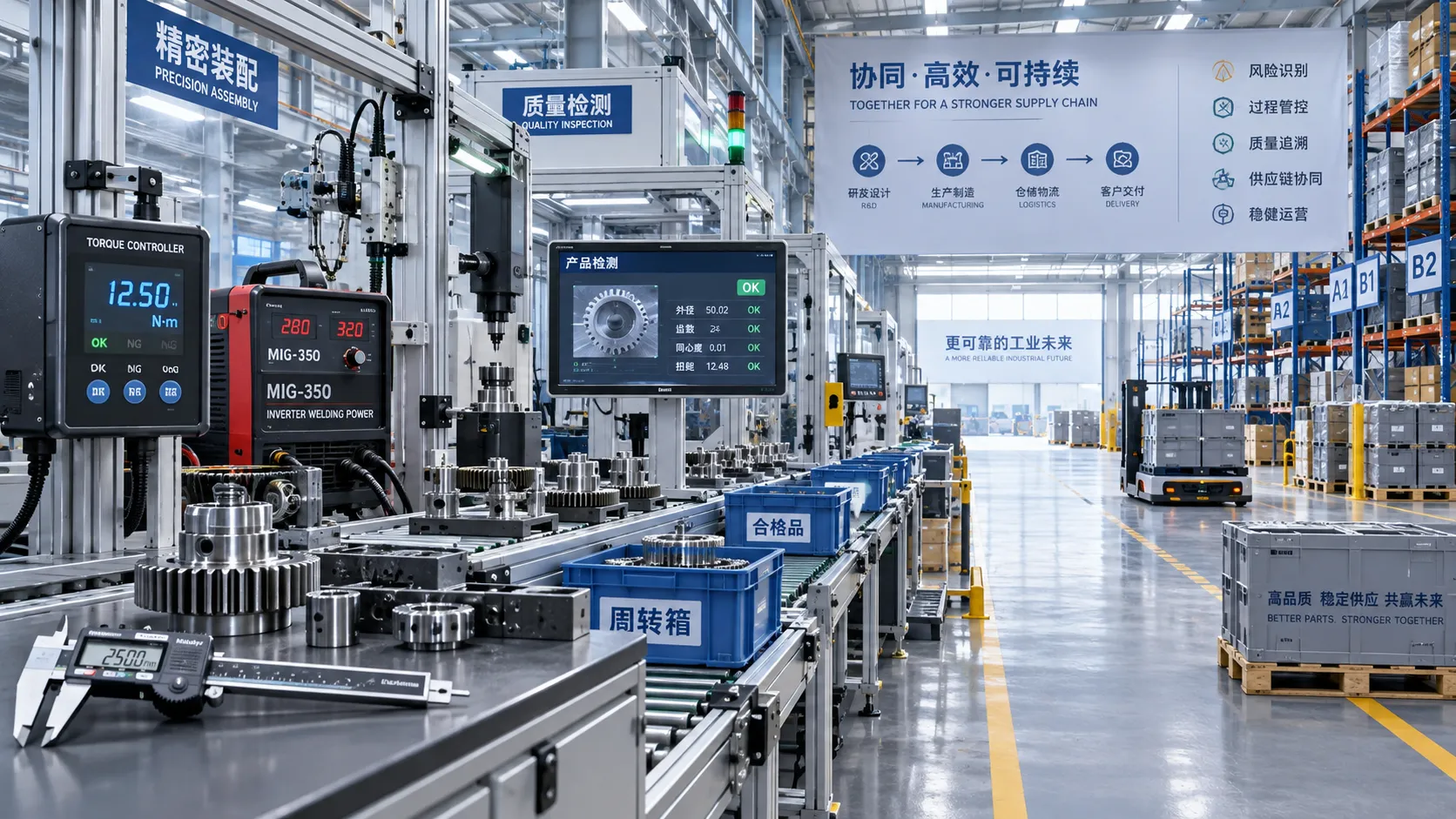
How Procurement Teams Can Map the Industrial Value Chain to Reduce Supply Risk
Industrial value chain procurement helps teams map hidden dependencies, qualify resilient sources, and reduce supply risk before disruptions stop production.
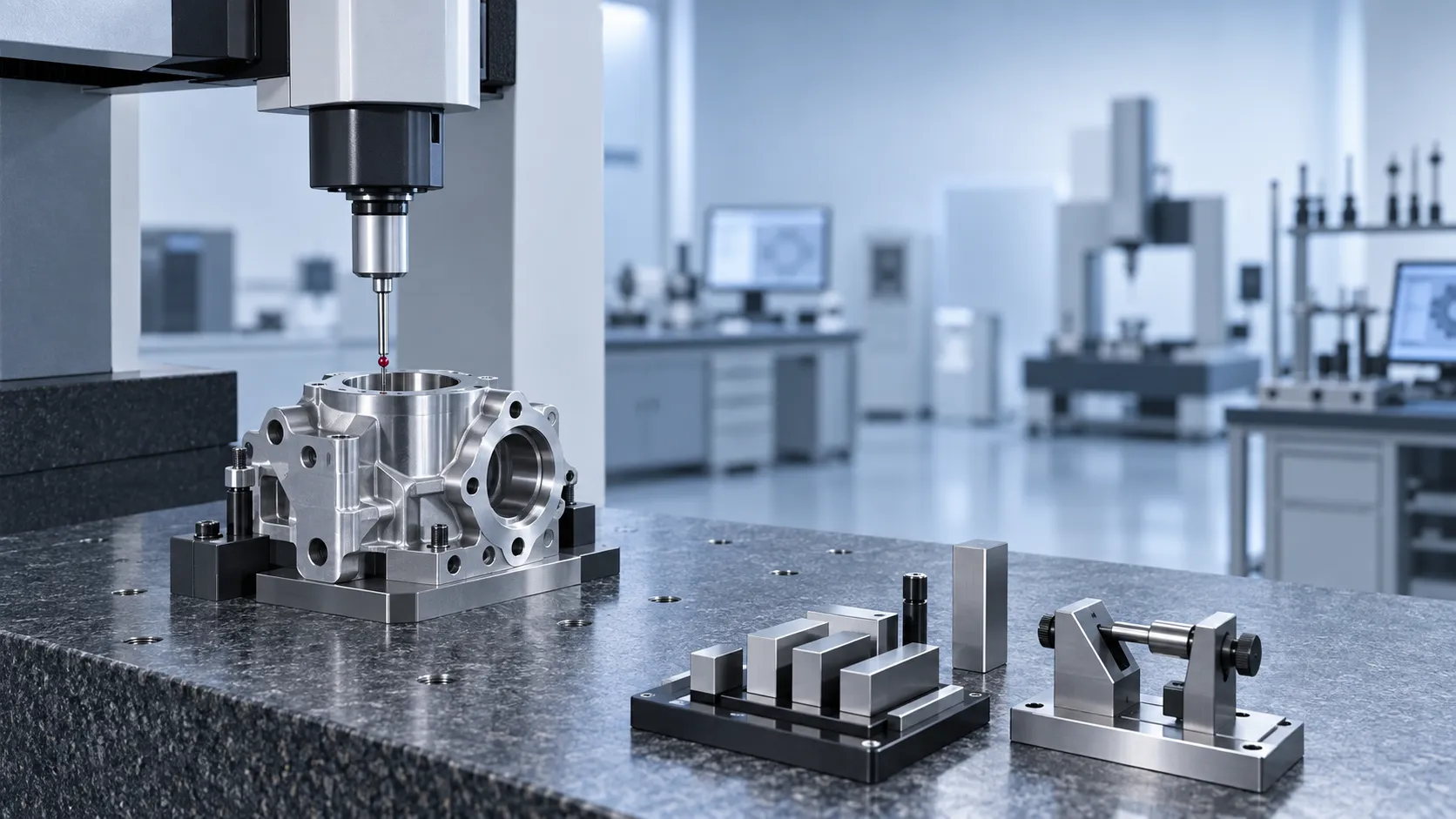
How Specification-Driven Articles Improve Precision Measurement System Selection
Specification-oriented articles precision measurement guidance helps teams compare accuracy, repeatability, environment, and data needs to select reliable systems with confidence.

How to Evaluate a Technology Integration Service Provider for Complex Projects
Technology integration service provider selection guide: evaluate interface ownership, delivery discipline, scalable architecture, and risk control for complex projects.
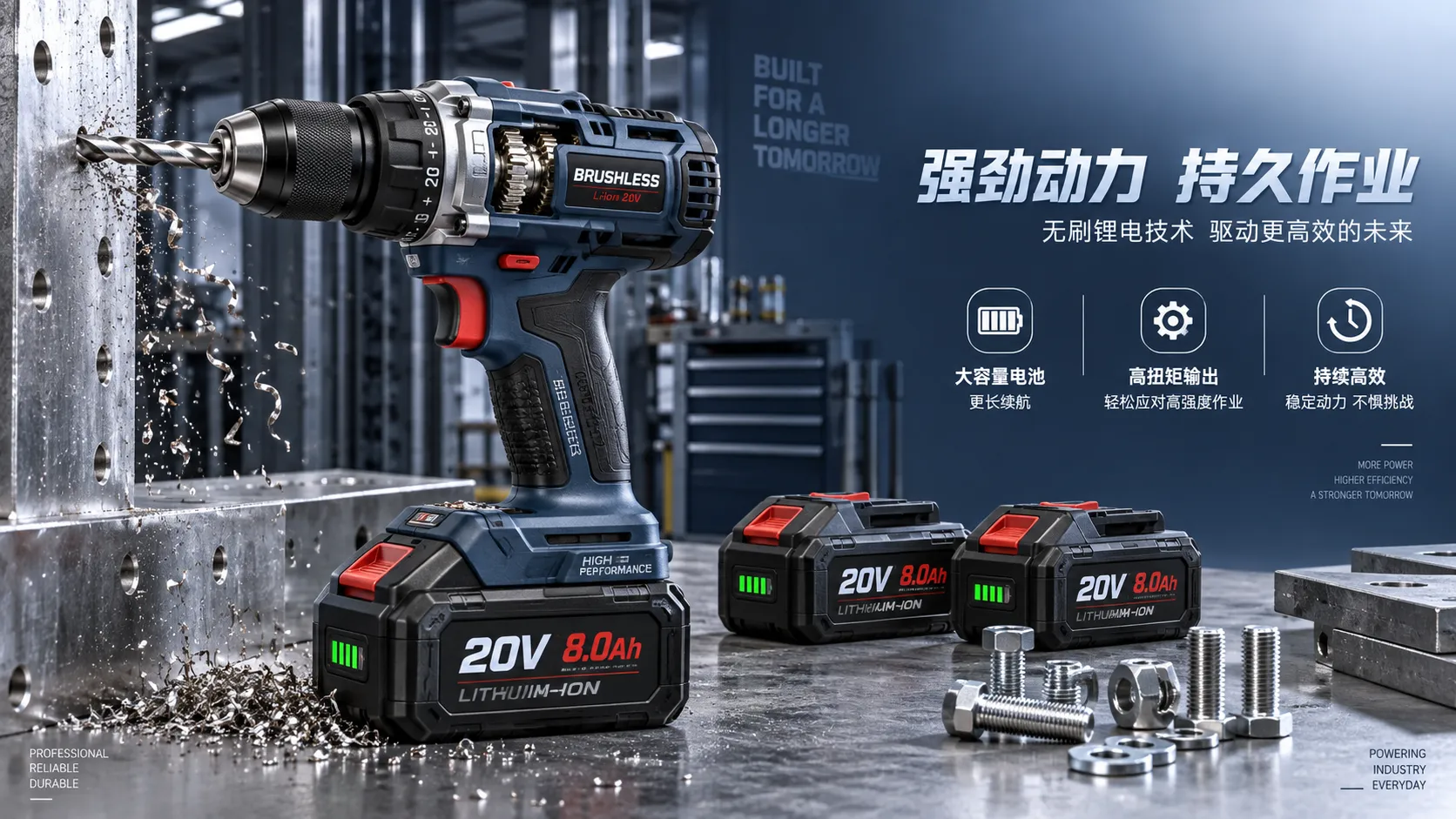
How Battery, Torque, and Duty Cycle Affect Cordless Power Tool Efficiency
Cordless power tool efficiency depends on battery output, torque, and duty cycle. Learn how to match tools to demanding jobs for stronger runtime and productivity.
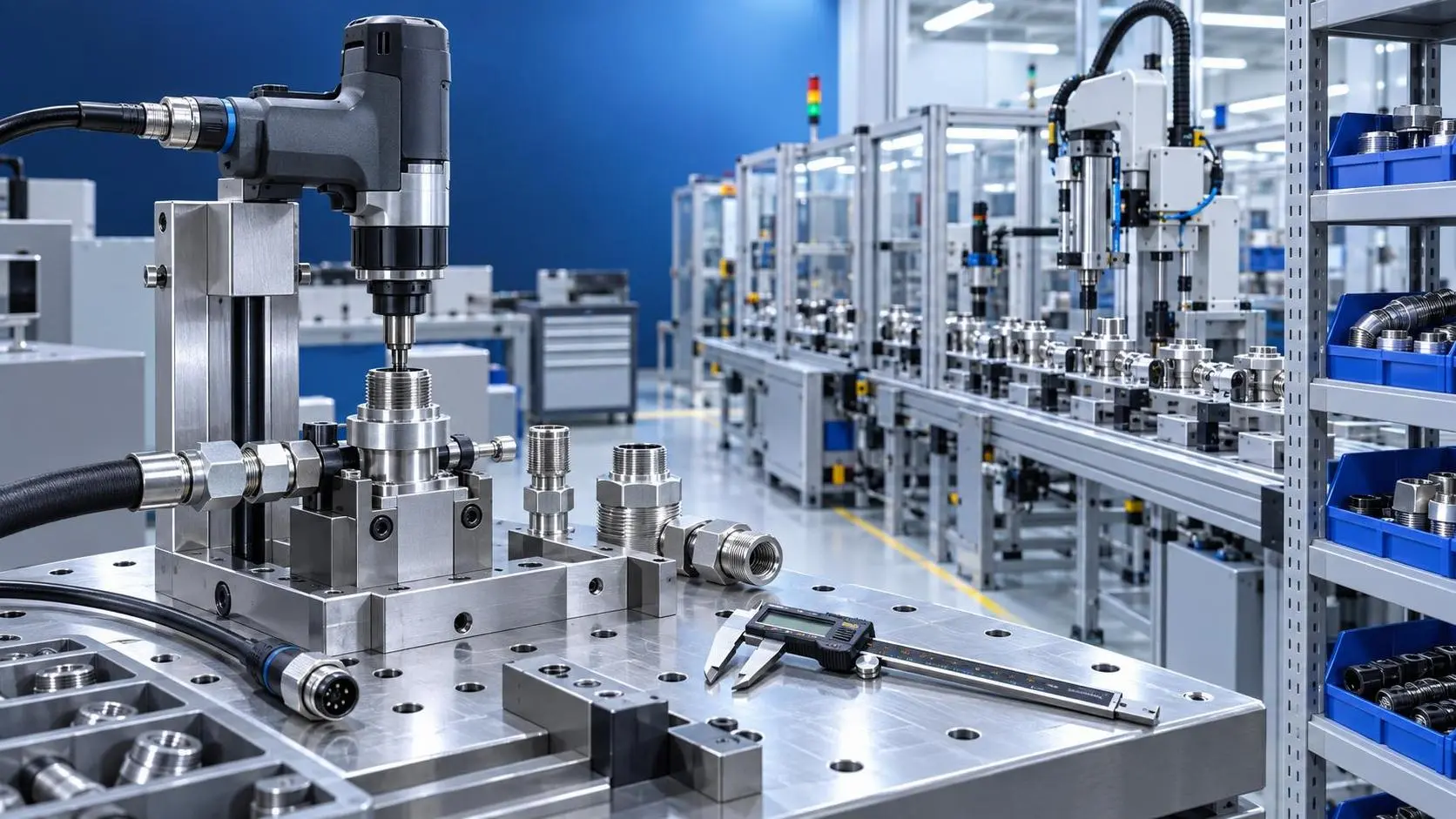
Product Comparison Resources for Component Compatibility and Lifecycle Risk
Product comparison resources for components: evaluate compatibility, interfaces, service support, and lifecycle risk to reduce downtime, avoid redesigns, and make confident sourcing decisions.
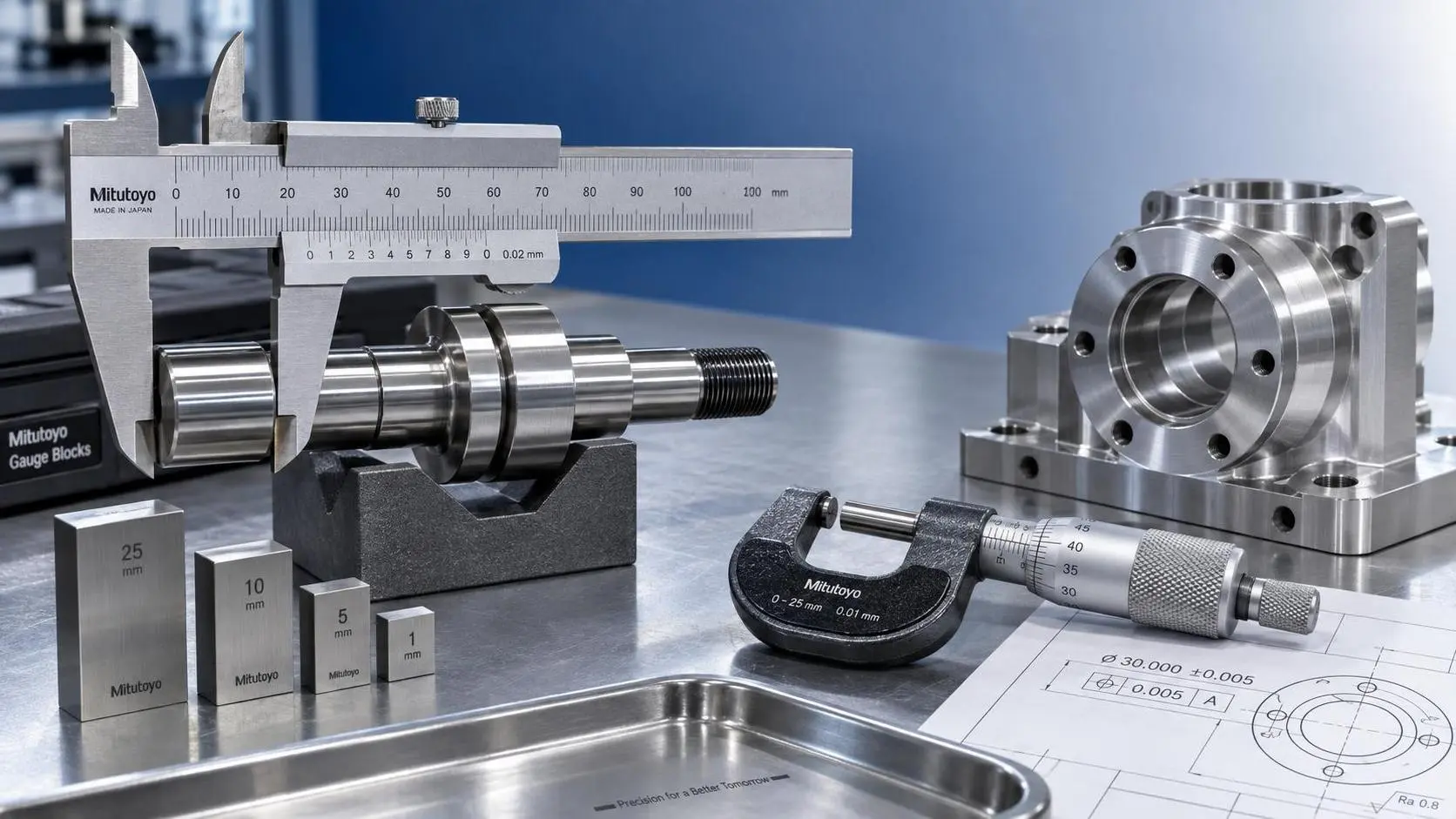
How to Select Vernier Precision Calipers for Tight-Tolerance Machining Inspection
Vernier precision calipers for tight-tolerance machining: learn how to select the right range, jaw design, accuracy, and verification process for reliable inspection.
Product Comparison Resources in Europe: How Buyers Can Verify Specs and Suppliers
Product comparison resources Europe: learn how to verify industrial specs, compliance claims, supplier credibility, and delivery risk for smarter purchasing decisions.
How to Evaluate an Industrial Metrology Solution Manufacturer for Production Use
Industrial metrology solution manufacturer evaluation guide for production: compare accuracy, traceability, automation, software, service, and acceptance testing to reduce risk.
Which ISO Standards Matter Most for Precision Engineering Quality Control?
Precision engineering ISO standards explained: discover how ISO 9001, ISO/IEC 17025, ISO 10012, GPS, and ISO 3834 strengthen quality control, traceability, and compliance.
Related News
- 00
0000-00
Why Are Specification-Oriented Articles Gaining Traction in Europe’s B2B Markets? - 00
0000-00
Industrial Solutions in Latin America: Key Growth Sectors and Market Entry Risks - 00
0000-00
What Is Driving Manufacturing Efficiency in Europe’s Industrial Sectors? - 00
0000-00
Industrial Market Trends in 2025: What Buyers Should Watch Across Supply and Demand - 00
0000-00
Production Efficiency in North America: What Is Changing for Manufacturers in 2025?
Dr. Alistair Vaughn
Weekly Insights
Stay ahead with our curated technology reports delivered every Monday.