
Industrial Research Guide: How to Evaluate Markets, Suppliers, and Technology





Industrial Research Guide: What Good Industrial Analysis Actually Looks Like
An industrial research guide is often mistaken for a collection of market size charts, supplier lists, or trend headlines. In practice, it is closer to a decision framework. The point is not to gather more industrial information than anyone else. The point is to understand which signals matter, which ones are misleading, and how market conditions, supplier capability, and technology change interact with each other.
That distinction matters because industrial decisions are rarely made on a single axis. A growing market can still be unattractive if margins are compressed by raw material volatility. A supplier with a polished catalog may still be weak on process control, export documentation, or after-sales technical support. A new technology may look disruptive in presentations but remain impractical if operator training, safety rules, or maintenance conditions are not yet mature. Good research does not eliminate uncertainty; it narrows it to the points that can actually be judged.
For information researchers working across sectors, this is especially important. Industrial products do not move only with demand. They move with standards, replacement cycles, production methods, labor availability, and the cost of failure. In fields such as metal joining, industrial assembly, precision measurement, or powered tooling, a wrong assumption can travel quickly from procurement into quality claims, rework, or service delays.
Market research is not just about volume
When people begin industrial market analysis, they often start by asking whether demand is rising. That is a reasonable opening question, but it is too broad to be useful on its own. A more practical approach is to ask where demand is coming from, how stable it is, and what kind of product capability that demand actually requires.
Take a category like precision measuring instruments. Interest from construction, automotive maintenance, or aerospace support does not mean buyers are looking for the same thing. One segment may value ruggedness and fast field verification. Another may care more about traceability, calibration intervals, and compatibility with a documented quality system. Looking only at aggregate demand can hide the fact that the addressable market is split by tolerance requirements, operator skill, and compliance burden.
This is why experienced researchers separate market motion into a few layers: end-use demand, replacement demand, regulatory pressure, and process change. End-use demand reflects activity in industries that consume the tool or equipment. Replacement demand matters because many industrial products are bought not when a market expands, but when an installed base wears out, safety expectations shift, or maintenance economics change. Regulatory pressure can redirect buying behavior without creating headline growth. Process change is often the most under-read factor of all. When fabrication shops move toward handheld laser welding, for example, the opportunity is not limited to the welding unit itself. It can extend to safety systems, operator protection, training, maintenance support, and adjacent inspection tools.
A reliable industrial research guide therefore treats the market as a working environment, not as a number.
How to read suppliers beyond the brochure
Supplier evaluation is where many industrial studies become superficial. It is easy to compare exported product lines, claimed certifications, and price ranges. It is harder, and far more useful, to understand whether a supplier can produce consistently under real commercial conditions.
In industrial categories, supplier reliability usually sits on four practical foundations: process capability, documentation discipline, engineering responsiveness, and supply continuity. Process capability is about whether the factory can repeatedly hold the tolerances, material conditions, or assembly standards the product category requires. Documentation discipline covers drawings, revision control, inspection records, export files, and test reporting where applicable. Engineering responsiveness becomes visible when specifications shift, custom configurations are requested, or a field failure needs root-cause analysis. Supply continuity includes lead time stability, dependence on single-source components, and resilience during raw material swings or trade restrictions.
This is one reason why the best suppliers are not always the cheapest or the largest. In precision tools and welding-related equipment, a smaller manufacturer with stable process control and clear technical communication can be a better long-term choice than a larger source that competes mainly on catalog breadth. A supplier that understands where its product should not be used is often more trustworthy than one that claims universal suitability.
Researchers also need to watch for a common mistake: treating certifications as the whole quality story. Certifications can be meaningful, but they do not replace application fit, process maturity, or field support. In many industrial purchases, the decisive issue is not whether a supplier can show a document. It is whether the supplier can explain how the product behaves under the customer’s actual duty cycle, environmental condition, and maintenance routine.
Technology shifts need context, not hype
Technology tracking in industry is often distorted by launch language. New products are presented as inevitable upgrades, while researchers still need to ask slower, less glamorous questions. What problem does this technology solve better than the incumbent? Under what operating conditions? What new constraints come with it?
Consider three recurring themes across industrial tooling and assembly systems: safer portable welding methods, brushless motor adoption in power tools, and intelligent torque control connected through IoT systems. Each can be commercially important, but none should be assessed as a simple yes-or-no trend.
Handheld laser welding has drawn attention because it can improve speed and reduce some post-processing in suitable applications. Yet the real research question is broader: what are the safety controls, operator training requirements, material limitations, and shop-floor readiness conditions? Brushless motors are often discussed as inherently better, but the industrial value depends on load profile, thermal management, controller quality, repair economics, and duty cycle. IoT torque systems sound attractive from a traceability standpoint, but the benefit depends on whether the production environment can support stable data capture, calibration discipline, and meaningful integration into quality workflows.
In other words, a technology trend becomes commercially relevant only when it survives contact with process reality.
What experienced researchers usually compare
A useful industrial research guide does not need an oversized framework, but it does benefit from a stable comparison logic. In practice, many strong evaluations keep returning to the same questions:
- Is demand driven by expansion, replacement, compliance, or process change?
- What performance variables actually matter in the target application: tolerance, cycle life, safety, portability, serviceability, or data traceability?
- Which supplier claims can be checked through documentation, standards alignment, or engineering dialogue?
- What operational risks sit outside the product itself, such as export restrictions, training burden, maintenance complexity, or spare-part dependence?
- Where is the boundary between a promising niche and a scalable market?
These questions look simple, but they force discipline. They move research away from generic optimism and toward evidence that can support sourcing, partnership screening, or category entry decisions.
Common misunderstandings that weaken industrial analysis
One misunderstanding is that industrial buyers always choose on price once the technical threshold is met. In some categories that is partly true, especially where products are mature and specifications are standardized. But in many precision and assembly-related markets, reliability, consistency, documentation, and support have a direct cost effect. A cheaper component or tool can become more expensive if it introduces calibration drift, inconsistent torque output, downtime, or rework.
Another mistake is assuming that a global market behaves like a single market. Distribution structures, service expectations, regulatory enforcement, and operator skill levels vary significantly across regions. A product that performs well in one export market may struggle in another because of documentation norms, training gaps, or spare-part logistics rather than any core defect in the product itself.
A third misunderstanding is treating industrial intelligence as news consumption. News has value, especially when it captures raw material shifts, export policy changes, or changes in safety expectations. But news becomes useful only when it is connected to product categories, sourcing decisions, and likely second-order effects. If steel, copper, electronics, or battery inputs move sharply, the researcher should not stop at the headline. The next questions are which suppliers are exposed, which product lines are likely to see specification changes, and whether lead times or substitution behavior are likely to follow.
Why cross-industry intelligence matters
Industrial categories rarely evolve in isolation. Precision measurement, hydraulic equipment, welding systems, ergonomic tools, and digital factory controls influence one another through shared customers and shared production pressures. A distributor or researcher who sees only one product silo may miss where value is shifting.
This is where a platform such as the Global Precision Tools & Welding Matrix positions its perspective. Its practical value is not just in collecting updates, but in linking industrial assembly, metal joining, and precision metrology as parts of the same operating environment. That kind of intelligence stitching is useful because the “last mile” of manufacturing is where process assumptions are tested. A tool that looks competitive on paper still has to fit human use, production rhythm, safety expectations, and measurable output. The same is true of a supplier, a new welding method, or an intelligent torque system.
For researchers, that cross-industry view helps explain why some categories gain momentum faster than expected while others stall despite technical promise. Markets do not adopt technology just because it is newer. They adopt when performance, safety, economics, and workflow line up well enough to reduce friction.
A practical way to use this guide
If you are using an industrial research guide for early understanding, start by identifying the decision behind the research. Are you mapping a market, pre-qualifying suppliers, or trying to understand whether a technology shift is real or overstated? Those are related tasks, but they are not the same task.
Then narrow the frame. Define the application context, the likely buying criteria, and the operational constraints. After that, compare sources with skepticism but not cynicism. Trade news, supplier materials, standards references, engineering conversations, and end-use sector trends all have value. None should be read in isolation. The strongest conclusions usually come from overlap: when market demand, supplier capability, and technology fit point in the same direction.
That is what makes industrial research different from general business scanning. It is less about broad confidence and more about informed boundaries. You are not trying to predict everything. You are trying to understand what this market is really buying, which suppliers can credibly serve it, and whether the technology story stands up once industrial conditions are taken seriously.
Related News
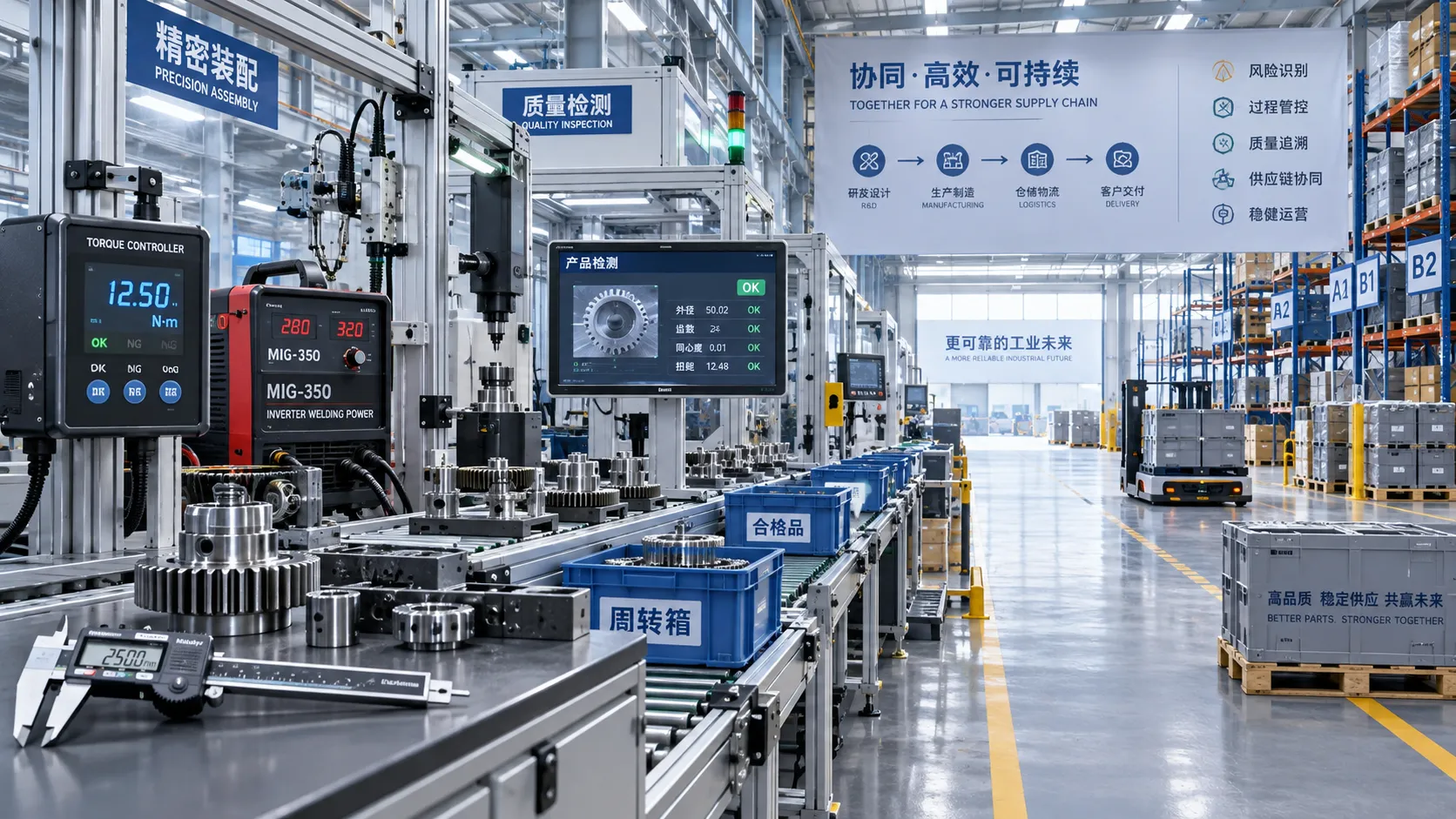
How Procurement Teams Can Map the Industrial Value Chain to Reduce Supply Risk
Industrial value chain procurement helps teams map hidden dependencies, qualify resilient sources, and reduce supply risk before disruptions stop production.

How Specification-Driven Articles Improve Precision Measurement System Selection
Specification-oriented articles precision measurement guidance helps teams compare accuracy, repeatability, environment, and data needs to select reliable systems with confidence.

How to Evaluate a Technology Integration Service Provider for Complex Projects
Technology integration service provider selection guide: evaluate interface ownership, delivery discipline, scalable architecture, and risk control for complex projects.
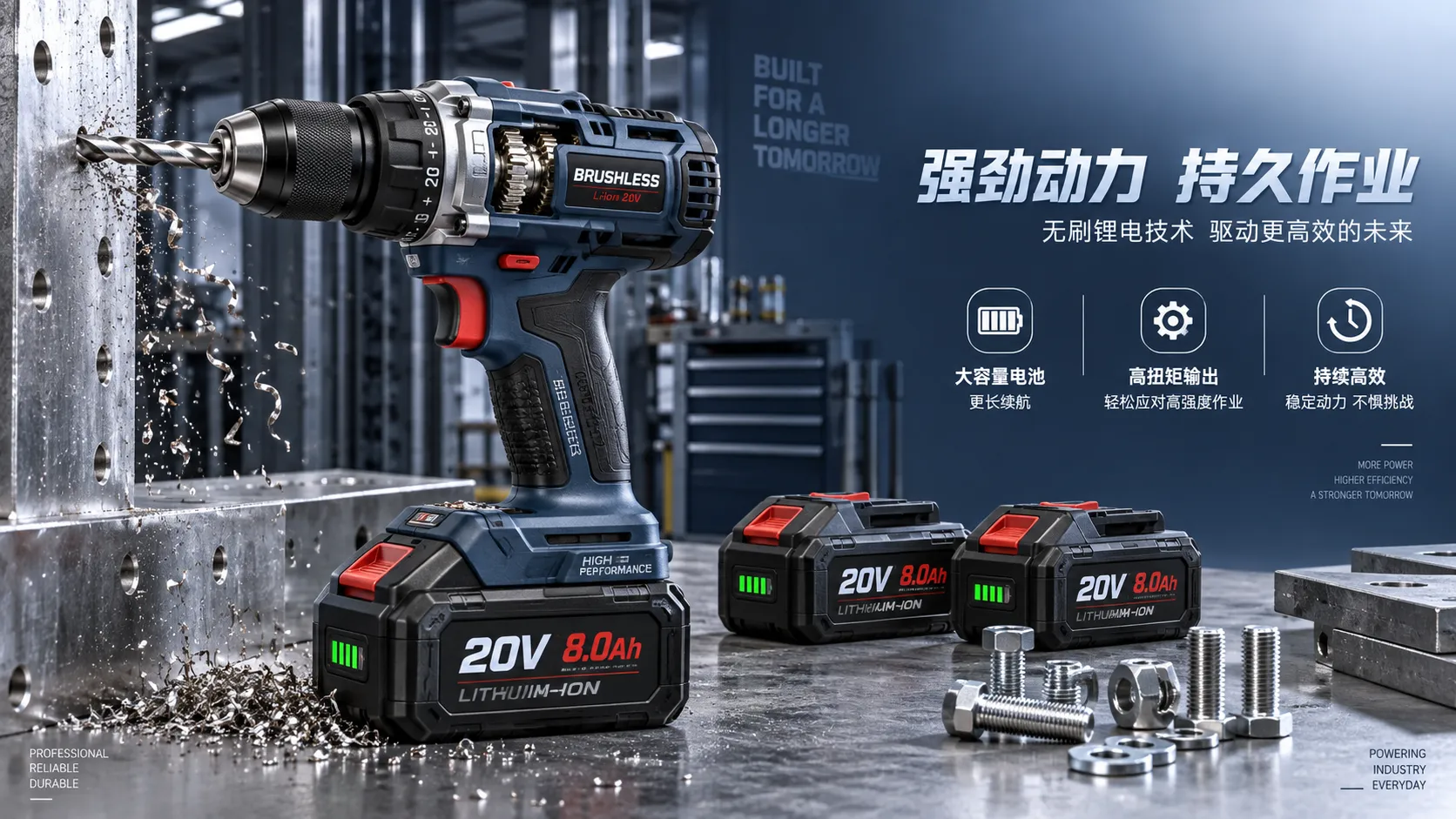
How Battery, Torque, and Duty Cycle Affect Cordless Power Tool Efficiency
Cordless power tool efficiency depends on battery output, torque, and duty cycle. Learn how to match tools to demanding jobs for stronger runtime and productivity.

Product Comparison Resources for Component Compatibility and Lifecycle Risk
Product comparison resources for components: evaluate compatibility, interfaces, service support, and lifecycle risk to reduce downtime, avoid redesigns, and make confident sourcing decisions.
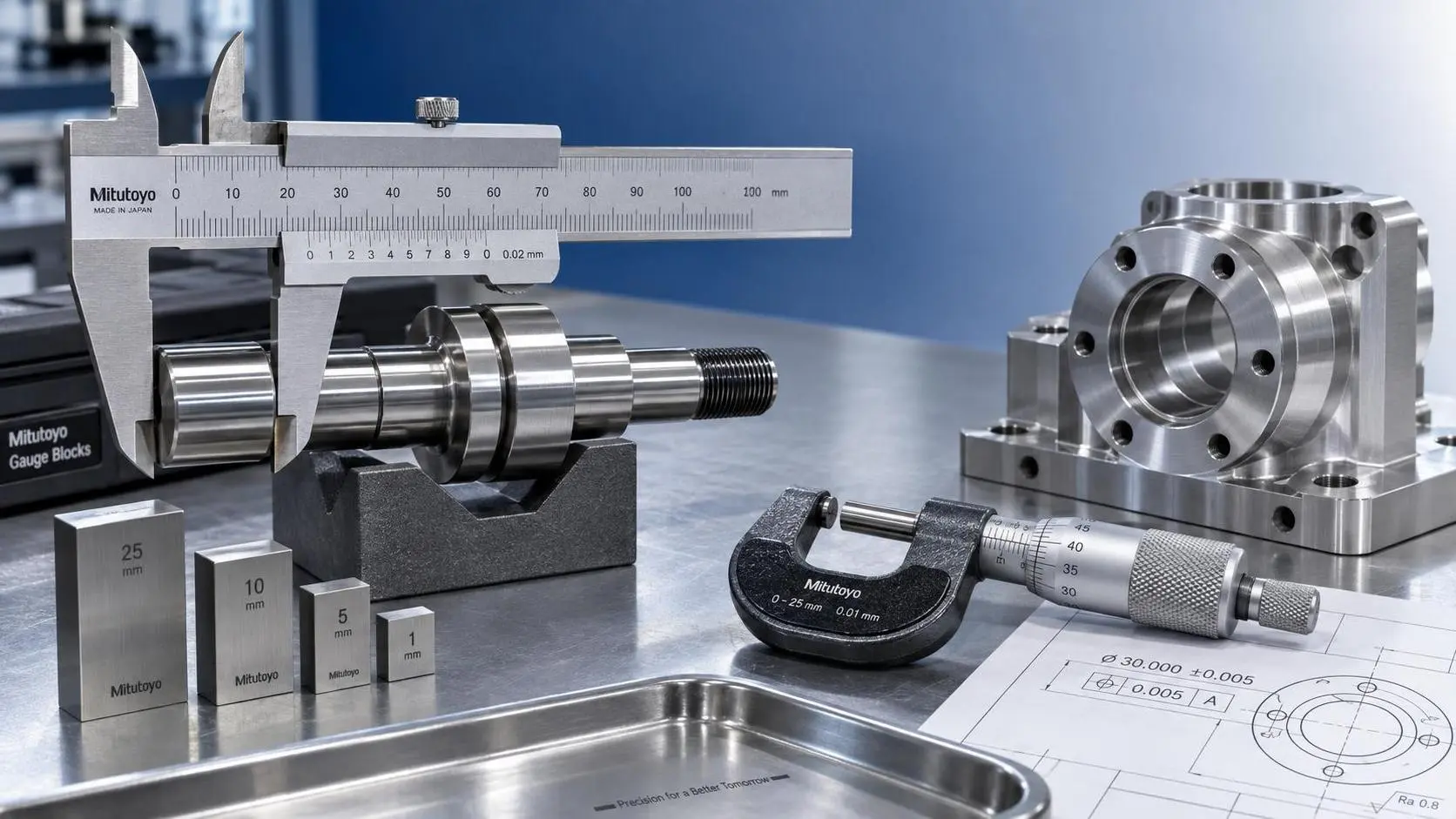
How to Select Vernier Precision Calipers for Tight-Tolerance Machining Inspection
Vernier precision calipers for tight-tolerance machining: learn how to select the right range, jaw design, accuracy, and verification process for reliable inspection.
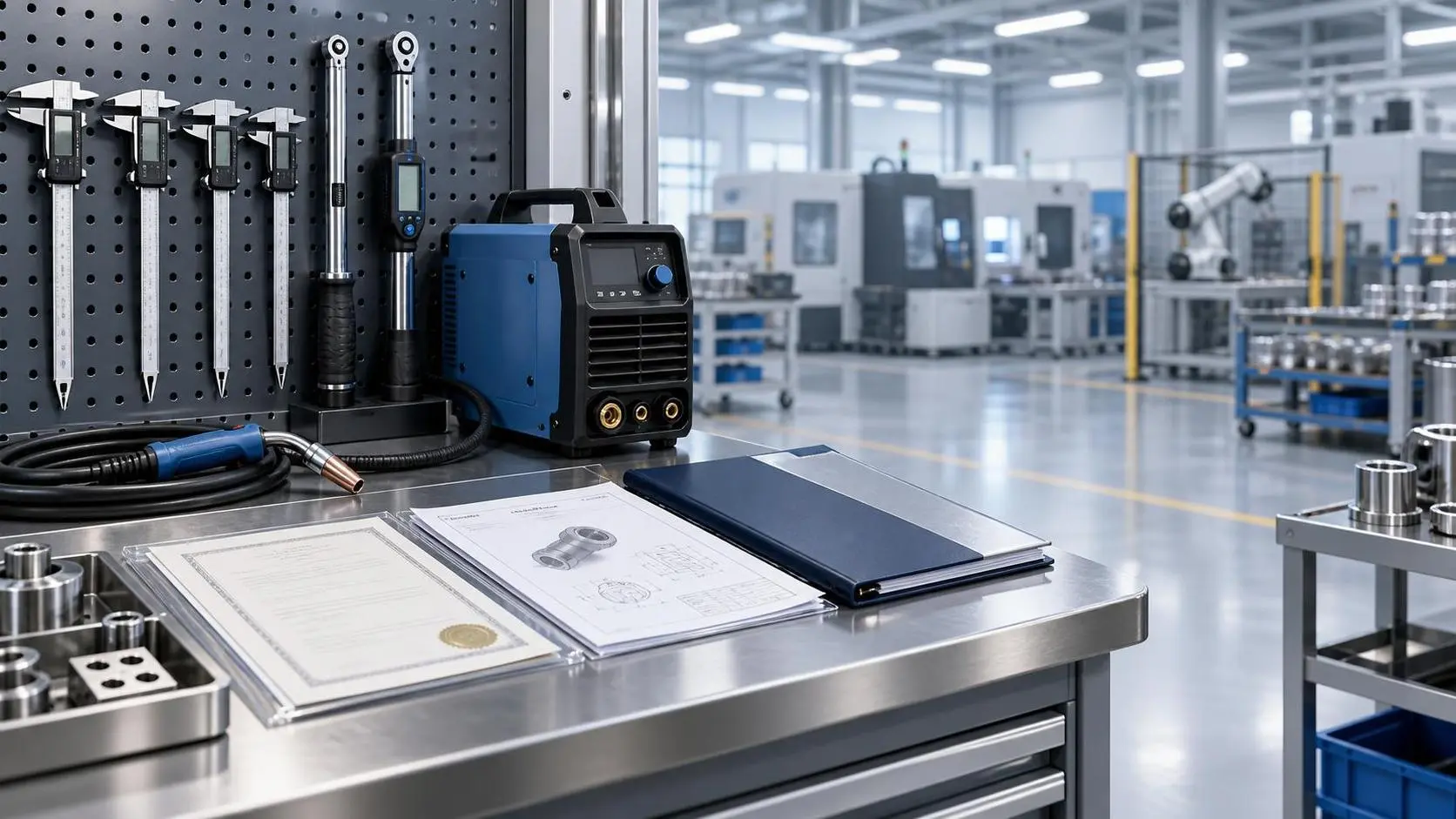
Product Comparison Resources in Europe: How Buyers Can Verify Specs and Suppliers
Product comparison resources Europe: learn how to verify industrial specs, compliance claims, supplier credibility, and delivery risk for smarter purchasing decisions.

How to Evaluate an Industrial Metrology Solution Manufacturer for Production Use
Industrial metrology solution manufacturer evaluation guide for production: compare accuracy, traceability, automation, software, service, and acceptance testing to reduce risk.

Which ISO Standards Matter Most for Precision Engineering Quality Control?
Precision engineering ISO standards explained: discover how ISO 9001, ISO/IEC 17025, ISO 10012, GPS, and ISO 3834 strengthen quality control, traceability, and compliance.
Related News
- 00
0000-00
Why Are Specification-Oriented Articles Gaining Traction in Europe’s B2B Markets? - 00
0000-00
Industrial Solutions in Latin America: Key Growth Sectors and Market Entry Risks - 00
0000-00
What Is Driving Manufacturing Efficiency in Europe’s Industrial Sectors? - 00
0000-00
Industrial Market Trends in 2025: What Buyers Should Watch Across Supply and Demand - 00
0000-00
Production Efficiency in North America: What Is Changing for Manufacturers in 2025?
Dr. Alistair Vaughn
Weekly Insights
Stay ahead with our curated technology reports delivered every Monday.