
What Precision Engineering Means and Where It Matters in Modern Manufacturing





Why does precision engineering matter beyond tight tolerances?
Precision engineering is often reduced to microns, gauges, and exact dimensions. That is only part of the story.
In modern manufacturing, precision engineering connects design intent with repeatable output. It turns acceptable parts into reliable systems.
A turbine blade, a welded battery tray, or a medical fixture can all meet drawings. Yet performance still depends on consistency.
That is where precision engineering matters most. It controls variation before variation becomes waste, downtime, or field failure.
For industrial research, it also signals capability. Plants with stronger metrology, process control, and joining accuracy usually scale with fewer surprises.
This is especially relevant across assembly, welding, and inspection. Those last manufacturing steps decide whether upstream value is protected or lost.
GPTWM follows this “last mile” closely. Its intelligence focus on tools, welding, and metrology reflects a simple truth: precision is both technical and economic.
What does precision engineering actually include in day-to-day production?
The phrase sounds specialized, but the practice is broad. Precision engineering shapes how parts are made, measured, assembled, and verified.
In practical terms, it usually includes several linked disciplines rather than one isolated technology.
- Tolerance planning that matches function, not just drawing tradition.
- Process capability control for machining, forming, and finishing.
- Precision metrology using calipers, CMMs, laser systems, and in-line sensors.
- Assembly accuracy, including torque control, alignment, and fit consistency.
- Joining quality in welding, brazing, fastening, or adhesive bonding.
A common misunderstanding is that precision engineering begins after parts are produced. More often, it starts much earlier.
Material behavior, tooling wear, thermal distortion, fixture design, and operator ergonomics all affect achievable precision.
That is why advanced factories combine skilled craftsmanship with digital feedback. The goal is not abstract perfection. The goal is controlled repeatability.
In sectors tracked by GPTWM, this appears in handheld laser welding safety rules, brushless tool performance limits, and intelligent torque monitoring.
Where does precision engineering have the biggest impact in modern manufacturing?
Not every production line needs the same level of precision engineering. The strongest impact appears where small deviations create large downstream consequences.
Aerospace is the obvious example. Minor errors in geometry, surface finish, or joint integrity can affect fatigue life and safety margins.
Automotive uses precision engineering differently. The pressure there is volume, interchangeability, and stable cycle time across millions of repeated operations.
Electronics and medical devices depend on miniaturization. Here, alignment, clean joining, and exact measurement often matter more than raw material mass.
Construction equipment and heavy industry also rely on precision engineering, even when part sizes are large. Hydraulic reliability and wear behavior depend on controlled fits.
The pattern is easier to compare in a compact view.
In other words, precision engineering matters wherever error multiplies cost, risk, or performance loss.
How is precision engineering different from standard quality control?
This is a frequent question because the two are related. They are not the same.
Quality control often checks results after production. Precision engineering shapes the conditions that make good results repeatable in the first place.
A basic inspection system may reject bad parts. A precision engineering approach asks why the variation appeared, where it started, and how to prevent it.
That prevention mindset changes investment priorities. Instead of adding only more inspection, plants may improve fixturing, calibration, or tool-path stability.
The same logic applies in welding. A final weld check is useful, but precision engineering also looks at torch positioning, heat consistency, joint prep, and distortion control.
More mature operations connect these layers through data. Sensor feedback, in-line metrology, and torque traceability make deviation visible earlier.
That is one reason GPTWM tracks intelligence around IoT-based torque control and high-precision measuring systems. Precision now depends on information flow as much as hardware.
When evaluating precision engineering capability, what should you actually look for?
The easy answer is “check tolerances.” The better answer is to examine whether the process can hold them consistently under real production conditions.
A useful evaluation usually combines technical signals and operational signals.
- Measurement discipline: calibration intervals, traceability, and gauge selection.
- Process stability: documented capability, wear compensation, and thermal management.
- Joining control: weld parameter consistency, fixture accuracy, and safety compliance.
- Digital visibility: data capture, alarm logic, and trend interpretation.
- Human factors: training depth, ergonomic tool use, and response speed to drift.
One practical clue is how an operation talks about variation. If discussion stays at pass or fail, the system may still be reactive.
If it tracks sources of drift, correlation between tool condition and output, or distortion after joining, the capability is usually deeper.
Commercial context also matters. Raw material fluctuation, export restrictions, and standard changes can quickly reshape which precision controls remain viable.
That broader view is valuable because precision engineering decisions are rarely isolated from supply, compliance, and market positioning.
What are the common mistakes when companies try to improve precision engineering?
The first mistake is chasing extreme tolerances without linking them to function. Precision that adds cost without improving use is not automatically valuable.
Another mistake is overinvesting in measurement while underinvesting in process control. Better gauges cannot fix unstable tooling or weak fixtures.
A third issue appears in automation projects. Teams expect software and sensors to create accuracy, even when the mechanical base is inconsistent.
Welding operations often face a related problem. They focus on speed improvements before establishing safe, repeatable heat input and joint positioning.
There is also a timing mistake. Precision engineering is treated as a final-stage upgrade instead of a design and process planning requirement.
In practice, stronger results come from a more grounded sequence:
- Define the functional tolerance that truly affects performance.
- Confirm process capability before scaling volume.
- Match metrology methods to risk level and geometry.
- Review joining, torque, and assembly interactions, not single steps alone.
That sequence is less dramatic than buying new equipment, but usually more effective.
So where should the next investigation start?
If the goal is to understand precision engineering, start with the point where error becomes expensive.
That could be dimensional drift in machined parts, weld distortion in assemblies, or weak measurement traceability in final inspection.
From there, compare four things: functional requirement, process capability, metrology depth, and data visibility.
The value of precision engineering becomes clear when those four elements align. Accuracy then supports throughput, lower rework, and more predictable product behavior.
For ongoing industry tracking, it also helps to watch signals beyond the workshop floor. Safety standards, export rules, tool efficiency limits, and metrology demand trends matter.
That wider intelligence is where GPTWM contributes a useful perspective. Its coverage connects craftsmanship, intelligent tools, and industrial decision-making without reducing precision to a single metric.
A sensible next step is to map the critical operations, list the most sensitive tolerances, and check whether current controls prevent variation or simply detect it.
That exercise usually reveals where precision engineering matters most, and where future improvements will deliver the clearest manufacturing advantage.
Related News
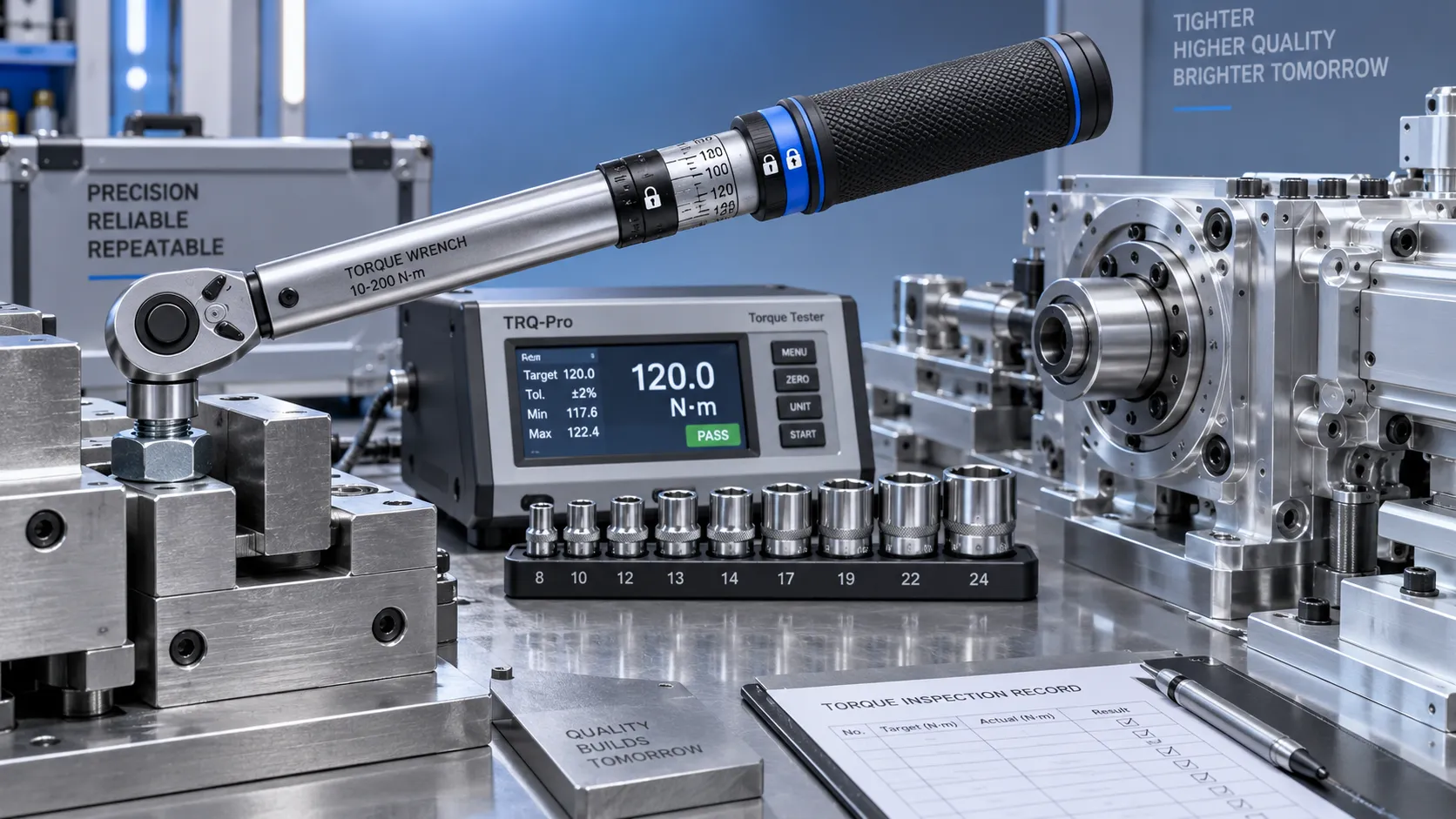
Selecting Adjustable Torque Tools for Repeatable Fastener Assembly
Adjustable torque tools: learn how to match range, accuracy, control methods, calibration, and ergonomics for repeatable, reliable fastener assembly.

How to Select Aerospace Inspection Tools for Aircraft Maintenance Tasks
Aerospace maintenance inspection tools: learn how to select reliable, traceable equipment for aircraft access, accuracy, calibration, and compliant maintenance decisions.
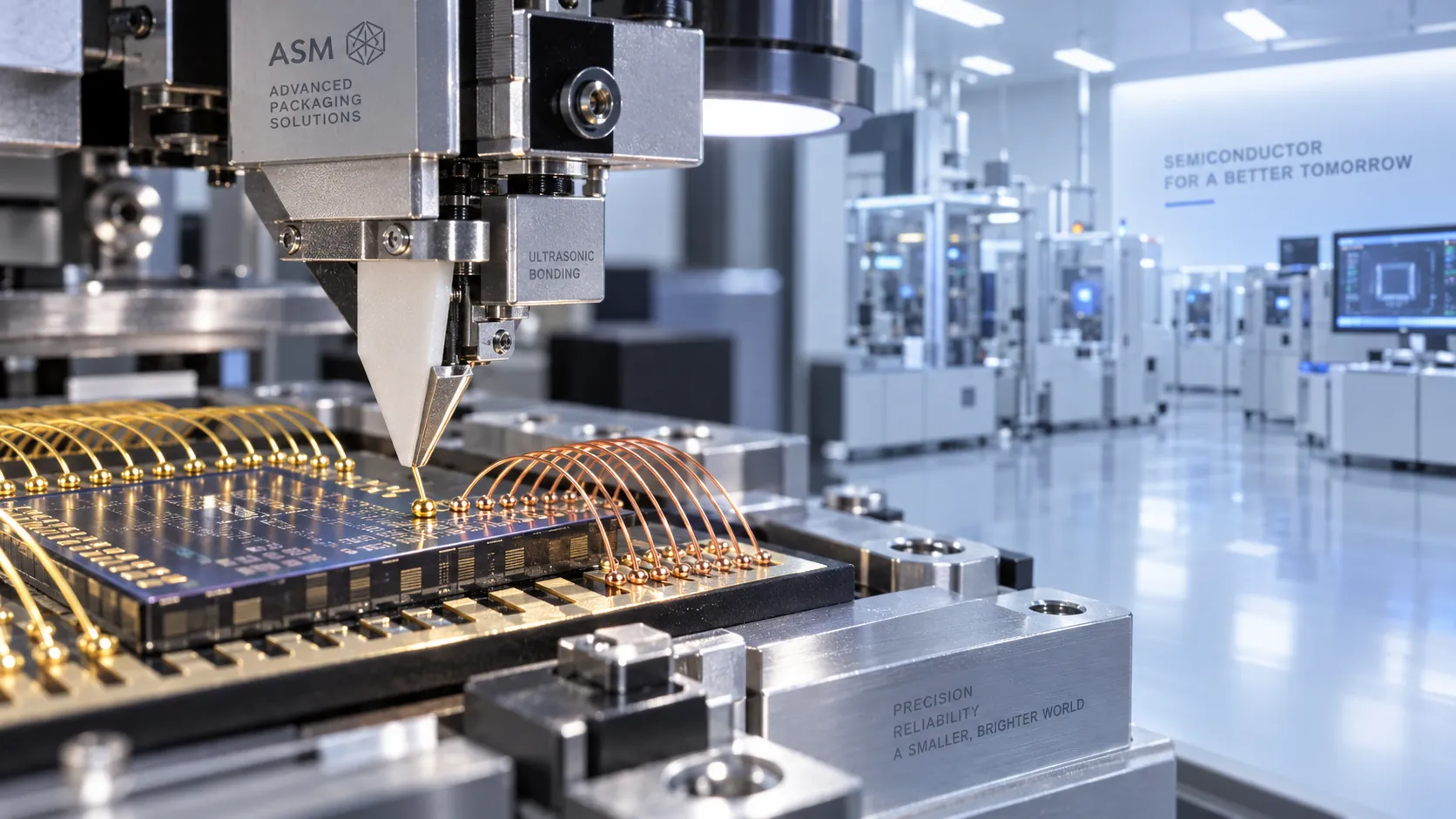
How to Select Wire Bonding Tools for Fine-Pitch Semiconductor Packaging
Explore semiconductor manufacturing tools for wire bonding and learn how to select precision solutions for fine-pitch packaging, reliable loops, accuracy, and yield.
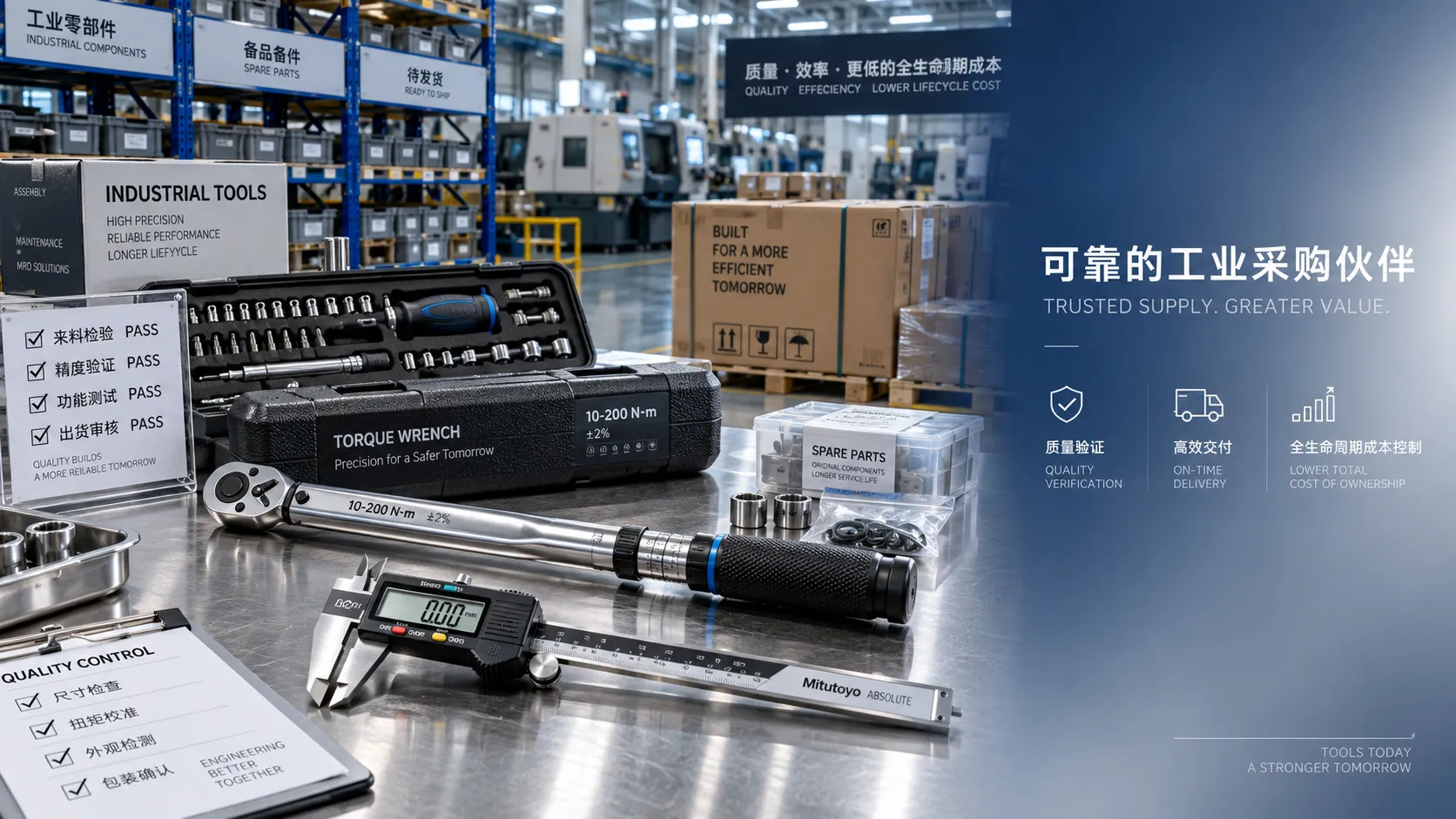
How to Compare Industrial Tool Suppliers for Quality, Lead Time, and Total Cost
Industrial tool selection supplier comparison made simple: evaluate quality, lead times, total cost, service, and supply resilience for confident sourcing decisions.
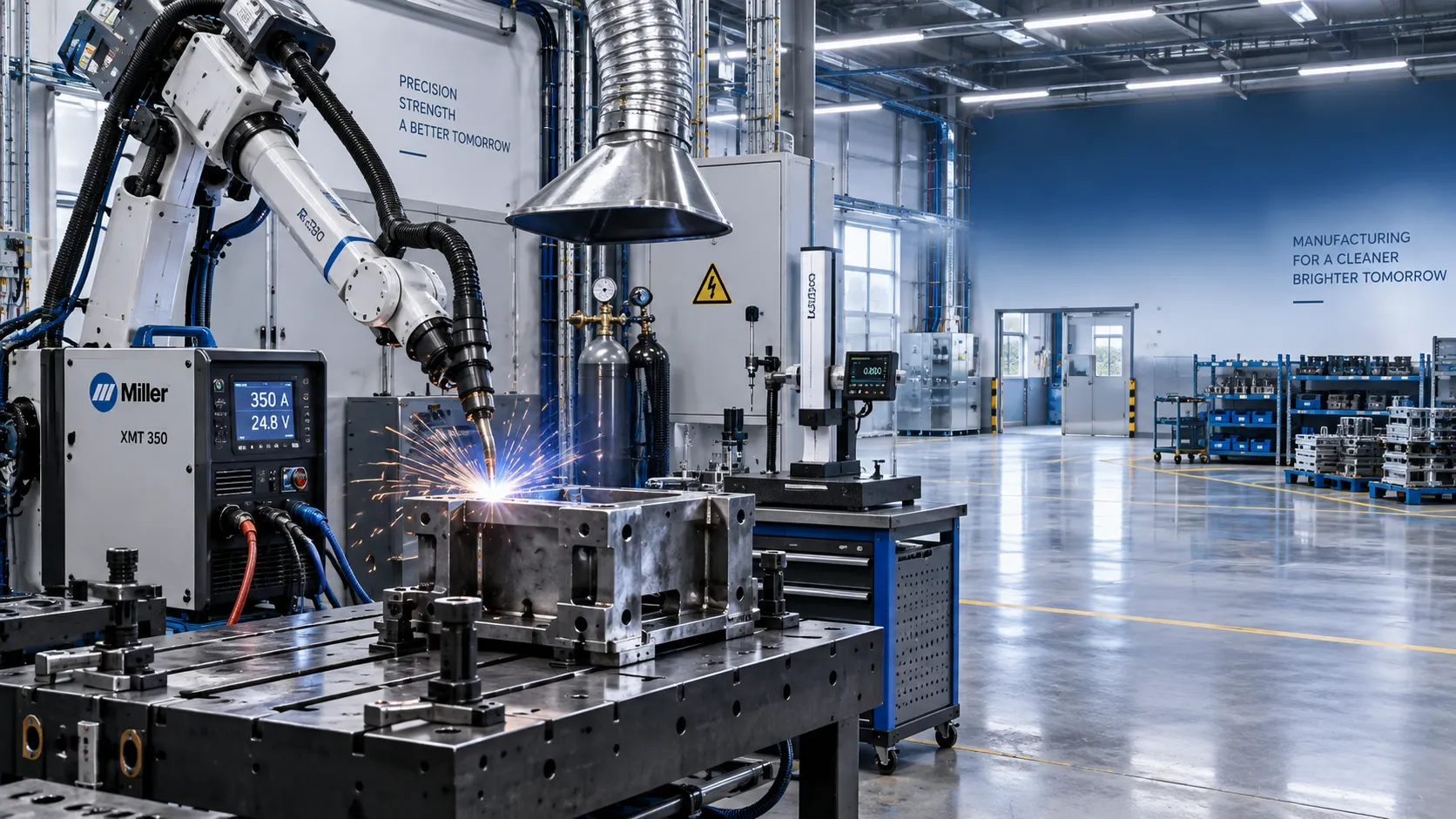
Industrial Equipment Application Guidance: Match Machines to Operating Conditions
Application guidance industrial equipment: match capacity, duty cycle, materials, site conditions, safety, and lifecycle cost to improve reliable output. Read the guide.
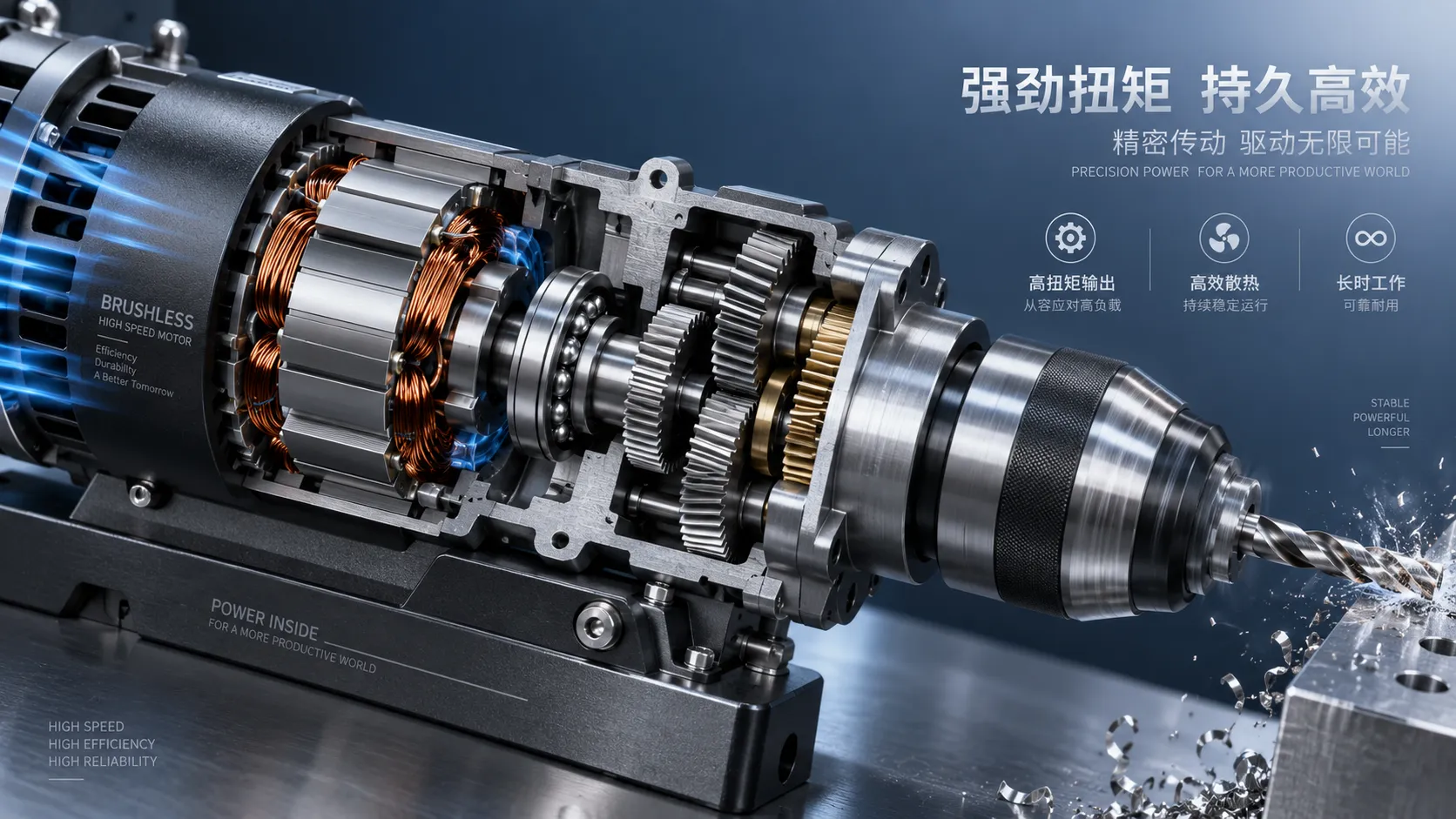
Selecting High-Speed Brushless Tool Motors for Torque, Heat, and Duty Cycle
High speed brushless tool motors: learn how to balance torque, heat, gearing, and duty cycle for reliable industrial tool performance and longer service life.
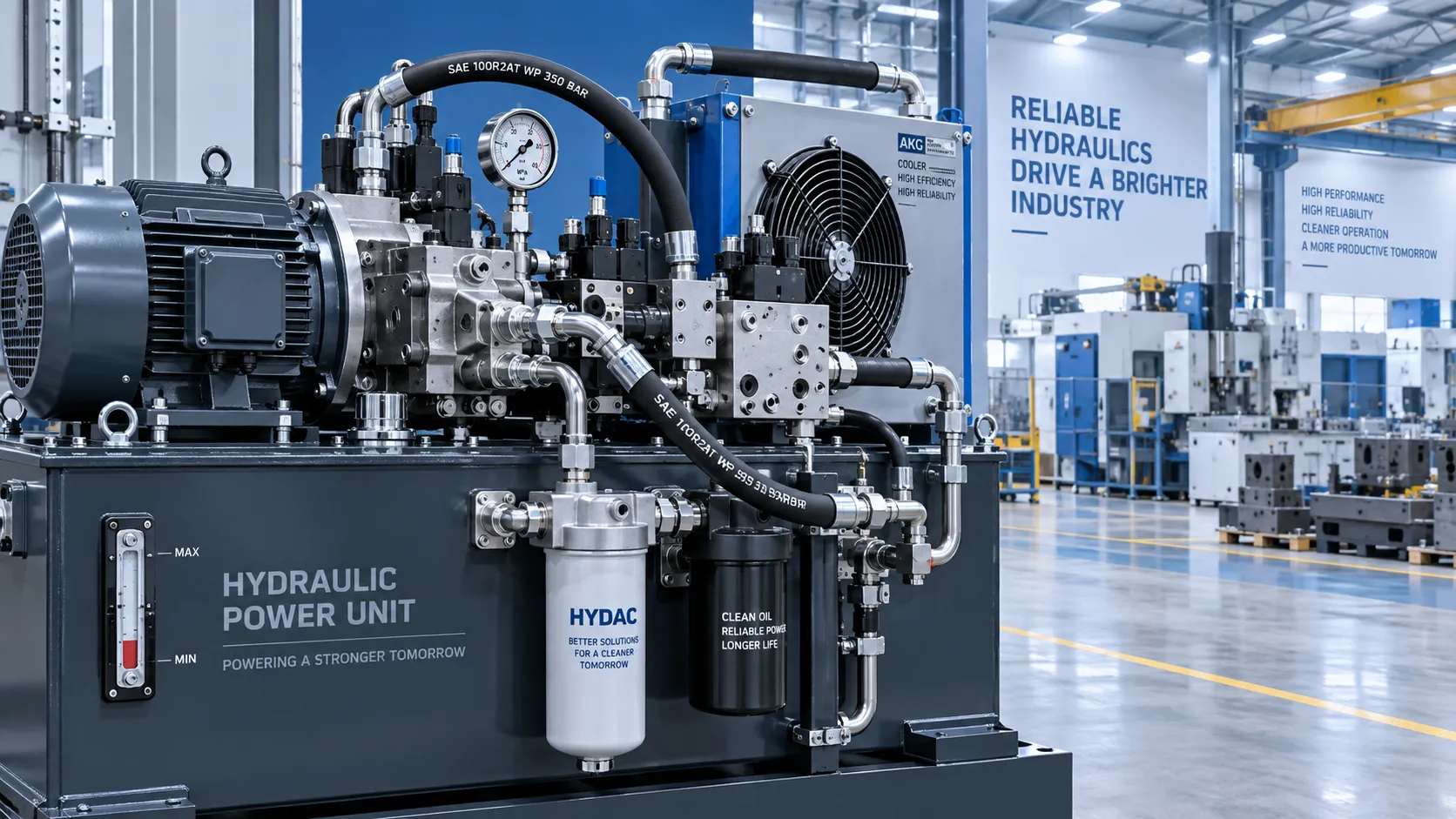
What Determines Industrial Hydraulic System Price for Heavy-Duty Equipment?
Industrial hydraulic system price depends on duty cycle, pressure, components, cooling, and integration. Compare quotes intelligently to secure reliable heavy-duty performance.
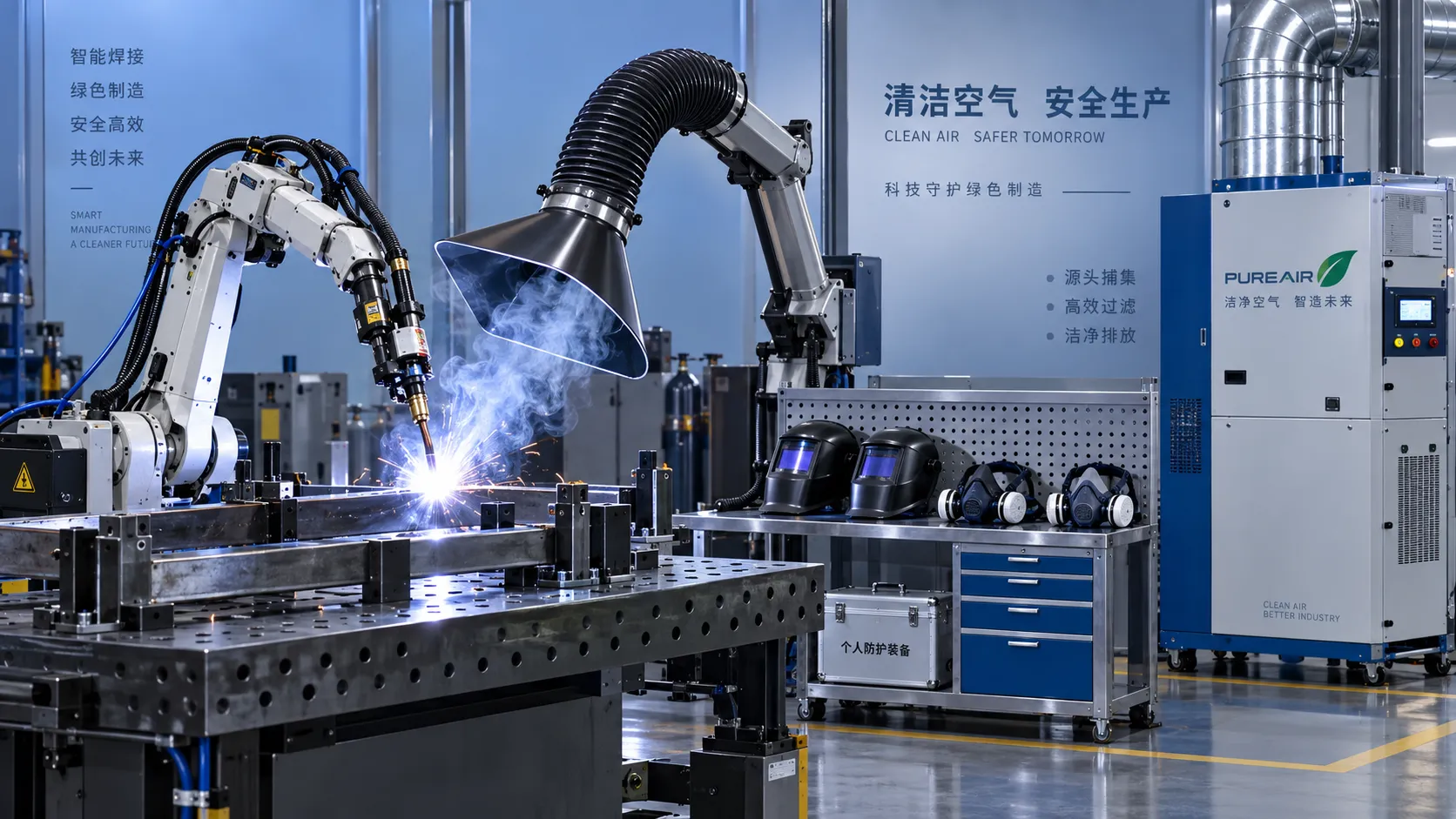
Welding Fume Extraction PPE: When Respirators Are Not Enough for Shop Safety
Welding fume extraction PPE: learn why respirators alone fall short and how source capture, ventilation, and layered controls improve shop safety.
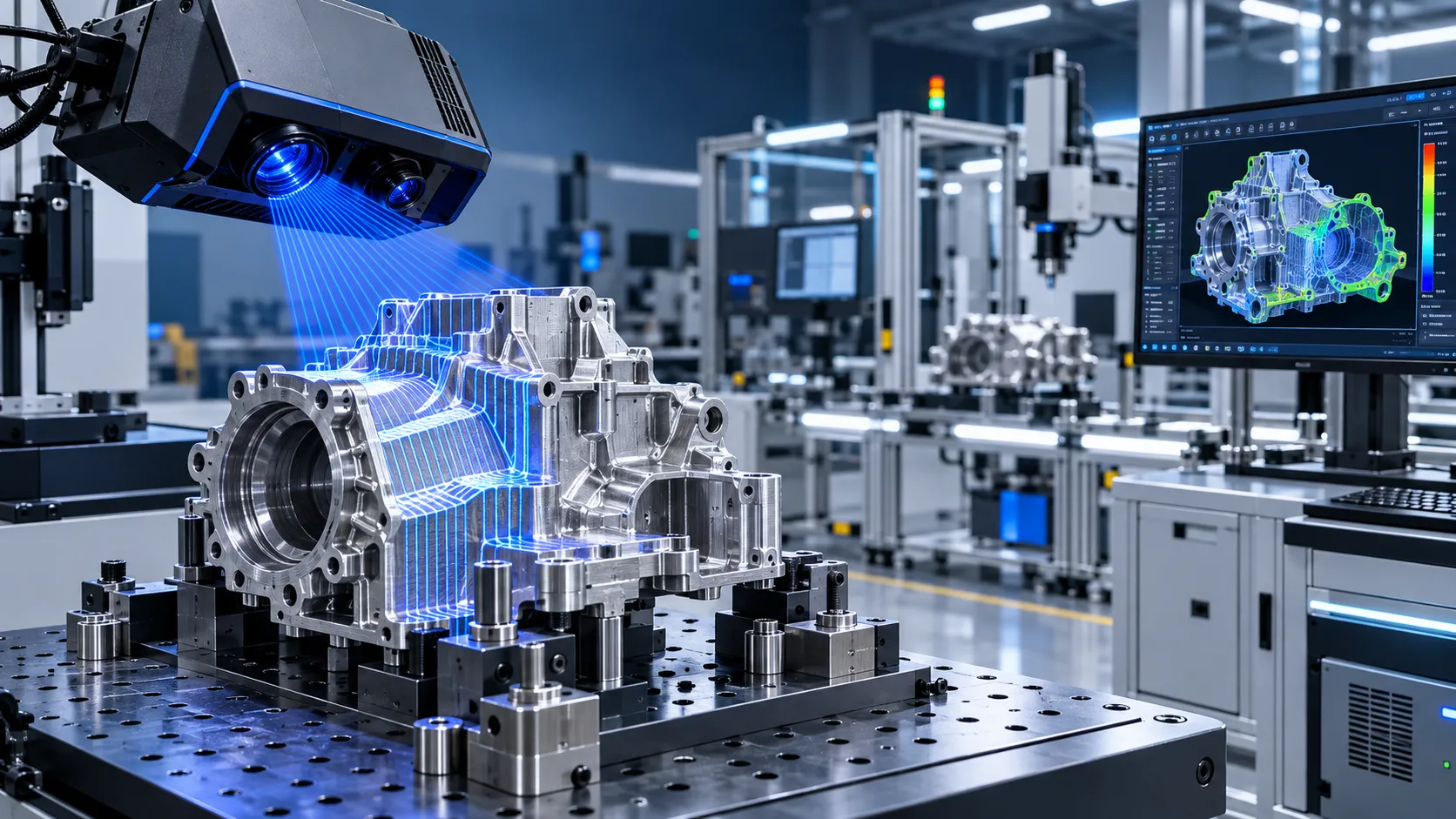
How to Select Optical Metrology Solutions for Tight-Tolerance Manufacturing
Optical industrial metrology solutions for tight-tolerance manufacturing: evaluate accuracy, surface compatibility, workflow, and traceability to select with confidence.
Related News
- 00
0000-00
Selecting Adjustable Torque Tools for Repeatable Fastener Assembly - 00
0000-00
How to Select Aerospace Inspection Tools for Aircraft Maintenance Tasks - 00
0000-00
How to Select Wire Bonding Tools for Fine-Pitch Semiconductor Packaging - 00
0000-00
Industrial Equipment Application Guidance: Match Machines to Operating Conditions - 00
0000-00
Selecting High-Speed Brushless Tool Motors for Torque, Heat, and Duty Cycle
Prof. Marcus Chen
Weekly Insights
Stay ahead with our curated technology reports delivered every Monday.