
7 Practical Ways to Improve Manufacturing Efficiency on Small Batch Production Lines





Why small batch lines need a different view of manufacturing efficiency
On small batch production lines, manufacturing efficiency is shaped by variation more than volume. Changeovers, mixed materials, inspection frequency, and rework risks often decide output faster than machine speed alone.
That is why the strongest gains usually come from better judgment, not only faster equipment. In assembly, welding, and precision measurement workflows, each batch can expose different limits.
A short run of aerospace brackets behaves differently from customized construction fittings or service parts for automotive maintenance. The route to manufacturing efficiency changes with tolerance, traceability, and operator dependency.
GPTWM often frames this as the “last mile” problem. The biggest delays appear where craftsmanship, digital tools, and real production constraints meet on the floor.
In practical terms, improving manufacturing efficiency means balancing flexibility, quality stability, labor use, and response time without building a process that only works for one ideal batch.
When frequent changeovers eat more time than production
Many small batch lines lose more hours between jobs than during actual production. Tool swaps, fixture resets, torque adjustments, and inspection setup can quietly stretch lead time.
The useful question is not only how fast a changeover looks. It is whether the next batch starts with the same quality confidence as the previous one.
1. Standardize setup at the point of use
Setup sheets should reflect actual floor conditions, not engineering assumptions. Visual fixture references, preset torque windows, and inspection checkpoints reduce interpretation gaps.
This is especially valuable where brushless power tools, calibrated measuring devices, and manual welding stations share one cell. A standardized start cuts adjustment drift across operators.
2. Group jobs by process similarity, not only due date
Short-run schedules often chase shipment deadlines too aggressively. That can create repeated fixture changes, gas setting changes, or material handling loops that weaken manufacturing efficiency.
Where possible, sequence work by common tooling, joining method, or inspection method. Even a modest reduction in reset time can free capacity without new capital spending.
Where quality variation becomes the real efficiency bottleneck
In high-mix production, scrap is rarely the only problem. More often, hidden efficiency loss comes from extra checking, uncertain measurements, and repeated confirmation before release.
3. Move metrology closer to the process
If operators wait for centralized inspection on every critical feature, throughput stalls. Portable or cell-level precision metrology can shorten feedback loops and protect manufacturing efficiency.
This matters in welded assemblies, machined subcomponents, and mixed-material joining. A fast in-process check catches fixture bias, heat distortion, or hole position drift before a full batch is affected.
GPTWM’s intelligence focus on precision tools and metrology reflects this reality. Good information is useful only when it helps the floor decide earlier and with less ambiguity.
4. Define control limits by risk, not by habit
Not every dimension needs the same inspection rhythm. Small batch lines improve manufacturing efficiency when checks are tied to process sensitivity, customer standards, and downstream consequences.
Critical weld geometry, torque retention, and alignment features deserve tighter attention. Cosmetic surfaces or non-functional dimensions may need a different cadence. Treating them equally wastes effort.
Mixed assembly and joining cells need smarter labor allocation
Another common challenge appears in cells that combine fastening, fitting, welding, and final verification. Here, manufacturing efficiency depends on how labor and skill are distributed across steps.
5. Protect expert time for unstable operations
Highly skilled personnel are often pulled into routine tasks because the line lacks clear escalation rules. That looks flexible, but it usually lowers total manufacturing efficiency.
A better approach separates repeatable work from unstable work. Standard assembly, torque verification, and packaging can follow fixed routines, while complex fit-up or distortion correction gets expert attention.
6. Use digital traceability where variability is highest
IoT-based torque control, weld parameter logs, and part-level records do not need to cover every single operation at once. Start where defects are hardest to diagnose later.
In maintenance-oriented sectors such as automotive and aerospace service, traceability often supports both quality assurance and faster root-cause review. That dual value strengthens manufacturing efficiency over time.
Different production situations change what should be optimized first
The same efficiency tool does not solve every short-run problem. In practice, the right starting point depends on what creates the most disruption.
This is where commercial and technical intelligence becomes useful. Changes in export standards, material pricing, or safety expectations can shift the most efficient process choice faster than many teams expect.
What small batch teams often misjudge
One repeated mistake is chasing cycle time while ignoring queue time. If parts wait for inspection, sign-off, or fixture availability, a faster station will not improve manufacturing efficiency.
Another mistake is treating similar jobs as identical. Two metal joining tasks may share material thickness but differ in heat input sensitivity, surface finish demands, or downstream assembly fit.
Cost is also misread. A lower-priced tool or fixture can increase recalibration, operator correction, and inconsistent torque outcomes. That hurts manufacturing efficiency long after purchase approval.
- Check whether downtime comes from setup, waiting, or quality uncertainty.
- Compare maintenance burden before choosing a lower-cost device or fixture.
- Review standard compatibility, especially for safety-critical welding and measurement tasks.
- Confirm whether digital records will be used for action, not only stored.
A practical path to stronger manufacturing efficiency
The seventh and most practical move is to build a simple decision rhythm around the line. Review each short-run family by changeover loss, defect escape risk, and labor dependency.
Then match improvement actions to that reality. Some lines need better setup control first. Others need cell-level metrology, safer handheld laser welding practices, or smarter torque traceability.
The broader lesson is clear. Manufacturing efficiency on small batch production lines improves fastest when process choices reflect actual application conditions, not generic best practices.
A useful next step is to map three recent batches, compare where time and confidence were lost, and define one adaptation standard for setup, inspection, and traceability. That creates a repeatable base for better decisions.
For operations influenced by industrial assembly, metal joining, and precision measurement trends, structured intelligence can sharpen that review. It helps connect daily floor decisions with longer-term manufacturing efficiency priorities.
Related News
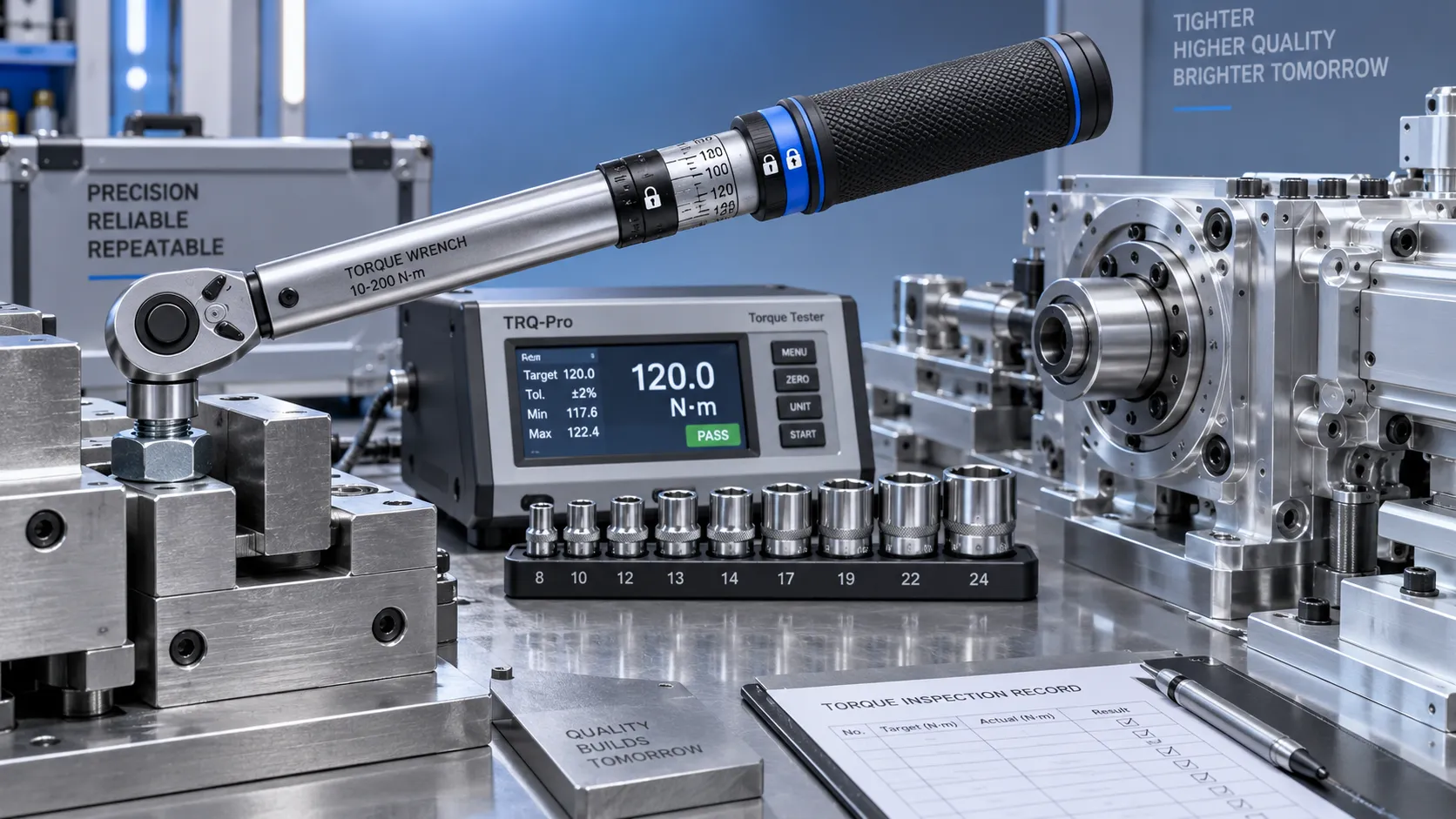
Selecting Adjustable Torque Tools for Repeatable Fastener Assembly
Adjustable torque tools: learn how to match range, accuracy, control methods, calibration, and ergonomics for repeatable, reliable fastener assembly.

How to Select Aerospace Inspection Tools for Aircraft Maintenance Tasks
Aerospace maintenance inspection tools: learn how to select reliable, traceable equipment for aircraft access, accuracy, calibration, and compliant maintenance decisions.

How to Select Wire Bonding Tools for Fine-Pitch Semiconductor Packaging
Explore semiconductor manufacturing tools for wire bonding and learn how to select precision solutions for fine-pitch packaging, reliable loops, accuracy, and yield.
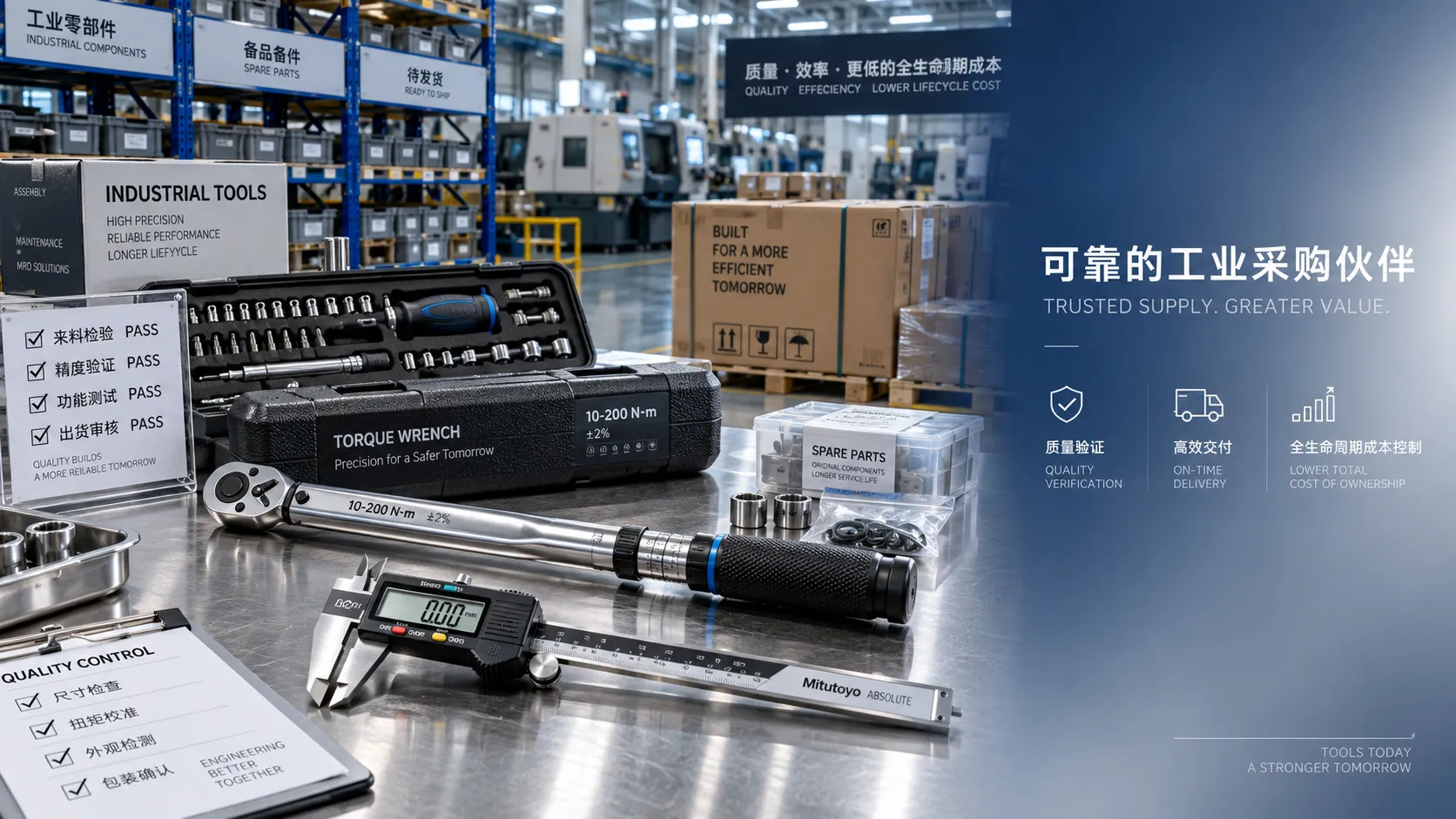
How to Compare Industrial Tool Suppliers for Quality, Lead Time, and Total Cost
Industrial tool selection supplier comparison made simple: evaluate quality, lead times, total cost, service, and supply resilience for confident sourcing decisions.
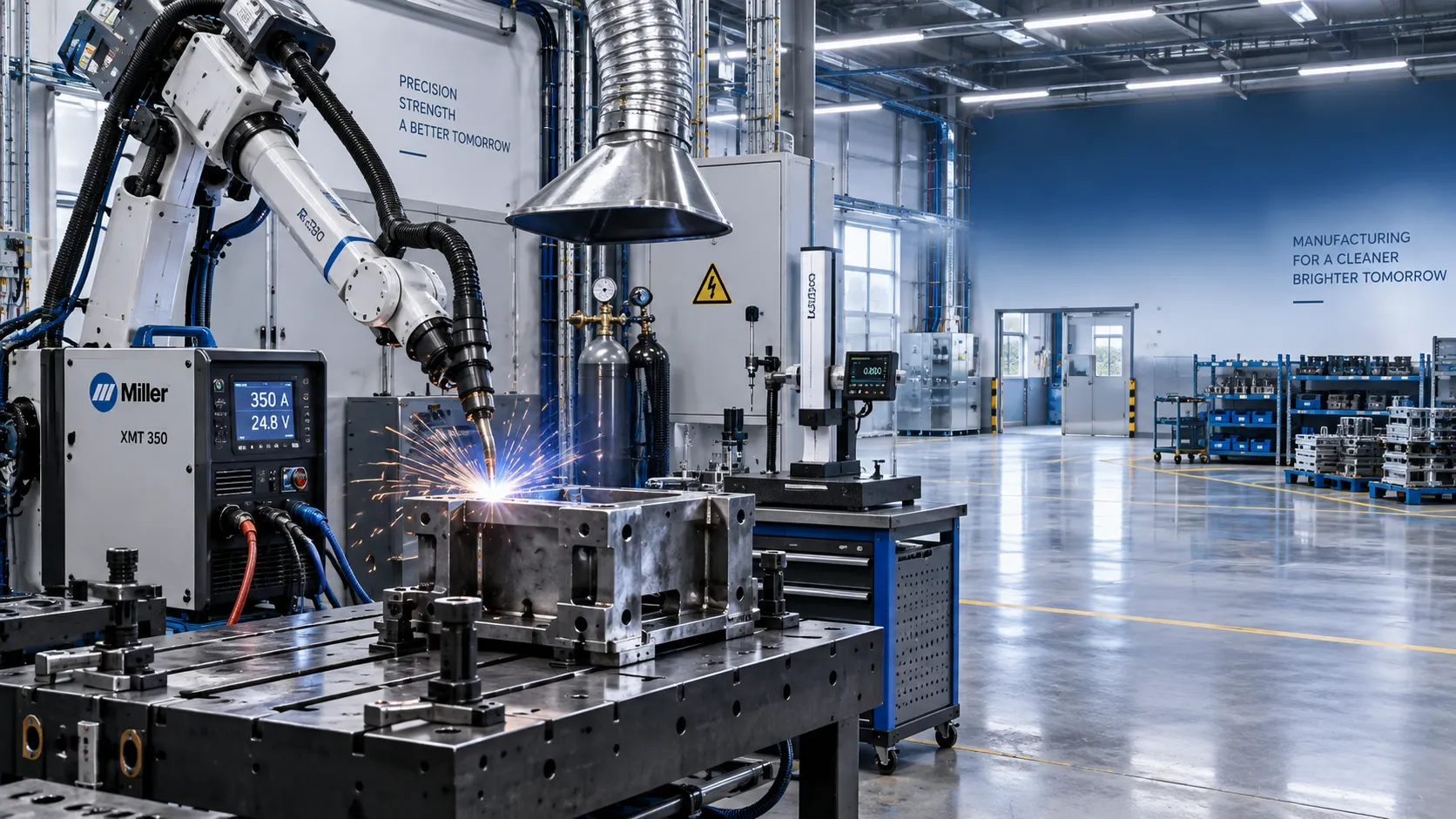
Industrial Equipment Application Guidance: Match Machines to Operating Conditions
Application guidance industrial equipment: match capacity, duty cycle, materials, site conditions, safety, and lifecycle cost to improve reliable output. Read the guide.
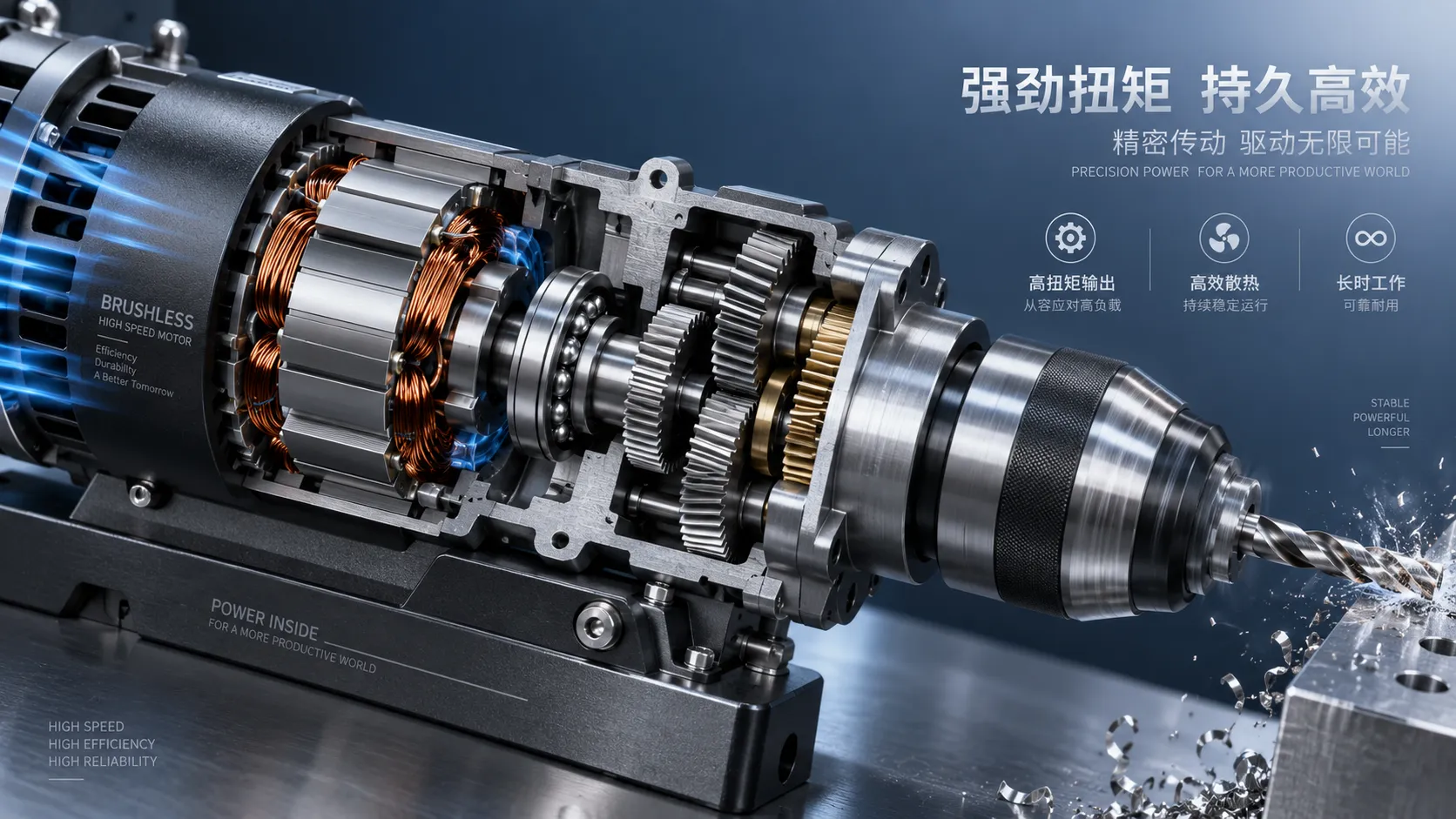
Selecting High-Speed Brushless Tool Motors for Torque, Heat, and Duty Cycle
High speed brushless tool motors: learn how to balance torque, heat, gearing, and duty cycle for reliable industrial tool performance and longer service life.
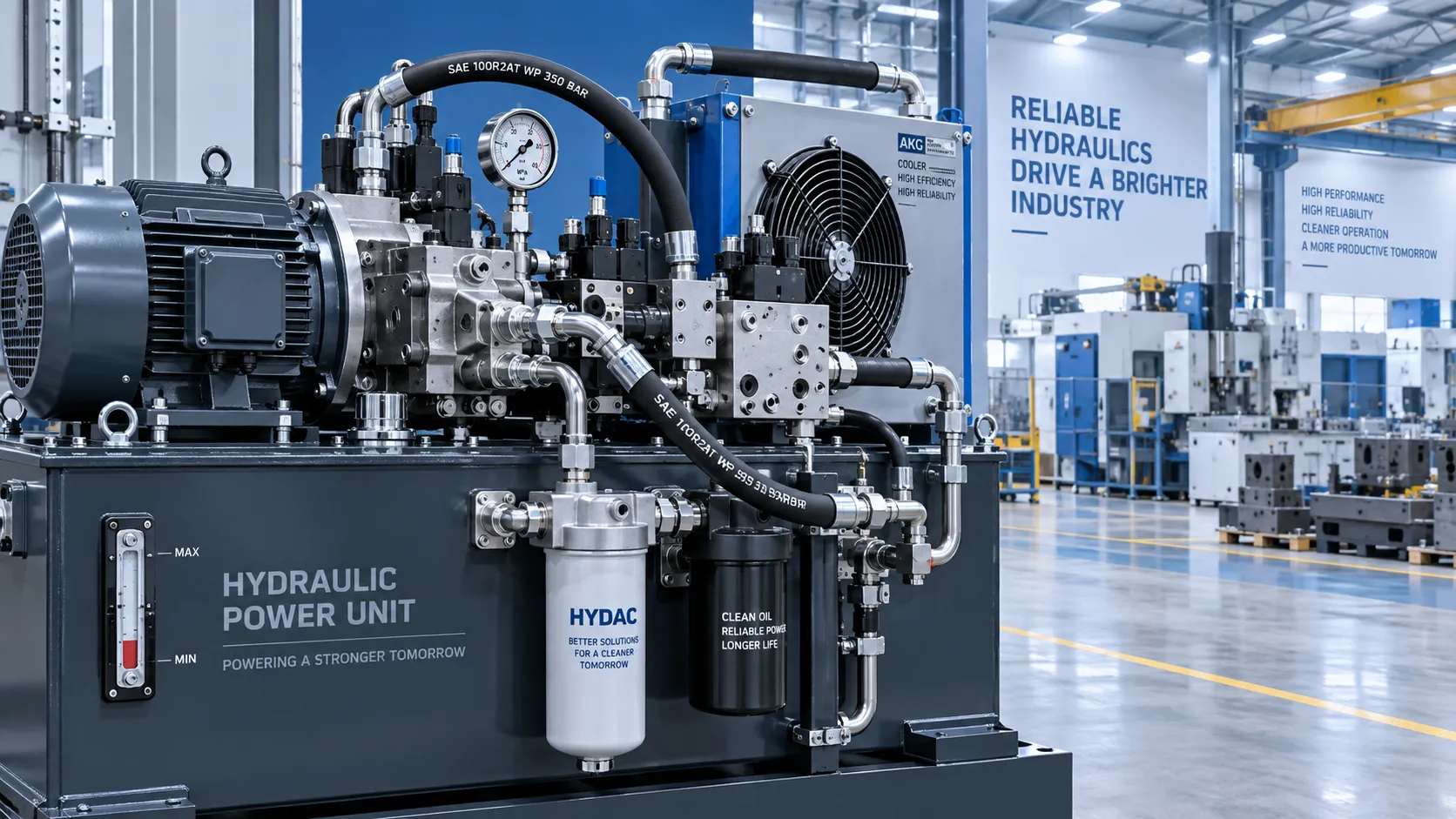
What Determines Industrial Hydraulic System Price for Heavy-Duty Equipment?
Industrial hydraulic system price depends on duty cycle, pressure, components, cooling, and integration. Compare quotes intelligently to secure reliable heavy-duty performance.
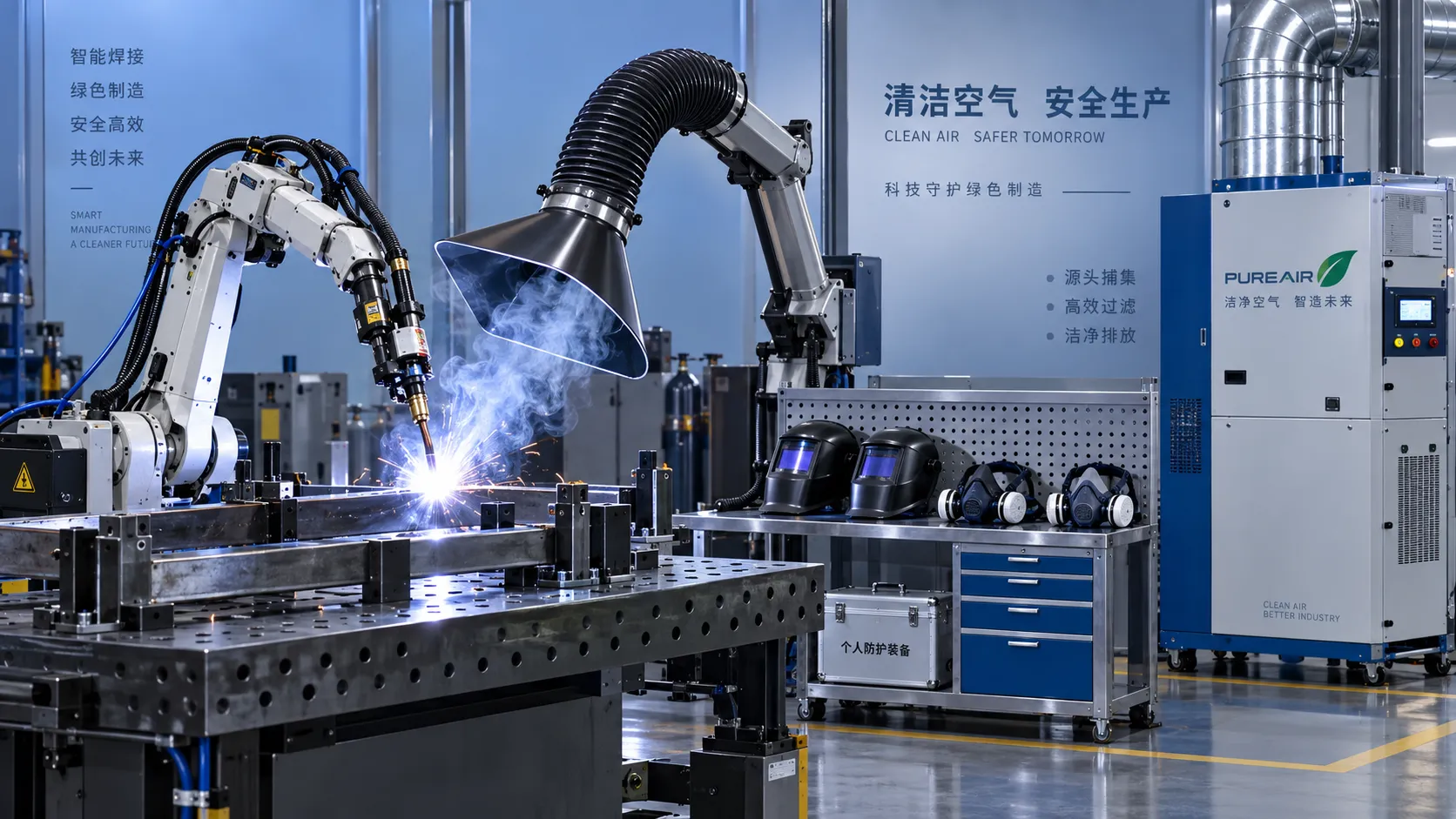
Welding Fume Extraction PPE: When Respirators Are Not Enough for Shop Safety
Welding fume extraction PPE: learn why respirators alone fall short and how source capture, ventilation, and layered controls improve shop safety.

How to Select Optical Metrology Solutions for Tight-Tolerance Manufacturing
Optical industrial metrology solutions for tight-tolerance manufacturing: evaluate accuracy, surface compatibility, workflow, and traceability to select with confidence.
Related News
- 00
0000-00
Selecting Adjustable Torque Tools for Repeatable Fastener Assembly - 00
0000-00
How to Select Aerospace Inspection Tools for Aircraft Maintenance Tasks - 00
0000-00
How to Select Wire Bonding Tools for Fine-Pitch Semiconductor Packaging - 00
0000-00
Industrial Equipment Application Guidance: Match Machines to Operating Conditions - 00
0000-00
Selecting High-Speed Brushless Tool Motors for Torque, Heat, and Duty Cycle
Prof. Marcus Chen
Weekly Insights
Stay ahead with our curated technology reports delivered every Monday.