
Can data-driven intelligence improve planning accuracy?





Can data-driven intelligence turn planning from educated guesswork into measurable precision? In complex industrial environments, planning rarely fails because schedules are missing.
It fails when teams cannot connect market shifts, equipment capability, quality signals, and operational constraints into one decision view.
That is where data-driven intelligence becomes practical. It helps organizations forecast demand, align tool capacity, reduce disruption, and improve planning accuracy across the full execution chain.
In sectors linked to industrial assembly, welding, and precision metrology, this approach is especially valuable because small planning errors often create expensive downstream consequences.
What data-driven intelligence means in planning
Data-driven intelligence is more than collecting reports or monitoring dashboards. It converts scattered information into structured guidance for timing, capacity, sourcing, maintenance, and quality decisions.
In planning, data-driven intelligence combines historical data with live signals. It links internal performance records with external market information and turns both into usable forecasts.
For example, a planning model may connect order volatility, raw material pricing, tool wear rates, calibration intervals, and delivery lead times.
Instead of relying on intuition alone, teams can estimate risk windows earlier. This improves planning accuracy because assumptions are tested against evidence, not habit.
Within the broader industrial ecosystem, GPTWM highlights this logic by linking precision tools, welding intelligence, and metrology insights into one operational understanding.
Why planning accuracy is under pressure today
Planning has become harder because industrial systems now move faster than traditional review cycles. Conditions change before static plans can be fully executed.
A small shift in component availability can affect assembly timing. A safety rule update can alter welding procedures. A calibration delay can interrupt inspection throughput.
These pressures make data-driven intelligence essential for realistic planning. It supports faster interpretation of weak signals before they become visible disruptions.
Common signals affecting industrial planning
How data-driven intelligence improves planning accuracy
Planning accuracy improves when assumptions become visible, measurable, and adjustable. Data-driven intelligence supports this by creating a stronger link between forecast and reality.
It does not remove uncertainty completely. It reduces blind spots and gives planners clearer ranges for action.
1. Better demand interpretation
Historical sales alone often miss structural changes. Data-driven intelligence adds market sentiment, sector activity, and regional demand movement to refine planning assumptions.
This is useful for products linked to construction, automotive maintenance, aerospace servicing, and industrial repair cycles.
2. More realistic capacity planning
Nominal machine hours rarely reflect actual throughput. Tool condition, operator variation, maintenance intervals, and quality rework all shape true capacity.
Data-driven intelligence identifies those hidden losses. Planning accuracy rises when capacity numbers reflect operational reality.
3. Earlier risk detection
A planning model should recognize more than lateness. It should detect trends that lead to lateness.
Examples include increasing torque deviation, reduced battery efficiency in cordless tools, longer inspection queues, or repeated supplier variance.
4. Stronger cross-functional alignment
Planning often breaks when departments use different assumptions. Data-driven intelligence creates a shared reference model for operations, quality, sourcing, and technical evaluation.
This reduces friction and shortens decision cycles during change.
Industrial relevance across assembly, welding, and metrology
The value of data-driven intelligence becomes clearer in industrial environments where precision matters and error costs escalate quickly.
GPTWM’s industry focus reflects this reality. The last mile of manufacturing depends on exact execution, safe joining, and reliable measurement.
If planning overlooks these details, schedules may look feasible while execution remains unstable.
Representative planning use cases
- Handheld laser welding safety adoption affecting training and workstation readiness.
- Brushless motor efficiency trends shaping power tool replacement cycles and spare planning.
- IoT torque control data improving fastening consistency and maintenance scheduling.
- Calibration demand forecasts guiding metrology equipment allocation.
- Hydraulic equipment demand signals influencing service inventory and field support timing.
Typical scenarios where data-driven intelligence supports decisions
Not every planning problem requires advanced modeling. However, several recurring scenarios benefit directly from data-driven intelligence.
Practical conditions for successful use
Data-driven intelligence improves planning accuracy only when the information is trustworthy, comparable, and linked to actual decisions.
Many planning programs underperform because they gather too much data and define too little purpose.
Recommended practice points
- Start with a narrow planning question, such as lead time accuracy or maintenance forecast reliability.
- Use consistent definitions for downtime, yield loss, demand class, and tool condition.
- Combine external intelligence with internal operating data instead of treating them separately.
- Review forecast errors regularly and adjust assumptions quickly.
- Prioritize decision-ready indicators over visually attractive but weak metrics.
Common limitations to watch
- Outdated data can create false confidence.
- Poor sensor quality can distort machine and tool trends.
- Isolated systems may hide key dependencies.
- Overfitted models may explain the past but misread the future.
A grounded path toward better planning
The strongest value of data-driven intelligence is not prediction for its own sake. Its value is better planning accuracy under real industrial constraints.
When organizations connect market intelligence, precision tool performance, welding process realities, and metrology discipline, planning becomes more resilient and less reactive.
This aligns with GPTWM’s mission of linking craftsmanship and intelligent tools through high-authority intelligence. Precision starts long before execution. It starts with clearer planning.
A practical next step is to audit one planning cycle, identify its weakest assumptions, and test how data-driven intelligence can improve them with measurable evidence.
That focused approach often delivers the first real gains in planning accuracy, resource use, and operational confidence.
Related News
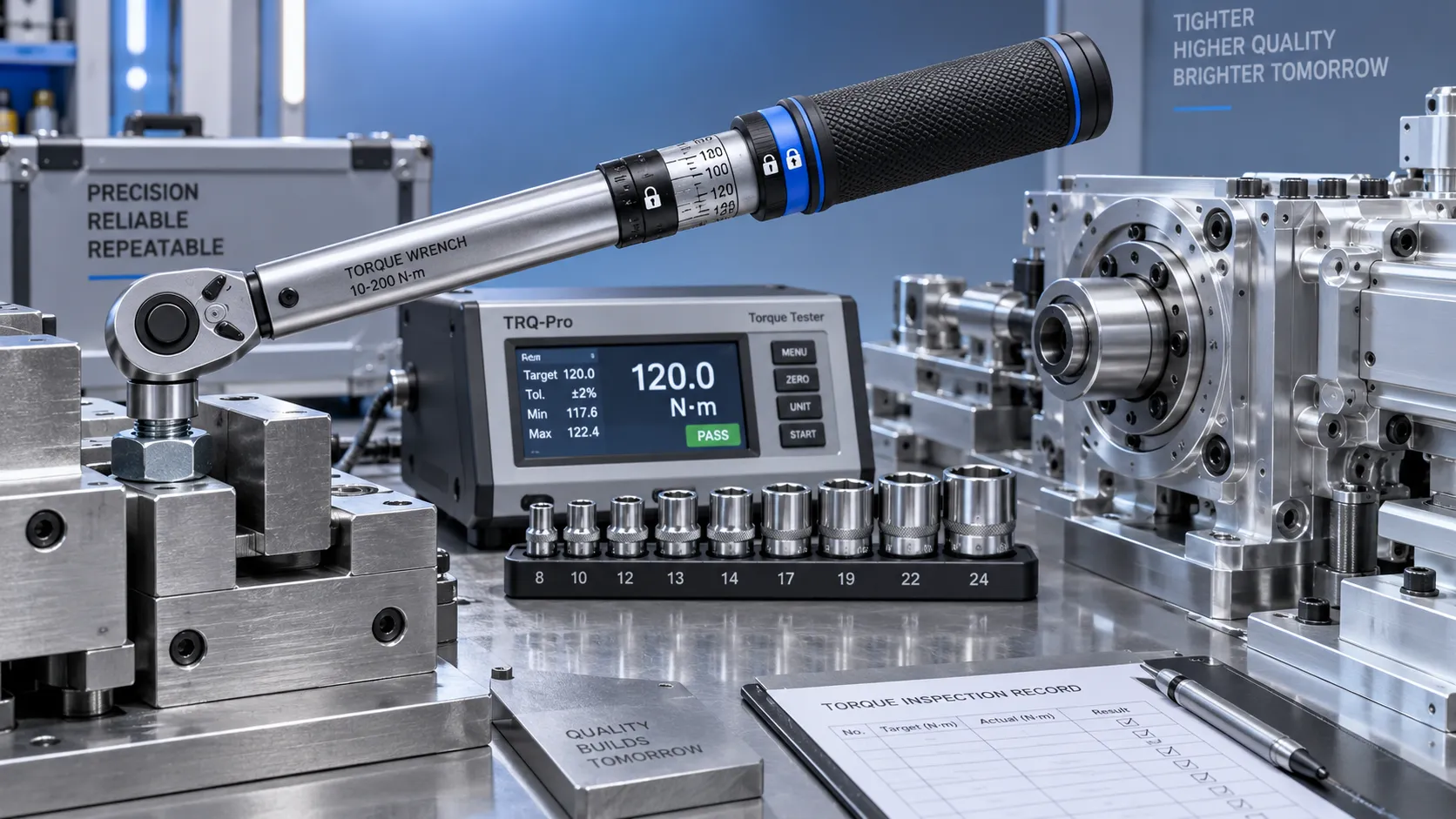
Selecting Adjustable Torque Tools for Repeatable Fastener Assembly
Adjustable torque tools: learn how to match range, accuracy, control methods, calibration, and ergonomics for repeatable, reliable fastener assembly.

How to Select Aerospace Inspection Tools for Aircraft Maintenance Tasks
Aerospace maintenance inspection tools: learn how to select reliable, traceable equipment for aircraft access, accuracy, calibration, and compliant maintenance decisions.

How to Select Wire Bonding Tools for Fine-Pitch Semiconductor Packaging
Explore semiconductor manufacturing tools for wire bonding and learn how to select precision solutions for fine-pitch packaging, reliable loops, accuracy, and yield.
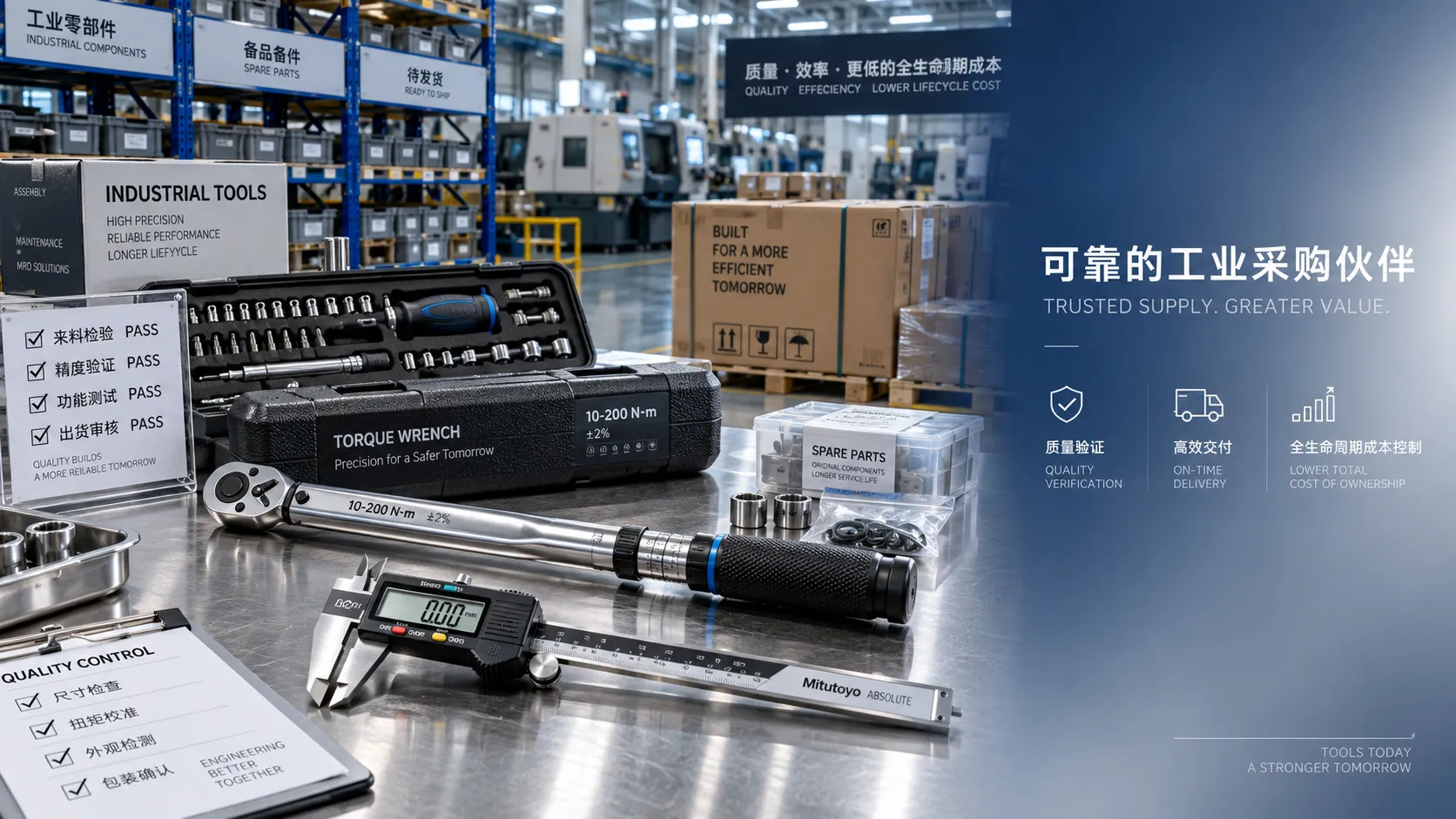
How to Compare Industrial Tool Suppliers for Quality, Lead Time, and Total Cost
Industrial tool selection supplier comparison made simple: evaluate quality, lead times, total cost, service, and supply resilience for confident sourcing decisions.
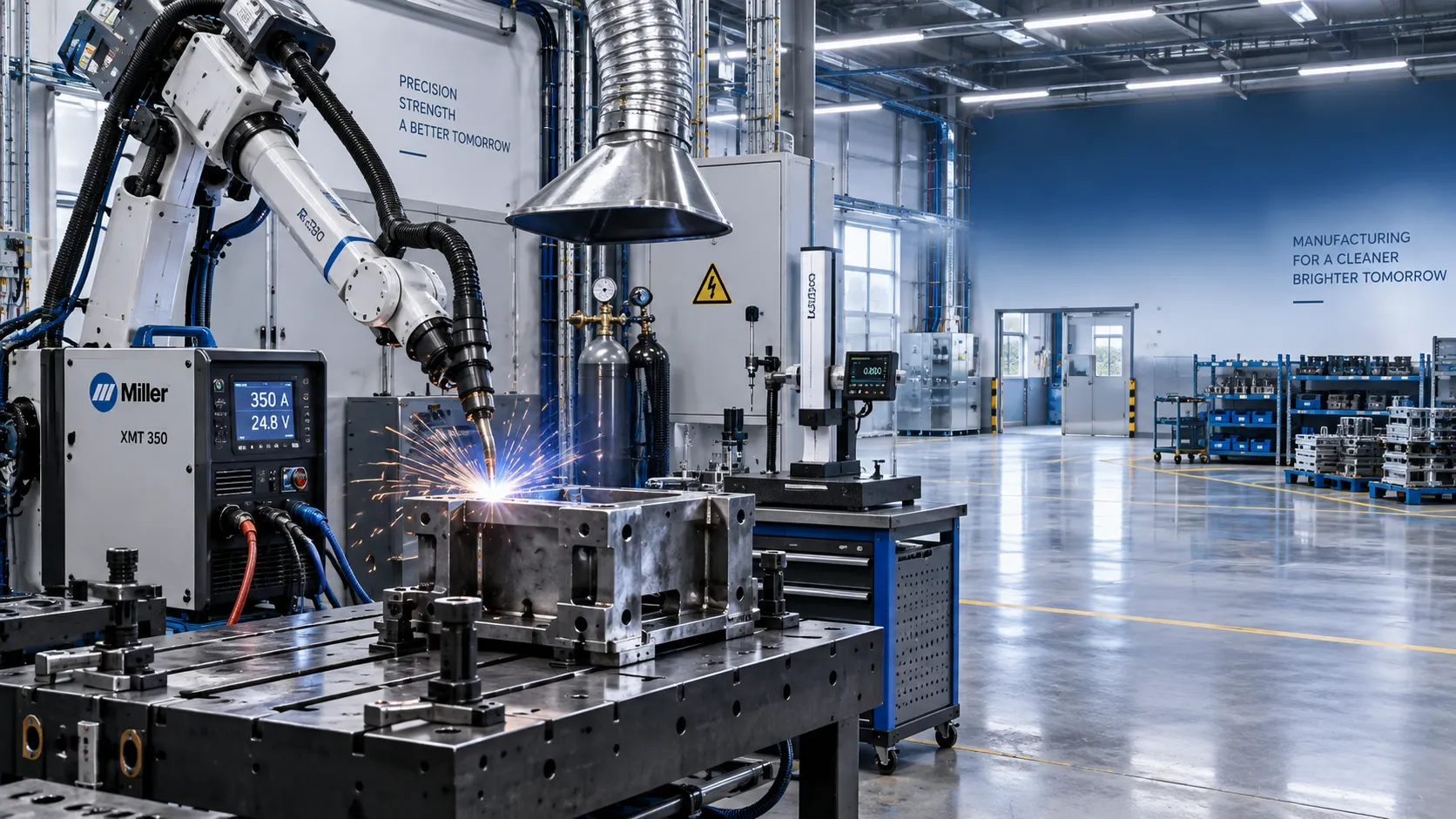
Industrial Equipment Application Guidance: Match Machines to Operating Conditions
Application guidance industrial equipment: match capacity, duty cycle, materials, site conditions, safety, and lifecycle cost to improve reliable output. Read the guide.
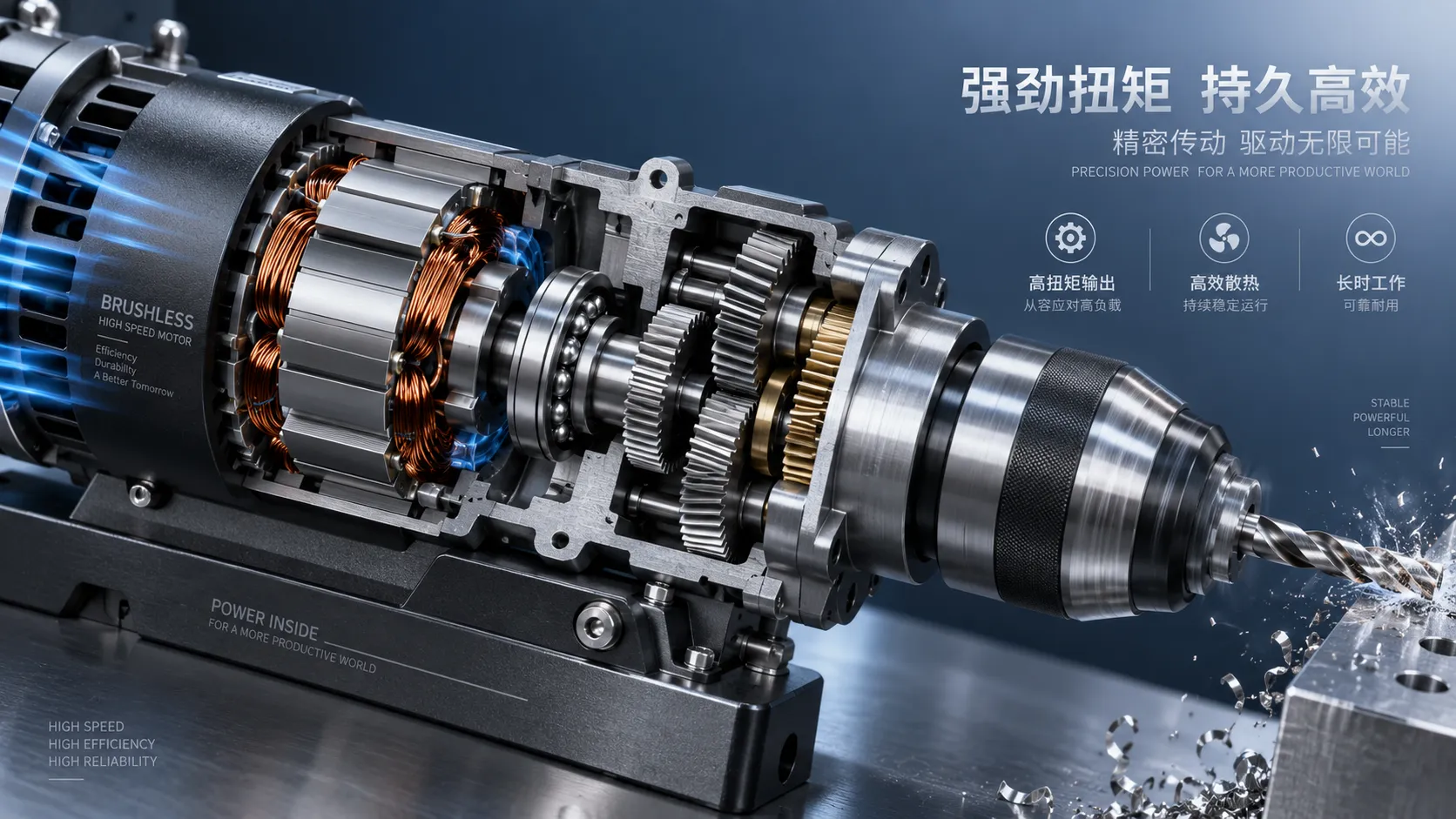
Selecting High-Speed Brushless Tool Motors for Torque, Heat, and Duty Cycle
High speed brushless tool motors: learn how to balance torque, heat, gearing, and duty cycle for reliable industrial tool performance and longer service life.
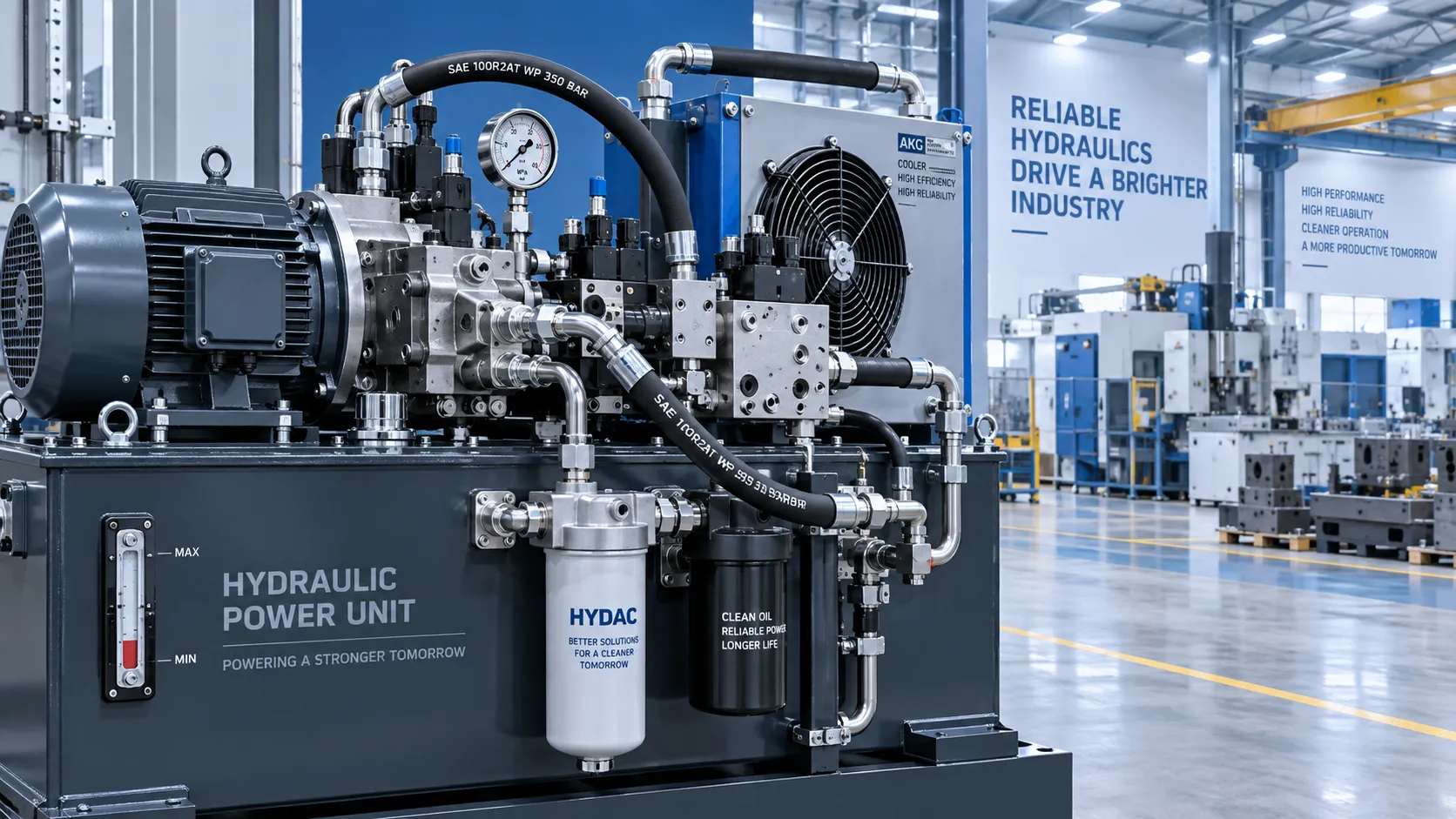
What Determines Industrial Hydraulic System Price for Heavy-Duty Equipment?
Industrial hydraulic system price depends on duty cycle, pressure, components, cooling, and integration. Compare quotes intelligently to secure reliable heavy-duty performance.
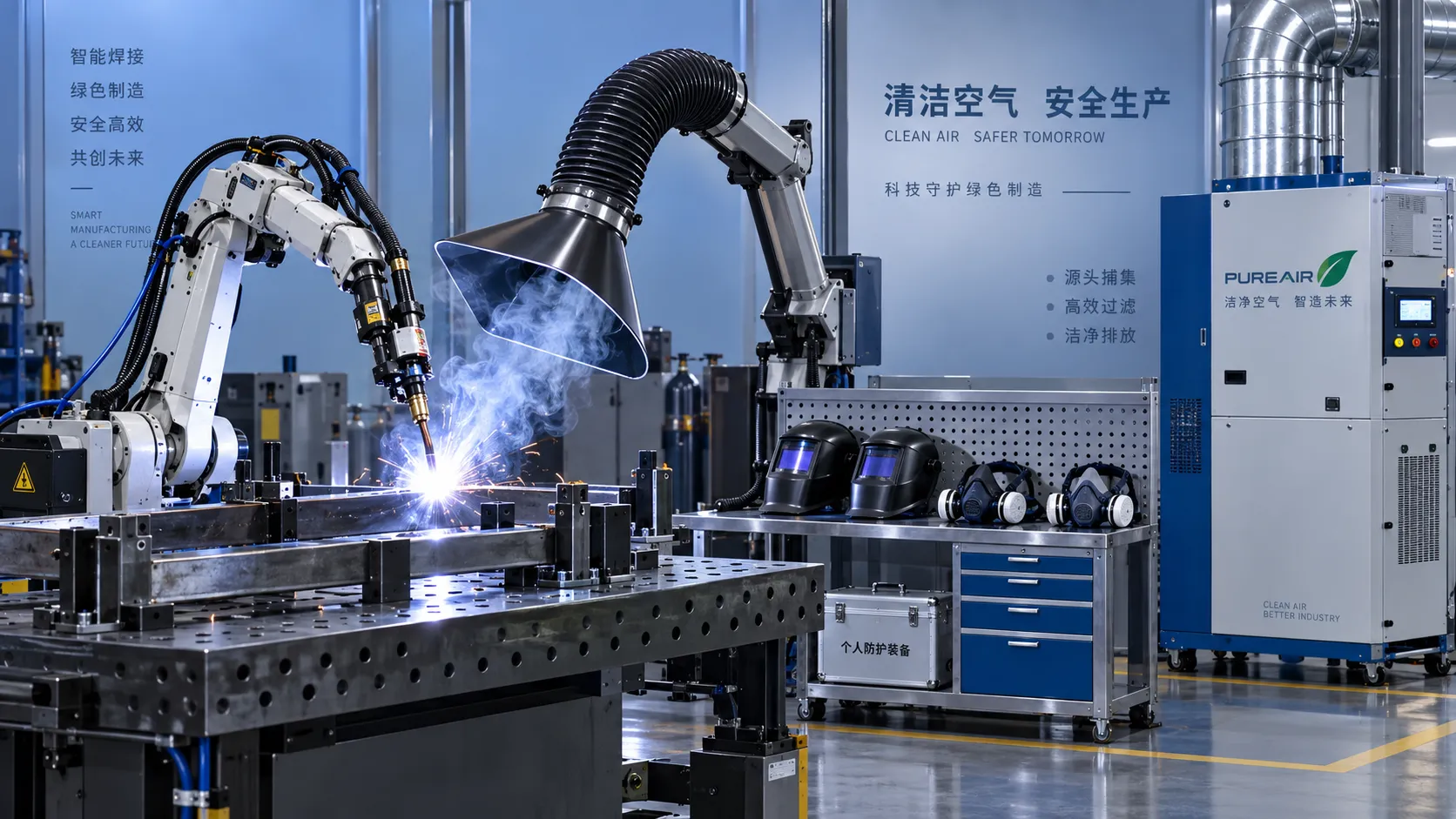
Welding Fume Extraction PPE: When Respirators Are Not Enough for Shop Safety
Welding fume extraction PPE: learn why respirators alone fall short and how source capture, ventilation, and layered controls improve shop safety.

How to Select Optical Metrology Solutions for Tight-Tolerance Manufacturing
Optical industrial metrology solutions for tight-tolerance manufacturing: evaluate accuracy, surface compatibility, workflow, and traceability to select with confidence.
Related News
- 00
0000-00
Selecting Adjustable Torque Tools for Repeatable Fastener Assembly - 00
0000-00
How to Select Aerospace Inspection Tools for Aircraft Maintenance Tasks - 00
0000-00
How to Select Wire Bonding Tools for Fine-Pitch Semiconductor Packaging - 00
0000-00
Industrial Equipment Application Guidance: Match Machines to Operating Conditions - 00
0000-00
Selecting High-Speed Brushless Tool Motors for Torque, Heat, and Duty Cycle
Prof. Marcus Chen
Weekly Insights
Stay ahead with our curated technology reports delivered every Monday.