
Global Construction Demand Shifts: What They Mean for Equipment Sourcing and Lead Times





Global construction is no longer moving in one direction
Global construction demand now shifts by region, project type, and funding cycle rather than following a single global upswing.
That change matters because equipment sourcing depends on timing, specification stability, freight access, and the confidence of project owners.
Lead times for welding systems, hydraulic tools, metrology devices, and site equipment are therefore becoming less predictable in familiar ways.
From recent demand signals, the market is not simply slowing or accelerating. It is rotating.
Some regions are still building logistics corridors, energy assets, and transport links, while others delay commercial real estate and reset budgets.
This uneven pattern pushes buyers to rethink where shortages may appear first and which categories deserve earlier commitments.
At the industrial edge, GPTWM has tracked this shift through its Strategic Intelligence Center, where raw material movements, export restrictions, and tool adoption trends are read together rather than in isolation.
That broader view is useful because global construction increasingly affects the last mile of industrial manufacturing, where precision, safety, and uptime matter most.
The strongest signals are coming from project mix, not headline volume
Headline construction figures still matter, but they no longer explain sourcing pressure on their own.
A data center build, a rail upgrade, and a residential recovery create very different demand profiles for tools and equipment.
More importantly, they pull on different supplier ecosystems.
Heavy civil work can tighten availability for hydraulic equipment, lifting systems, and rugged measuring instruments.
Energy and industrial retrofits often raise demand for welding consumables, handheld laser welding safety systems, torque control devices, and field calibration tools.
Meanwhile, selective commercial construction may favor compact, multi-use equipment with faster delivery and lower training burdens.
This is why global construction should be read through application detail, not broad optimism alone.
Why lead times are stretching in some categories and easing in others
The most visible reason is regional demand rotation, but it is not the only one.
Supply chains have become more selective about what they can deliver quickly and what they will build only against clearer forecasts.
Components with compliance requirements, electronic controls, or specialized safety features remain exposed to delay.
Brushless power tool platforms, intelligent torque systems, and certain measurement devices sit in this category more often than standard hand tools.
Another factor is the changing export environment.
When standards, customs checks, or certification expectations shift, nominal factory capacity stops being the full story.
Actual delivery performance depends on document readiness, testing status, and destination-specific acceptance.
- Steel, copper, and energy cost volatility still affects price resets and production slot decisions.
- Port reliability has improved in some lanes, yet inland trucking and regional warehousing remain uneven.
- Suppliers are prioritizing higher-margin or contract-linked orders during demand spikes.
- More projects now require better traceability on safety, calibration, and service documentation.
The result is a two-speed market. Standard items may normalize, while specification-heavy items stay tight.
The impact is spreading beyond purchase timing
Longer or more volatile lead times influence much more than delivery dates.
They change budget confidence, approved brand lists, maintenance planning, and even the choice between modular repair and full replacement.
In global construction, the cost of waiting can exceed the cost of the equipment itself.
A delayed torque system can hold up mechanical completion. A missing calibration device can slow commissioning. A late welding safety kit can pause field work.
More worth noticing is the growing connection between project quality expectations and sourcing behavior.
Large contractors and asset owners increasingly want tools that support repeatable outcomes, lower rework, and auditable process control.
That makes precision metrology and intelligent assembly tools more relevant in construction-related maintenance and installation tasks.
GPTWM has been especially attentive to this overlap, because the line between construction demand and industrial maintenance demand is becoming thinner.
Where attention should move next
The practical question is not whether global construction will stay uneven. It probably will.
The better question is which signals deserve closer tracking before they turn into supply problems.
Watch category exposure, not just supplier promises
Delivery commitments look stronger when category risk is low.
For controlled, safety-linked, or digitally enabled equipment, promised dates should be tested against component and certification realities.
Separate urgent demand from structural demand
Some buying spikes come from delayed tenders or short-term weather windows.
Others come from deeper shifts such as grid modernization, plant upgrades, and stricter quality control on site.
The second group usually justifies stronger sourcing alignment and broader supplier mapping.
Treat specifications as a lead-time lever
In many cases, delays are driven less by factory shortage than by unclear specifications or late compliance checks.
Tighter definition on voltage, duty cycle, accuracy range, ergonomic standards, and safety requirements can shorten decision loops.
A steadier response starts with better market reading
The next phase of global construction will likely remain fragmented, but fragmented does not mean unreadable.
The market is giving clear signals through project mix, regional capital flow, equipment standardization, and acceptance of smarter field tools.
For that reason, good sourcing now depends on better intelligence stitching across raw materials, logistics, compliance, and application demand.
That is also where GPTWM’s perspective remains useful: not as a sales message, but as an industrial lens on how precision tools, welding systems, and metrology technologies are being pulled by real construction activity.
A sensible next step is to review high-risk categories, compare specification-critical alternatives, and build a phased sourcing plan around likely demand windows.
Continue watching global construction through both macro movement and jobsite detail. The strongest advantage now comes from connecting those two views early.
Related News
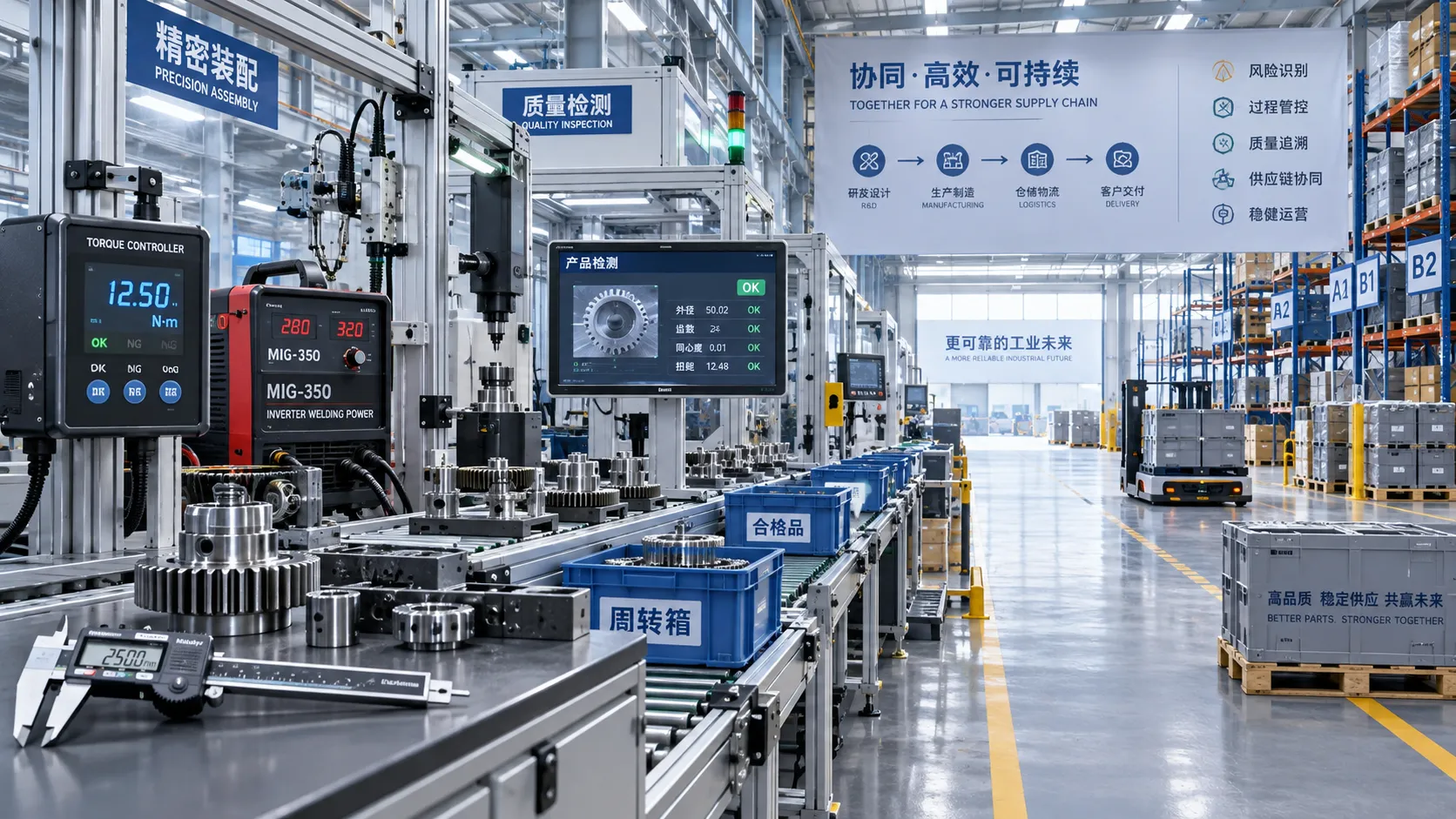
How Procurement Teams Can Map the Industrial Value Chain to Reduce Supply Risk
Industrial value chain procurement helps teams map hidden dependencies, qualify resilient sources, and reduce supply risk before disruptions stop production.

How Specification-Driven Articles Improve Precision Measurement System Selection
Specification-oriented articles precision measurement guidance helps teams compare accuracy, repeatability, environment, and data needs to select reliable systems with confidence.

How to Evaluate a Technology Integration Service Provider for Complex Projects
Technology integration service provider selection guide: evaluate interface ownership, delivery discipline, scalable architecture, and risk control for complex projects.
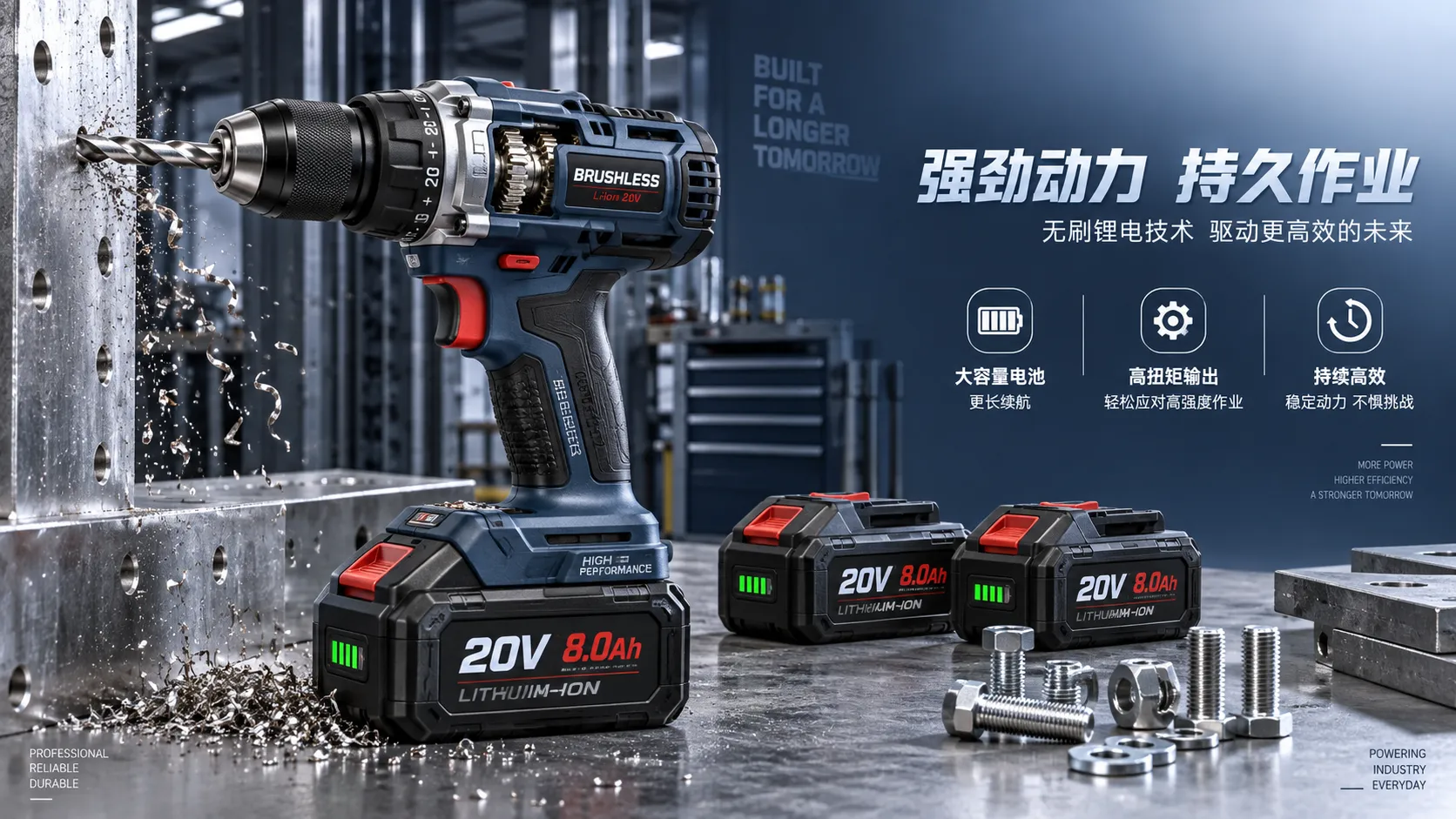
How Battery, Torque, and Duty Cycle Affect Cordless Power Tool Efficiency
Cordless power tool efficiency depends on battery output, torque, and duty cycle. Learn how to match tools to demanding jobs for stronger runtime and productivity.

Product Comparison Resources for Component Compatibility and Lifecycle Risk
Product comparison resources for components: evaluate compatibility, interfaces, service support, and lifecycle risk to reduce downtime, avoid redesigns, and make confident sourcing decisions.

How to Select Vernier Precision Calipers for Tight-Tolerance Machining Inspection
Vernier precision calipers for tight-tolerance machining: learn how to select the right range, jaw design, accuracy, and verification process for reliable inspection.
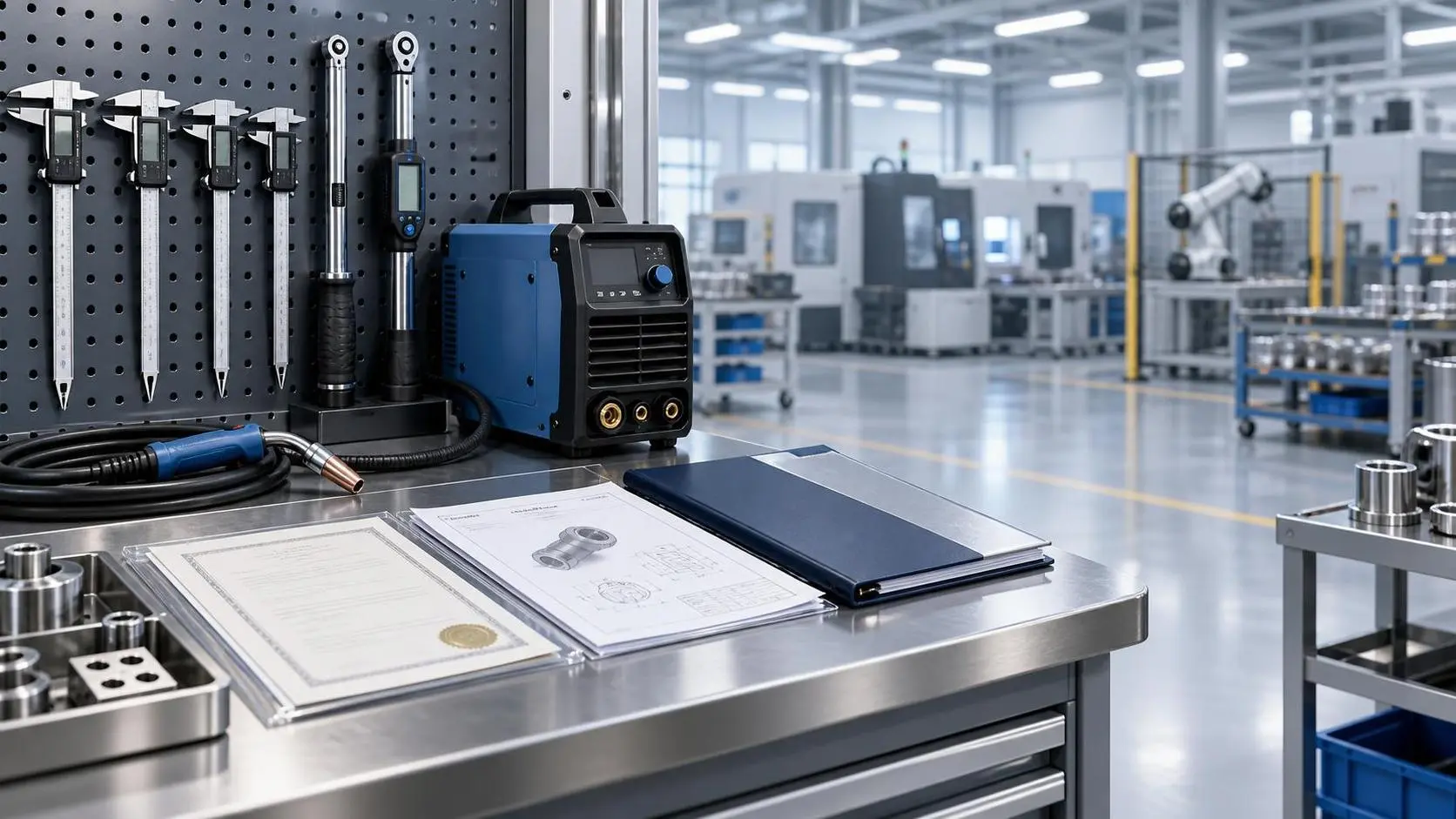
Product Comparison Resources in Europe: How Buyers Can Verify Specs and Suppliers
Product comparison resources Europe: learn how to verify industrial specs, compliance claims, supplier credibility, and delivery risk for smarter purchasing decisions.

How to Evaluate an Industrial Metrology Solution Manufacturer for Production Use
Industrial metrology solution manufacturer evaluation guide for production: compare accuracy, traceability, automation, software, service, and acceptance testing to reduce risk.

Which ISO Standards Matter Most for Precision Engineering Quality Control?
Precision engineering ISO standards explained: discover how ISO 9001, ISO/IEC 17025, ISO 10012, GPS, and ISO 3834 strengthen quality control, traceability, and compliance.
Related News
- 00
0000-00
Why Are Specification-Oriented Articles Gaining Traction in Europe’s B2B Markets? - 00
0000-00
Industrial Solutions in Latin America: Key Growth Sectors and Market Entry Risks - 00
0000-00
What Is Driving Manufacturing Efficiency in Europe’s Industrial Sectors? - 00
0000-00
Industrial Market Trends in 2025: What Buyers Should Watch Across Supply and Demand - 00
0000-00
Production Efficiency in North America: What Is Changing for Manufacturers in 2025?
Dr. Alistair Vaughn
Weekly Insights
Stay ahead with our curated technology reports delivered every Monday.