
How to Use Product Information Resources and Supplier Catalogs to Shortlist Vendors?





Why do product information resources and supplier catalogs matter so much at the shortlist stage?
A vendor shortlist is only as strong as the information behind it. That is why product information resources and supplier catalogs deserve early attention.
In practice, most sourcing delays begin with scattered data. One supplier shares a PDF, another sends a spreadsheet, and a third only offers a product page.
When those sources are reviewed together, patterns become visible. Capacity claims, certification gaps, lead-time signals, and product range depth start to separate serious vendors from weak fits.
This is where product information resources supplier catalogs become more than reference material. They become a filtering tool for cost, risk, and technical alignment.
For industrial categories, this matters even more. Tooling, welding, metrology, hydraulic systems, and maintenance equipment often involve application-specific tolerances, safety rules, and replacement cycles.
A broad catalog alone is not enough. The useful question is whether the supplier can prove fit across standards, service conditions, and supply continuity.
Industry intelligence platforms help connect that picture. GPTWM, for example, tracks developments in assembly tools, metal joining, and precision measurement, which gives added context when catalog claims need market validation.
That context matters when export restrictions shift, raw material prices move, or new safety requirements affect handheld laser welding and related equipment.
What should you actually look for inside supplier catalogs?
Many catalogs look detailed at first glance, yet still reveal little. The useful approach is to read them as evidence, not as marketing.
Start with product structure. A serious supplier catalog usually shows clear model logic, performance ranges, accessories, optional features, and replacement parts.
If model naming is inconsistent, specifications are vague, or application notes are missing, comparison becomes harder and selection risk increases.
Then move to technical proof. Product information resources should support the catalog with datasheets, test reports, compliance statements, and material details.
For industrial tools and welding equipment, useful proof often includes duty cycle, safety classification, calibration method, torque accuracy, or operating temperature range.
The strongest supplier catalogs also indicate where a product fits. They mention end-use conditions such as construction maintenance, automotive repair, aerospace servicing, or factory assembly lines.
That application framing helps prevent a common sourcing mistake: comparing items that look similar on paper but serve different field conditions.
A quick review table can make early screening more disciplined.
How can you compare vendors without getting buried in too much data?
More data does not automatically create better decisions. Shortlisting works best when the review criteria are fixed before supplier outreach expands.
A practical method is to group product information resources supplier catalogs into three decision layers: fit, credibility, and supply readiness.
Fit comes first
Does the product meet the technical requirement, operating environment, and expected service life? If not, the supplier should leave the list early.
Credibility comes next
Are the claims supported by documentation, export history, test data, or independent references? This is where structured product information resources matter most.
Supply readiness closes the gap
Can the supplier maintain lead times, packaging standards, after-sales support, and replacement availability? A technically good option can still fail here.
In actual sourcing work, a scoring sheet keeps discussions grounded. It also helps when several internal reviewers look at different risks.
- Technical match against required standards and tolerances
- Catalog completeness and document traceability
- Evidence of sector experience in relevant applications
- Stability of lead time, logistics, and regional compliance
- Availability of service parts, calibration, or training support
This type of structure is especially useful when market conditions are moving. GPTWM market reporting can help explain whether a catalog promise still looks realistic under current material and trade conditions.
When do product information resources reveal hidden risk?
Hidden risk often appears in what is missing, not in what is written. That is why gaps inside supplier catalogs deserve careful reading.
One common issue is over-broad capability claims. A catalog may cover measuring tools, welding systems, abrasives, hydraulic devices, and automation accessories, yet offer little technical depth in each line.
Another issue is recycled documentation. If multiple models use identical specifications, identical photos, or unclear testing language, the products may not be fully differentiated.
Lead-time risk can also appear early. Supplier catalogs that constantly show discontinued items, shifting pack sizes, or inconsistent accessories may reflect unstable planning.
For regulated or safety-sensitive categories, weak product information resources are an even stronger concern. Missing standard references can delay approvals or create warranty disputes later.
A useful risk check looks like this:
Should cost be evaluated from the catalog stage or later?
Earlier than many teams expect. Even without final quotes, supplier catalogs reveal cost structure clues that help shape the shortlist.
For example, optional accessories, consumable frequency, calibration intervals, and packaging formats all influence total landed cost.
A low initial unit price may hide expensive maintenance, higher breakage risk, or poor spare-part availability. Product information resources often expose that before negotiation begins.
It also helps to compare catalog breadth with future demand. If a supplier can support adjacent models or upgrades, the switching cost later may be lower.
This matters in sectors where tools, measuring instruments, and welding accessories must stay compatible across multiple sites or service teams.
Commercial intelligence can strengthen this view. GPTWM’s coverage of construction, automotive, and aerospace maintenance demand is useful when evaluating whether a supplier’s line is built for durable global demand or narrow opportunistic sales.
What is the fastest way to turn research into a final vendor shortlist?
The fastest path is not more outreach. It is better filtering. Product information resources supplier catalogs should narrow the field before samples, audits, or deep quote rounds begin.
A focused process usually works well:
- Define mandatory requirements and acceptable substitutes
- Collect catalogs, datasheets, compliance files, and application notes
- Remove suppliers with weak documentation or unclear fit
- Score the remaining options on technical, commercial, and supply criteria
- Validate the top group with targeted questions, not generic questionnaires
The key is discipline. When catalogs are used consistently, they shorten review cycles and reduce avoidable supplier meetings.
They also improve internal alignment because every decision can be traced back to documented evidence rather than preference.
In the end, strong shortlists come from combining detailed product information resources, credible supplier catalogs, and current industry signals. Start by cleaning up the requirement list, compare documents against real application needs, and verify any claim that affects compliance, lifecycle cost, or delivery reliability.
That approach turns scattered vendor data into a shortlist that is smaller, clearer, and much easier to defend.
Related News

Laser vs. Resistance Spot Welding: Which Fits Automotive Body Assembly?
Choosing welding technology for automotive body assembly? Compare laser and resistance spot welding on joint access, quality, cycle time, and cost to find the right fit for your production line.
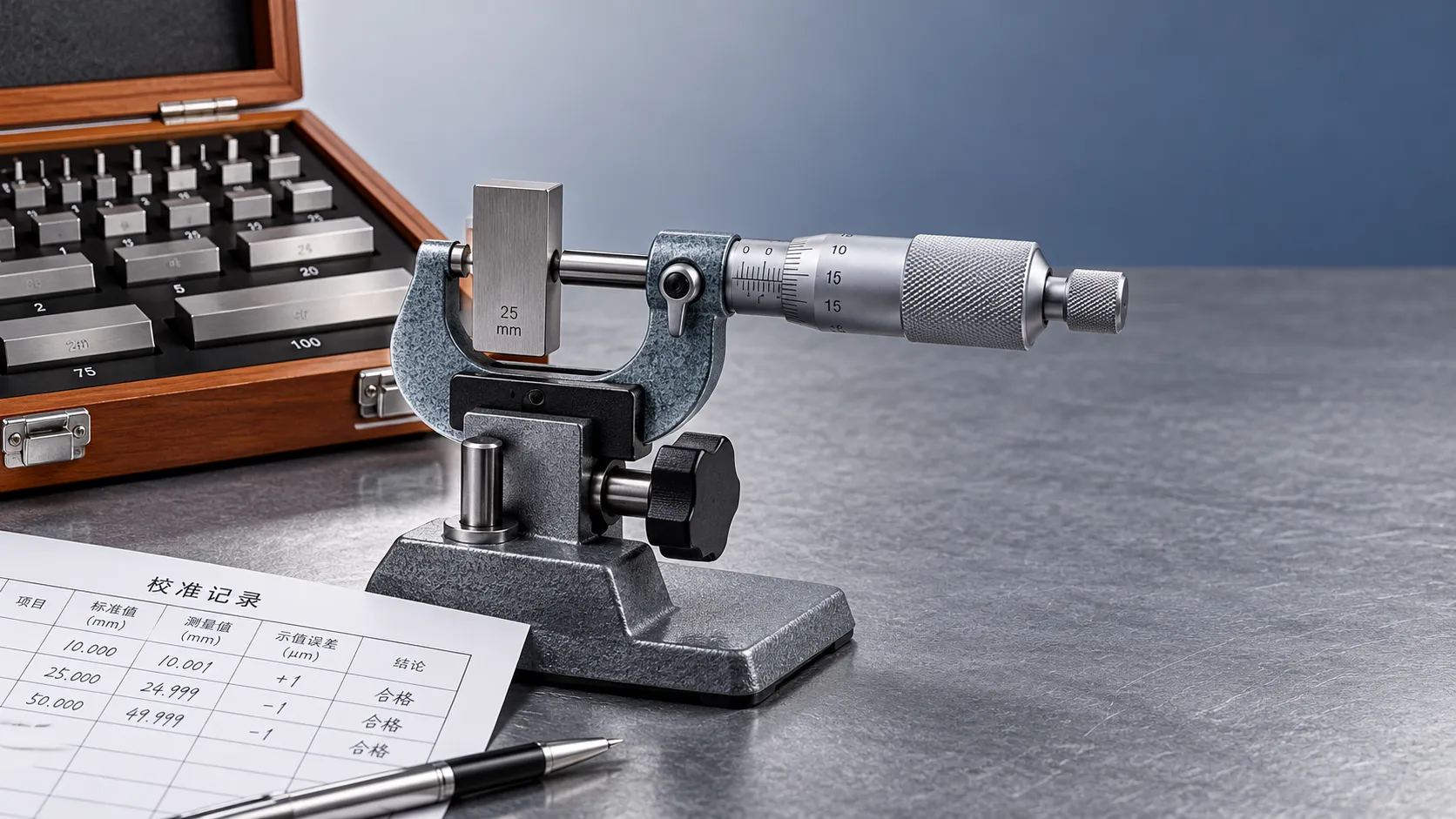
Choosing a High-Precision Measuring Instrument Supplier: Calibration and Support
Choose a high-precision measuring instruments supplier with confidence. Discover how to verify calibration, compare support, and control lifecycle costs before you buy.
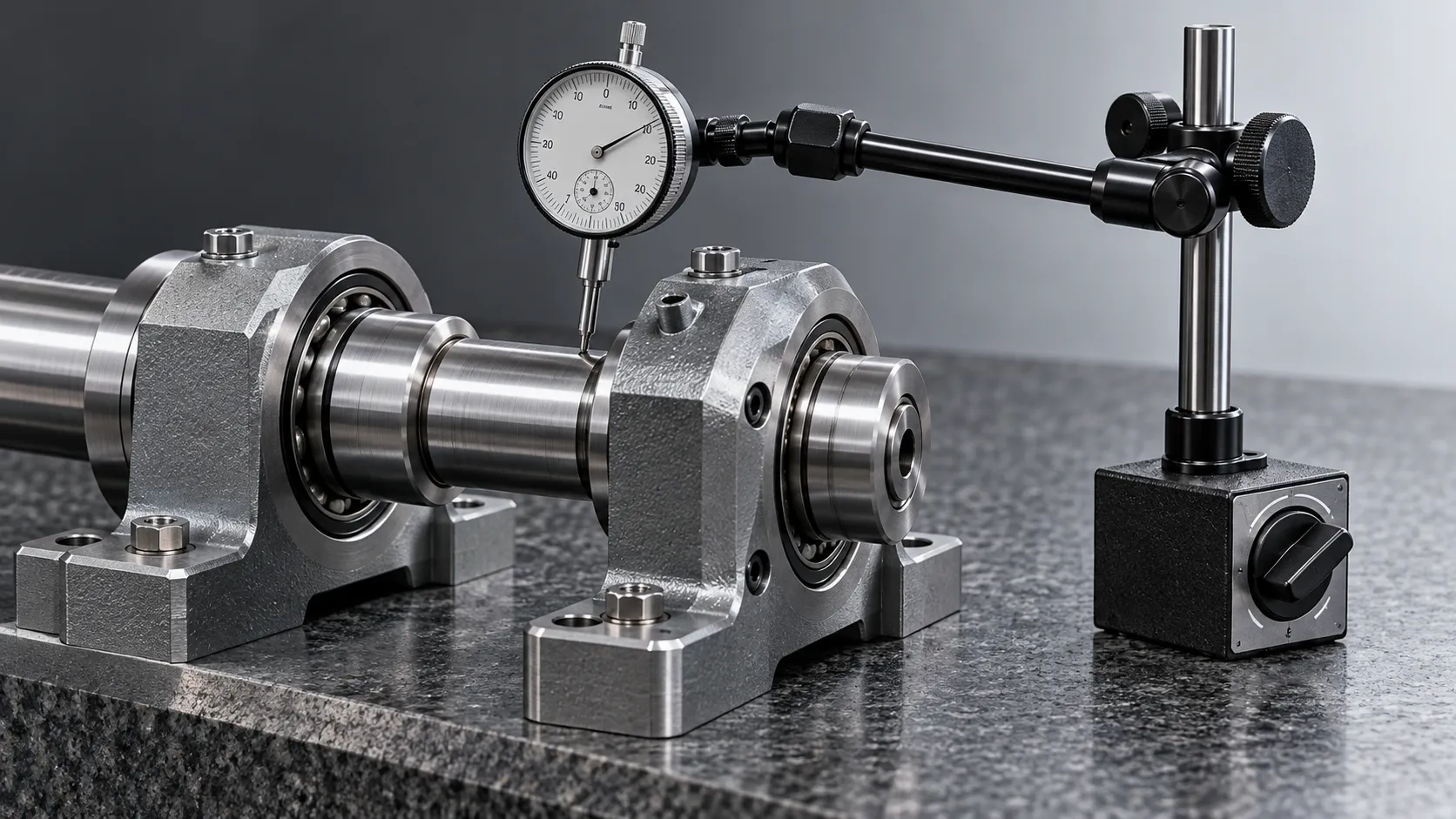
What Defines Craftsmanship in Metalworking? Fit, Finish, and Precision
Discover what defines craftsmanship in metalworking: fit, finish, and precision. Learn how to spot quality, assess suppliers, and choose parts that perform reliably.
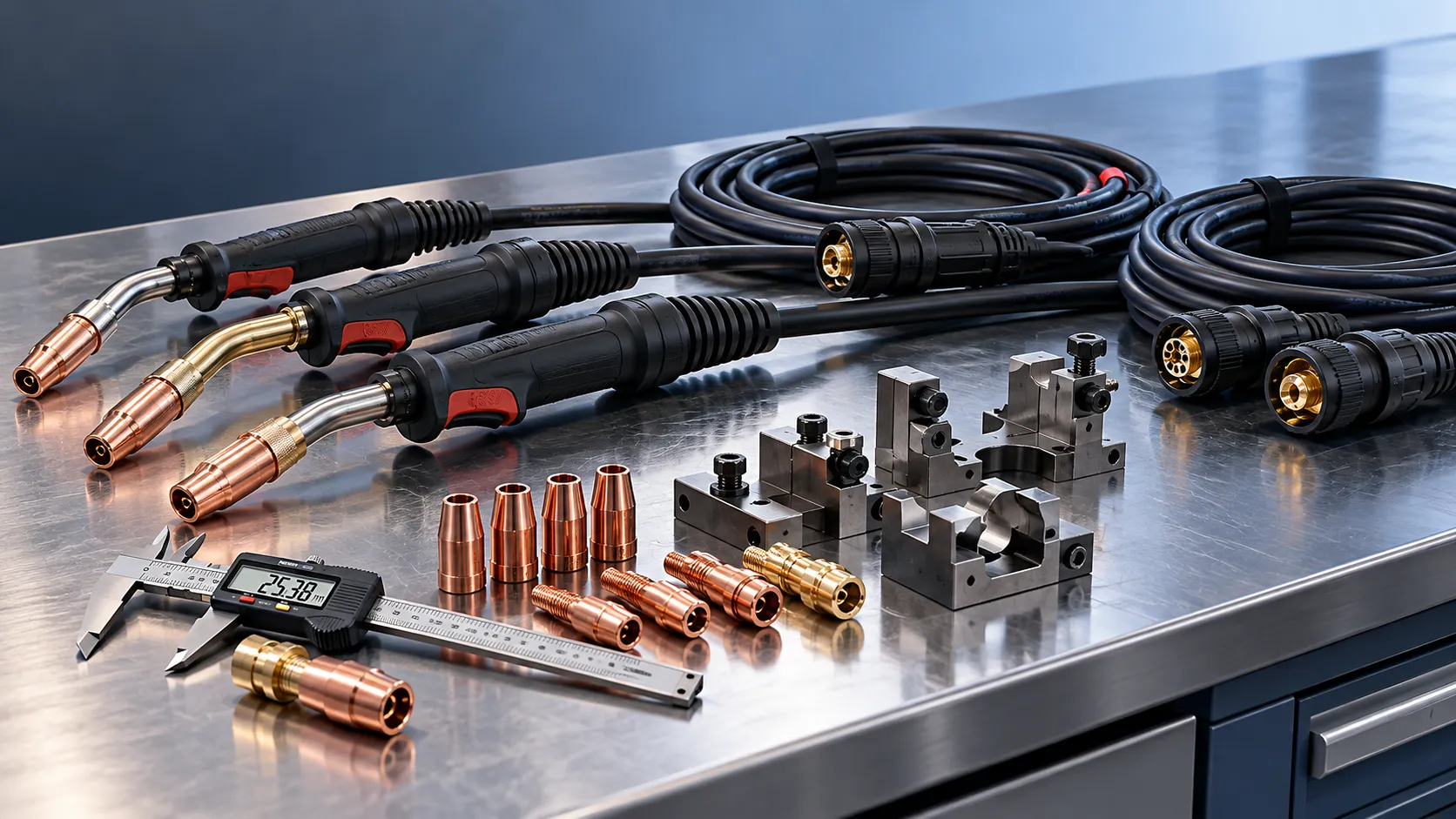
Choosing a Welding Tools Manufacturer: Quality Checks Before a Bulk Order
Choosing a welding tools manufacturer? Discover essential quality checks, sample tests, and inspection terms to reduce bulk-order risks and buy with confidence.

How to Compare Calibration Tools: Range, Uncertainty, and Traceability
Explore product comparison resources for calibration tools. Compare range, uncertainty, and traceability to choose confidently and support defensible measurement decisions.
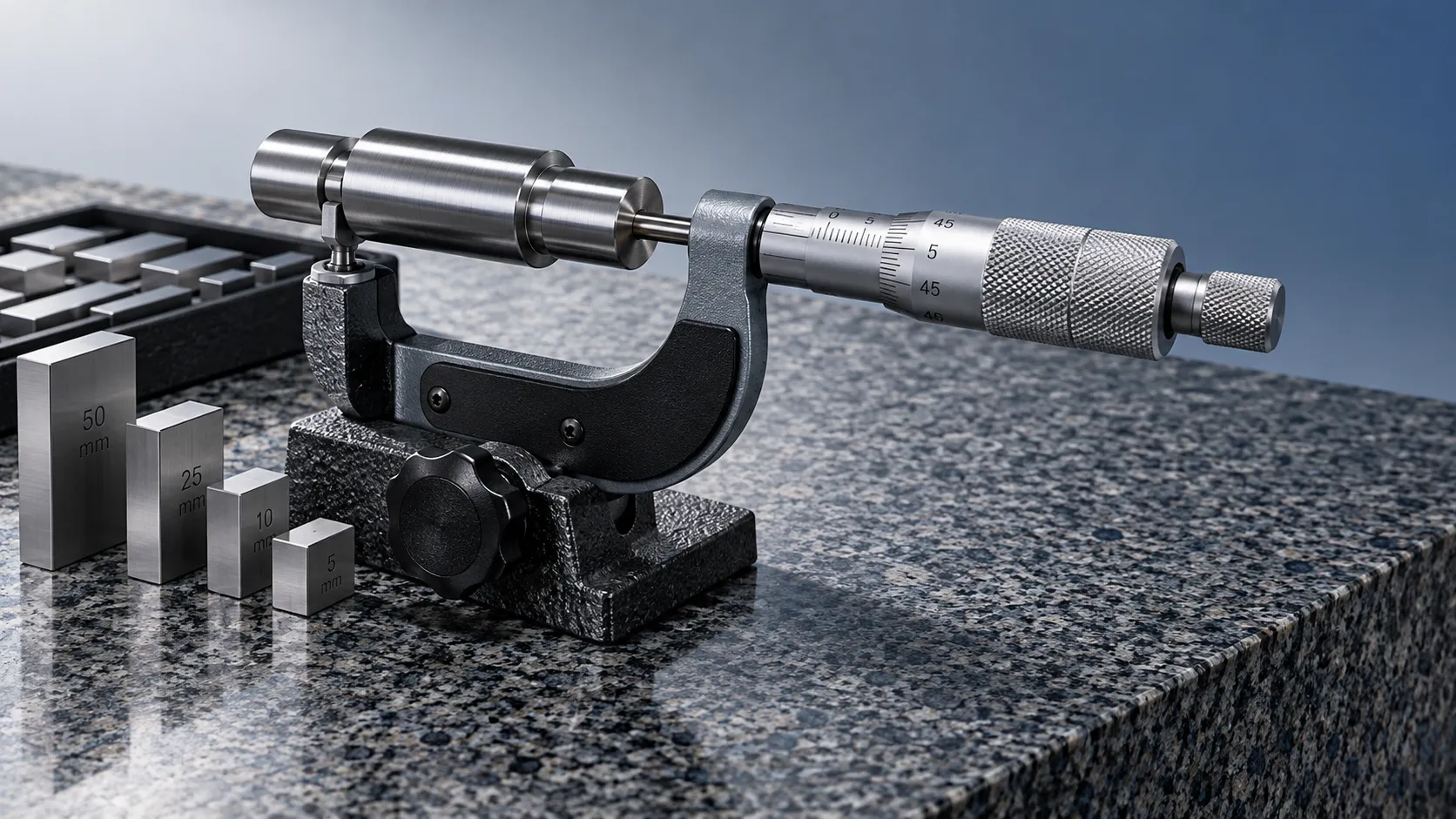
Choosing Industrial Metrology Tools: Matching Measurement Uncertainty to Tolerances
Improve industrial tool selection for metrology by matching measurement uncertainty to tolerances. Learn how to reduce inspection risk and choose equipment with confidence.

Torque System Suppliers: How to Assess References for Assembly Projects
Explore supplier and solution references torque systems buyers should verify. Assess assembly fit, traceability, and support to reduce risk and choose with confidence.

Equipment Application Guidance for the Middle East: Managing Heat and Dust
Explore application guidance Middle East teams can use to manage heat and dust, protect welding equipment, batteries and precision tools, and reduce downtime. Get practical tips.
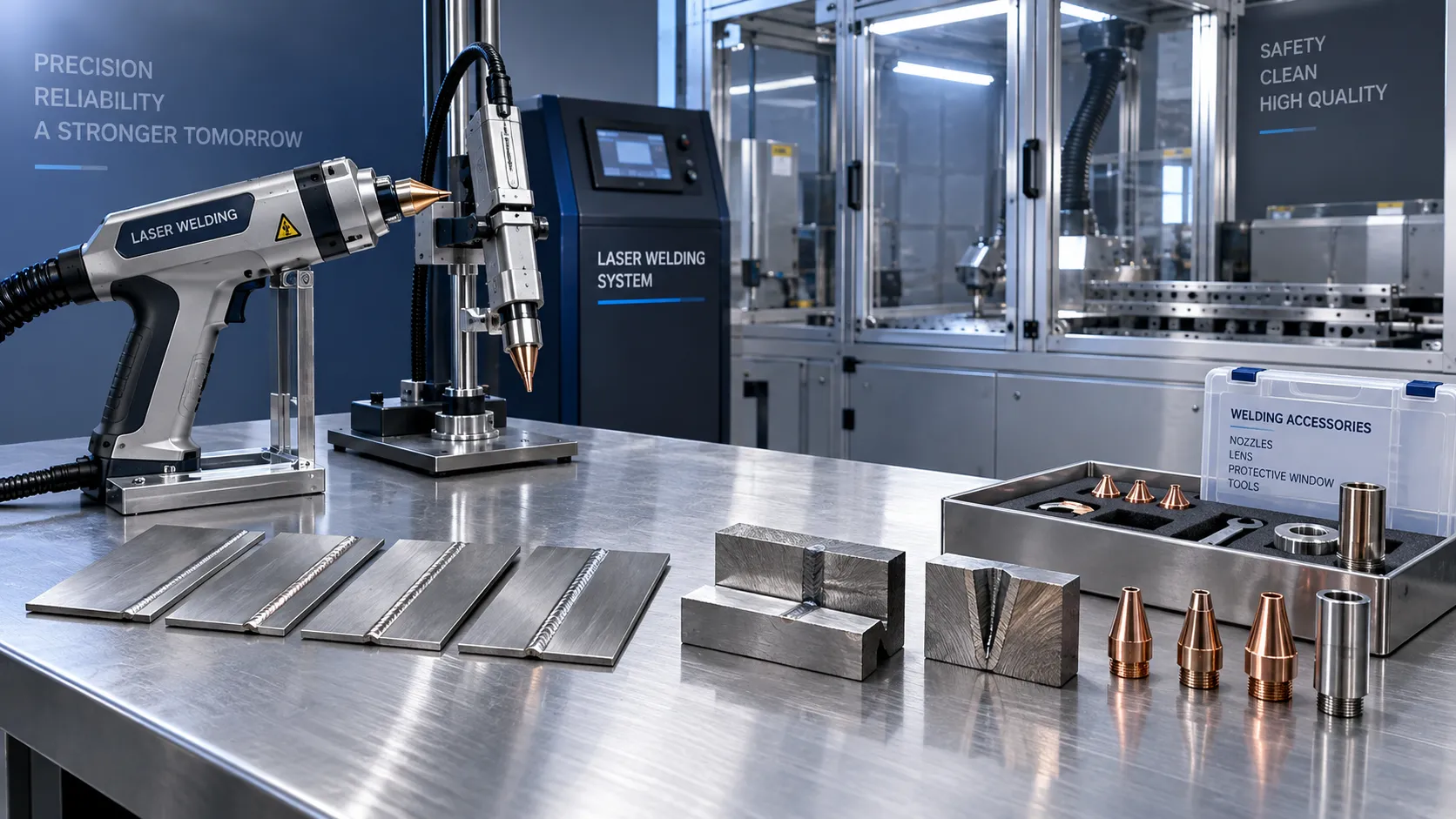
Choosing a Handheld Laser Welding Supplier: Weld Trials, Training, and Service
Choose a handheld laser welding supplier with proven weld trials, safety training, and reliable service. Learn what to verify before buying to reduce downtime and protect your investment.
Related News
- 00
0000-00
Choosing a High-Precision Measuring Instrument Supplier: Calibration and Support - 00
0000-00
Choosing a Welding Tools Manufacturer: Quality Checks Before a Bulk Order - 00
0000-00
Torque System Suppliers: How to Assess References for Assembly Projects - 00
0000-00
Choosing a Handheld Laser Welding Supplier: Weld Trials, Training, and Service - 00
0000-00
In-House vs. Outsourced Aircraft Maintenance: Comparing Total Costs
0000-00
Dr. Alistair Vaughn
Weekly Insights
Stay ahead with our curated technology reports delivered every Monday.