
Low-Spatter Welding Equipment Applications: Best Uses by Material and Production Needs





Where Low-Spatter Welding Equipment Actually Pays Off
For technical evaluators, selecting the right approach to welding equipment applications low spatter is not just about cleaner welds. It changes how often an operator stops to chip, brush, or rework, how stable a line stays over a long shift, and whether downstream finishing remains predictable. That becomes obvious in thin-gauge fabrication, cosmetic assemblies, mixed-material workshops, and automated cells where even minor arc instability gets multiplied across hundreds of joints.
The first thing worth separating is appearance from process value. Some shops pursue low-spatter equipment because they want a neater bead. In practice, the stronger reason is usually control. Spatter is rarely an isolated nuisance; it often signals excess heat input, unstable transfer, contamination, poor wire-condition management, or a mismatch between power source behavior and the joint being welded. Equipment designed for low-spatter performance earns its place when those variables matter enough that cleanup, distortion, or inconsistent fusion starts affecting throughput.
Thin sheet metal is where this becomes easiest to justify. In cabinets, enclosures, appliance frames, light structural covers, HVAC housings, and similar assemblies, the weld itself is only one part of the cost. The real burden is what happens after welding: grinding through burn marks, correcting local warp, repaint preparation, and dealing with visible defects around corners and spot replacements. A low-spatter setup, often tied to more stable short-circuit behavior or a controlled pulse regime depending on material and thickness, tends to fit these jobs because the acceptable process window is narrow. Once the sheet gets thin enough, every unnecessary droplet ejection is not just cleanup; it is a sign that the joint is being pushed toward distortion or edge damage.
That does not mean every thin-sheet shop should immediately specify the most advanced waveform package available. If fit-up is poor, if surface coatings are inconsistent, or if operators are constantly switching between joint geometries without resetting parameters, a premium low-spatter machine can still produce disappointing results. In those environments, wire quality, torch consumable condition, grounding, and shielding gas stability may have more impact than machine class alone. The equipment works best when the surrounding discipline is good enough to let arc control show its value.
Stainless Work Changes the Economics
Low-spatter systems usually make a stronger economic case on stainless steel than on ordinary carbon steel, especially where surface finish matters. Food equipment, pharmaceutical skids, architectural fittings, laboratory furniture, and visible process piping all impose a penalty for post-weld contamination and aggressive cleanup. When spatter adheres to a stainless surface, removal can be time-consuming, and careless grinding can damage the finish or create sites that later demand passivation attention. In these jobs, reducing spatter is less about operator comfort and more about protecting downstream surface integrity.
There is also a practical workshop issue here: stainless jobs are often scheduled alongside carbon steel work in the same facility. That creates housekeeping pressure. Spatter control helps, but it does not solve cross-contamination risk by itself. Shops sometimes over-credit the welding machine when the bigger problem is segregation of tools, benches, and consumables. For evaluators comparing welding equipment applications low spatter for stainless programs, the useful question is not simply “Does it weld cleaner?” but “Does it reduce intervention enough to preserve finish quality without forcing excessive touch-up?” That is a more honest measure.
Aluminum Needs a Different Kind of Discipline
Aluminum fabrication often enters the conversation because buyers assume low spatter automatically means low difficulty. It does not. Aluminum can benefit from stable, well-controlled transfer modes, particularly in repetitive production or where thin sections are involved, but the process remains sensitive to wire feeding, cleanliness, shielding, and thermal management. In trailer components, lightweight frames, access platforms, battery enclosures, and transport subassemblies, low-spatter-capable equipment is valuable when it supports repeatable starts and reduces arc chaos at tack-heavy or interrupted joints.
The catch is that aluminum problems are often misdiagnosed. Operators may blame “spatter” when they are seeing soot, irregular transfer, or contamination-related instability. So the equipment decision has to be grounded in actual weld behavior, not generic expectations. If the operation cannot maintain clean wire paths, proper liner selection, and disciplined material prep, the theoretical advantage of advanced low-spatter control will be diluted quickly. In other words, aluminum rewards good equipment, but only after basic process hygiene is under control.
Robotic Cells Benefit More Than Manual Bays
One of the clearest use cases is automated or robotic welding. In manual production, an experienced welder can adapt to arc behavior in real time, compensate for a slightly erratic start, and clean as needed. A robot cannot improvise in the same way. Spatter in an automated cell creates secondary failures: nozzle fouling, sensor interference, fixture contamination, unstable contact-tip condition, and unscheduled stops for cleaning. That is where low-spatter equipment often has system-level value beyond the weld itself.
This matters most in medium-to-high volume programs where a stable cycle is worth more than raw deposition speed. Automotive subassemblies, seat structures, brackets, agricultural components, and repetitive tubular fabrications are typical examples. The cleaner process helps preserve tooling condition and improves consistency over long runs. Still, buyers should be careful with supplier claims that focus only on bead appearance during demonstrations. A short test coupon does not reveal how the arc behaves after hours of heat, nozzle exposure, wire variation, and repetitive restart conditions. In automation, low spatter should be assessed together with consumable life, maintenance interval, and restart reliability.
High-Mix Production Has Different Priorities
Job shops and maintenance-oriented fabrication operations often work under a different constraint. They are not chasing one optimized part number; they are handling frequent changeovers, uncertain material history, variable joint access, and mixed operator skill. In that setting, the best low-spatter solution is often not the one with the most sophisticated process library. It is the one that remains forgiving when switching between thicknesses, positions, and occasional imperfect prep. Parameter recall, setup clarity, arc-start consistency, and tolerance for day-to-day variation matter more than brochure-level process complexity.
This is where technical evaluators should separate production environments into two broad groups:
That distinction often decides whether the investment pays back through uptime or whether it becomes an underused premium function on the shop floor.
Paint Lines, Coatings, and Cosmetic Assemblies
Another place where low-spatter welding equipment applications become easy to justify is before paint or coating. Metal furniture, retail fixtures, racks, access doors, cabinets, and consumer-facing steel products all suffer when weld zones require excessive dressing. Spatter left near edges or seams can telegraph through coating preparation, especially in powder-coated work where surface consistency influences final appearance. Here, the cleaner process reduces invisible cost: less hand-finishing, less coating rejection, fewer touch-up loops between welding and finishing departments.
Shops with integrated finishing usually recognize this quickly because welding choices affect another department’s labor. Shops that outsource finishing sometimes miss it, since the cleanup cost is buried in external processing or rework claims. That is one reason equipment selection can look different depending on whether fabrication and finishing sit under the same cost center.
What Site Conditions Often Decide
Several practical conditions decide whether low-spatter performance seen in trials will survive real production:
Shielding gas stability matters more than many buyers expect. Drafts, poor gas delivery, or inconsistent flow rates can make an otherwise capable system behave badly. Power quality can also affect consistency, particularly in facilities with heavy fluctuating loads. Cable routing, grounding discipline, and torch maintenance are mundane details, but they often explain why two identical machines produce different shop-floor results.
Consumable management is another dividing line. Some users expect low-spatter equipment to mask worn contact tips, dirty nozzles, poor wire storage, or substandard liners. It will not. Advanced control usually exposes neglect faster because the process is tuned to operate within a narrower band of predictable conditions. If the plant cannot maintain that baseline, the value proposition weakens.
Questions Worth Asking Before Specifying
The most useful customer questions are rarely about peak amperage or interface design. They are usually operational:
How much labor is being spent on post-weld cleanup today? Is the main problem visual spatter, or is it actually heat distortion and unstable starts? Are joints repetitive enough to benefit from stored parameters? Does the plant have enough process discipline to preserve low-spatter performance across shifts? Will the machine be used mostly on carbon steel, stainless, aluminum, or a mix that forces compromise? Those answers determine whether the equipment should be optimized for one material family or for broader tolerance.
For many facilities, the best next step is not a generic showroom demonstration. It is an on-site or representative trial using real joint designs, actual consumables, plant gas supply conditions, and the same operators who will run the process later. That is usually where the difference between “clean-looking welds” and genuine production value becomes clear.
Related News
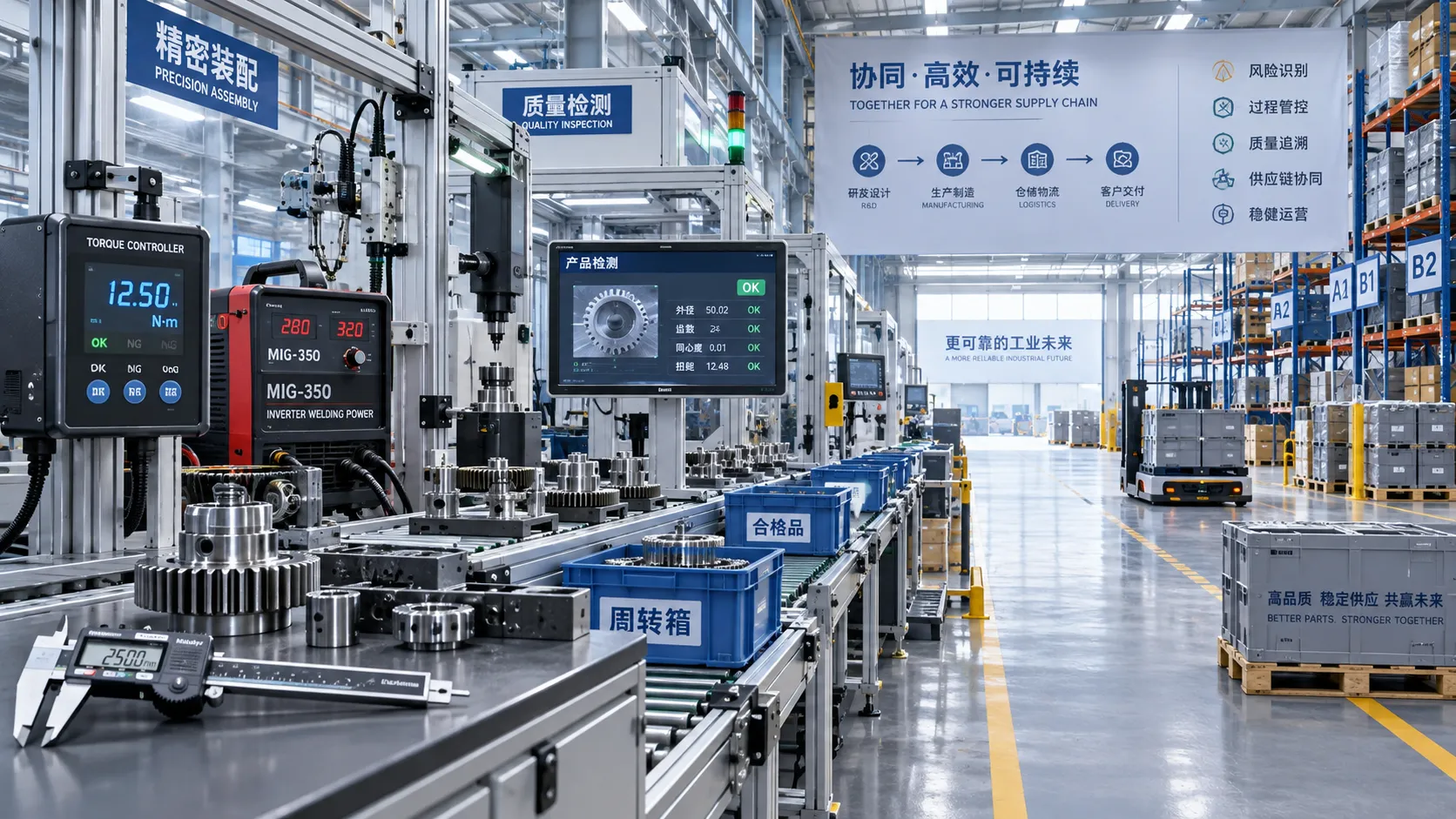
How Procurement Teams Can Map the Industrial Value Chain to Reduce Supply Risk
Industrial value chain procurement helps teams map hidden dependencies, qualify resilient sources, and reduce supply risk before disruptions stop production.
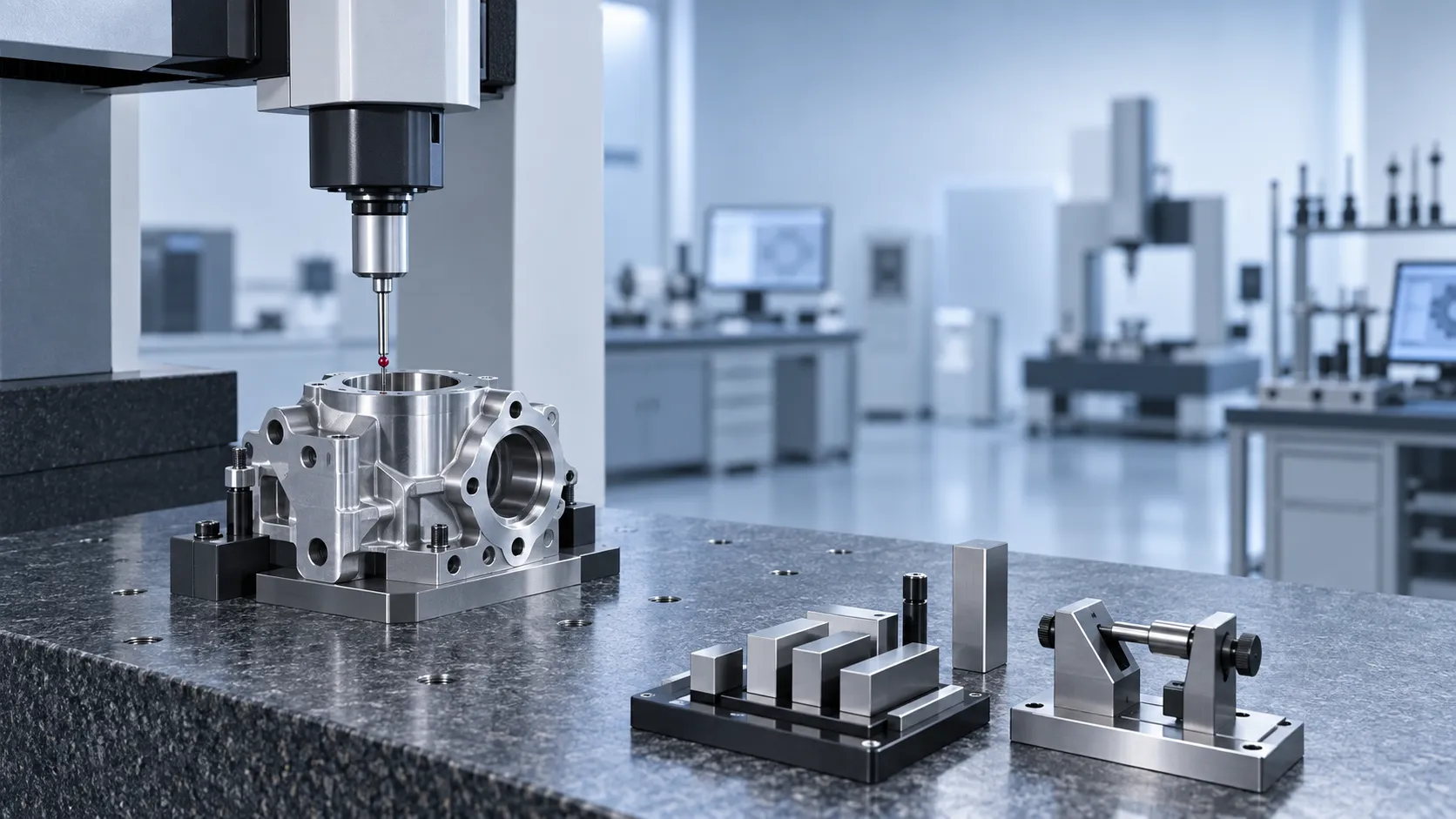
How Specification-Driven Articles Improve Precision Measurement System Selection
Specification-oriented articles precision measurement guidance helps teams compare accuracy, repeatability, environment, and data needs to select reliable systems with confidence.

How to Evaluate a Technology Integration Service Provider for Complex Projects
Technology integration service provider selection guide: evaluate interface ownership, delivery discipline, scalable architecture, and risk control for complex projects.
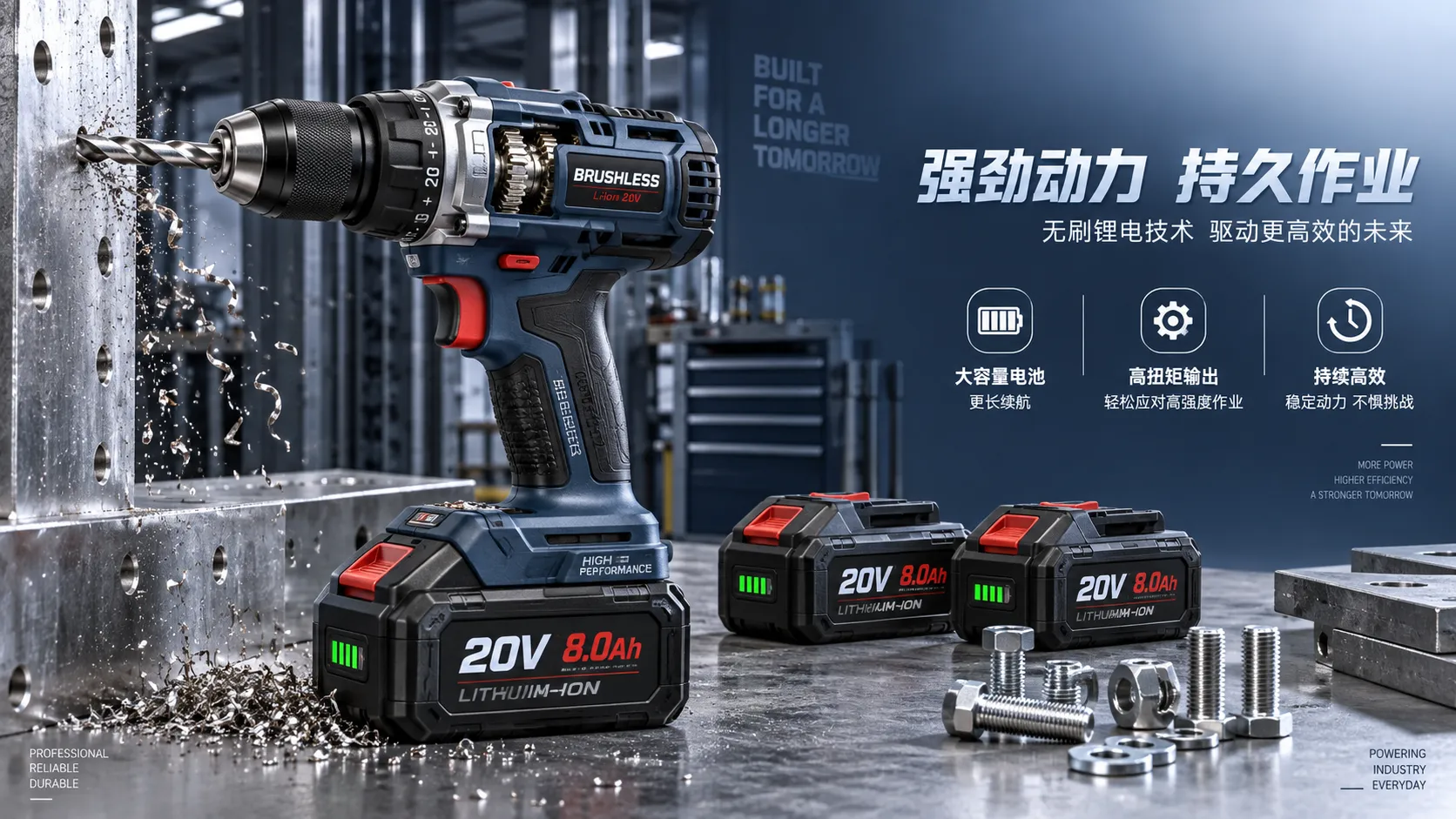
How Battery, Torque, and Duty Cycle Affect Cordless Power Tool Efficiency
Cordless power tool efficiency depends on battery output, torque, and duty cycle. Learn how to match tools to demanding jobs for stronger runtime and productivity.
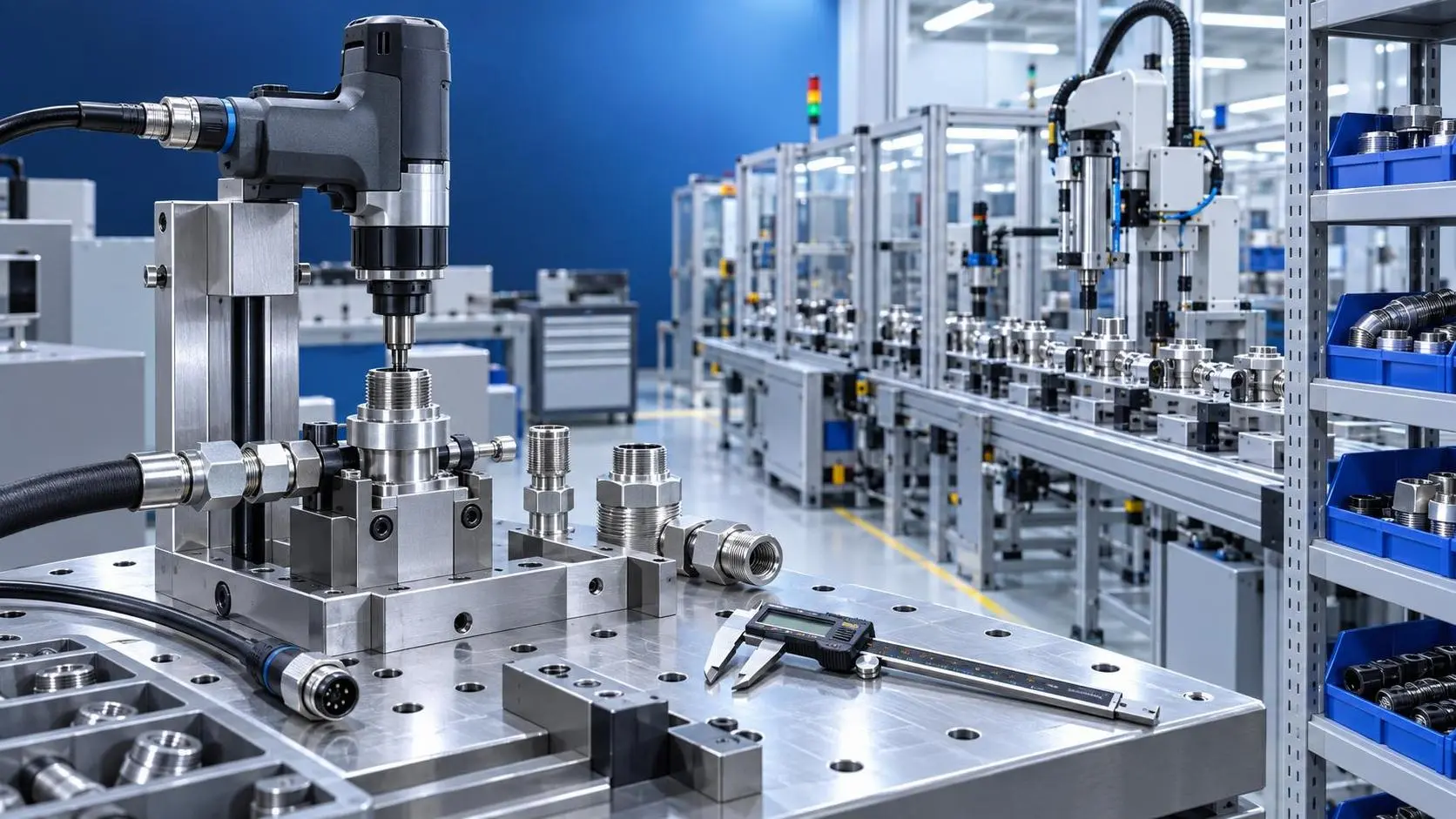
Product Comparison Resources for Component Compatibility and Lifecycle Risk
Product comparison resources for components: evaluate compatibility, interfaces, service support, and lifecycle risk to reduce downtime, avoid redesigns, and make confident sourcing decisions.
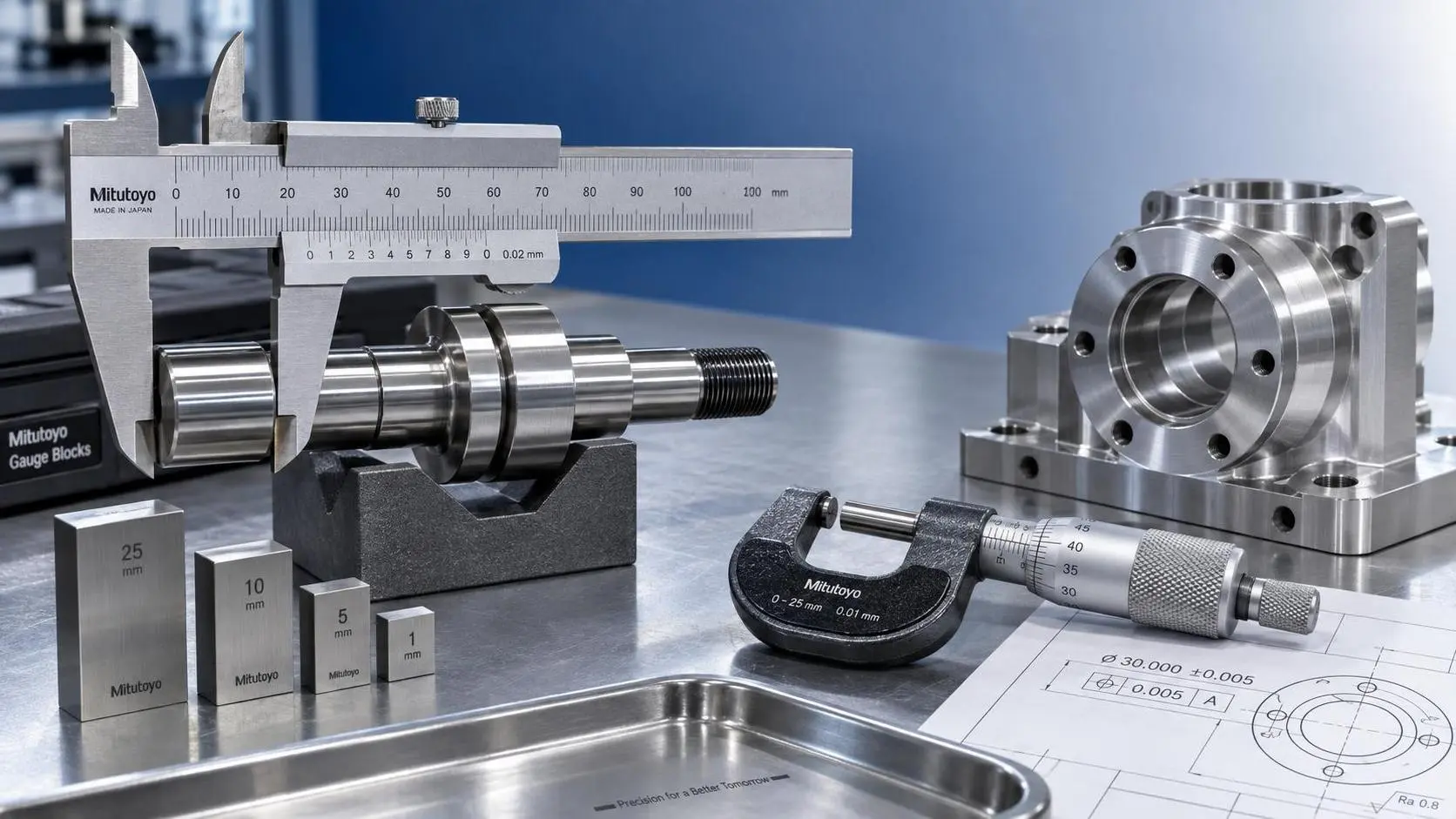
How to Select Vernier Precision Calipers for Tight-Tolerance Machining Inspection
Vernier precision calipers for tight-tolerance machining: learn how to select the right range, jaw design, accuracy, and verification process for reliable inspection.
Product Comparison Resources in Europe: How Buyers Can Verify Specs and Suppliers
Product comparison resources Europe: learn how to verify industrial specs, compliance claims, supplier credibility, and delivery risk for smarter purchasing decisions.
How to Evaluate an Industrial Metrology Solution Manufacturer for Production Use
Industrial metrology solution manufacturer evaluation guide for production: compare accuracy, traceability, automation, software, service, and acceptance testing to reduce risk.
Which ISO Standards Matter Most for Precision Engineering Quality Control?
Precision engineering ISO standards explained: discover how ISO 9001, ISO/IEC 17025, ISO 10012, GPS, and ISO 3834 strengthen quality control, traceability, and compliance.
Related News
- 00
0000-00
North American Welding Innovations Reshaping Automation, Quality, and Labor Productivity - 00
0000-00
How to Choose Handheld Laser Welding Equipment for Thin Metal Fabrication - 00
0000-00
Where Do Energy-Saving Welding Equipment Upgrades Deliver the Best ROI? - 00
0000-00
Low-Spatter Welding Equipment Applications: Best Uses by Material and Production Needs - 00
0000-00
How to Choose Auto Darkening Welding Helmets for Safety, Comfort, and Arc Performance
Welding Metallurgy Expert
Weekly Insights
Stay ahead with our curated technology reports delivered every Monday.