
How Industrial Innovation Is Reshaping Manufacturing Strategy and Investment Priorities





How Industrial Innovation Is Reshaping Manufacturing Strategy and Investment Priorities
Industrial innovation manufacturing is often misunderstood as a shorthand for factory automation. That is too narrow to be useful. In practice, it describes a broader shift in how manufacturers redesign the last mile of production: the point where tooling, joining quality, measurement accuracy, operator decisions, and process data finally determine whether upstream investment turns into usable output. The strategic issue is not whether a company installs more advanced equipment. It is whether innovation changes throughput, repeatability, maintenance burden, labor dependency, and compliance exposure in ways that justify capital allocation.
This is why the topic now sits inside boardroom discussions rather than only engineering departments. A new welding process, a smarter torque tool, or better metrology software does not remain a technical upgrade for long. It changes production economics, supplier qualification standards, training needs, spare-parts planning, and often the threshold for entering higher-value contracts. For decision-makers, the practical question is less “Which technology is new?” and more “Which innovation changes the operating model enough to alter investment priorities?”
Why the meaning of innovation has changed
For years, manufacturing innovation was commonly framed around scale: faster lines, larger machines, more output per shift. That logic still matters in high-volume sectors, but it no longer captures the full picture. Many manufacturers now operate under tighter tolerances, more volatile input costs, stricter export and traceability requirements, and persistent pressure to do shorter runs with fewer experienced operators. Under those conditions, innovation is increasingly judged by control rather than headline capacity.
Take metal joining and industrial assembly. A company deciding between conventional MIG/TIG workflows and newer handheld laser welding systems is not only comparing weld speed. It is also comparing heat input, distortion risk, rework rates, operator skill profiles, safety management, consumable planning, and the suitability of each process for actual materials and joint designs. In other words, the investment case sits at the intersection of process capability and production reality. That is where many strategy discussions either become rigorous or drift into expensive assumptions.
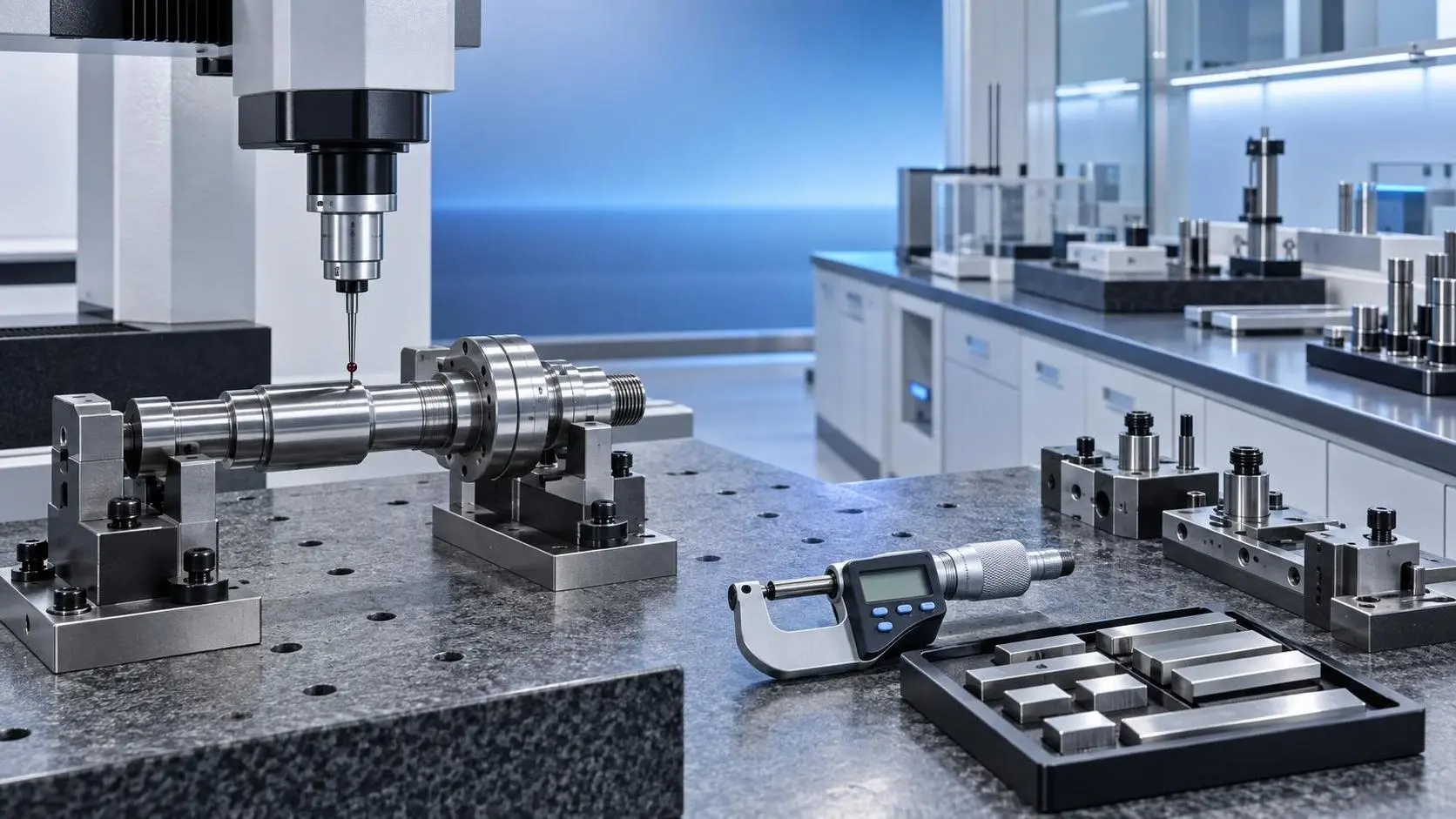
The same applies to precision metrology. Measurement tools used to be treated as downstream quality checkpoints. Increasingly, they function as control nodes in production strategy. Better inspection data can shorten setup time, catch variation earlier, support supplier accountability, and reduce scrap before the problem appears in final assembly. When metrology is integrated into process control instead of isolated at the end of the line, it stops being a cost center in the old sense.
What is actually driving current investment decisions
Several forces are converging. None of them are especially theoretical.
First, production resilience now matters as much as nominal efficiency. A plant that depends on a narrow pool of highly specialized labor, hard-to-source components, or unstable calibration practices may look efficient on paper and still be strategically fragile. That has pushed interest toward tools and systems that reduce setup sensitivity, standardize work quality, and produce more traceable operating data.
Second, the cost of bad variation is becoming easier to see. In sectors linked to automotive maintenance, construction equipment, aerospace support, and export manufacturing, a tolerance problem is rarely just a quality problem. It can trigger warranty claims, failed audits, delayed shipments, requalification work, or lost confidence from distributors and end users. That is one reason intelligent torque control, digital measurement capture, and tool-health monitoring are attracting attention. They convert previously invisible process drift into something that can be managed.
Third, energy and materials efficiency are being evaluated at the process level rather than only through broad sustainability language. Brushless motors in power tools, for example, are not interesting simply because they sound modern. They matter when their efficiency profile, heat characteristics, maintenance interval, and duty-cycle behavior improve uptime or lower operating friction in repeated industrial use. The strategic value comes from application fit, not from the component category itself.
Where smart manufacturing becomes tangible
Smart manufacturing is another phrase that tends to get overstated. In a useful sense, it begins when production data influences action quickly enough to change outcomes. That can be as ambitious as connected machine ecosystems, or as focused as an IoT-enabled fastening system that logs torque events, flags deviations, and supports traceability for service-critical assemblies.
The strongest investments often appear in unglamorous places: torque consistency in field assembly, handheld inspection accuracy, welding safety controls, calibration discipline, consumable management, and digital records that survive staff turnover. These are not always the most visible parts of industrial transformation, but they often decide whether a factory becomes more predictable or just more digitized.
That perspective is central to platforms such as GPTWM, which focus on the last mile of manufacturing performance rather than treating industrial intelligence as a stream of disconnected news. In sectors where assembly quality and joining reliability shape end-product value, strategic intelligence is useful only if it connects material trends, tooling evolution, and real operating constraints. A report about export restrictions, raw material fluctuation, or ergonomic standardization is meaningful because it changes sourcing logic, tooling choices, or market-entry timing.
Common mistakes in evaluating innovation
One common mistake is treating advanced tools as universally superior. They are not. Handheld laser welding is a clear example. It has drawn strong interest because of productivity and finish quality in certain scenarios, but suitability still depends on material thickness, joint configuration, operator training, shielding requirements, safety infrastructure, and production environment. A company that buys the technology without addressing those conditions may end up with an underused asset rather than a competitive advantage.
Another mistake is assuming digital visibility automatically improves execution. More dashboards do not fix unstable processes. If calibration routines are inconsistent, if torque tools are misapplied, or if inspection data is not trusted by production teams, the digital layer simply exposes confusion faster. Investment should therefore start with process discipline and measurement credibility, then scale into connectivity.
A third error is undervaluing ergonomic and human-factor innovation. In industrial settings, lightweighting, balance, grip design, heat management, and interface clarity are often dismissed as secondary product features. In reality, they can influence fatigue, repeatability, safety behavior, and operator adoption. Over time, those factors affect productivity and error rates more than many procurement models capture.
A more useful way to judge investment priorities
When manufacturers assess industrial innovation manufacturing, the evaluation framework should be operational before it is promotional. A practical screen usually includes questions like these:
- Does the technology reduce process variability, or does it mainly increase theoretical capability?
- Can it be integrated without creating new bottlenecks in training, maintenance, or safety compliance?
- Will it improve traceability in a way customers, auditors, or channel partners actually value?
- Does it fit the company’s product mix, batch size, labor profile, and service obligations?
- Can performance be verified through measurable process indicators rather than vendor claims alone?
This is also where sector intelligence becomes commercially relevant. Distributors, OEM suppliers, and plant operators do not need the same answer, even when they are looking at the same tool category. A distributor may care most about structural demand, serviceability, and margin durability. A plant manager may focus on uptime and process stability. An executive team may be asking whether a technology helps the business move into better-protected, higher-specification work. The investment priority changes with the decision frame.
Why precision technologies are moving to the center
Precision tools, metrology systems, and controlled joining processes are gaining strategic weight because they sit close to value realization. A factory can spend heavily on software, robotics, or capacity expansion and still lose margin if measurement discipline is weak or assembly quality drifts. By contrast, improvements in inspection confidence, fastening consistency, and weld integrity often scale across multiple product lines and supplier relationships.
That is especially relevant in globally distributed manufacturing networks. As companies source components from more regions and sell into markets with different standards expectations, they need process languages that travel well: documented torque values, repeatable measurement methods, qualified joining procedures, and tool ecosystems that can be maintained across sites. Precision is no longer just a shop-floor characteristic. It is becoming part of international operating architecture.
This helps explain why intelligence platforms dedicated to assembly, metal joining, and metrology are becoming more influential. Their value is not merely informational. They help interpret where technical shifts are likely to become purchasing shifts, where regulatory or export constraints may alter equipment choices, and where an apparently incremental tool improvement can reshape profitability at scale.
What decision-makers should watch next
The next phase of manufacturing strategy will likely reward companies that can connect three layers without confusing them: advanced equipment, reliable process data, and grounded operational judgment. Not every factory needs a dramatic transformation program. Many need a clearer view of which innovations tighten process control, reduce hidden failure costs, and support more defensible market positioning.
That is the more mature reading of industrial innovation manufacturing. It is not a slogan for modernization, and it is not limited to automation spending. It is a decision framework for choosing where precision, intelligence, and practical process redesign can change business outcomes. The manufacturers that benefit most are usually not the ones chasing novelty fastest. They are the ones that can tell the difference between technical sophistication and operational leverage, then invest accordingly.
Related News
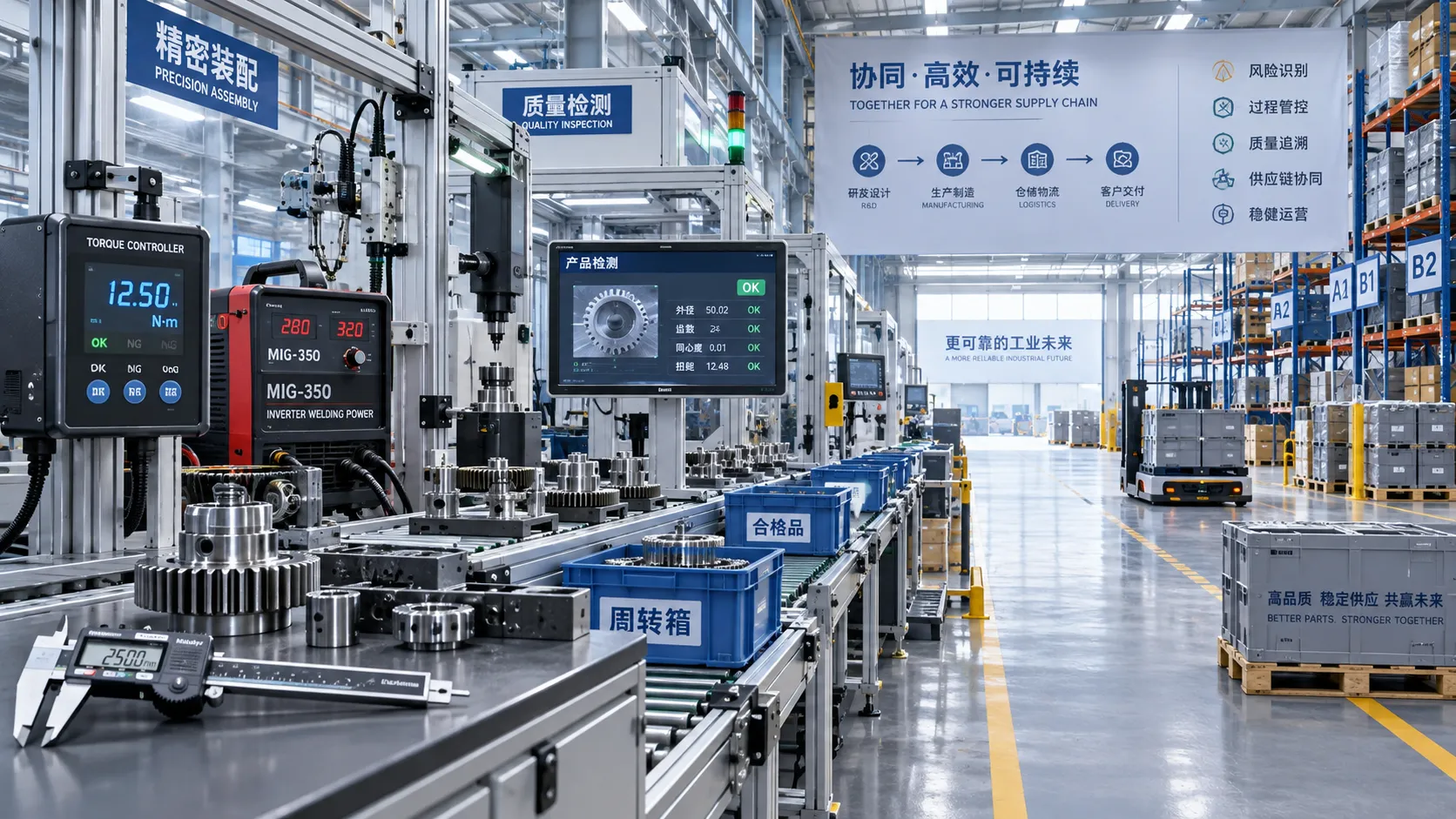
How Procurement Teams Can Map the Industrial Value Chain to Reduce Supply Risk
Industrial value chain procurement helps teams map hidden dependencies, qualify resilient sources, and reduce supply risk before disruptions stop production.
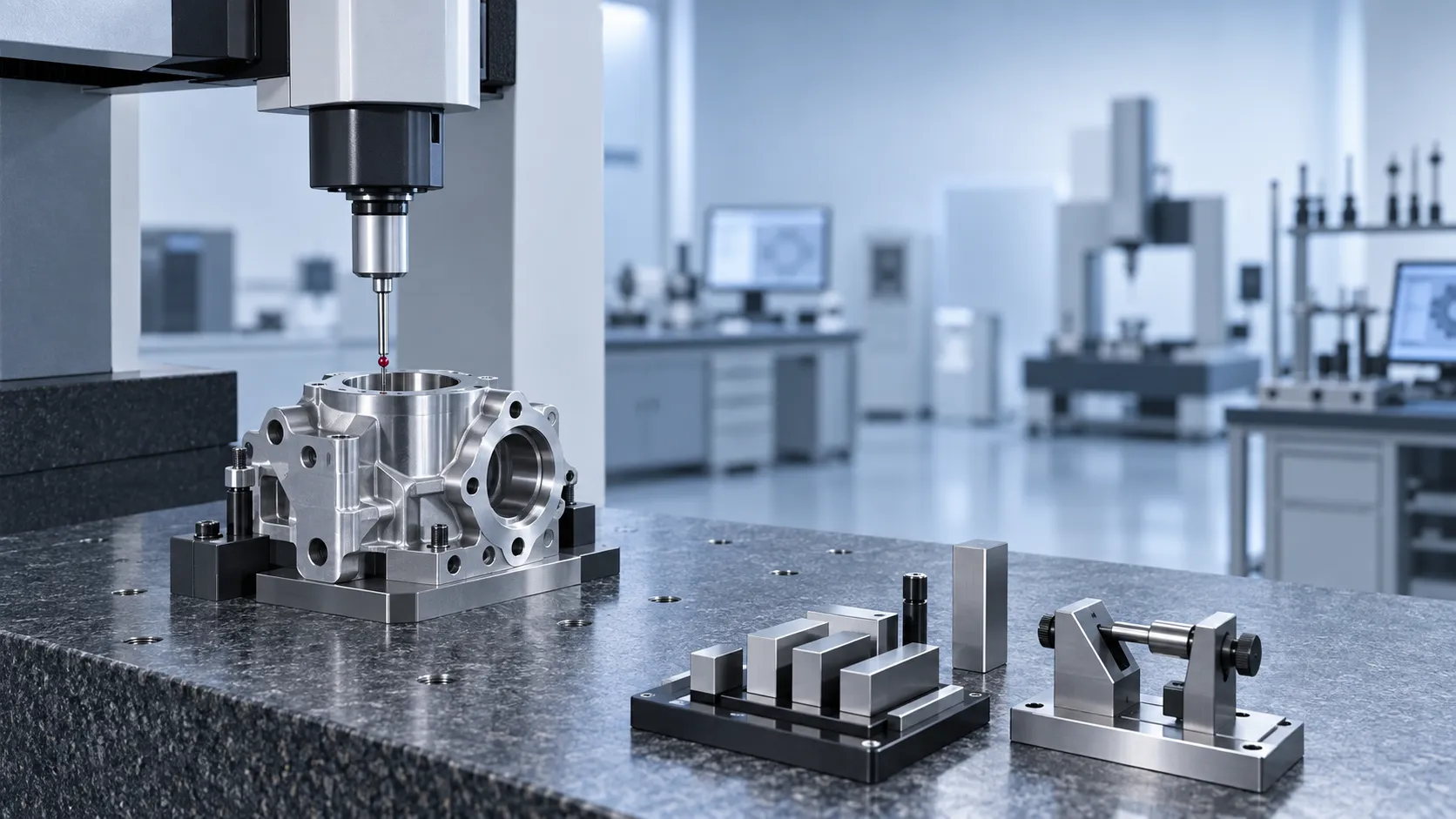
How Specification-Driven Articles Improve Precision Measurement System Selection
Specification-oriented articles precision measurement guidance helps teams compare accuracy, repeatability, environment, and data needs to select reliable systems with confidence.
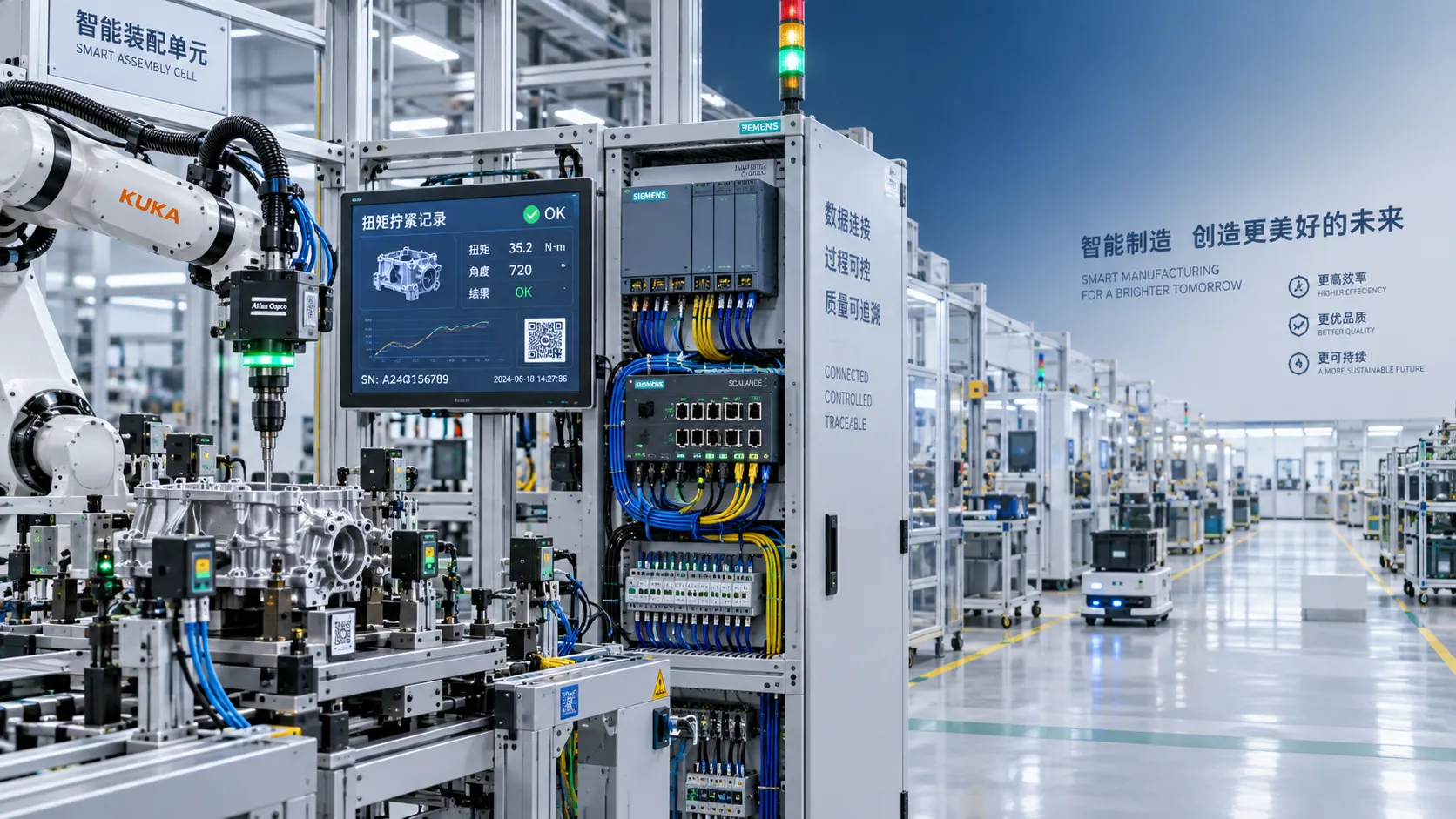
How to Evaluate a Technology Integration Service Provider for Complex Projects
Technology integration service provider selection guide: evaluate interface ownership, delivery discipline, scalable architecture, and risk control for complex projects.
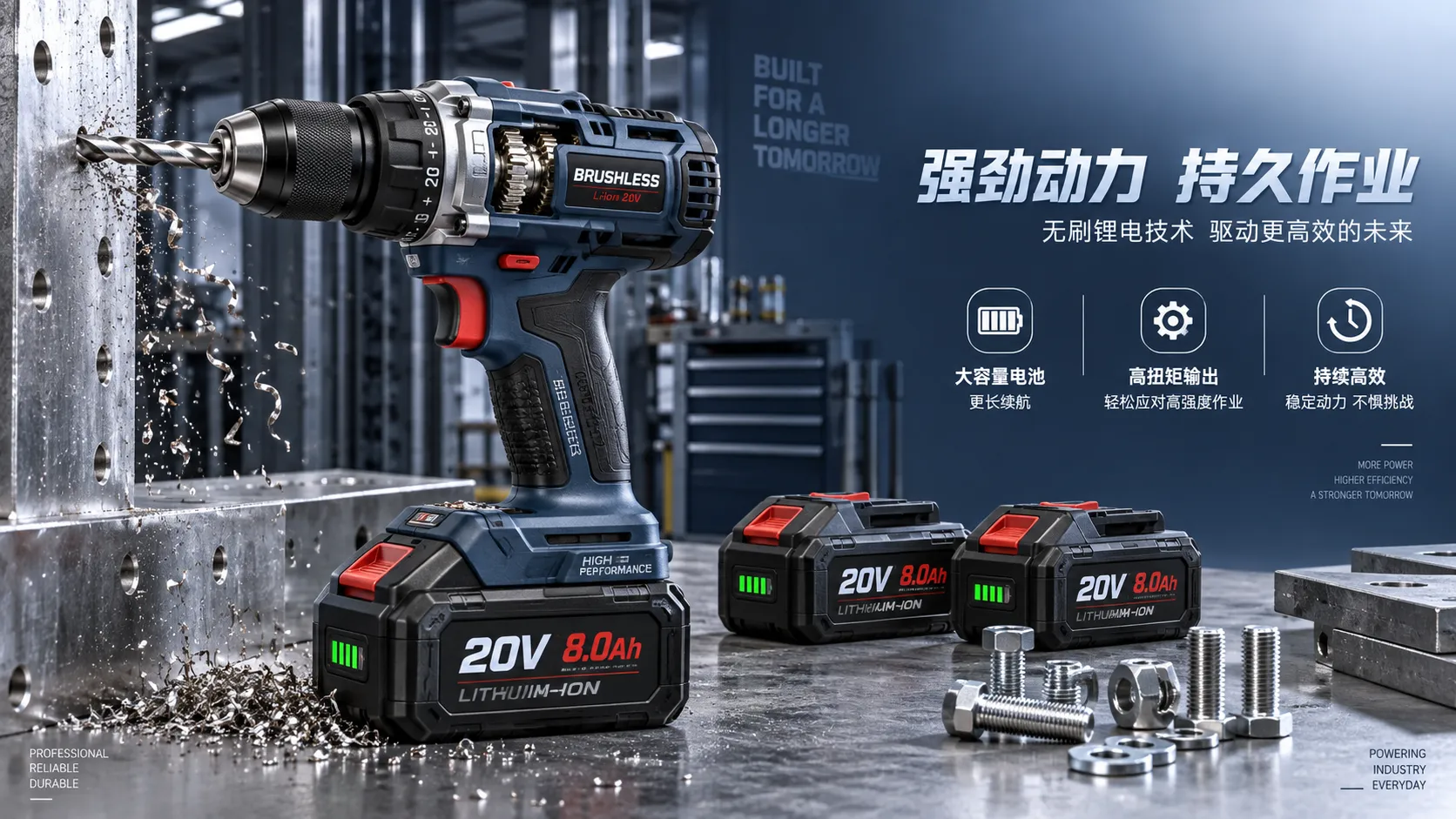
How Battery, Torque, and Duty Cycle Affect Cordless Power Tool Efficiency
Cordless power tool efficiency depends on battery output, torque, and duty cycle. Learn how to match tools to demanding jobs for stronger runtime and productivity.
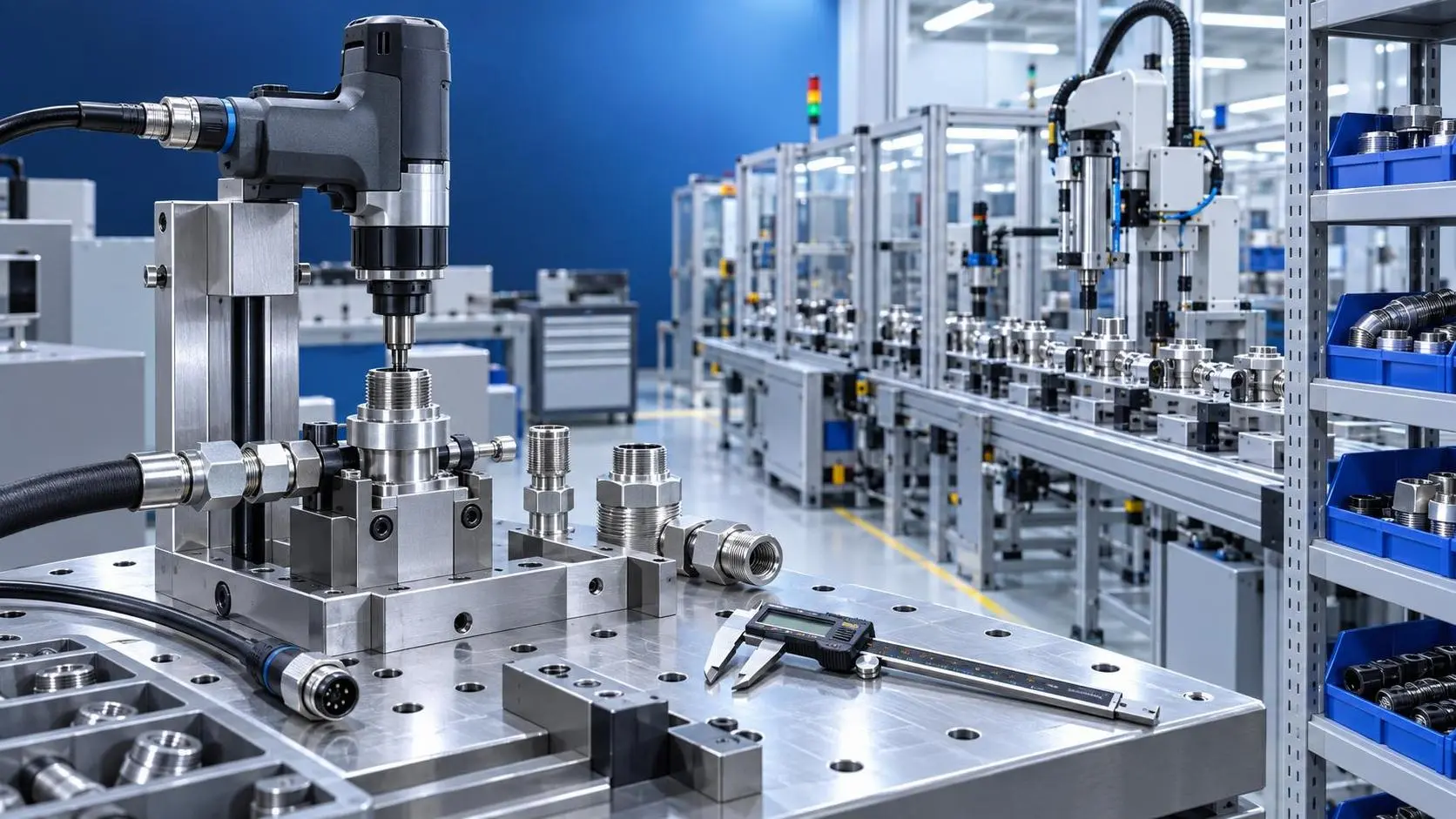
Product Comparison Resources for Component Compatibility and Lifecycle Risk
Product comparison resources for components: evaluate compatibility, interfaces, service support, and lifecycle risk to reduce downtime, avoid redesigns, and make confident sourcing decisions.
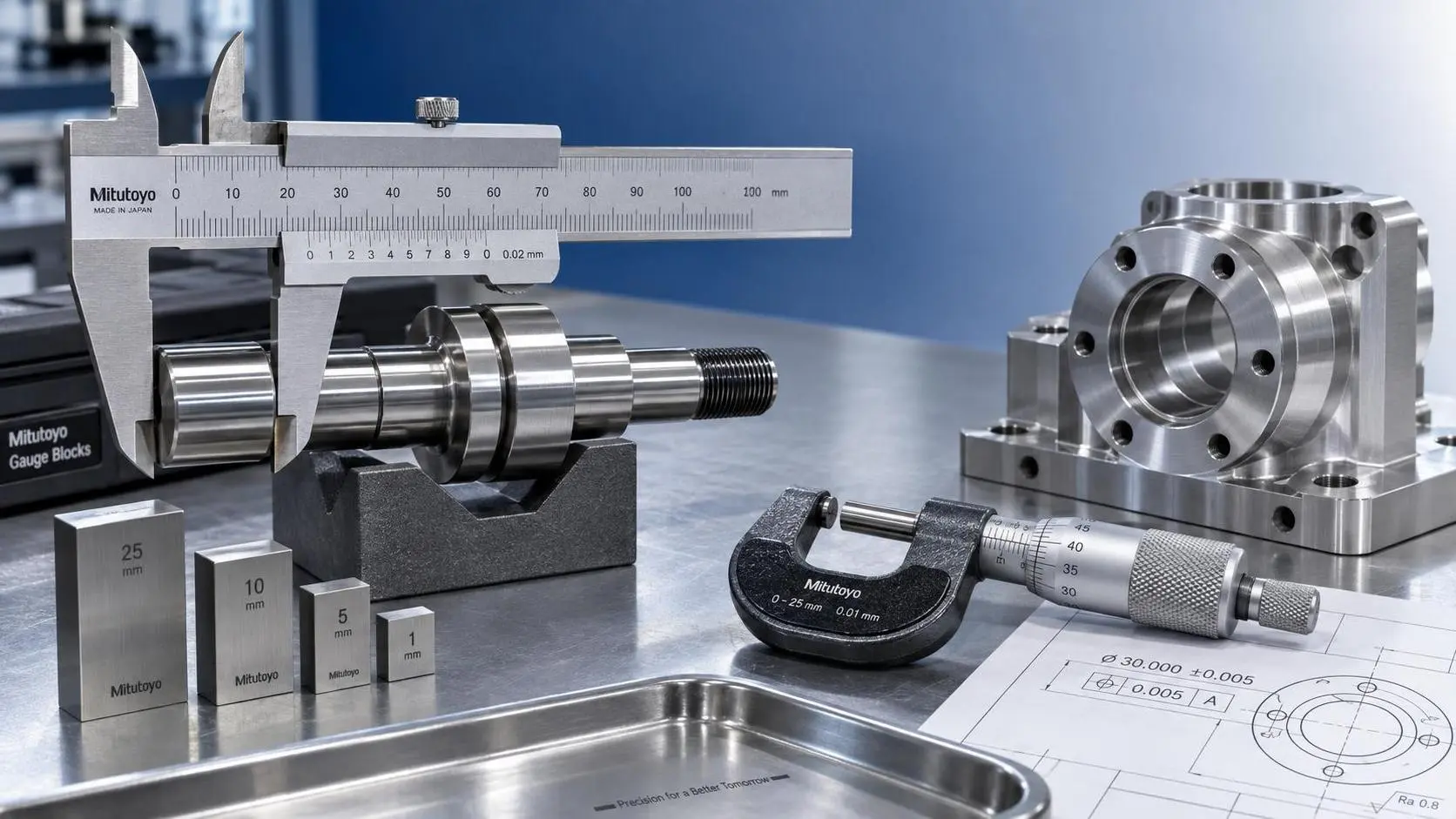
How to Select Vernier Precision Calipers for Tight-Tolerance Machining Inspection
Vernier precision calipers for tight-tolerance machining: learn how to select the right range, jaw design, accuracy, and verification process for reliable inspection.
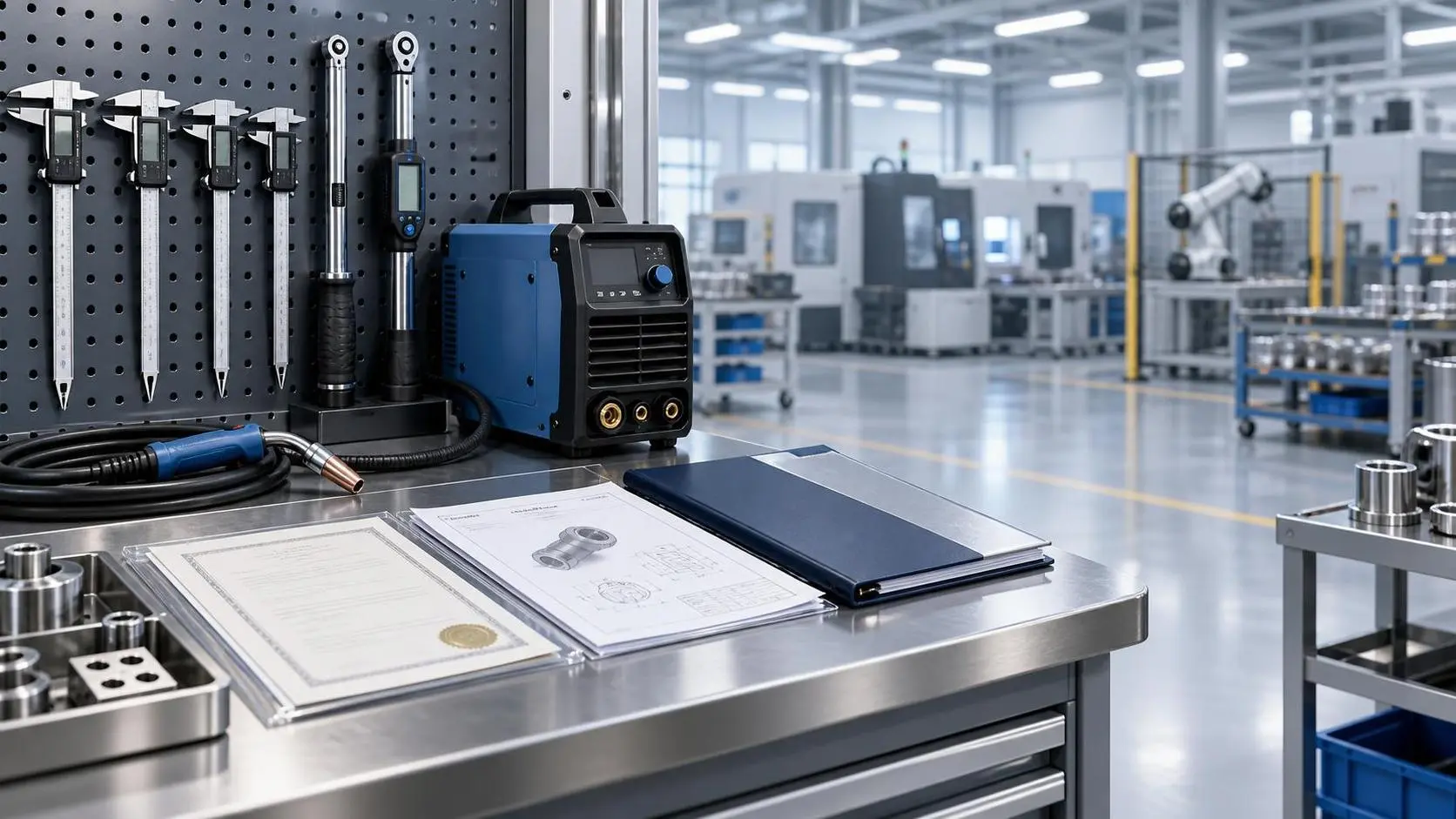
Product Comparison Resources in Europe: How Buyers Can Verify Specs and Suppliers
Product comparison resources Europe: learn how to verify industrial specs, compliance claims, supplier credibility, and delivery risk for smarter purchasing decisions.
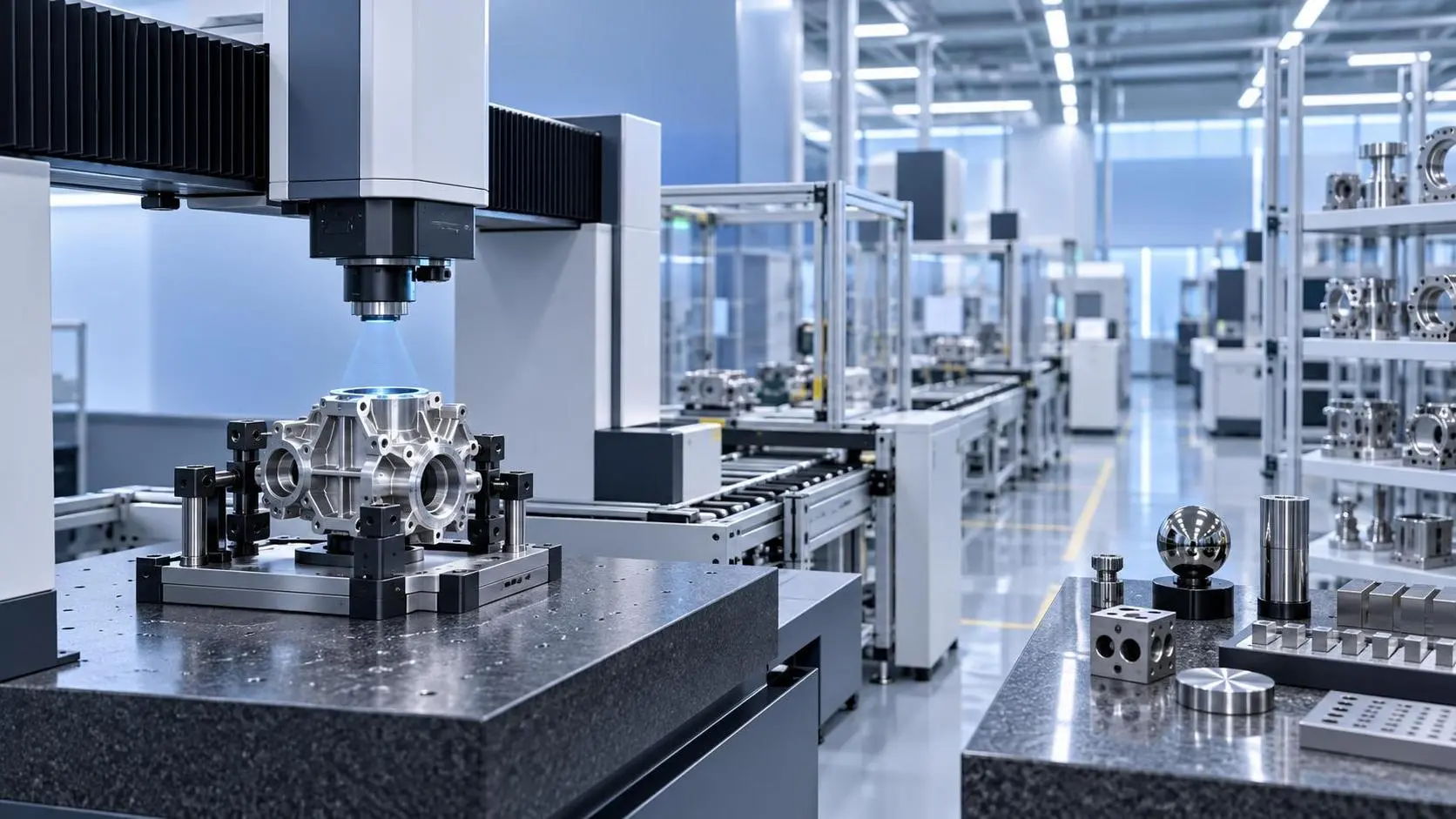
How to Evaluate an Industrial Metrology Solution Manufacturer for Production Use
Industrial metrology solution manufacturer evaluation guide for production: compare accuracy, traceability, automation, software, service, and acceptance testing to reduce risk.
Which ISO Standards Matter Most for Precision Engineering Quality Control?
Precision engineering ISO standards explained: discover how ISO 9001, ISO/IEC 17025, ISO 10012, GPS, and ISO 3834 strengthen quality control, traceability, and compliance.
Related News
- 00
0000-00
Why Are Specification-Oriented Articles Gaining Traction in Europe’s B2B Markets? - 00
0000-00
Industrial Solutions in Latin America: Key Growth Sectors and Market Entry Risks - 00
0000-00
What Is Driving Manufacturing Efficiency in Europe’s Industrial Sectors? - 00
0000-00
Industrial Market Trends in 2025: What Buyers Should Watch Across Supply and Demand - 00
0000-00
Production Efficiency in North America: What Is Changing for Manufacturers in 2025?
Dr. Alistair Vaughn
Weekly Insights
Stay ahead with our curated technology reports delivered every Monday.