
What Is Industrial Research and How It Supports Product and Market Decisions





Industrial research sits behind many sound product and market choices, yet it is often misunderstood as simple data collection. In practice, it connects technical performance, customer demand, regulation, supply shifts, and competitor movement into one usable picture.
That matters even more in industrial sectors where one design change can affect safety, compliance, cost, and service life. For anyone tracking assembly tools, welding systems, metrology devices, or related equipment, industrial research helps separate noise from decisions that truly deserve attention.
What does industrial research actually include?
A useful definition is broader than laboratory testing or market surveys alone. Industrial research combines technical validation with commercial interpretation, so product and market decisions are based on evidence rather than instinct.
In real situations, it often includes material trends, export restrictions, production capability, field performance, pricing pressure, maintenance needs, and changing user expectations. The goal is not more information. The goal is better judgment.
For example, if a company studies handheld laser welding adoption, industrial research does not stop at speed claims. It also asks whether safety standards are tightening, whether training burdens are rising, and whether after-sales support can keep pace.
The same logic applies to precision tools and metrology. A caliper, torque system, or hydraulic device may look competitive on paper, but industrial research checks how it performs under real use, how demand is shifting by region, and what margin pressure may appear later.
A quick way to recognize true industrial research
- It links technical facts with market consequences.
- It compares short-term signals with long-term trends.
- It looks at both opportunity and operational risk.
- It supports a decision, not just a report.
Why is industrial research so important before product decisions?
Product teams often face a familiar problem: a feature seems promising, but the real market value is uncertain. Industrial research reduces that uncertainty by testing whether a technical upgrade matches demand, price tolerance, safety rules, and service expectations.
Consider brushless motors in power tools. The technology can improve efficiency and durability, but industrial research asks harder questions. Does the added cost fit the target segment? Are repair channels ready? Will the efficiency gain matter in everyday use?
This is where industrial research supports product decisions in a practical way. It helps identify which innovations deserve investment, which features are overbuilt, and which technical claims need field proof before launch.
It also protects against a common mistake: designing for engineering appeal instead of actual adoption. In industrial categories, buyers often care about reliability, downtime, compatibility, and compliance more than novelty alone.
The table shows why industrial research is not a side task. It acts as a filter before product investment becomes difficult to reverse.
How does industrial research shape market decisions?
Market decisions are rarely about demand volume alone. Industrial research helps explain what kind of demand is growing, where it is structural, and where it is only temporary.
A strong example appears in high-precision measuring instruments and hydraulic equipment. Interest may rise across construction, automotive, and aerospace maintenance, but the drivers are not identical. One segment may focus on traceability, another on durability, and another on service access.
Without industrial research, these markets can look similar from a distance. With it, the differences become visible enough to support pricing, regional strategy, and product mix choices.
This is also why intelligence platforms such as GPTWM matter in the background. When sector news, standards pressure, technical evolution, and commercial insight are stitched together, market decisions become more precise and less reactive.
In other words, industrial research helps answer not just where demand exists, but whether that demand is profitable, defendable, and aligned with future industry direction.
Signals worth tracking before entering or expanding a market
- Changes in certification, safety, or export rules.
- Shifts in replacement cycles for tools and components.
- Demand moving from basic equipment to intelligent systems.
- Rising need for ergonomic and lightweight designs.
- Channel feedback on repairability and lifecycle cost.
What is the difference between industrial research and ordinary market research?
This is a common point of confusion. Ordinary market research often focuses on customer preferences, brand awareness, pricing, and competitor presence. Industrial research goes further by adding engineering, regulatory, sourcing, and application realities.
That difference becomes critical in sectors where failure has a direct operational cost. A power tool, torque control system, welding unit, or metrology instrument cannot be assessed by preference data alone.
Industrial research asks whether the product fits process conditions, whether the standards environment is changing, and whether ownership cost will affect adoption. It treats performance claims as something to verify, not just market.
More simply, market research tells you what people may want. Industrial research tells you whether that demand can survive contact with real operating conditions.
A practical comparison
Where do industrial research efforts usually go wrong?
The first mistake is relying on a single source. Technical papers, distributor feedback, and pricing data may all look credible, yet each shows only part of the picture. Industrial research works best when sources challenge one another.
Another mistake is treating recent demand as a permanent trend. In industrial sectors, temporary replacement cycles, policy changes, or shipment disruptions can create misleading momentum. A smart reading always checks whether demand is structural or short-lived.
A third risk is ignoring implementation friction. An intelligent torque system may appear attractive, but adoption can stall if training, calibration, software integration, or compliance documentation are harder than expected.
It is also easy to focus only on flagship technologies. In reality, industrial research often reveals value in quieter areas such as ergonomic redesign, maintenance intervals, safer operation, or measurement consistency.
Useful checks before trusting a research conclusion
- Is the data recent enough for current regulation and supply conditions?
- Does technical evidence match field application reality?
- Are cost assumptions based on full lifecycle, not unit price alone?
- Has regional demand been separated instead of averaged together?
How can you use industrial research in a more practical way?
A good starting point is to frame a clear decision before gathering more data. Industrial research becomes more useful when it is tied to a real question, such as whether to upgrade a product line, enter a region, or prioritize one application over another.
Then build a small decision map. Include technical performance, compliance exposure, demand quality, cost sensitivity, support requirements, and competitor direction. This keeps industrial research tied to action instead of becoming an endless archive.
For sectors like industrial assembly, metal joining, and precision metrology, this structured approach is especially valuable. These fields are shaped by detailed standards, evolving tool architecture, and regional demand patterns that do not move at the same speed.
That is why curated intelligence from sources such as GPTWM can be useful as a reference layer. Its combination of sector news, evolutionary trends, and commercial signals reflects how industrial research is supposed to work: connecting detail to decision.
If the goal is better product and market decisions, the next step is straightforward. Define the decision, compare the evidence, test the assumptions, and watch the signals most likely to change the outcome. That is where industrial research proves its real value.
Related News
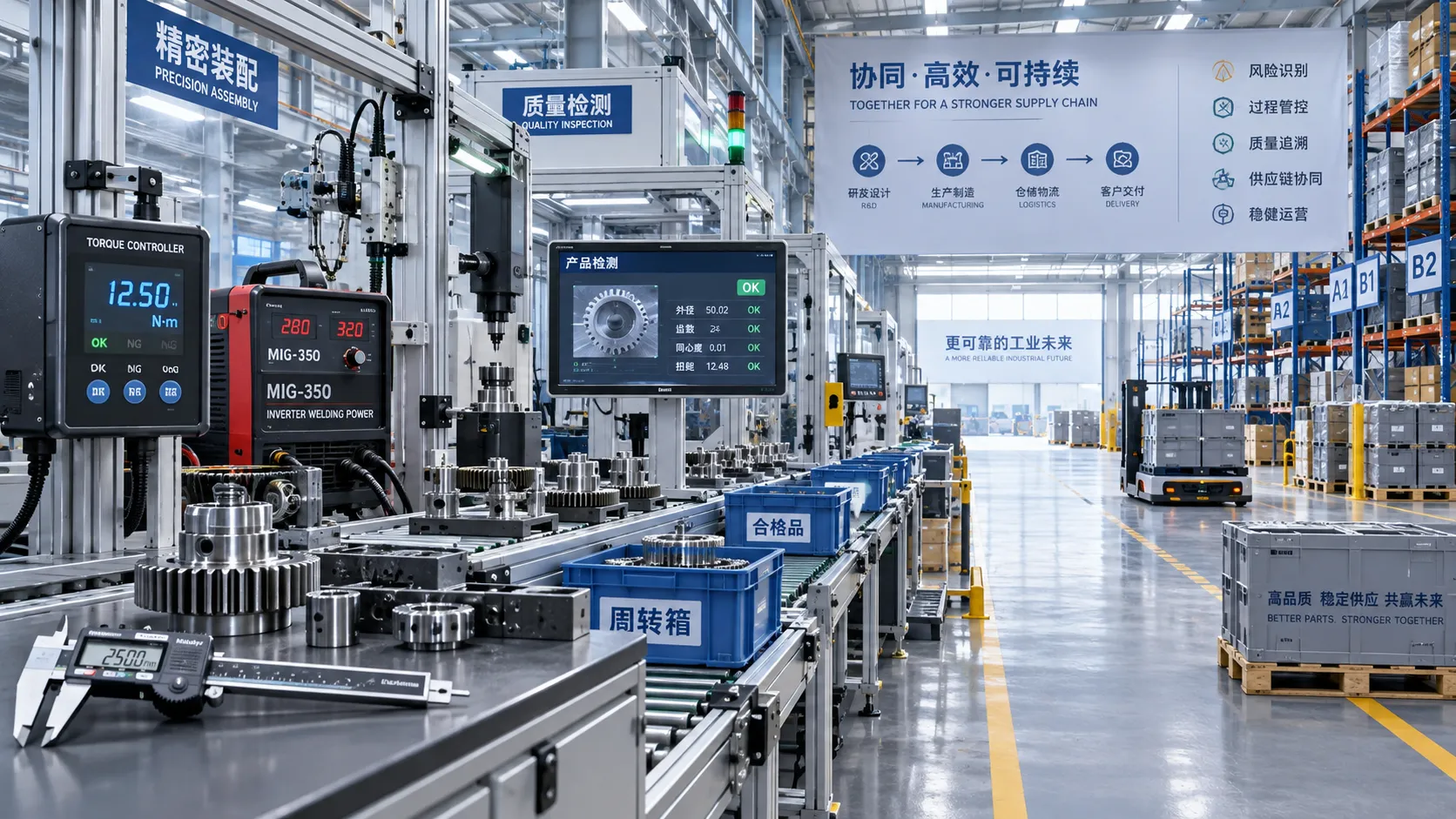
How Procurement Teams Can Map the Industrial Value Chain to Reduce Supply Risk
Industrial value chain procurement helps teams map hidden dependencies, qualify resilient sources, and reduce supply risk before disruptions stop production.
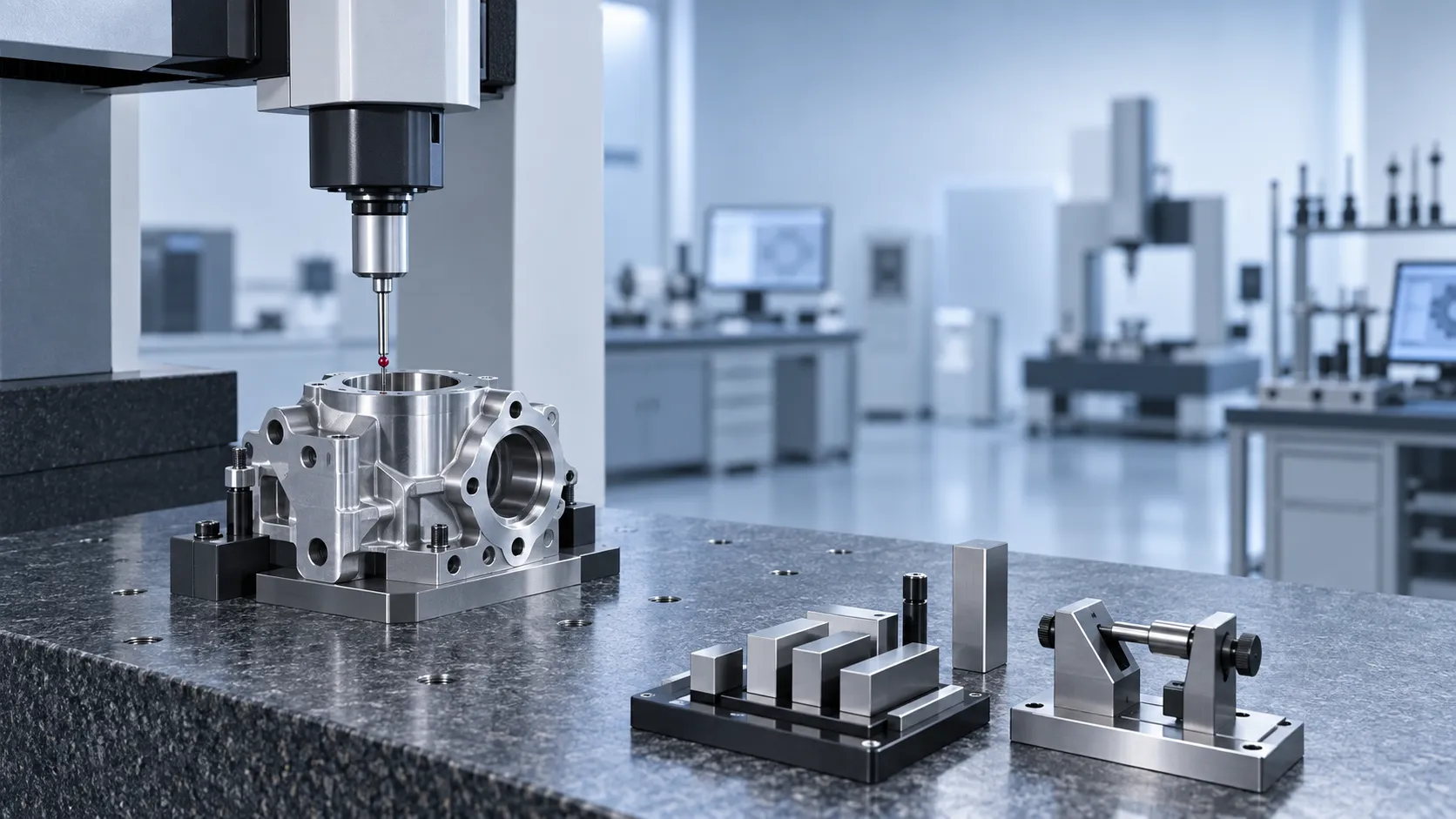
How Specification-Driven Articles Improve Precision Measurement System Selection
Specification-oriented articles precision measurement guidance helps teams compare accuracy, repeatability, environment, and data needs to select reliable systems with confidence.
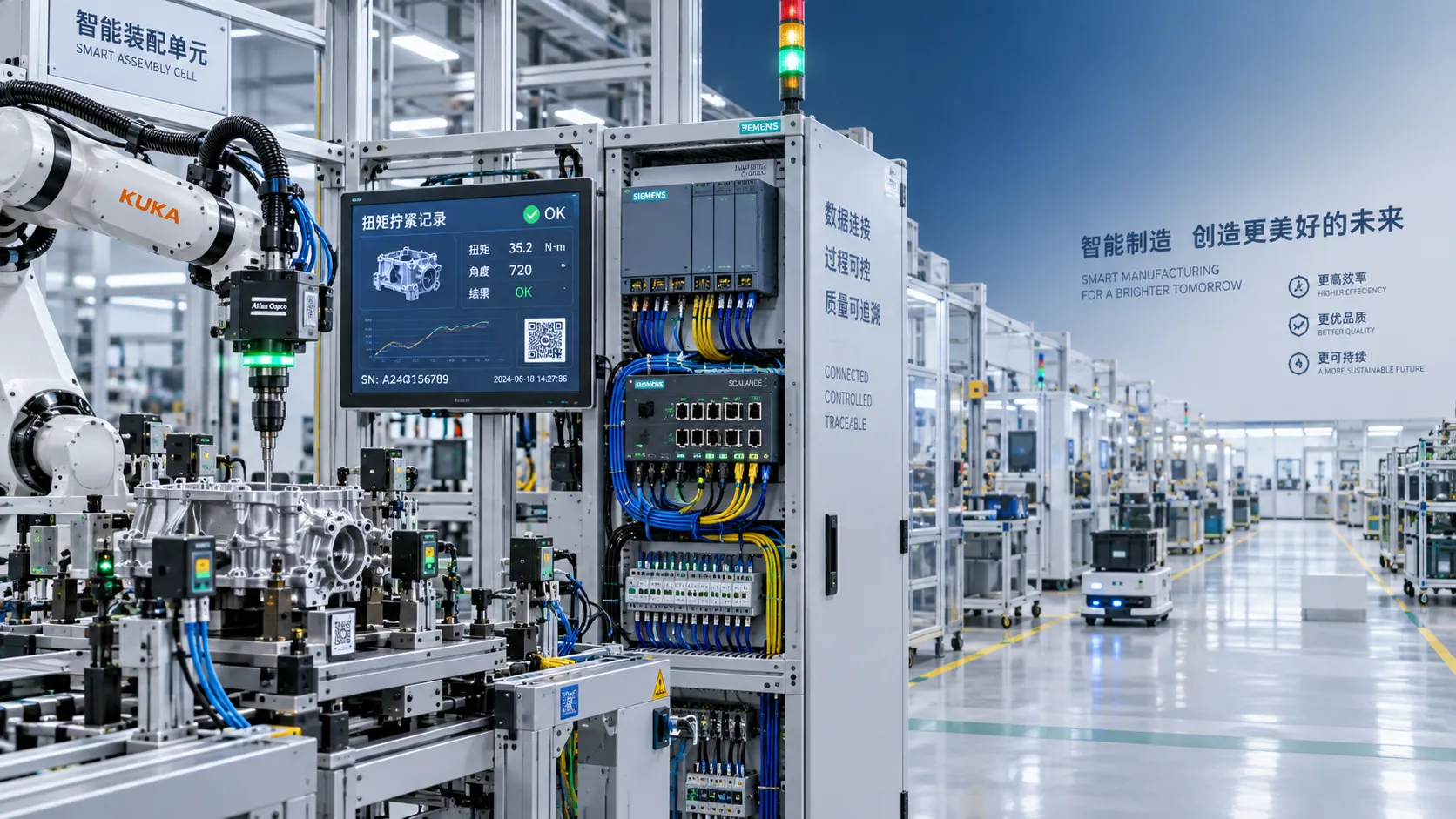
How to Evaluate a Technology Integration Service Provider for Complex Projects
Technology integration service provider selection guide: evaluate interface ownership, delivery discipline, scalable architecture, and risk control for complex projects.
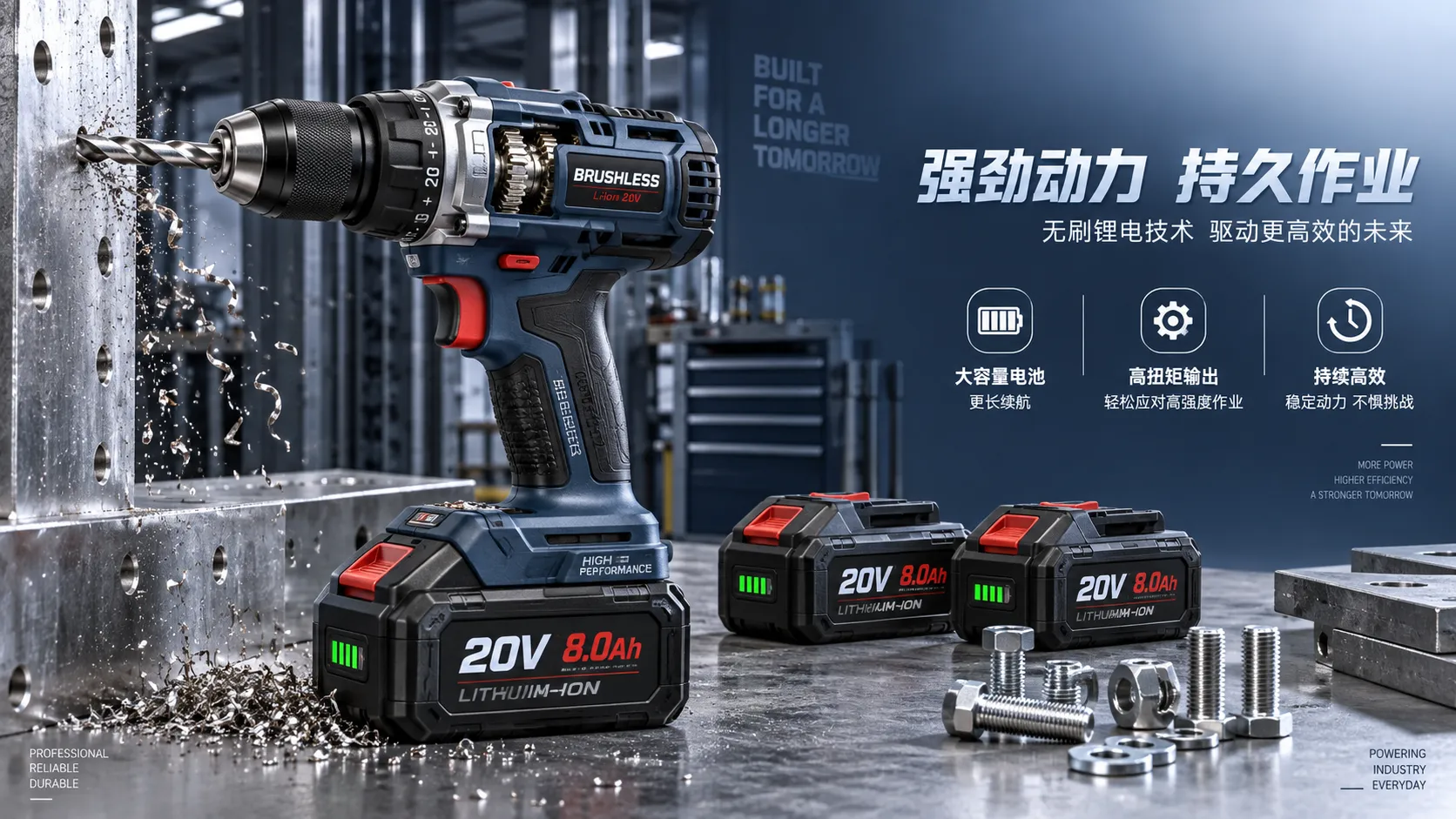
How Battery, Torque, and Duty Cycle Affect Cordless Power Tool Efficiency
Cordless power tool efficiency depends on battery output, torque, and duty cycle. Learn how to match tools to demanding jobs for stronger runtime and productivity.
Product Comparison Resources for Component Compatibility and Lifecycle Risk
Product comparison resources for components: evaluate compatibility, interfaces, service support, and lifecycle risk to reduce downtime, avoid redesigns, and make confident sourcing decisions.
How to Select Vernier Precision Calipers for Tight-Tolerance Machining Inspection
Vernier precision calipers for tight-tolerance machining: learn how to select the right range, jaw design, accuracy, and verification process for reliable inspection.
Product Comparison Resources in Europe: How Buyers Can Verify Specs and Suppliers
Product comparison resources Europe: learn how to verify industrial specs, compliance claims, supplier credibility, and delivery risk for smarter purchasing decisions.
How to Evaluate an Industrial Metrology Solution Manufacturer for Production Use
Industrial metrology solution manufacturer evaluation guide for production: compare accuracy, traceability, automation, software, service, and acceptance testing to reduce risk.
Which ISO Standards Matter Most for Precision Engineering Quality Control?
Precision engineering ISO standards explained: discover how ISO 9001, ISO/IEC 17025, ISO 10012, GPS, and ISO 3834 strengthen quality control, traceability, and compliance.
Related News
- 00
0000-00
Why Are Specification-Oriented Articles Gaining Traction in Europe’s B2B Markets? - 00
0000-00
Industrial Solutions in Latin America: Key Growth Sectors and Market Entry Risks - 00
0000-00
What Is Driving Manufacturing Efficiency in Europe’s Industrial Sectors? - 00
0000-00
Industrial Market Trends in 2025: What Buyers Should Watch Across Supply and Demand - 00
0000-00
Production Efficiency in North America: What Is Changing for Manufacturers in 2025?
Dr. Alistair Vaughn
Weekly Insights
Stay ahead with our curated technology reports delivered every Monday.