
South East Asia Smart Factory Market: Growth Drivers, Sectors, and Investment Signals





The south east asia smart factory market is gaining momentum as manufacturers accelerate automation, digital quality control, connected tooling, and data-driven production across key industrial hubs. For business evaluators, the opportunity is not simply about buying more robots. It is about identifying where intelligent manufacturing can remove costly variability, protect margins, improve traceability, and support regional growth without creating a technology stack that the plant cannot sustain.
Across the region, factory modernization is taking different forms. A large electronics assembler may focus on machine vision, automated optical inspection, and real-time production traceability. A metal fabrication business may begin with connected welding systems, programmable fixturing, and digital weld records. An automotive component supplier may prioritize torque traceability, automated gauging, predictive maintenance, and tighter supplier-quality integration.
The common thread is practical: manufacturers are under pressure to produce more consistently, respond faster to changing customer specifications, and make labor-dependent processes easier to manage. Smart factory investment is increasingly being judged by operational evidence rather than presentation slides. Can the system reduce rework? Does it make quality data usable? Can it scale from one line to several sites? Those questions are reshaping purchasing decisions throughout South East Asia.
Why the market is moving now
South East Asia has long been an important production base for electronics, automotive parts, consumer goods, machinery, food processing, and export-oriented assembly. That base is now being asked to do more. Global customers want shorter lead times, better product traceability, stronger compliance documentation, and more resilient supply networks. At the same time, local manufacturers face skilled-labor constraints, rising expectations around workplace safety, and increased pressure to defend margins in competitive contract manufacturing environments.
These conditions make selective digitalization attractive. A factory does not need to become fully autonomous to capture value. In many cases, the first gains come from connecting assets that already exist: tightening tools, welding power sources, measuring instruments, PLCs, barcode systems, and maintenance records. Once data is captured in a consistent way, managers can see where defects start, where cycle times drift, and which shifts or machines require attention.
Another driver is supply-chain diversification. As global companies expand or rebalance manufacturing footprints across Vietnam, Thailand, Malaysia, Indonesia, Singapore, and the Philippines, they often bring tighter requirements for process control. Local suppliers that can demonstrate repeatable quality, calibrated inspection procedures, and digital production records are better positioned to participate in higher-value programs.
The shift is therefore not merely technological. It is commercial. Smart factory capability is becoming part of the conversation around supplier selection, export readiness, warranty exposure, and long-term manufacturing credibility.
What “smart factory” means in a regional operating context
For business evaluators, it helps to separate smart manufacturing from the image of a fully automated “lights-out” plant. In the south east asia smart factory market, many successful projects are modular. They solve a defined production problem, establish a reliable data layer, and expand once operators and supervisors trust the new workflow.
A useful smart factory architecture typically combines four connected layers:
- Physical operations: machine tools, welding stations, assembly cells, conveyors, inspection benches, material-handling equipment, and safety systems.
- Connected devices: sensors, industrial networks, smart torque tools, machine controllers, RFID or barcode identification, and edge devices that collect production data.
- Quality and process intelligence: digital work instructions, measurement records, statistical process control, vision inspection, weld parameter monitoring, and alarms for out-of-tolerance conditions.
- Decision systems: manufacturing execution systems, dashboards, maintenance platforms, ERP integration, planning tools, and analytics that turn raw signals into action.
The value of this structure lies in continuity. A component should not lose its identity when it moves from incoming inspection to assembly, welding, final testing, and shipment. Nor should a quality engineer have to reconstruct a defect event from paper sheets, disconnected spreadsheets, and verbal reports. Connected production records make cause-and-effect easier to investigate.
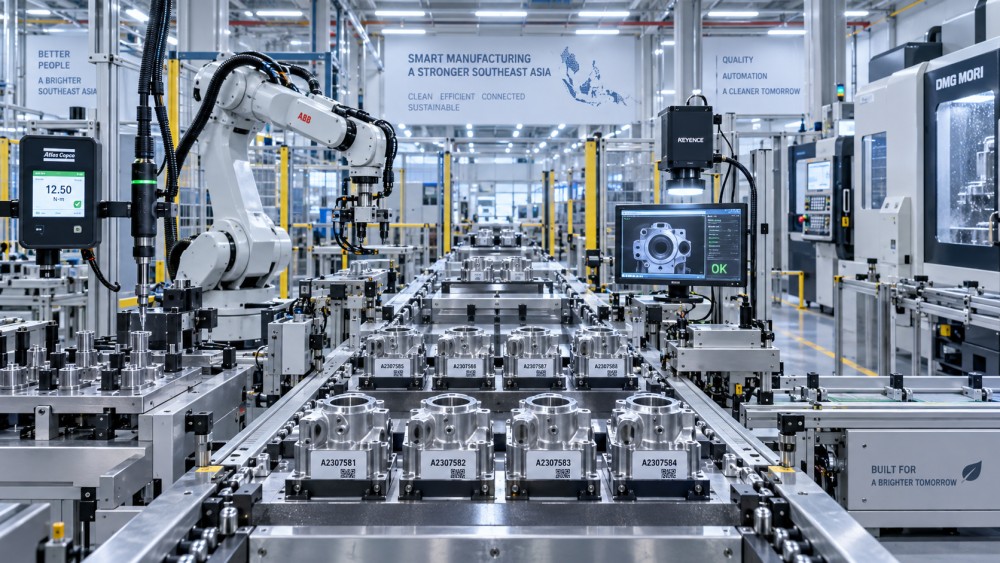
In precision assembly and metal joining, this continuity is particularly important. A torque result, weld current profile, gas-flow reading, dimensional measurement, and operator identification may each appear minor in isolation. Together, they form the process history needed to protect quality and support corrective action.
High-potential sectors are not all buying the same technology
The strongest opportunities in the regional market sit where production volumes, quality requirements, and process complexity overlap. Electronics manufacturing remains a major demand center because small defects can create outsized downstream consequences. Smart factory priorities in this sector often include automated inspection, traceability systems, environmental monitoring, controlled material handling, and line-level analytics.
Automotive and electric vehicle supply chains present another important field. Whether producing stamped components, wiring assemblies, battery-related parts, castings, or final subassemblies, suppliers are being asked to control variation more tightly. Smart fastening systems, poka-yoke devices, in-line gauging, vision verification, and digitally recorded test results can help manufacturers prove that critical processes were completed correctly.
Metalworking, fabrication, and industrial equipment production are also becoming more connected. These environments may not always justify a highly automated line, especially where product mix is broad. Yet they can benefit significantly from connected welding equipment, digital work instructions, fixture management, consumable monitoring, and mobile inspection tools. The right investment often improves repeatability without stripping away the flexibility that skilled fabricators need.
Food, packaging, medical-device-related manufacturing, and consumer goods plants have their own priorities. Traceability, hygiene controls, batch management, machine uptime, and packaging verification can be as important as speed. This is why evaluators should avoid a one-size-fits-all smart factory scorecard. The relevant question is not “How advanced is the technology?” but “Which production risks does it reduce in this operating model?”
Precision metrology and connected tools: the overlooked investment layer
Robotics receives much of the public attention, but many factory transformations succeed or fail at a less dramatic level: measurement discipline and tool control. If dimensions are checked inconsistently, if calibration records are difficult to retrieve, or if fastening results are not tied to a serial number, automation alone will not create reliable output.
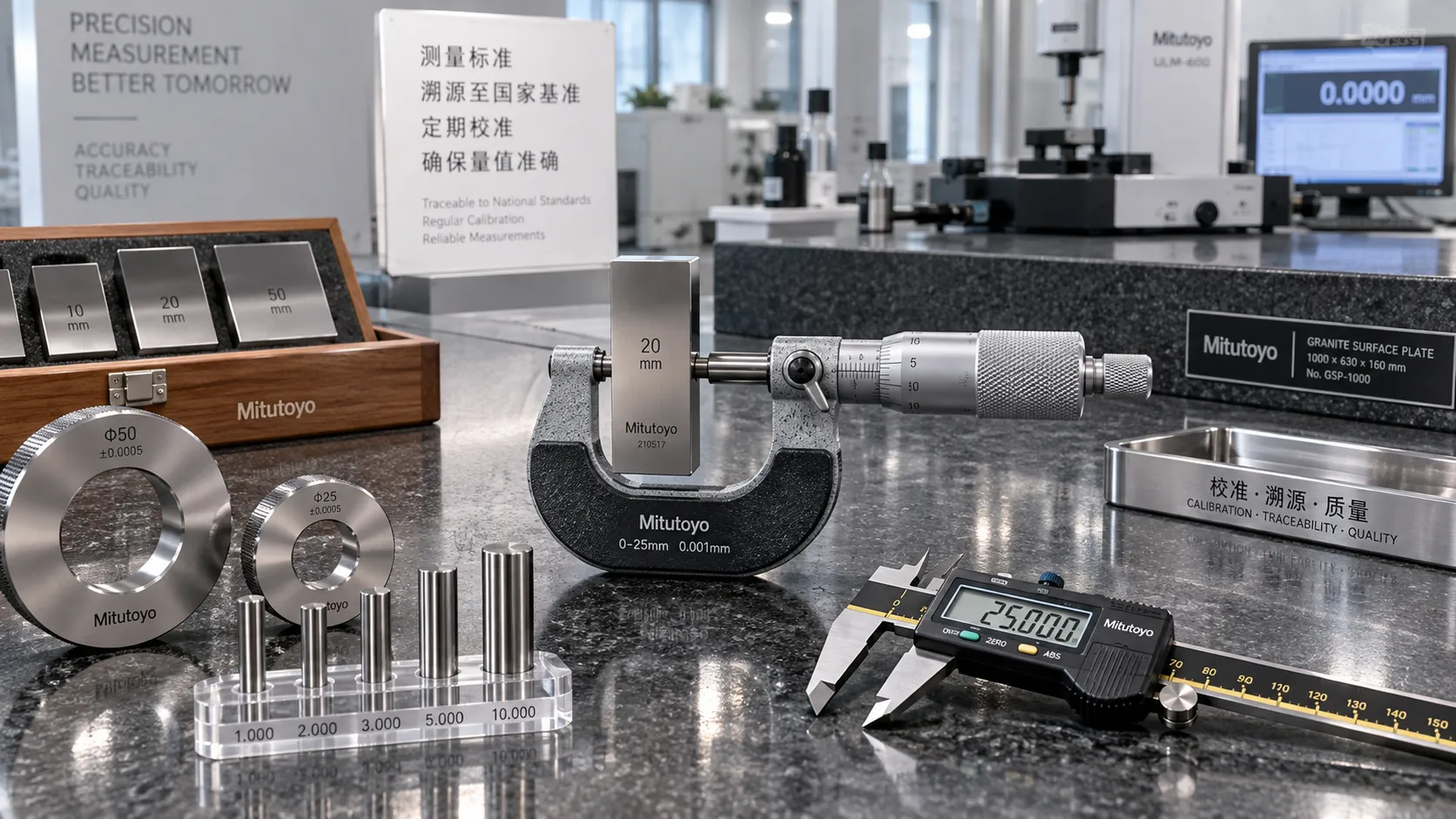
For manufacturers involved in industrial assembly, maintenance, fabrication, and export production, smart metrology can provide a practical entry point. Digital calipers, torque analyzers, wireless gauges, coordinate measurement interfaces, and inspection software can reduce transcription errors and make trend analysis possible. The goal is not to replace experienced inspectors; it is to give them a clearer, faster way to identify drift before it becomes scrap or a customer complaint.
Connected industrial tools offer similar value. A programmable fastening tool can verify that the correct torque and angle were achieved. A connected welding platform can preserve parameter records and flag deviations. Tool-location systems can help prevent the use of unauthorized or overdue-for-service equipment. In sectors where traceability is becoming a contractual expectation, these capabilities move from “nice to have” toward operational infrastructure.
GPTWM follows this intersection closely because the last mile of manufacturing often determines whether a product meets its promise. The most sophisticated production plan can be weakened by an unverified joint, an inaccurate measurement, or a manual process that leaves no dependable record. Intelligence on tool design, brushless motor performance, handheld laser welding safety, IoT torque control, and metrology demand can help decision-makers assess where digital investment has a direct connection to production integrity.
Investment signals worth watching
Not every announcement about industrial digitalization indicates a near-term purchasing opportunity. Business evaluators should look for operational signals that suggest a manufacturer is ready to move beyond experimentation.
A second signal is management behavior. When plant leaders begin asking for common metrics across sites, pushing for shorter root-cause investigations, or reviewing tool and inspection data alongside output figures, the conversation has moved from isolated automation toward a broader smart operations agenda.
The business case should start with a bottleneck, not a technology catalog
One of the most common mistakes in smart factory planning is beginning with a list of available technologies. A more reliable approach starts with a production bottleneck that has a measurable cost. It could be welding rework, slow changeovers, missing traceability, inconsistent torque application, dimensional variation, excessive inspection time, or unexpected machine stoppages.
From there, evaluators can ask what information is currently missing. Is the issue caused by a lack of process data? Poor workflow discipline? Inadequate equipment capability? Insufficient training? A solution may involve automation, but it may also involve improved fixturing, calibrated measurement, better work instructions, or a more disciplined maintenance routine.
This approach protects investment quality. It prevents plants from acquiring isolated systems that generate dashboards but do not change decisions on the shop floor. The most durable projects are designed around a clear owner, a defined workflow, agreed performance indicators, and a plan for what happens when the data reveals an exception.
Regional realities that can complicate deployment
Smart factory programs in South East Asia must account for differences in infrastructure, workforce capability, supplier ecosystems, and plant maturity. A solution that works well in a highly standardized Singapore facility may need a different rollout model in a multi-shift operation with legacy equipment elsewhere in the region.
Integration is often the difficult part. Plants may operate machines from different generations, use several software platforms, and rely on local spreadsheets to bridge information gaps. Replacing everything at once is rarely practical. Interoperability, open communication protocols, edge connectivity, and phased implementation matter because they allow useful modernization without excessive disruption.
Cybersecurity also deserves early attention. Once production equipment, tools, and quality systems are connected, the factory gains visibility but also expands its digital exposure. Access controls, network segmentation, patching responsibilities, backup procedures, and vendor support arrangements should be part of the investment review—not an afterthought once systems are live.
Finally, workforce adoption is not a soft issue. Operators and technicians are more likely to support connected systems when the tools reduce friction, improve safety, and make problems easier to solve. If a digital workflow feels like extra reporting with no benefit to the person doing the work, data quality will suffer. Good programs involve frontline users in pilot design and make feedback visible.
A practical evaluation lens for the next investment cycle
For companies assessing the south east asia smart factory market, the most attractive opportunities are likely to be those that connect immediate shop-floor improvement with a credible path to broader digital maturity. The first project does not need to transform the whole plant. It needs to create a trusted foundation.
Evaluate potential investments against a few disciplined questions: Does the project address a real operational loss? Can the technology work with current equipment and local service capability? Is the data ownership clear? Will supervisors use the information during daily decisions? Can the approach be repeated across lines, products, or facilities? And can the organization maintain calibration, cybersecurity, training, and support after implementation?
There is room for ambition in the region’s manufacturing future, but the strongest smart factory strategies remain grounded in process reality. Connected tooling, reliable metrology, safer metal joining, automation, and production intelligence are most valuable when they strengthen the everyday discipline of making things well. For business evaluators, that is the investment signal that matters: technology not as theatre, but as a measurable extension of manufacturing capability.
Related News
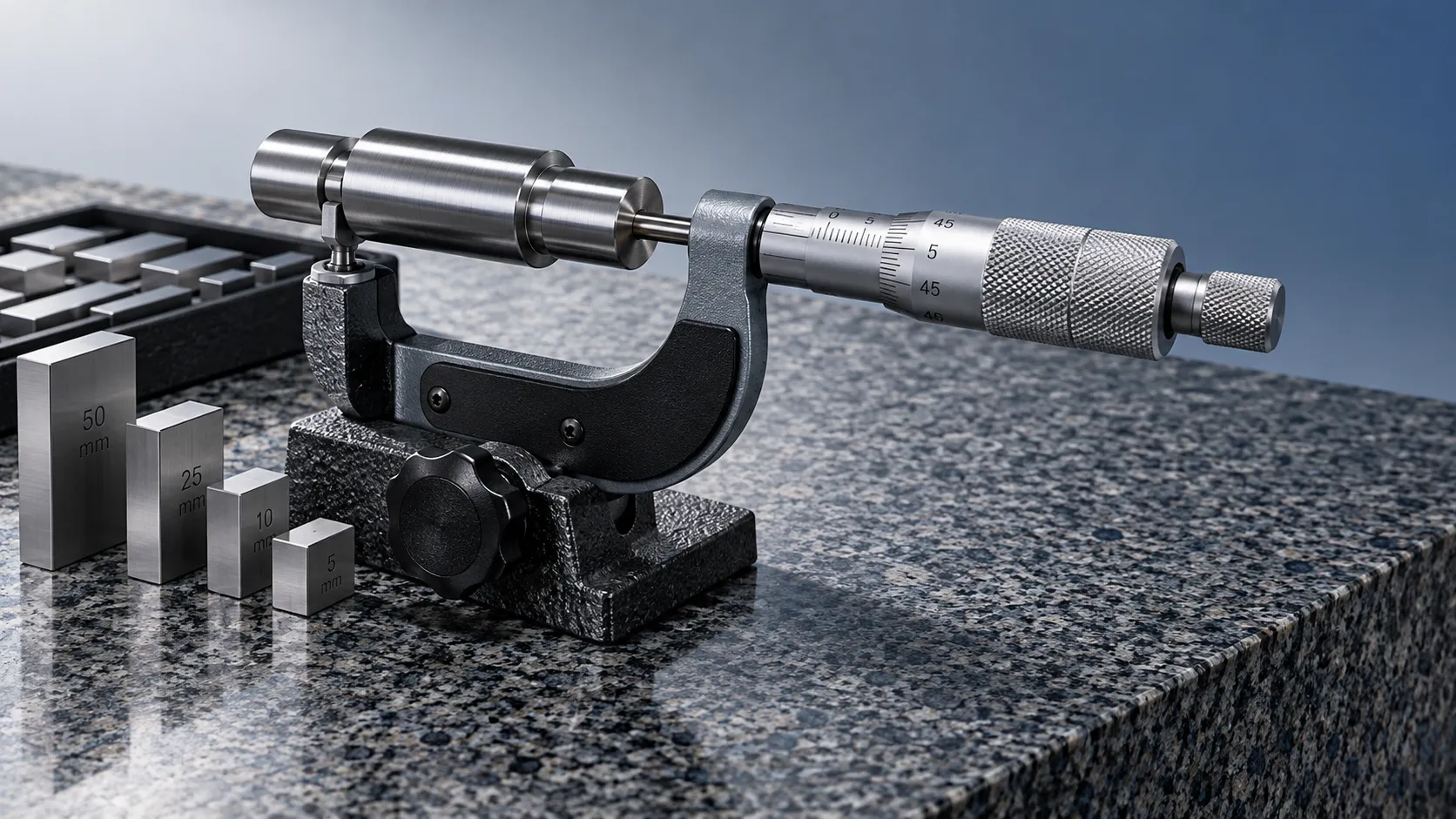
Choosing Industrial Metrology Tools: Matching Measurement Uncertainty to Tolerances
Improve industrial tool selection for metrology by matching measurement uncertainty to tolerances. Learn how to reduce inspection risk and choose equipment with confidence.
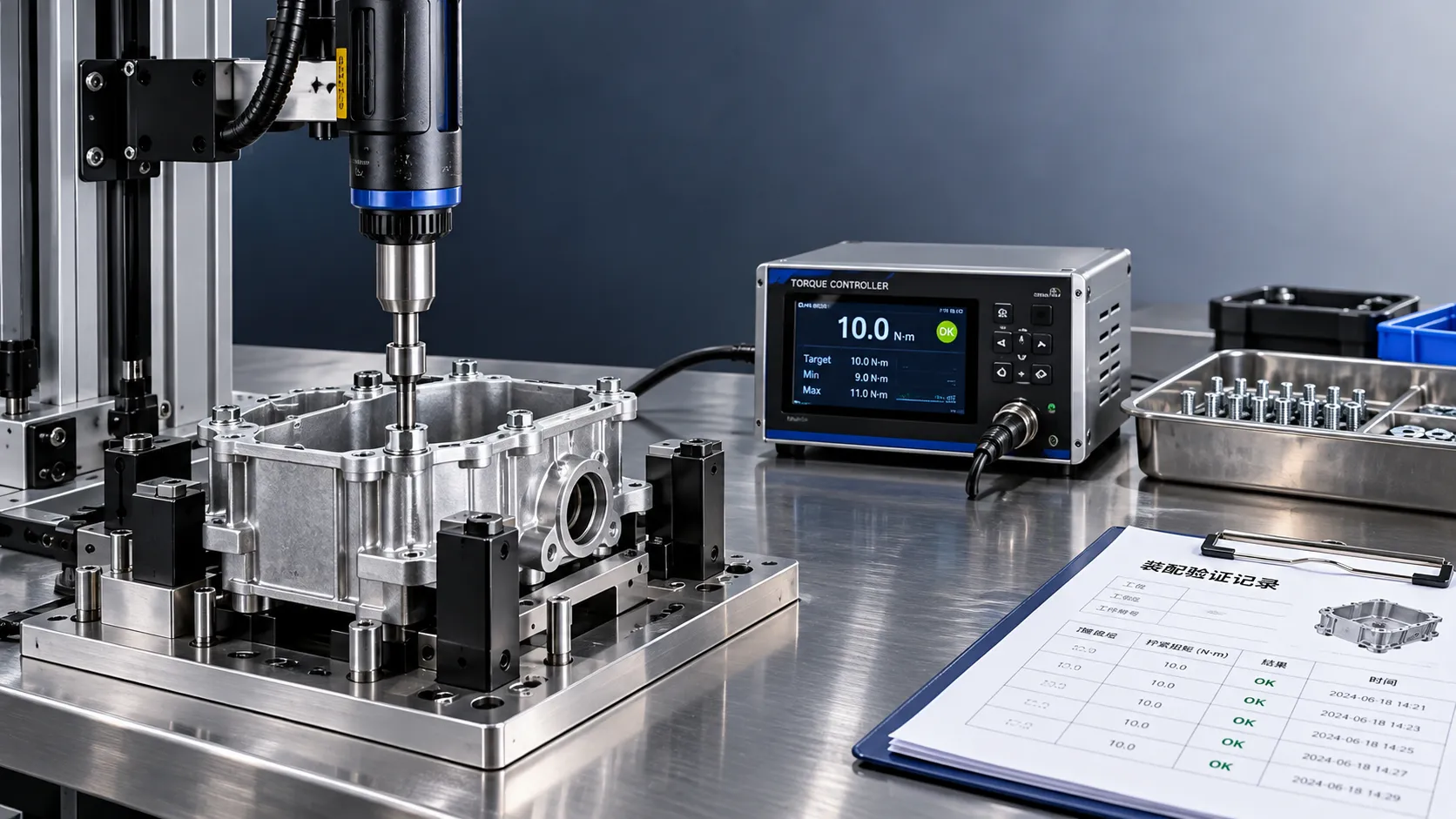
Torque System Suppliers: How to Assess References for Assembly Projects
Explore supplier and solution references torque systems buyers should verify. Assess assembly fit, traceability, and support to reduce risk and choose with confidence.
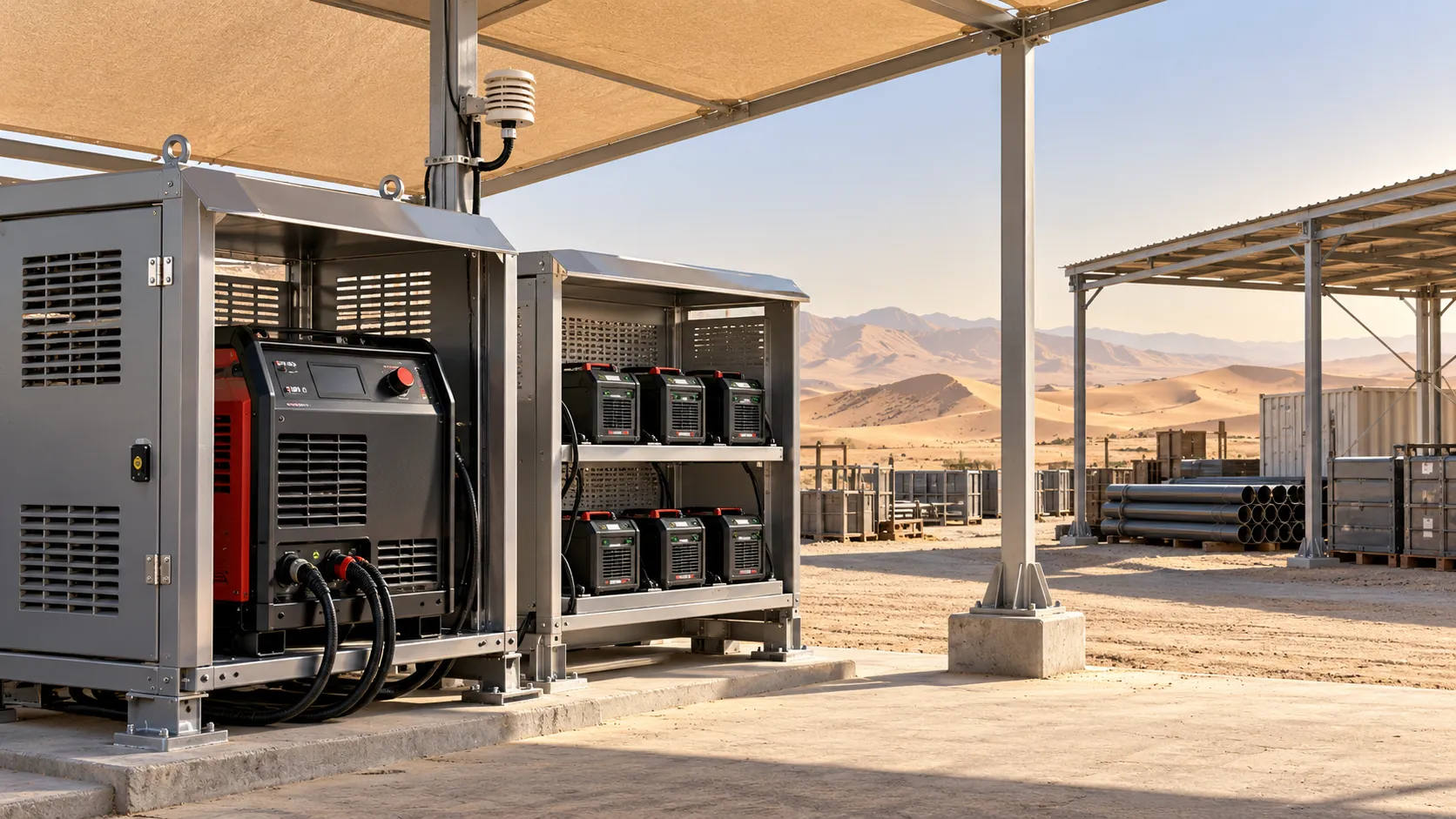
Equipment Application Guidance for the Middle East: Managing Heat and Dust
Explore application guidance Middle East teams can use to manage heat and dust, protect welding equipment, batteries and precision tools, and reduce downtime. Get practical tips.
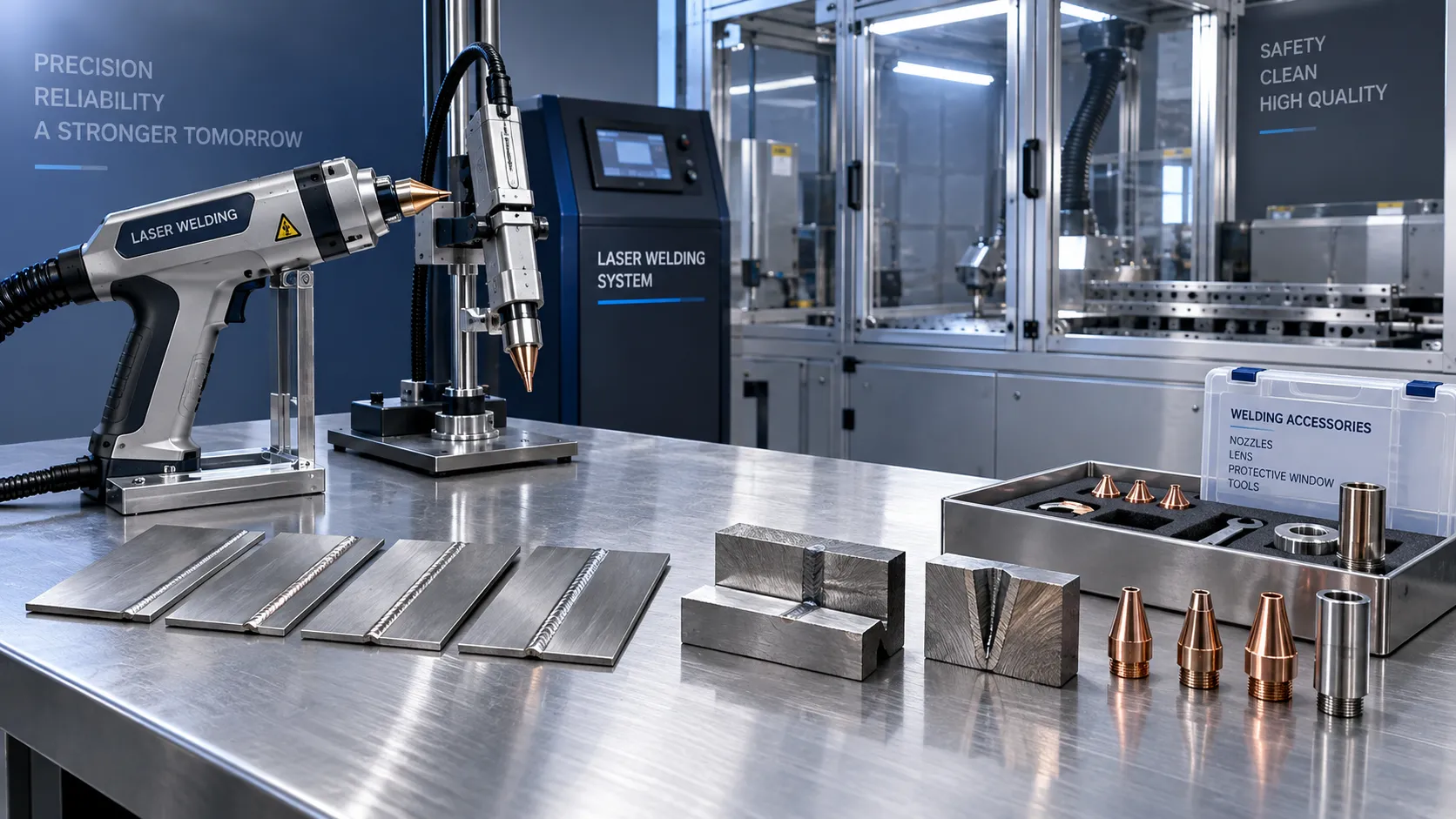
Choosing a Handheld Laser Welding Supplier: Weld Trials, Training, and Service
Choose a handheld laser welding supplier with proven weld trials, safety training, and reliable service. Learn what to verify before buying to reduce downtime and protect your investment.
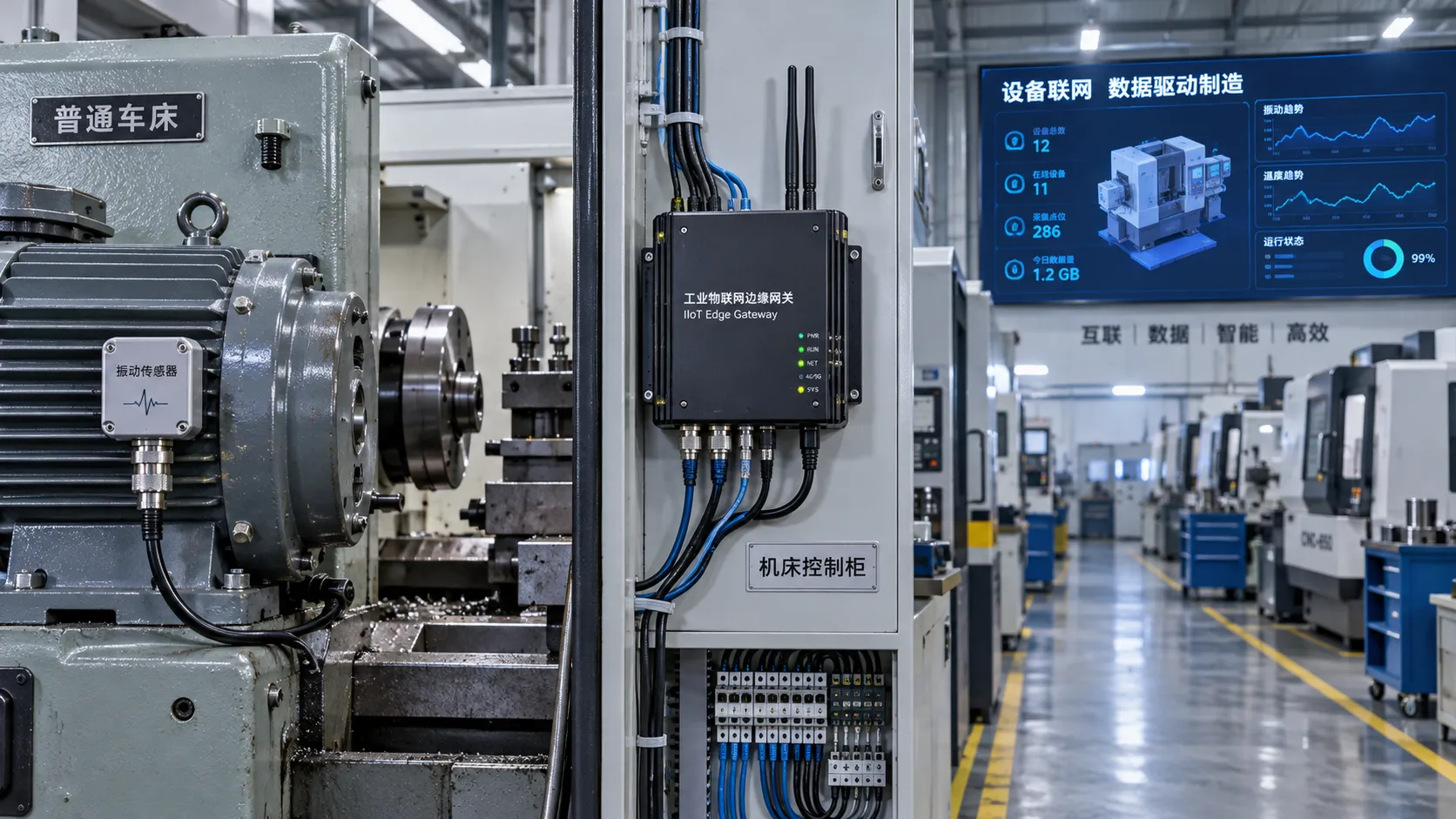
Choosing an Industrial IoT Platform: Key Criteria for Legacy Equipment
Choose an industrial IoT platform for legacy equipment with confidence. Discover key checks for connectivity, data integrity, security, and lifecycle costs before investing.

In-House vs. Outsourced Aircraft Maintenance: Comparing Total Costs
Compare aerospace maintenance cost for in-house vs. outsourced aircraft upkeep. Discover hidden expenses, downtime impacts, and break-even factors to find the best fit for your fleet.
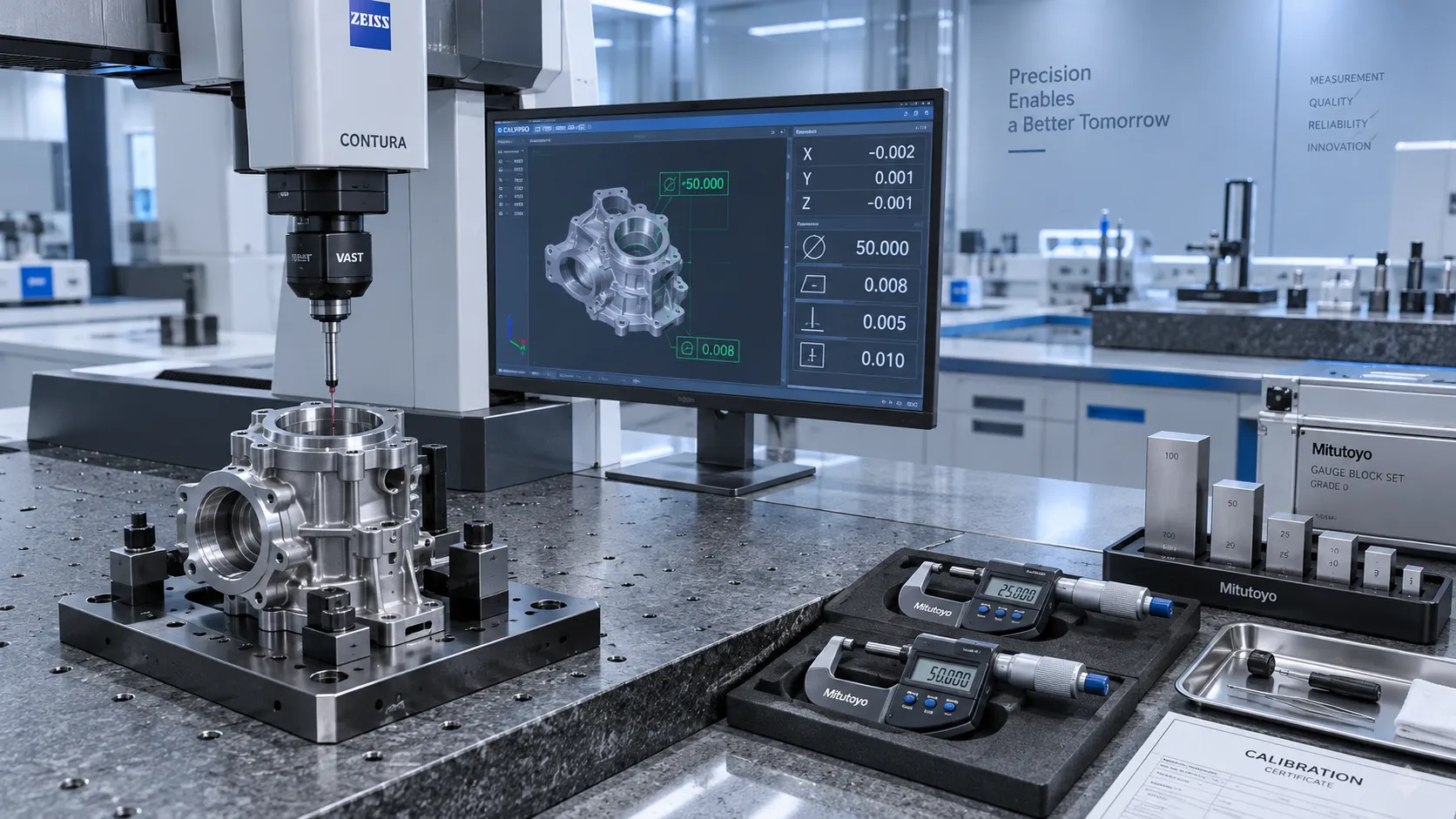
How to Select High-Precision Measuring Instruments for Tight-Tolerance Production?
High-precision measuring instruments are essential for tight-tolerance production. Learn how to evaluate accuracy, repeatability, environment, calibration, and data integration.
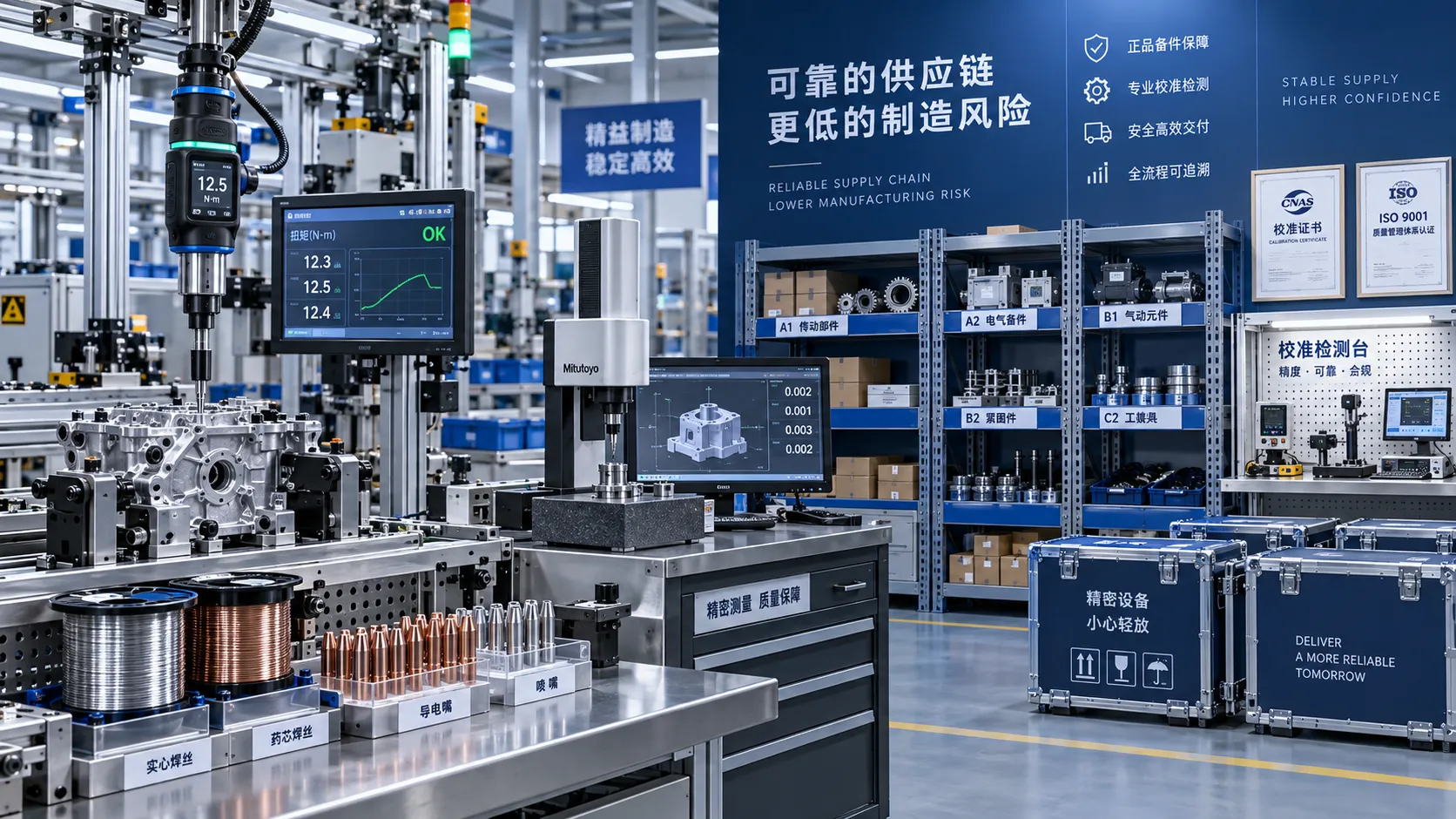
How Industrial Innovation Supplier Networks Reduce Sourcing Risk for Manufacturers
industrial innovation supplier network insights help manufacturers reduce sourcing risk, control lifecycle costs, and choose reliable tools, services, and suppliers with confidence.
How Often Should Precision Measuring Instruments Be Calibrated?
How often should precision measuring instruments be calibrated? Learn how usage, tolerance, environment, and risk determine a reliable calibration schedule.
Related News
- 00
0000-00
South East Asia Machine Tools Market: Demand Outlook by Manufacturing Industry - 00
0000-00
South East Asia Smart Factory Market: Growth Drivers, Sectors, and Investment Signals - 00
0000-00
How Middle East Manufacturers Can Improve Production Efficiency Under Heat and Labor Constraints - 00
0000-00
Why Are Specification-Oriented Articles Gaining Traction in Europe’s B2B Markets? - 00
0000-00
Industrial Solutions in Latin America: Key Growth Sectors and Market Entry Risks
Dr. Alistair Vaughn
Weekly Insights
Stay ahead with our curated technology reports delivered every Monday.