
Metal Fabrication Methods Compared for Low-Volume Custom Parts





Metal Fabrication Methods Compared for Low-Volume Custom Parts
For project managers sourcing low-volume custom parts, the fabrication method is rarely a purely technical choice. It affects whether a maintenance shutdown stays on schedule, whether a prototype can be assembled without hand-fitting, and whether a small design change becomes a manageable revision or an expensive restart. The lowest quoted unit price can be misleading when tooling, inspection, secondary operations, packaging, and rework are not visible in the first comparison.
The practical question is not “Which metal fabrication method is best?” It is “Which process produces this part, at this quantity, with this material and risk profile, without creating problems downstream?” A one-off stainless guard, a batch of fifty machined aluminum housings, and a repair bracket for field equipment may all be called custom parts, but they should not be sourced in the same way.
For low-volume work, process selection should begin with function rather than geometry alone. Does the part locate a bearing, carry a cyclic load, seal fluid, protect an operator, conduct heat, or simply hold two purchased components together? That answer determines what actually deserves tight control.
Start With the Constraints That Are Hard to Change
Before comparing suppliers or processes, separate fixed requirements from preferences. Material grade may be fixed because of corrosion exposure, weld compatibility, food-contact requirements, or an existing assembly. A critical bore position may be fixed because it mates with a purchased motor or linear guide. Surface appearance, however, may be negotiable if the part sits inside a machine enclosure. This distinction can save a surprising amount of time.
Low-volume custom manufacturing also exposes a common planning error: treating every drawing dimension as equally critical. In reality, most assemblies have a small number of functional interfaces. If the drawing does not identify datums, mating surfaces, thread requirements, flatness needs, or cosmetic zones, the fabricator must make assumptions. Assumptions are where otherwise competent jobs drift into delay and rework.
A useful early review asks four questions: What must fit? What must withstand load or pressure? What will be measured at incoming inspection? And what can be adjusted during assembly? The answers provide a far better basis for process selection than annual volume estimates alone.
Where the Main Metal Fabrication Methods Fit
The methods below often overlap. A fabricated enclosure may require laser-cut blanks, press-brake forming, welded nuts, spot welding, and a final machined face. The most reliable route is frequently a hybrid one, not a contest between individual processes.
CNC machining: choose it when the interfaces matter
CNC machining is often the safest choice when a part contains bearing seats, accurate hole patterns, sealing faces, close-tolerance bores, or datums that govern the rest of the assembly. It works especially well for low quantities because no dedicated forming tool is normally required. A design revision can often be made by changing the program and revising the setup plan rather than replacing a physical tool.
Its weakness is not precision; it is economics and access. A large plate with pockets machined from billet can consume substantial material and machine time. Deep narrow pockets, very small internal corners, and features on multiple faces may demand special tooling or multiple setups. If a part is fundamentally a bent sheet shape with a few precision features, machining it entirely from solid stock is usually a poor use of budget.
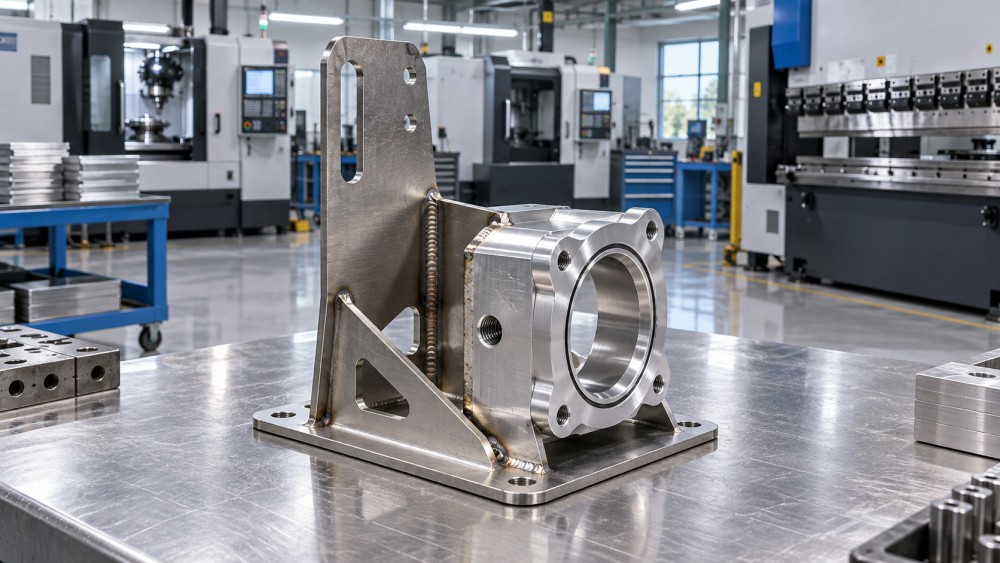
A good compromise is to fabricate the general shape, then machine only the interfaces that govern fit. This approach is common for welded bases and structural components, but it requires the drawing to make the machining datums clear. Asking for a precise face without identifying how the fabricator should hold the welded assembly invites disagreement later.
Laser cutting and forming: efficient, but not a shortcut around design rules
For flat-pattern parts, laser cutting is one of the most flexible routes in low-volume metal fabrication. It avoids the cost and lead time associated with dedicated stamping tools, and it supports quick revisions to holes, slots, cutouts, and exterior profiles. Combined with press-brake forming, it is the natural route for machine guards, electrical cabinets, equipment covers, mounting brackets, and light structural components.
The catch is that a flat pattern is not just a two-dimensional drawing. Material thickness, bend radius, grain direction, bend sequence, and tooling access all influence whether the part can be formed consistently. Holes placed too close to a bend may deform. Tall return flanges can be difficult to reach with standard press-brake tooling. Tight inside corners need relief features, and those reliefs need to be acceptable in the final assembly.
Project teams sometimes specify an exact unfolded length while also prescribing a particular inside bend radius. Unless the calculation basis and material condition are agreed, this can be over-constraining. It is generally better to control the finished geometry that matters to assembly and let the fabricator establish bend allowance through its own validated process.
Welded fabrication: a sensible answer to size, strength, and repairability
Welding becomes compelling when the part is too large to machine economically, when plate and tube create an efficient structure, or when field repair and modification are likely during the equipment life cycle. Frames, skids, brackets, lifting structures, process supports, and heavy equipment repairs commonly follow this route.
But welding is not merely “joining pieces together.” Weld sequence, fixturing, joint design, heat input, access for the torch, and cleanup requirements shape the outcome. Distortion is not a sign of poor workmanship by itself; it is a predictable result of localized heating that must be managed. Thin sheet may require a different strategy from thick plate. Long continuous welds may be unnecessary if the joint function only requires intermittent welds, but that decision should be driven by design responsibility and applicable requirements, not by an informal cost cut.
Handheld laser welding is attracting attention for certain thin-gauge and controlled shop applications because it can offer a narrow heat-affected area and fast travel in suitable joints. It is not a universal replacement for established welding processes. Joint fit-up, material condition, operator capability, safety controls, and the required weld acceptance criteria still determine whether it belongs on the job. For a critical assembly, ask how the weld will be qualified, inspected, and documented rather than being persuaded by process labels.
Why Waterjet and Additive Manufacturing Need a Different Cost Conversation
Waterjet cutting earns consideration when thermal effects could create a problem. Some materials, thick sections, laminated stacks, and heat-sensitive components are better approached without the heat-affected zone associated with thermal cutting. It can also be useful for prototype plate components where the geometry may still change. However, waterjet is not automatically the “more precise” choice. Cut taper, abrasive wear, pierce location, and edge finish can matter, especially around slots or mating profiles.
Metal additive manufacturing deserves the same discipline. It is valuable when it removes an assembly, creates a functional internal passage, reduces a difficult machining problem, or enables a geometry that conventional methods cannot reasonably produce. It is less persuasive when it is selected simply because the part is low-volume. Many printed parts still need support removal, heat treatment or other post-processing depending on the route, and machining on threads, bores, or sealing faces. The project manager should compare the finished, inspected part—not just the cost of the build.
Inspection Is Part of the Process Choice
A fabrication method should be selected with its measurement plan in mind. For a simple bracket, a basic check of overall dimensions, hole locations, and bend angles may be enough. For a machined housing, the inspection plan may need to establish datum alignment, bore size, position, surface finish, and thread condition. For welded work, visual acceptance may be sufficient in some applications, while more demanding work can require a defined inspection method and acceptance criteria. The appropriate level depends on the component’s function and governing project requirements.
This is where metrology becomes an operational issue rather than a quality-department afterthought. If a supplier cannot measure the feature being specified, the team does not really have a controlled requirement. A callout for tight position on a flexible sheet-metal part, for example, should prompt discussion about the measurement condition: free state, restrained state, or assembled state. Those are not interchangeable.
The Global Precision Tools & Welding Matrix follows this “last mile” of manufacturing closely: the point where joining, tool selection, assembly practice, and measurement discipline meet. In procurement planning, intelligence on material movements, export restrictions, welding safety developments, and measurement capability can be more useful than a generic process ranking. The best fabrication route on paper can still fail if its inputs or verification tools are unavailable when the project needs them.
A Better RFQ for Low-Volume Custom Work
The strongest RFQs do not try to dictate every shop-floor decision. They communicate the non-negotiables and leave room for manufacturing judgment. Include the current drawing revision, 3D model where available, material and finish requirements, quantity by release, key datums, critical-to-function features, mating-part information, and any expected inspection documentation. If welding is involved, identify whether appearance, leak-tightness, structural performance, or a particular joint condition is the concern.
It also helps to state whether the quantity is genuinely one-time or likely to repeat. A supplier may reasonably choose a different fixture, programming strategy, or fabrication sequence for five parts than for several recurring releases. Do not confuse this with a promise of future business; it is simply useful planning information.
When quotes vary widely, compare the proposed route rather than assuming one supplier has made an error. One may have priced a welded assembly with finish machining; another may be machining from solid stock; a third may have omitted a finish or inspection step. Their prices are not comparable until the manufacturing assumptions are visible.
The Decision Usually Comes Down to the Weakest Interface
For low-volume custom parts, choosing a method is often about protecting one vulnerable feature: a bore that must align, a bend that must clear a door, a weld that cannot distort a sealing face, or a surface that must survive corrosion exposure. Select the process around that risk, then simplify everything else that does not serve function.
Use CNC machining when precise interfaces drive performance. Use cut-and-form sheet metal when the part is fundamentally a folded profile. Use welded fabrication when structure, scale, or repairability justify it, then machine only what must be controlled. Bring in waterjet where heat is the real concern, and use additive manufacturing only where its geometry or consolidation advantage is concrete. That is a more dependable sourcing approach than asking which method sounds most advanced.
Related News
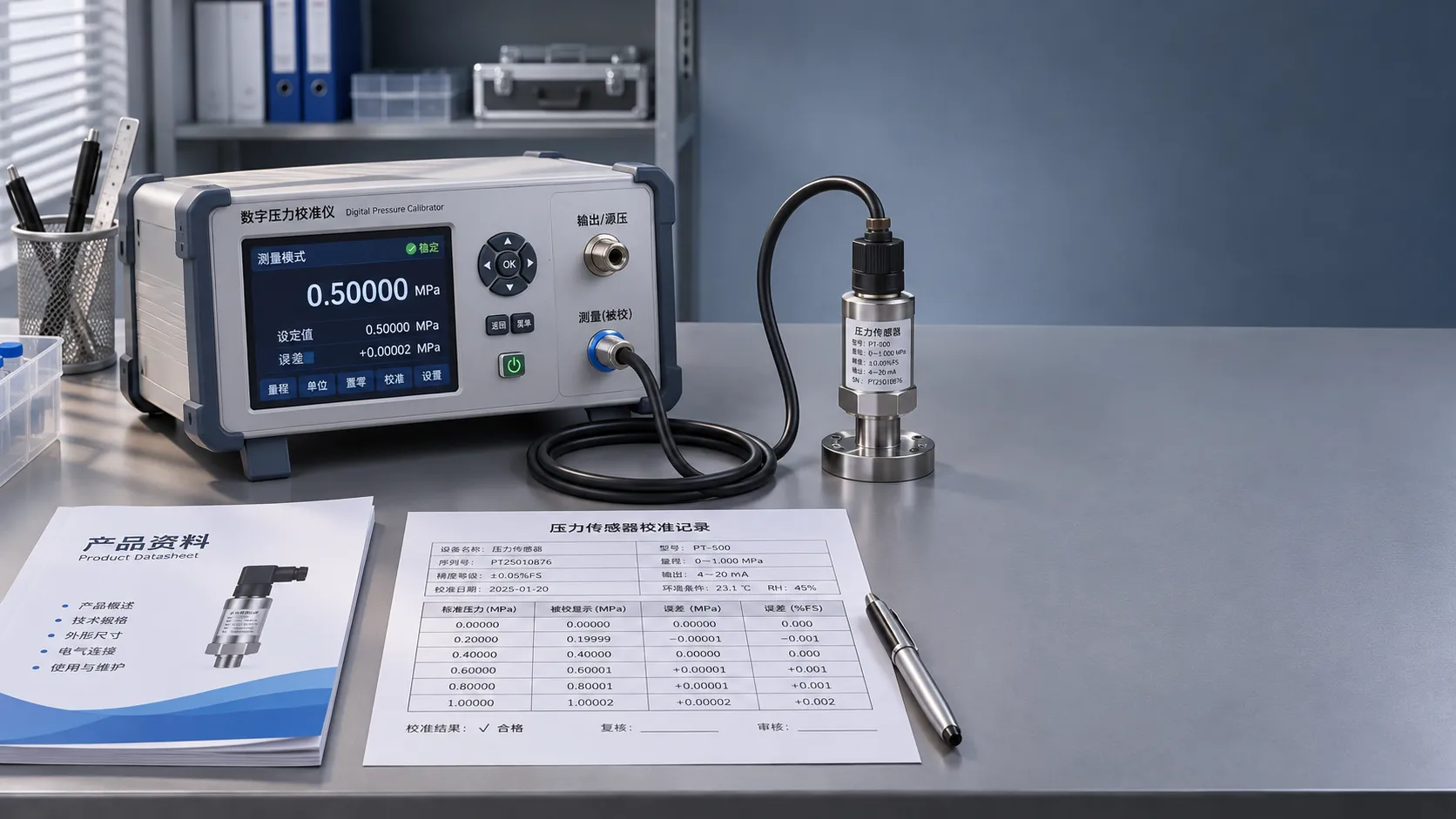
Calibration Tool Specifications: Where to Find and Verify Product Data
Explore product information resources for calibration tools and learn how to verify specifications, certificates and traceability before you buy.
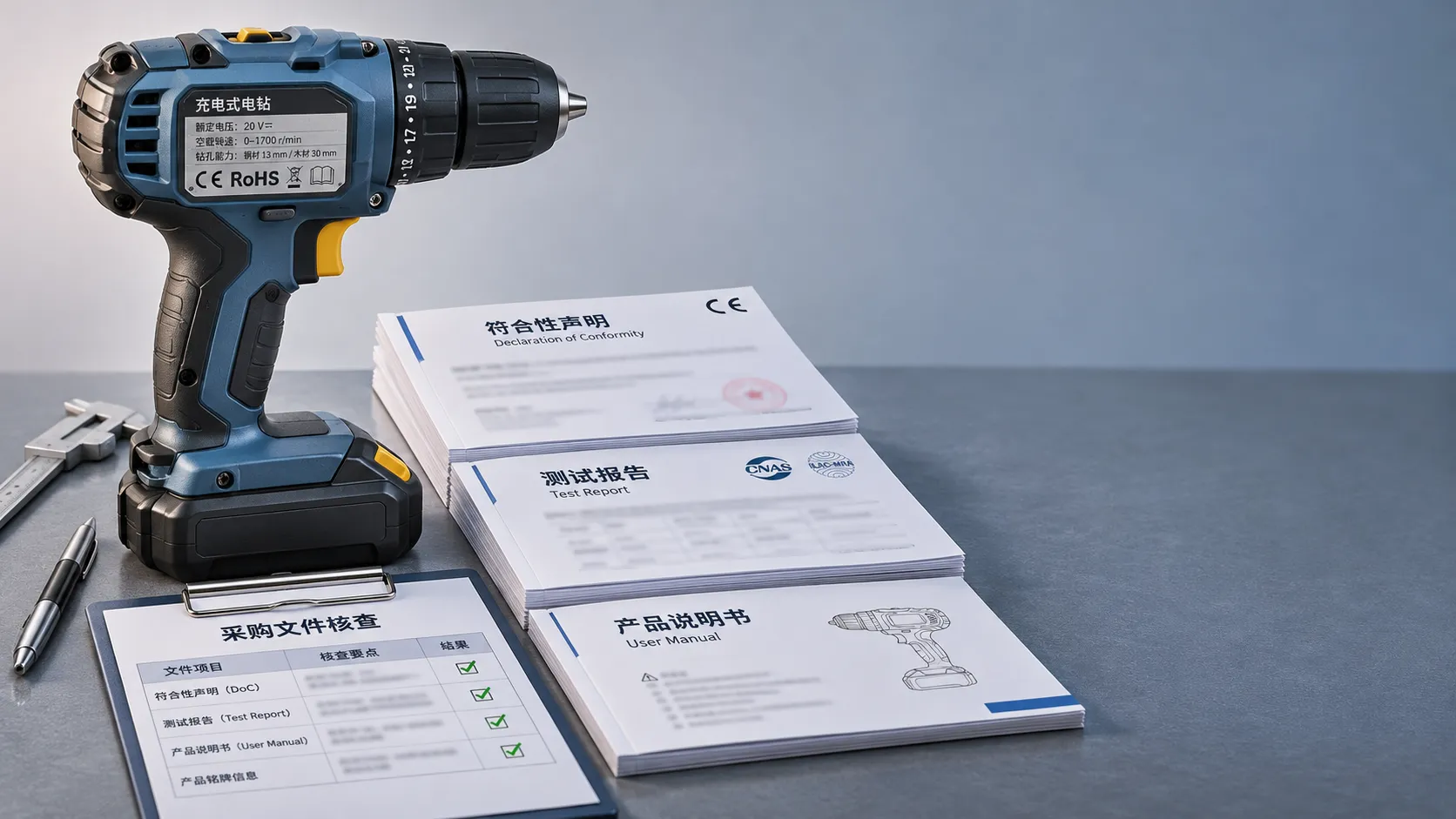
Choosing CE-Marked OEM Tools: Documents Buyers Should Check
Buying OEM tool solutions CE certified for Europe? Discover the documents to check, avoid costly compliance gaps, and choose suppliers with confidence.
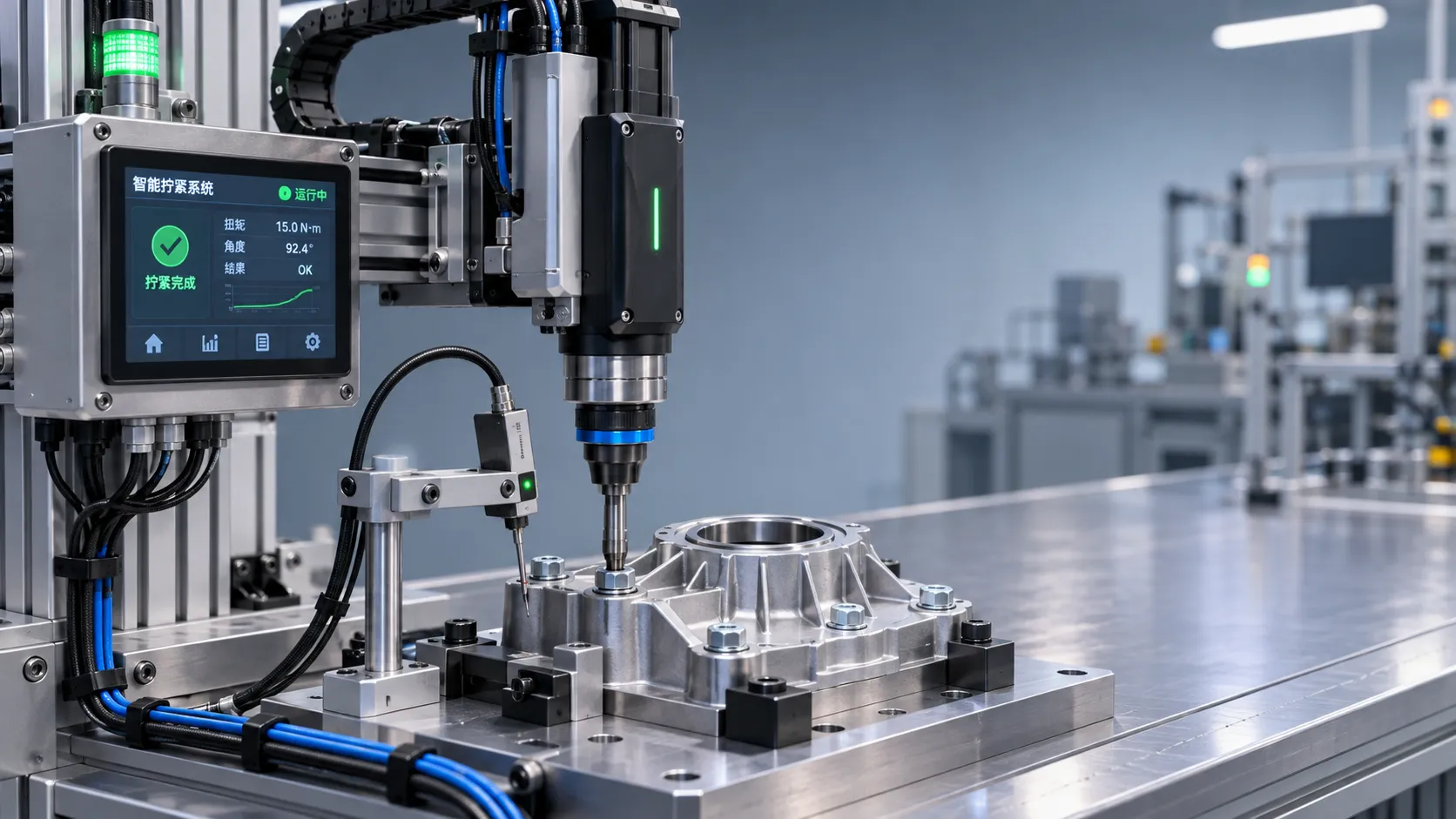
Industrial Innovation Trends: Where Manufacturers Should Invest
Explore industrial innovation trends in fastening, metrology, laser welding, and connected tools—and discover where manufacturers should invest.
Industrial Assembly Specifications: How to Define Tolerances and Torque
Explore specification-oriented articles on industrial assembly and learn how to define tolerances, validate torque settings, and improve joint reliability.
AMS Specifications for Aerospace Tooling: What Do They Cover?
Aerospace tools AMS requirements can cover materials, processes and documentation. Learn how to verify compliance and assess finished-tool acceptance.
Choosing Industrial Assembly Solutions for High-Mix Production Lines
Choose industrial assembly solutions for high-mix production with practical guidance on changeovers, quality, traceability, automation, and total cost.
Choosing an Industrial IoT Tools Distributor: Integration and Support Criteria
Choose an industrial IoT tools distributor with confidence. Compare integration, support, security, and lifetime costs to avoid hidden risks and protect production.
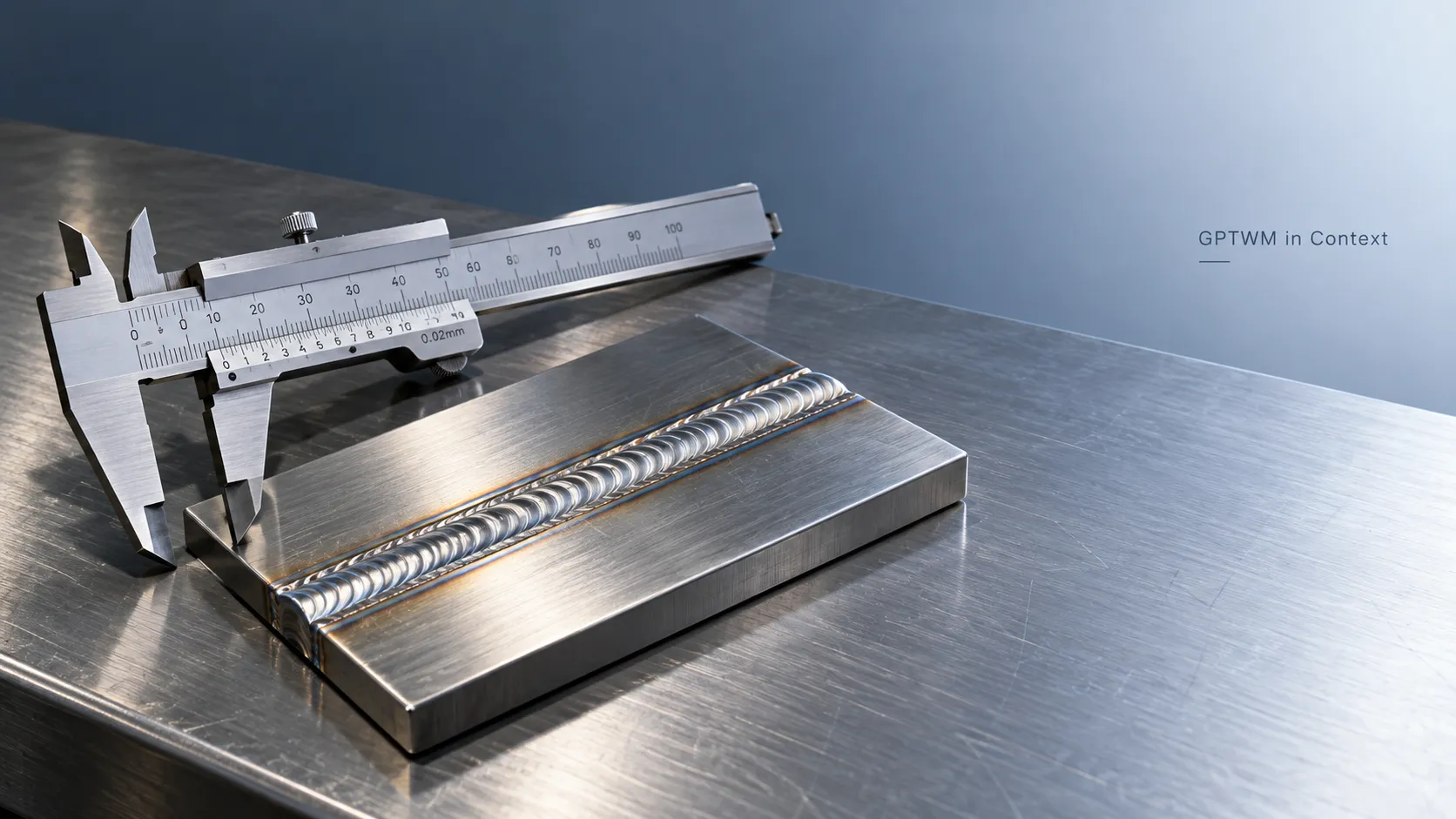
What Does GPTWM Mean? How to Verify Its Meaning in Context
What does gptwm mean? Explore its industrial context and learn how to verify the full name, publisher, and supporting sources before relying on its claims.
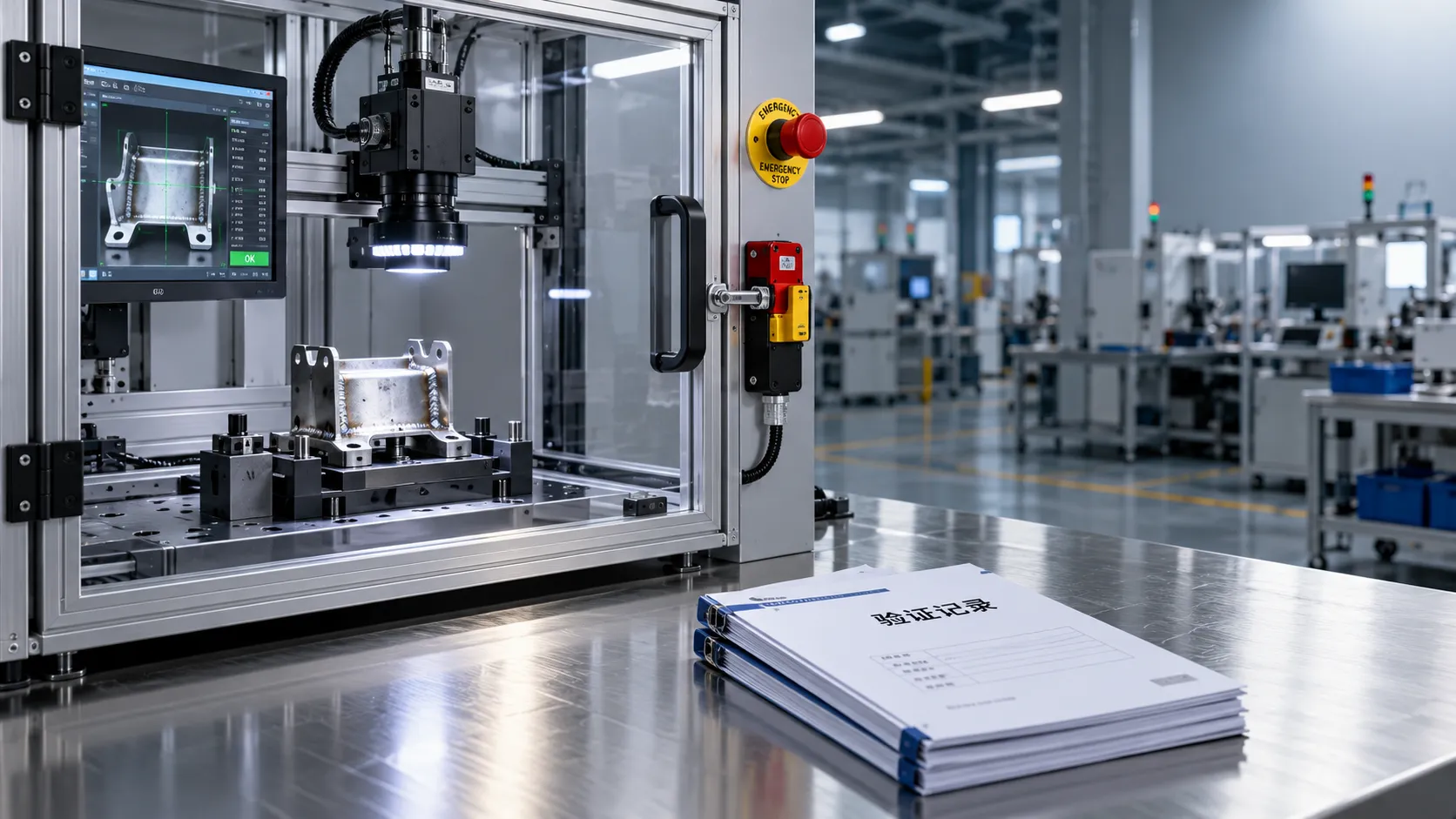
Industrial AI Compliance Guide: What to Check Before Factory Deployment
Use this industrial intelligence compliance guide to check safety, legal duties, cybersecurity, and validation before factory AI deployment. Explore the checklist to close critical gaps.
Related News
- 00
0000-00
What Defines Craftsmanship in Metalworking? Fit, Finish, and Precision - 00
0000-00
Why Craftsmanship Still Determines Quality in Precision Metal Assembly - 00
0000-00
Metal Fabrication Methods Compared for Low-Volume Custom Parts - 00
0000-00
Automotive Tools: How to Build a Reliable Toolkit for Routine Vehicle Service - 00
0000-00
How to Build an Automotive Hand Tool Set for Routine Vehicle Service
0000-00
Industrial Craft Curator
Weekly Insights
Stay ahead with our curated technology reports delivered every Monday.