
How to Build an Automotive Hand Tool Set for Routine Vehicle Service





Build the Set Around the Work, Not the Tool Count
Building a dependable automotive hand tool set is the first step toward safer, faster routine vehicle service. From oil changes and brake inspections to battery maintenance and basic repairs, the right automotive hand tools help operators work with confidence, accuracy, and less downtime. The useful question is not “How many pieces should the set contain?” It is “Which jobs must this set complete without improvisation?”
A large, low-cost kit can look complete while still failing at the vehicle. It may omit a deep socket needed for a recessed fastener, include poor-fitting screwdrivers that damage trim screws, or provide a ratchet that becomes difficult to control in a crowded engine bay. Conversely, a smaller set built around routine service tasks can cover most daily needs and leave room for specialist tools only when the repair work expands.
For operators, fleet maintenance teams, and independent service environments, the goal is a practical working system: tools that fit common fasteners, tolerate repeated use, can be found quickly, and support the torque and inspection requirements of the job. A tool cabinet is not automatically a service capability. The capability comes from matching tool selection to the vehicles, service intervals, access constraints, and safety procedures in front of the operator.
Start With a Routine-Service Map
Before comparing brands or buying a pre-packed kit, list the work performed most often. Routine vehicle service usually includes wheel removal and refitting, engine oil and filter changes, fluid checks, battery work, air-filter replacement, wiper replacement, brake inspection, minor trim removal, hose-clamp work, and basic underbody access. This list immediately reveals which tools are core tools and which can wait.
The vehicle population matters. A workshop dealing mainly with newer passenger cars may encounter a broad mix of metric fasteners, Torx drives, plastic trim retainers, shielded battery terminals, and limited working space. Commercial vehicles may require larger drive tools, longer handles, and heavier-duty pliers. Older vehicles may introduce corroded fasteners and mixed measurement systems. Do not assume one format covers all applications simply because the tools are sold as an “automotive” set.
It is also worth separating routine service from fault diagnosis and major repair. A hand tool set should make scheduled work repeatable. Pullers, specialty timing tools, bearing service equipment, scan tools, and heavy lifting equipment may be necessary later, but they should not consume the initial budget at the expense of reliable sockets, ratchets, pliers, and torque control.
The Foundation: Drives, Sockets, and Wrenches
Sockets and combination wrenches form the working core of most automotive hand tools. For general routine service, a staged approach is more useful than buying every possible size. A compact drive system for confined areas, a general-purpose drive for most engine-bay and chassis fasteners, and a larger drive for higher-load work create a sensible base. The exact drive sizes and socket range should be chosen against the vehicles being serviced, not guessed from a generic contents list.
Prioritize six-point sockets for stubborn or frequently tightened hex fasteners. Their fuller contact on the flats can reduce the risk of rounding compared with a poorly matched or worn tool. Twelve-point sockets remain useful where access or fastener geometry demands them, but they should not be the only option in a routine set. Include both shallow and deep sockets. A deep socket is often essential for nuts on long studs, battery-terminal hardware, and fasteners positioned over protruding threads.
A ratchet should be judged in the hand, not only on a specification sheet. Look for a positive direction selector, a secure socket-retention mechanism, and a head profile that can enter tight spaces. Fine-tooth mechanisms can be valuable where handle swing is limited, but smooth engagement and durability matter more than an impressive tooth-count claim. Add extensions, a universal joint or flex adaptor where appropriate, and a breaker bar for controlled loosening. A breaker bar is not a substitute for a torque wrench, and a ratchet should not be treated as one.
Combination wrenches fill the access gaps that sockets cannot reach. A carefully selected metric range will suit many modern vehicles, while inch-based sizes may be required for certain regional fleets, older equipment, or imported components. Avoid adjustable wrenches as the default answer to missing sizes. They are useful in limited situations but are more likely to slip or mark fasteners when used in place of the correct wrench.
Fastener Profiles Are a Frequent Source of Lost Time
Many incomplete kits fail because they cover only ordinary hex bolts. Routine vehicle service can involve internal hex, Torx, security-style drives, Phillips and flat-head screws, and fasteners embedded in plastic panels or underbody shields. A disciplined selection includes a durable bit system with the profiles actually found on the fleet. Bits must fit fully and seat squarely. Using a near-match to remove a damaged or recessed fastener often turns a quick service task into a longer repair.
Screwdrivers still matter, especially for hose clamps, electrical covers, interior hardware, and low-torque fittings. Select several properly sized drivers rather than relying on one interchangeable driver for every task. Interchangeable systems can be convenient, but a dedicated handle with a well-fitted tip provides better control when working around plastic trim, wiring, and soft fastener heads.
For trim and access work, non-marring removal tools are a practical addition. They help release clips and panels with less risk of scratching painted surfaces or cracking interior parts. Their value is easy to underestimate until an operator has to remove an engine cover, splash shield, or door trim without creating a cosmetic issue for the vehicle owner.
Pliers, Cutters, and Small Tools Should Solve Specific Problems
Pliers are often bought as an afterthought, then used constantly. A practical automotive selection usually includes slip-joint or tongue-and-groove pliers, long-nose pliers, diagonal cutters, and locking pliers. Each addresses a different service problem: gripping hose fittings, reaching clips, cutting ties or wire where permitted, and holding damaged hardware during removal. If electrical service is part of the work, use cutters and strippers appropriate for the cable sizes and procedures involved. Do not use a general cutting tool on circuits unless the vehicle has been made safe and the repair process calls for it.
Hose-clamp pliers, pick sets, magnetic pick-up tools, inspection mirrors, and flexible retrieval tools are not glamorous purchases, but they reduce frustration in crowded compartments. A small hammer, soft-face mallet, punch set, utility knife, scraper, and wire brush also deserve a place in the service kit. The point is not to collect accessories. It is to remove the common delays caused by a dropped fastener, a seized hose, a hidden retaining clip, or a dirty sealing surface.
Torque Control Is Part of the Tool Set, Not an Optional Upgrade
Routine service often includes fasteners that must be tightened to vehicle-specific requirements: wheel fasteners, brake components, drain plugs, spark plugs, battery connections, and many engine-bay fittings. The correct value, sequence, and any angle-tightening requirement must come from the relevant vehicle service information. A torque wrench does not determine the target; it helps apply a specified target consistently.
Choose torque tools by their usable range, drive compatibility, working environment, and the fasteners being serviced. One large-range wrench may be unsuitable for lower-torque work, where accuracy and feel are more difficult to maintain. A separate lower-range tool may be justified if the service schedule includes smaller critical fasteners. Operators should also understand the manufacturer’s instructions for storage, use, inspection, and recalibration. Dropping a torque wrench, using it as a breaker bar, or leaving it poorly maintained can compromise confidence in the result.
In modern maintenance operations, torque discipline increasingly connects manual work with digital records. The Global Precision Tools & Welding Matrix (GPTWM) follows this broader shift across industrial assembly and precision metrology: conventional hand skills remain essential, but repeatability, ergonomic design, and traceable process control are becoming more visible in decision-making. For a routine service set, that does not mean every tool needs connectivity. It means critical tightening tasks deserve more thought than “tight enough.”
Evaluate Quality Where It Affects Safety and Daily Use
Tool quality is not only about polished finishes or brand recognition. Examine fit, finish, handle security, ratchet action, marking legibility, and the ability to identify replacement parts. Socket markings should remain readable in oily conditions. Handles should offer grip without being so bulky that they obstruct nearby components. Sharp edges, loose grips, poorly formed jaws, and inconsistent bit fit are warning signs even before the tools enter service.
Ergonomics deserves particular attention when tasks repeat throughout the day. A tool that is slightly lighter, better balanced, or less likely to slip may reduce hand fatigue and improve control. This is especially relevant for operators working under vehicles, reaching into engine bays, or carrying out repetitive wheel and brake inspections. The best choice is often not the heaviest tool or the cheapest one; it is the one that provides reliable engagement and manageable effort in the actual working position.
Ask suppliers practical questions before standardizing a set: Are individual sockets, ratchets, bits, or handles available as replacements? Is the storage system sold separately if the fleet grows? Can the supplier clearly state the intended use of a given tool? What support exists for torque-tool maintenance? These questions matter more over time than the initial piece count.
Organize for Control, Not Appearance
A well-built set can still waste time if it is poorly organized. Use a layout that makes missing tools obvious: foam cut-outs, labeled drawers, modular trays, or shadow boards can all work when maintained. Separate clean measurement and torque tools from heavily used removal tools. Keep sockets by drive size and type, and place commonly used pieces where they can be reached without searching through mixed hardware.
For mobile service, portability changes the calculation. A full workshop chest is unnecessary if the operator needs a compact, secured kit that handles scheduled roadside or fleet work. Build a mobile core set first, then maintain a workshop reserve for unusual jobs. In either setting, inspect tools regularly for cracked handles, worn jaws, damaged square drives, distorted sockets, and missing insulation where insulated tools are required by the task and local safety rules.
Avoid the Most Common Buying Mistakes
- Choosing a set by piece count while overlooking deep sockets, extensions, drive bits, and torque capability.
- Buying duplicate sizes across several kits instead of filling genuine service gaps.
- Using impact-rated or high-force tasks as an excuse to overload ordinary hand tools.
- Treating a torque wrench as a general loosening tool or assuming every fastener has the same tightening requirement.
- Ignoring replacement availability, organization, and inspection until tools are already lost or damaged.
The strongest automotive hand tool set is built in layers. Start with the tools needed for recurring maintenance, verify the fastener and access requirements of the vehicles involved, then add specialty items when a documented service need appears. That approach controls spending, improves operator readiness, and avoids a cabinet full of tools that look comprehensive but do not solve the next job.
As GPTWM’s work across precision tools, assembly practices, and industrial maintenance repeatedly suggests, the “last mile” of service quality is often decided by small details: correct fit, controlled force, clear measurement, and a tool that is ready when needed. Review the vehicle mix, service documentation, and local safety requirements before finalizing the set. Those inputs will tell you far more than a generic tool-count label ever can.
Related News
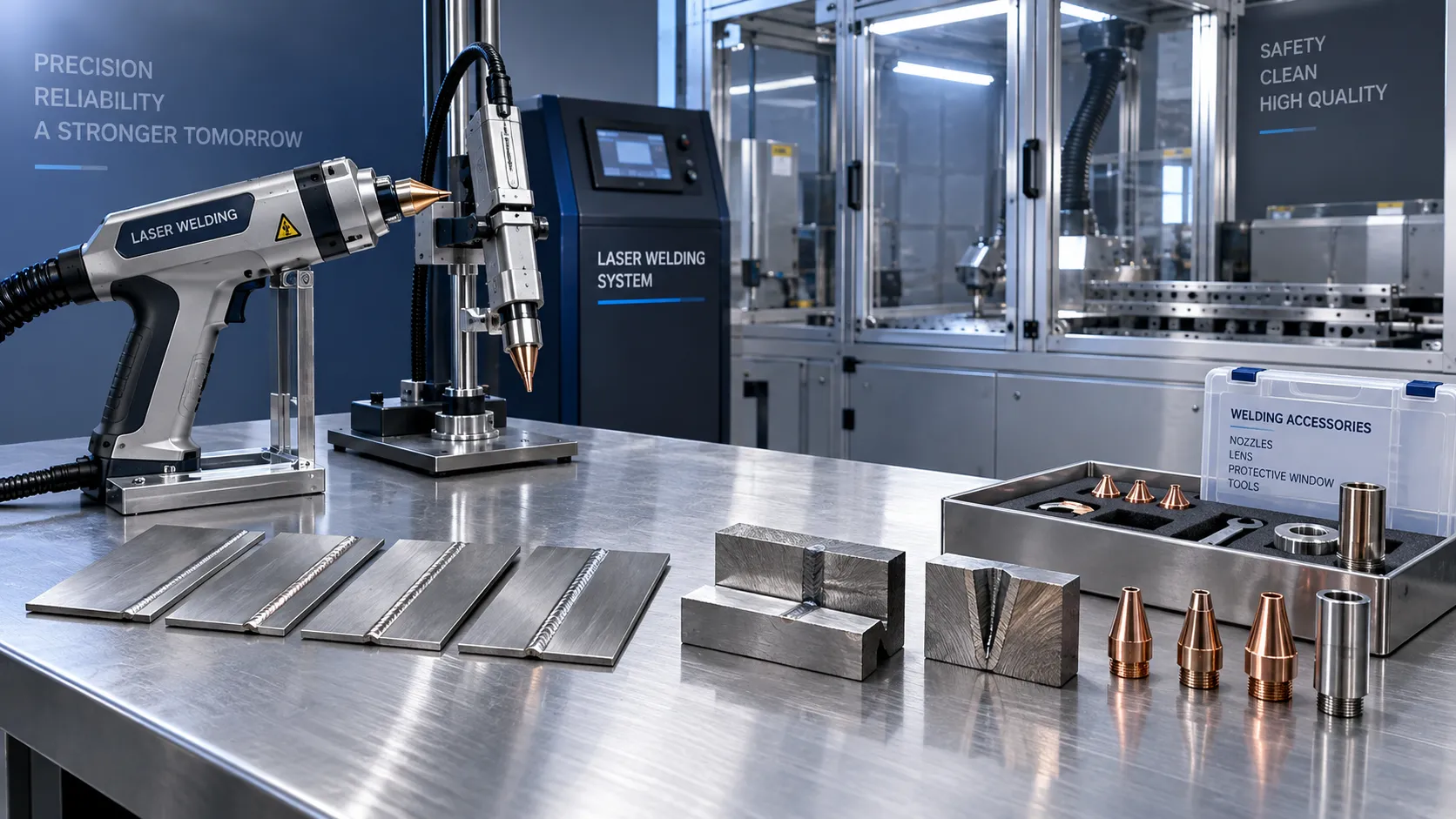
Choosing a Handheld Laser Welding Supplier: Weld Trials, Training, and Service
Choose a handheld laser welding supplier with proven weld trials, safety training, and reliable service. Learn what to verify before buying to reduce downtime and protect your investment.
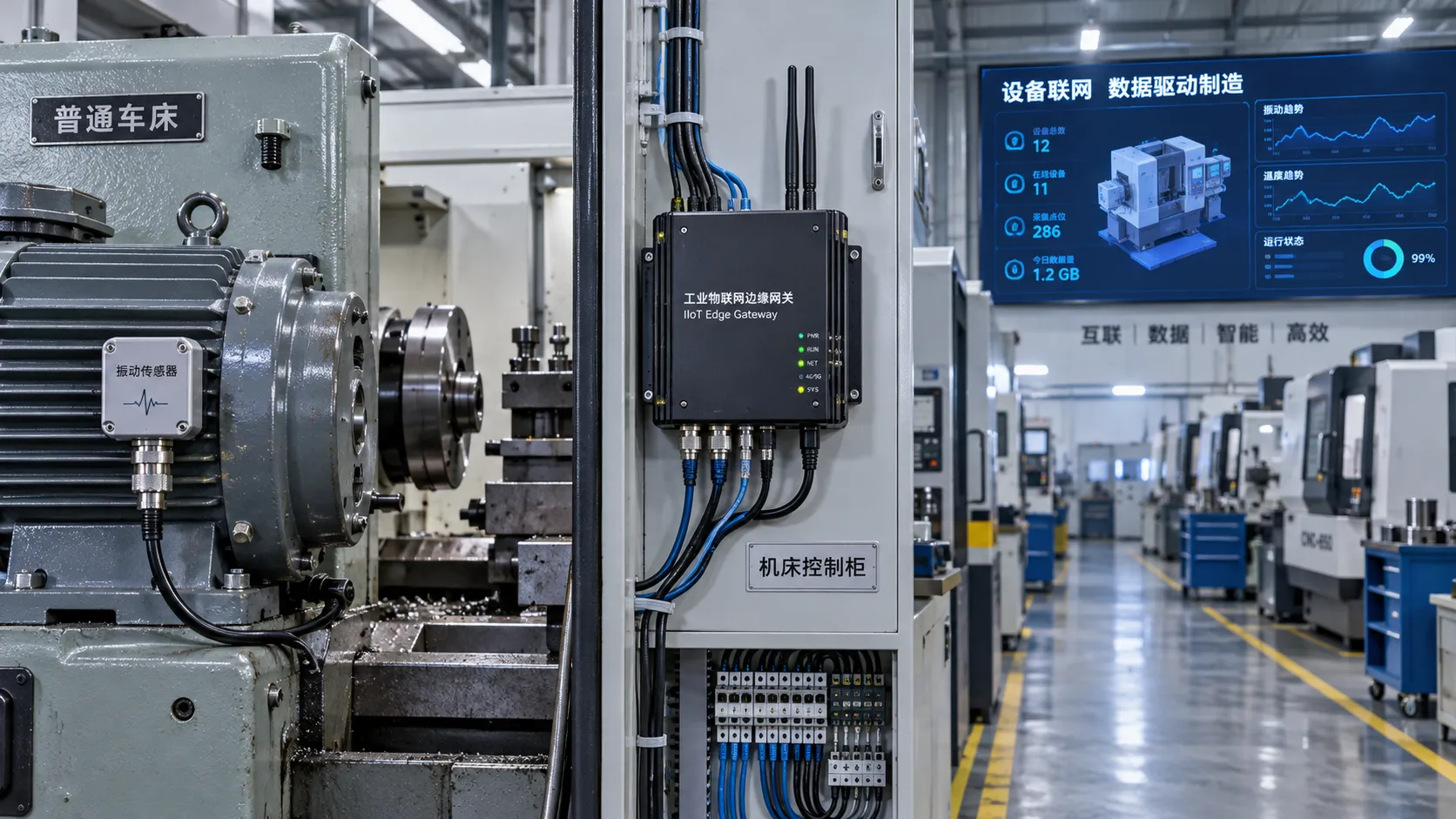
Choosing an Industrial IoT Platform: Key Criteria for Legacy Equipment
Choose an industrial IoT platform for legacy equipment with confidence. Discover key checks for connectivity, data integrity, security, and lifecycle costs before investing.
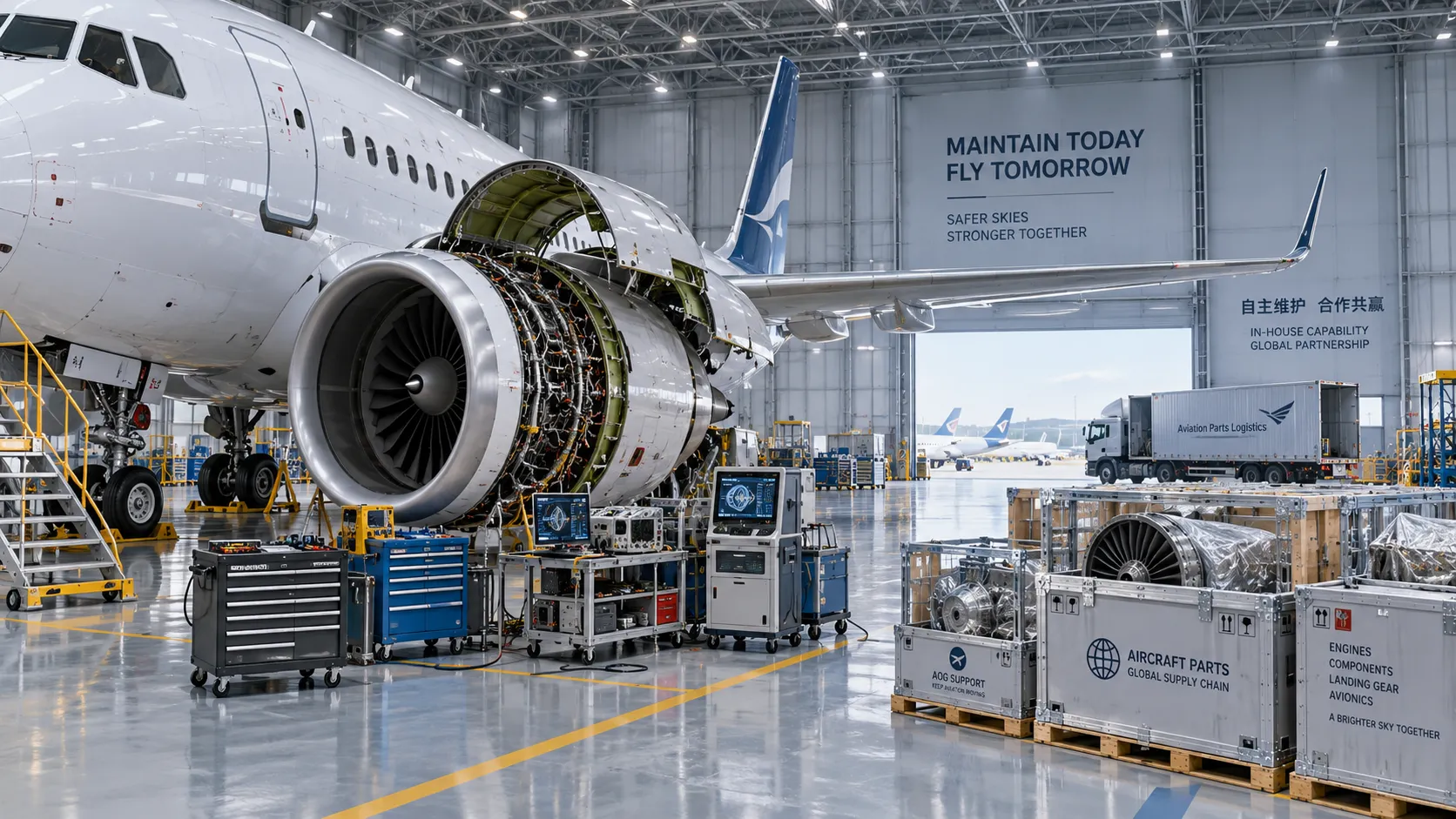
In-House vs. Outsourced Aircraft Maintenance: Comparing Total Costs
Compare aerospace maintenance cost for in-house vs. outsourced aircraft upkeep. Discover hidden expenses, downtime impacts, and break-even factors to find the best fit for your fleet.
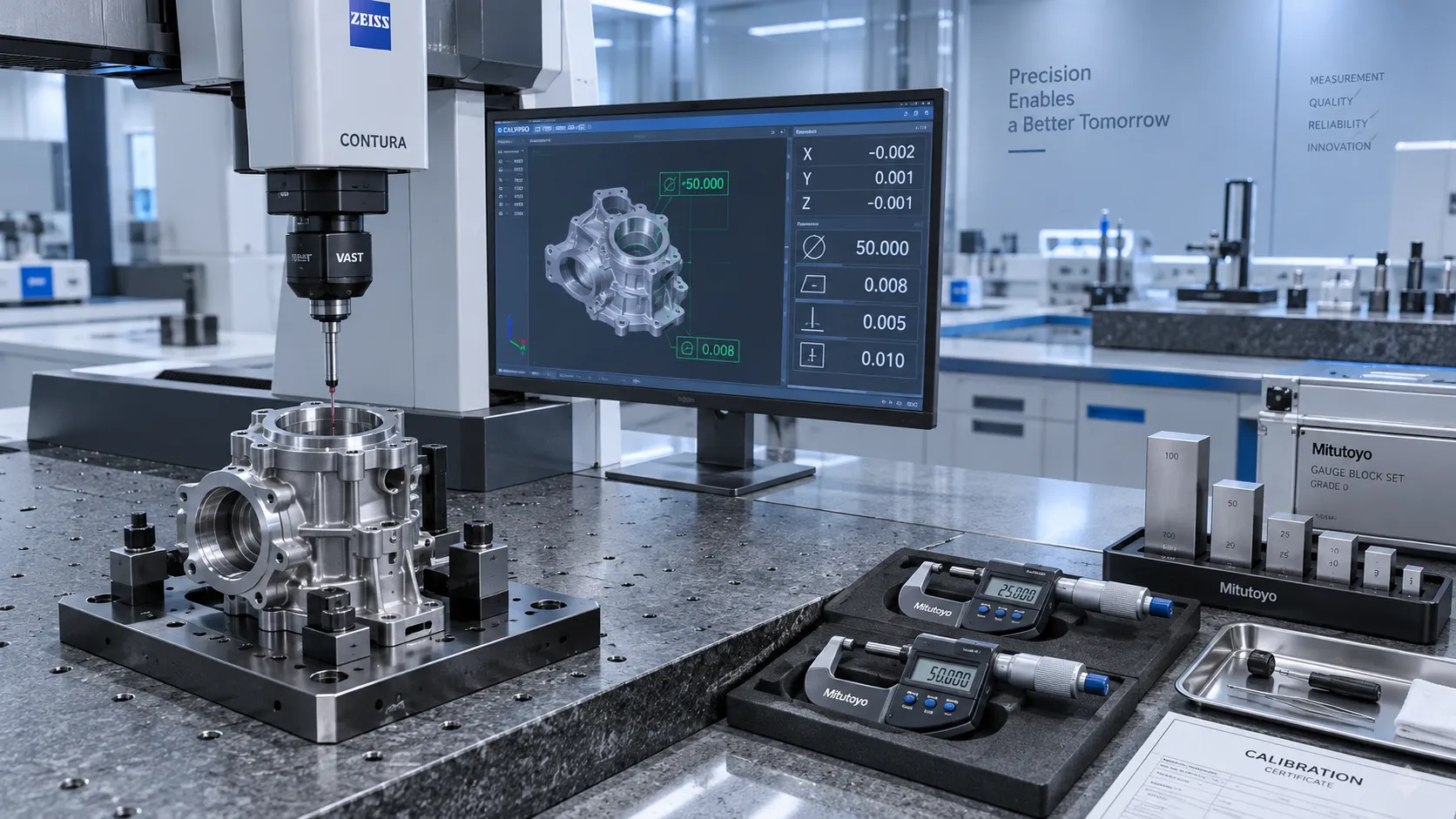
How to Select High-Precision Measuring Instruments for Tight-Tolerance Production?
High-precision measuring instruments are essential for tight-tolerance production. Learn how to evaluate accuracy, repeatability, environment, calibration, and data integration.
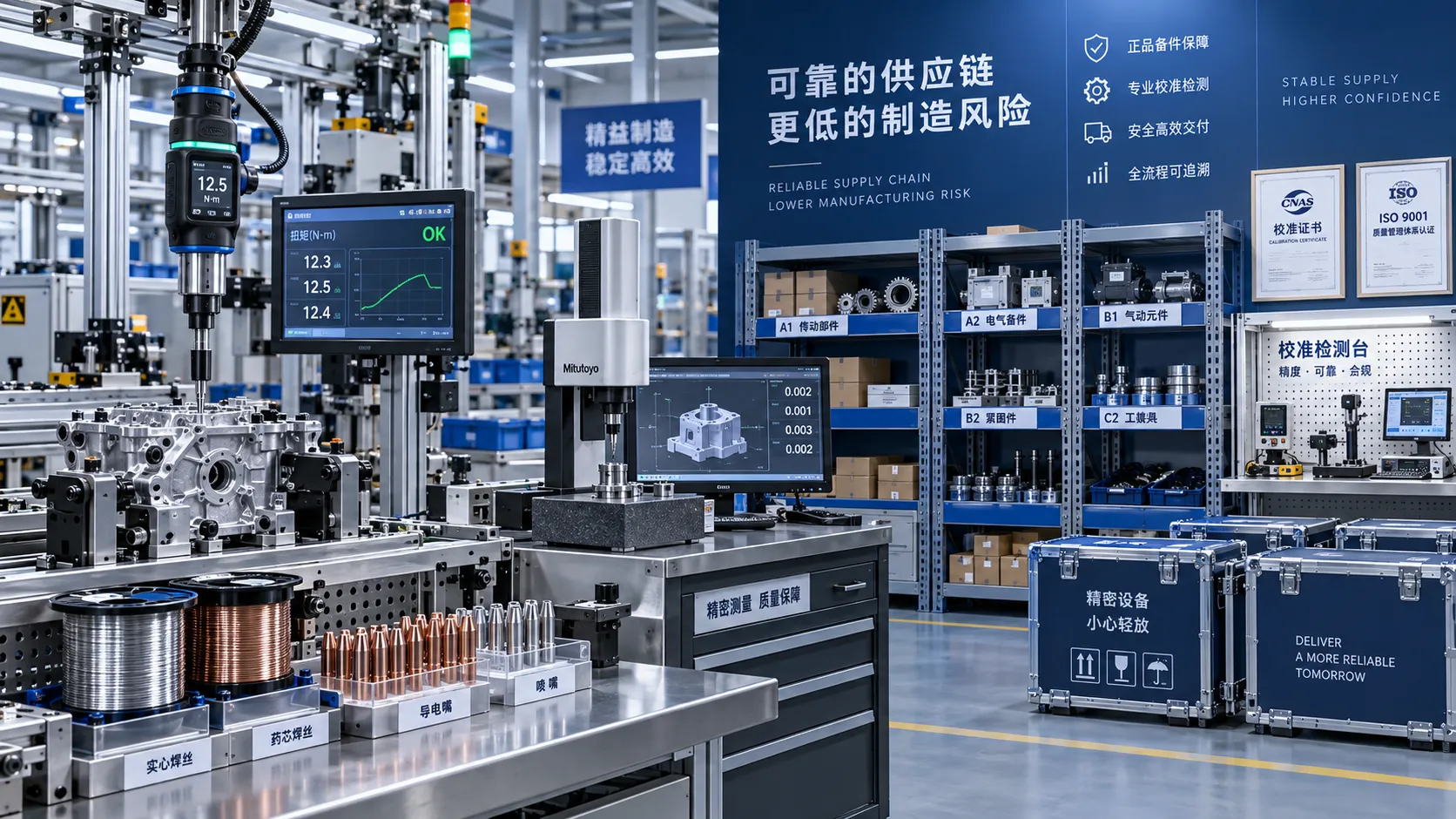
How Industrial Innovation Supplier Networks Reduce Sourcing Risk for Manufacturers
industrial innovation supplier network insights help manufacturers reduce sourcing risk, control lifecycle costs, and choose reliable tools, services, and suppliers with confidence.

How Do Advanced Manufacturing Methods Improve Batch Consistency?
How do advanced manufacturing methods improve batch consistency? Discover how precision metrology, intelligent torque control, welding automation, and traceable data reduce variation and improve quality.
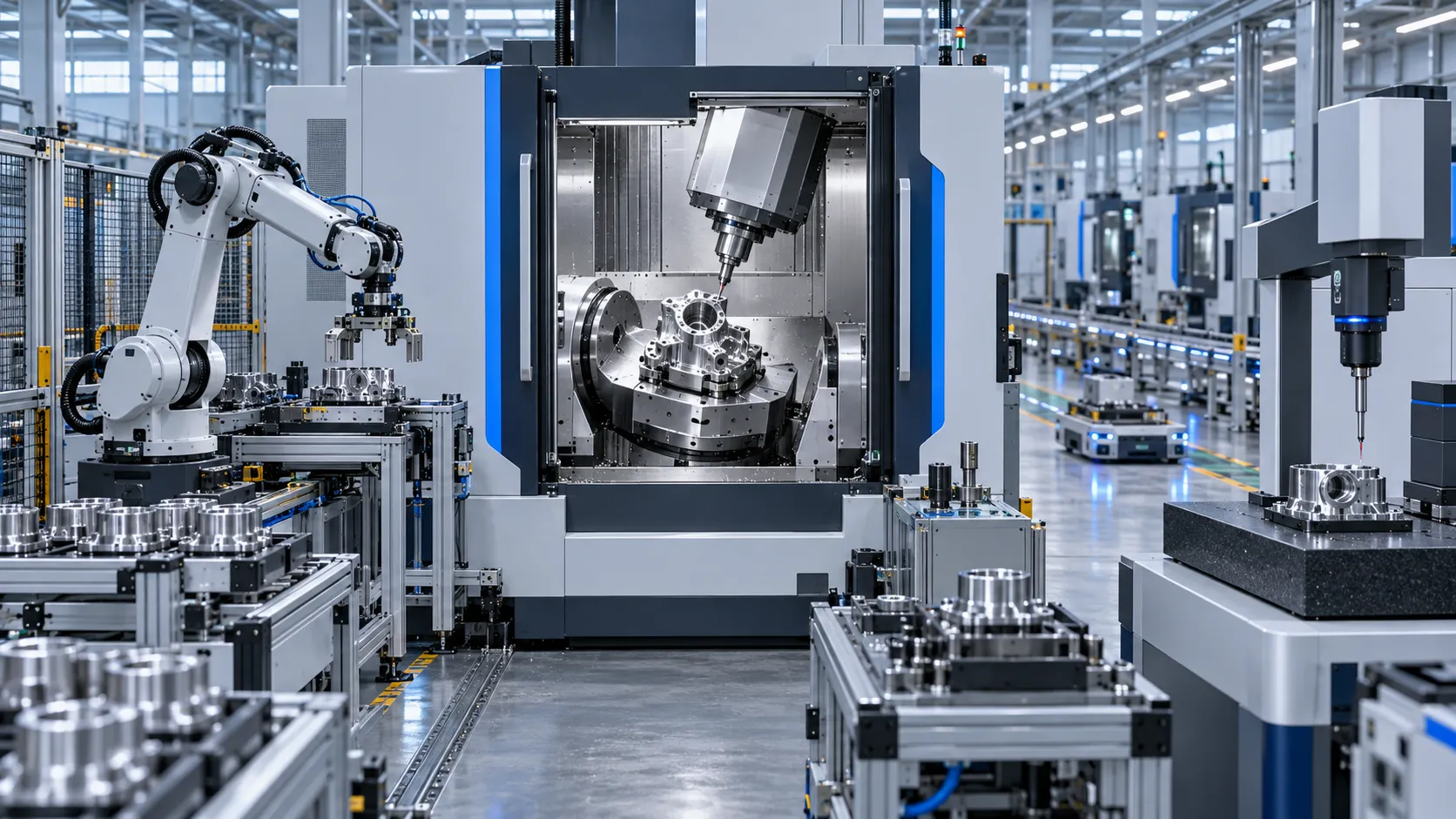
South East Asia Machine Tools Market: Demand Outlook by Manufacturing Industry
South East Asia machine tools market outlook: explore demand from automotive, electronics, fabrication, and infrastructure, plus smart sourcing priorities for manufacturers.
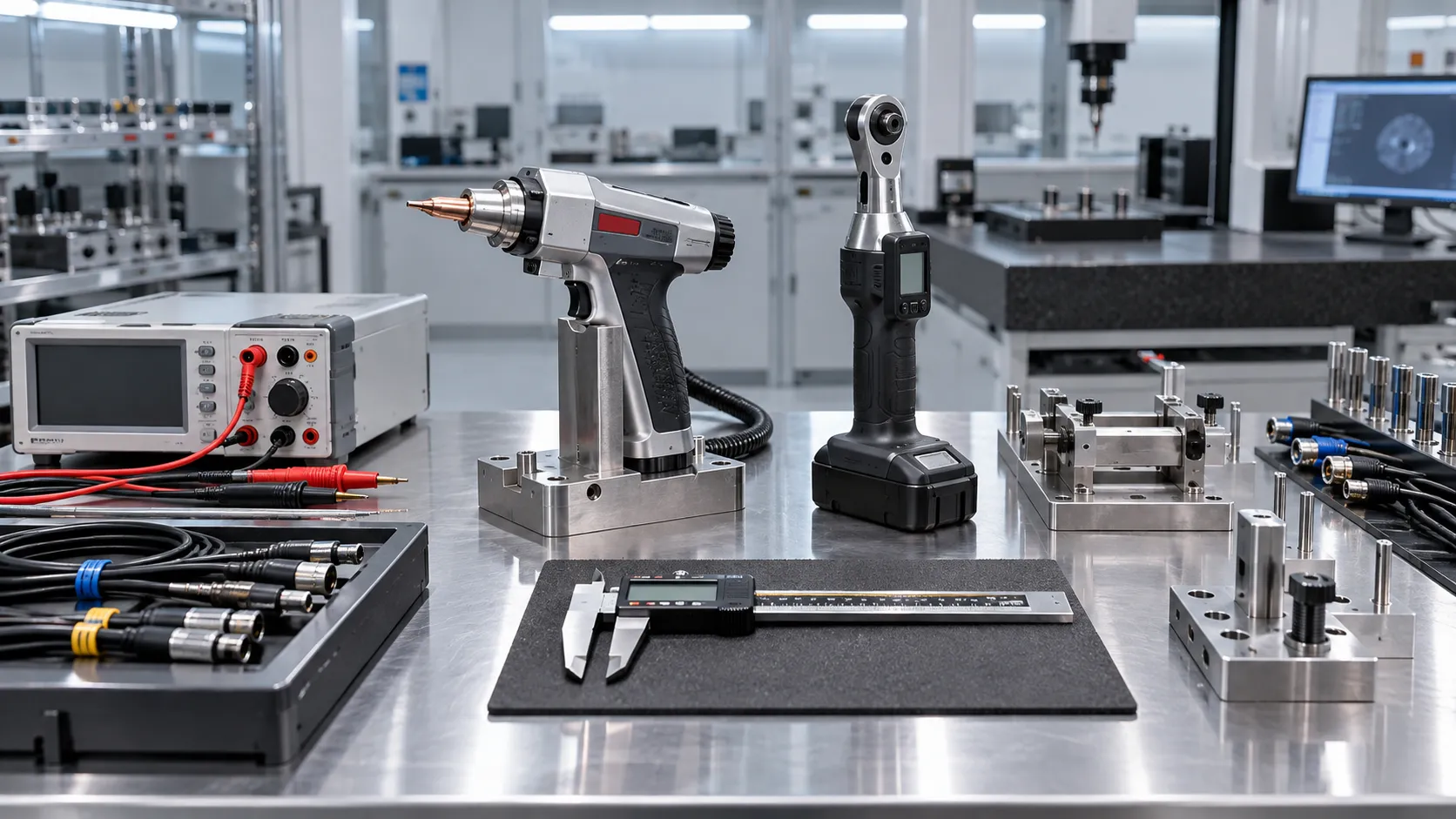
Which Industrial Standards Should Be Checked Before Export?
Which industrial standards should be checked before export? Discover essential compliance steps for industrial tools, welding equipment, laser systems, and metrology products.
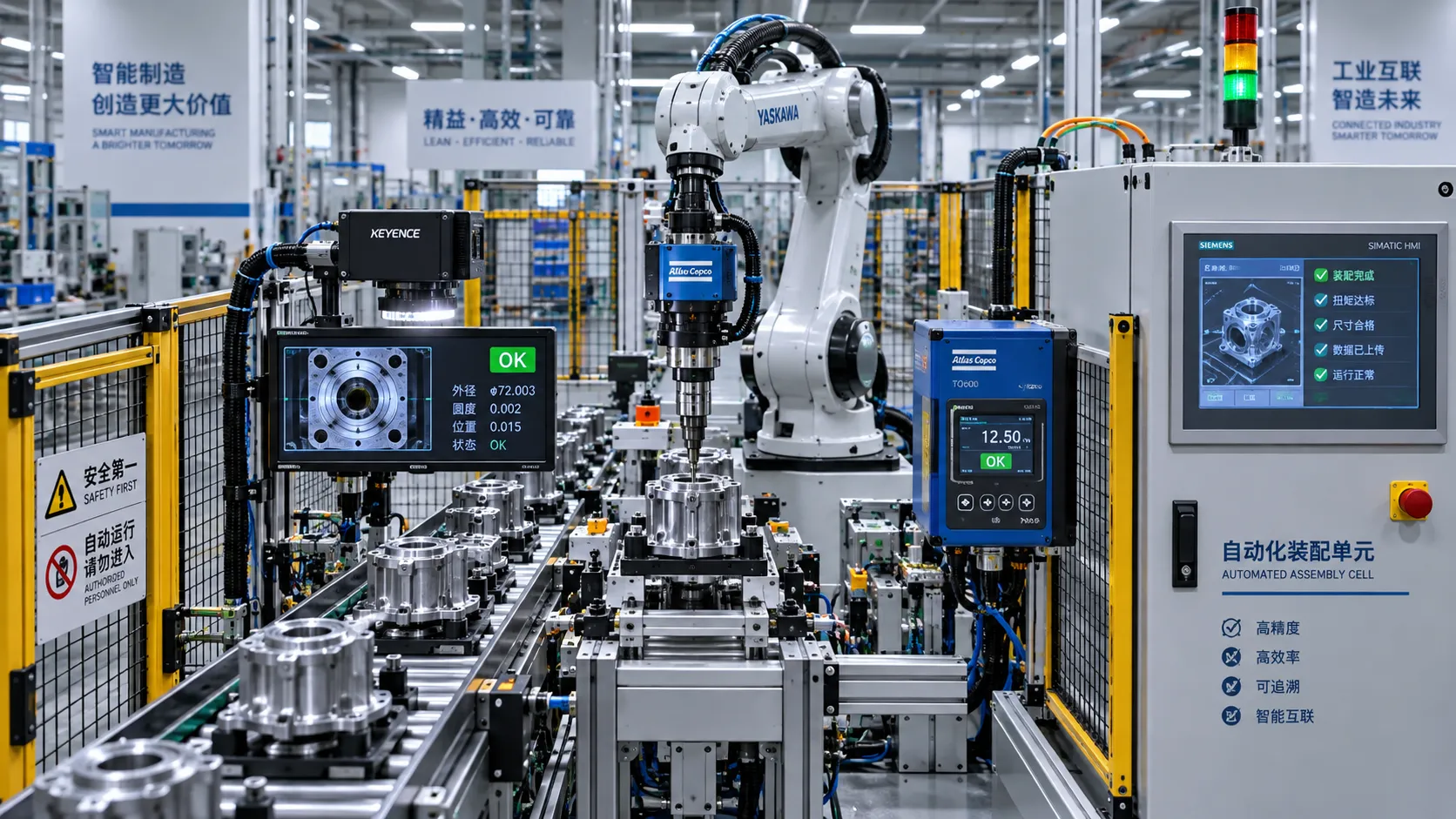
What Industrial Automation Exporters Need to Know Before Entering ASEAN Markets
Industrial automation exporter to ASEAN: learn how to navigate compliance, local service, digital readiness, pricing, and market entry for scalable growth.
Related News
- 00
0000-00
Automotive Tools: How to Build a Reliable Toolkit for Routine Vehicle Service - 00
0000-00
How to Build an Automotive Hand Tool Set for Routine Vehicle Service - 00
0000-00
Construction Maintenance Tools for Site Repair: What to Pack for Concrete, Steel, and Pipe Fixes - 00
0000-00
Product Information Resources for Assembly Tools: What Specs Matter Before You Compare Models? - 00
0000-00
Industrial Applications of Torque Control Wrenches in Assembly Lines and Field Maintenance
Industrial Craft Curator
Weekly Insights
Stay ahead with our curated technology reports delivered every Monday.