
Power Tool Efficiency: Which Performance Metrics Matter Most in Daily Use?





Why does power tool efficiency mean more than speed in daily work?
Power tool efficiency is often misunderstood as fast cutting, drilling, or fastening. In real use, speed alone rarely tells the full story.
A tool may spin quickly at no load, then slow sharply under pressure. That drop affects finish quality, cycle time, and fatigue.
In daily operations, the more useful question is simple: does the tool keep delivering stable output when materials, angles, and working time change?
That is why power tool efficiency includes torque stability, runtime, heat control, vibration behavior, and recovery after repeated use.
This matters across assembly, metalworking, maintenance, construction, and repair. The same metric can affect productivity in different ways.
A drilling task may depend on sustained RPM. A grinder may depend more on thermal control. A fastening tool may live or die by torque consistency.
GPTWM has repeatedly highlighted this shift in industrial tool evaluation. The focus is moving from headline specifications to measurable performance under realistic operating loads.
That change reflects a broader manufacturing mindset. Precision, repeatability, and safe output now carry as much value as raw power.
Which performance metrics actually shape power tool efficiency on the job?
If only a few metrics can be tracked, start with the ones that change real work results rather than catalog impressions.
The most practical indicators usually include:
- Loaded torque stability, especially when resistance increases suddenly.
- RPM or stroke consistency during continuous operation.
- Battery runtime or corded power stability over a full shift.
- Heat buildup near the motor, gear housing, and handle area.
- Vibration level and trigger response during repeated cycles.
- Output consistency after several back-to-back tasks.
Torque stability deserves special attention. It shows whether the tool keeps driving force when the material pushes back.
Runtime is also more nuanced than many assume. A long battery label means little if voltage sag causes weaker output halfway through use.
Heat control is another overlooked factor. Excess heat can shorten motor life, reduce battery health, and make handling less predictable.
In practical terms, power tool efficiency is strongest when these metrics support each other instead of trading one problem for another.
A quick reference for daily evaluation
The table below helps connect each metric to what can actually be seen during work.
Is torque more important than RPM, or does it depend on the task?
It depends, but not in a vague way. Different operations reward different parts of power tool efficiency.
For fastening, torque accuracy and repeatability are usually more valuable than top speed. Overdriving or inconsistent seating creates hidden losses.
For drilling, both torque and loaded RPM matter. If torque is weak, the bit binds. If speed collapses, holes take longer and edges degrade.
For grinding and cutting, stable speed under load often becomes the lead indicator. Uneven speed can burn material or leave rough finishes.
A useful rule is to match the metric to the failure risk. Ask what goes wrong first when performance drops.
- If screws strip or seat unevenly, torque control is the priority.
- If holes wander or slow down, loaded speed and bit support deserve attention.
- If surfaces overheat or smear, thermal management and speed stability matter more.
This is one reason industry intelligence platforms like GPTWM track application behavior, not only specification sheets. The right metric is always tied to task reality.
What usually reduces power tool efficiency during normal use?
In many cases, the problem is not a defective tool. It is a mismatch between tool design, accessory choice, duty cycle, and working conditions.
One common issue is accessory wear. A dull bit or disc forces the motor to compensate, raising heat and lowering output.
Another cause is unrealistic duty time. Compact tools can perform well, but not every model is built for continuous heavy-load sessions.
Battery condition plays a major role too. Aging cells may still run, yet deliver weaker current under stress.
Dust management is equally important. Fine particles around vents, switches, or gear areas can raise friction and temperature.
Then there is operator technique. Excessive push force often makes a tool less efficient, not more productive.
More pressure can choke speed, increase kickback risk, and leave poorer results. Efficient use often feels smoother rather than harder.
Brushless systems have improved this area, especially in thermal response and runtime management. Still, even advanced systems lose efficiency when matched poorly to the job.
Warning signs worth noticing early
- The tool finishes slower even with new accessories.
- Housing temperature rises much faster than before.
- Battery swaps become more frequent on the same workload.
- Trigger response feels delayed or uneven.
- Results vary between the first and fifth repeated cycle.
How can you judge power tool efficiency before output quality starts slipping?
The best approach is to observe trend signals before failures become obvious. Waiting for a stall or shutdown usually means efficiency has already been lost.
A practical check starts with repeatability. Run the same task several times and compare timing, feel, and finish.
If the first run is clean but later runs become rougher, the issue may be thermal drift rather than lack of power.
Listen to motor sound as well. A sharper strain tone under moderate load often reveals declining power tool efficiency before visible defects appear.
Where precision matters, compare fastener seating depth, cut line stability, or hole completion time at regular intervals.
For teams that manage mixed applications, a simple internal benchmark helps:
- Use the same material type and thickness.
- Use the same accessory condition.
- Measure time for three or five repeated cycles.
- Note heat, vibration, and consistency after each cycle.
That kind of grounded comparison reflects the GPTWM view of industrial intelligence. Decisions improve when performance is judged in context, not in isolation.
What are the most common mistakes when comparing tools for efficiency?
The first mistake is comparing nameplate power without considering delivery under load. Rated numbers are useful, but they do not describe the whole work cycle.
The second is ignoring ergonomics. A tool that is technically powerful but tiring to control may lower real output over a shift.
Another mistake is treating battery capacity as the same thing as runtime efficiency. Energy storage and efficient delivery are related, but not identical.
It is also common to evaluate tools with fresh accessories only. That hides how the tool behaves once normal wear begins.
Some comparisons also miss the influence of environment. Heat, dust, metal debris, and overhead work can all reshape power tool efficiency.
A more reliable comparison asks narrower questions. Which tool holds speed better? Which one stays cooler? Which one gives repeatable output after ten cycles?
Those answers are more useful than broad claims about power alone.
So which metrics matter most, and what should be checked next?
For everyday decisions, the most important metrics are usually loaded torque, output consistency, heat control, runtime stability, and vibration behavior.
The ranking may shift by task, but the principle stays steady. Power tool efficiency should be judged by dependable performance in real conditions.
If a tool stays stable under resistance, runs within a manageable temperature range, and keeps results consistent, efficiency is doing real work.
If not, speed claims and peak ratings lose value quickly.
A sensible next step is to review one common task and score it against a small checklist: torque response, cycle repeatability, heat after repeated use, and output quality.
That simple review often reveals where productivity is being lost. It also helps create better tool selection standards over time.
For anyone following broader industrial developments, GPTWM’s ongoing analysis around brushless limits, intelligent torque control, and precision-driven work trends offers a useful lens.
The goal is not to chase bigger numbers. It is to understand which numbers protect consistent, safe, and cost-effective performance every day.
Related News
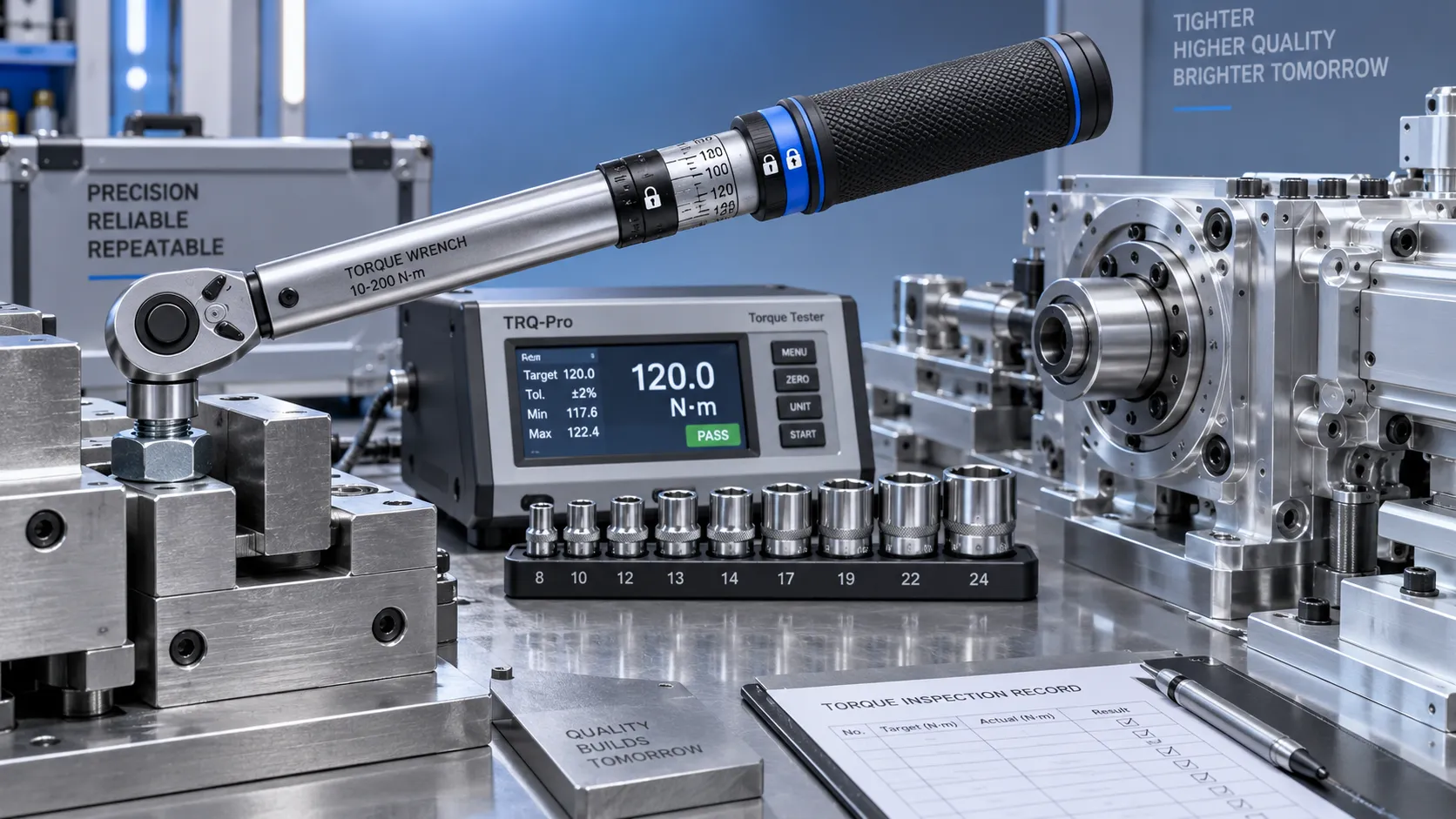
Selecting Adjustable Torque Tools for Repeatable Fastener Assembly
Adjustable torque tools: learn how to match range, accuracy, control methods, calibration, and ergonomics for repeatable, reliable fastener assembly.

How to Select Aerospace Inspection Tools for Aircraft Maintenance Tasks
Aerospace maintenance inspection tools: learn how to select reliable, traceable equipment for aircraft access, accuracy, calibration, and compliant maintenance decisions.

How to Select Wire Bonding Tools for Fine-Pitch Semiconductor Packaging
Explore semiconductor manufacturing tools for wire bonding and learn how to select precision solutions for fine-pitch packaging, reliable loops, accuracy, and yield.
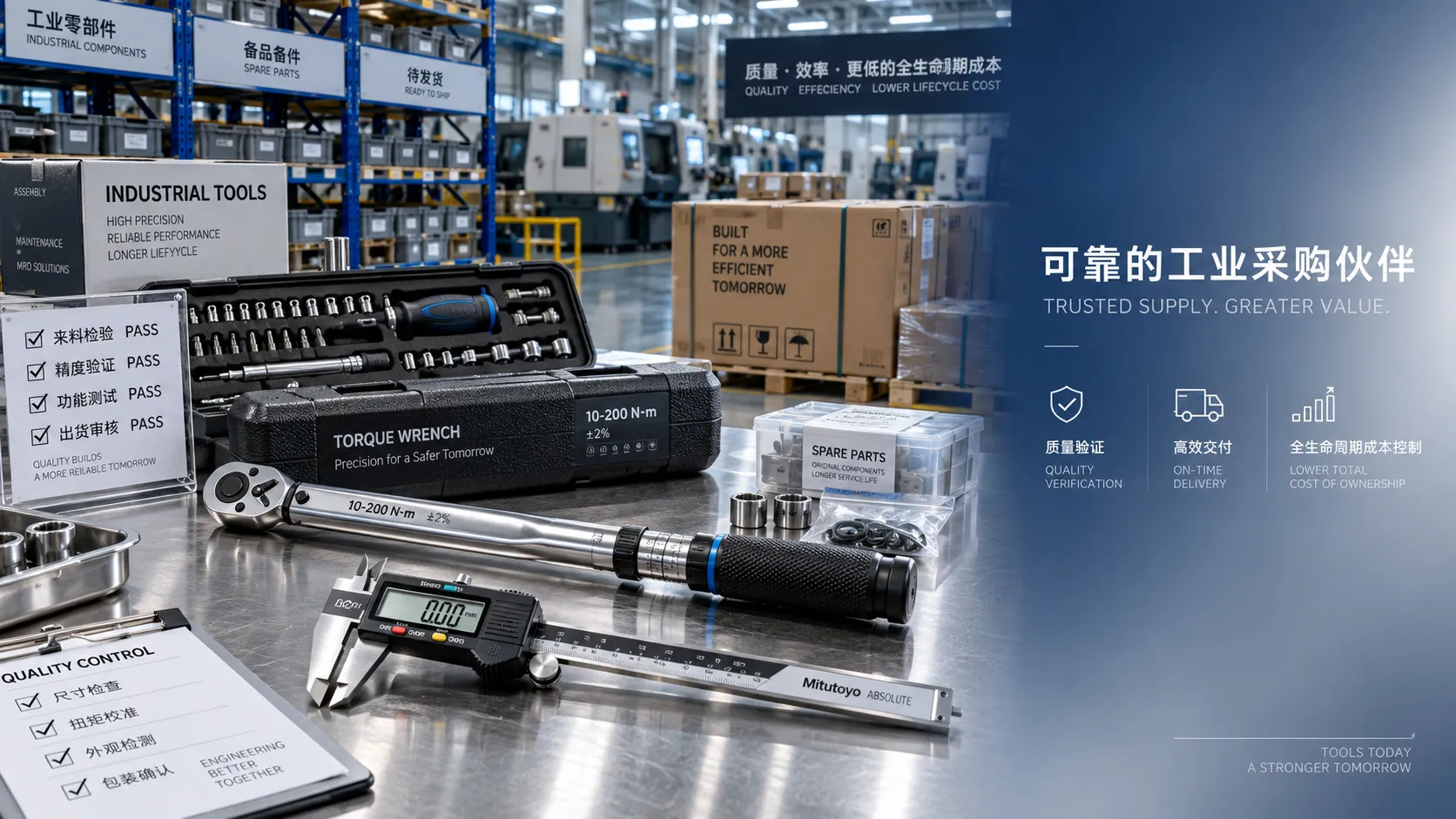
How to Compare Industrial Tool Suppliers for Quality, Lead Time, and Total Cost
Industrial tool selection supplier comparison made simple: evaluate quality, lead times, total cost, service, and supply resilience for confident sourcing decisions.
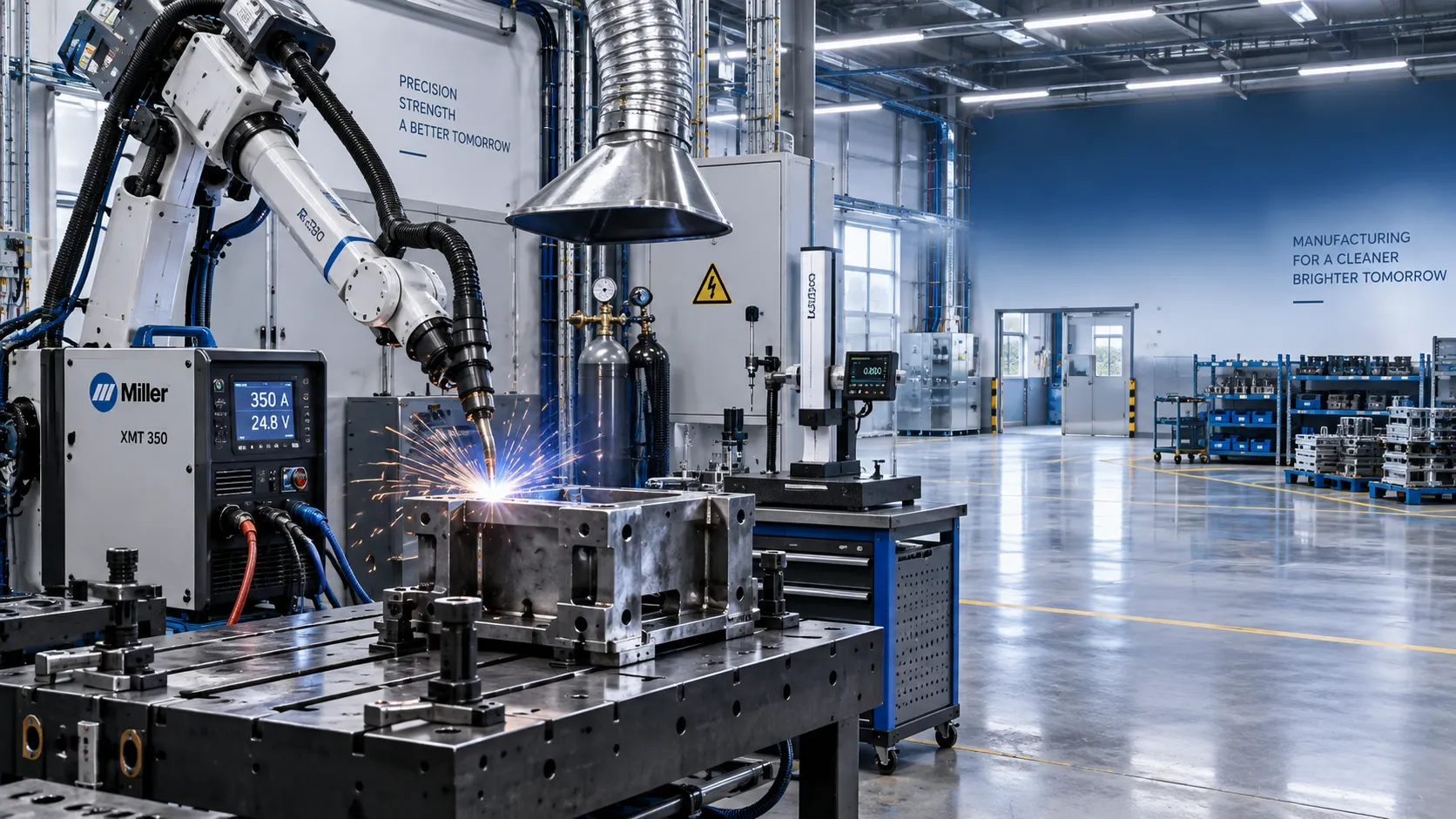
Industrial Equipment Application Guidance: Match Machines to Operating Conditions
Application guidance industrial equipment: match capacity, duty cycle, materials, site conditions, safety, and lifecycle cost to improve reliable output. Read the guide.
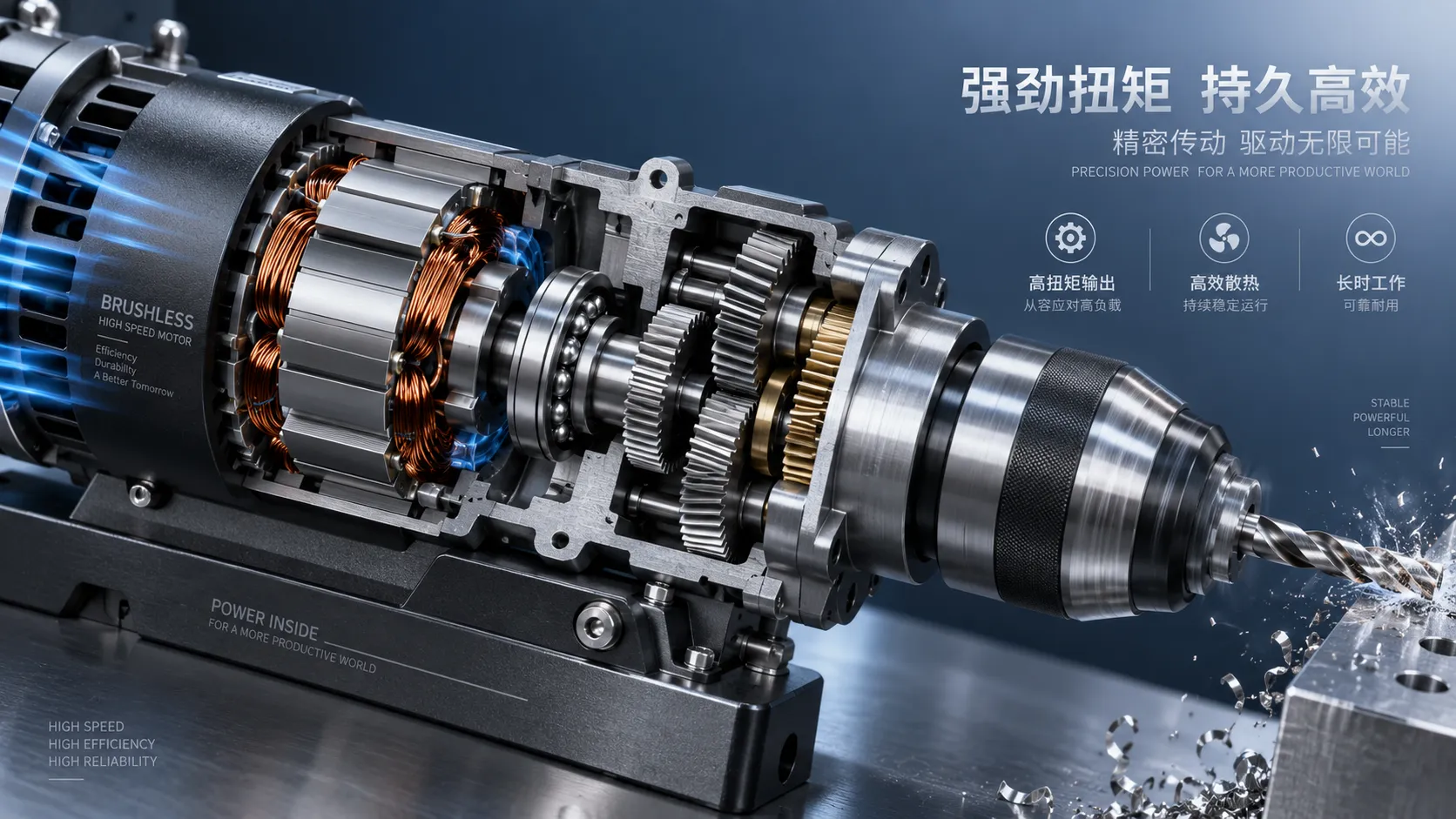
Selecting High-Speed Brushless Tool Motors for Torque, Heat, and Duty Cycle
High speed brushless tool motors: learn how to balance torque, heat, gearing, and duty cycle for reliable industrial tool performance and longer service life.
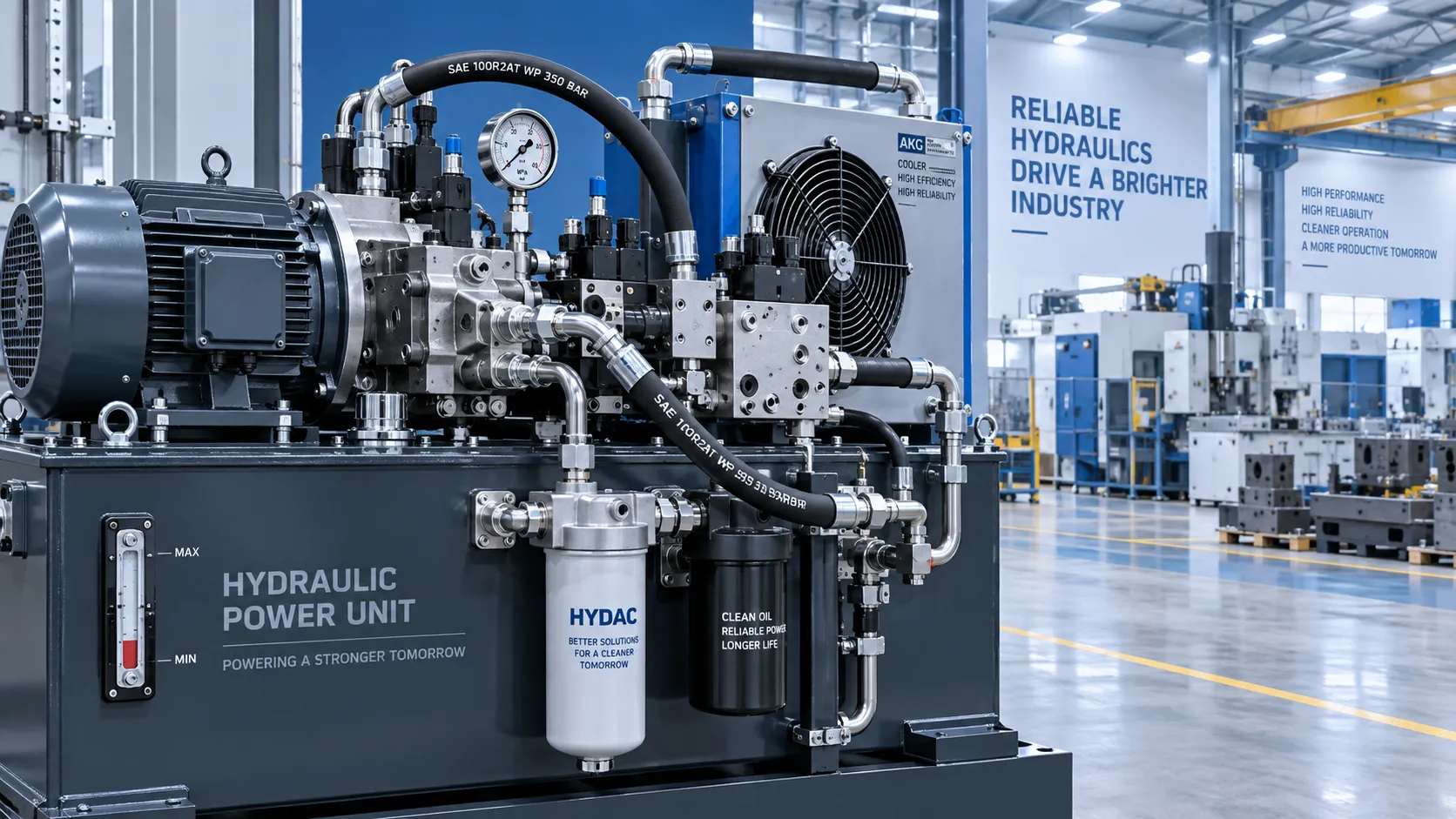
What Determines Industrial Hydraulic System Price for Heavy-Duty Equipment?
Industrial hydraulic system price depends on duty cycle, pressure, components, cooling, and integration. Compare quotes intelligently to secure reliable heavy-duty performance.
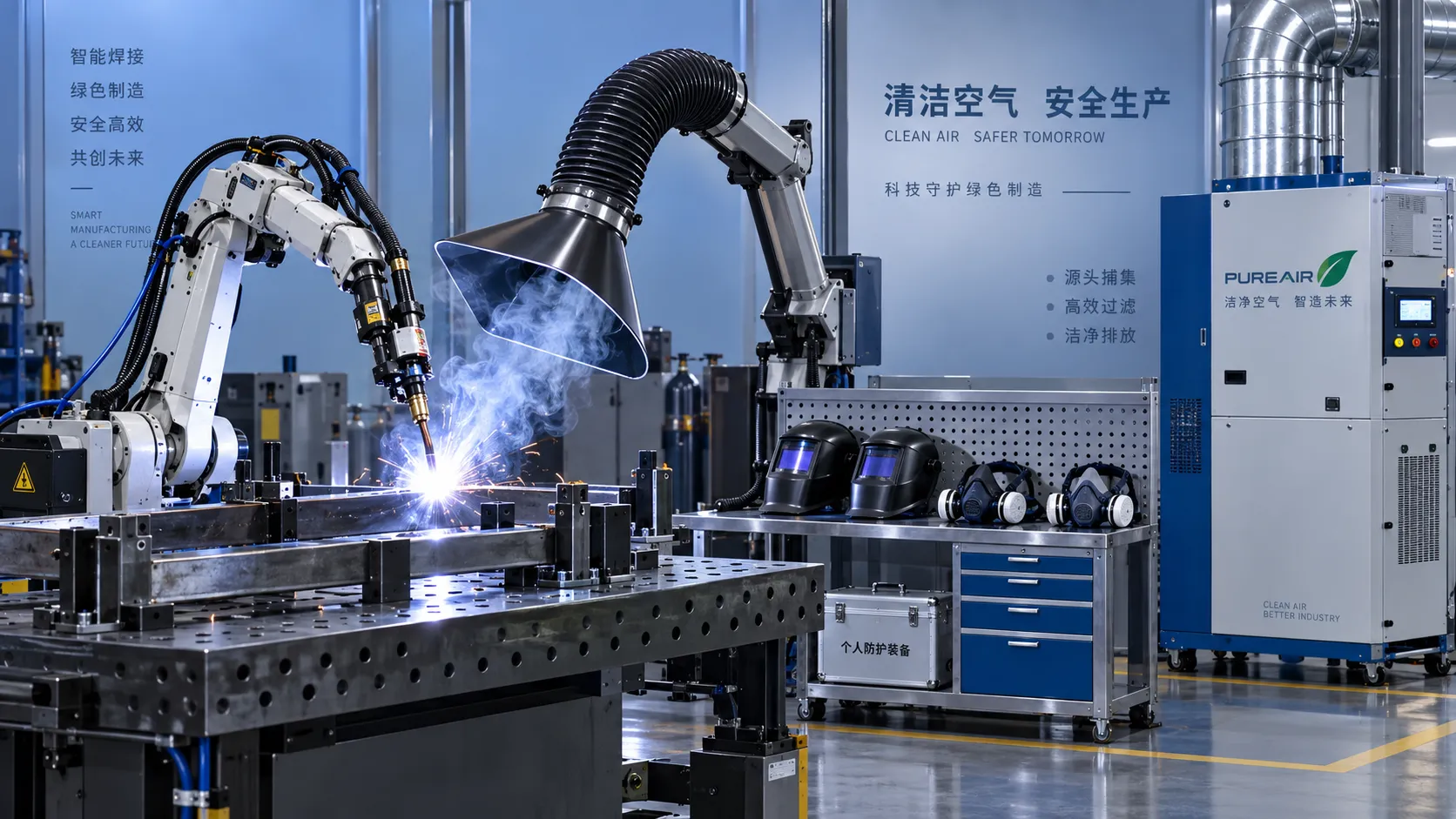
Welding Fume Extraction PPE: When Respirators Are Not Enough for Shop Safety
Welding fume extraction PPE: learn why respirators alone fall short and how source capture, ventilation, and layered controls improve shop safety.
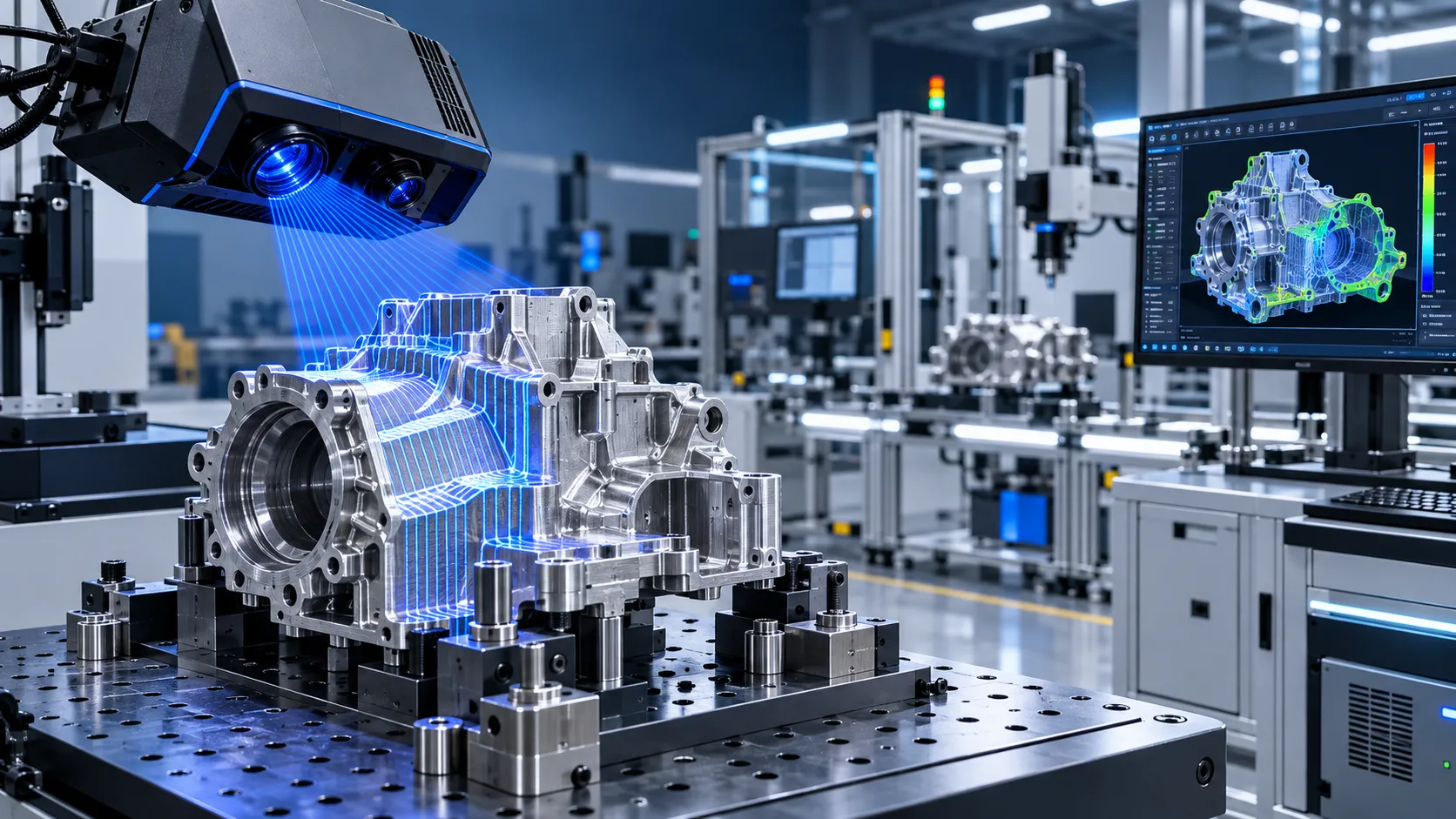
How to Select Optical Metrology Solutions for Tight-Tolerance Manufacturing
Optical industrial metrology solutions for tight-tolerance manufacturing: evaluate accuracy, surface compatibility, workflow, and traceability to select with confidence.
Related News
- 00
0000-00
How to Select Battery Assembly Tools for Torque Control and High-Volume Production - 00
0000-00
How Battery, Torque, and Duty Cycle Affect Cordless Power Tool Efficiency - 00
0000-00
How to Size High-Torque Tool Motors for Continuous-Duty Assembly Lines - 00
0000-00
How to Choose 24V Brushless Tool Motors for Torque, Runtime, and Duty Cycle? - 00
0000-00
Automotive Repair Tools List: What Every Workshop Needs for Daily Service Jobs
Electro-Mech Tool Designer
Weekly Insights
Stay ahead with our curated technology reports delivered every Monday.