
What automotive tools matter most in modern repair work?





Modern repair shops no longer rely on instinct alone. The right automotive tools now decide speed, accuracy, safety, and service quality across mechanical, electrical, and digital vehicle systems.
As vehicles add sensors, tighter tolerances, lightweight materials, and connected controls, automotive tools must match that complexity. Tool choice affects downtime, rework risk, calibration stability, and technician confidence.
For an intelligence platform like GPTWM, this topic matters beyond the workshop floor. It connects metrology, power tool evolution, ergonomic standards, and data-led maintenance efficiency across the broader industrial ecosystem.
Why automotive tools matter differently across repair scenarios
Not every repair task needs the same tool mix. A brake overhaul, EV battery inspection, and collision correction each demand different levels of torque control, measurement precision, and diagnostic visibility.
This is why modern automotive tools should be judged by scenario fit, not by price alone. The best setup supports the exact system being serviced and the risks involved.
A useful decision framework includes five checks:
- Required accuracy and repeatability
- Electronic or mechanical system complexity
- Safety exposure, including high voltage and heat
- Expected job volume and workflow speed
- Calibration, traceability, and documentation needs
In routine mechanical service, torque and access tools matter most
Routine service still forms the base of repair work. Oil changes, suspension replacement, brake service, and drivetrain work depend on durable automotive tools with reliable fit and controlled fastening.
Core tools for high-frequency mechanical jobs
Torque wrenches remain essential because many parts now have stricter fastening windows. Over-tightening can damage aluminum components, while under-tightening can create dangerous failures.
Impact wrenches improve speed, but they should not replace final torque verification. Modern automotive tools work best when power tools and precision tools are used together.
Other key items include:
- Socket and bit sets with stable material hardness
- Breaker bars for seized fasteners
- Pliers, pullers, and trim removal tools
- Creeper lights and inspection mirrors
- Fluid handling and pressure test tools
In this scenario, the best automotive tools reduce fatigue, prevent stripped hardware, and keep service times predictable.
When fault codes and sensors dominate, diagnostic automotive tools become critical
Modern vehicles often fail electronically before they fail mechanically. Warning lights, intermittent faults, and communication errors require digital automotive tools that can read systems quickly and clearly.
Diagnostic scenarios that demand smarter tool selection
A basic code reader is no longer enough. Many repairs require bidirectional scan tools, battery testers, oscilloscopes, and multimeters with stable measurement quality.
These automotive tools matter most when working on ADAS components, engine management, ABS modules, or charging systems. Fault isolation is faster when data is live, structured, and vehicle-specific.
High-value diagnostic capabilities include:
- Live data stream analysis
- Actuation and reset functions
- Network communication testing
- Sensor waveform comparison
- Service report export and record support
In complex workshops, diagnostic automotive tools increasingly connect with software updates, cloud references, and guided workflows. That trend mirrors wider industrial intelligence shifts observed by GPTWM.
For precision repair, measuring automotive tools protect quality and compliance
Measurement is often overlooked until a comeback job appears. Yet many failures come from poor tolerances, not poor intent. Precision automotive tools reduce that hidden risk.
Where metrology supports modern repair work
Brake disc thickness, runout, bearing play, engine wear, and alignment geometry all depend on measurement. Calipers, micrometers, dial indicators, and bore gauges still matter deeply.
As lightweight alloys and tighter assemblies spread, precision automotive tools become more important. Small dimensional errors can affect heat, vibration, and system stability.
Useful measurement tools include:
- Digital calipers for quick dimensional checks
- Micrometers for rotor and shaft wear limits
- Dial indicators for runout verification
- Feeler gauges for clearance checks
- Angle gauges for torque-to-yield procedures
This is where repair practice meets industrial metrology. Better measurement discipline turns routine service into repeatable, defensible workmanship.
In EV and hybrid service, safety automotive tools carry the highest priority
Electrified vehicles change the repair hierarchy. In these jobs, the most important automotive tools are not always the fastest ones. They are the tools that control risk first.
What matters in high-voltage scenarios
Insulated hand tools, voltage testers, CAT-rated meters, thermal cameras, and lockout devices are central. Battery lifting equipment and insulated mats may also be necessary.
These automotive tools help verify zero-energy state, prevent contact hazards, and support safe disassembly around battery packs, inverters, and power electronics.
Key judgment points include certification, insulation integrity, inspection intervals, and clear usage procedures. In EV service, tool quality and safety discipline are inseparable.
Different repair scenarios need different automotive tools
How to match automotive tools to real operating needs
Choosing automotive tools becomes easier when selection follows work patterns instead of catalog categories. Start with recurring job types and then map tools to error risks.
- List the top repair scenarios by frequency and technical difficulty.
- Identify where mistakes most often create rework or safety exposure.
- Prioritize automotive tools that improve verification, not only removal speed.
- Check calibration needs for torque and measuring equipment.
- Review ergonomics, battery platform compatibility, and service support.
A balanced tool strategy often combines durable hand tools, cordless power tools, diagnostic electronics, and metrology devices. That combination supports both productivity and repair credibility.
Common mistakes when judging which automotive tools matter most
One common mistake is overvaluing speed while underestimating verification. Fast disassembly helps, but unverified reassembly creates larger costs later.
Another error is treating all scan tools as equal. Coverage depth, update quality, and system-specific functions vary widely among diagnostic automotive tools.
Many operations also ignore calibration intervals. A worn torque wrench or unverified measuring device can quietly damage repair quality for months.
In EV work, the biggest mistake is assuming general tools are enough. High-voltage service requires dedicated automotive tools and strict inspection discipline.
A practical next step for building a stronger automotive tools setup
The most important automotive tools in modern repair work are the ones that fit the actual scenario, verify results, and support safe repeatable performance.
Start by reviewing current jobs across mechanical service, diagnostics, precision measurement, and electrified systems. Then rank tool gaps by safety impact, downtime reduction, and accuracy improvement.
For deeper intelligence, GPTWM connects tool evolution, metrology insight, and industrial repair trends into one decision view. That makes automotive tools selection more strategic, measurable, and future-ready.
Related News
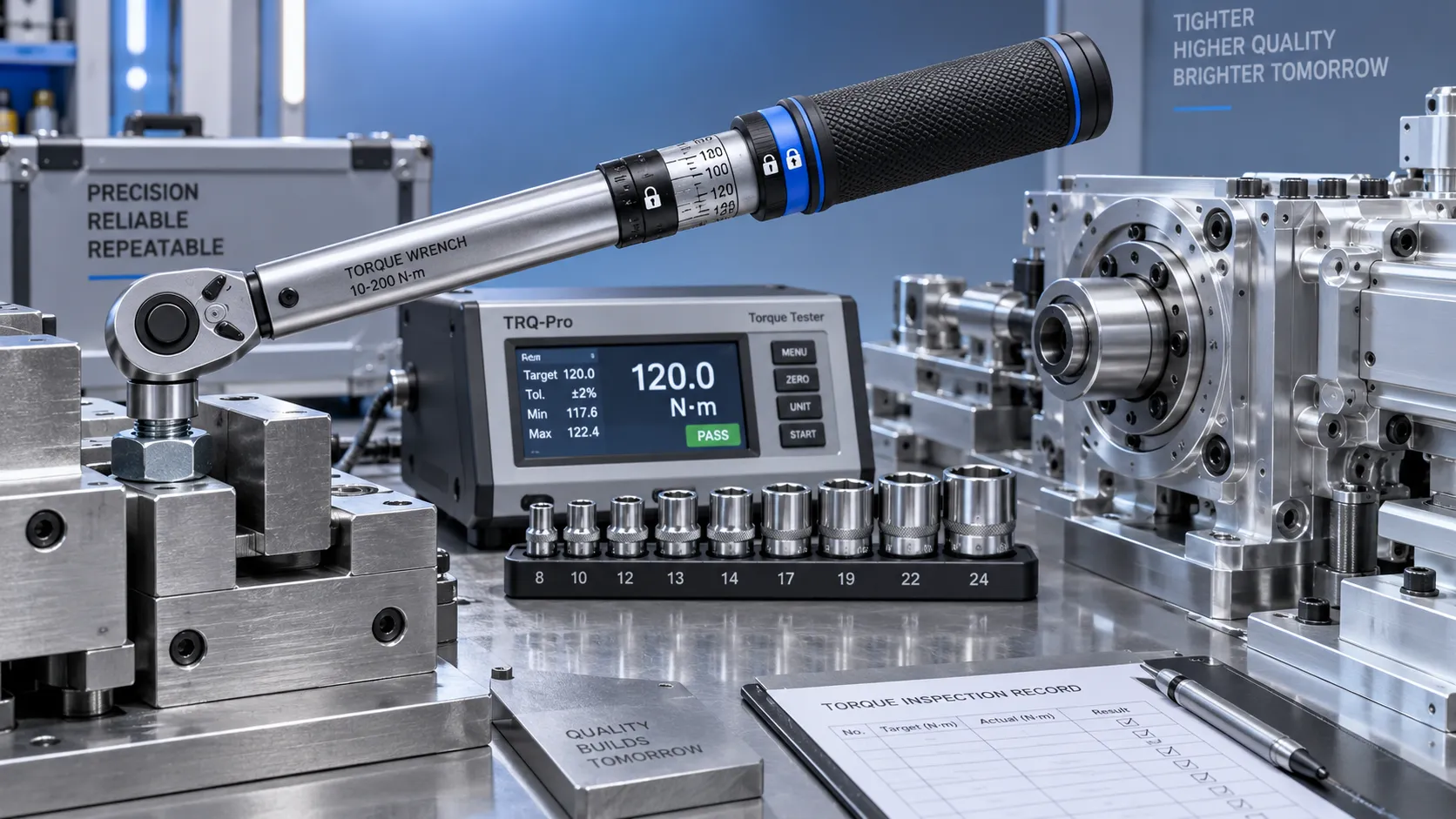
Selecting Adjustable Torque Tools for Repeatable Fastener Assembly
Adjustable torque tools: learn how to match range, accuracy, control methods, calibration, and ergonomics for repeatable, reliable fastener assembly.
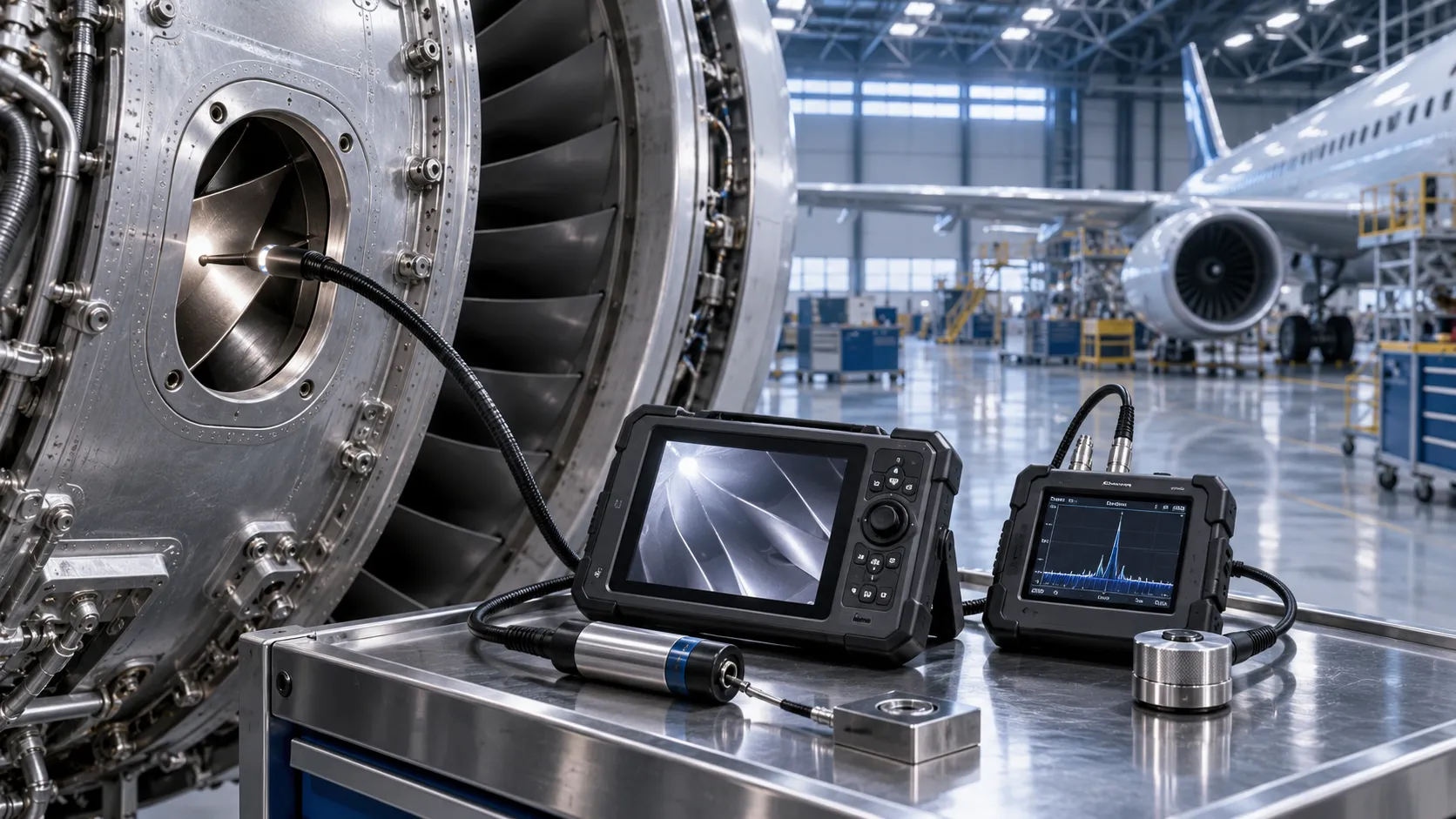
How to Select Aerospace Inspection Tools for Aircraft Maintenance Tasks
Aerospace maintenance inspection tools: learn how to select reliable, traceable equipment for aircraft access, accuracy, calibration, and compliant maintenance decisions.

How to Select Wire Bonding Tools for Fine-Pitch Semiconductor Packaging
Explore semiconductor manufacturing tools for wire bonding and learn how to select precision solutions for fine-pitch packaging, reliable loops, accuracy, and yield.
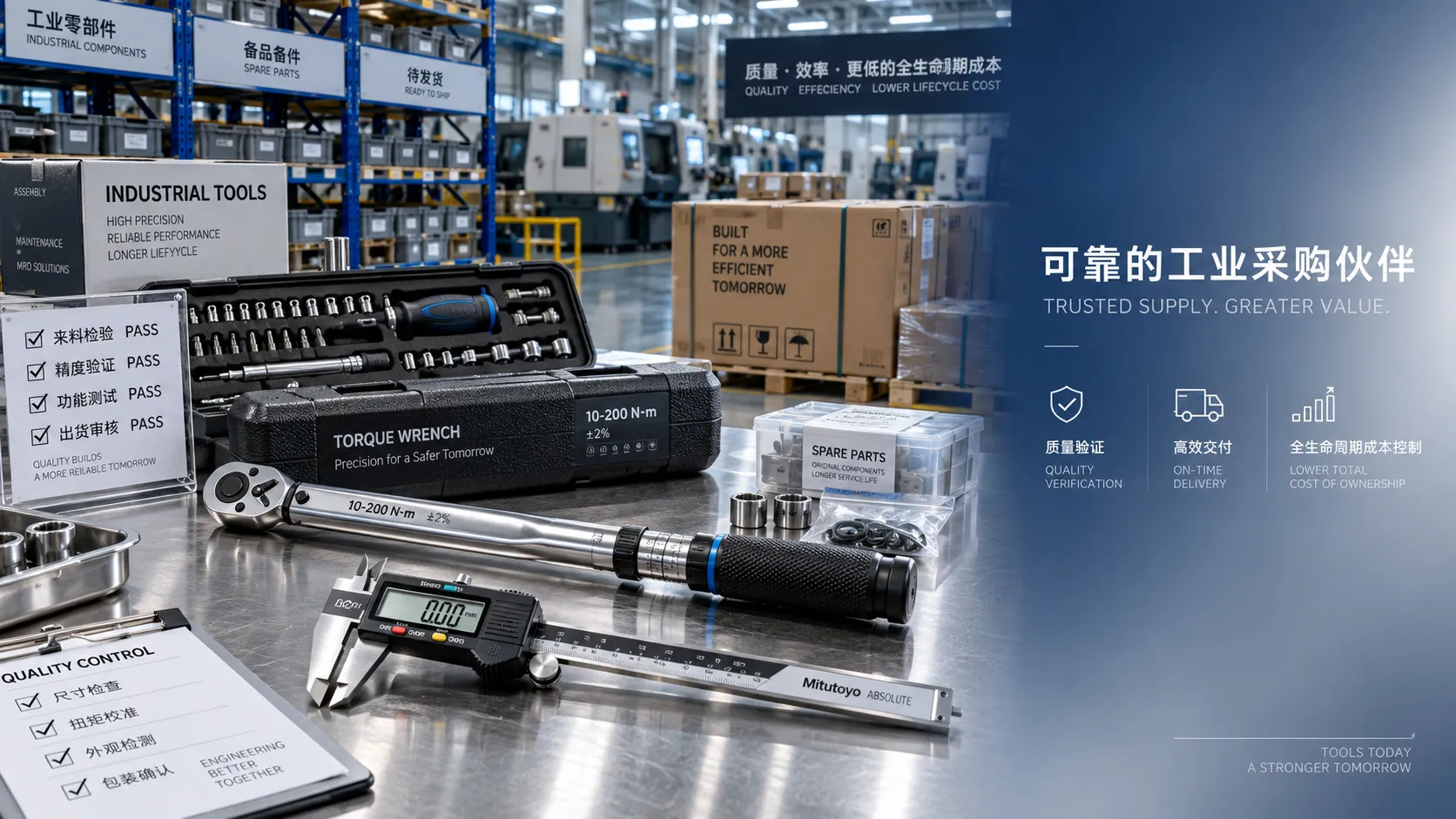
How to Compare Industrial Tool Suppliers for Quality, Lead Time, and Total Cost
Industrial tool selection supplier comparison made simple: evaluate quality, lead times, total cost, service, and supply resilience for confident sourcing decisions.
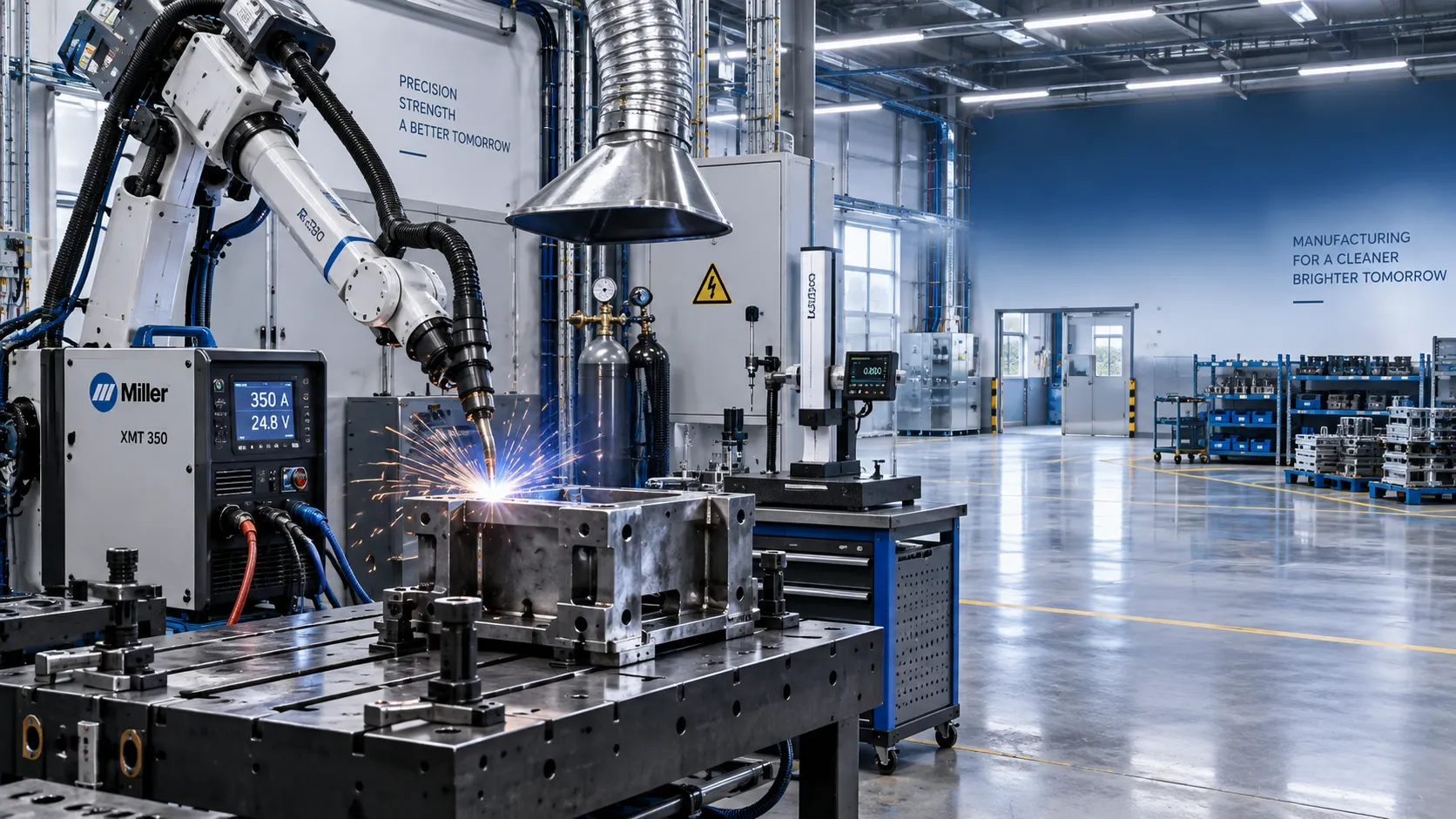
Industrial Equipment Application Guidance: Match Machines to Operating Conditions
Application guidance industrial equipment: match capacity, duty cycle, materials, site conditions, safety, and lifecycle cost to improve reliable output. Read the guide.
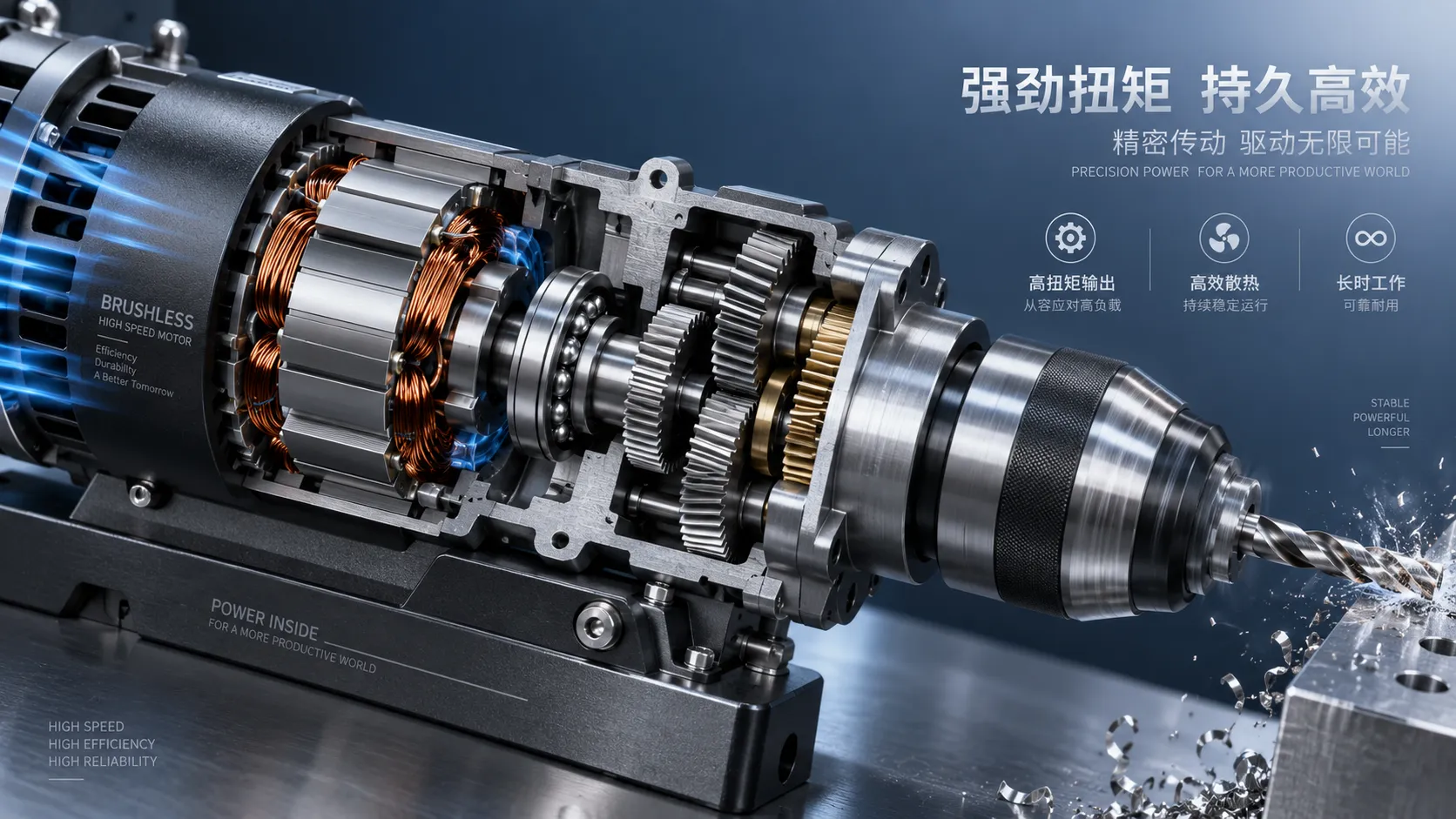
Selecting High-Speed Brushless Tool Motors for Torque, Heat, and Duty Cycle
High speed brushless tool motors: learn how to balance torque, heat, gearing, and duty cycle for reliable industrial tool performance and longer service life.
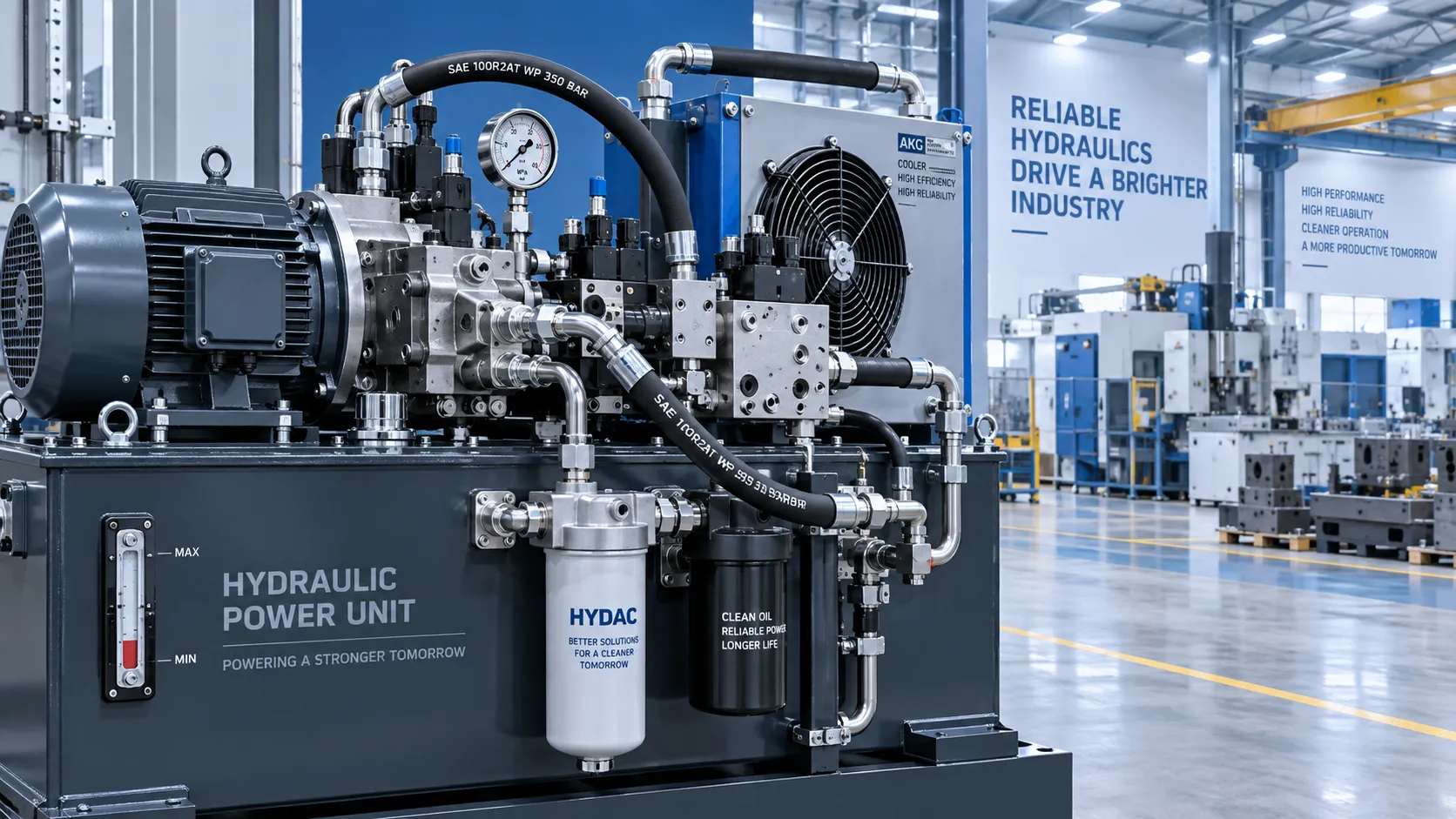
What Determines Industrial Hydraulic System Price for Heavy-Duty Equipment?
Industrial hydraulic system price depends on duty cycle, pressure, components, cooling, and integration. Compare quotes intelligently to secure reliable heavy-duty performance.
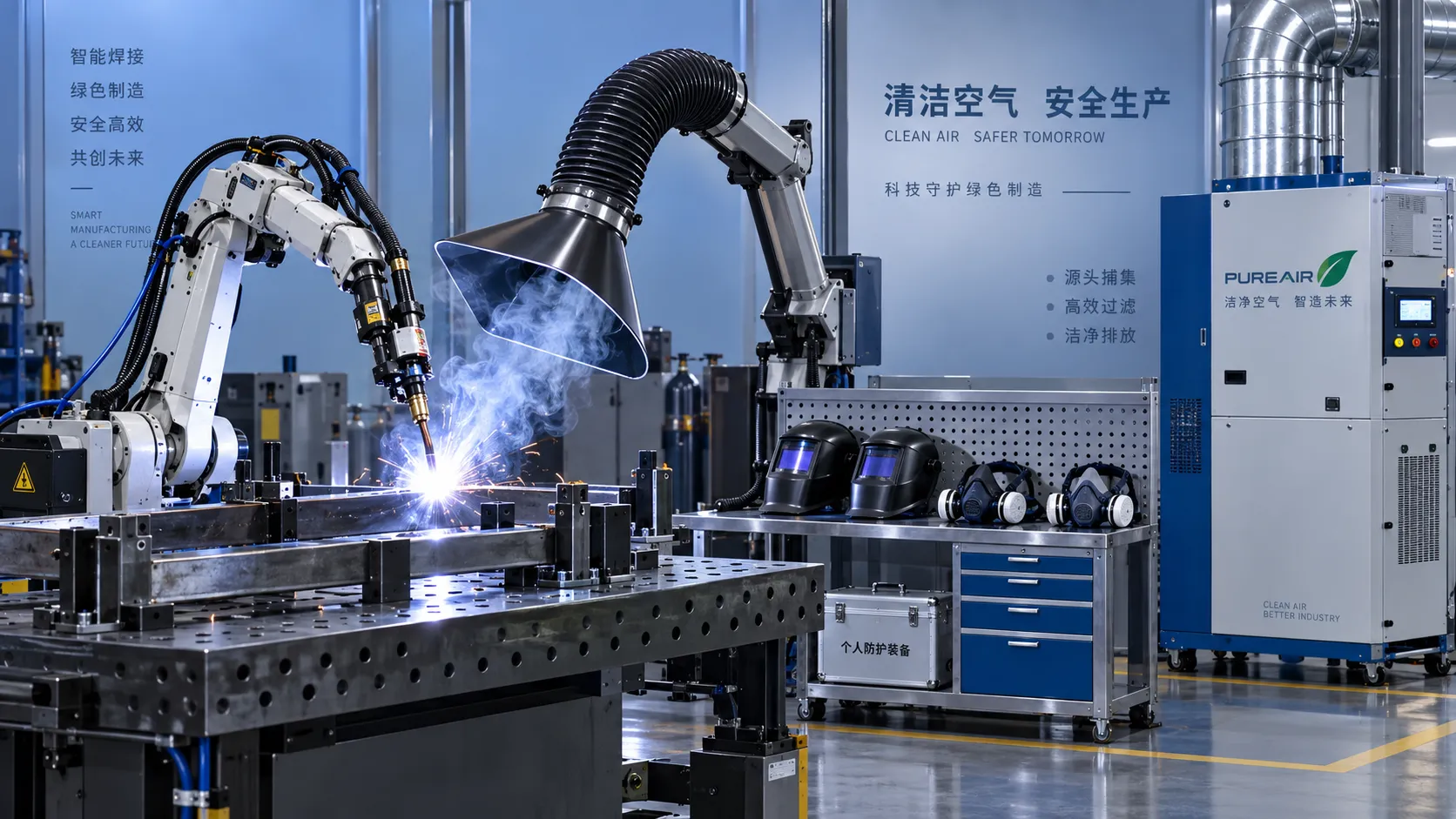
Welding Fume Extraction PPE: When Respirators Are Not Enough for Shop Safety
Welding fume extraction PPE: learn why respirators alone fall short and how source capture, ventilation, and layered controls improve shop safety.
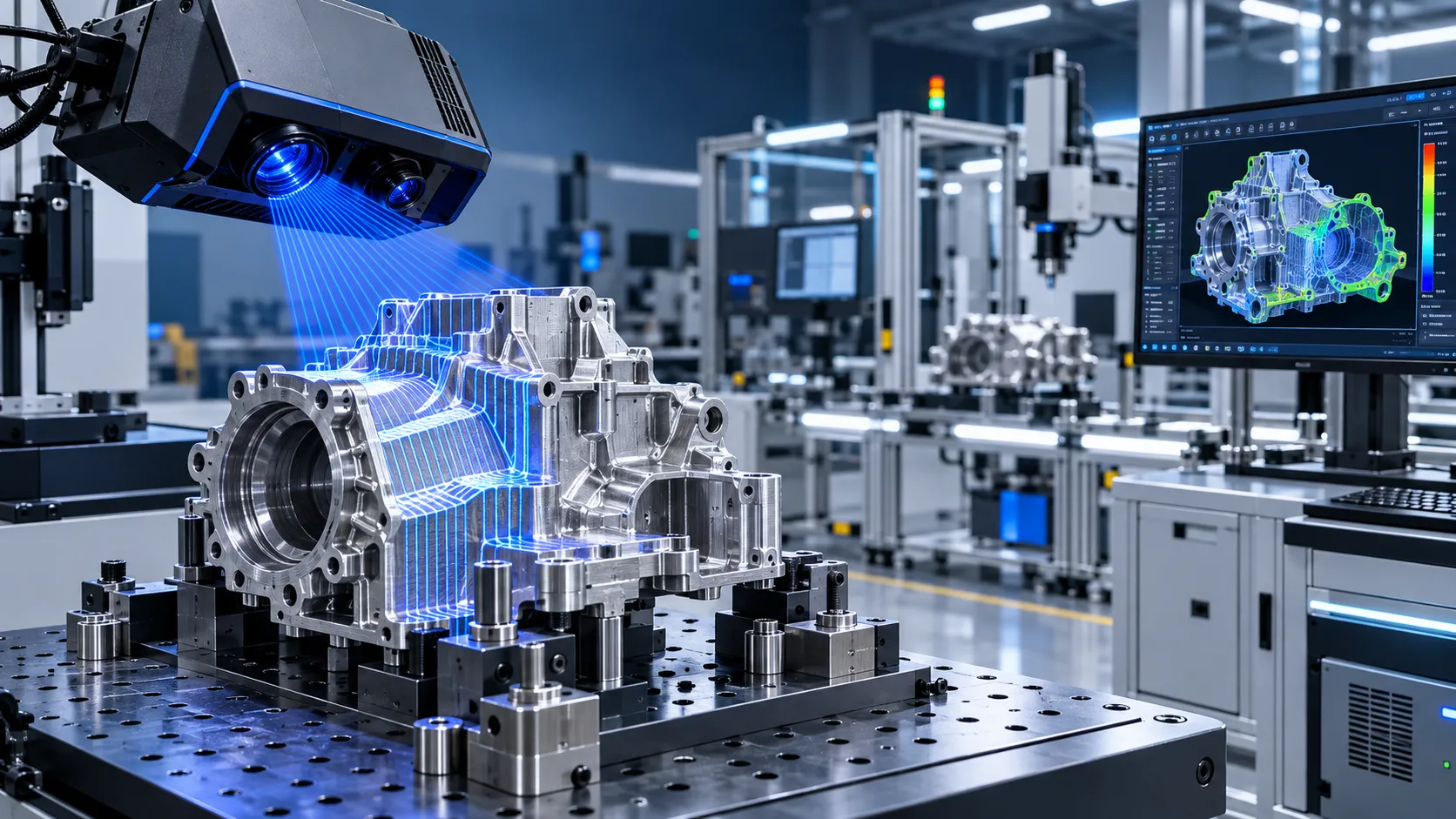
How to Select Optical Metrology Solutions for Tight-Tolerance Manufacturing
Optical industrial metrology solutions for tight-tolerance manufacturing: evaluate accuracy, surface compatibility, workflow, and traceability to select with confidence.
Related News
- 00
0000-00
How to Select Battery Assembly Tools for Torque Control and High-Volume Production - 00
0000-00
How Battery, Torque, and Duty Cycle Affect Cordless Power Tool Efficiency - 00
0000-00
How to Size High-Torque Tool Motors for Continuous-Duty Assembly Lines - 00
0000-00
How to Choose 24V Brushless Tool Motors for Torque, Runtime, and Duty Cycle? - 00
0000-00
Automotive Repair Tools List: What Every Workshop Needs for Daily Service Jobs
Electro-Mech Tool Designer
Weekly Insights
Stay ahead with our curated technology reports delivered every Monday.