
How power tool efficiency cuts costs without losing output





For finance decision-makers, power tool efficiency is not just a technical upgrade—it is a direct lever for cost control, asset utilization, and output stability. By reducing energy waste, maintenance frequency, and downtime without sacrificing performance, efficient tools help manufacturers protect margins in a volatile market. This article explores how smarter tool choices translate into measurable operational and financial gains.
Why power tool efficiency matters to financial approval teams
In industrial assembly, metal joining, repair, and precision maintenance, the purchase price of a tool is only the visible part of the expense. Finance teams must approve the full cost of ownership, including electricity, consumables, unplanned maintenance, operator fatigue, and production interruptions.
That is why power tool efficiency deserves closer attention. A more efficient tool does not simply consume less energy. It often converts more input into usable torque, speed, or cutting force, maintains output under load, and reduces the hidden losses that weaken profitability.
For a financial approver, the real question is straightforward: can a higher-efficiency tool cut operating cost without slowing work? In many industrial settings, the answer is yes—especially where tools run across multiple shifts, support critical assembly steps, or operate in environments where downtime is expensive.
- Lower energy draw across repeated daily cycles can reduce total utility cost, especially in facilities using dozens or hundreds of electric tools.
- Better thermal management may extend motor life, reduce service intervals, and lower replacement frequency for wearable components.
- Stable performance under load helps maintain takt time, decreasing the financial impact of slowdowns, rework, and missed dispatch windows.
Where the cost savings actually come from
Finance departments often see “efficiency” framed as a technical feature. In practice, power tool efficiency affects several cost lines at once. The most useful way to evaluate it is through operational cash impact rather than marketing language.
Direct and indirect savings channels
- Energy savings: efficient motors and electronic controls waste less power as heat during drilling, fastening, grinding, and cutting.
- Maintenance savings: reduced overheating and smoother load handling can decrease brush wear, bearing stress, and gearbox strain.
- Downtime reduction: tools that hold output more consistently are less likely to stall, trip protection systems, or require frequent cool-down periods.
- Labor productivity: when operators complete the same task faster or with fewer passes, the labor cost per unit declines.
- Quality protection: controlled torque and speed can reduce scrap, stripped fasteners, poor weld preparation, and dimensional inconsistency.
These savings matter even more in mixed industrial environments, where tools support construction maintenance, automotive repair, fabrication workshops, aerospace servicing, and distributor-led aftersales networks. In such settings, tool fleets are diverse, and small efficiency gains scale quickly.
How to compare efficient and standard tools without relying on headline price
The table below gives finance reviewers a practical comparison framework. It focuses on the operating behaviors that shape payback, not only the initial invoice amount. This is where power tool efficiency should be evaluated.
The key takeaway is simple: a cheaper tool can cost more over its service life if it increases rework, operator time, or maintenance interruptions. For finance teams, efficiency should therefore be tied to payback horizon, throughput protection, and asset utilization.
Which technical indicators signal real power tool efficiency?
Not every specification is equally useful for procurement. Financial approvers do not need engineering-level detail on every component, but they do need to know which performance indicators affect operating economics.
Metrics worth checking during approval
- Loaded performance, not no-load speed alone. A tool that looks fast on paper may lose speed quickly in real work.
- Motor architecture. In many use cases, brushless systems improve control, reduce wear points, and support better power tool efficiency.
- Thermal behavior. Excess heat is a direct sign of energy loss and a frequent trigger of shortened service life.
- Torque control accuracy. For fastening and assembly, this affects both quality and scrap cost.
- Duty cycle suitability. Tools selected below the real workload often fail earlier, even if they look economical at purchase.
GPTWM’s Strategic Intelligence Center closely tracks these technical and commercial intersections. Its reporting on brushless motor limits, intelligent torque systems, and industrial tool demand helps decision-makers judge whether a premium feature is a real cost saver or just a costly over-specification.
In which industrial scenarios does power tool efficiency deliver the fastest return?
Return on investment is not equal across all applications. Power tool efficiency creates the strongest financial case where use intensity is high, downtime is costly, or process quality affects downstream operations.
The following table maps common scenarios to likely value drivers, helping finance teams identify where efficient tools should be prioritized first.
This scenario view also helps with phased investment. Instead of replacing every tool at once, companies can target the areas where efficient tools protect the most revenue or eliminate the highest recurring cost.
How finance teams should evaluate total cost of ownership
A disciplined approval process should move beyond unit price and ask how the tool behaves over its practical life. This is especially important when procurement teams compare standard electric tools, brushless alternatives, and smart connected systems.
A practical TCO checklist
- Estimate annual operating hours per tool, including peak seasonal usage and shift intensity.
- Review expected maintenance events, spare-part availability, and labor time for service.
- Calculate downtime cost in the actual process, not just workshop averages.
- Check whether improved power tool efficiency reduces scrap, defects, or inconsistent fastening results.
- Consider training needs and whether operators can use advanced features correctly from day one.
In many cases, the financial difference between two tools becomes clear only after downtime and quality variation are monetized. A model with a slightly higher upfront cost may recover the premium quickly if it removes recurring hidden losses.
What procurement should ask suppliers before approving an efficient tool program
A sound purchasing decision depends on the right questions. Finance approvers benefit when procurement and operations align around measurable criteria instead of generic claims about performance.
Use the table below to structure internal review and supplier discussions around power tool efficiency, operating fit, and commercial risk.
These questions are especially relevant in cross-border sourcing, where freight timing, documentation, and export restrictions can all influence the real landed cost. GPTWM’s market intelligence is useful here because it connects tool technology with trade conditions and sector demand shifts.
Common mistakes that weaken the financial return of power tool efficiency
Mistake 1: Buying for nameplate power instead of task efficiency
A higher watt or voltage figure does not automatically mean better economics. If the tool wastes energy as heat, struggles under real load, or requires frequent stops, operating cost can still be high.
Mistake 2: Ignoring operator ergonomics
Fatigue affects output quality and pace. In repetitive industrial work, vibration, balance, grip design, and trigger control all influence how efficiently labor is converted into finished work.
Mistake 3: Treating every workshop area the same
Some stations justify premium efficient tools immediately, while others do not. Finance teams improve return by segmenting applications according to usage hours, criticality, and quality sensitivity.
Mistake 4: Skipping implementation discipline
Even strong tools underperform if operators use the wrong accessories, overload the motor, or miss service checks. Efficiency gains should be supported by clear setup standards and maintenance routines.
FAQ: practical questions finance decision-makers ask
How can we justify a higher purchase price for an efficient tool?
Build the case on annual operating hours, downtime cost, maintenance frequency, and quality impact. If the application is repetitive or production-critical, improved power tool efficiency often pays back faster than expected because labor and interruption costs exceed the purchase premium.
Which departments should be involved in approval?
At minimum, include finance, procurement, maintenance, and the production or service team using the tool. This prevents decisions based only on list price and ensures the selected model matches duty cycle, safety needs, and process demands.
Are efficient tools only relevant for large factories?
No. Smaller workshops, service contractors, and distributors also benefit when a tool is used frequently or supports high-value work. In these cases, a single failure or repeated slowdown can have a disproportionate effect on margin and delivery performance.
What compliance points should we review?
Review general electrical safety documentation, intended-use statements, and any application-specific requirements relevant to your market. If the tool supports regulated maintenance or export business, document control becomes part of cost control.
Why GPTWM is a useful partner for evaluating efficient tool investments
Finance decisions improve when technical evaluation and market intelligence are connected. GPTWM is positioned around the last mile of industrial manufacturing, where assembly performance, welding quality, metrology discipline, and tool economics meet.
Its Strategic Intelligence Center tracks the issues that matter during approval: raw material movement, export restrictions, brushless motor efficiency limits, handheld laser welding safety trends, and the rise of IoT-based torque control. This broader perspective helps decision-makers avoid narrow, short-term purchasing logic.
- Use sector intelligence to compare where power tool efficiency creates real cost leverage by industry and application.
- Review commercial insight alongside technical specifications to improve sourcing confidence.
- Align tool selection with broader manufacturing goals such as digital factory readiness, ergonomic improvement, and service reliability.
Contact us for cost-focused tool evaluation and sourcing guidance
If you are reviewing a tool upgrade, GPTWM can help you assess power tool efficiency from both operational and financial angles. This is especially valuable when you need to defend budget decisions across procurement, production, and management teams.
You can contact us to discuss parameter confirmation, application-based product selection, expected delivery cycles, compliance document requirements, sample evaluation logic, and quotation communication for different industrial scenarios.
For finance approvers, the goal is not simply to buy a better tool. It is to fund a more economical process. When efficient tools are matched correctly to workload, they reduce waste, protect output, and support stronger margin control without compromising production performance.
Related News
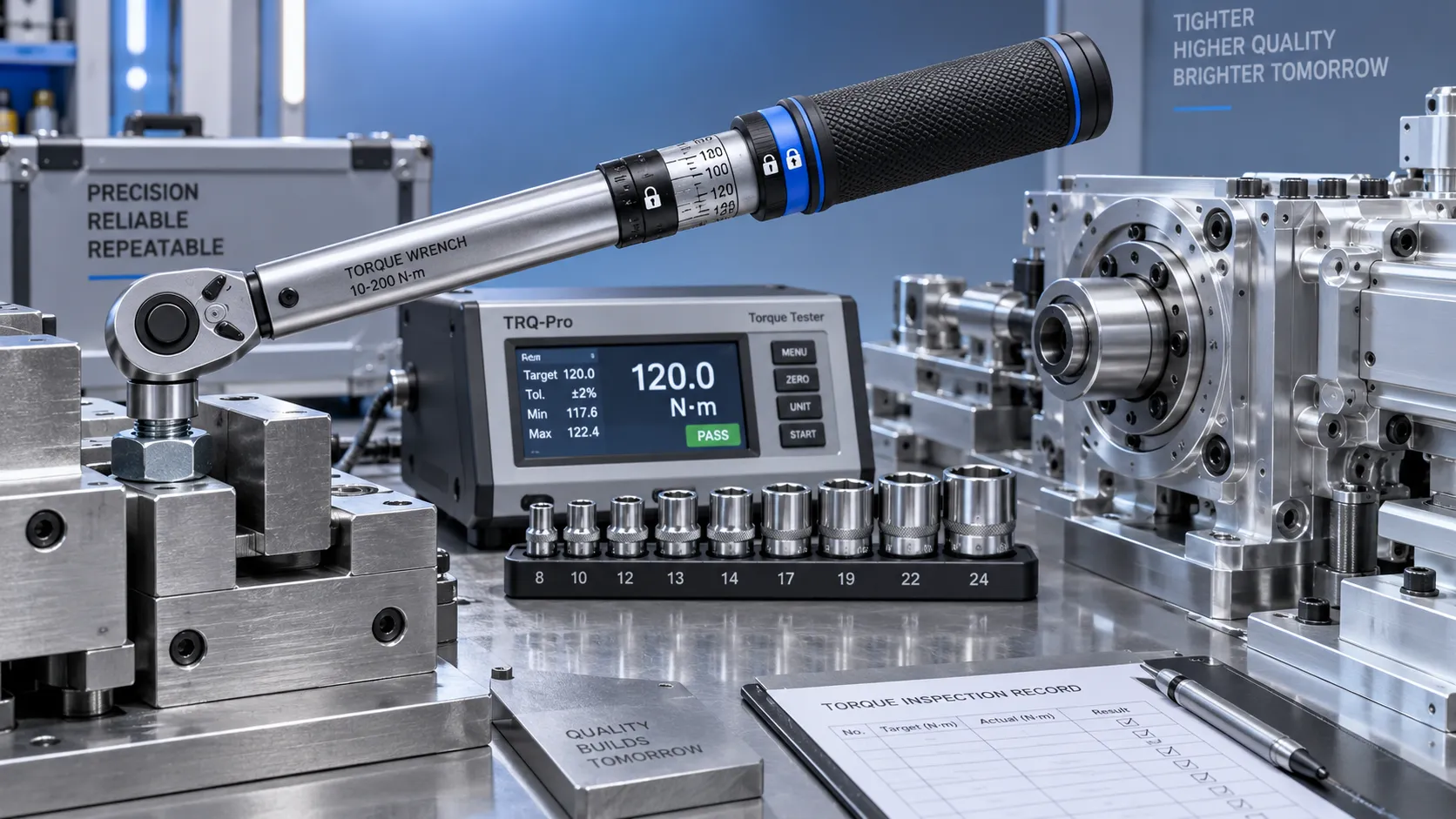
Selecting Adjustable Torque Tools for Repeatable Fastener Assembly
Adjustable torque tools: learn how to match range, accuracy, control methods, calibration, and ergonomics for repeatable, reliable fastener assembly.

How to Select Aerospace Inspection Tools for Aircraft Maintenance Tasks
Aerospace maintenance inspection tools: learn how to select reliable, traceable equipment for aircraft access, accuracy, calibration, and compliant maintenance decisions.

How to Select Wire Bonding Tools for Fine-Pitch Semiconductor Packaging
Explore semiconductor manufacturing tools for wire bonding and learn how to select precision solutions for fine-pitch packaging, reliable loops, accuracy, and yield.
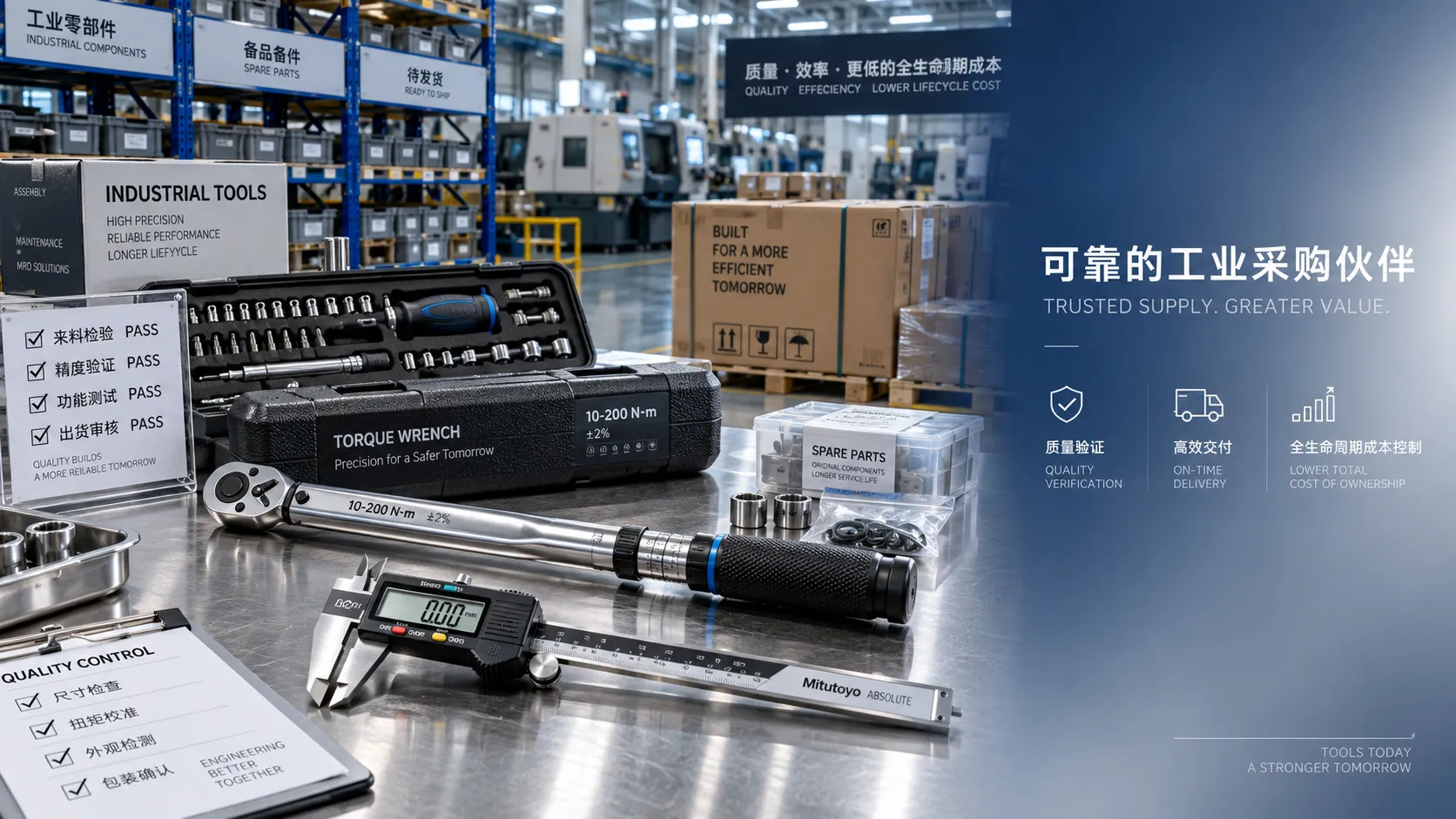
How to Compare Industrial Tool Suppliers for Quality, Lead Time, and Total Cost
Industrial tool selection supplier comparison made simple: evaluate quality, lead times, total cost, service, and supply resilience for confident sourcing decisions.

Industrial Equipment Application Guidance: Match Machines to Operating Conditions
Application guidance industrial equipment: match capacity, duty cycle, materials, site conditions, safety, and lifecycle cost to improve reliable output. Read the guide.
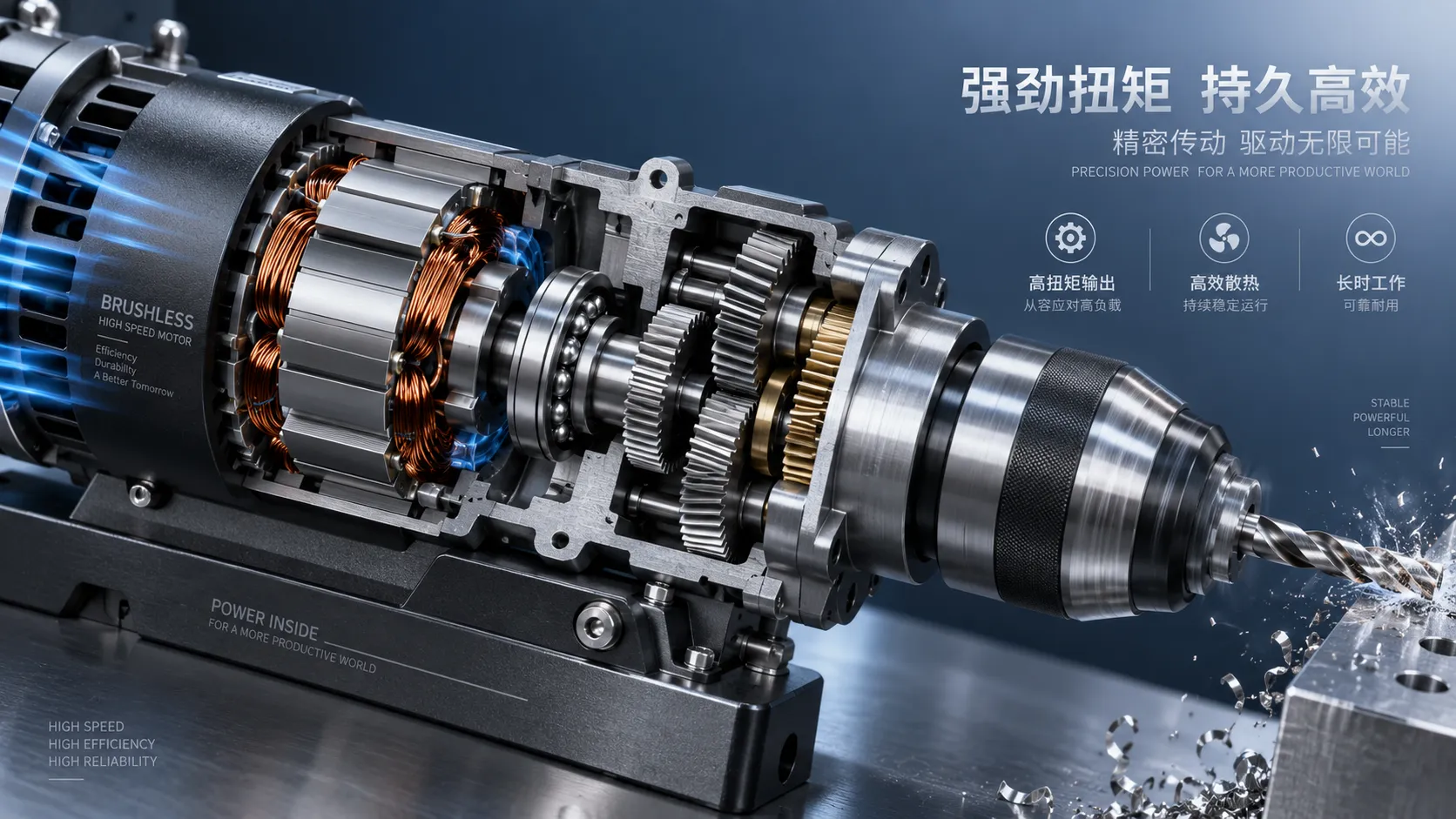
Selecting High-Speed Brushless Tool Motors for Torque, Heat, and Duty Cycle
High speed brushless tool motors: learn how to balance torque, heat, gearing, and duty cycle for reliable industrial tool performance and longer service life.
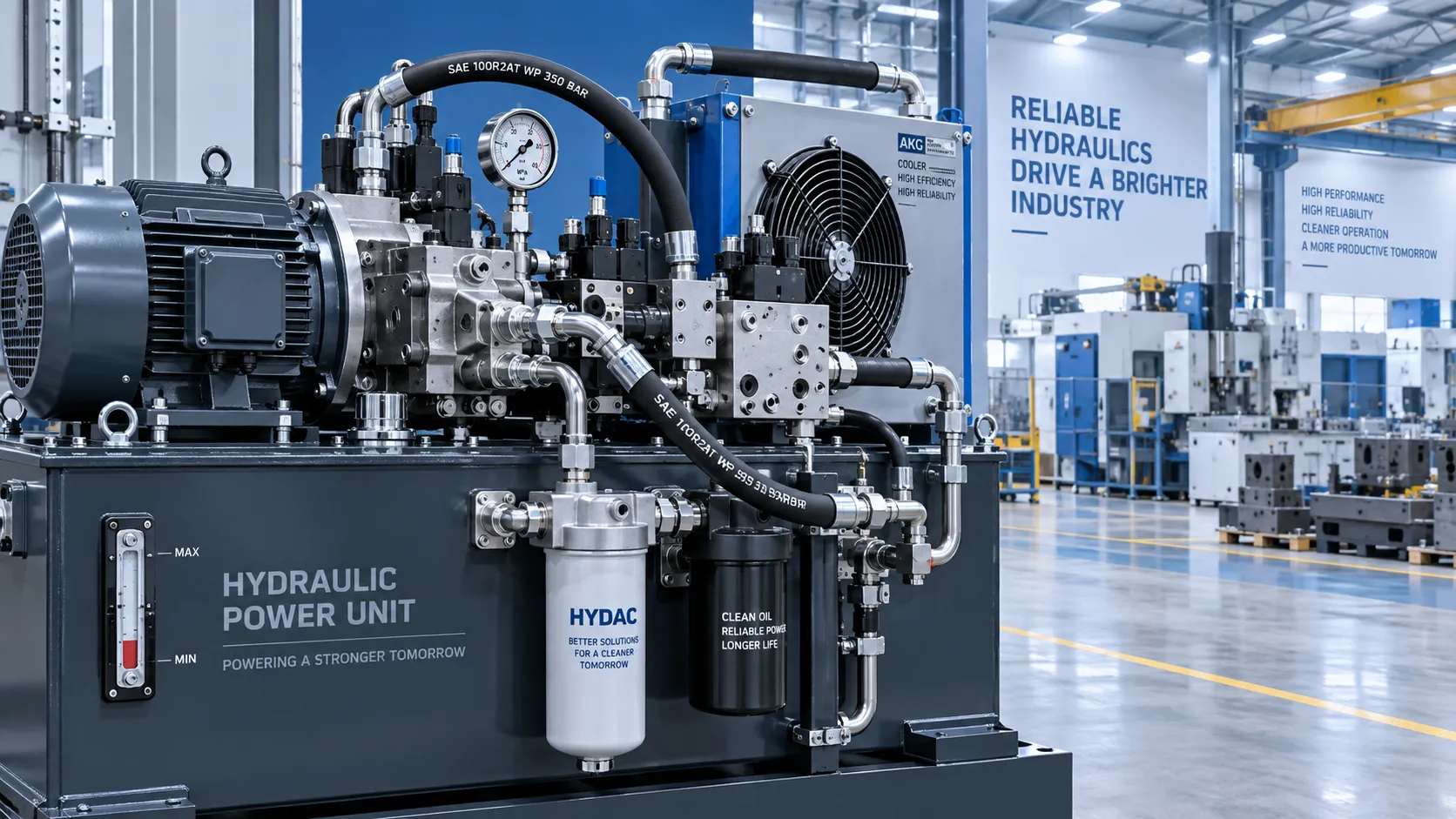
What Determines Industrial Hydraulic System Price for Heavy-Duty Equipment?
Industrial hydraulic system price depends on duty cycle, pressure, components, cooling, and integration. Compare quotes intelligently to secure reliable heavy-duty performance.

Welding Fume Extraction PPE: When Respirators Are Not Enough for Shop Safety
Welding fume extraction PPE: learn why respirators alone fall short and how source capture, ventilation, and layered controls improve shop safety.

How to Select Optical Metrology Solutions for Tight-Tolerance Manufacturing
Optical industrial metrology solutions for tight-tolerance manufacturing: evaluate accuracy, surface compatibility, workflow, and traceability to select with confidence.
Related News
- 00
0000-00
How to Select Battery Assembly Tools for Torque Control and High-Volume Production - 00
0000-00
How Battery, Torque, and Duty Cycle Affect Cordless Power Tool Efficiency - 00
0000-00
How to Size High-Torque Tool Motors for Continuous-Duty Assembly Lines - 00
0000-00
How to Choose 24V Brushless Tool Motors for Torque, Runtime, and Duty Cycle? - 00
0000-00
Automotive Repair Tools List: What Every Workshop Needs for Daily Service Jobs
Electro-Mech Tool Designer
Weekly Insights
Stay ahead with our curated technology reports delivered every Monday.