
Which metalworking tools last longer under daily use?





For operators who rely on metalworking tools every day, durability is more than a cost issue—it directly affects safety, precision, and workflow efficiency.
The answer depends on use conditions, tool design, maintenance discipline, and workload intensity.
Some metalworking tools survive years of daily service, while others degrade quickly under heat, vibration, dust, and overload.
This guide explains which metalworking tools last longer under daily use, how to judge them by application, and what habits extend service life.
Why daily-use scenarios change how metalworking tools wear out
Durability is never universal. A grinder used on stainless steel behaves differently from a caliper used at inspection benches.
In the broader industrial landscape, the longest-lasting metalworking tools are usually those matched precisely to load, duty cycle, and environment.
GPTWM tracks this through field intelligence on assembly, welding, and metrology workflows.
The core lesson is simple: tool lifespan rises when engineering quality and application fit work together.
In heavy grinding and cutting, simple robust designs often last longer
Angle grinders, chop saws, and abrasive cutoff tools face constant dust, shock, and thermal stress.
In this scenario, metalworking tools with sealed bearings, strong gear housings, and brushless motors usually outlast lighter consumer-grade units.
What to look for in daily grinding environments
- High-quality steel gears with precise heat treatment
- Effective dust protection around switches and air paths
- Brushless motor systems with temperature control
- Balanced spindle design to reduce vibration fatigue
- Overload protection that prevents silent internal damage
Among powered metalworking tools, industrial brushless grinders often deliver the best long-term value under everyday cutting and deburring.
However, lifespan still depends on wheel selection, cooling pauses, and avoiding side-loading beyond design limits.
In drilling and tapping work, torque control matters more than raw power
Daily drilling in steel, cast iron, or aluminum puts heavy strain on motors, chucks, and spindle bearings.
The metalworking tools that last longer here are not always the strongest on paper.
They are usually the ones with stable torque output, low runout, and reliable clutch or speed control systems.
Best durability signals for drilling tools
Look for all-metal gearboxes, hardened spindle assemblies, and chucks that resist slippage under repeated load.
Magnetic drills used within proper cutter ranges often last impressively long because they are engineered for steady, task-specific performance.
By contrast, general-purpose drills pushed into oversized holes often fail early from heat and bearing wear.
In welding support and fabrication prep, hand tools often outlast powered units
Not all metalworking tools depend on motors. Files, clamps, vises, hammers, scribers, and layout tools can last decades.
For daily fabrication support, forged hand tools often outperform low-cost powered alternatives in total service life.
Why manual tools can be the durability leaders
- Fewer moving parts mean fewer failure points
- Forged alloy steel resists cracking and deformation
- Surface treatments reduce corrosion in humid shops
- Replaceable jaws and wear parts extend usable life
A high-quality machinist vise, welding clamp, or hardened center punch may outlast several generations of cheaper tools.
For this reason, many long-term shops build durability around core hand-operated metalworking tools first.
In precision measurement, longevity depends on protection more than force resistance
Calipers, micrometers, indicators, and gauges face a different kind of wear.
These metalworking tools do not usually fail from brute load. They fail from contamination, shock, neglect, and poor storage.
High-end metrology tools with hardened measuring faces and stable frame geometry often remain accurate for years.
Yet even premium instruments degrade quickly if coolant, chips, and impact are ignored.
Daily-use measurement tools that typically last longer
Mechanical micrometers often outlast cheap digital calipers in harsh production areas.
Sealed digital calipers from reputable brands also perform well when wipe-down routines and calibration checks are consistent.
How different daily-use scenarios affect metalworking tools
Practical selection tips when comparing daily-use metalworking tools
When evaluating metalworking tools, start with total duty hours rather than purchase price.
A more expensive tool often costs less per month if downtime and replacements are reduced.
Use this checklist before buying
- Match tool rating to actual daily runtime.
- Check housing, gearbox, and bearing quality.
- Review spare parts availability and service support.
- Prefer proven industrial platforms over flashy specifications.
- Assess vibration, heat management, and sealing features.
- Confirm ergonomic comfort for repetitive daily handling.
In global industrial practice, serviceability is one of the strongest indicators of long-lasting metalworking tools.
If brushes, switches, jaws, batteries, or bearings can be replaced easily, useful life expands significantly.
Common mistakes that shorten the life of metalworking tools
Many failures blamed on product quality actually come from preventable mismatch or neglect.
- Using light-duty tools in continuous industrial cycles
- Ignoring dust cleanup around vents and moving parts
- Running dull accessories that overload motors
- Skipping lubrication and calibration intervals
- Storing measuring tools near heat, coolant, or vibration
- Choosing maximum speed instead of correct cutting parameters
The most durable metalworking tools still wear out early when accessory quality is poor or operating habits remain inconsistent.
Which metalworking tools usually last longest under daily use?
Across most environments, forged hand tools, industrial vises, magnetic drills, brushless grinders, and premium micrometers tend to lead in lifespan.
Their common advantage is not marketing. It is sound material choice, application focus, and maintainable construction.
So, which metalworking tools last longer under daily use?
Usually, the winners are purpose-built tools with durable metallurgy, protected internal systems, and realistic workload matching.
Next steps for building a longer-lasting tool mix
Audit current failures by scenario: grinding, drilling, fabrication support, and measurement.
Then compare failure causes against runtime, overload patterns, maintenance gaps, and replacement part access.
Using intelligence-led evaluation, daily-use metalworking tools can be selected more accurately and kept productive much longer.
That approach aligns with GPTWM’s mission: combining craftsmanship, precision, and industrial intelligence for stronger tool performance worldwide.
Related News

In-House vs. Outsourced Aircraft Maintenance: Comparing Total Costs
Compare aerospace maintenance cost for in-house vs. outsourced aircraft upkeep. Discover hidden expenses, downtime impacts, and break-even factors to find the best fit for your fleet.
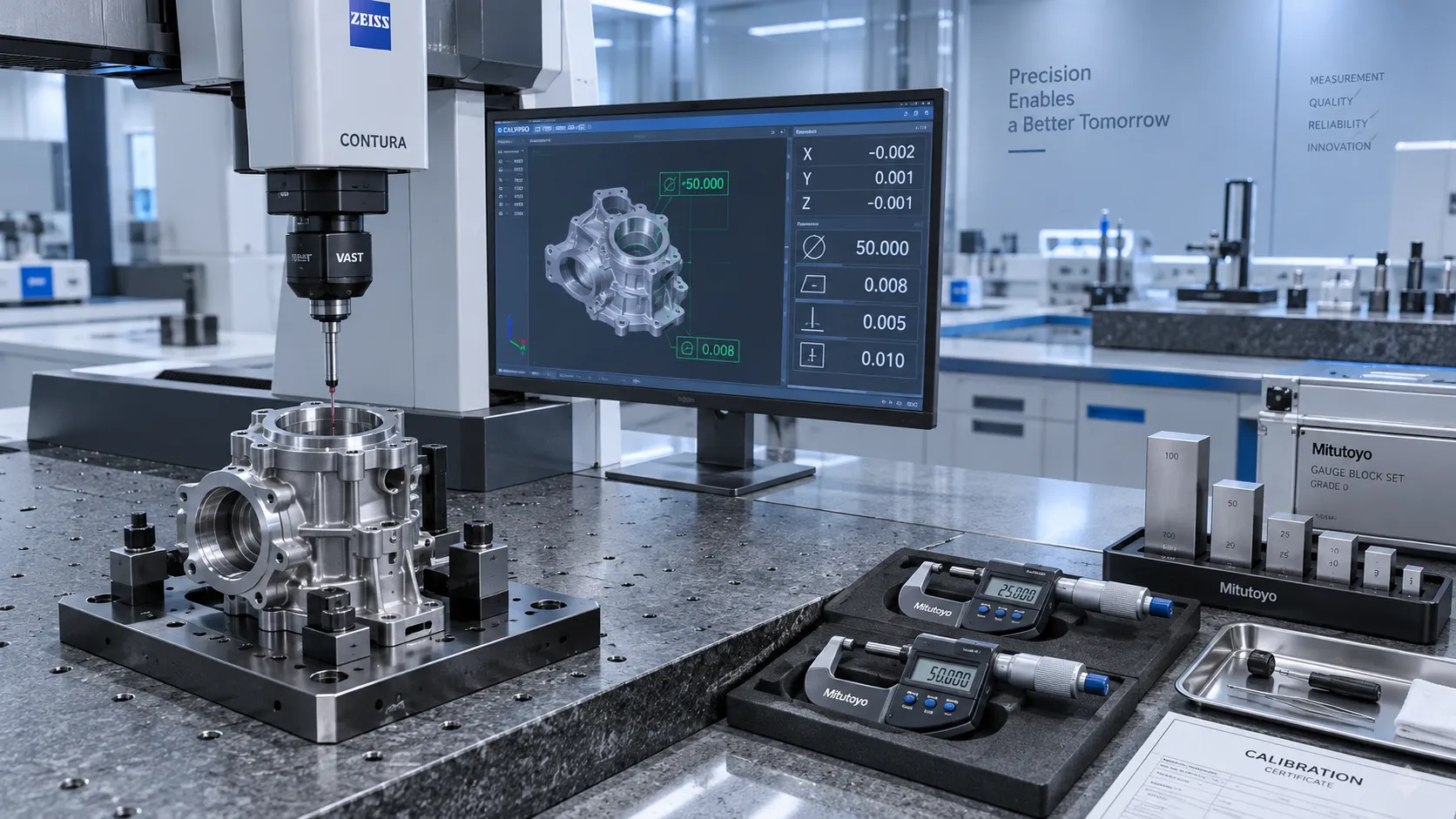
How to Select High-Precision Measuring Instruments for Tight-Tolerance Production?
High-precision measuring instruments are essential for tight-tolerance production. Learn how to evaluate accuracy, repeatability, environment, calibration, and data integration.
How Industrial Innovation Supplier Networks Reduce Sourcing Risk for Manufacturers
industrial innovation supplier network insights help manufacturers reduce sourcing risk, control lifecycle costs, and choose reliable tools, services, and suppliers with confidence.
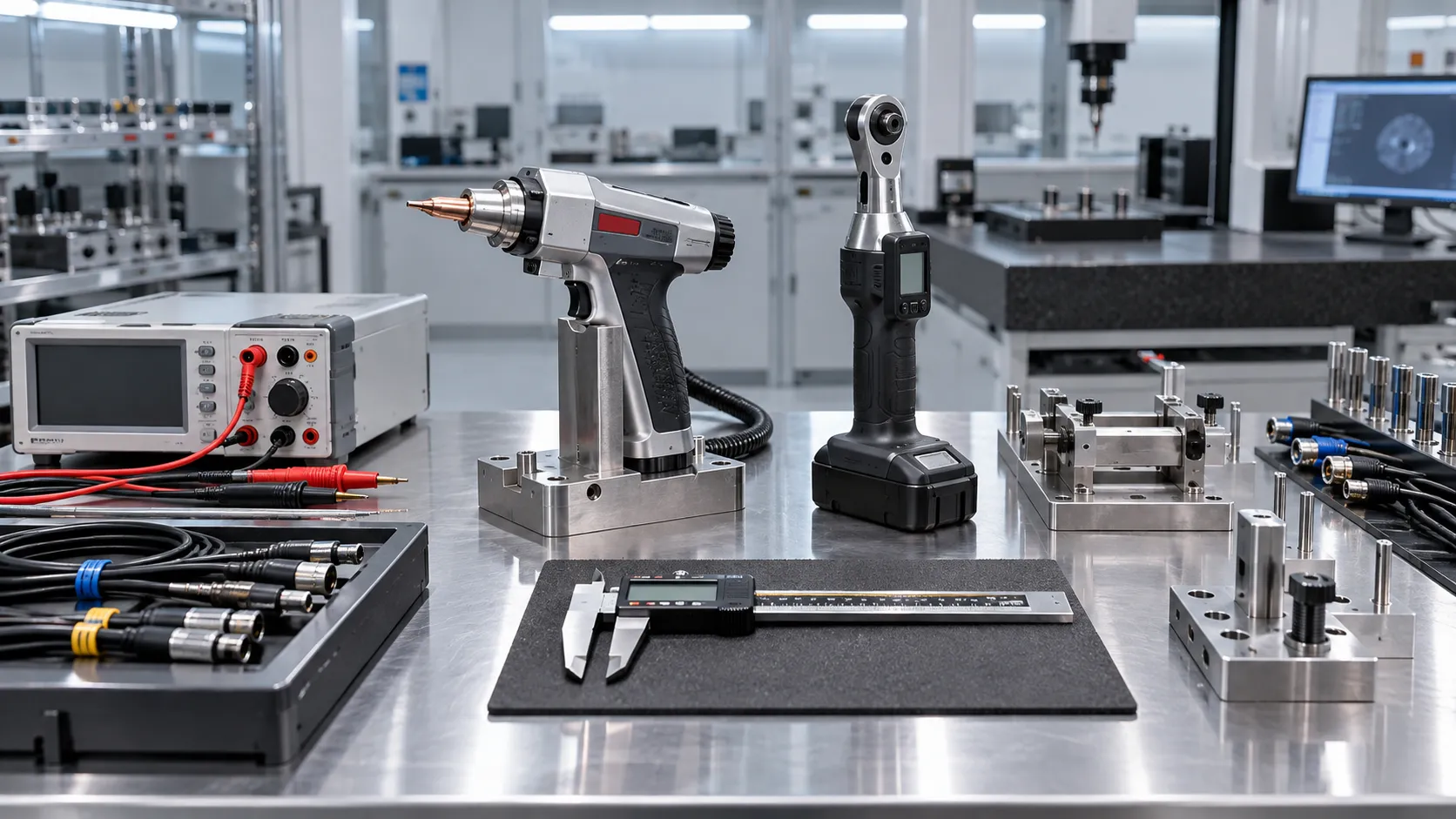
Which Industrial Standards Should Be Checked Before Export?
Which industrial standards should be checked before export? Discover essential compliance steps for industrial tools, welding equipment, laser systems, and metrology products.
What Industrial Automation Exporters Need to Know Before Entering ASEAN Markets
Industrial automation exporter to ASEAN: learn how to navigate compliance, local service, digital readiness, pricing, and market entry for scalable growth.
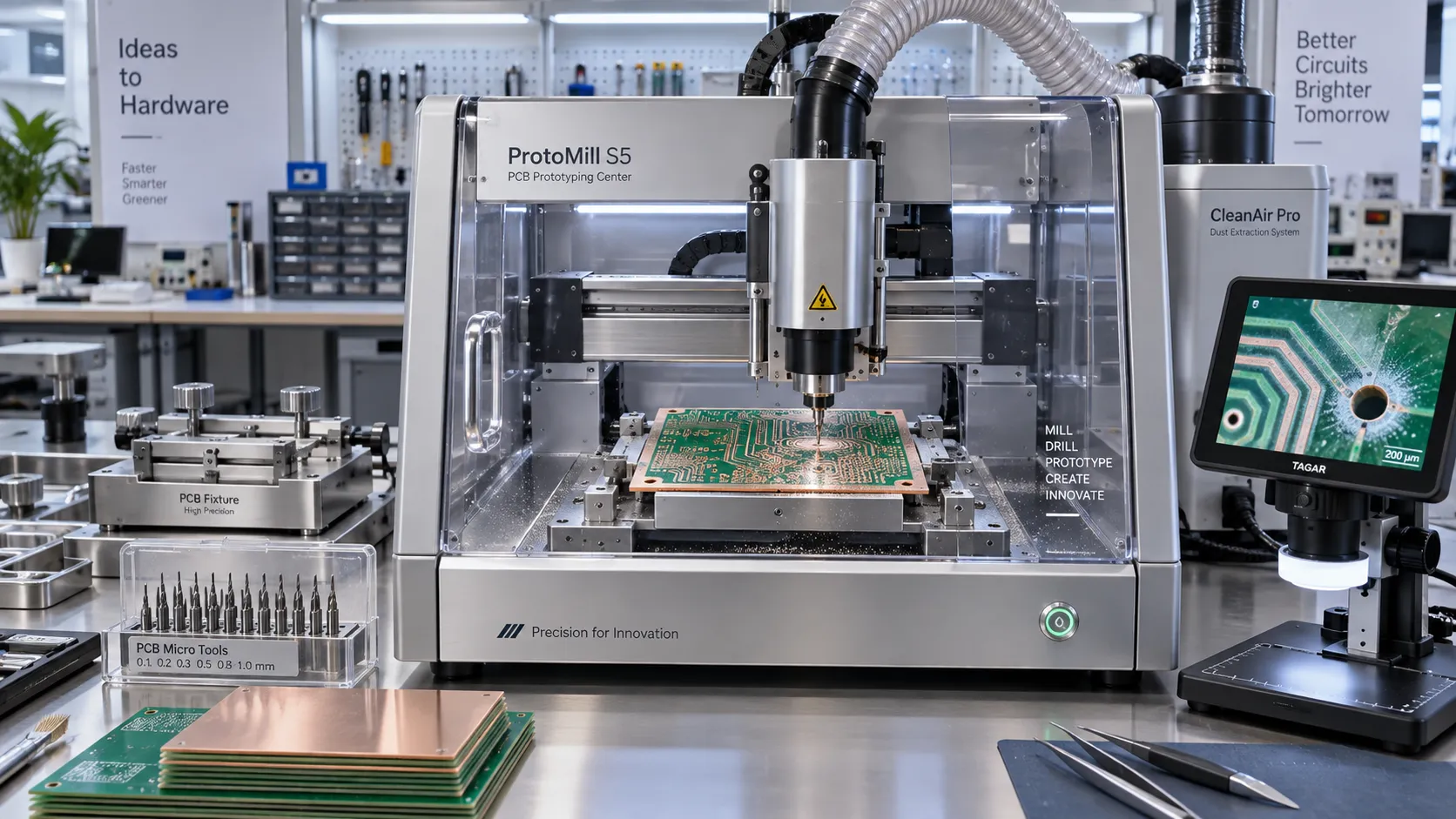
Prototype PCB Manufacturing Equipment: What Engineers Should Evaluate Before Purchase
Prototype PCB manufacturing equipment: discover the key factors engineers should evaluate—from accuracy and materials to software, safety, and ROI—before buying.
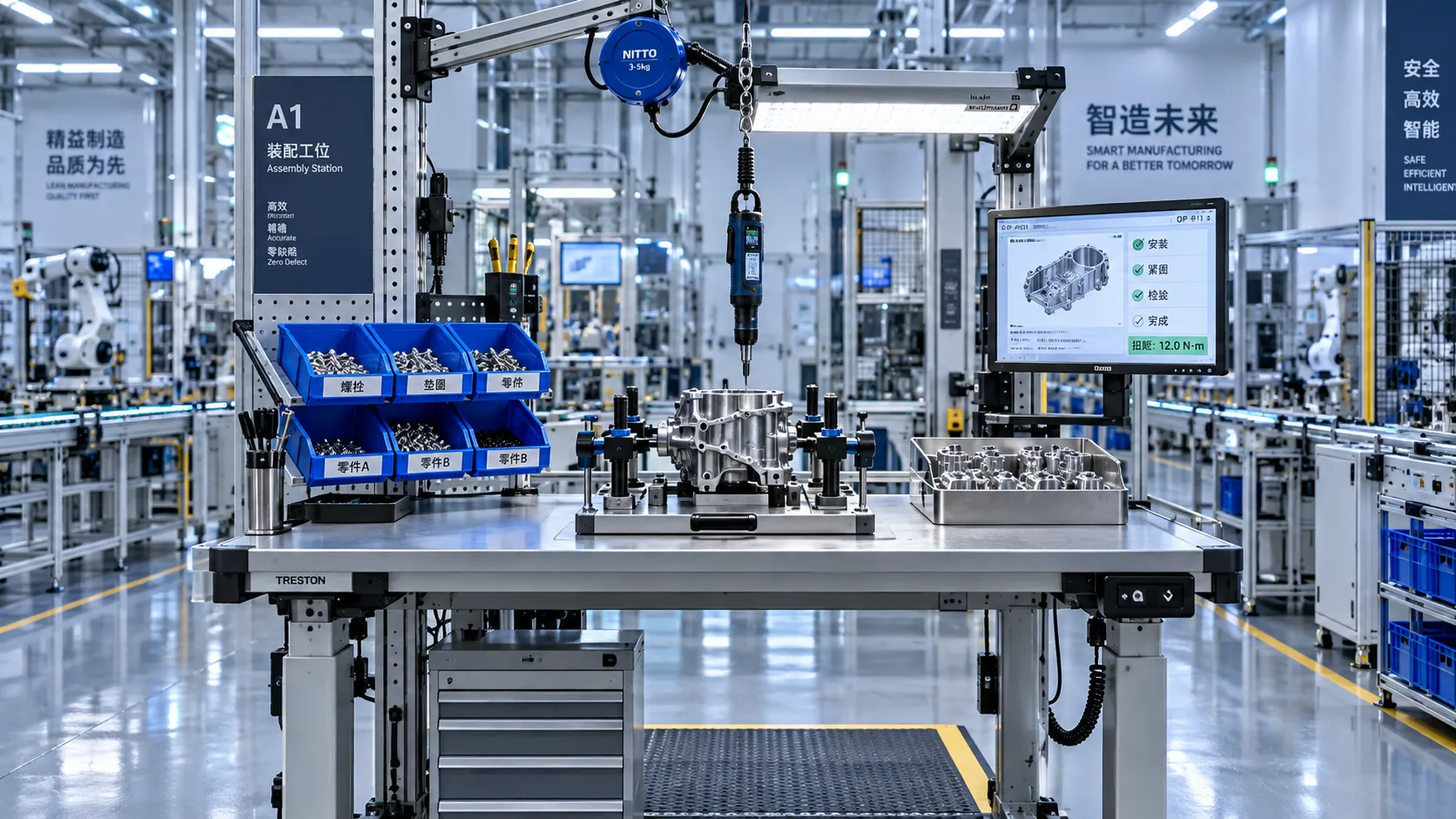
Workplace Ergonomics for Manufacturing: Reducing Repetitive-Strain Risks on Assembly Lines
Workplace ergonomics for manufacturing helps reduce repetitive-strain risks on assembly lines through smarter workstation design, tool selection, task analysis, and quality-focused improvements.
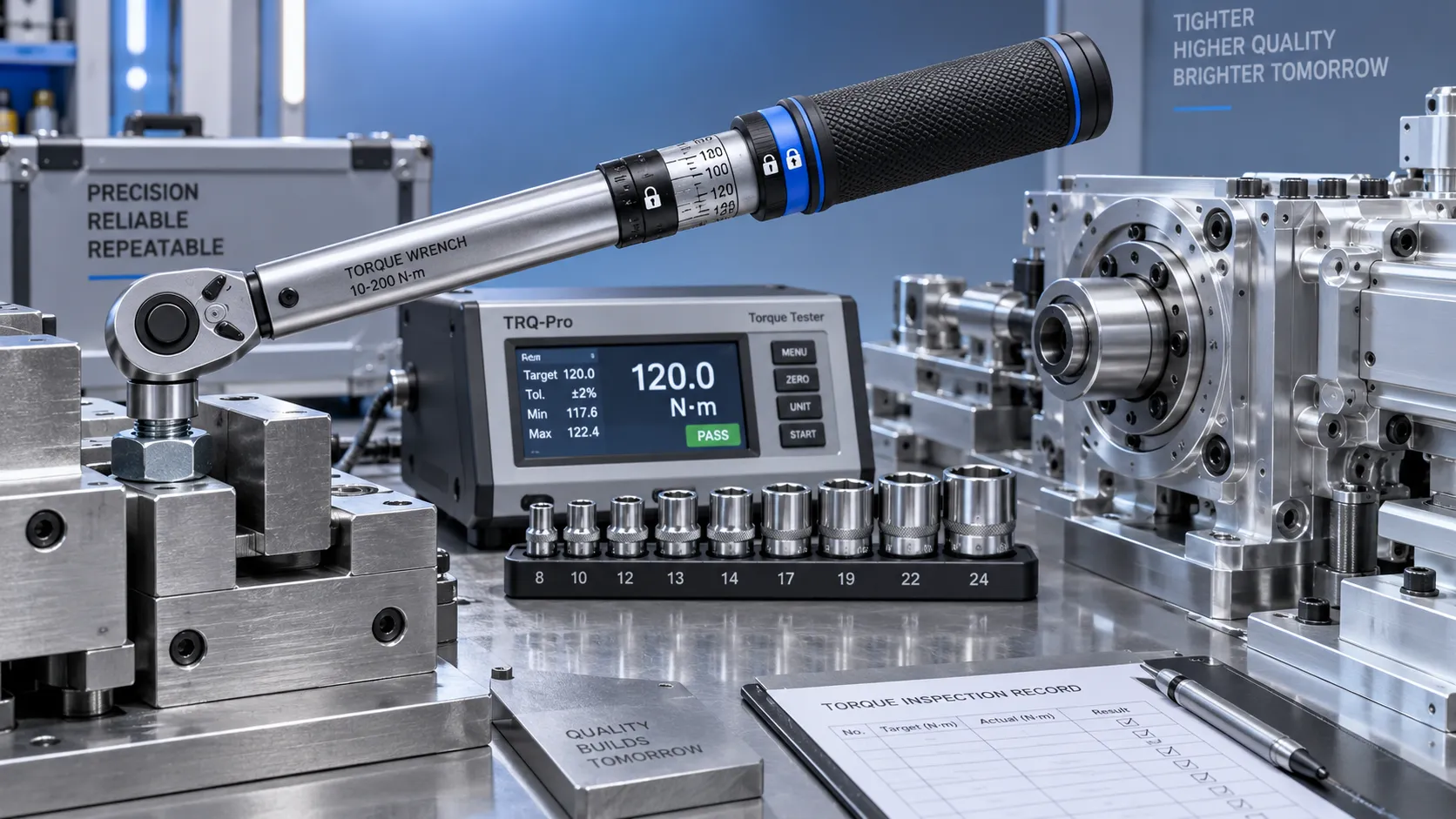
Selecting Adjustable Torque Tools for Repeatable Fastener Assembly
Adjustable torque tools: learn how to match range, accuracy, control methods, calibration, and ergonomics for repeatable, reliable fastener assembly.
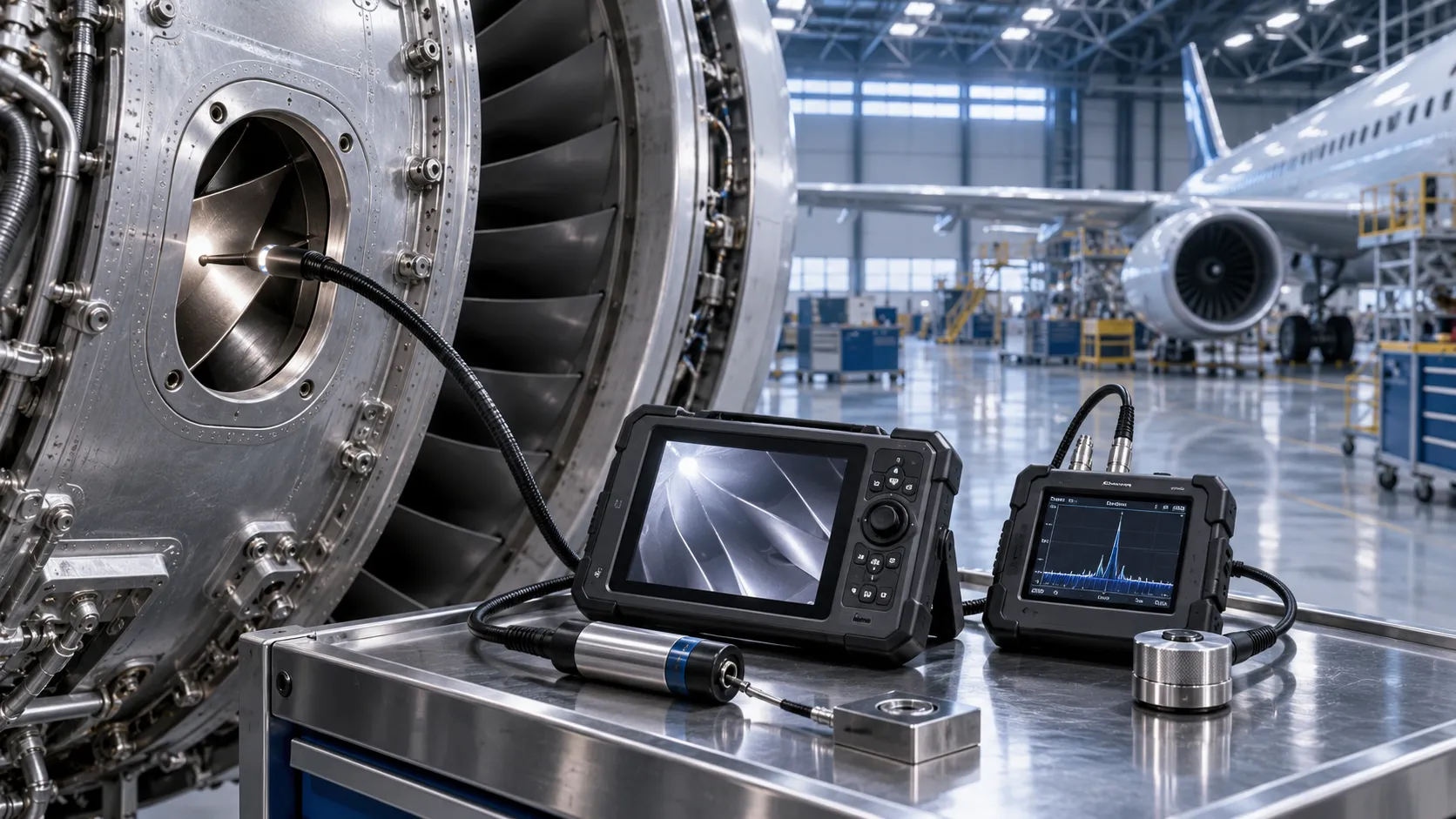
How to Select Aerospace Inspection Tools for Aircraft Maintenance Tasks
Aerospace maintenance inspection tools: learn how to select reliable, traceable equipment for aircraft access, accuracy, calibration, and compliant maintenance decisions.
Related News
- 00
0000-00
How to Select Battery Assembly Tools for Torque Control and High-Volume Production - 00
0000-00
How Battery, Torque, and Duty Cycle Affect Cordless Power Tool Efficiency - 00
0000-00
How to Size High-Torque Tool Motors for Continuous-Duty Assembly Lines - 00
0000-00
How to Choose 24V Brushless Tool Motors for Torque, Runtime, and Duty Cycle? - 00
0000-00
Automotive Repair Tools List: What Every Workshop Needs for Daily Service Jobs
Electro-Mech Tool Designer
Weekly Insights
Stay ahead with our curated technology reports delivered every Monday.