
Handheld Laser Welding vs MIG Welding: Which Fits Thin Metal Fabrication?





For thin metal fabrication, the gap between a clean part and a costly rework often comes down to heat control. That is why the choice between handheld laser welding and MIG welding deserves a closer, more practical review.
Both methods can join thin steel, stainless steel, and aluminum. Still, they behave very differently when distortion limits are tight, cosmetic quality matters, and repeatability has to survive real production conditions.
From the GPTWM perspective, this is not only a welding question. It also touches metrology, operator safety, process stability, maintenance cost, and how efficiently a fabrication line connects craftsmanship with intelligent tools.
If the goal is to evaluate handheld laser welding against MIG for thin metal, the smartest path is to compare them through a few clear checks: heat input, gap tolerance, speed, finishing work, safety, and total process control.
Start with the core process differences
Handheld laser welding focuses energy into a very small area. MIG welding spreads heat more broadly through an electric arc and filler wire. That single difference shapes almost every downstream result.
On thin sheet, lower overall heat input usually means less warping, less discoloration, and less post-weld correction. That is the main reason handheld laser welding keeps gaining attention in precision metal joining.
- Check base material thickness first. If most parts stay below about 3 mm, handheld laser welding often provides better distortion control and a cleaner finish than standard MIG setups.
- Review weld appearance requirements early. When visible seams need minimal grinding or polishing, handheld laser welding usually reduces secondary work and supports faster downstream handling.
- Measure thermal sensitivity of nearby features. Thin flanges, slots, bends, and cosmetic surfaces react more safely to concentrated laser energy than to wider MIG heat spread.
- Confirm actual joint design before selecting equipment. A good process choice depends less on brochure power ratings and more on fit-up, access, and acceptable gap variation.
Why heat input changes the whole evaluation
For thin metal, welding is rarely judged only by whether the joint holds. Flatness after welding, edge straightness, coating readiness, and dimensional stability often matter just as much.
This is where handheld laser welding usually pulls ahead. Less heat affected area means less movement in the part, which also reduces the burden on inspection and rework stations.
Use these checks when comparing handheld laser welding and MIG
A technical comparison works best when each point can be checked on the shop floor. The items below are the ones most likely to influence a real decision.
- Track distortion after welding, not just bead quality. Use a simple flatness gauge or fixture check, because thin sheet often fails dimensional targets before joint strength becomes the issue.
- Compare travel speed with complete process time. MIG may appear familiar, but handheld laser welding can save total minutes by cutting cleanup, brushing, grinding, and straightening work.
- Inspect gap tolerance honestly. MIG generally forgives wider joint gaps, while handheld laser welding performs best when part preparation, cutting accuracy, and clamping consistency are tighter.
- Review spatter and surface cleanup needs. On decorative panels or stainless enclosures, handheld laser welding often creates a more production-ready seam with fewer finishing steps.
- Check operator learning curve by task type. Straight seams may be easy to stabilize with handheld laser welding, but reflective materials and corner access still require disciplined training.
- Assess safety controls before any pilot run. Handheld laser welding needs stronger eye protection, enclosure thinking, and procedural discipline than many conventional MIG workstations.
Where handheld laser welding usually fits better
Thin stainless covers, electrical cabinets, kitchen equipment, sheet metal brackets, and visible architectural parts are strong candidates. In these jobs, appearance and dimensional control often carry more value than maximum gap forgiveness.
For parts that move directly into coating, assembly, or measurement, handheld laser welding can simplify the full route. Less rework means fewer handling steps and more stable takt time.
A common thin stainless scenario
Take a brushed stainless enclosure with visible outer seams. MIG can complete the joint, but heat tint, spatter, and shape movement often create extra finishing time.
In that setting, handheld laser welding often supports a cleaner seam and lower distortion. The key checkpoint is fit-up quality. If edges are inconsistent, the benefit narrows quickly.
A practical aluminum note
Aluminum thin sheet adds another layer of difficulty because heat moves fast and deformation appears easily. Handheld laser welding can help, but reflective behavior and parameter control need careful validation.
This is where GPTWM-style evaluation matters. Process choice should sit beside measurement data, safety readiness, and part-to-part consistency rather than depend on a single successful demo seam.
Where MIG still makes more sense
MIG remains relevant, especially when joint gaps vary, fixtures are basic, or the shop handles mixed fabrication with less predictable part quality. It is also easier to support where laser safety infrastructure is limited.
If the weld is hidden, grinding is already planned, and cosmetic heat marks do not matter, MIG may remain the more practical option, even on thinner sections.
- Keep MIG in the shortlist when incoming parts show variable edge condition. Wider process tolerance can protect throughput when cut quality and fixture repeatability are still developing.
- Choose MIG when filler addition is central to joint bridging. Some thin assemblies simply need that tolerance window more than they need ultra-clean seam appearance.
- Favor MIG for low-volume repair or mixed metal tasks if laser procedures, shielding setup, and safety zoning would slow execution more than they help.
- Review utility and maintenance realities. A familiar MIG cell may deliver steadier uptime if service access, spare parts, or laser-trained support are limited locally.
What often gets missed during evaluation
The most common mistake is comparing only weld speed. Real productivity in thin metal fabrication includes prep quality, tack strategy, cleanup, inspection time, and how often parts need straightening.
Another missed point is metrology. If a process reduces distortion but demands tighter part tolerance, cutting and forming capability must be reviewed at the same time.
- Do not judge handheld laser welding from a single sample coupon. Validate on actual joints, actual fixtures, and production-like edge quality before making any process claim.
- Do not ignore upstream capability. Better welding performance means little if cutting, bending, or clamping variation keeps opening gaps beyond the laser process window.
- Do not treat safety as a later phase. Handheld laser welding requires disciplined eyewear control, reflection management, access restriction, and documented operating procedures from day one.
- Do not separate welding from inspection planning. Thin metal success should be confirmed with measurable limits for flatness, seam width, discoloration, and rework frequency.
A practical way to make the final decision
A solid decision usually comes from a controlled comparison, not preference. Run the same thin metal parts through both methods and record total cycle time, distortion, finishing effort, and reject rate.
For many thin-sheet applications, handheld laser welding wins when precision, appearance, and low heat input matter most. MIG still holds value when fit-up is inconsistent and process tolerance matters more than finish quality.
At a broader industry level, this is exactly where GPTWM brings value. The best process decisions connect welding technology with measurement discipline, safety standards, commercial reality, and long-term manufacturing efficiency.
If the next step is unclear, start small. Select one thin metal family, define flatness and appearance targets, compare handheld laser welding and MIG on the same parts, and let measured results decide the fit.
Related News

How Procurement Teams Can Map the Industrial Value Chain to Reduce Supply Risk
Industrial value chain procurement helps teams map hidden dependencies, qualify resilient sources, and reduce supply risk before disruptions stop production.
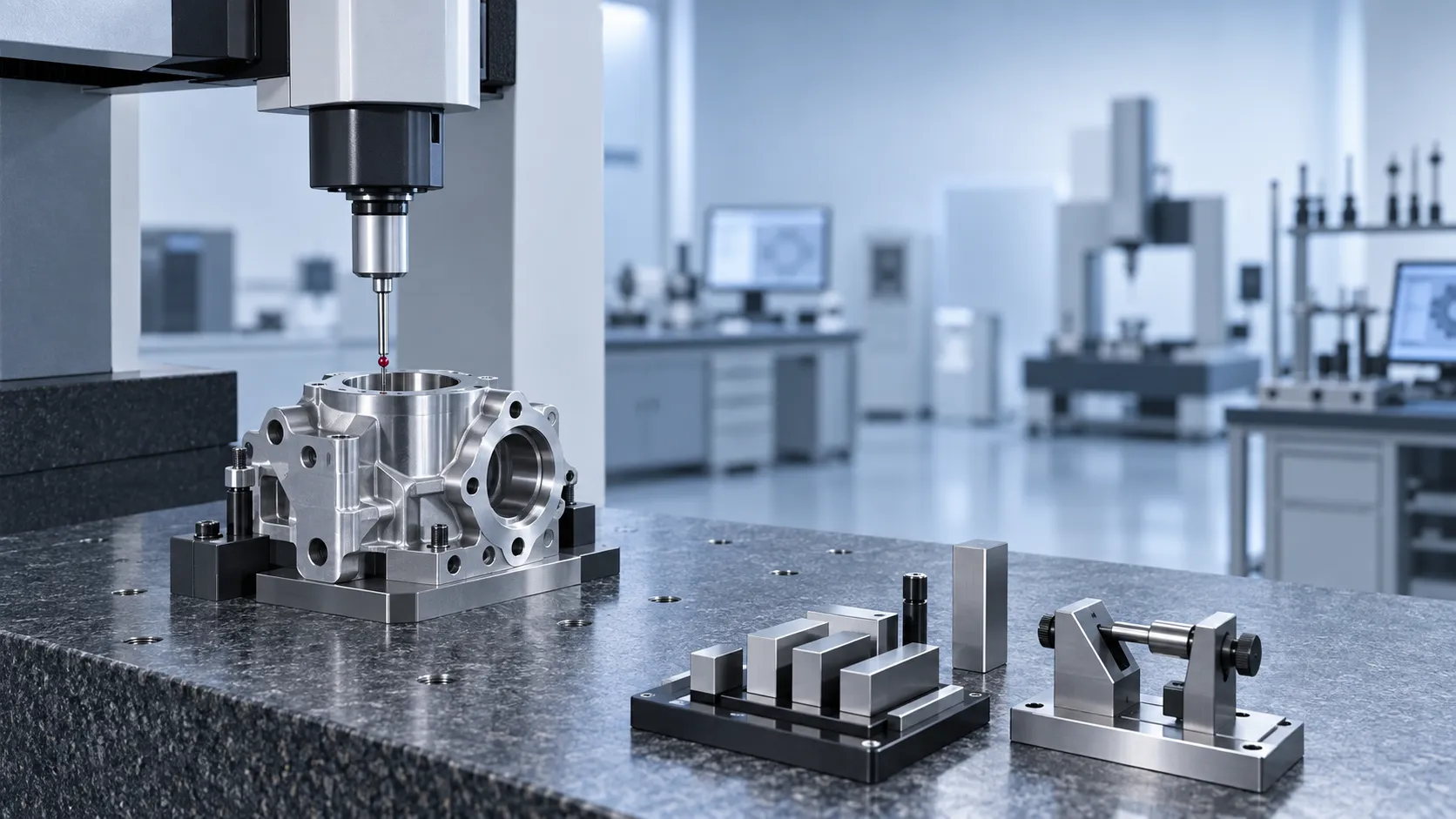
How Specification-Driven Articles Improve Precision Measurement System Selection
Specification-oriented articles precision measurement guidance helps teams compare accuracy, repeatability, environment, and data needs to select reliable systems with confidence.

How to Evaluate a Technology Integration Service Provider for Complex Projects
Technology integration service provider selection guide: evaluate interface ownership, delivery discipline, scalable architecture, and risk control for complex projects.
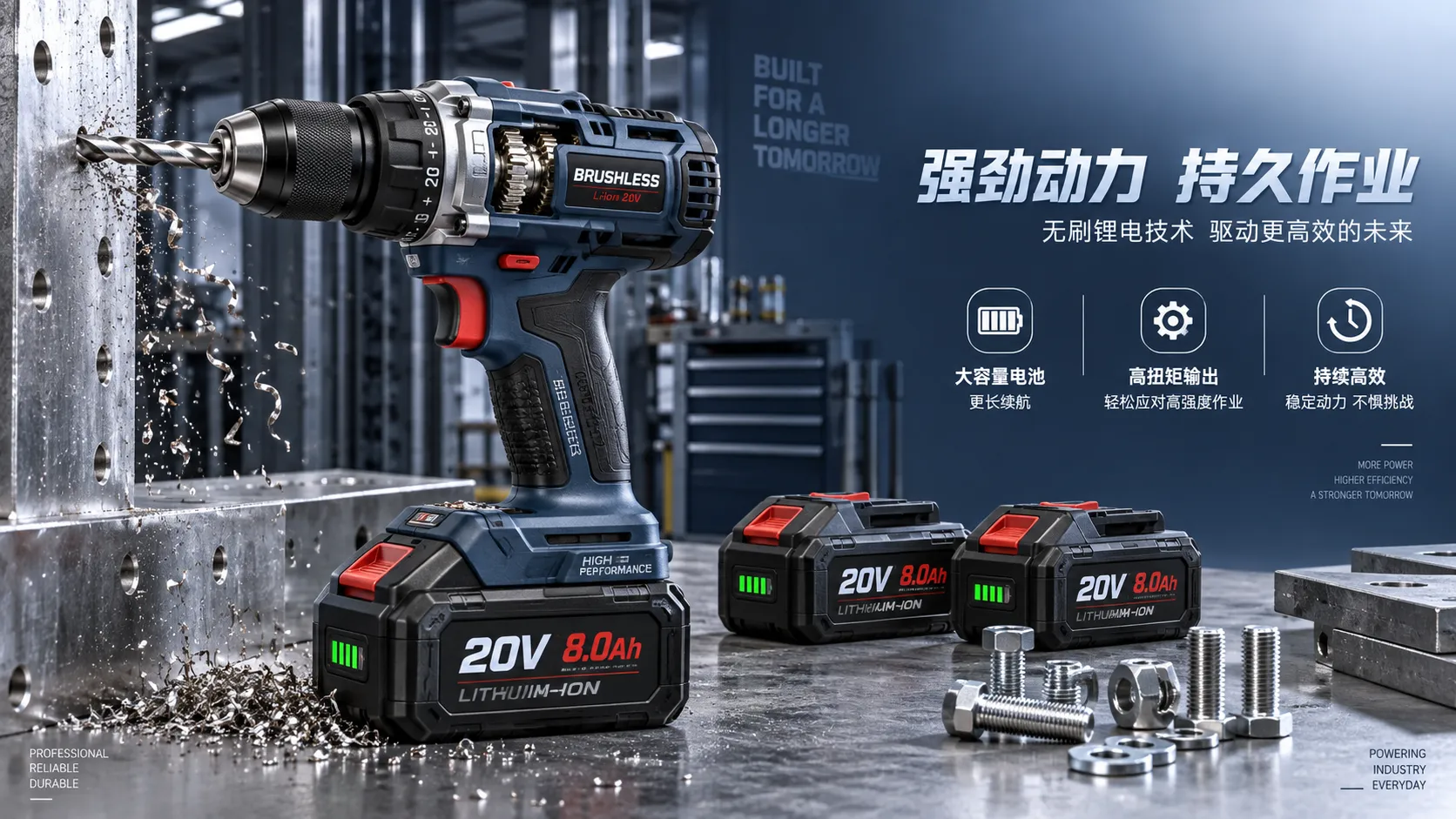
How Battery, Torque, and Duty Cycle Affect Cordless Power Tool Efficiency
Cordless power tool efficiency depends on battery output, torque, and duty cycle. Learn how to match tools to demanding jobs for stronger runtime and productivity.
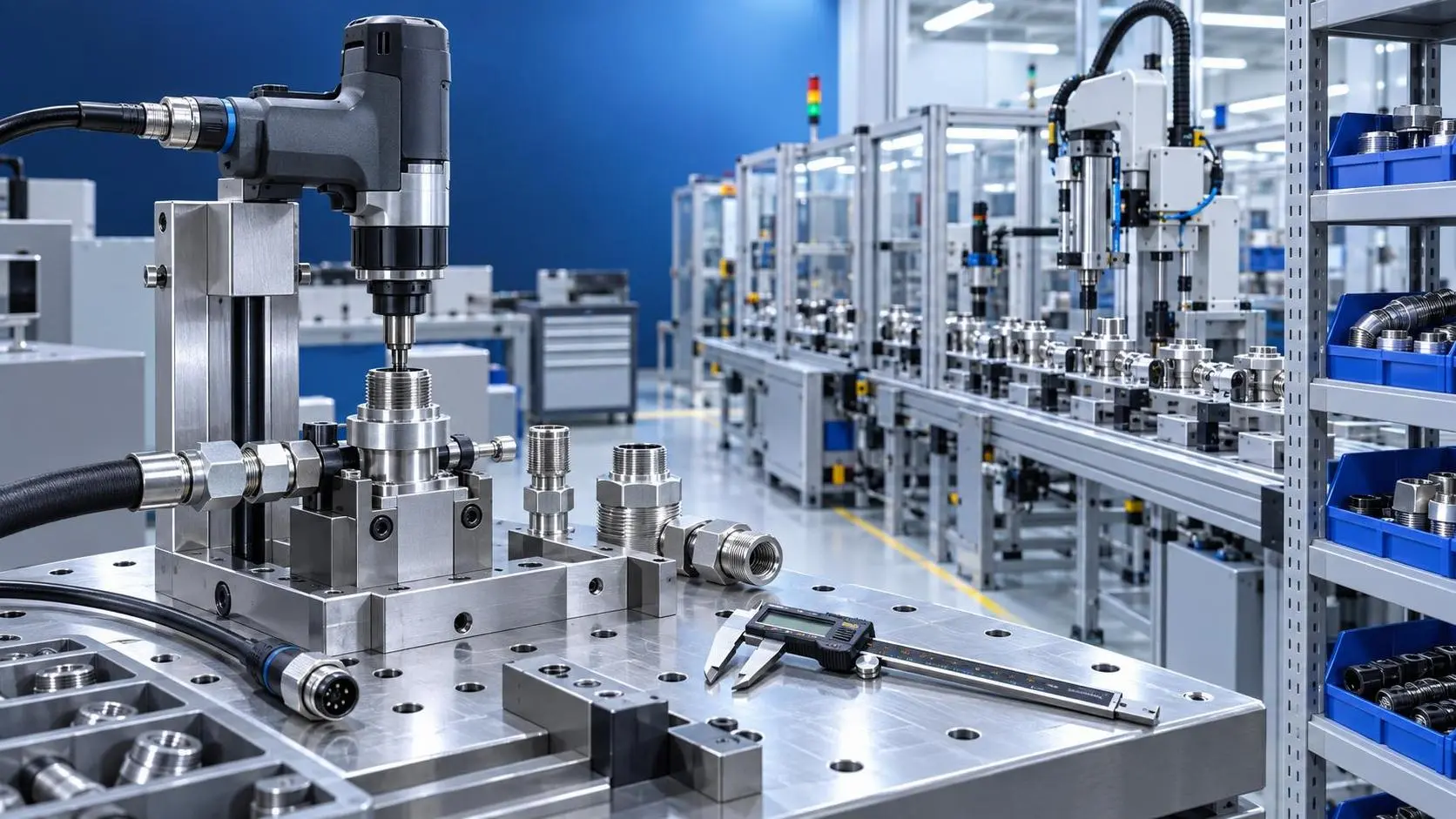
Product Comparison Resources for Component Compatibility and Lifecycle Risk
Product comparison resources for components: evaluate compatibility, interfaces, service support, and lifecycle risk to reduce downtime, avoid redesigns, and make confident sourcing decisions.
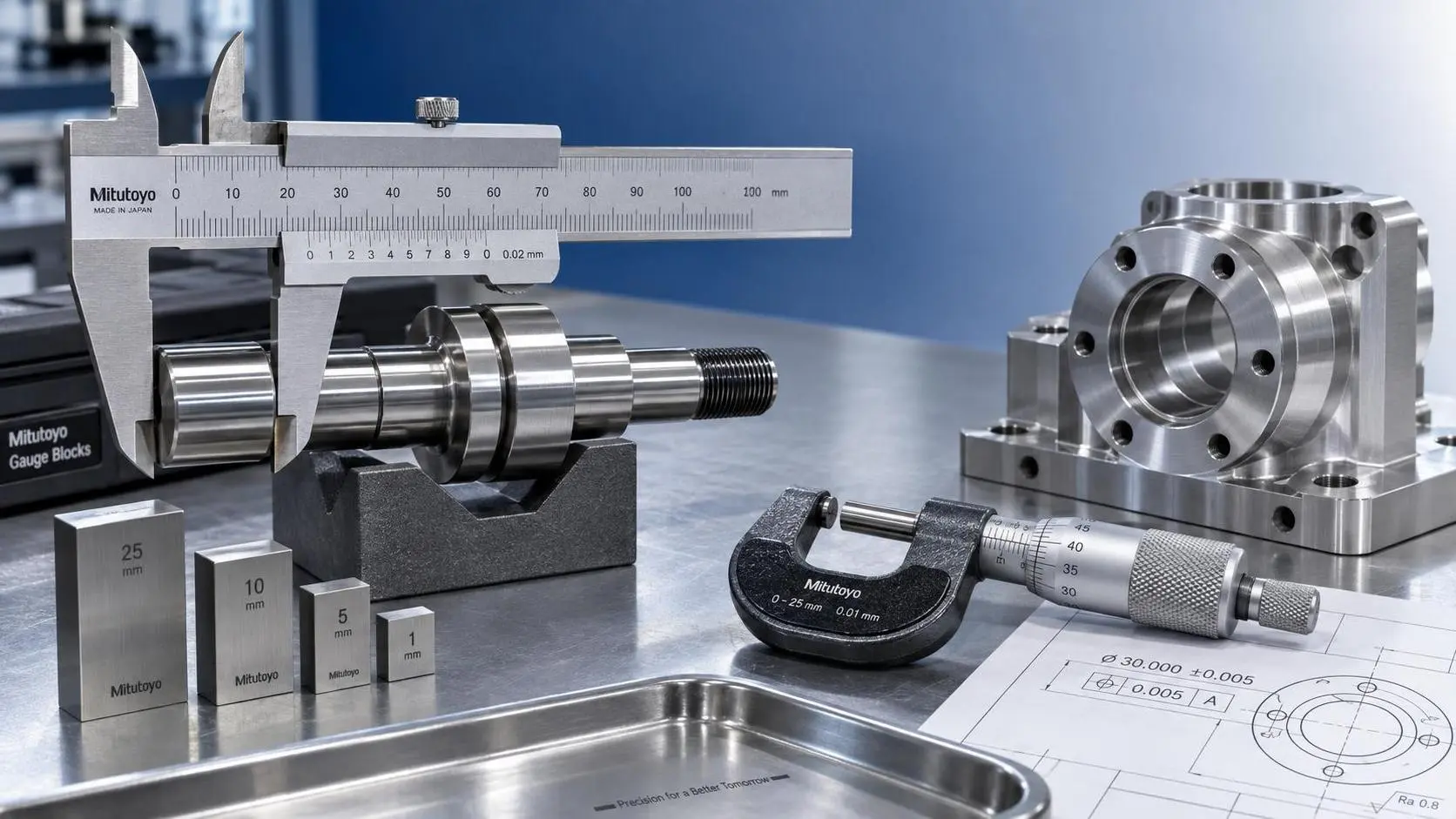
How to Select Vernier Precision Calipers for Tight-Tolerance Machining Inspection
Vernier precision calipers for tight-tolerance machining: learn how to select the right range, jaw design, accuracy, and verification process for reliable inspection.
Product Comparison Resources in Europe: How Buyers Can Verify Specs and Suppliers
Product comparison resources Europe: learn how to verify industrial specs, compliance claims, supplier credibility, and delivery risk for smarter purchasing decisions.

How to Evaluate an Industrial Metrology Solution Manufacturer for Production Use
Industrial metrology solution manufacturer evaluation guide for production: compare accuracy, traceability, automation, software, service, and acceptance testing to reduce risk.
Which ISO Standards Matter Most for Precision Engineering Quality Control?
Precision engineering ISO standards explained: discover how ISO 9001, ISO/IEC 17025, ISO 10012, GPS, and ISO 3834 strengthen quality control, traceability, and compliance.
Related News
- 00
0000-00
North American Welding Innovations Reshaping Automation, Quality, and Labor Productivity - 00
0000-00
How to Choose Handheld Laser Welding Equipment for Thin Metal Fabrication - 00
0000-00
Where Do Energy-Saving Welding Equipment Upgrades Deliver the Best ROI? - 00
0000-00
Low-Spatter Welding Equipment Applications: Best Uses by Material and Production Needs - 00
0000-00
How to Choose Auto Darkening Welding Helmets for Safety, Comfort, and Arc Performance
Welding Metallurgy Expert
Weekly Insights
Stay ahead with our curated technology reports delivered every Monday.