
How to Choose Auto Darkening Welding Helmets for Safety, Comfort, and Arc Performance





How to Choose Auto Darkening Welding Helmets for Safety, Comfort, and Arc Performance
Choosing the right auto darkening welding helmets affects more than comfort.
It directly shapes eye protection, weld quality, speed, and fatigue across a full shift.
A helmet that reacts slowly or fits poorly can disrupt arc control and raise safety risk.
That is why selecting auto darkening welding helmets should be treated as an operating decision, not a simple accessory purchase.
The best choice depends on process, duty cycle, work position, and how often the helmet is worn.
From lens response speed and shade range to headgear design and optical clarity, every detail matters in daily use.
This guide breaks down the practical factors that separate average models from dependable auto darkening welding helmets.
Start With Safety Performance
The first job of any welding helmet is consistent protection against arc flash, UV, and IR exposure.
When comparing auto darkening welding helmets, response time is one of the first specifications to check.
Faster switching usually improves comfort, especially during frequent arc starts.
High-quality helmets often switch in around 1/20,000 of a second or faster.
That speed helps reduce eye strain in repetitive fabrication, repair, and maintenance work.
Also check whether the helmet meets recognized standards such as ANSI Z87.1, CSA, or EN379.
A compliant lens confirms baseline safety performance and more reliable optical behavior.
Sensor count matters too.
Two sensors may be enough for straightforward bench work.
Four sensors are often better for pipe welding, out-of-position work, and tighter spaces where the arc can be partially blocked.
Match Shade Range to Process and Output
Not all auto darkening welding helmets cover the same amperage range.
A shade range that works for MIG may not be ideal for low-amperage TIG.
For mixed work, a common variable range is shade 9 to 13.
If TIG is part of the job, low-amp sensitivity becomes especially important.
Some helmets struggle to detect stable darkening below 10 amps.
That can be a problem in stainless work, thin material, or precision root passes.
Grind mode is another useful feature.
It prevents unnecessary darkening during prep work and helps reduce tool changes between operations.
In practical terms, the right shade controls puddle visibility without forcing the eyes to work too hard.
Quick Shade Selection Checklist
- Choose wider shade flexibility for multi-process shops.
- Check low-amp TIG compatibility before buying.
- Confirm grind and cut modes if prep work is frequent.
- Avoid selecting shade only by price or brand reputation.
Prioritize Optical Clarity and Viewing Area
Clear vision supports cleaner starts, steadier travel speed, and better control of the weld pool.
This is where premium auto darkening welding helmets usually show their value.
Look for strong optical clarity ratings under EN379 when available.
Better ratings mean less distortion, more even shading, and a truer view of the arc zone.
Color technology also makes a difference.
Many modern lenses use true-color or natural-color filters instead of the older green cast.
That improvement helps separate puddle edges, joint lines, and surrounding material more easily.
Viewing area should match the task, not just marketing claims.
Larger windows are useful for structural fabrication and positional welding.
Smaller windows can still work well if the helmet is lighter and easier to maneuver in confined spaces.
Comfort Decides Whether the Helmet Works All Day
A helmet can have excellent lens performance and still fail in daily use if it causes neck strain.
Comfort is one of the most overlooked buying factors in auto darkening welding helmets.
Weight should be balanced across the head instead of concentrated at the front.
A well-designed headgear system matters as much as the shell itself.
Look for multiple adjustment points, secure tightening, and smooth pivot action.
The helmet should stay stable when looking down, reaching overhead, or moving around fixtures.
Sweatband quality also affects concentration during long shifts.
If replacement parts are easy to source, the helmet remains usable longer and costs less over time.
From a cost-of-use standpoint, fit and serviceability often matter more than cosmetic styling.
Comfort Questions Worth Asking
- Does the helmet feel front-heavy after thirty minutes?
- Can the headgear be adjusted while wearing gloves?
- Are sweatbands, covers, and lenses easy to replace?
- Does it remain stable during overhead or pipe work?
Check Controls, Power Source, and Real Work Conditions
Good auto darkening welding helmets should be simple to adjust under actual shop conditions.
Sensitivity and delay controls are especially useful when arc brightness varies.
Sensitivity helps the lens detect lower-intensity arcs more reliably.
Delay keeps the lens dark briefly after the arc stops, reducing discomfort from a hot puddle glow.
Power source deserves attention as well.
Some helmets use solar assist with replaceable batteries, while others rely on sealed battery systems.
Replaceable batteries can be more practical in high-use environments.
This is even more relevant when downtime costs more than the helmet itself.
In recent buying patterns, durability and easy field maintenance have become stronger decision drivers.
That also means buyers are paying closer attention to cover lens costs and spare part availability.
Choose by Application, Not by Specification Alone
A specification sheet helps, but real suitability comes from matching the helmet to the job.
Different tasks create different priorities for auto darkening welding helmets.
This application-first approach usually leads to better long-term value.
It also reduces the chance of buying a helmet that looks advanced but performs poorly in daily production.
A Practical Buying Framework
A simple decision framework makes comparing auto darkening welding helmets easier and more objective.
- List the main welding processes and amperage range.
- Define whether the work is bench, field, overhead, or confined-space.
- Set minimum needs for standards, sensor count, and optical clarity.
- Compare weight, headgear design, and replacement part access.
- Review total ownership cost, not only purchase price.
- Test visibility and comfort before large-volume buying when possible.
This kind of shortlisting is increasingly useful as product choices become more crowded.
A more obvious market signal is that users now expect both protection and productivity from the same helmet.
That raises the importance of lens quality, ergonomic fit, and application matching.
Final Decision: Buy for the Way You Weld
The best auto darkening welding helmets are the ones that support safe, accurate, repeatable work every day.
That means balancing protection, visual clarity, comfort, controls, and maintenance practicality.
In real operations, the strongest buying decisions come from matching the helmet to arc behavior and working conditions.
If a helmet helps reduce strain, improve puddle visibility, and react consistently, it is already delivering measurable value.
Use these criteria to compare options carefully, then choose the model that fits the real demands of the job.
That is the most reliable path to better safety, steadier arc performance, and more confident welding results.
Related News
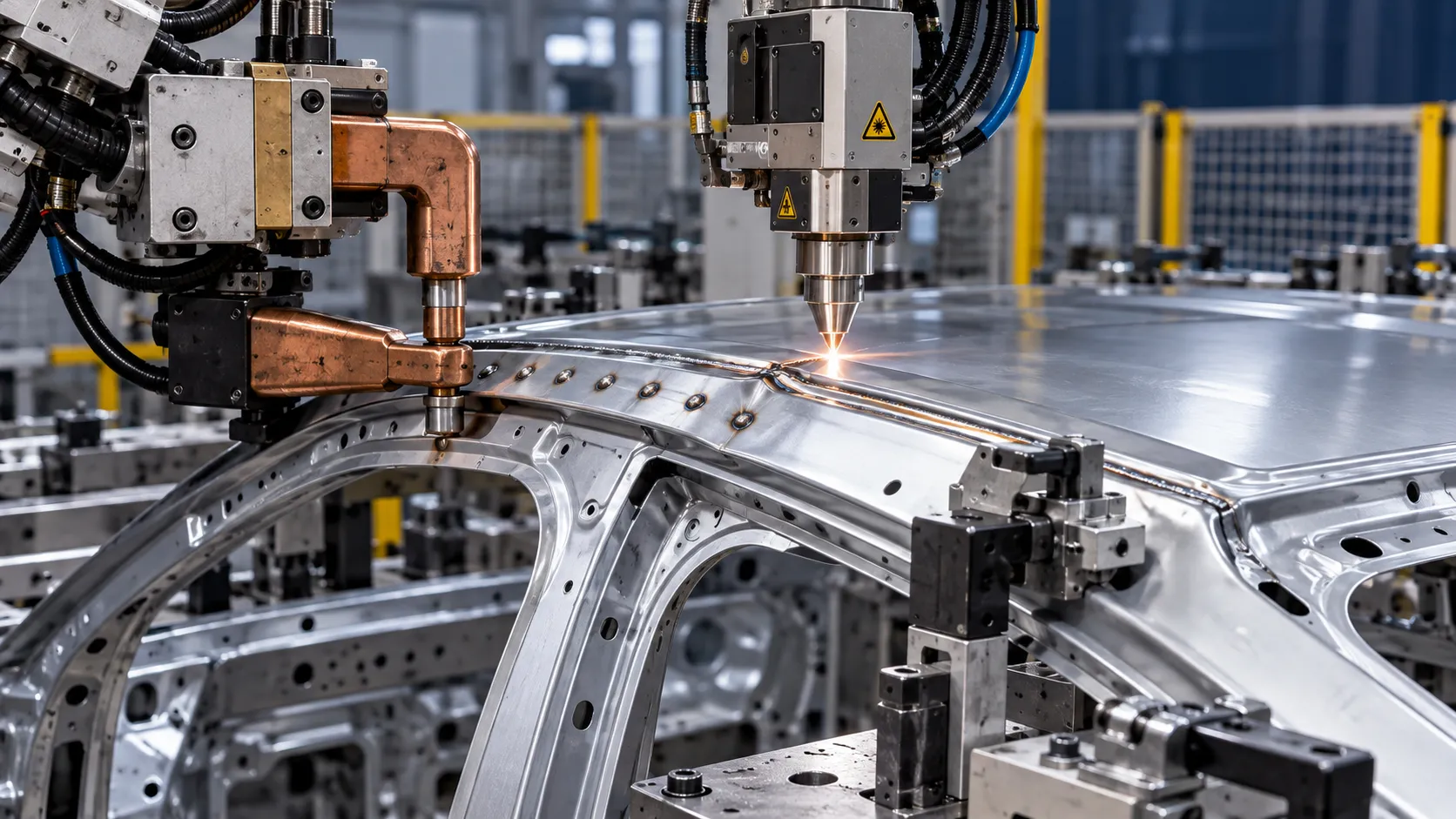
Laser vs. Resistance Spot Welding: Which Fits Automotive Body Assembly?
Choosing welding technology for automotive body assembly? Compare laser and resistance spot welding on joint access, quality, cycle time, and cost to find the right fit for your production line.
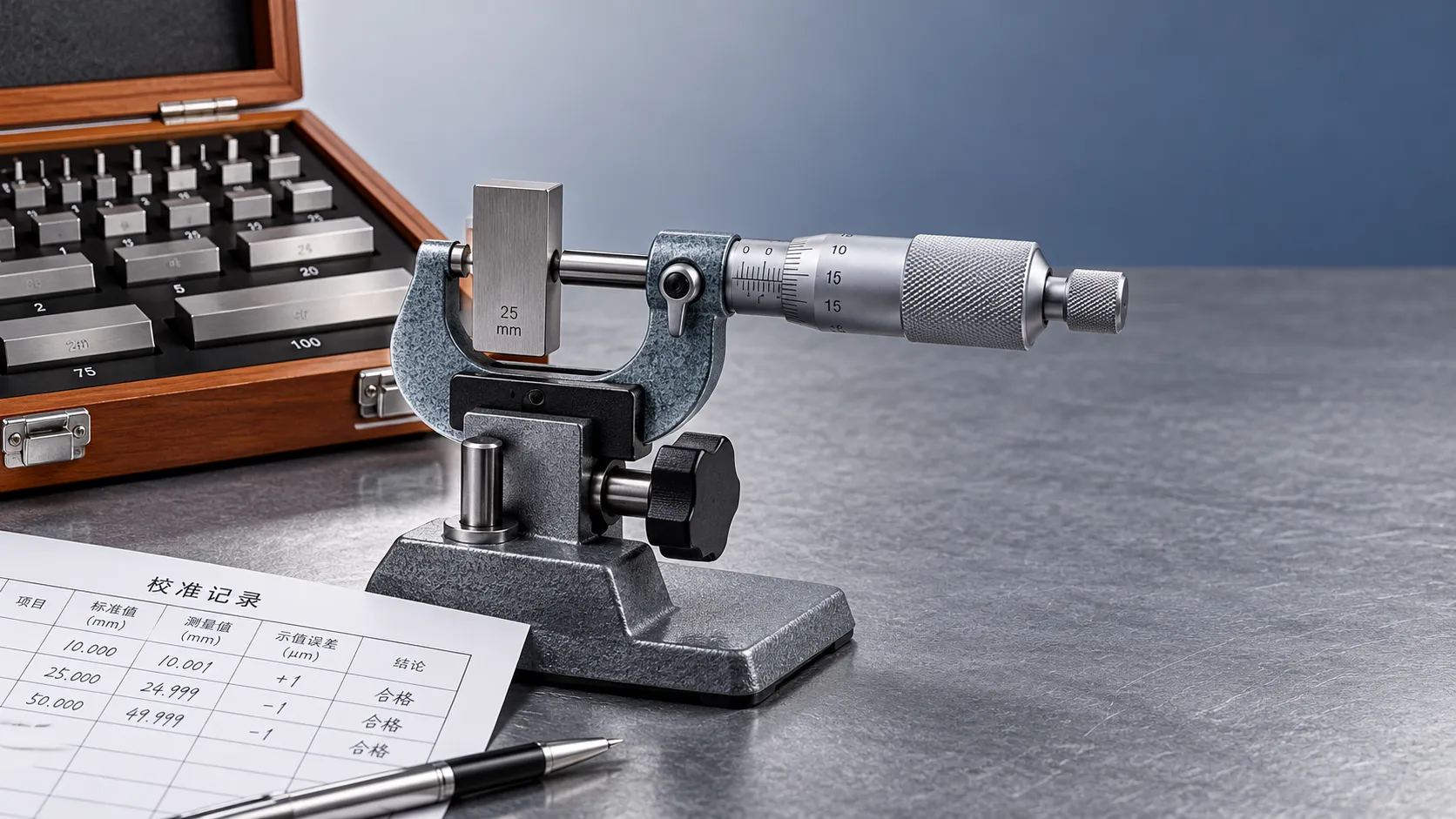
Choosing a High-Precision Measuring Instrument Supplier: Calibration and Support
Choose a high-precision measuring instruments supplier with confidence. Discover how to verify calibration, compare support, and control lifecycle costs before you buy.
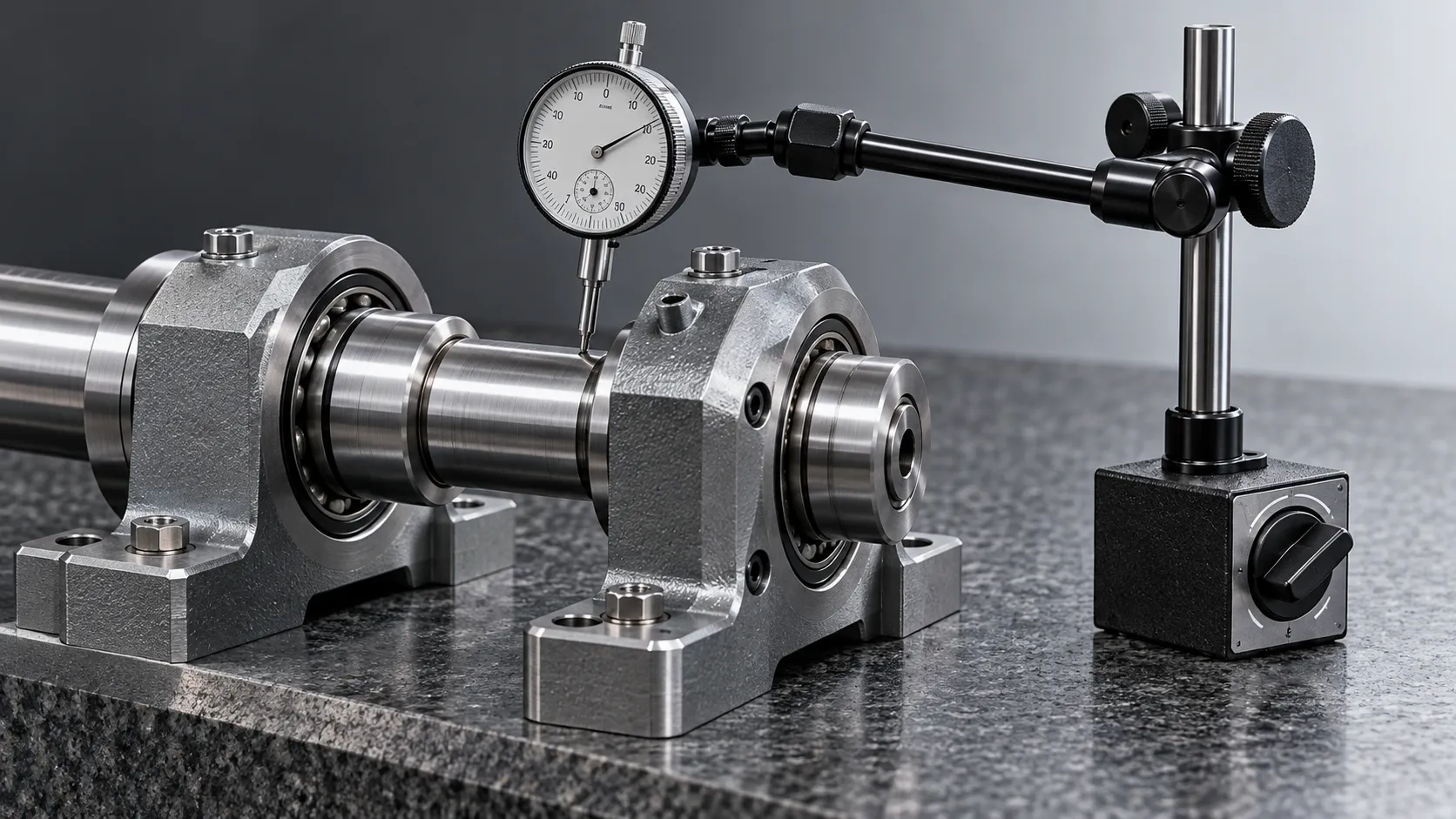
What Defines Craftsmanship in Metalworking? Fit, Finish, and Precision
Discover what defines craftsmanship in metalworking: fit, finish, and precision. Learn how to spot quality, assess suppliers, and choose parts that perform reliably.
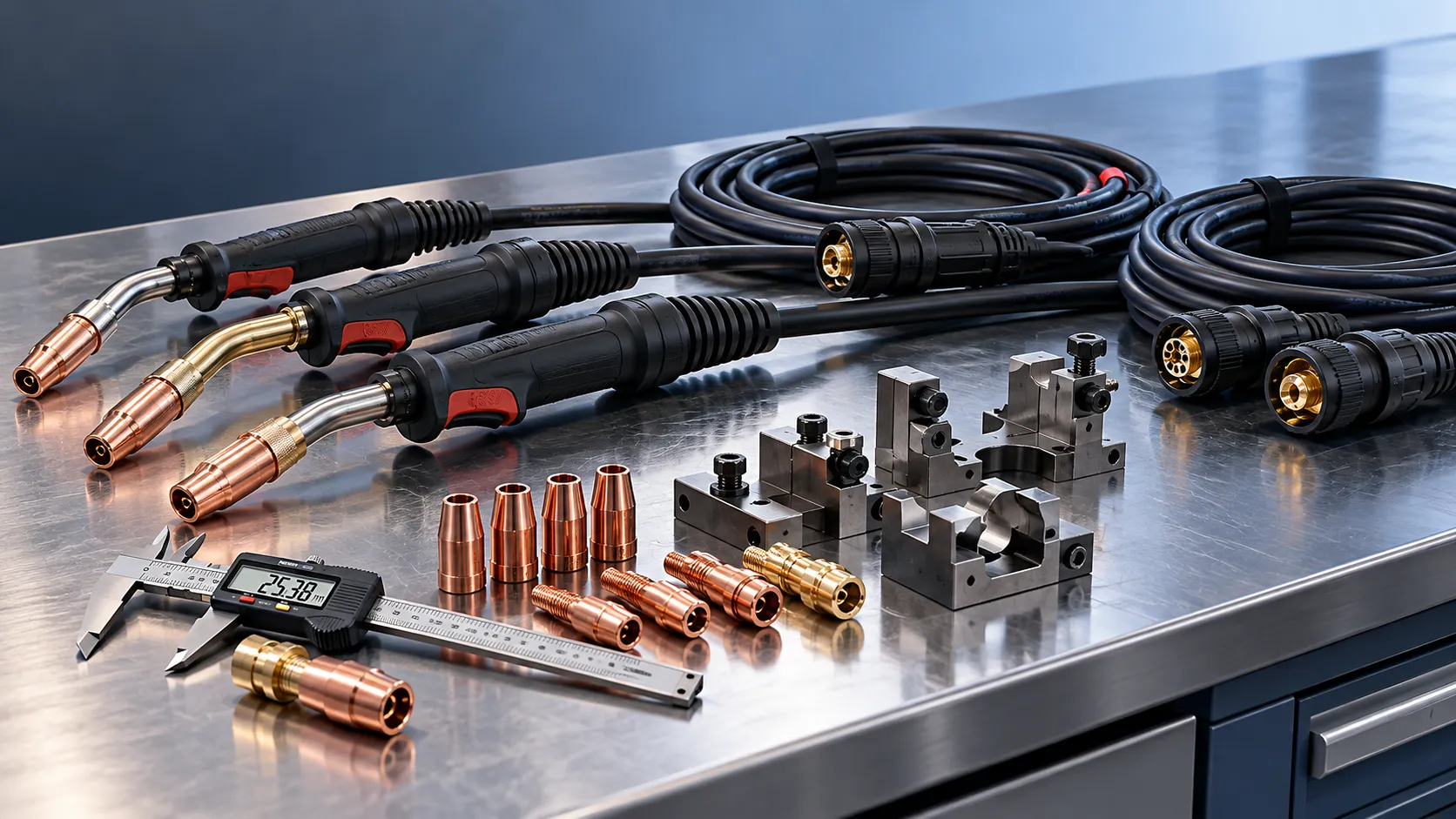
Choosing a Welding Tools Manufacturer: Quality Checks Before a Bulk Order
Choosing a welding tools manufacturer? Discover essential quality checks, sample tests, and inspection terms to reduce bulk-order risks and buy with confidence.
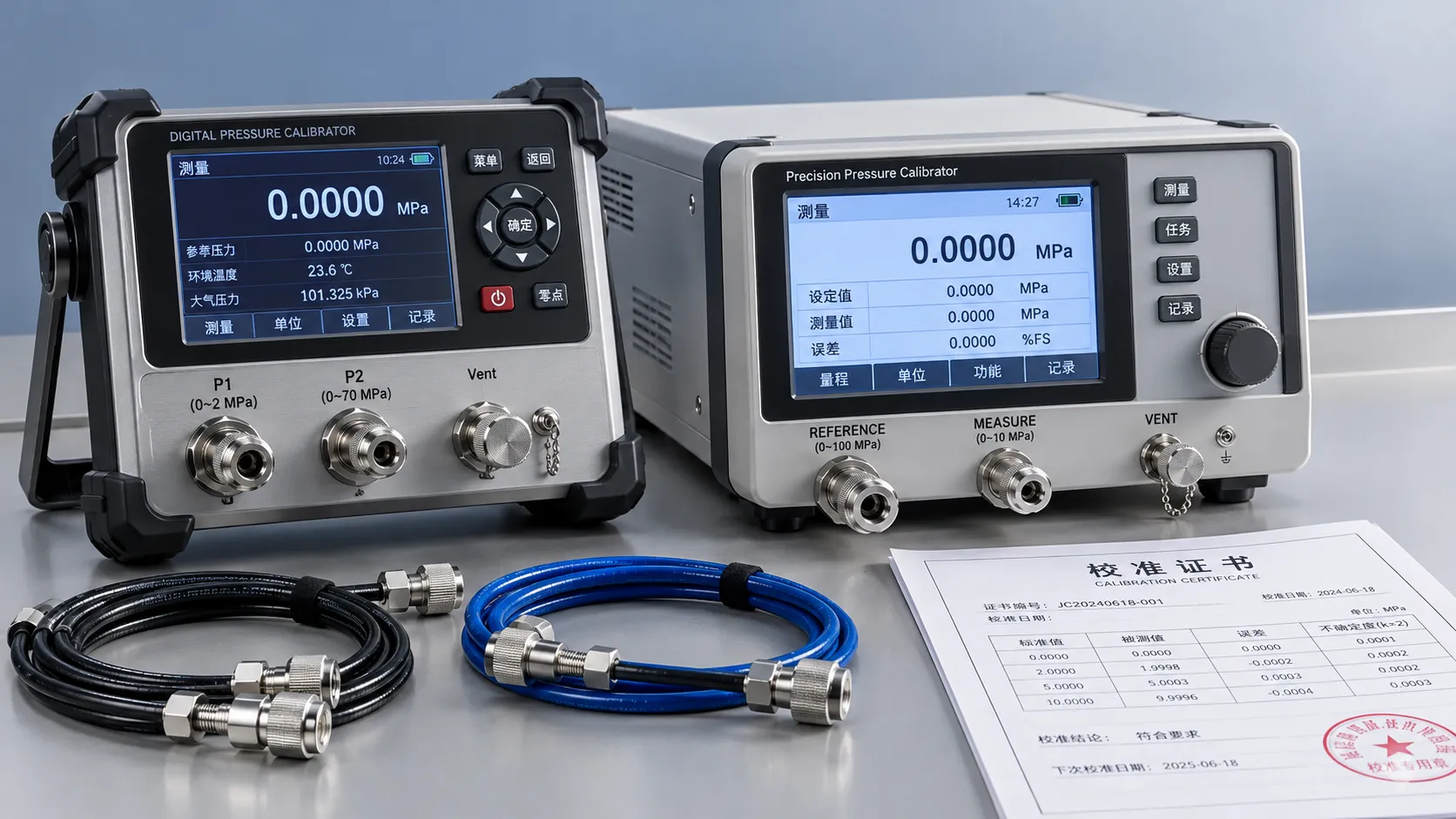
How to Compare Calibration Tools: Range, Uncertainty, and Traceability
Explore product comparison resources for calibration tools. Compare range, uncertainty, and traceability to choose confidently and support defensible measurement decisions.
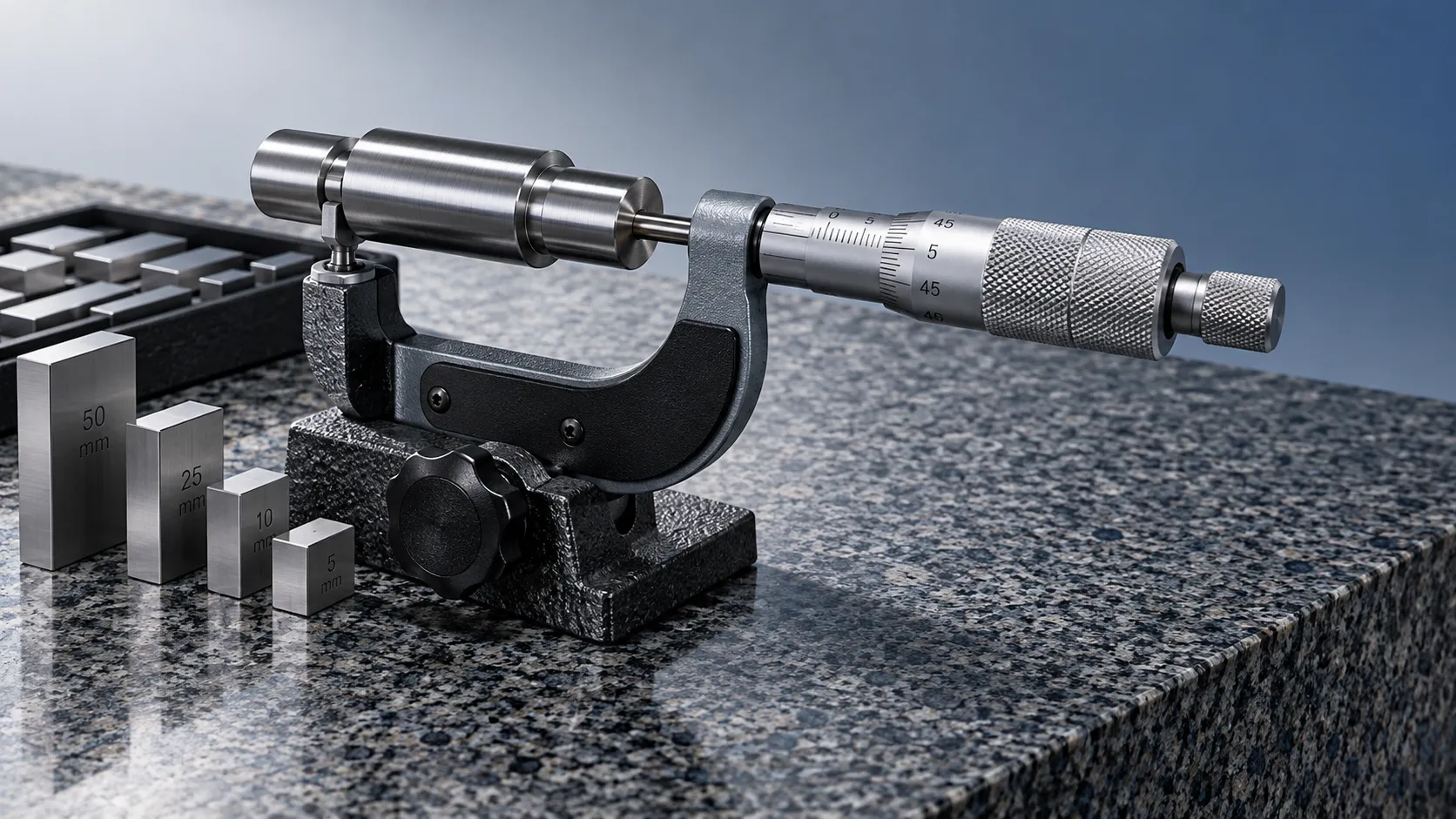
Choosing Industrial Metrology Tools: Matching Measurement Uncertainty to Tolerances
Improve industrial tool selection for metrology by matching measurement uncertainty to tolerances. Learn how to reduce inspection risk and choose equipment with confidence.
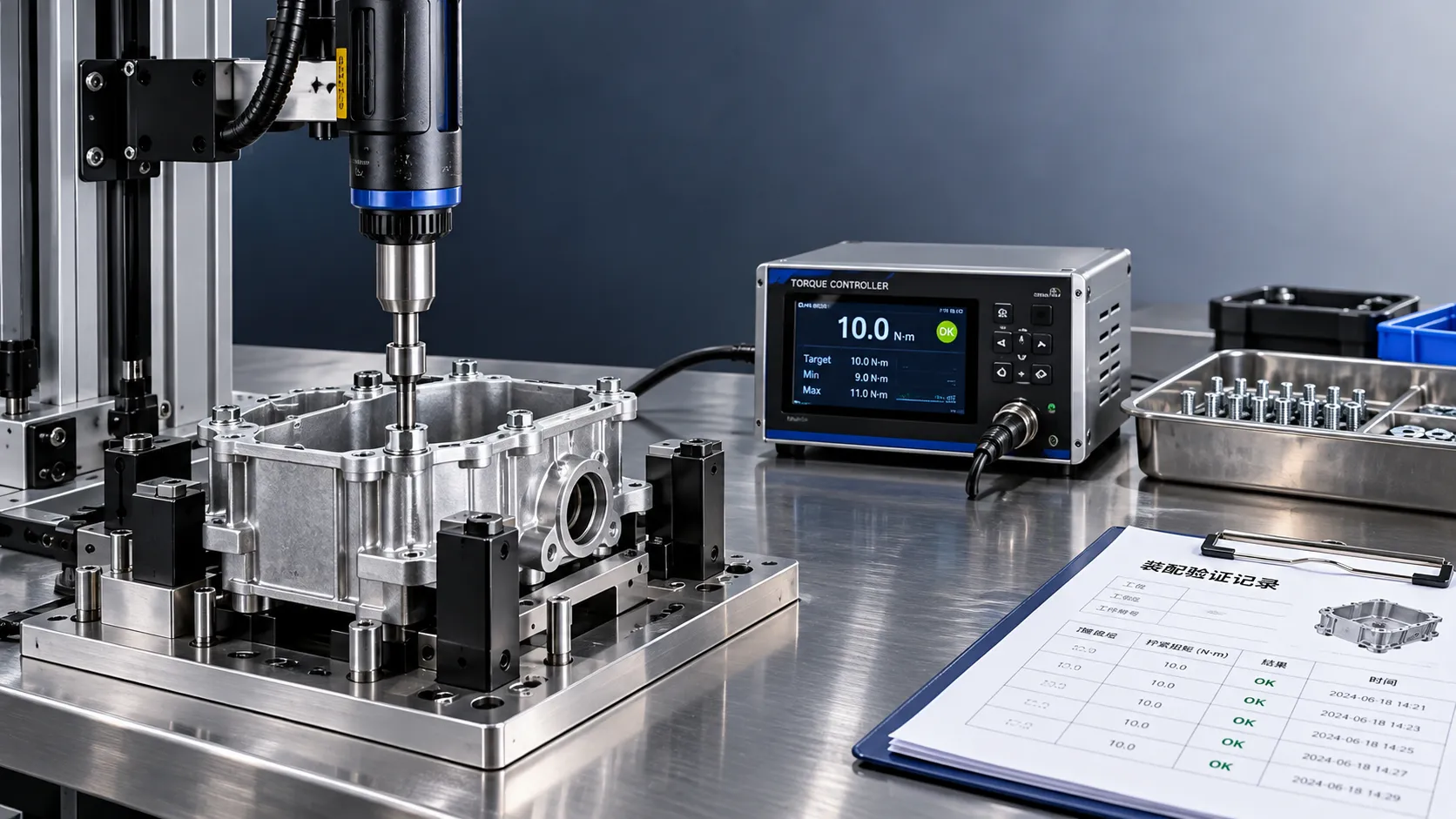
Torque System Suppliers: How to Assess References for Assembly Projects
Explore supplier and solution references torque systems buyers should verify. Assess assembly fit, traceability, and support to reduce risk and choose with confidence.
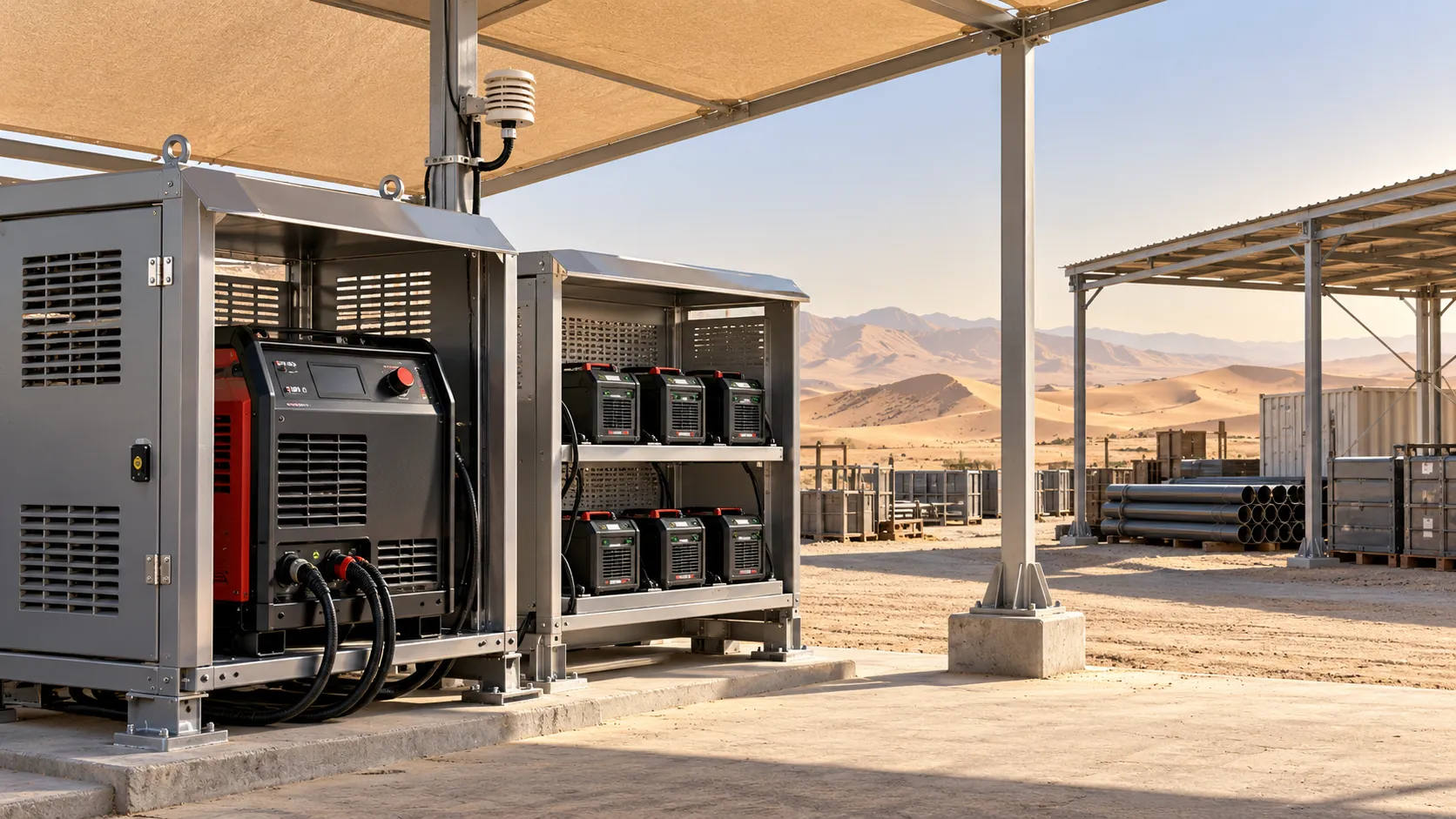
Equipment Application Guidance for the Middle East: Managing Heat and Dust
Explore application guidance Middle East teams can use to manage heat and dust, protect welding equipment, batteries and precision tools, and reduce downtime. Get practical tips.
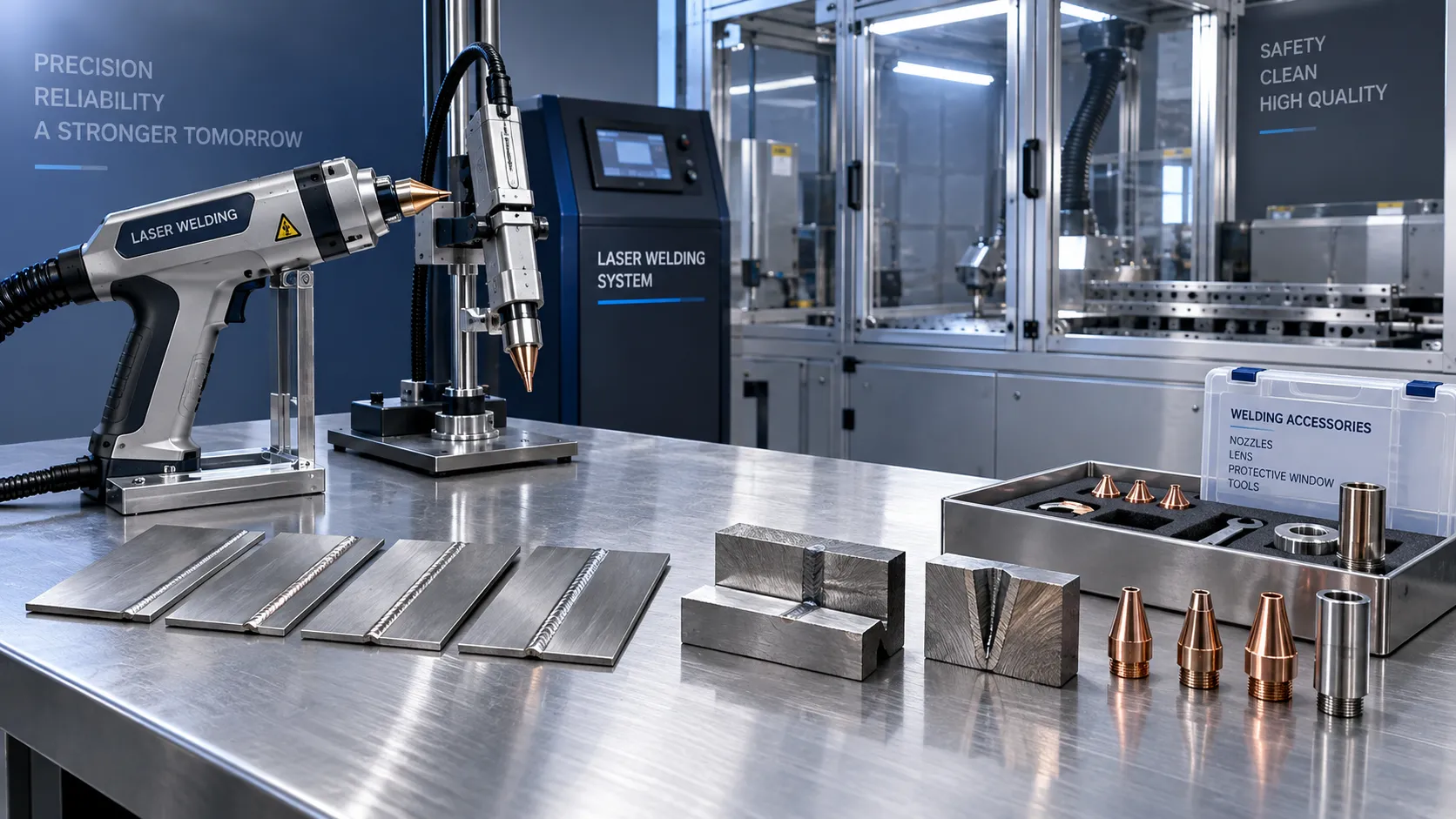
Choosing a Handheld Laser Welding Supplier: Weld Trials, Training, and Service
Choose a handheld laser welding supplier with proven weld trials, safety training, and reliable service. Learn what to verify before buying to reduce downtime and protect your investment.
Related News
- 00
0000-00
Laser vs. Resistance Spot Welding: Which Fits Automotive Body Assembly? - 00
0000-00
How to Choose Welding Tools for Field Repair Work - 00
0000-00
What Welding Equipment Documents Should Suppliers Provide? - 00
0000-00
Welding Fume Extraction PPE: When Respirators Are Not Enough for Shop Safety - 00
0000-00
Which ANSI Standards Apply to Welding Equipment in Industrial Fabrication?
0000-00
Welding Metallurgy Expert
Weekly Insights
Stay ahead with our curated technology reports delivered every Monday.