
How to Choose CE Welding Safety Equipment for Compliance and Shop Floor Protection





Choosing CE welding safety equipment is a practical decision that reaches far beyond paperwork. On a real shop floor, the right helmet, glove, curtain, respirator, and protective garment affect injury prevention, weld consistency, inspection reliability, and daily operating discipline.
That matters even more as welding environments become more varied. Manual arc work, robotic cells, handheld laser systems, repair bays, and mixed-material fabrication lines create different exposure profiles, while compliance expectations continue to tighten across export-oriented manufacturing.
Within that context, CE welding safety equipment should be understood as a performance and risk-control choice. A CE mark signals alignment with relevant European requirements, but effective selection still depends on matching certified equipment to the actual hazards, workflow, and maintenance reality of the facility.
Why CE welding safety equipment deserves closer attention
In many operations, welding safety is still treated as a purchasing checklist. That approach misses the link between protection quality and process stability. Poor visibility, excessive heat burden, weak dexterity, or unreliable respiratory protection can degrade workmanship before incidents are even reported.
The broader industrial landscape reinforces this point. Across construction, automotive repair, metal fabrication, heavy equipment service, and aerospace maintenance, buyers are balancing worker protection with throughput, traceability, and cross-border compliance.
This is also where GPTWM’s industry perspective becomes useful. Its coverage of export standard restrictions, handheld laser welding safety, intelligent torque systems, and evolving industrial ergonomics reflects a market where protective equipment can no longer be chosen as an afterthought.
What the CE mark means in practical selection
The CE mark indicates that a product is declared to meet applicable European health, safety, and environmental requirements. For welding protection, that matters because exposure risks are not generic. They include radiation, sparks, molten metal, fumes, heat, electrical hazards, and line-of-sight risks to nearby staff.
Still, CE welding safety equipment should never be approved on labeling alone. Documentation, test references, intended-use limitations, and product traceability deserve the same attention as the mark itself.
A stronger review usually checks three things together: regulatory conformity, suitability for the welding process, and consistency in daily use. When one of those elements is weak, compliance on paper may not translate into protection on the floor.
The difference between compliance and protection
A compliant helmet with poor optical clarity can still encourage unsafe lifting during tack work. Certified gloves that reduce grip too much can increase handling errors around hot parts. A fume solution that interferes with movement may be worn inconsistently.
In other words, CE welding safety equipment should pass both a standards review and a use-case review. Protection that is technically approved but operationally rejected creates a hidden gap between policy and behavior.
The equipment categories that shape welding risk control
Most welding environments rely on a protective system rather than one product. Each category solves a different part of the risk profile, and selection works best when these products are reviewed as a connected set.
This category view helps prevent a common oversight. A facility may invest in advanced helmets yet leave fume control, curtain positioning, or garment replacement cycles under-managed. CE welding safety equipment delivers stronger results when the full protective chain is evaluated together.
How to evaluate fit for the actual welding process
Different welding methods create different demands. MIG and MAG operations often combine sustained arc exposure with spatter and repetitive motion. TIG work usually requires fine visual control and hand precision. Plasma cutting changes face and respiratory priorities. Handheld laser welding introduces a more specialized protection logic.
That is why process mapping should come before product comparison. A useful review starts with the welding method, duty cycle, base material, position of work, ventilation conditions, and nearby traffic around the station.
Questions that improve selection quality
- Does the equipment match arc intensity, heat exposure, and optical demands?
- Can it be worn correctly for a full shift without constant adjustment?
- Will it interfere with inspection, grinding, part handling, or rework tasks?
- Are replacement parts, filters, lenses, and consumables easy to control?
- Can the supplier provide technical files, batch traceability, and standard references?
These checks sound basic, but they often separate durable safety systems from superficial procurement wins. CE welding safety equipment should support both hazardous-task control and repeatable operational behavior.
Where quality, safety, and productivity intersect
Protective equipment affects weld quality more than many teams admit. Stable helmet optics support joint visibility and puddle control. Proper gloves improve wire feeding, torch positioning, and handling confidence. Reliable respiratory solutions reduce discomfort that can shorten concentration during longer runs.
This connection is especially visible in high-mix production and repair work. Operators move between welding, fit-up, inspection, and finishing. If PPE slows those transitions, shortcuts appear. If it supports them, compliance becomes part of the routine rather than a separate enforcement burden.
From GPTWM’s viewpoint, this reflects the last mile of manufacturing performance. Precision is not created by tools alone. It depends on how protective systems, workstations, ergonomic choices, and process controls operate together under real production pressure.
Red flags during supplier and product review
Not every product presented as CE welding safety equipment offers the same level of confidence. Some risk indicators appear before the equipment ever reaches the line.
- Incomplete declaration documents or vague standard references.
- No clear user instructions for limitations, storage, or replacement intervals.
- Unusually low pricing without explanation of materials or testing scope.
- Inconsistent labeling between packaging, product body, and technical files.
- Weak availability of spare parts for filters, headgear, lenses, or fasteners.
A disciplined review also considers lifecycle cost. The cheapest option can become the most expensive when fogging, tearing, discomfort, or consumable shortages cause downtime, rework, or irregular use.
Building a workable approval framework
The most useful internal framework is usually simple. It compares hazard level, certification evidence, operator acceptance, maintenance burden, and total replacement planning. That keeps CE welding safety equipment tied to operational facts rather than catalog claims.
Pilot trials are often worth the effort. Limited deployment across representative stations can reveal fogging issues, cuff failures, lens contamination, restricted movement, or filter replacement problems that documents alone will not show.
A practical approval sequence
- Map hazards by welding process and workstation.
- Collect CE documentation and relevant technical specifications.
- Run wear trials under normal production conditions.
- Record usability, visibility, comfort, and maintenance findings.
- Approve only when compliance and floor performance align.
This approach supports consistency across sites and suppliers. It also creates a cleaner audit trail when customer requirements, export rules, or internal safety reviews become more demanding.
What to review next
The next step is not simply to replace old inventory with newer labeled products. It is to reassess where current PPE choices fail to reflect actual welding conditions, especially in mixed-process lines or facilities adding laser or automated stations.
A focused checklist can help: verify documentation, compare equipment by task, test wearability, inspect replacement logistics, and review whether protection supports inspection quality as well as injury prevention. That is the point where CE welding safety equipment becomes part of manufacturing discipline, not just compliance language.
For organizations tracking broader industry signals, it also makes sense to follow how safety standards, process technology, and ergonomic expectations continue to evolve. Better choices usually come from combining standards awareness with close observation of what actually happens at the welding station.
Related News
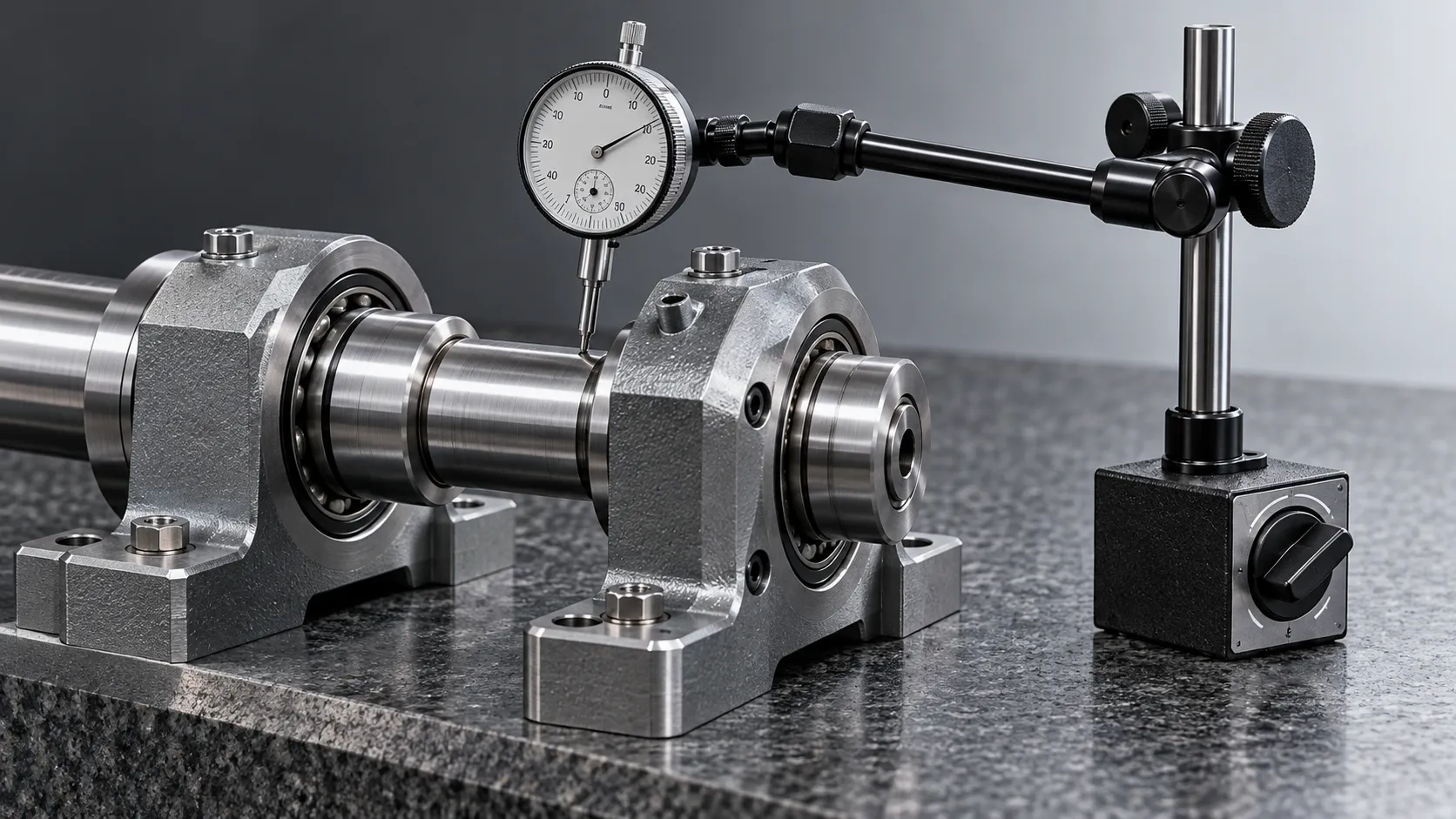
What Defines Craftsmanship in Metalworking? Fit, Finish, and Precision
Discover what defines craftsmanship in metalworking: fit, finish, and precision. Learn how to spot quality, assess suppliers, and choose parts that perform reliably.
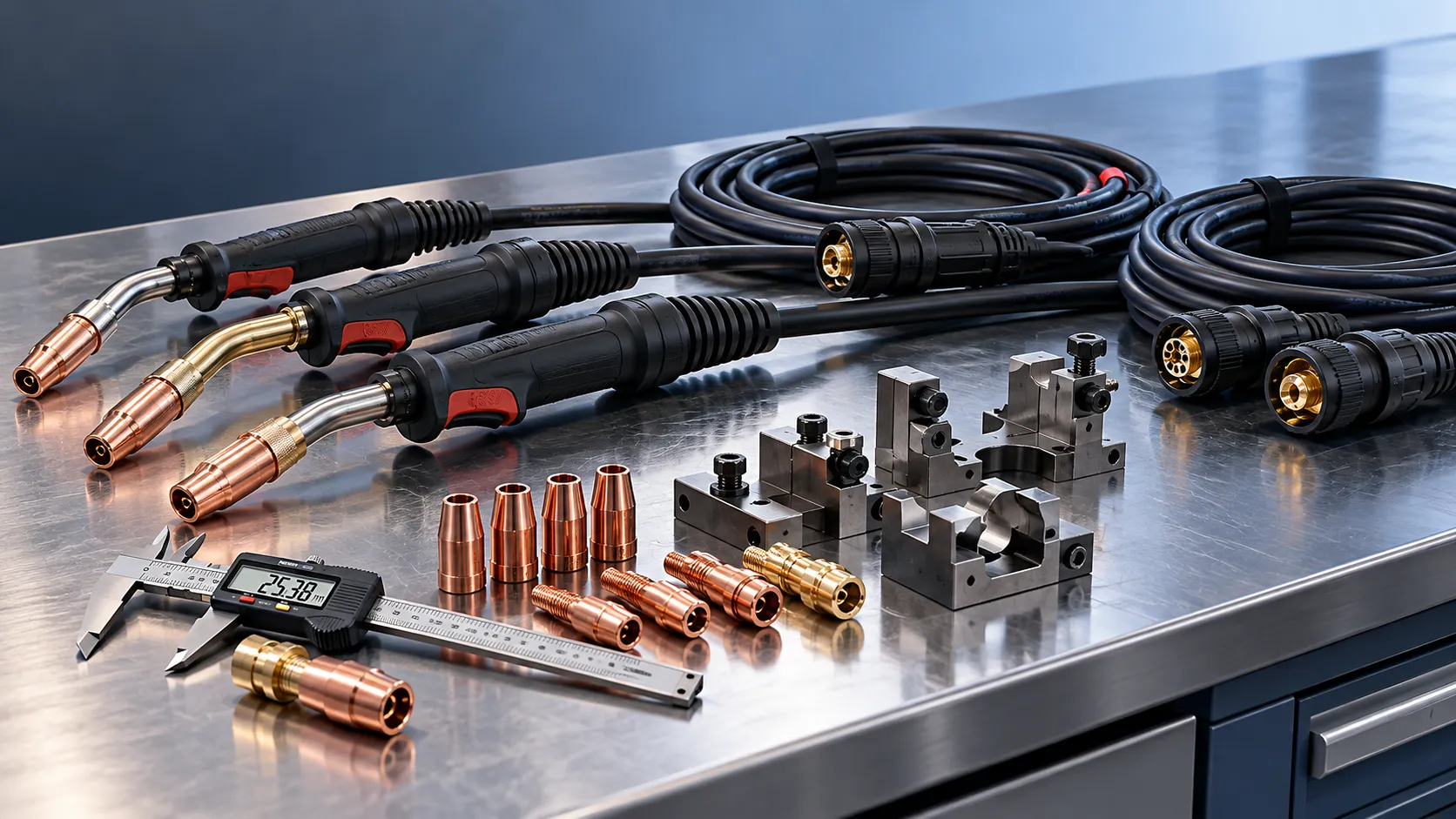
Choosing a Welding Tools Manufacturer: Quality Checks Before a Bulk Order
Choosing a welding tools manufacturer? Discover essential quality checks, sample tests, and inspection terms to reduce bulk-order risks and buy with confidence.
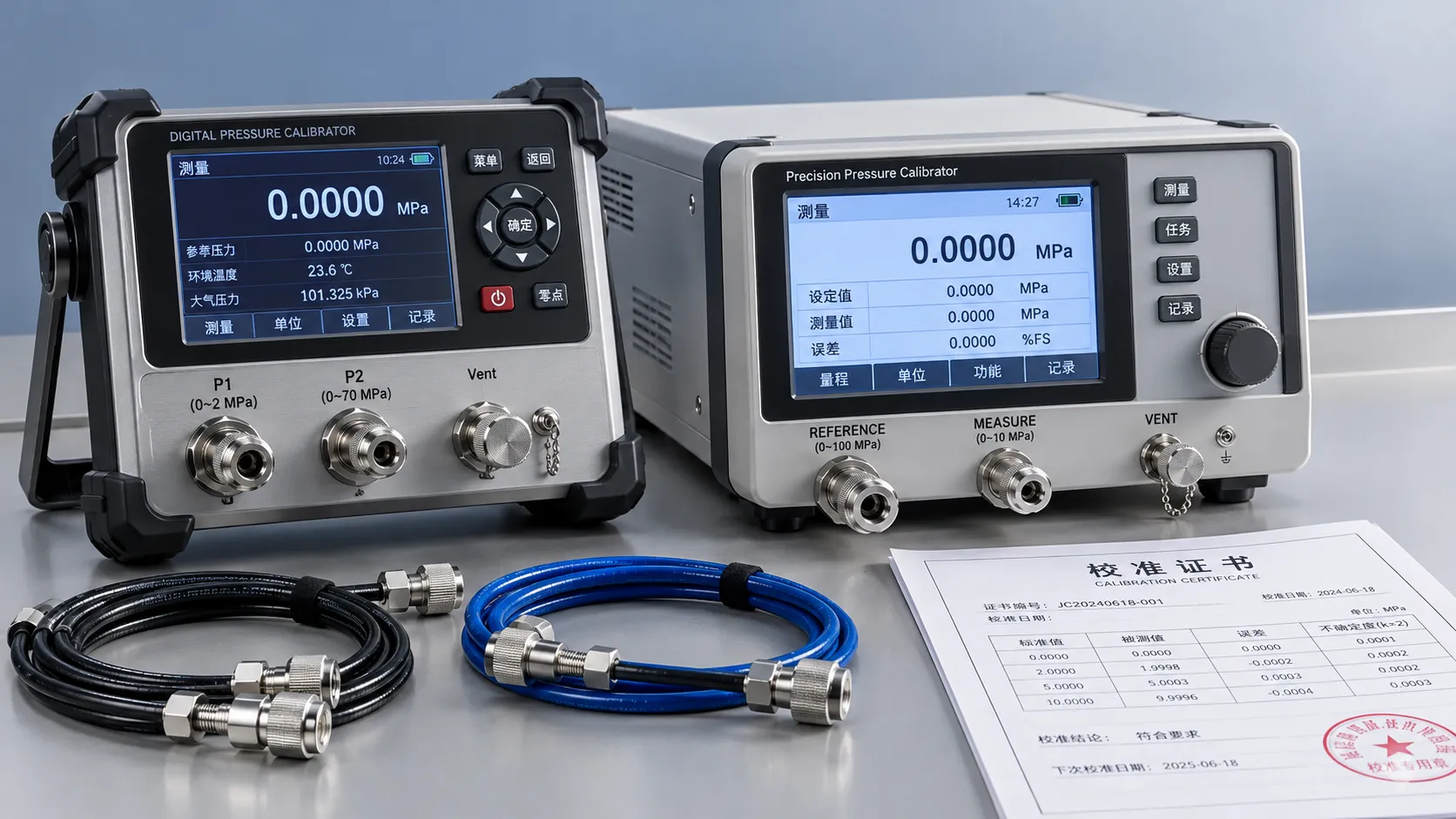
How to Compare Calibration Tools: Range, Uncertainty, and Traceability
Explore product comparison resources for calibration tools. Compare range, uncertainty, and traceability to choose confidently and support defensible measurement decisions.
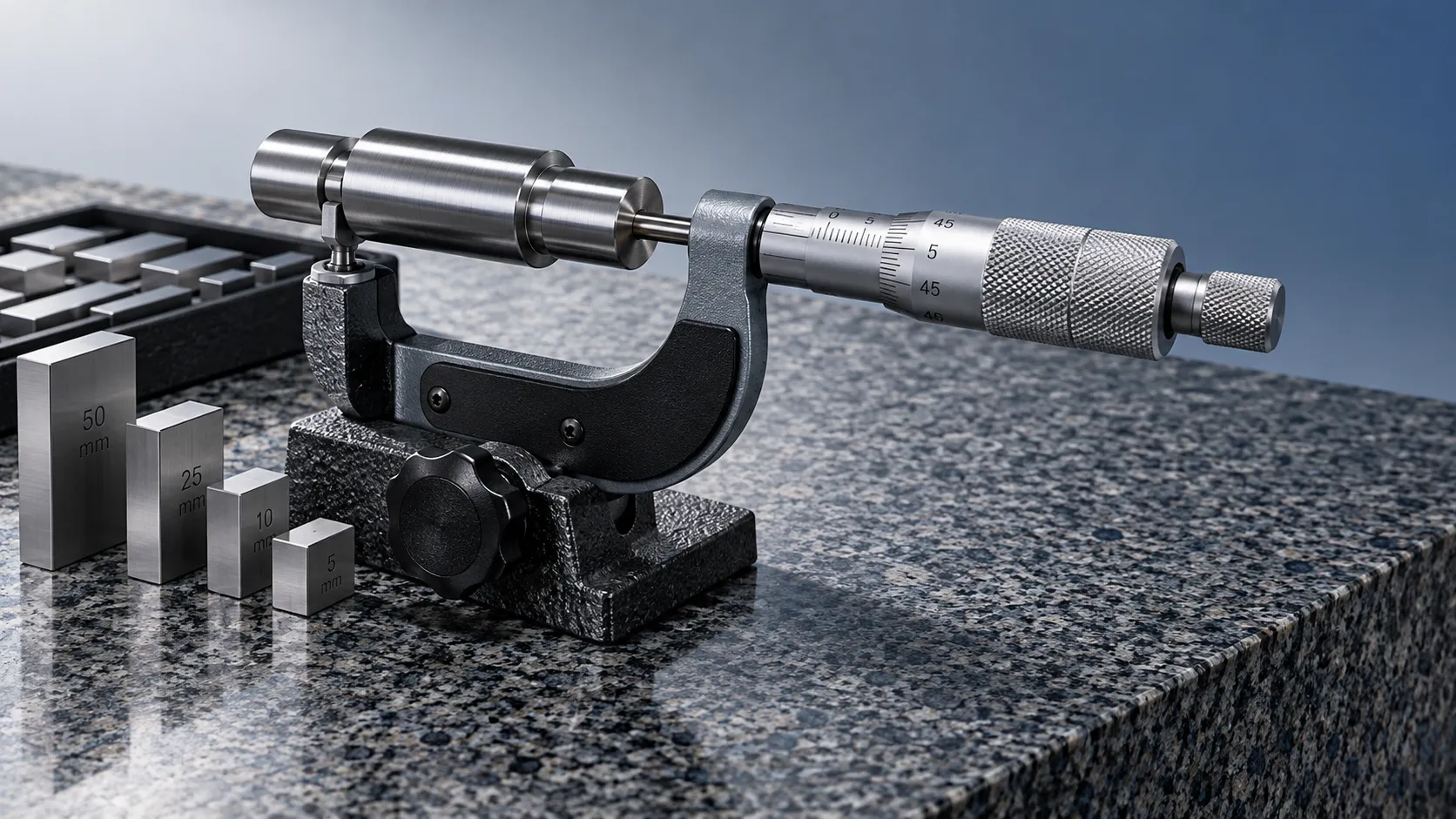
Choosing Industrial Metrology Tools: Matching Measurement Uncertainty to Tolerances
Improve industrial tool selection for metrology by matching measurement uncertainty to tolerances. Learn how to reduce inspection risk and choose equipment with confidence.
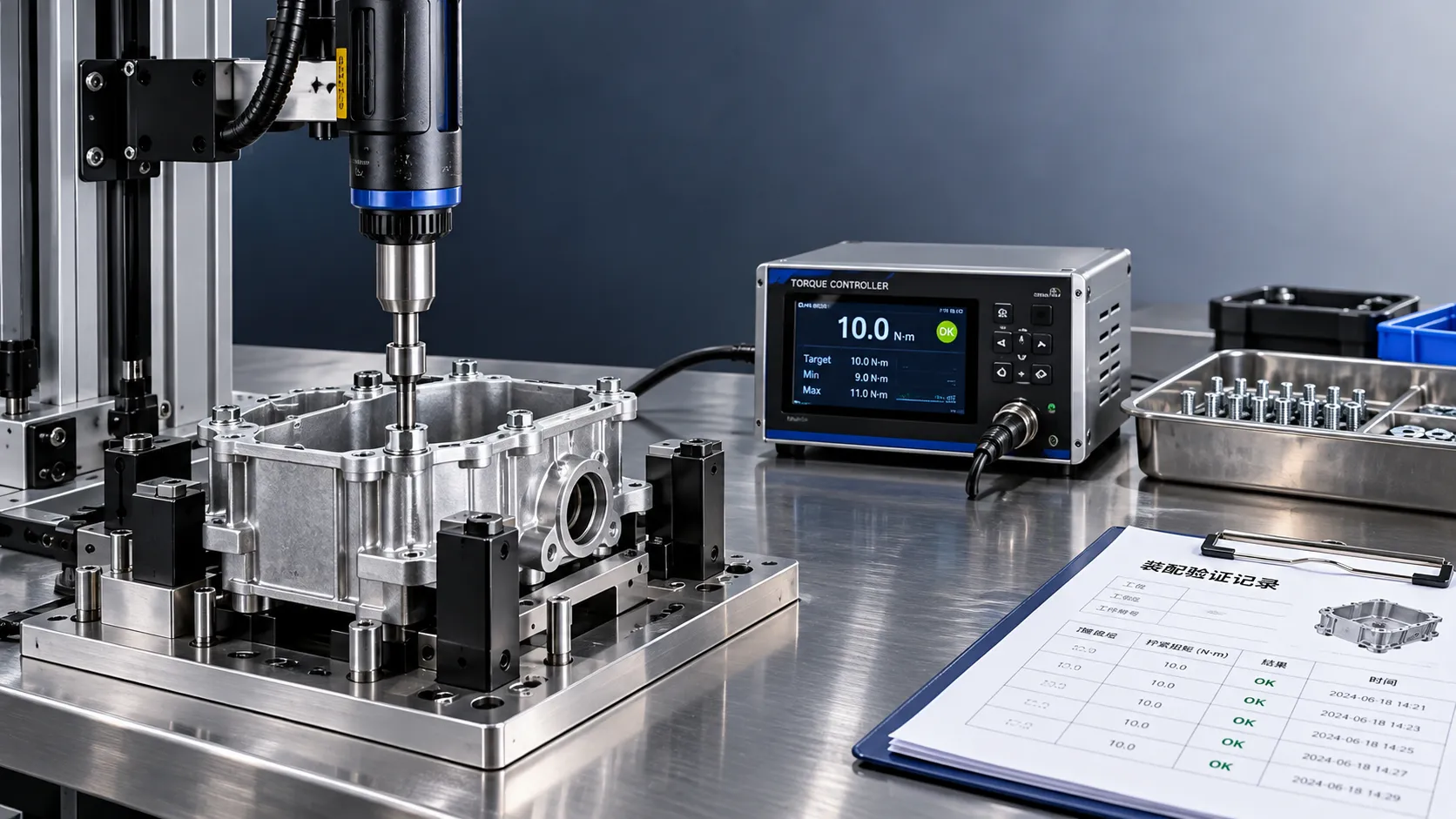
Torque System Suppliers: How to Assess References for Assembly Projects
Explore supplier and solution references torque systems buyers should verify. Assess assembly fit, traceability, and support to reduce risk and choose with confidence.
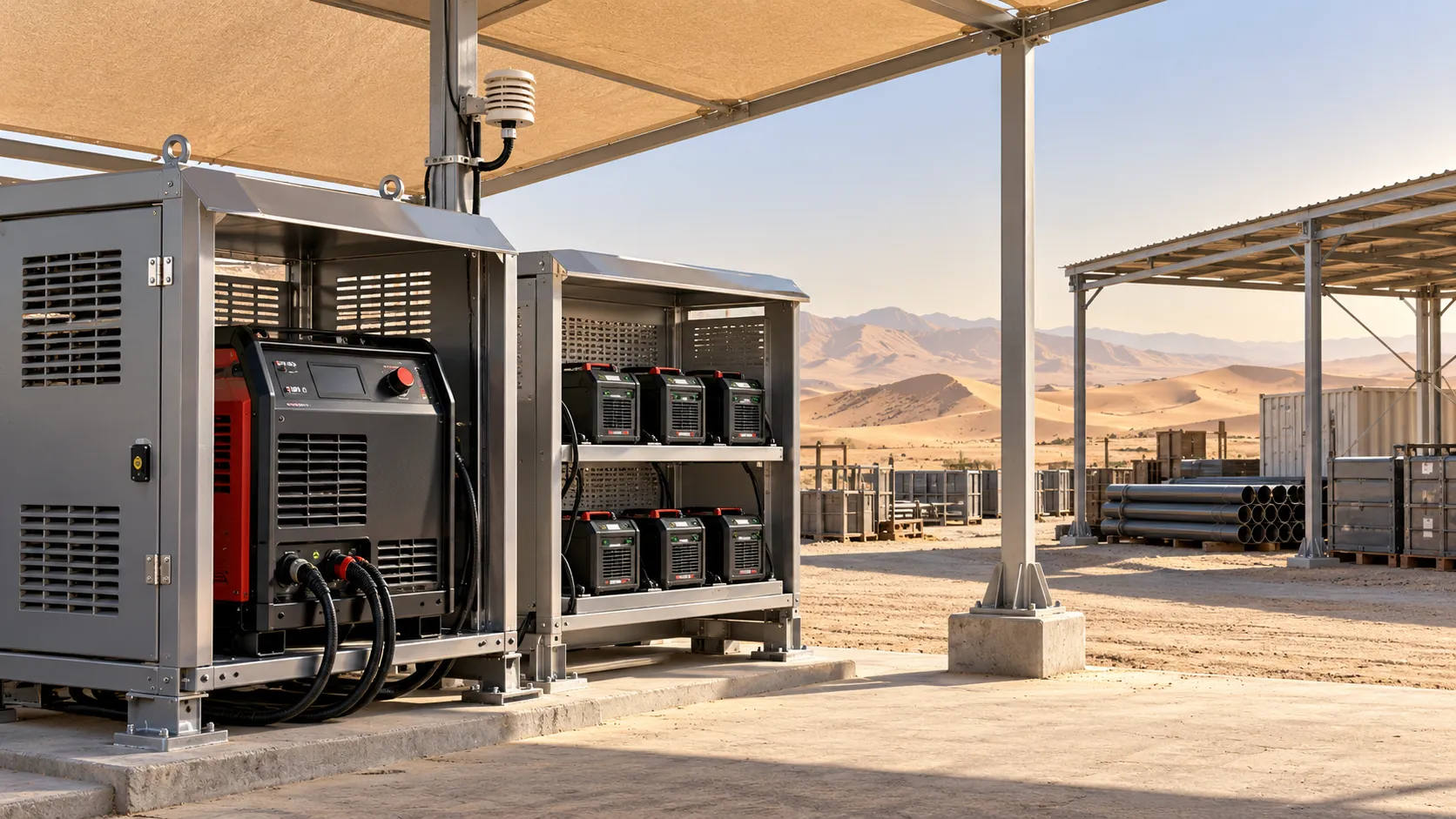
Equipment Application Guidance for the Middle East: Managing Heat and Dust
Explore application guidance Middle East teams can use to manage heat and dust, protect welding equipment, batteries and precision tools, and reduce downtime. Get practical tips.
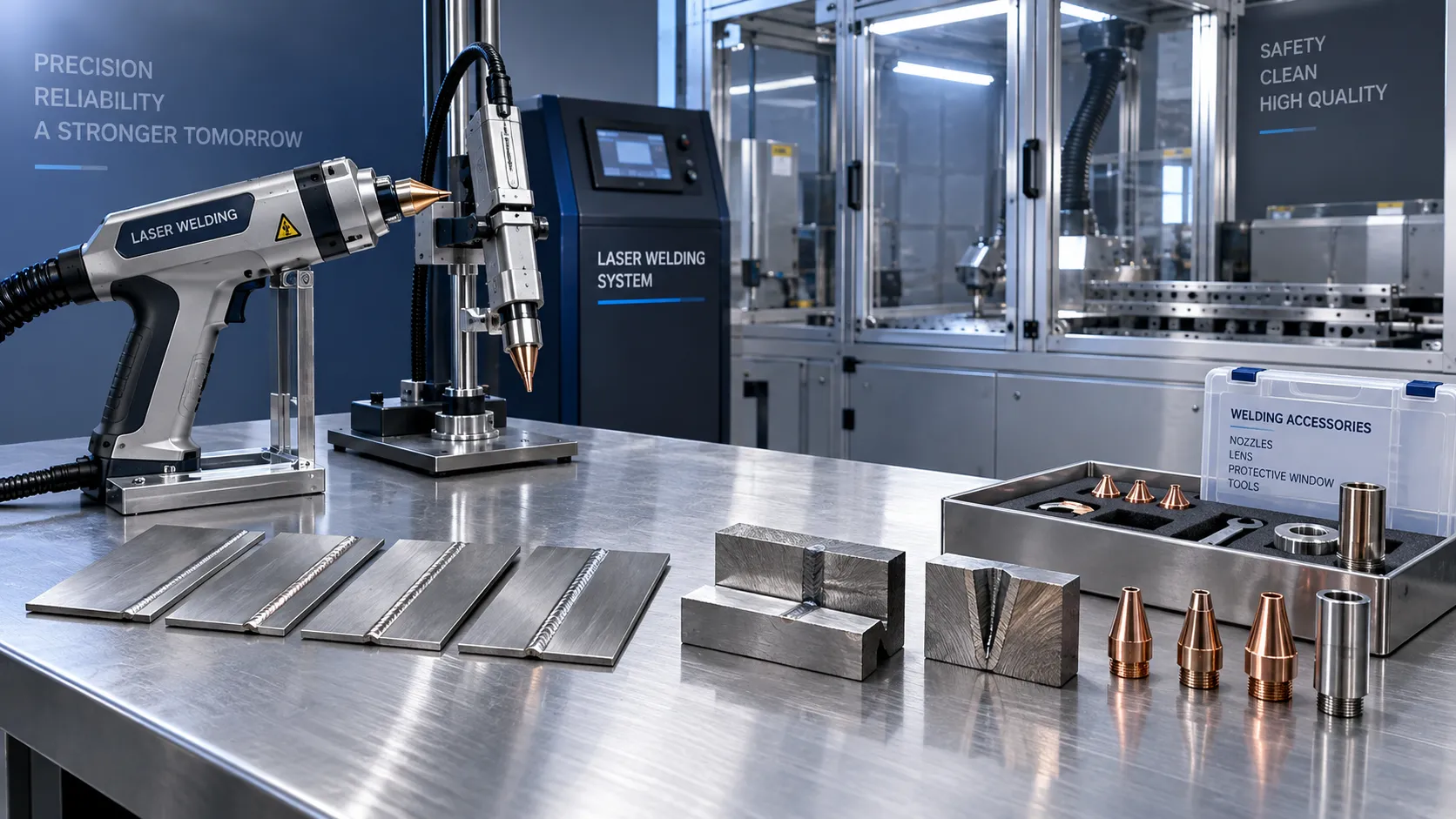
Choosing a Handheld Laser Welding Supplier: Weld Trials, Training, and Service
Choose a handheld laser welding supplier with proven weld trials, safety training, and reliable service. Learn what to verify before buying to reduce downtime and protect your investment.

Choosing an Industrial IoT Platform: Key Criteria for Legacy Equipment
Choose an industrial IoT platform for legacy equipment with confidence. Discover key checks for connectivity, data integrity, security, and lifecycle costs before investing.

In-House vs. Outsourced Aircraft Maintenance: Comparing Total Costs
Compare aerospace maintenance cost for in-house vs. outsourced aircraft upkeep. Discover hidden expenses, downtime impacts, and break-even factors to find the best fit for your fleet.
Related News
- 00
0000-00
How to Choose Welding Tools for Field Repair Work - 00
0000-00
What Welding Equipment Documents Should Suppliers Provide? - 00
0000-00
Welding Fume Extraction PPE: When Respirators Are Not Enough for Shop Safety - 00
0000-00
Which ANSI Standards Apply to Welding Equipment in Industrial Fabrication? - 00
0000-00
How Energy-Efficient Welding Equipment Cuts Power Use in High-Volume Fabrication
Welding Metallurgy Expert
Weekly Insights
Stay ahead with our curated technology reports delivered every Monday.