
Welding Innovations in Thin Metal Fabrication: Which Methods Reduce Rework?





Where welding innovations matter most in thin metal fabrication
Thin metal fabrication rarely fails because of one dramatic error.
More often, rework starts with slight warping, edge mismatch, or heat tint that spreads into assembly delays.
That is why welding innovations now matter less as a trend label and more as a practical route to first-pass accuracy.
In real production, the best method depends on sheet thickness, joint access, cosmetic requirements, and downstream tolerance limits.
A cabinet panel, an HVAC enclosure, and an aerospace bracket may all use thin sections, yet their rework triggers are not the same.
GPTWM often frames this as a last-mile manufacturing question.
The joining method is only one variable.
Measurement discipline, torch stability, material variability, and digital control often decide whether a weld passes without correction.
The most useful welding innovations are therefore the ones that reduce variation before defects become visible.
Actual shop conditions change the right answer
It is tempting to compare processes only by speed or headline precision.
That usually leads to the wrong choice.
Thin stainless behaves differently from coated steel or aluminum.
A process that looks efficient on coupons may struggle once gaps vary across formed parts.
In high-mix fabrication, welding innovations reduce rework when they stabilize real variables, not ideal ones.
The main judgment points usually include heat input, fixturing quality, filler control, operator dependency, and inspection feedback speed.
Where export standards or traceability rules are stricter, process repeatability becomes even more valuable.
That broader operating context is why intelligence platforms such as GPTWM follow both process evolution and metrology practices together.
When cosmetic finish drives the decision
Consumer-facing housings, kitchen equipment, elevator panels, and visible architectural parts usually punish visible rework.
Grinding marks, discoloration, and local distortion can turn a technically sound weld into a rejected surface.
In these cases, laser welding often stands out among welding innovations because of its narrow heat-affected zone.
Pulsed TIG also remains relevant where seam appearance matters more than cycle time.
The better choice depends on edge preparation and gap consistency.
Laser welding can reduce finishing work dramatically, but only when fit-up is controlled tightly.
If part variation is common, advanced TIG with waveform control may produce fewer surprises.
A common mistake is assuming the lowest heat process always creates the least rework.
When joint gaps wander, lack of fusion or inconsistent bead shape can erase that advantage.
What usually works better here
- Use tighter incoming flatness checks before welding starts.
- Match laser welding only with stable joint geometry.
- Choose pulsed TIG where visual quality must tolerate minor fit-up variation.
- Treat post-weld finishing time as part of the real process cost.
For high-throughput enclosures, consistency often beats peak speed
Electrical cabinets, appliance frames, battery boxes, and light industrial covers usually run at higher volume.
Here, rework often comes from accumulated dimensional drift rather than a single failed weld.
Cold metal transfer, controlled short-circuit MIG, and robotic seam tracking are important welding innovations in this setting.
They help lower spatter, reduce burn-through risk, and keep heat input more stable across long production runs.
The key question is not whether robotic welding is available.
It is whether the upstream forming process delivers repeatable joints that automation can trust.
Where part variation is moderate, vision guidance and adaptive parameters can still cut rework.
Where variation is high, fixture redesign may deliver more value than a more advanced power source.
Precision assemblies need welding and metrology to work together
Medical carts, instrument frames, electronics supports, and aerospace subcomponents often have limited tolerance for correction.
In these applications, welding innovations reduce rework only when inspection is integrated into the process loop.
Handheld laser welding, micro TIG, and low-heat pulsed techniques can all perform well.
Still, the bigger advantage usually comes from measurement discipline.
Pre-weld gap mapping, fixture verification, and immediate dimensional checks catch drift before a full batch is affected.
This is where GPTWM’s focus on precision metrology becomes highly practical.
A stable torch cannot compensate for inconsistent reference points.
When tolerances are tight, digital torque control in clamping, calibrated measurement tools, and weld data logging often prevent more rework than a process change alone.
Thin aluminum and coated metals require a different kind of caution
The most expensive rework often appears when teams treat similar thin materials as if they respond the same way.
Aluminum reflects heat differently, moves faster, and punishes poor cleaning.
Coated steels introduce fume, contamination, and finish damage concerns.
Here, welding innovations should be judged by process stability and surface preservation, not only penetration capability.
Pulsed MIG for aluminum can improve control in repetitive work.
Laser welding may reduce distortion on selected coated parts, but coating behavior and venting must be confirmed first.
A frequent misstep is choosing a process from a successful stainless application and expecting similar results on aluminum skins.
The rework bill usually appears later, during straightening, repainting, or leak correction.
Checks worth making before process selection
- Confirm actual material condition, not only nominal grade.
- Review coating response, cleaning steps, and ventilation needs.
- Measure gap variation across formed parts, not just sample coupons.
- Estimate downstream correction time before approving faster welding cycles.
The most common misjudgments behind repeat rework
Many rework problems are not caused by weak technology.
They come from narrow evaluation.
One mistake is focusing on machine specifications without checking fixture rigidity, operator movement, or consumable consistency.
Another is comparing welding innovations only by purchase price.
Lower-cost equipment may trigger higher cleanup, more scrap, or longer training cycles.
There is also a tendency to copy settings from one product family to another.
Thin metal fabrication punishes that shortcut because edge condition, coating, and joint restraint change the heat balance quickly.
The better approach is to evaluate the full chain.
Look at forming accuracy, clamp repeatability, weld data capture, and final inspection together.
A practical route to choosing welding innovations that reduce rework
The strongest decisions usually start with a narrow application map.
List the parts where rework is driven by distortion, appearance, porosity, burn-through, or dimensional drift.
Then match each problem to a process and control response.
- If distortion dominates, reduce heat input and improve restraint strategy.
- If visual defects dominate, prioritize stable fit-up and low-finishing processes.
- If batch drift dominates, improve metrology feedback and fixture repeatability.
- If mixed materials dominate, validate cleaning, coating behavior, and program flexibility.
That method makes welding innovations easier to judge in business terms.
The goal is not to chase the newest process.
It is to reduce corrective labor, protect tolerance, and keep production predictable across changing industrial conditions.
A useful next step is to build a short comparison standard for each thin metal family.
Include joint type, allowable gap, finish expectation, inspection points, and maintenance demands.
That kind of structured review turns welding innovations from a broad idea into a reliable rework reduction strategy.
Related News
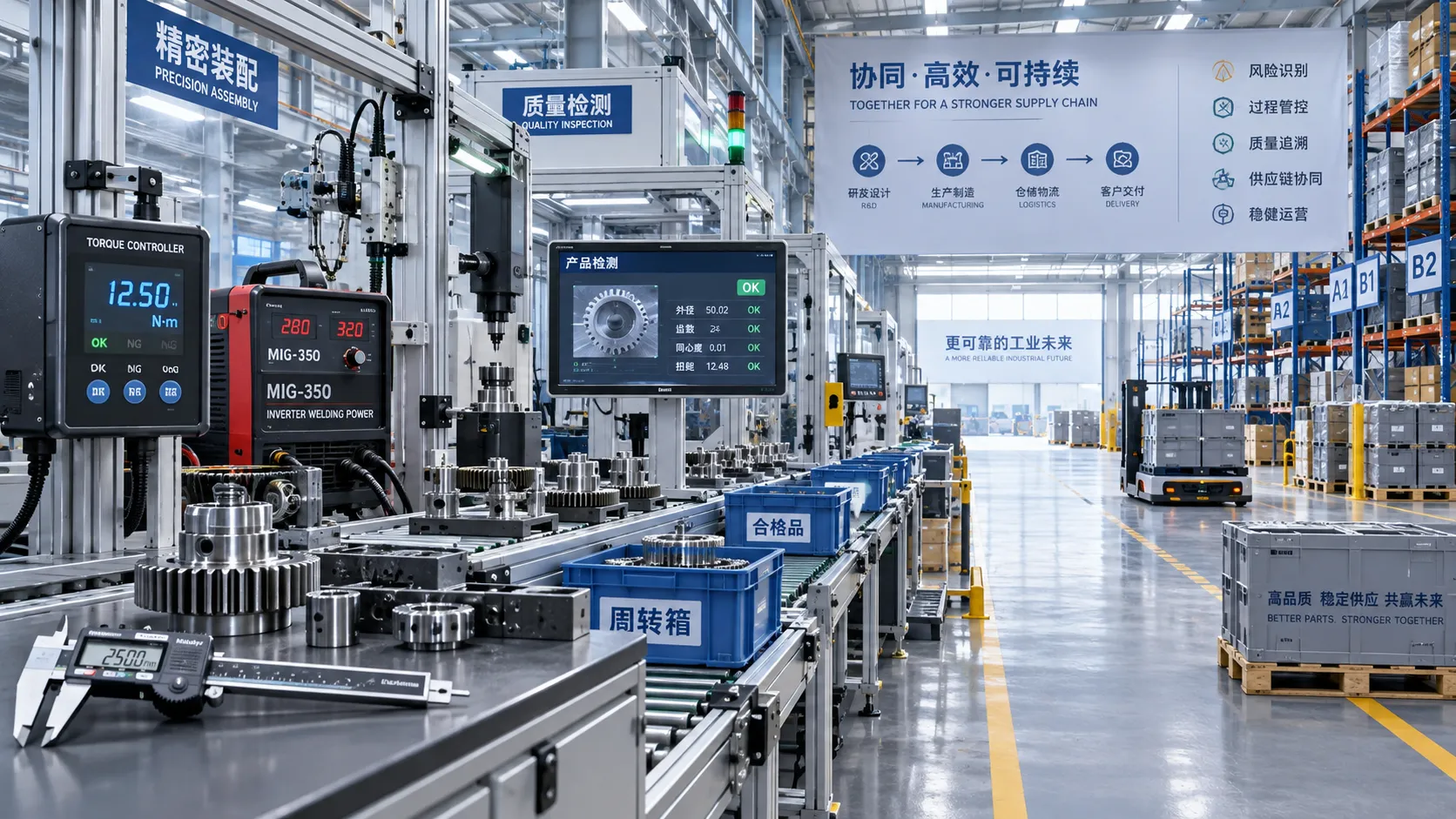
How Procurement Teams Can Map the Industrial Value Chain to Reduce Supply Risk
Industrial value chain procurement helps teams map hidden dependencies, qualify resilient sources, and reduce supply risk before disruptions stop production.
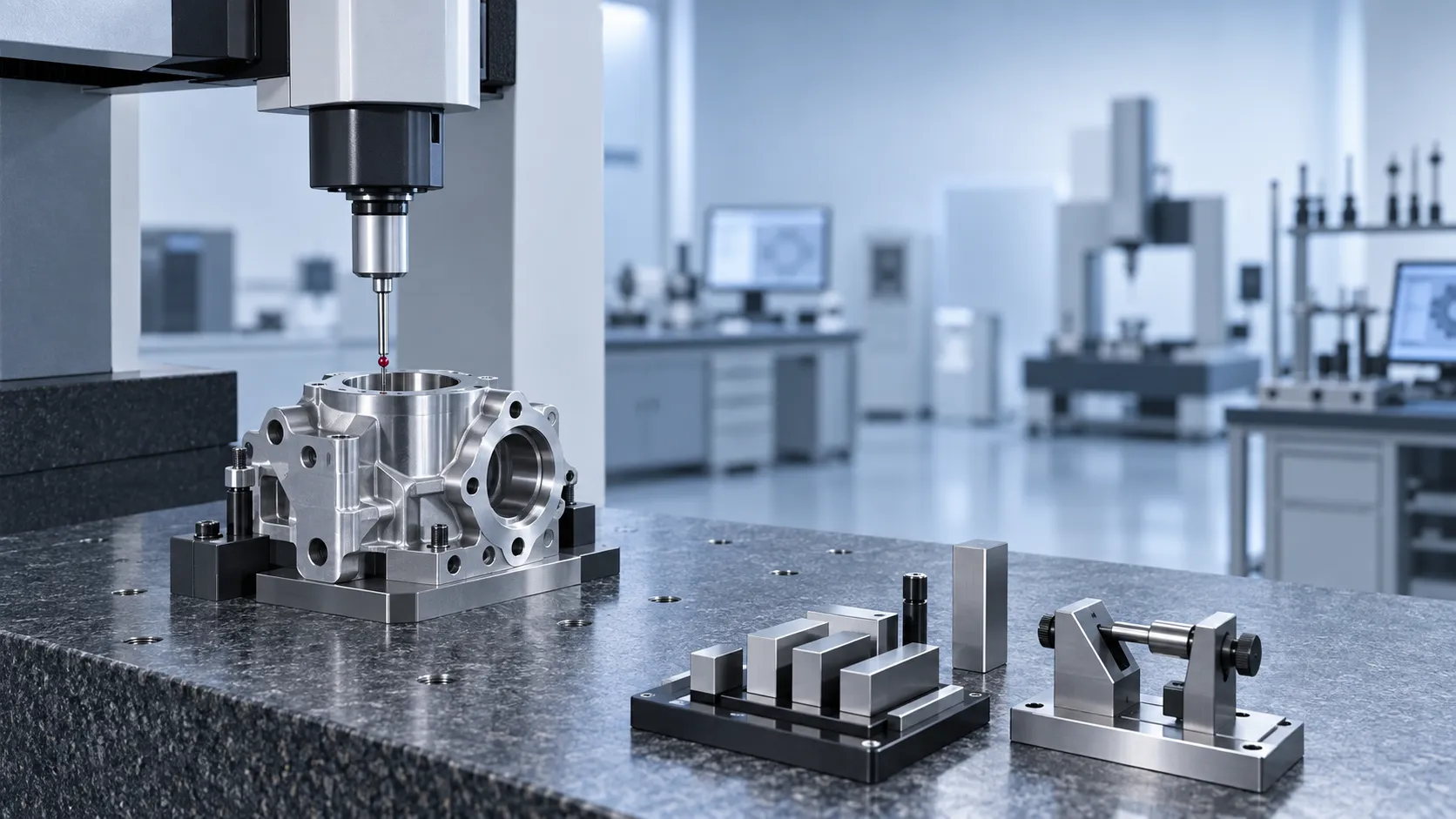
How Specification-Driven Articles Improve Precision Measurement System Selection
Specification-oriented articles precision measurement guidance helps teams compare accuracy, repeatability, environment, and data needs to select reliable systems with confidence.

How to Evaluate a Technology Integration Service Provider for Complex Projects
Technology integration service provider selection guide: evaluate interface ownership, delivery discipline, scalable architecture, and risk control for complex projects.
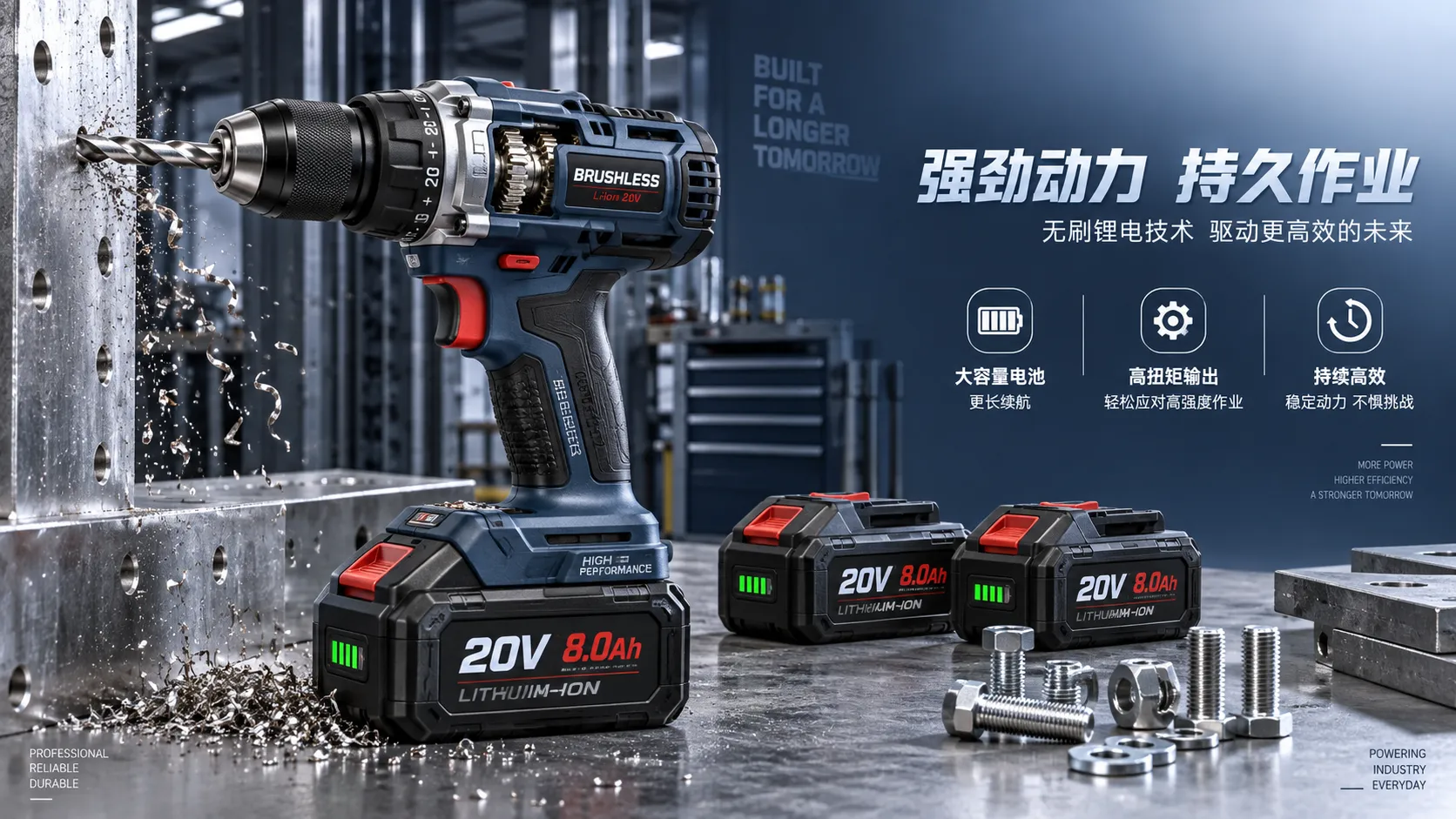
How Battery, Torque, and Duty Cycle Affect Cordless Power Tool Efficiency
Cordless power tool efficiency depends on battery output, torque, and duty cycle. Learn how to match tools to demanding jobs for stronger runtime and productivity.
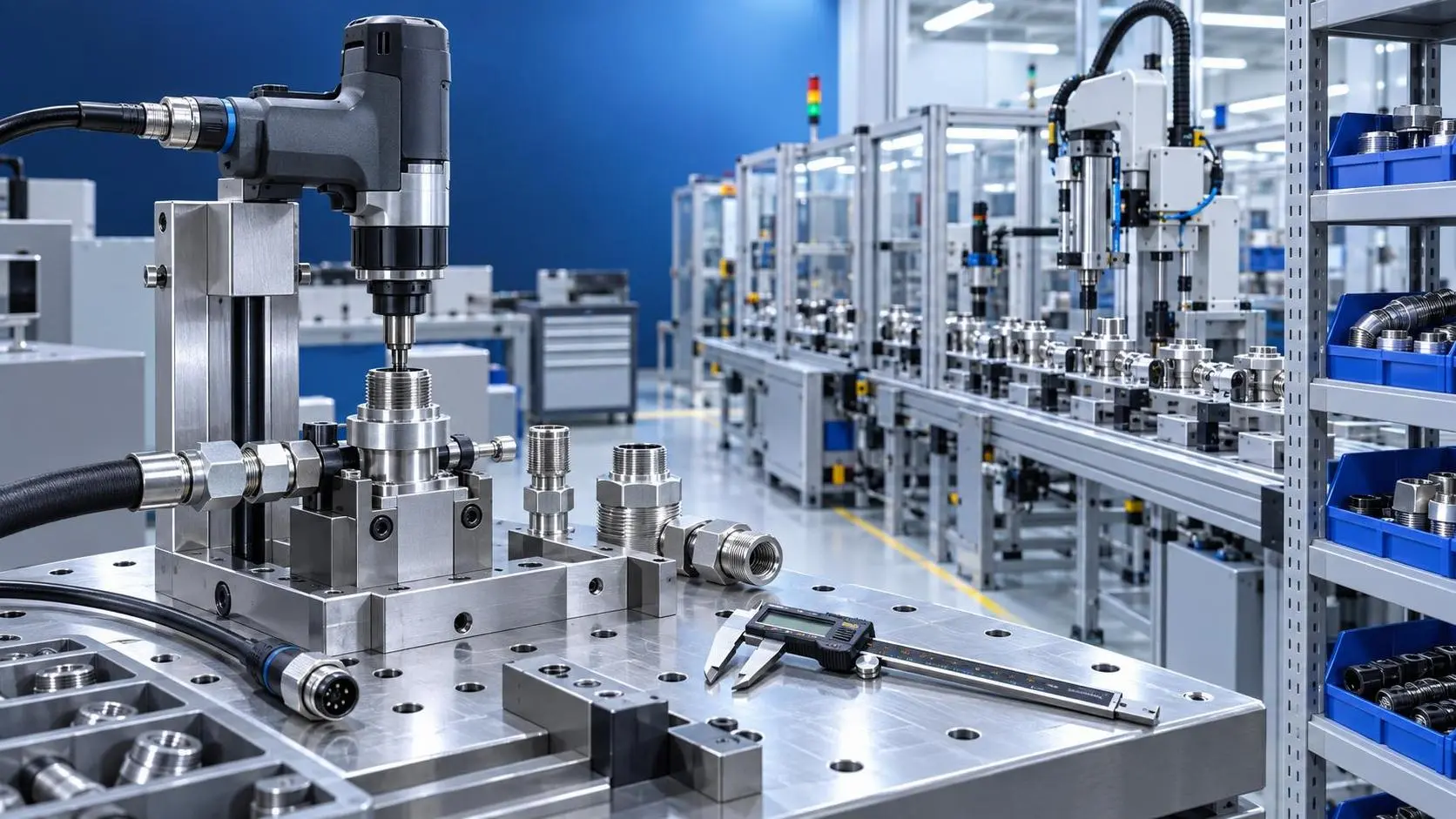
Product Comparison Resources for Component Compatibility and Lifecycle Risk
Product comparison resources for components: evaluate compatibility, interfaces, service support, and lifecycle risk to reduce downtime, avoid redesigns, and make confident sourcing decisions.
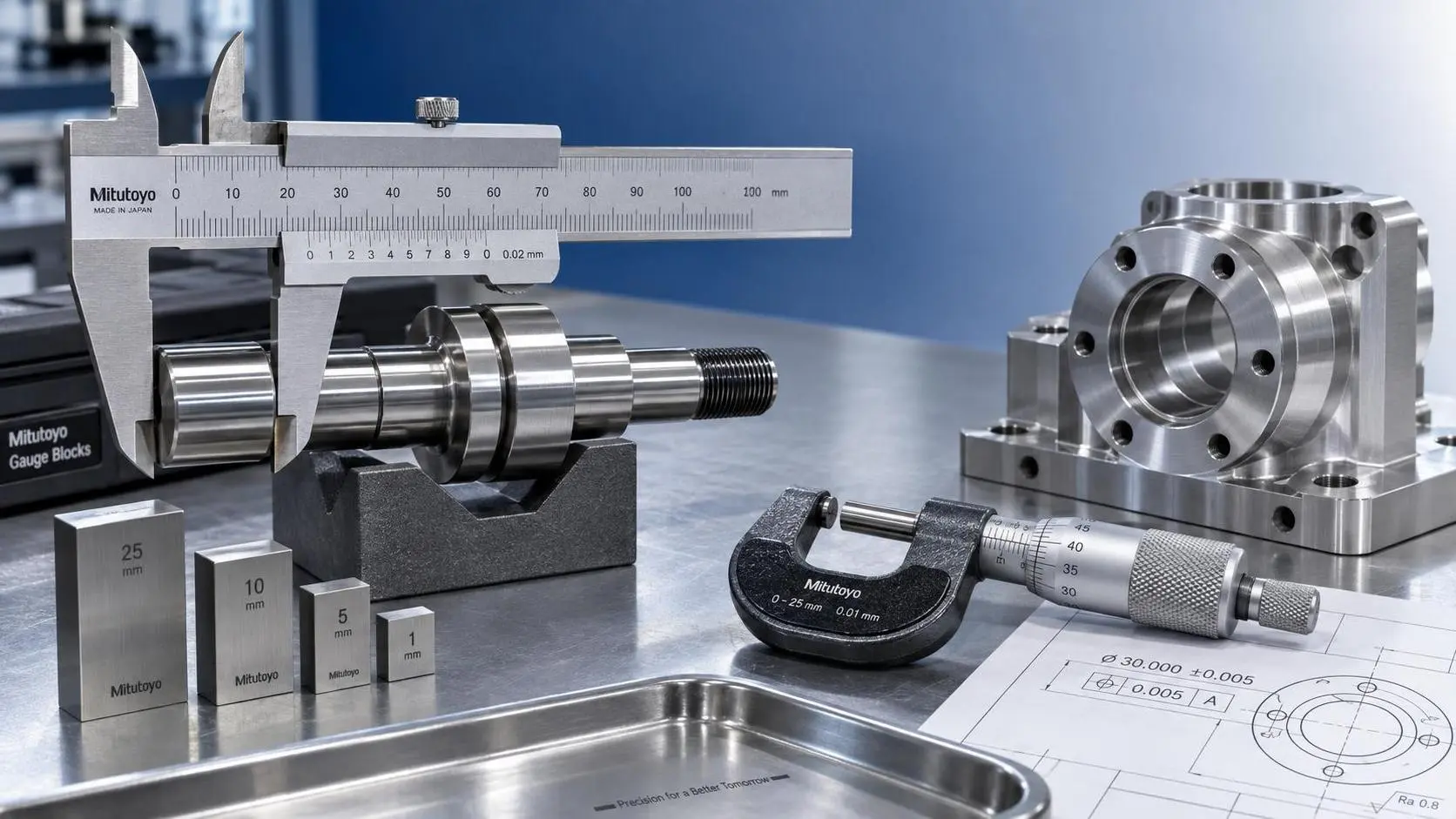
How to Select Vernier Precision Calipers for Tight-Tolerance Machining Inspection
Vernier precision calipers for tight-tolerance machining: learn how to select the right range, jaw design, accuracy, and verification process for reliable inspection.
Product Comparison Resources in Europe: How Buyers Can Verify Specs and Suppliers
Product comparison resources Europe: learn how to verify industrial specs, compliance claims, supplier credibility, and delivery risk for smarter purchasing decisions.

How to Evaluate an Industrial Metrology Solution Manufacturer for Production Use
Industrial metrology solution manufacturer evaluation guide for production: compare accuracy, traceability, automation, software, service, and acceptance testing to reduce risk.
Which ISO Standards Matter Most for Precision Engineering Quality Control?
Precision engineering ISO standards explained: discover how ISO 9001, ISO/IEC 17025, ISO 10012, GPS, and ISO 3834 strengthen quality control, traceability, and compliance.
Related News
- 00
0000-00
North American Welding Innovations Reshaping Automation, Quality, and Labor Productivity - 00
0000-00
How to Choose Handheld Laser Welding Equipment for Thin Metal Fabrication - 00
0000-00
Where Do Energy-Saving Welding Equipment Upgrades Deliver the Best ROI? - 00
0000-00
Low-Spatter Welding Equipment Applications: Best Uses by Material and Production Needs - 00
0000-00
How to Choose Auto Darkening Welding Helmets for Safety, Comfort, and Arc Performance
Welding Metallurgy Expert
Weekly Insights
Stay ahead with our curated technology reports delivered every Monday.