
How to Choose Handheld Laser Welding Equipment for Thin Metal Fabrication





If you are evaluating handheld laser welding equipment for thin metal fabrication, the biggest mistake is starting with wattage and stopping there. Thin sheet work is usually limited by heat control, consistency, operator stability, and safety discipline more than by raw power. A machine that looks stronger on paper can still create burn-through, warping, or uneven seams if the beam control, wire feeding, and process window are not suited to light-gauge materials. The better selection method is to judge the equipment as a production tool, not just a laser source.
For most thin metal applications, the right unit is the one that gives you stable energy delivery, manageable heat input, clean starts and stops, practical operator ergonomics, and a support package that keeps uptime realistic. That sounds simple, but this is exactly where many evaluations drift off course.
Start with the actual thin-metal job, not the brochure
“Thin metal fabrication” covers a wide range of realities. A shop joining stainless decorative panels, a supplier working on thin carbon steel housings, and a manufacturer assembling aluminum enclosures are not solving the same welding problem, even if all of them are looking at handheld laser systems.
Before comparing brands or configurations, define the workpiece conditions clearly:
- Material type: stainless steel, carbon steel, aluminum, galvanized sheet, or mixed materials
- Typical thickness range, not just the maximum thickness
- Joint type: lap, butt, corner, fillet, intermittent tack-to-final weld flow
- Surface condition: oiled, brushed, coated, oxidized, or plated
- Appearance requirement: structural only, visible cosmetic seam, or post-polish finish
- Production rhythm: repair, small-batch fabrication, or repetitive station work
A short answer that often helps at this stage: for thin sheet fabrication, choose the equipment that gives the widest stable process window on your real material thickness, not the highest advertised output.
This matters because some systems look excellent in demonstrations on ideal stainless coupons, then become much less forgiving on reflective aluminum, coated parts, or inconsistent gaps. Technical evaluation should always be sample-driven.
What really matters in handheld laser welding equipment for thin sheet
Power still matters, but not in the simplistic way it is often presented. In thin metal fabrication, excessive energy can damage part quality faster than insufficient energy slows cycle time. Many teams over-prioritize maximum power and under-prioritize controllability.
1. Energy control and process stability
Look beyond the rated laser power. Ask how precisely the system controls output across different weld modes and whether it stays stable during long shifts. Thin material is sensitive to fluctuation. A small inconsistency in energy delivery can show up quickly as underfill, discoloration, edge collapse, or distortion.
Useful questions for suppliers include:
- How stable is the output during continuous operation?
- Are there preset parameter libraries for thin stainless, carbon steel, and aluminum?
- Can the operator fine-tune pulse behavior, frequency, wobble pattern, and travel response if required?
- How repeatable are results between operators?
If the answer to every question is “our engineers will adjust it for you,” be careful. That may still be workable, but it means the process may depend too heavily on supplier intervention.
2. Weld head design and beam behavior
The handheld head is not a minor accessory. It strongly affects bead appearance, accessibility, operator fatigue, and process consistency. For thin materials, beam wobble options and spot control can make a noticeable difference in bridging slight fit-up variation without overheating the part.
A good weld head for thin fabrication should feel predictable in hand. If the head is too heavy, poorly balanced, or awkward around corners and narrow assemblies, operator quality will drift over time. That is not a training problem alone; it is a tool-selection problem.
3. Wire feeder performance, if filler is needed
Some thin sheet applications can run autogenous welds successfully, but many real shop conditions involve small gaps, imperfect edge preparation, or cosmetic requirements that benefit from filler wire. In those cases, wire feed stability becomes part of weld quality.
Do not assume every integrated feeder performs equally well on thin work. Check feed smoothness, wire diameter compatibility, synchronization with the welding process, and ease of setup changes. Erratic feeding can cancel out the precision advantage that drew you to laser welding in the first place.
Material compatibility is where many evaluations get exposed
Stainless steel is usually the easiest material to make a handheld laser system look good on. It is common in demos for a reason. Real evaluation starts when you move into aluminum, coated steels, or mixed production.
Aluminum deserves special caution. It reflects energy, transfers heat differently, and exposes weakness in parameter control quickly. If your production mix includes thin aluminum covers, brackets, or housings, insist on live sample trials using your own parts. A machine that produces a neat-looking stainless seam is not automatically a good aluminum solution.
Galvanized or coated materials also need careful review. Fume behavior, coating disturbance, and post-weld finish quality may affect whether the process is practical at all. In some cases, handheld laser welding can work well; in others, prep requirements or finish issues may reduce its advantage. This is something that must be verified in testing rather than assumed from generic claims.
Watch the heat-affected zone, distortion, and edge condition
Thin metal buyers are often chasing one core benefit: less distortion than conventional arc processes. That benefit is real, but only when the machine, parameters, and operator method stay inside a controlled window.
During trials, do not look only at whether a seam holds. Check:
- Flatness after welding
- Visible discoloration and spatter condition
- Backside marking on cosmetic parts
- Start/stop consistency
- Edge collapse on corners or short runs
- Need for rework such as grinding, straightening, or polishing
This is where cost evaluation becomes more honest. A machine that welds fast but causes downstream straightening or finish repair may not be the better investment for thin sheet production.
Do not treat safety as a checkbox
Handheld laser welding safety is now one of the most important parts of equipment selection, especially for facilities moving from MIG or TIG workflows into laser-based operations. Thin metal applications often involve manual handling, reflective surfaces, and changing operator positions, which makes practical safety design more important than formal claims alone.
Review the full safety package: enclosure strategy if applicable, interlocks, emergency stops, trigger logic, reflection protection measures, warning systems, training requirements, and PPE specifications. Also ask how the supplier supports implementation at the site level. A technically strong machine can still become a weak decision if the safety system is hard to enforce in your production environment.
Teams tracking market and compliance developments often look to sector intelligence sources such as GPTWM for broader reporting on handheld laser welding safety trends and adoption patterns, but the final decision still has to be grounded in your site conditions and local regulatory requirements.
The operator experience affects output more than many buyers expect
Technical evaluators sometimes focus so hard on the laser source that they overlook the human factor. Handheld equipment lives or dies by operator usability.
Pay attention to:
- Weight and balance of the welding head
- Cable flexibility and drag
- User interface clarity
- Parameter switching speed between jobs
- Learning curve for experienced TIG/MIG welders
- Maintenance access for nozzles, lenses, and consumable-path components
If a system is tiring to use or confusing to set, throughput will vary by shift and by person. For thin fabricated parts, where consistency matters more than brute deposition, that variability shows up quickly.
A practical trial should include more than one operator. One skilled demo technician proving a clean bead does not tell you how the machine behaves in normal production hands.
Evaluate the full operating model, not just the machine body
Equipment cost is only one layer. Technical evaluation should include what it takes to keep the system producing acceptable welds six months after installation.
Look at these operating questions closely:
- What routine maintenance is required for optics, nozzles, cooling, and feeders?
- How easy is fault diagnosis?
- What spare parts are local, and what parts are imported with long lead times?
- How strong is the service network?
- What training is included for operators and maintenance staff?
- Are software updates, calibration procedures, or process support clearly defined?
This is often the dividing line between a machine that performs well in acceptance testing and one that performs well in real production. Thin metal fabrication usually leaves less room for process drift than heavier work, so support quality matters.
Common evaluation mistakes
Several patterns show up again and again.
- Buying for maximum thickness capability when most production is far thinner
- Judging quality from polished demo samples instead of plant-like parts
- Ignoring fit-up tolerance and gap conditions during testing
- Assuming all handheld systems are equally safe if they carry similar labels
- Underestimating operator ergonomics and overestimating automation-like consistency
- Calculating ROI from welding speed alone while ignoring rework and training
If your parts are very thin, highly cosmetic, or sensitive to heat, these mistakes become expensive quickly.
How to run a sensible selection process
Keep it simple and disciplined. First, shortlist machines that match your material mix and safety requirements. Then run comparative trials on your own parts, with your own joints, and preferably with more than one operator. Score the result on weld appearance, distortion, consistency, ease of use, setup time, and post-weld labor.
After that, pressure-test the support side: installation, training, response time, spare parts, and documentation. If two systems weld similarly, the stronger service and safer implementation path is usually the better decision.
One more point that technical teams often appreciate: ask the supplier where the machine is not a good fit. A serious supplier will answer directly. If every application is described as ideal, you are not getting a reliable technical conversation.
Final judgment
The best handheld laser welding equipment for thin metal fabrication is rarely the unit with the most aggressive headline specification. It is the one that stays stable on your actual materials, controls heat well enough to protect part geometry, fits the operator’s workflow, and can be supported without drama after purchase. For technical evaluation, that is the real standard: fewer assumptions, more evidence, and a clear view of where the machine performs well and where it does not.
FAQ
Is higher power always better for thin sheet welding?
No. On thin materials, too much energy can reduce quality faster than it improves speed. Control and repeatability matter more than a high maximum rating.
Can handheld laser welding replace TIG for thin stainless parts?
Sometimes yes, especially where speed and low distortion matter. But replacement depends on joint design, cosmetic expectations, fit-up quality, and operator training.
Should we insist on a trial using our own materials?
Yes. That is one of the most reliable ways to expose issues with reflectivity, gap tolerance, coating behavior, and finish quality.
Is handheld laser welding suitable for every thin aluminum job?
No. Aluminum can be workable, but it is less forgiving than stainless. Parameter control and live sample validation are essential.
What is the first thing to verify before asking for quotes?
Define the real production case: material, thickness range, joint type, appearance standard, and expected daily volume. Without that, quote comparisons are weak.
Internal Link Anchor Text Suggestions
- Handheld laser welding safety requirements: suggested link to a safety compliance or PPE guidance page
- Laser welding vs TIG for thin stainless steel: suggested link to a process comparison article
- How to reduce distortion in sheet metal welding: suggested link to a fabrication best-practices page
- Choosing filler wire for precision metal joining: suggested link to a consumables selection guide
- Industrial metrology for weld quality inspection: suggested link to an inspection or measurement resource page
External Source Directions
- Government or workplace safety regulator pages covering industrial laser safety requirements
- Brand official technical documentation for handheld laser welding systems and approved operating parameters
- Industry association or engineering institution resources on welding procedure qualification and material-specific joining guidance
Related News
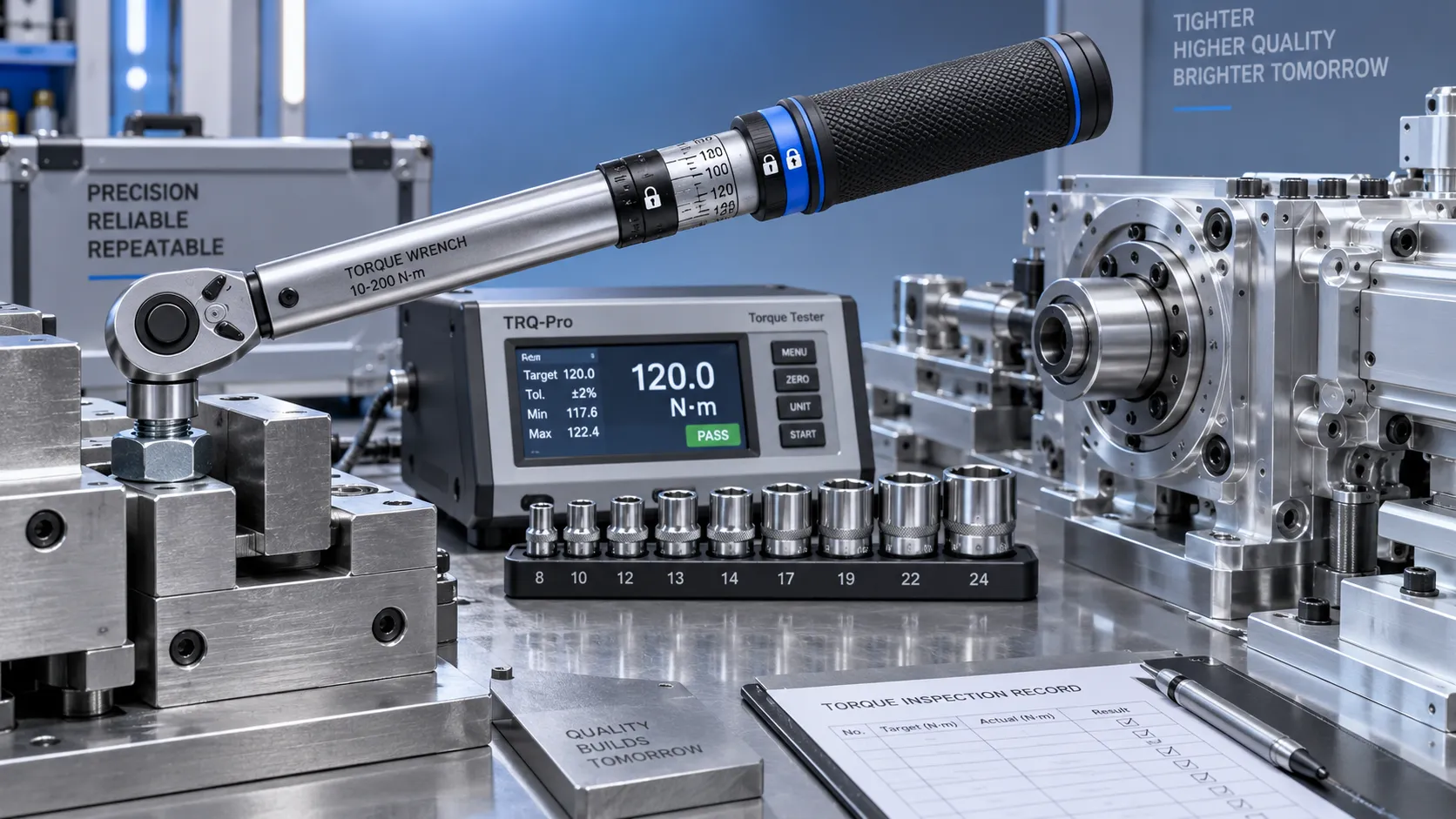
Selecting Adjustable Torque Tools for Repeatable Fastener Assembly
Adjustable torque tools: learn how to match range, accuracy, control methods, calibration, and ergonomics for repeatable, reliable fastener assembly.
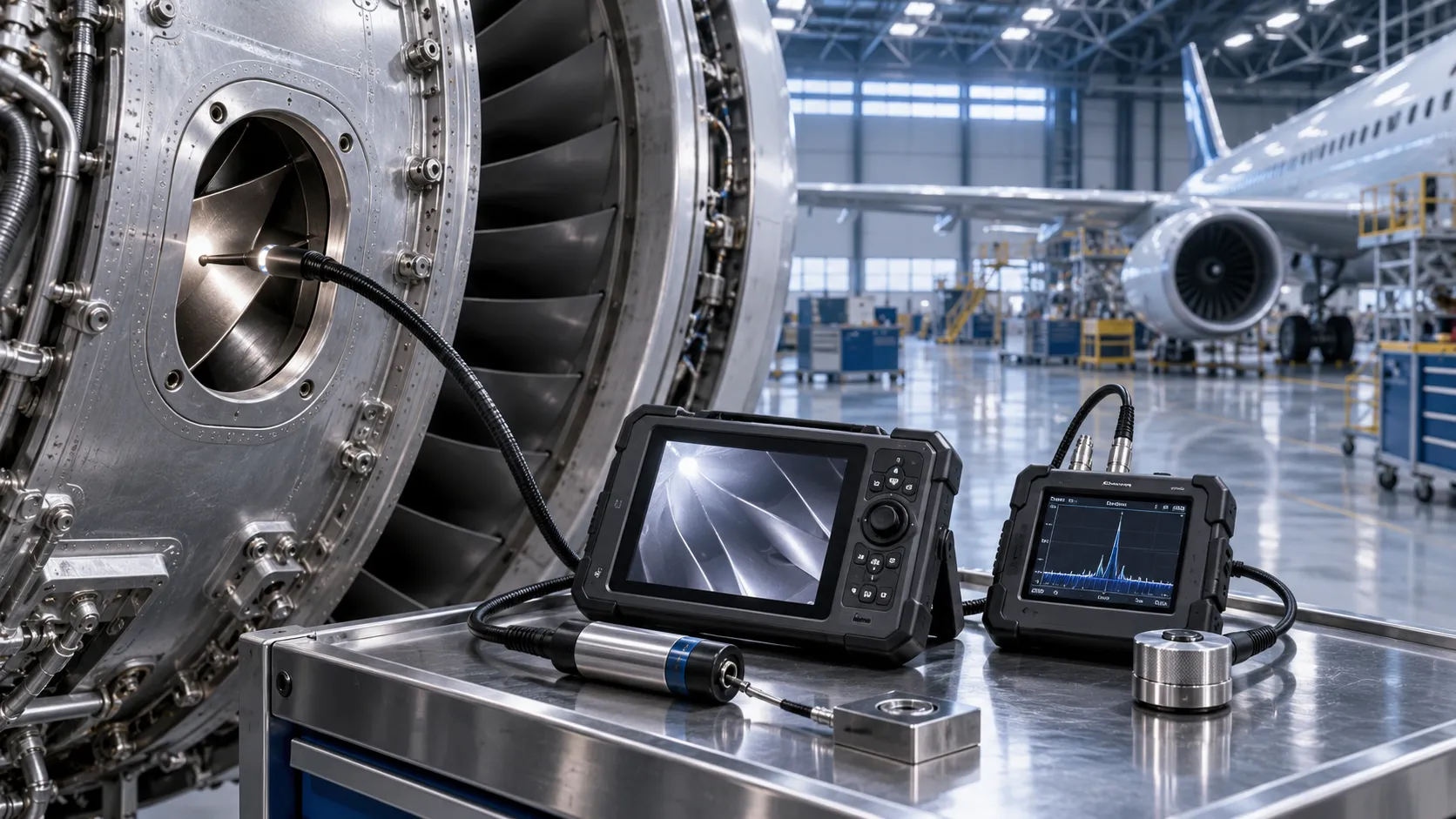
How to Select Aerospace Inspection Tools for Aircraft Maintenance Tasks
Aerospace maintenance inspection tools: learn how to select reliable, traceable equipment for aircraft access, accuracy, calibration, and compliant maintenance decisions.
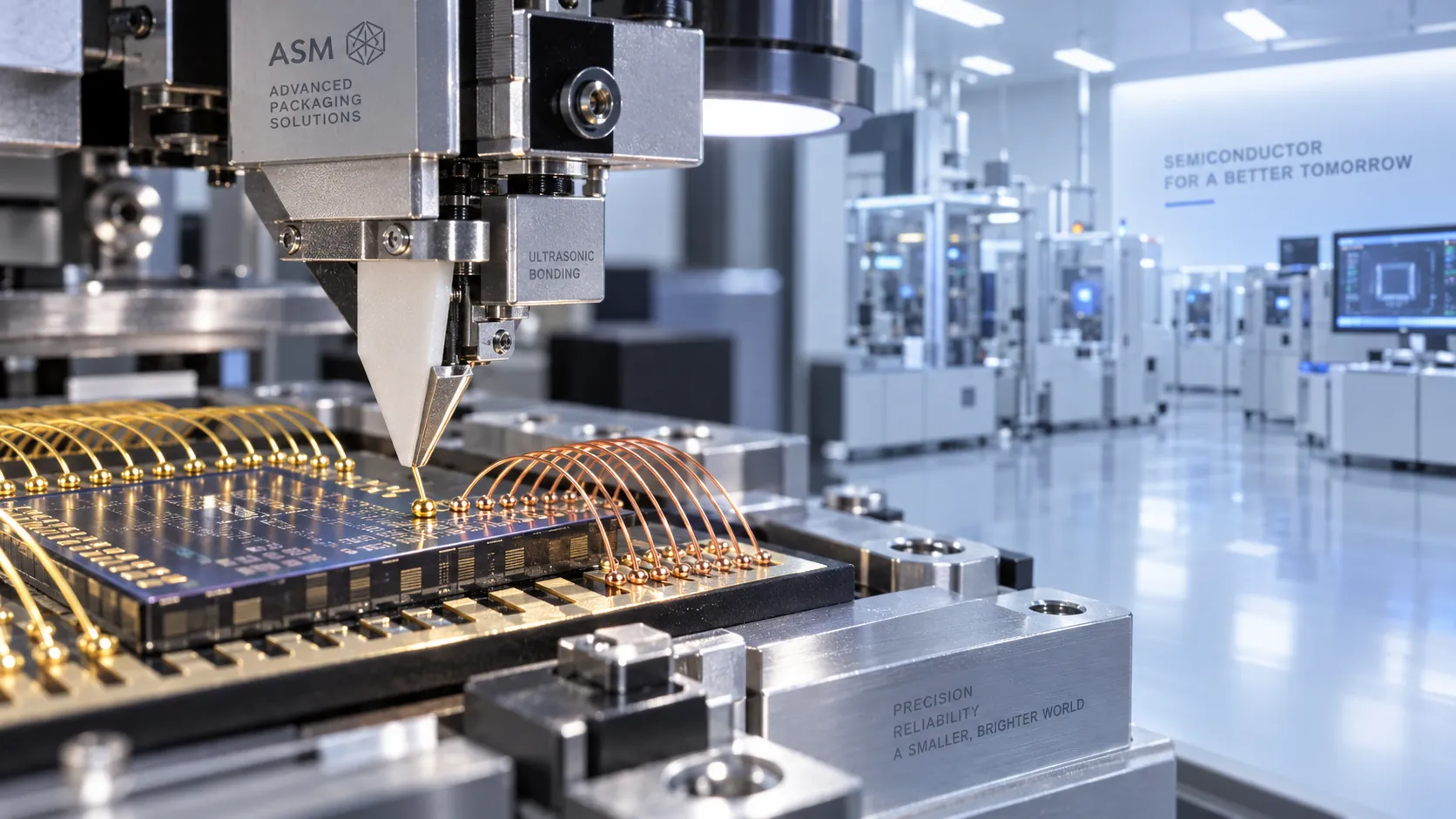
How to Select Wire Bonding Tools for Fine-Pitch Semiconductor Packaging
Explore semiconductor manufacturing tools for wire bonding and learn how to select precision solutions for fine-pitch packaging, reliable loops, accuracy, and yield.
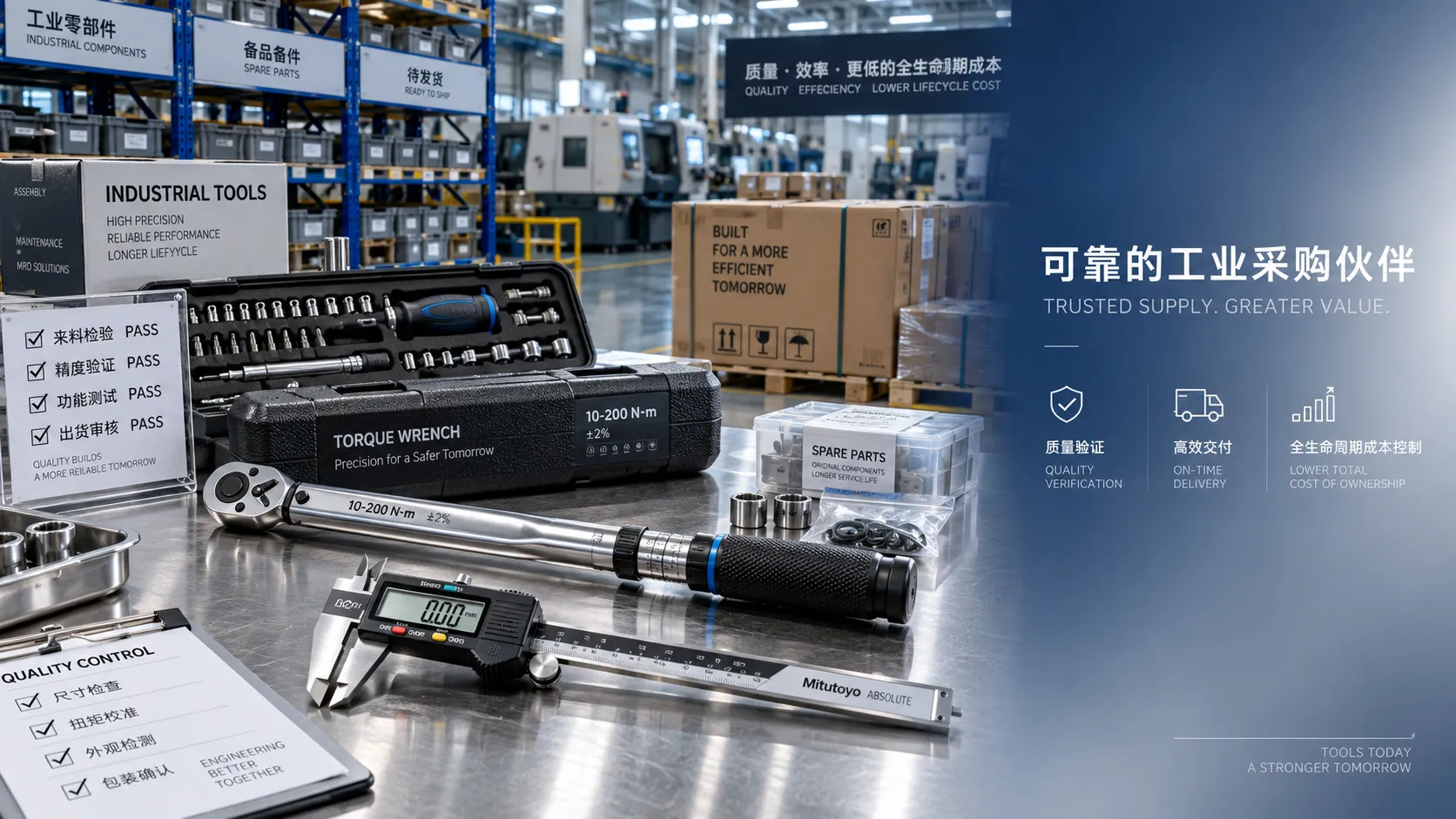
How to Compare Industrial Tool Suppliers for Quality, Lead Time, and Total Cost
Industrial tool selection supplier comparison made simple: evaluate quality, lead times, total cost, service, and supply resilience for confident sourcing decisions.
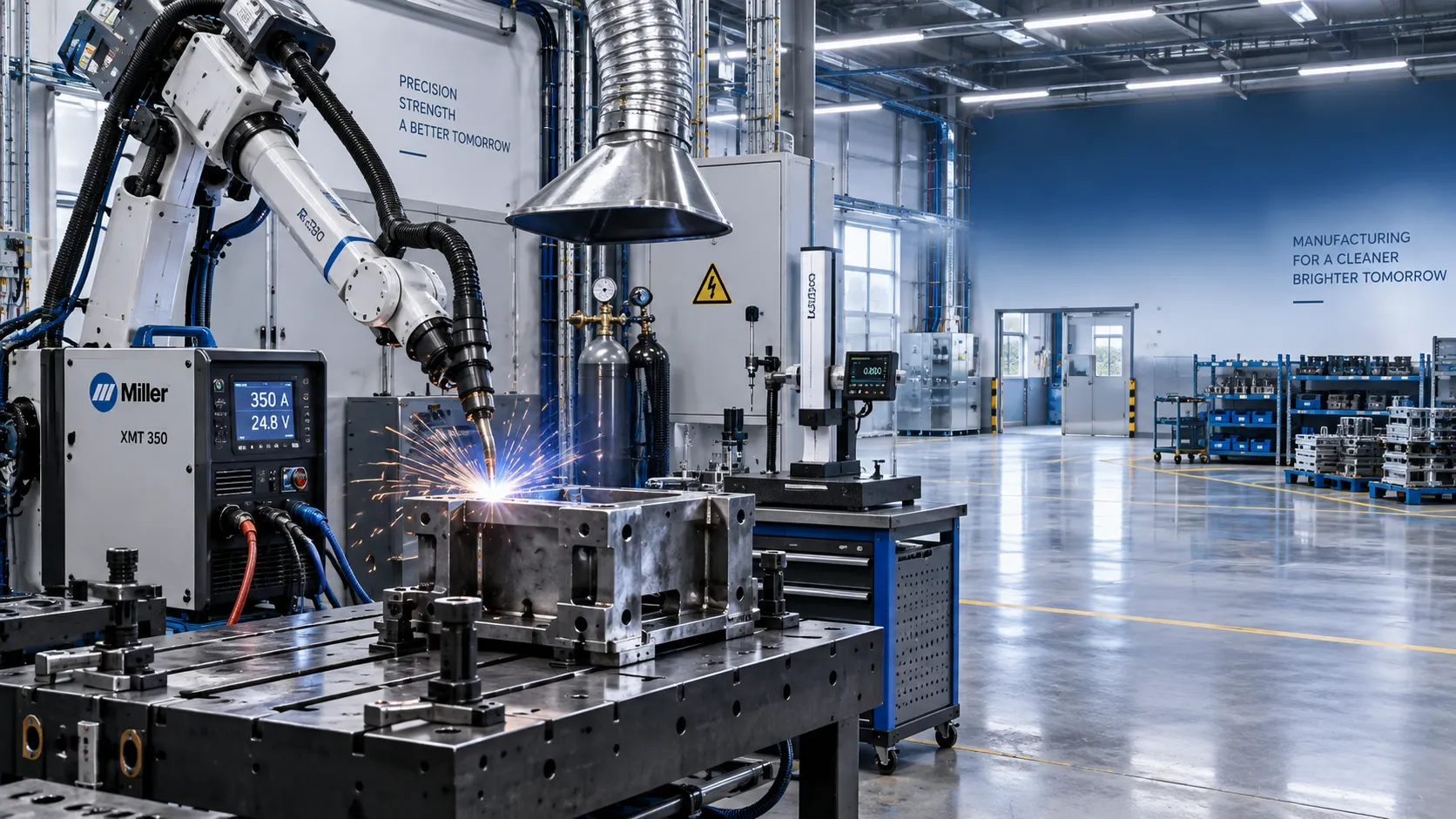
Industrial Equipment Application Guidance: Match Machines to Operating Conditions
Application guidance industrial equipment: match capacity, duty cycle, materials, site conditions, safety, and lifecycle cost to improve reliable output. Read the guide.
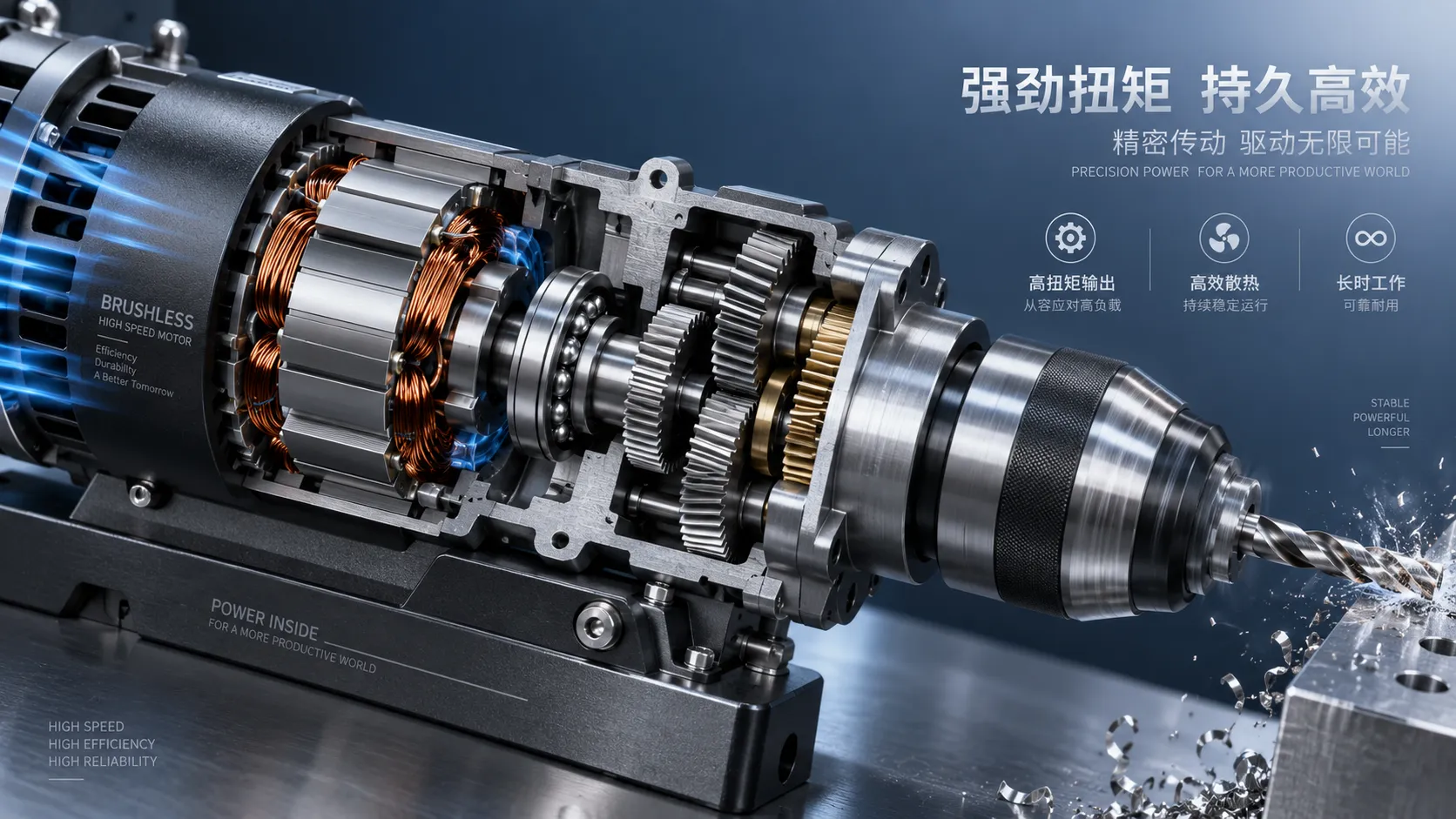
Selecting High-Speed Brushless Tool Motors for Torque, Heat, and Duty Cycle
High speed brushless tool motors: learn how to balance torque, heat, gearing, and duty cycle for reliable industrial tool performance and longer service life.
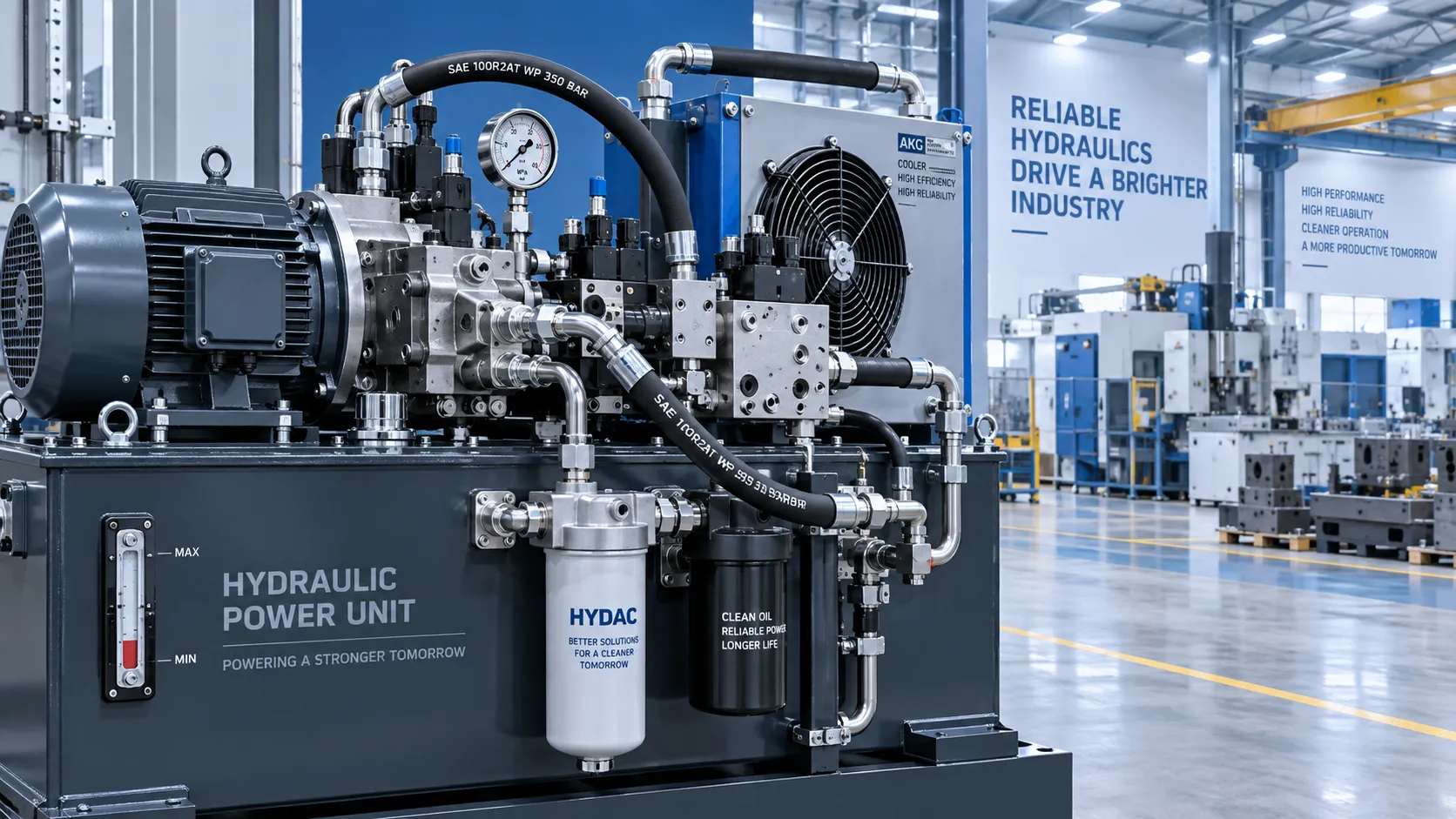
What Determines Industrial Hydraulic System Price for Heavy-Duty Equipment?
Industrial hydraulic system price depends on duty cycle, pressure, components, cooling, and integration. Compare quotes intelligently to secure reliable heavy-duty performance.
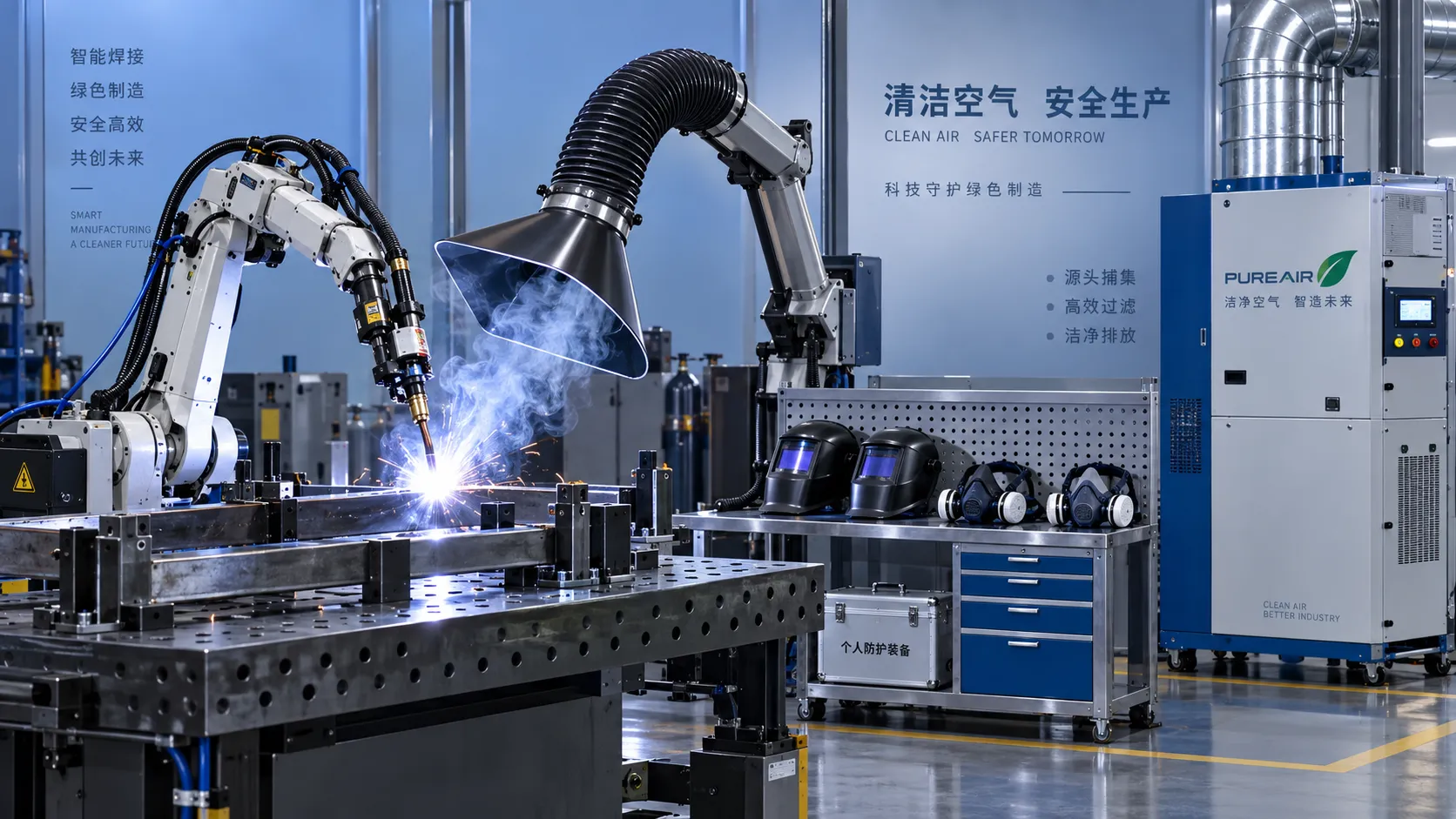
Welding Fume Extraction PPE: When Respirators Are Not Enough for Shop Safety
Welding fume extraction PPE: learn why respirators alone fall short and how source capture, ventilation, and layered controls improve shop safety.
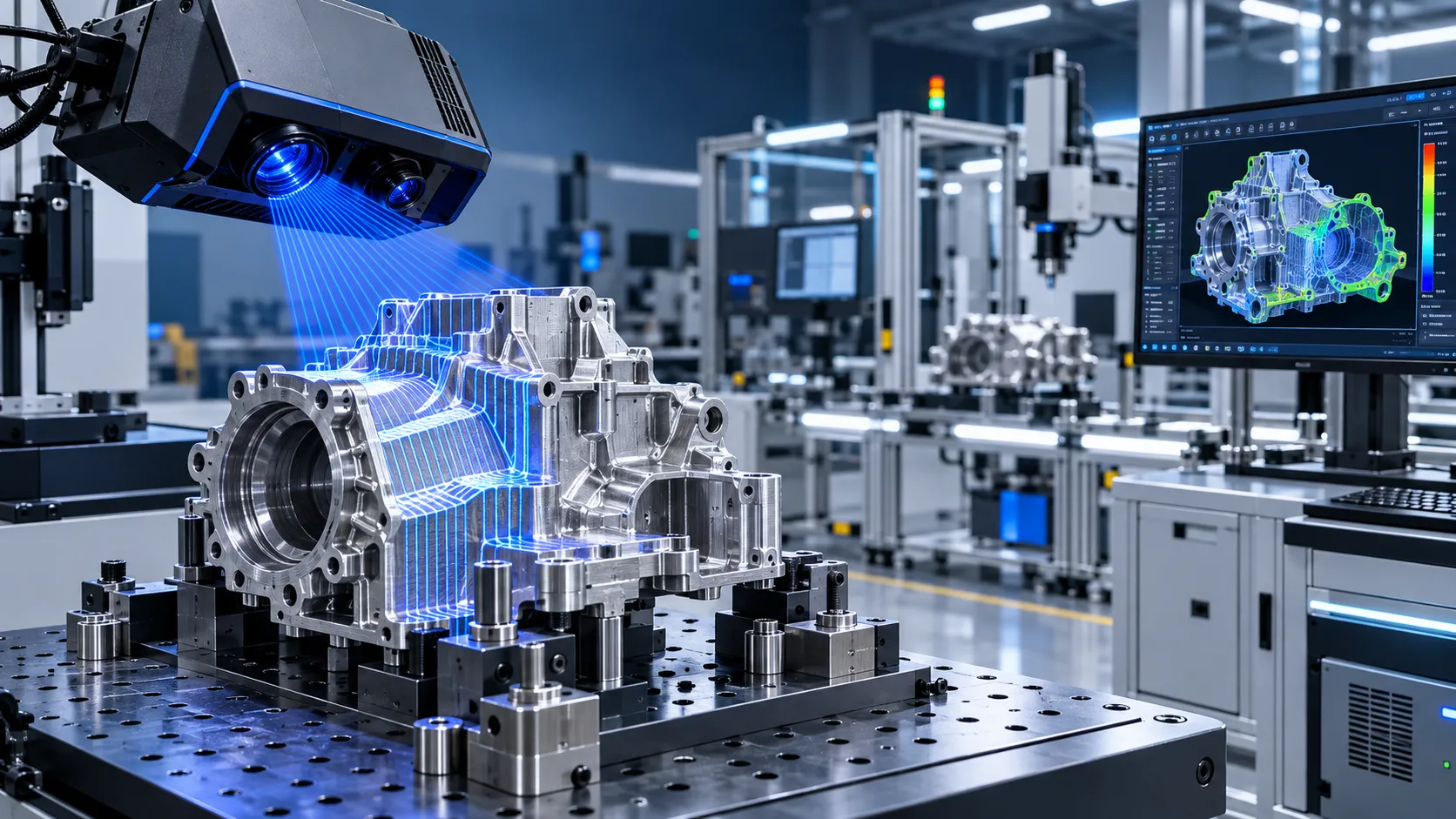
How to Select Optical Metrology Solutions for Tight-Tolerance Manufacturing
Optical industrial metrology solutions for tight-tolerance manufacturing: evaluate accuracy, surface compatibility, workflow, and traceability to select with confidence.
Related News
- 00
0000-00
Welding Fume Extraction PPE: When Respirators Are Not Enough for Shop Safety - 00
0000-00
Which ANSI Standards Apply to Welding Equipment in Industrial Fabrication? - 00
0000-00
How Energy-Efficient Welding Equipment Cuts Power Use in High-Volume Fabrication - 00
0000-00
Which ISO Standards Govern Welding Technology Quality Control and Qualification? - 00
0000-00
North American Welding Innovations Reshaping Automation, Quality, and Labor Productivity
Welding Metallurgy Expert
Weekly Insights
Stay ahead with our curated technology reports delivered every Monday.