
How to Choose Welding Equipment for Thin Sheet, Pipe, and Structural Steel





How to Choose Welding Equipment for Thin Sheet, Pipe, and Structural Steel
Choosing the right welding equipment for thin sheet, pipe, and structural steel requires balancing heat control, penetration, deposition rate, and workflow efficiency.
The real decision goes beyond arc quality. It also includes safety, consistency, operator skill, maintenance needs, and the lifetime cost of each setup.
At GPTWM, this selection problem appears often across fabrication, maintenance, construction, and export manufacturing. The best welding equipment is the one that fits the application, not the brochure.
A practical evaluation starts with material thickness, joint geometry, productivity targets, and compliance demands. From there, process choice becomes much clearer.
Start with the Workpiece, Not the Machine
Many poor buying decisions happen when equipment features drive the discussion too early. The smarter route is to define the actual welding task first.
For thin sheet, heat input is usually the biggest risk. Burn-through, distortion, and poor cosmetic finish can quickly reduce yield.
For pipe, weld position, root quality, and repeatability matter more. Access constraints and fit-up variation also shape the welding equipment decision.
For structural steel, penetration, deposition rate, and duty cycle rise to the top. Downtime becomes expensive when large sections move through the line.
This means one platform rarely performs equally well across all three categories. A good selection process accepts that trade-off early.
- Define thickness range, base metal, and joint type.
- Map required weld positions and daily output.
- Confirm quality standards, rework tolerance, and inspection method.
- Estimate available power, floor space, and ventilation conditions.
Best Welding Equipment for Thin Sheet
Thin sheet applications reward control more than raw power. That is why MIG and TIG usually lead the shortlist, depending on finish and speed needs.
For mild steel sheet in production, inverter MIG welding equipment with stable low-end output is often the most efficient choice.
Look for smooth wire feeding, precise voltage adjustment, and good inductance control. These details directly affect spatter, arc softness, and edge stability.
If appearance, low distortion, or stainless work is critical, TIG welding equipment can provide cleaner control. The trade-off is lower travel speed and higher skill demand.
Pulsed capability is especially valuable here. It helps manage heat input while maintaining fusion, which is important on thin material and visible seams.
Key selection points for sheet work
- Low-amperage stability for consistent starts and stops.
- Pulsed MIG or pulsed TIG for heat-sensitive assemblies.
- Reliable wire feeder design for small-diameter wire.
- Torch ergonomics for long seams and tight panels.
- Gas efficiency and shielding stability in draft-prone areas.
In practical terms, the best welding equipment for thin sheet usually minimizes rework more than it maximizes arc power. That difference matters to total cost.
Best Welding Equipment for Pipe Applications
Pipe welding adds complexity because root integrity and positional performance are less forgiving. Equipment stability becomes more important than headline output numbers.
For many pipe applications, TIG remains the preferred welding equipment for root passes. It offers precise puddle control and strong fit-up tolerance when handled well.
For fill and cap passes, MIG or flux-cored systems may improve productivity. The right combination depends on material, wall thickness, code requirements, and site conditions.
On field jobs, portability matters more than it does in fixed shops. Machine weight, generator compatibility, and cable management influence actual deployment success.
Questions that shape pipe equipment choice
- Is the job shop-based, field-based, or both?
- Are root passes manual, mechanized, or orbital?
- What codes govern procedure qualification and traceability?
- How often will out-of-position welding occur?
Where consistency is critical, advanced welding equipment with waveform control and parameter memory can reduce variation between shifts and operators.
That benefit is increasingly relevant as skilled labor becomes harder to secure in many regions and sectors.
Best Welding Equipment for Structural Steel
Structural steel projects usually prioritize throughput, penetration, and ruggedness. Here, welding equipment must support long duty cycles and predictable production flow.
MIG and flux-cored arc welding often dominate this segment because they balance speed, fusion, and ease of use across large weld volumes.
For heavy fabrication, assess amperage range, arc-on time, feeder durability, and compatibility with larger wire sizes. These points directly affect output per shift.
A machine that looks cost-effective on paper may become expensive if it overheats, feeds inconsistently, or slows multi-pass welding.
What to prioritize in structural work
- High duty cycle at realistic operating amperage.
- Strong deposition rate without unstable arc behavior.
- Durable feeder and torch system for industrial use.
- Simple controls for fast setup across repeated jobs.
- Service support and spare parts availability.
In this category, reliable welding equipment protects schedule performance. That often has more business value than a slightly lower purchase price.
Compare Core Selection Criteria Side by Side
This comparison helps keep the welding equipment discussion grounded in application risk, not only in supplier claims or catalog language.
Look Beyond Process: Cost, Safety, and Control
Recent market shifts make this more obvious. Buyers are paying closer attention to energy efficiency, fume management, and digital parameter control.
That also means welding equipment should be reviewed as part of a wider operating system, not as a standalone machine.
A lower-cost power source can lose its advantage if consumable waste, gas use, spatter cleanup, or retraining costs rise later.
Safety is another important filter. Handheld laser welding has gained attention, but safety infrastructure and application fit must be evaluated very carefully.
In many environments, upgraded arc welding equipment still offers the better balance of compliance, familiarity, and return on investment.
- Track total cost per acceptable weld, not purchase price alone.
- Check duty cycle under real production settings.
- Review fume extraction and electrical safety requirements.
- Assess parameter lockout and traceability features.
A Practical Evaluation Workflow
A structured buying process usually produces better results than a feature-by-feature comparison. It also makes supplier discussions more productive.
- Define the main application by thickness, material, and weld type.
- Shortlist welding equipment by process fit, not brand familiarity.
- Request sample welds under realistic settings and joint conditions.
- Measure defect rate, travel speed, cleanup time, and ease of training.
- Review maintenance support, consumable ecosystem, and lifecycle cost.
This approach is especially useful when the same facility handles mixed jobs. In that case, modular welding equipment can sometimes outperform single-purpose systems.
Still, flexibility should not come at the expense of process stability in the most critical application.
Make the Final Decision with Real Production in Mind
The best welding equipment for thin sheet is rarely the best answer for structural steel. The same applies to pipe work with strict root quality demands.
Good decisions come from matching process behavior to production reality. That includes people, environment, quality targets, and operating economics.
For organizations comparing options today, the smartest move is to test welding equipment against actual parts, actual joints, and actual workflow pressure.
When selection is grounded in those conditions, performance becomes easier to predict, and investment risk drops sharply.
That is the point where welding equipment stops being a purchase item and starts becoming a measurable production advantage.
Related News
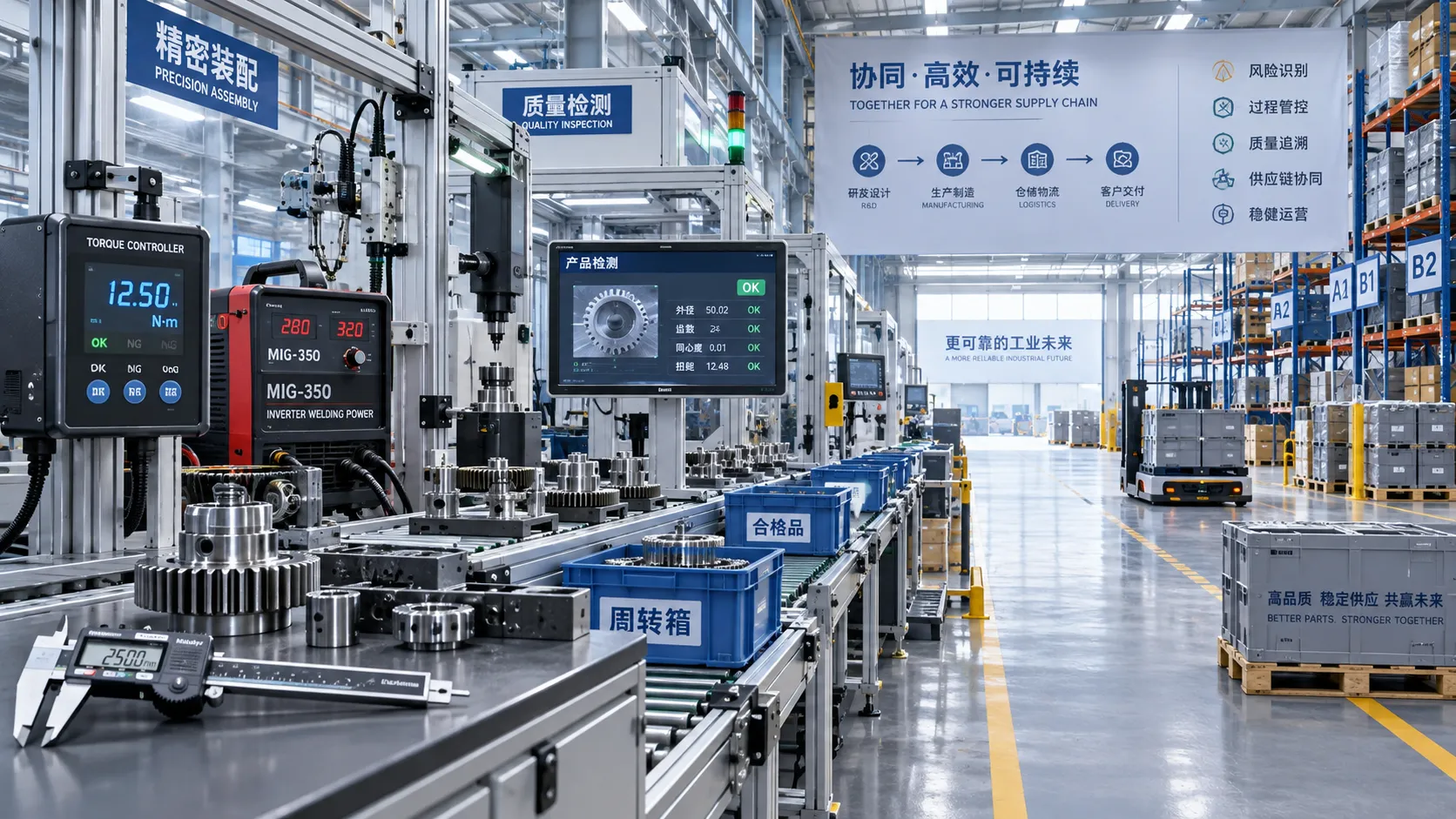
How Procurement Teams Can Map the Industrial Value Chain to Reduce Supply Risk
Industrial value chain procurement helps teams map hidden dependencies, qualify resilient sources, and reduce supply risk before disruptions stop production.
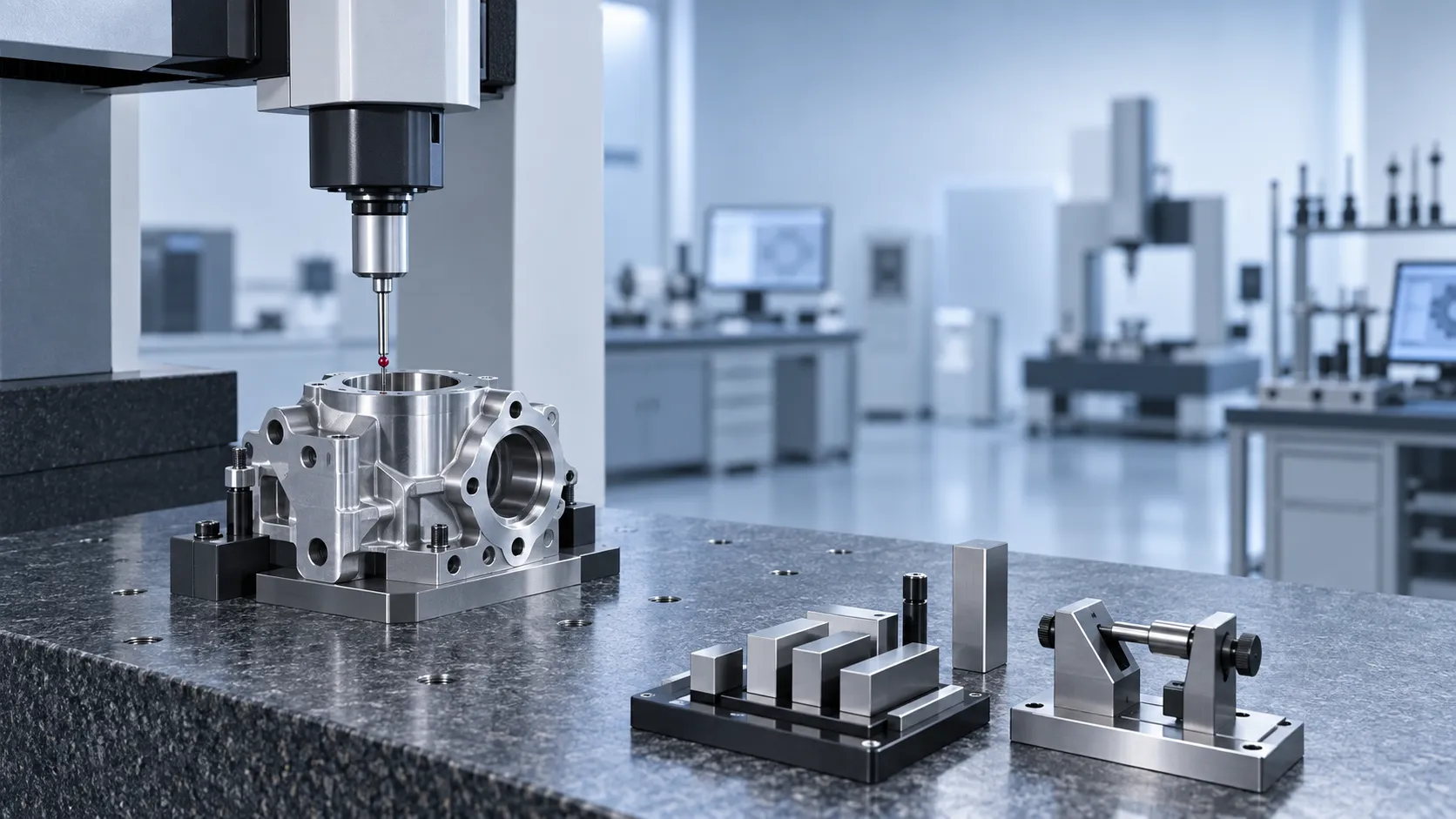
How Specification-Driven Articles Improve Precision Measurement System Selection
Specification-oriented articles precision measurement guidance helps teams compare accuracy, repeatability, environment, and data needs to select reliable systems with confidence.

How to Evaluate a Technology Integration Service Provider for Complex Projects
Technology integration service provider selection guide: evaluate interface ownership, delivery discipline, scalable architecture, and risk control for complex projects.
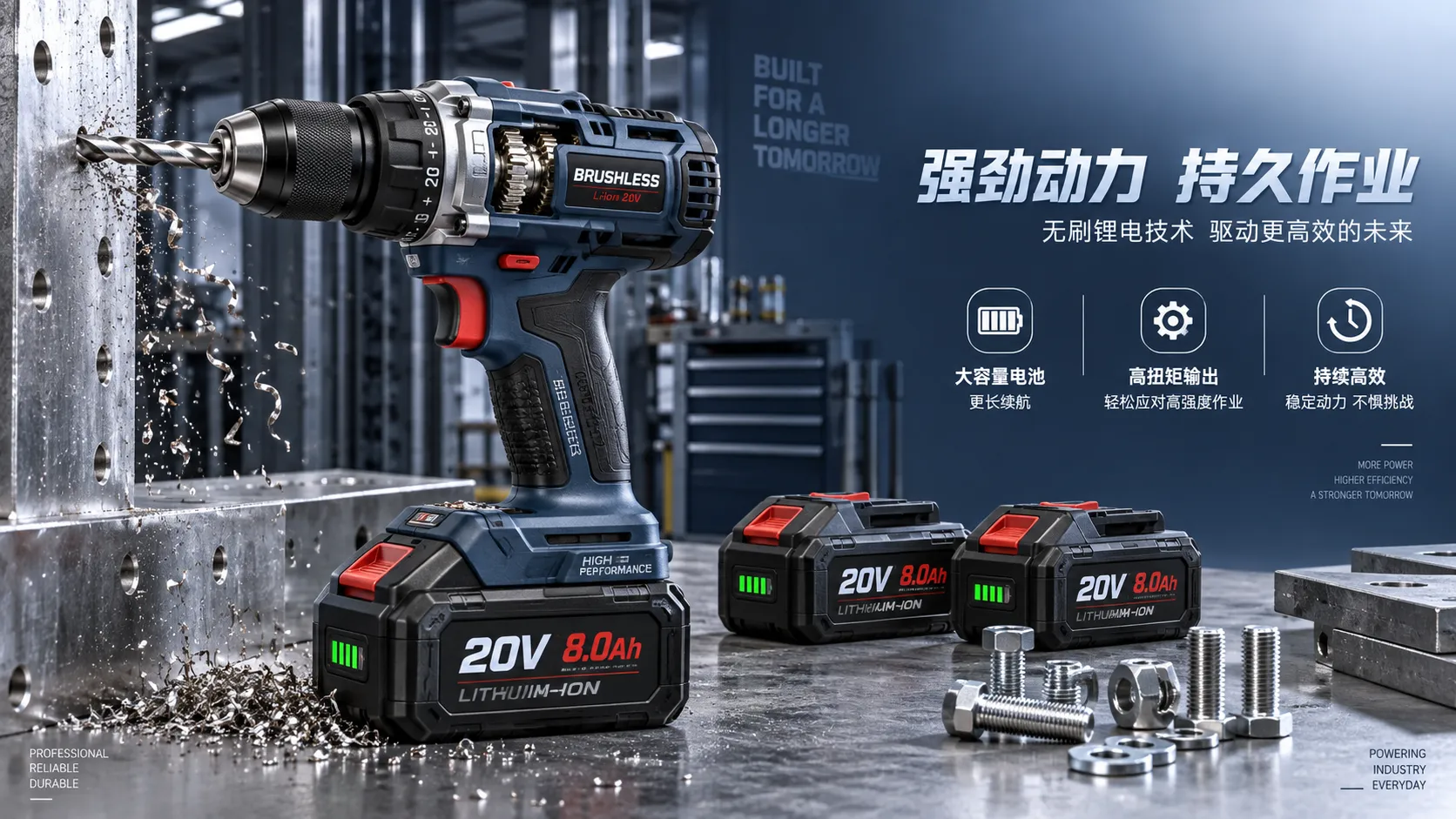
How Battery, Torque, and Duty Cycle Affect Cordless Power Tool Efficiency
Cordless power tool efficiency depends on battery output, torque, and duty cycle. Learn how to match tools to demanding jobs for stronger runtime and productivity.
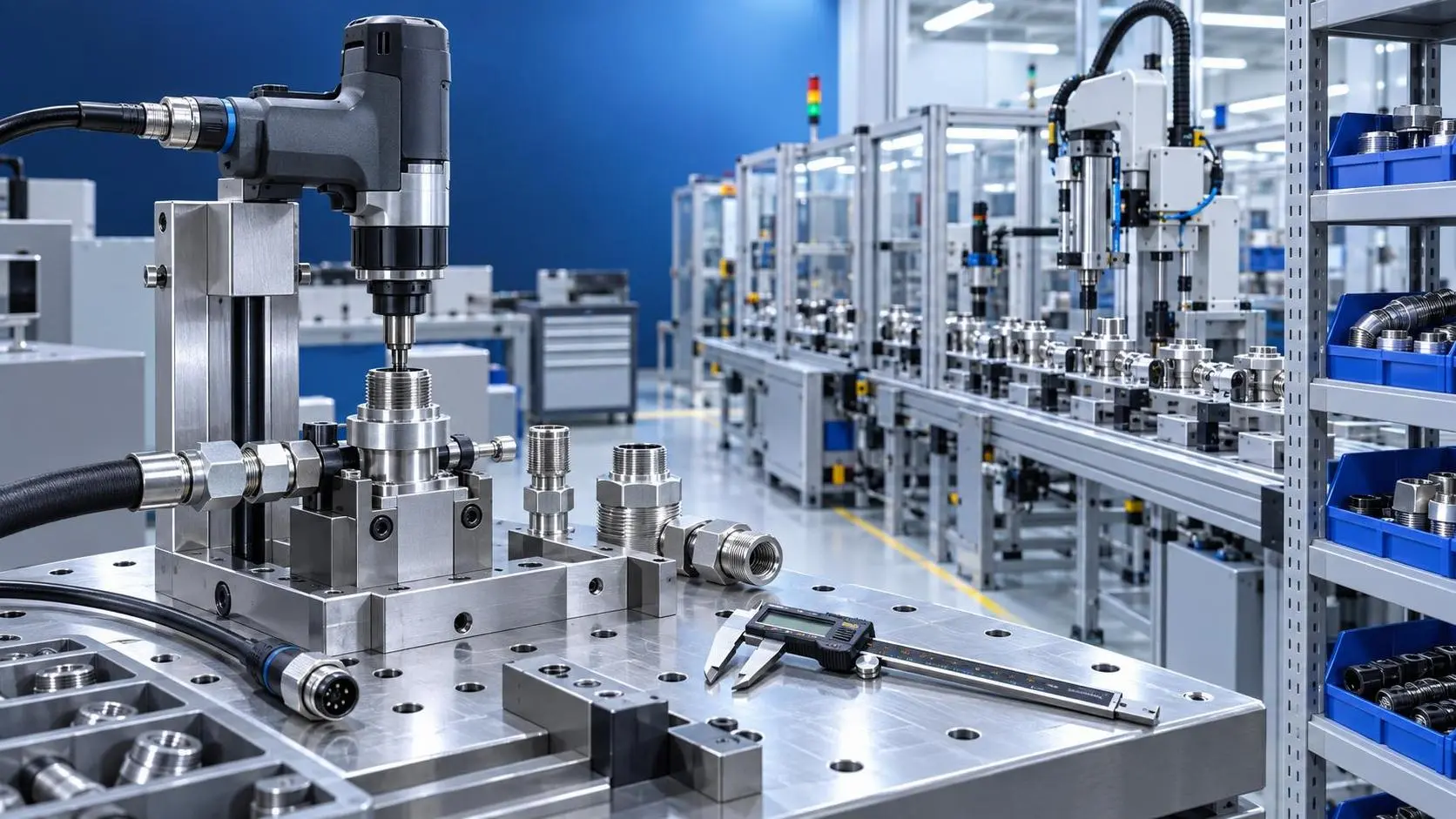
Product Comparison Resources for Component Compatibility and Lifecycle Risk
Product comparison resources for components: evaluate compatibility, interfaces, service support, and lifecycle risk to reduce downtime, avoid redesigns, and make confident sourcing decisions.
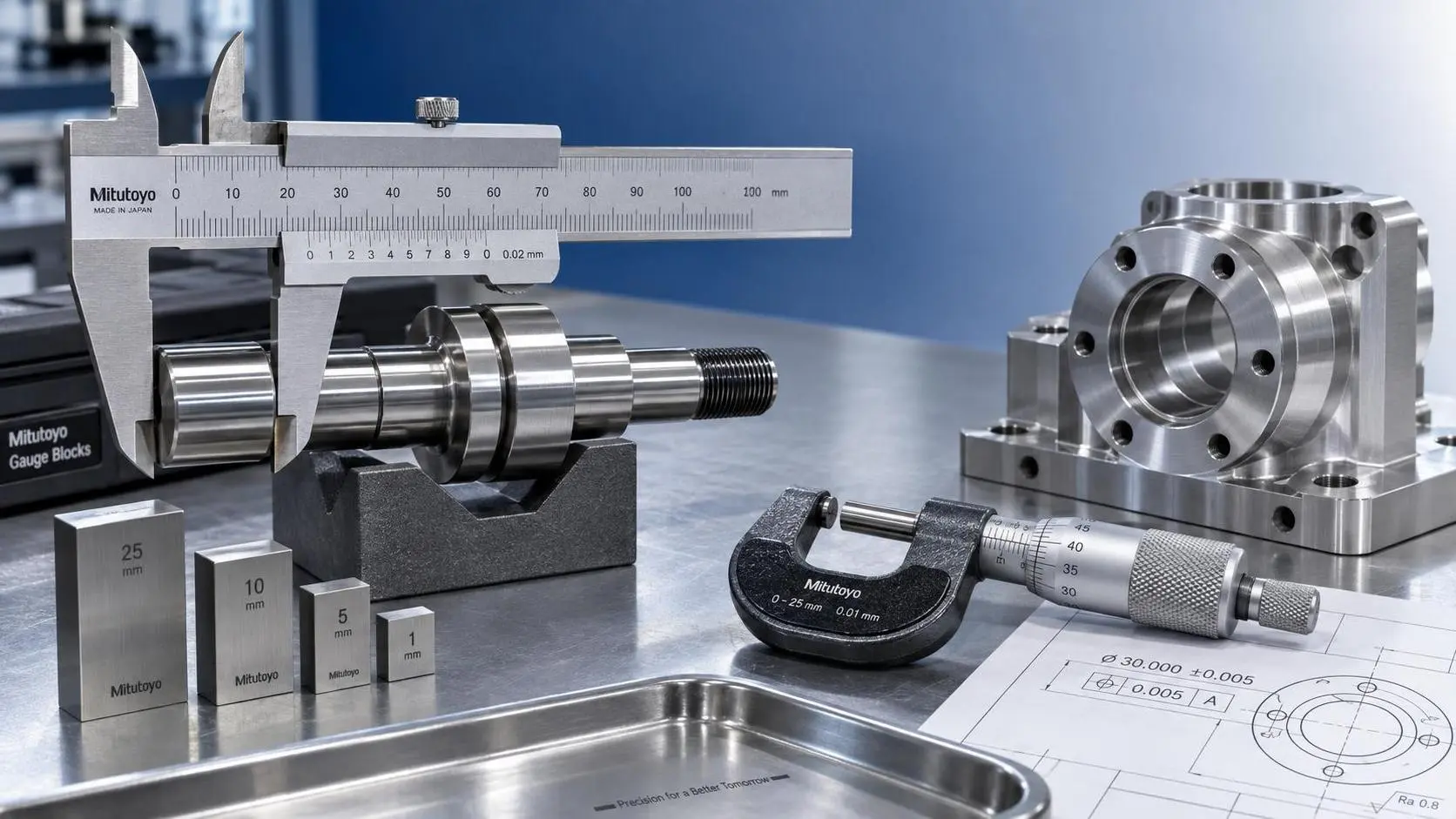
How to Select Vernier Precision Calipers for Tight-Tolerance Machining Inspection
Vernier precision calipers for tight-tolerance machining: learn how to select the right range, jaw design, accuracy, and verification process for reliable inspection.
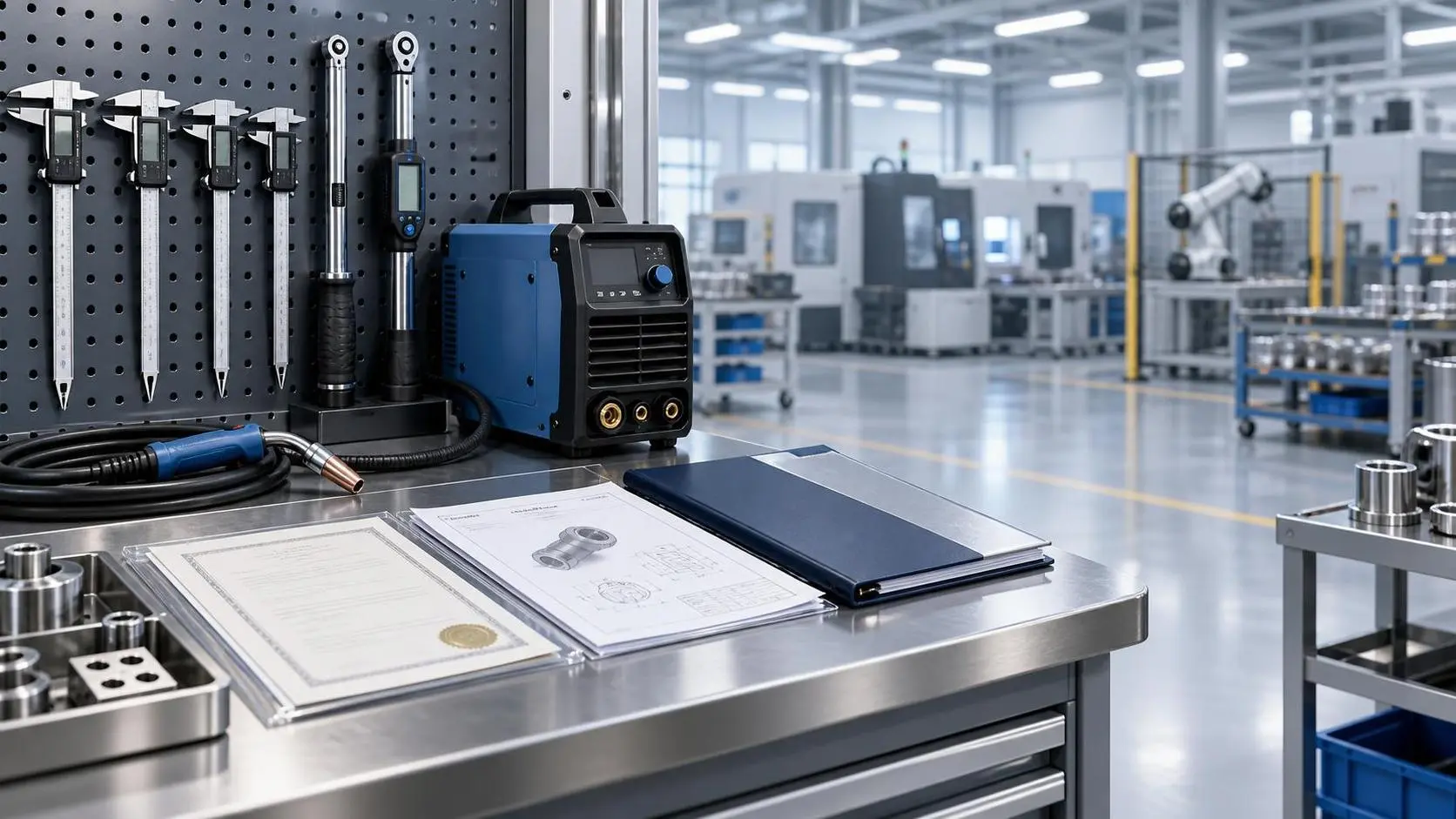
Product Comparison Resources in Europe: How Buyers Can Verify Specs and Suppliers
Product comparison resources Europe: learn how to verify industrial specs, compliance claims, supplier credibility, and delivery risk for smarter purchasing decisions.

How to Evaluate an Industrial Metrology Solution Manufacturer for Production Use
Industrial metrology solution manufacturer evaluation guide for production: compare accuracy, traceability, automation, software, service, and acceptance testing to reduce risk.
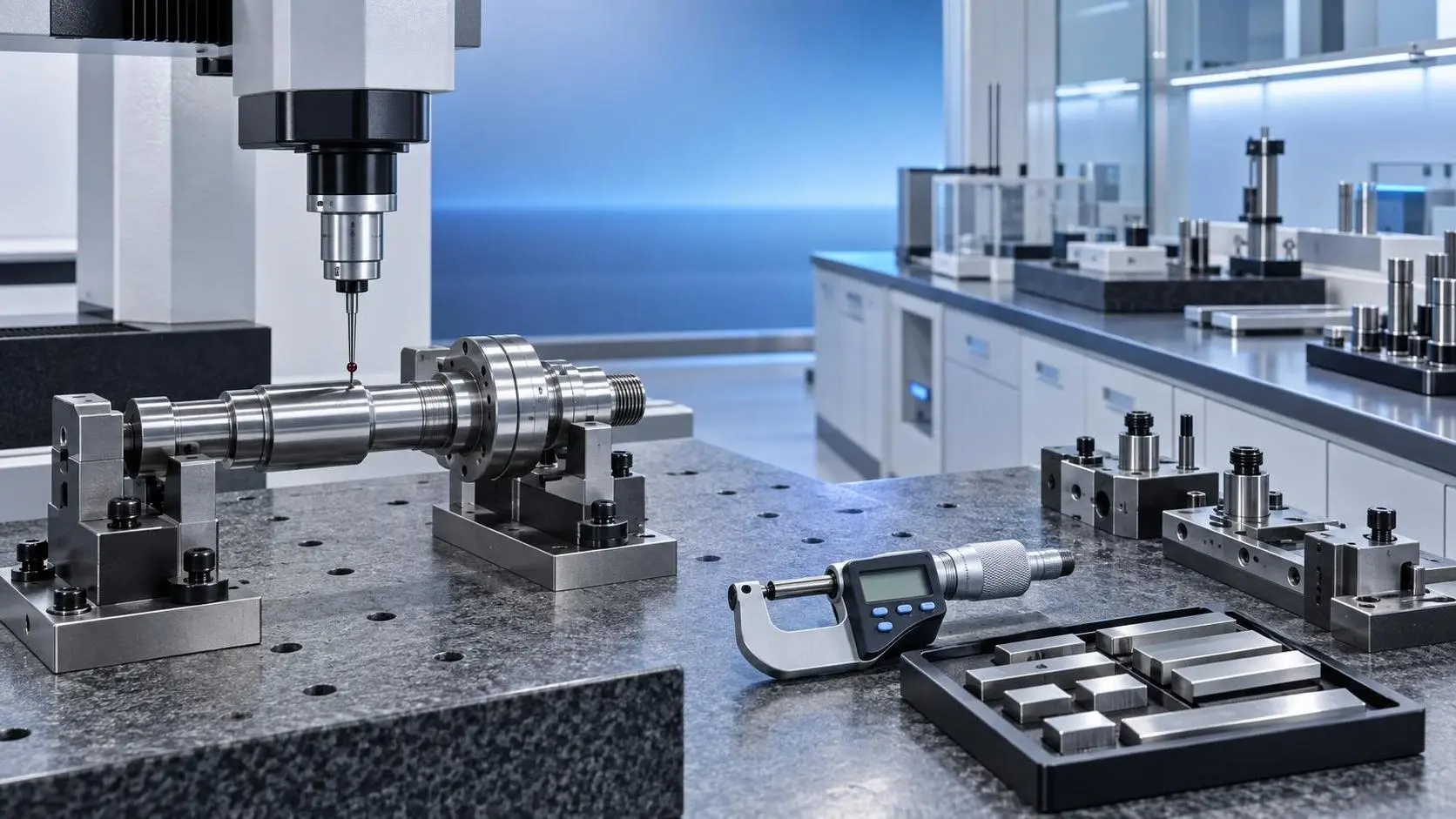
Which ISO Standards Matter Most for Precision Engineering Quality Control?
Precision engineering ISO standards explained: discover how ISO 9001, ISO/IEC 17025, ISO 10012, GPS, and ISO 3834 strengthen quality control, traceability, and compliance.
Related News
- 00
0000-00
North American Welding Innovations Reshaping Automation, Quality, and Labor Productivity - 00
0000-00
How to Choose Handheld Laser Welding Equipment for Thin Metal Fabrication - 00
0000-00
Where Do Energy-Saving Welding Equipment Upgrades Deliver the Best ROI? - 00
0000-00
Low-Spatter Welding Equipment Applications: Best Uses by Material and Production Needs - 00
0000-00
How to Choose Auto Darkening Welding Helmets for Safety, Comfort, and Arc Performance
Welding Metallurgy Expert
Weekly Insights
Stay ahead with our curated technology reports delivered every Monday.