
Metal Fabrication Methods Explained: Cutting, Bending, Welding, and Best-Fit Uses





Why does metal fabrication matter so much across industries?
Metal fabrication sits behind buildings, vehicle parts, machine frames, ducts, brackets, and repair components. It turns raw sheet, plate, tube, or structural stock into usable industrial forms.
For anyone studying process options, the real question is not only what metal fabrication is. It is how each method affects strength, accuracy, lead time, and total production cost.
That matters more when materials fluctuate, export rules tighten, and tolerance expectations become stricter. In practice, process choice often shapes downstream assembly quality as much as material choice does.
This is also why platforms such as GPTWM track fabrication, joining, and metrology together. Cutting, bending, and welding do not operate in isolation. They depend on measurement discipline, tool capability, and process control.
A simple part can move through several stages. A steel enclosure may be laser cut, press bent, tack welded, inspected, and then finished. Each stage introduces opportunities and risks.
So when people search for metal fabrication methods, they usually want more than definitions. They want a practical way to compare methods and match them to real applications.
What are the core metal fabrication methods, and how do they differ?
Most basic metal fabrication workflows begin with cutting, continue with bending or forming, and end with joining. Welding is the most common joining method, though fastening and bonding also appear.
Cutting removes material to create shape
Cutting separates metal into planned dimensions. Common options include laser cutting, plasma cutting, waterjet cutting, sawing, shearing, and punching.
Laser cutting is widely preferred for thin to medium sections requiring tight detail. Plasma works well for thicker conductive materials where speed matters more than edge refinement.
Waterjet is slower, but it avoids heat-affected zones. That makes it useful for heat-sensitive alloys, layered materials, or parts that must preserve edge integrity.
Bending changes geometry without removing much material
Bending reshapes sheet or plate along a straight or curved line. Press brake forming is the standard approach for brackets, cabinets, channels, and enclosures.
The challenge is not the bend itself. It is controlling springback, minimum bend radius, and dimensional consistency after multiple operations.
Welding joins pieces into a final assembly
Welding creates a permanent bond using heat, pressure, or both. MIG, TIG, stick, resistance welding, and handheld laser welding each suit different materials and production conditions.
In short, cutting defines the outline, bending builds the form, and welding locks the structure together. Good metal fabrication depends on how cleanly these stages connect.
When is cutting the best choice, and which process fits which job?
Cutting is usually the first decision because it influences waste, accuracy, and how easy the next step becomes. A poor cut often creates later problems in fit-up and welding.
A quick comparison helps separate common use cases.
The better question is often not which method is best overall. It is which one best supports the part’s tolerance, edge condition, volume, and downstream assembly plan.
For example, decorative panels, electrical cabinets, and precision brackets often favor laser cutting. Heavy base plates or repair work may accept plasma because speed is more valuable than cosmetic finish.
Where thermal distortion could affect fit or material properties, waterjet becomes more attractive despite higher processing time. That tradeoff appears often in aerospace maintenance and specialty alloys.
Is bending just a simple forming step, or does it change performance too?
Bending looks simple on paper, but it strongly influences part function. A well-designed bend can replace separate welded pieces, reduce assembly steps, and improve stiffness.
That is one reason efficient metal fabrication often favors formed parts over multi-piece assemblies. Fewer seams usually mean fewer distortion points and fewer inspection variables.
Still, bending has limits. Material thickness, grain direction, inside radius, and tooling setup all affect whether a bend will crack, warp, or drift out of tolerance.
- Use bending when one-piece geometry can replace welded corners.
- Check bend allowance early, not after cutting drawings are fixed.
- Allow realistic corner relief for thicker materials.
- Confirm whether cosmetic surfaces can tolerate tooling marks.
In actual production, bending quality also depends on measurement. GPTWM’s focus on precision metrology is relevant here because small angle errors can cascade into poor fit and rework later.
A bracket that is only slightly off may still fail at final assembly. So bending is not merely shaping. It is a control point for accuracy and repeatability.
How should welding be chosen for strength, appearance, and speed?
Welding is where metal fabrication becomes fully structural. It determines load transfer, seal quality, visual finish, and sometimes corrosion behavior after service exposure.
MIG welding is common for general fabrication because it is fast and versatile. TIG welding offers better appearance and control, especially on thinner metals and stainless components.
Stick welding remains useful outdoors or in maintenance settings. Handheld laser welding is attracting attention where low distortion, narrow seams, and higher finishing efficiency are priorities.
The catch is that welding choice should not be made by seam strength alone. Access, joint design, heat input, safety requirements, and operator skill all affect the result.
That broader view matches GPTWM’s industry intelligence approach. Safety standards, tool ergonomics, and control technologies increasingly shape which welding methods scale well in global operations.
If distortion control is critical, it may be smarter to redesign the joint, reduce weld length, or shift more geometry into the bending stage. Welding cannot always correct a poor upstream process.
What mistakes cause the most trouble when comparing metal fabrication options?
A common mistake is evaluating processes one at a time. Real metal fabrication performance comes from the full route, not a single machine capability.
Another issue is chasing the lowest cutting cost while ignoring fit-up labor, weld cleanup, scrap risk, or inspection complexity. Cheap starts can become expensive assemblies.
These checkpoints usually improve decisions:
- Match process to tolerance, not just material thickness.
- Review whether edge quality affects welding or coating.
- Compare total cycle time, including setup and finishing.
- Confirm inspection methods before freezing the route.
- Watch safety and export compliance for advanced equipment.
In more demanding sectors, the best decision may change with supply conditions. Raw material pricing, labor availability, and tool access can shift the economics of metal fabrication quickly.
How can you decide the best-fit metal fabrication route before moving forward?
A practical selection path starts with the part itself. Define geometry, material, thickness, quantity, tolerance, surface expectations, and final service conditions.
Then ask which process sequence creates the least friction from blank to finished assembly. Sometimes that means precision cutting first. Sometimes it means simplifying the design for easier bending.
If joining is unavoidable, compare weld access, distortion risk, and post-process work. A route with slightly higher machine cost may still win through lower rework and better consistency.
This is where ongoing market and technology intelligence becomes useful. GPTWM’s coverage of metrology, welding safety, ergonomic tools, and industrial demand signals supports better judgment, not just process description.
The clearest takeaway is simple. Metal fabrication is rarely about choosing cutting, bending, or welding in isolation. It is about aligning them into a process route that fits performance, cost, and production reality.
As a next step, map one target part through each stage, compare likely risks, and build a short decision table for tolerance, cycle time, finishing, and inspection. That usually reveals the best-fit method faster than theory alone.
Related News
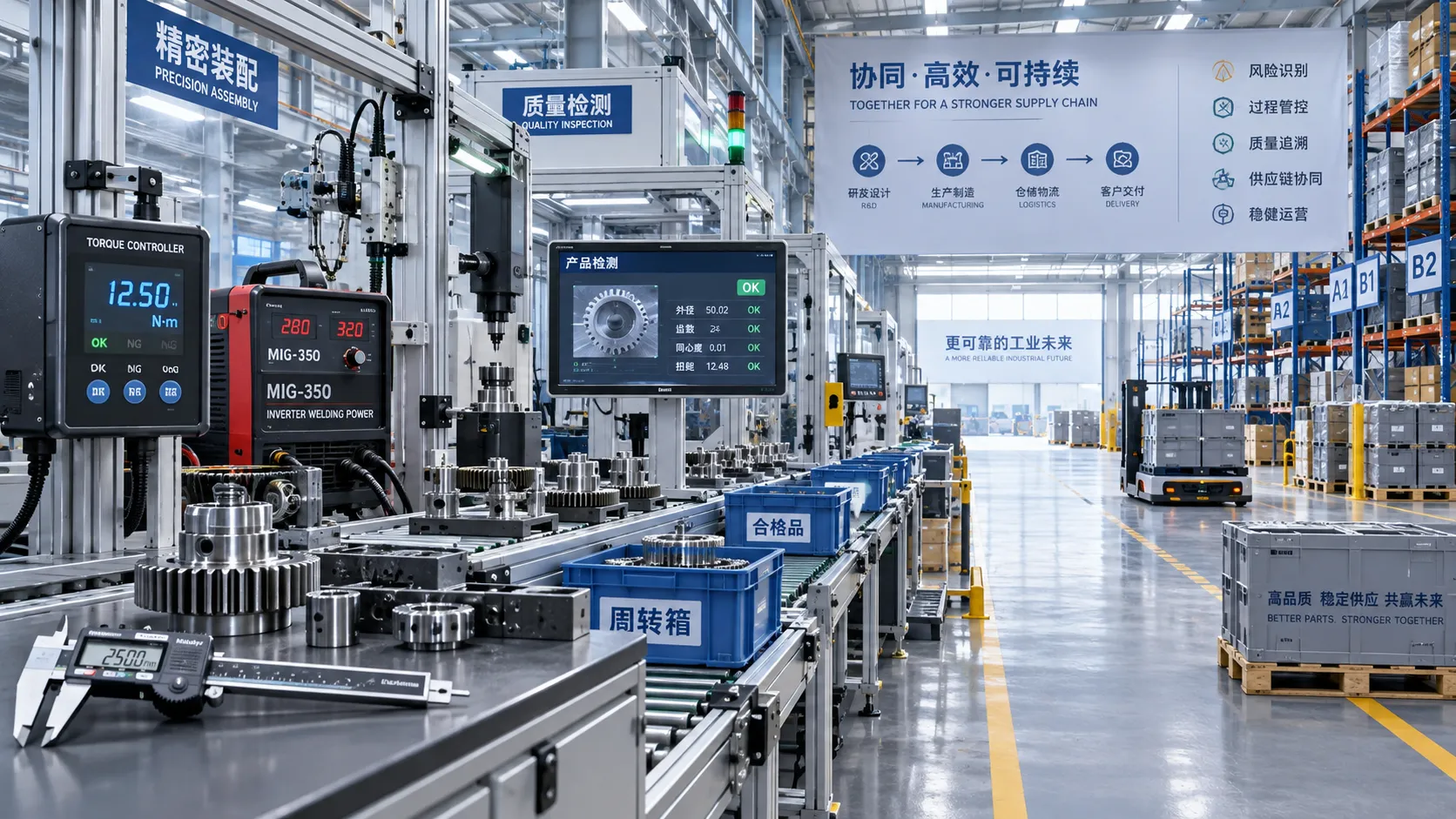
How Procurement Teams Can Map the Industrial Value Chain to Reduce Supply Risk
Industrial value chain procurement helps teams map hidden dependencies, qualify resilient sources, and reduce supply risk before disruptions stop production.
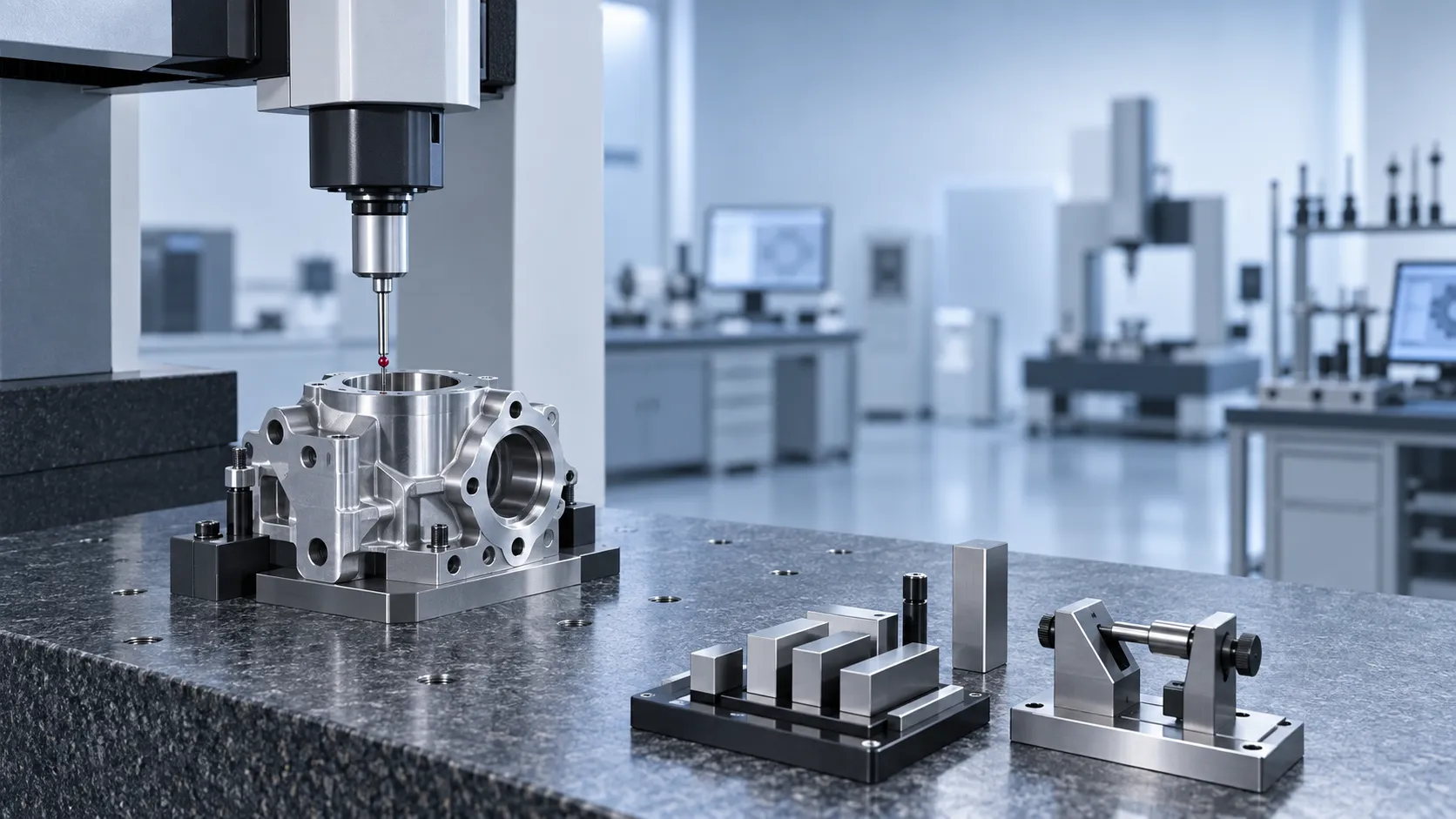
How Specification-Driven Articles Improve Precision Measurement System Selection
Specification-oriented articles precision measurement guidance helps teams compare accuracy, repeatability, environment, and data needs to select reliable systems with confidence.
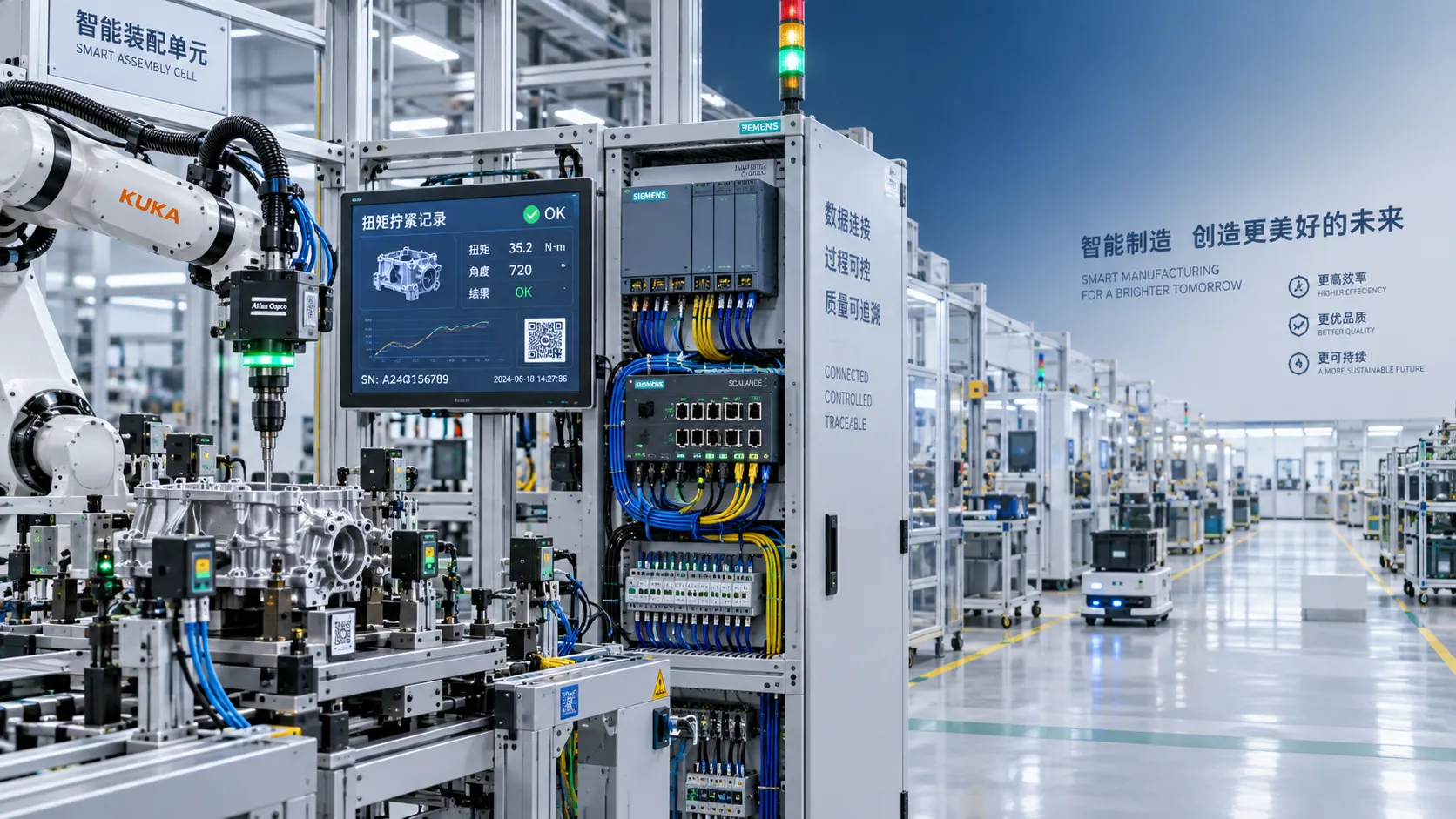
How to Evaluate a Technology Integration Service Provider for Complex Projects
Technology integration service provider selection guide: evaluate interface ownership, delivery discipline, scalable architecture, and risk control for complex projects.
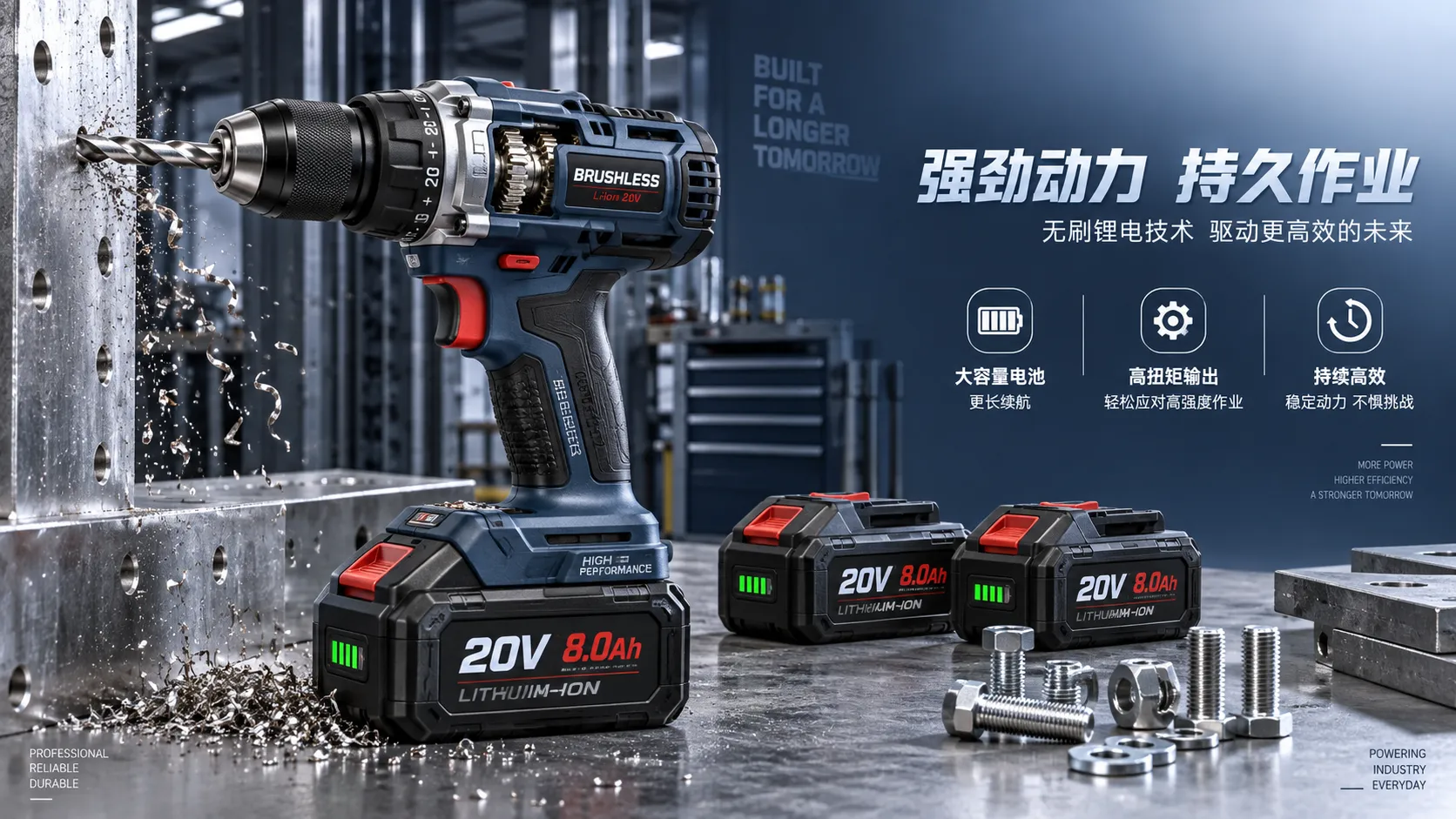
How Battery, Torque, and Duty Cycle Affect Cordless Power Tool Efficiency
Cordless power tool efficiency depends on battery output, torque, and duty cycle. Learn how to match tools to demanding jobs for stronger runtime and productivity.
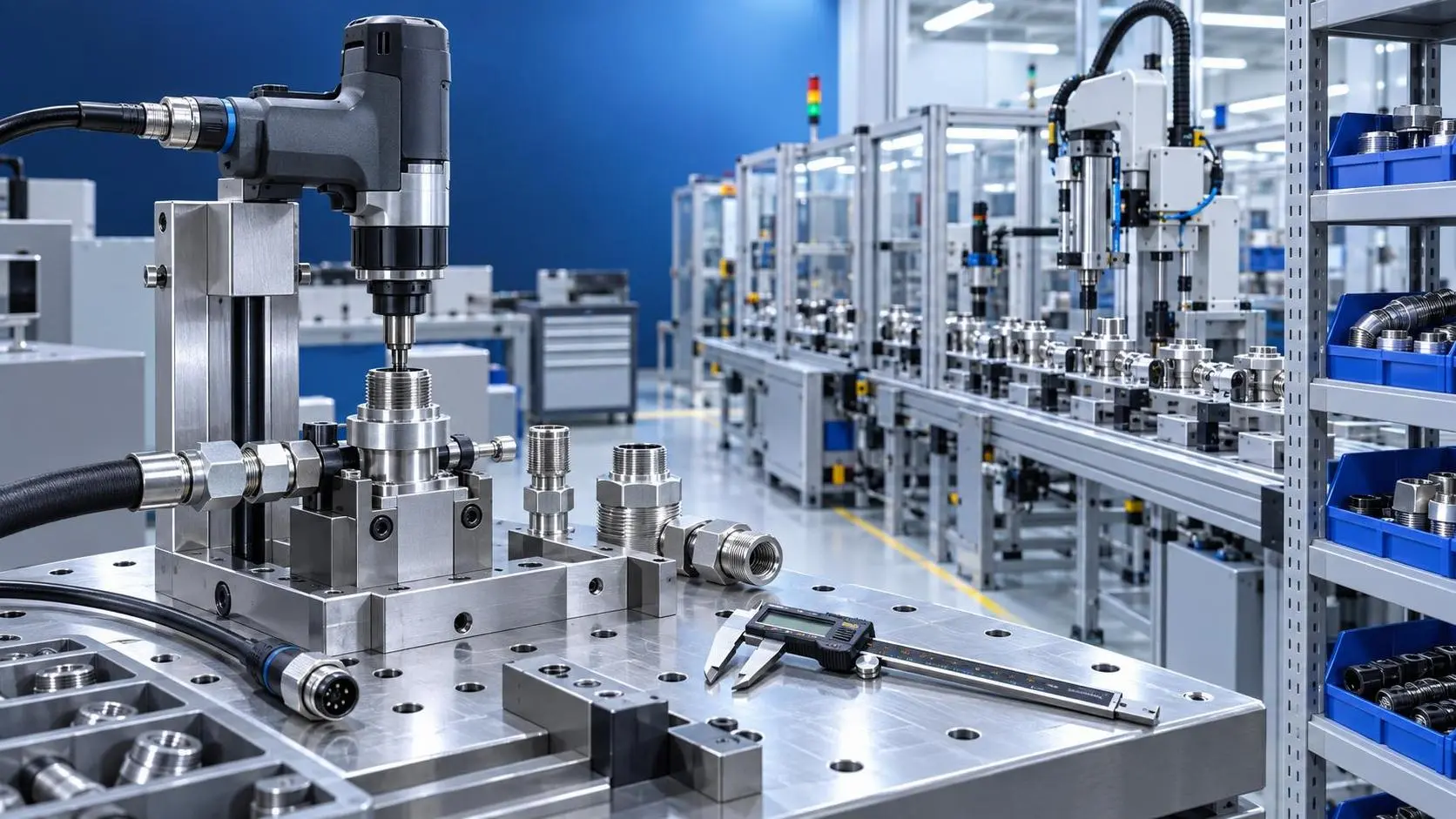
Product Comparison Resources for Component Compatibility and Lifecycle Risk
Product comparison resources for components: evaluate compatibility, interfaces, service support, and lifecycle risk to reduce downtime, avoid redesigns, and make confident sourcing decisions.
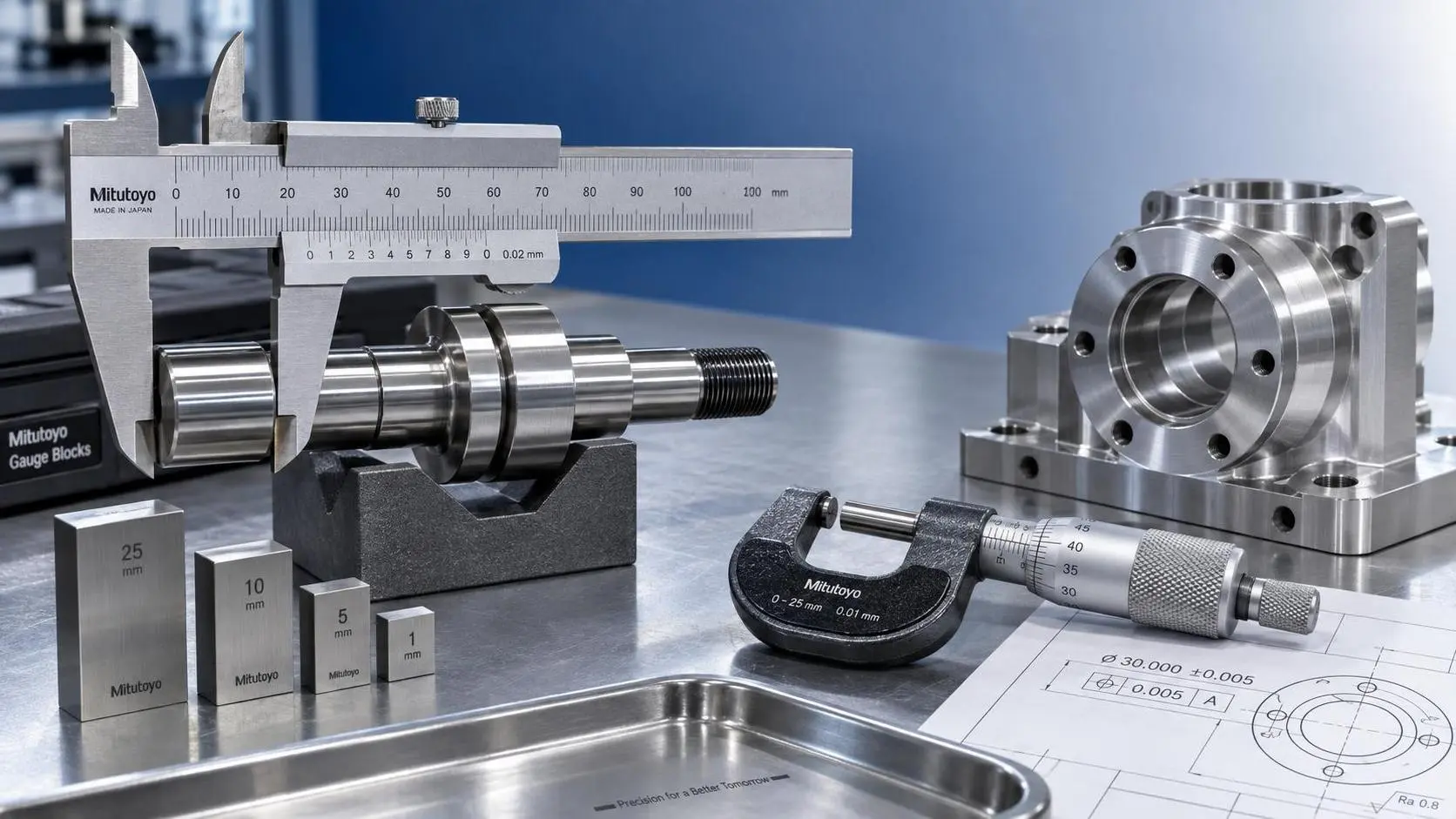
How to Select Vernier Precision Calipers for Tight-Tolerance Machining Inspection
Vernier precision calipers for tight-tolerance machining: learn how to select the right range, jaw design, accuracy, and verification process for reliable inspection.
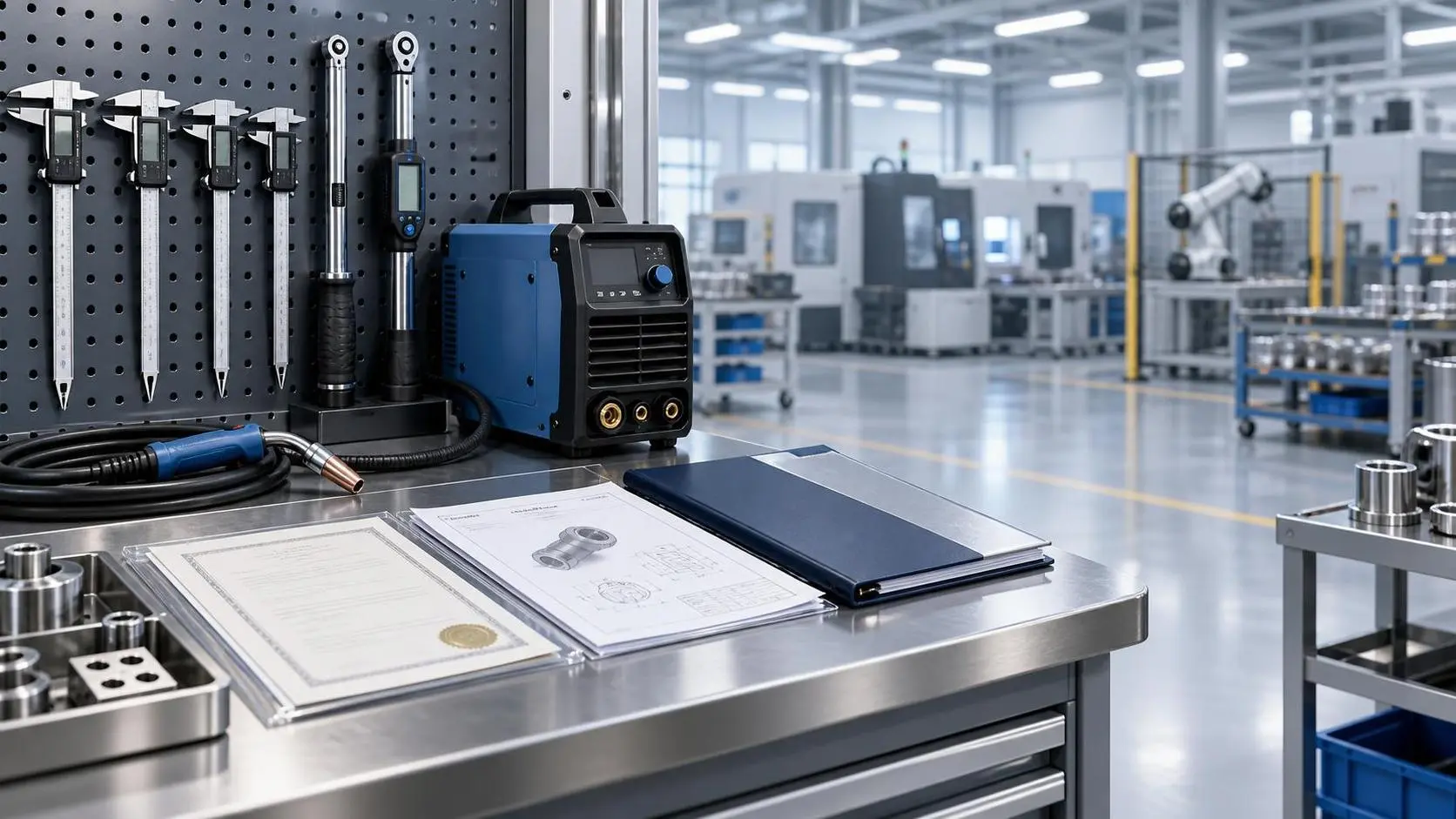
Product Comparison Resources in Europe: How Buyers Can Verify Specs and Suppliers
Product comparison resources Europe: learn how to verify industrial specs, compliance claims, supplier credibility, and delivery risk for smarter purchasing decisions.
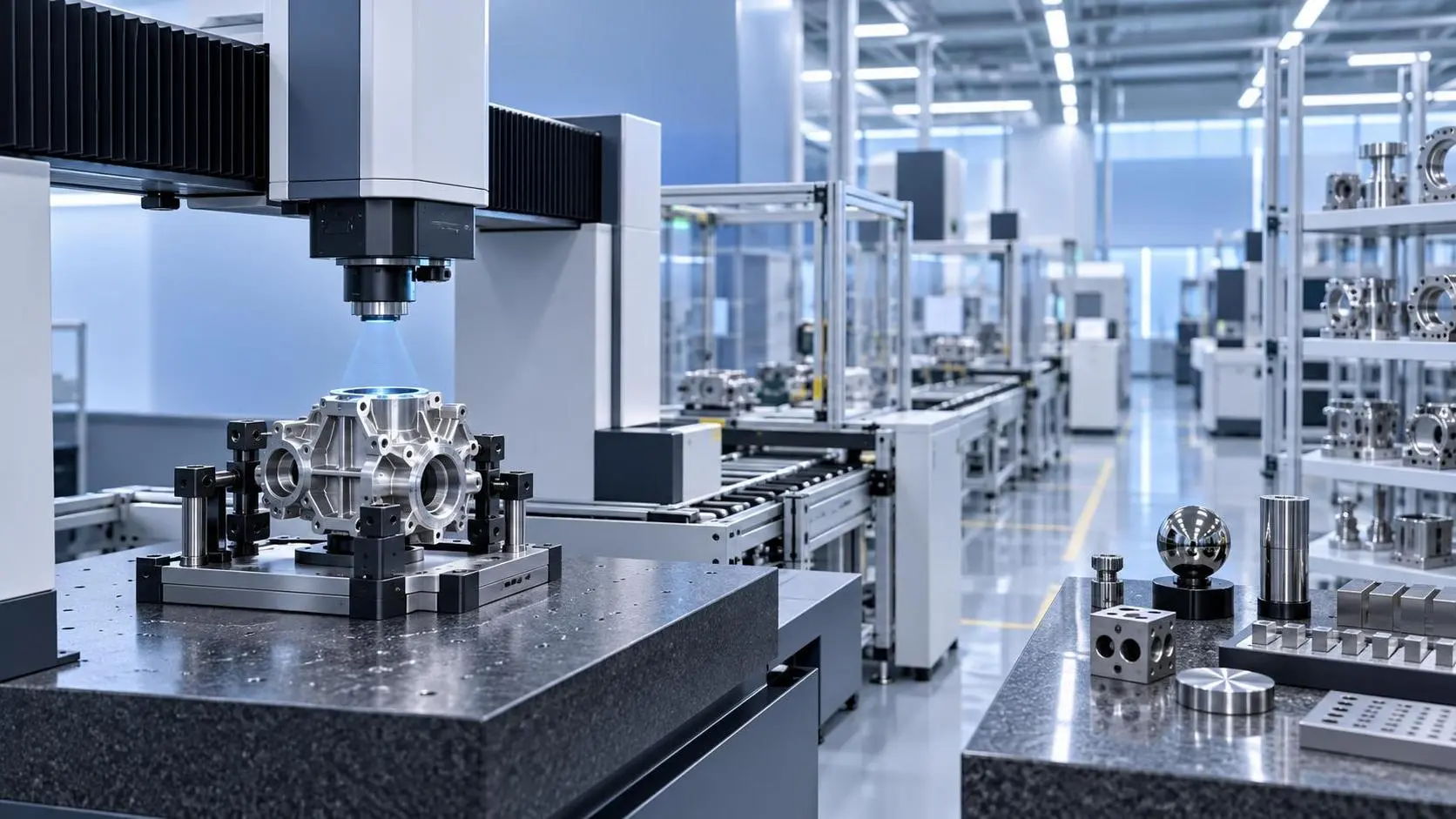
How to Evaluate an Industrial Metrology Solution Manufacturer for Production Use
Industrial metrology solution manufacturer evaluation guide for production: compare accuracy, traceability, automation, software, service, and acceptance testing to reduce risk.
Which ISO Standards Matter Most for Precision Engineering Quality Control?
Precision engineering ISO standards explained: discover how ISO 9001, ISO/IEC 17025, ISO 10012, GPS, and ISO 3834 strengthen quality control, traceability, and compliance.
Related News
- 00
0000-00
North American Welding Innovations Reshaping Automation, Quality, and Labor Productivity - 00
0000-00
How to Choose Handheld Laser Welding Equipment for Thin Metal Fabrication - 00
0000-00
Where Do Energy-Saving Welding Equipment Upgrades Deliver the Best ROI? - 00
0000-00
Low-Spatter Welding Equipment Applications: Best Uses by Material and Production Needs - 00
0000-00
How to Choose Auto Darkening Welding Helmets for Safety, Comfort, and Arc Performance
Welding Metallurgy Expert
Weekly Insights
Stay ahead with our curated technology reports delivered every Monday.