
Welding Technology for Thin Metal: Which Processes Reduce Burn-Through and Rework?





Welding Technology for Thin Metal: Which Processes Reduce Burn-Through and Rework?
In thin-metal fabrication, the choice of welding technology directly affects quality, scrap rate, and production flow.
When material gets thinner, heat control becomes the whole game.
A weld that looks acceptable on the surface can still hide distortion, undercut, or inconsistent penetration.
That is why reducing burn-through is not only a welding issue.
It is also a process-control, safety, and cost-control issue.
For operations handling stainless steel, galvanized sheet, aluminum, or light-gauge carbon steel, the most effective welding technology usually combines low heat input with stable arc behavior.
The practical goal is simple: protect the base metal, reduce rework, and keep output predictable across shifts.
Why Thin Metal Burns Through So Easily
Thin sections leave very little margin for error.
If amperage is too high, travel speed too slow, or gap fit-up too wide, the weld pool collapses fast.
Burn-through often starts with three linked problems: unstable heat input, poor joint preparation, and limited operator visibility.
Material coatings add another variable.
Galvanized layers can create fumes, spatter, and erratic puddle behavior if settings are not adjusted.
In real production, burn-through is usually a system failure, not a single operator mistake.
Which Welding Technology Works Best on Thin Metal
There is no universal winner, but some processes are clearly better at limiting heat input.
The best welding technology depends on thickness, alloy, part geometry, cosmetic needs, and production volume.
1. TIG Welding for Maximum Control
TIG remains one of the most precise options for thin stainless steel and aluminum.
Its biggest advantage is puddle control.
Operators can manage filler addition, arc length, and heat input with more accuracy than many other methods.
Pulsed TIG is especially useful.
It lowers average heat while maintaining arc stability, which helps reduce distortion and burn-through.
The trade-off is speed.
If throughput matters more than appearance, TIG may not be the most efficient welding technology for every line.
2. Pulsed MIG for Faster Production
Pulsed MIG is often the best balance between productivity and thin-metal control.
Compared with conventional short-circuit MIG, pulsed settings can produce a smoother transfer and lower spatter.
That matters because rework on thin sheet often begins with cleanup and touch-up.
Modern waveform-controlled machines improve consistency even further.
For light-gauge steel parts, this welding technology is widely used in fabrication cells that need repeatable results.
However, fit-up still matters. A pulsed arc cannot fully compensate for wide gaps or contaminated edges.
3. Laser Welding for Narrow Heat-Affected Zones
Laser-based welding technology has gained serious traction in thin-metal applications.
The reason is straightforward.
A focused energy source creates a narrow heat-affected zone and limits overall thermal load.
This can sharply reduce burn-through, post-weld warping, and cosmetic defects.
It is highly effective for stainless enclosures, battery components, appliances, and precision assemblies.
Still, laser welding demands tighter joint tolerances and stronger safety controls.
Capital cost is higher, but rework savings may justify the investment in stable, high-value production.
4. Resistance Spot Welding for Sheet Assemblies
When the joint design allows it, resistance spot welding is often overlooked in wider welding technology discussions.
Yet for overlapping thin sheets, it can be one of the most efficient methods.
Heat is localized and cycle times are short.
That helps reduce operator dependence and supports process repeatability.
The limitation is joint type. It is not suitable for every seam or aesthetic requirement.
Key Process Controls That Reduce Rework
Even the best welding technology fails when process discipline is weak.
In most shops, rework drops when teams standardize the controllable basics.
- Use lower heat input windows validated by procedure trials.
- Tighten fit-up tolerance before parts reach the welding station.
- Select smaller wire or filler diameter for thinner gauges.
- Increase travel speed without sacrificing fusion.
- Use backing bars, chill bars, or copper support where practical.
- Clean oil, oxide, and coating residues before welding starts.
- Lock shielding gas flow within proven settings.
- Monitor actual parameters instead of relying on nominal machine values.
These actions sound basic, but they often create the biggest drop in scrap and touch-up hours.
How to Compare Common Thin-Metal Processes
From a quality standpoint, the strongest welding technology is the one that stays stable under real production variation.
Safety and Quality Risks Often Missed
Burn-through is visible, but some of the biggest risks are not.
Thin metal can magnify exposure to fumes, reflected energy, sharp-edge handling, and post-weld distortion.
Laser welding technology requires strict enclosure, eyewear, and interlock discipline.
Galvanized steel needs ventilation controls because coating fumes quickly become a health issue.
Another common gap is overreliance on visual inspection.
If process drift is not tracked, minor defects can turn into batch-level failures before anyone reacts.
A Practical Selection Framework
A practical welding technology decision should start with the part, not the machine already on the floor.
- Define the thinnest section and allowable distortion limit.
- Review joint design, gap tolerance, and access angle.
- Match process choice to appearance and strength needs.
- Test heat input windows using representative production samples.
- Measure rework, not just cycle time.
- Include ventilation, guarding, and training in the total process decision.
This approach changes the conversation.
Instead of asking which welding technology is most advanced, teams ask which one produces the fewest quality escapes at the lowest total risk.
What Stronger Process Control Looks Like
Recent manufacturing trends point in one direction.
The value of welding technology now comes from controllability as much as from raw capability.
Waveform control, parameter logging, and digital work instructions are becoming more important on thin-metal jobs.
That shift is easy to understand.
When tolerance windows are narrow, repeatability beats improvisation.
For organizations tracking defect trends, this also creates better root-cause visibility.
The result is fewer surprises, safer operations, and more reliable customer delivery.
In that sense, the best welding technology is rarely just a torch or a power source.
It is a controlled process supported by good fixtures, trained operators, and measurable standards.
For thin metal, that is the most reliable path to reducing burn-through, cutting rework, and protecting production quality over time.
Related News
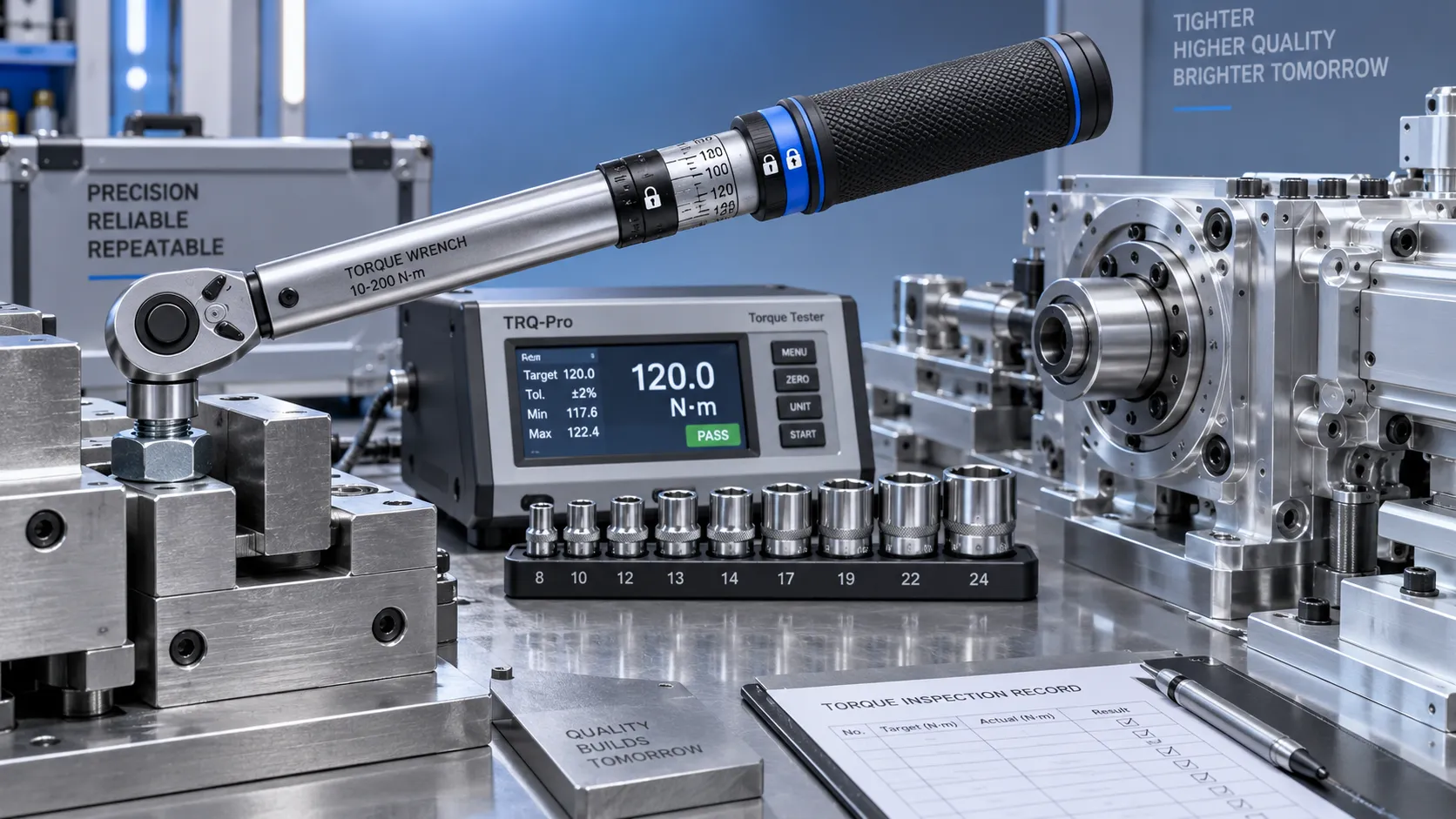
Selecting Adjustable Torque Tools for Repeatable Fastener Assembly
Adjustable torque tools: learn how to match range, accuracy, control methods, calibration, and ergonomics for repeatable, reliable fastener assembly.
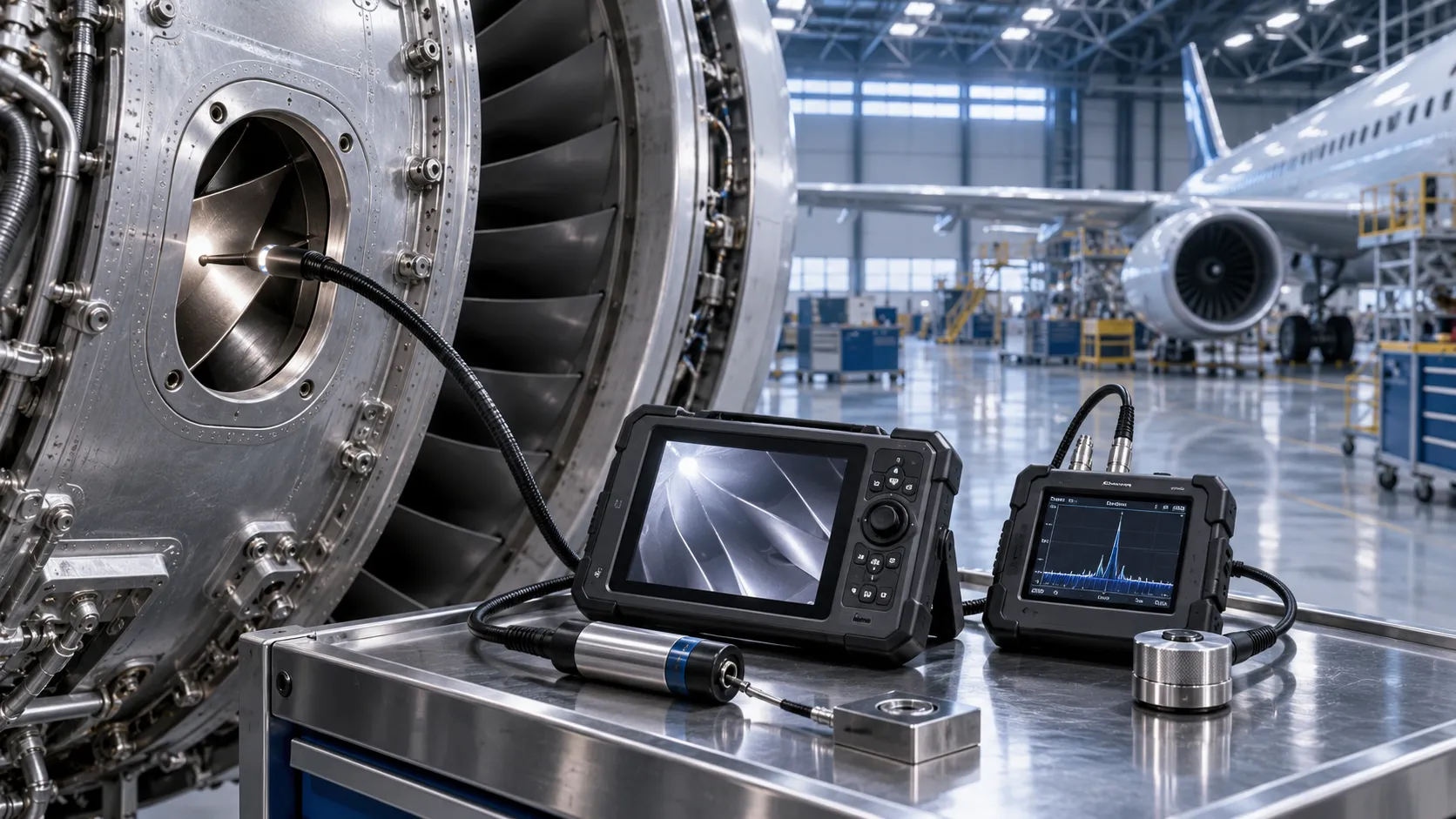
How to Select Aerospace Inspection Tools for Aircraft Maintenance Tasks
Aerospace maintenance inspection tools: learn how to select reliable, traceable equipment for aircraft access, accuracy, calibration, and compliant maintenance decisions.
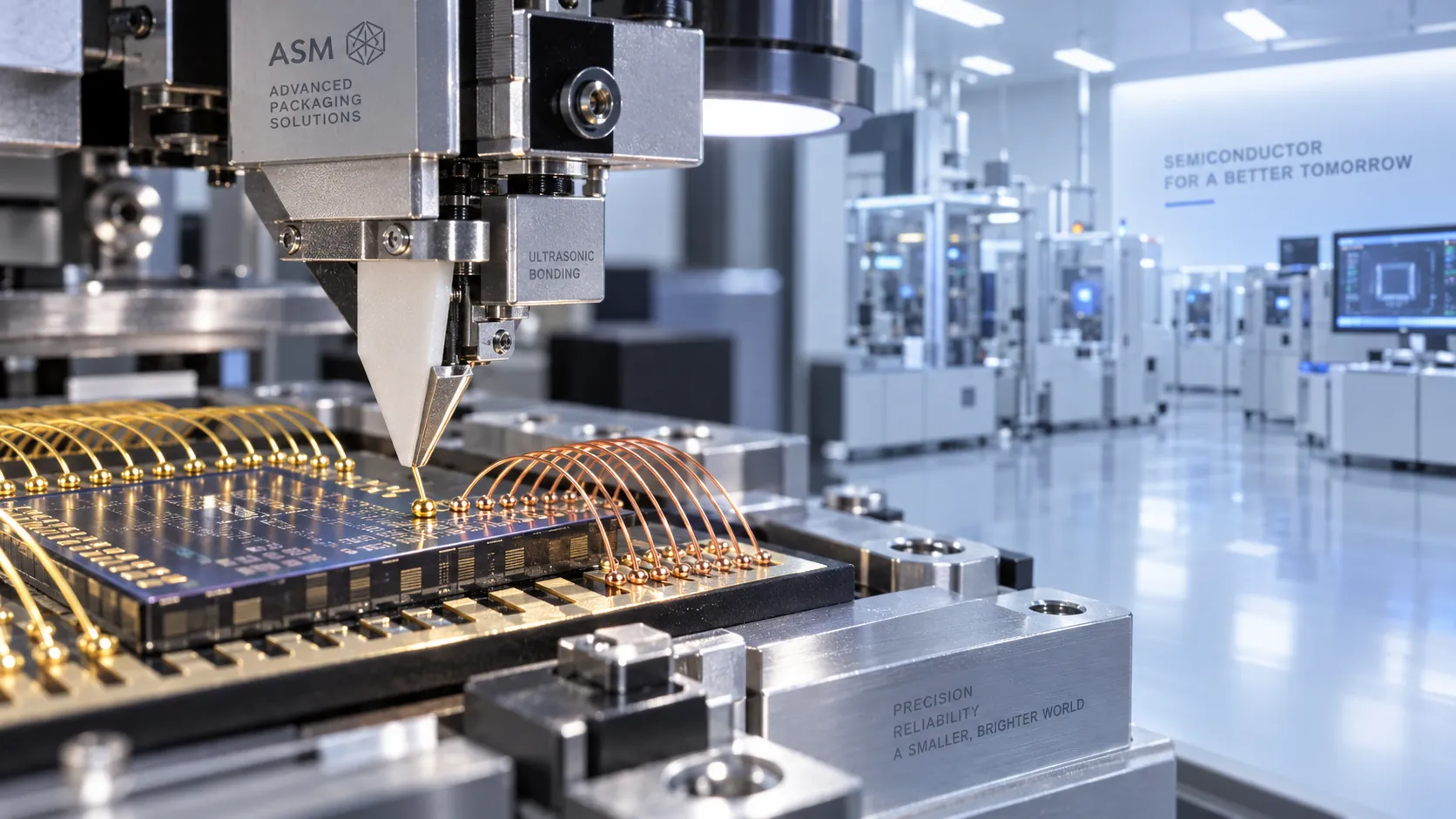
How to Select Wire Bonding Tools for Fine-Pitch Semiconductor Packaging
Explore semiconductor manufacturing tools for wire bonding and learn how to select precision solutions for fine-pitch packaging, reliable loops, accuracy, and yield.
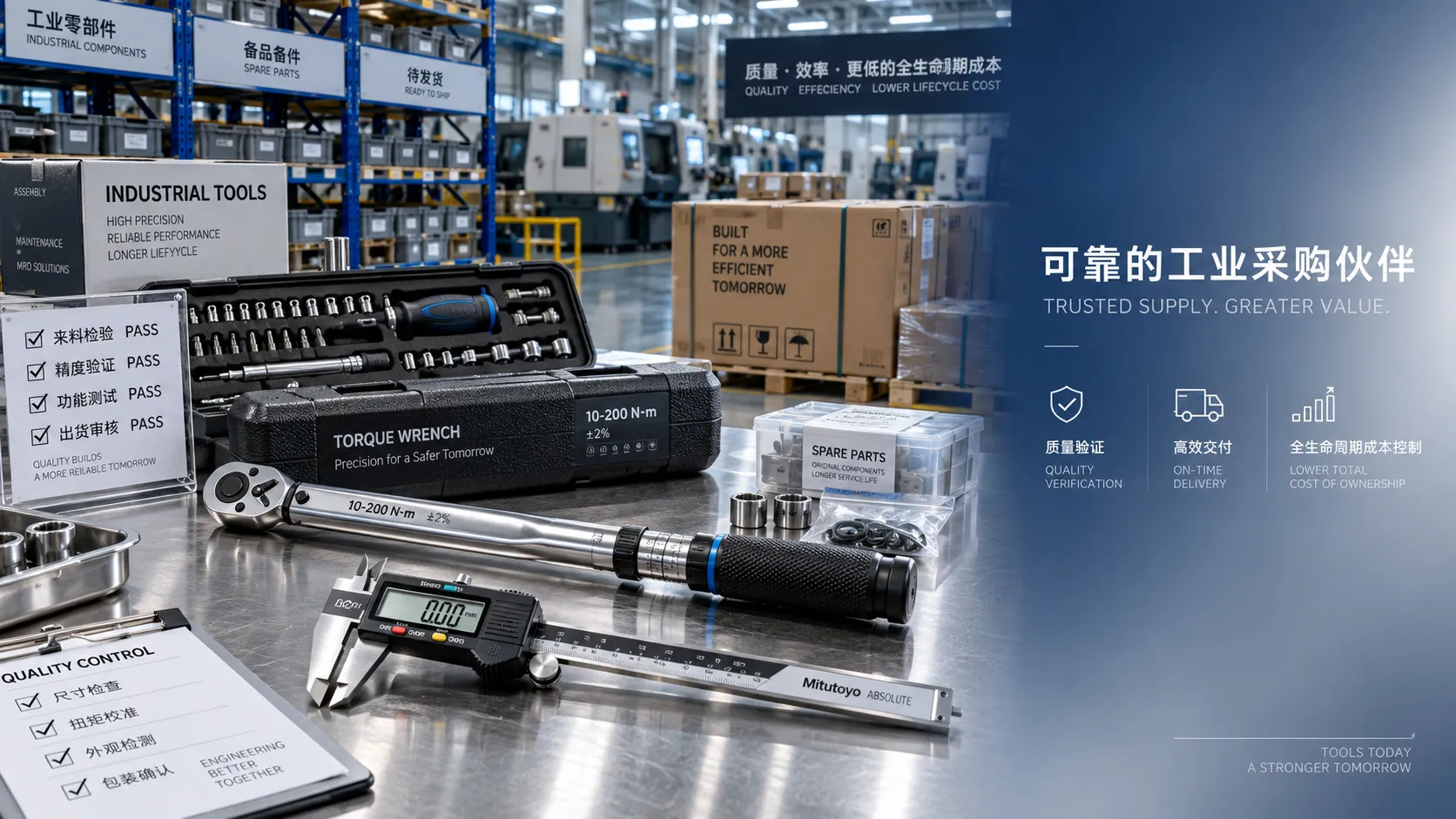
How to Compare Industrial Tool Suppliers for Quality, Lead Time, and Total Cost
Industrial tool selection supplier comparison made simple: evaluate quality, lead times, total cost, service, and supply resilience for confident sourcing decisions.
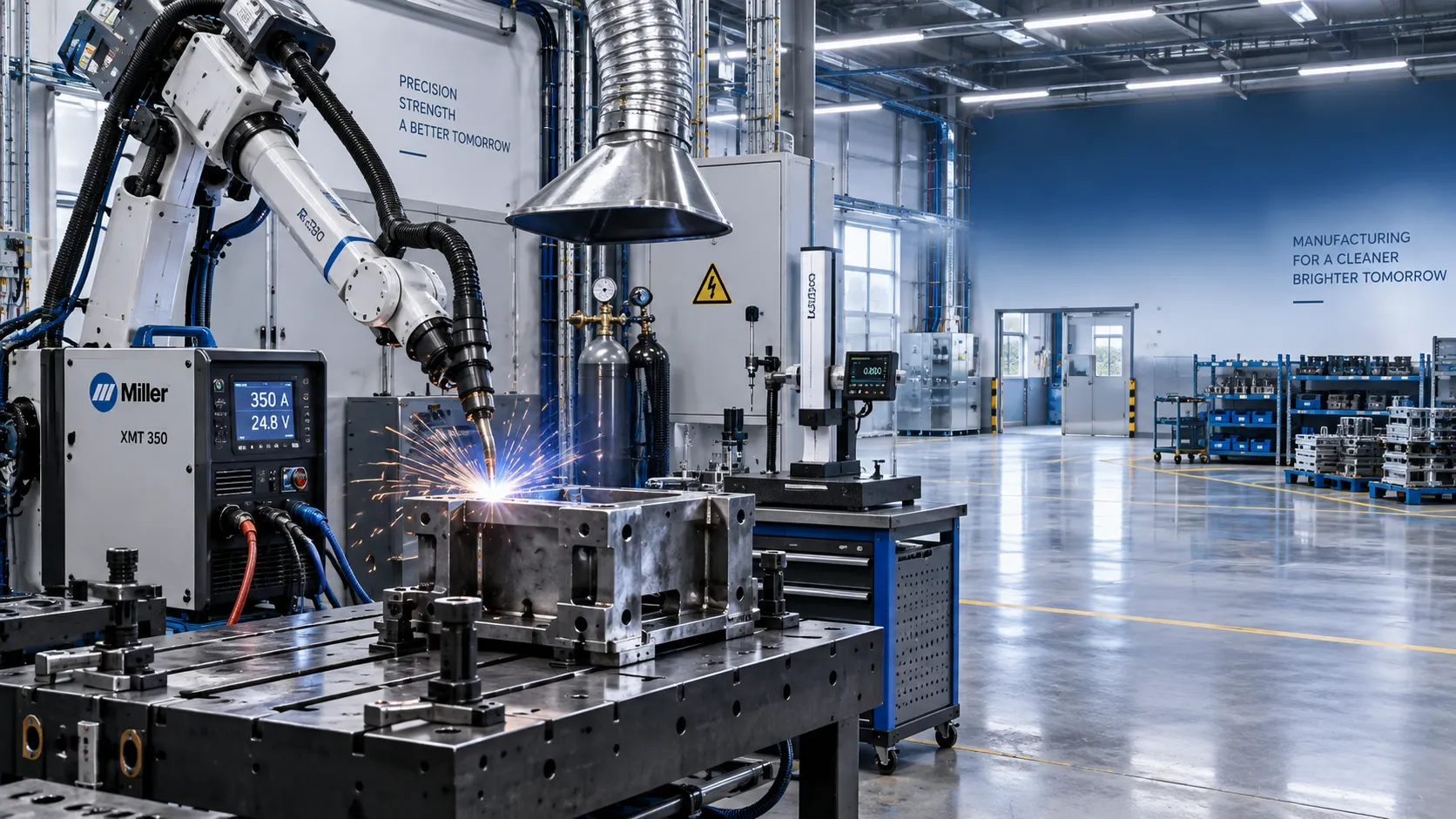
Industrial Equipment Application Guidance: Match Machines to Operating Conditions
Application guidance industrial equipment: match capacity, duty cycle, materials, site conditions, safety, and lifecycle cost to improve reliable output. Read the guide.
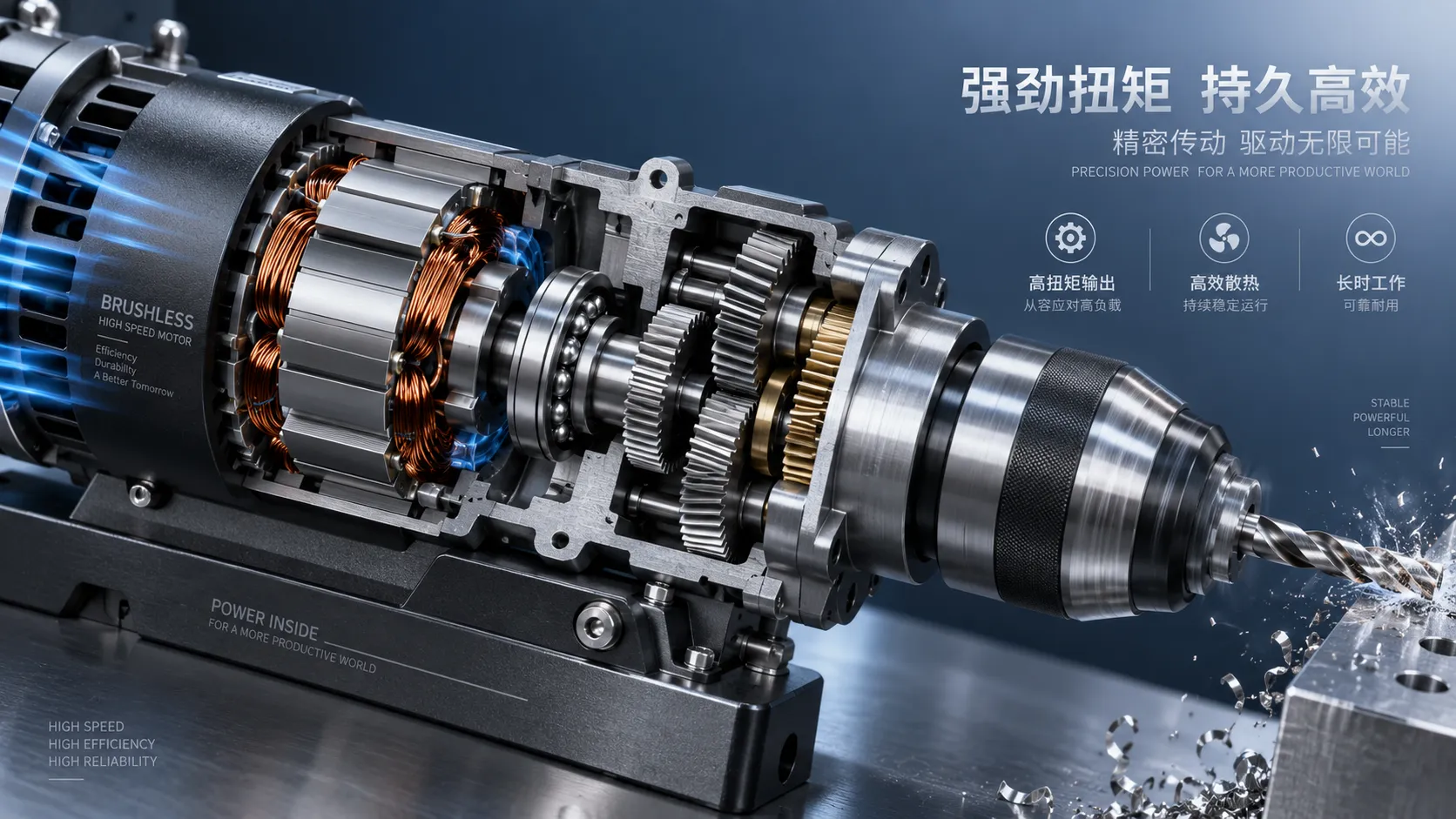
Selecting High-Speed Brushless Tool Motors for Torque, Heat, and Duty Cycle
High speed brushless tool motors: learn how to balance torque, heat, gearing, and duty cycle for reliable industrial tool performance and longer service life.
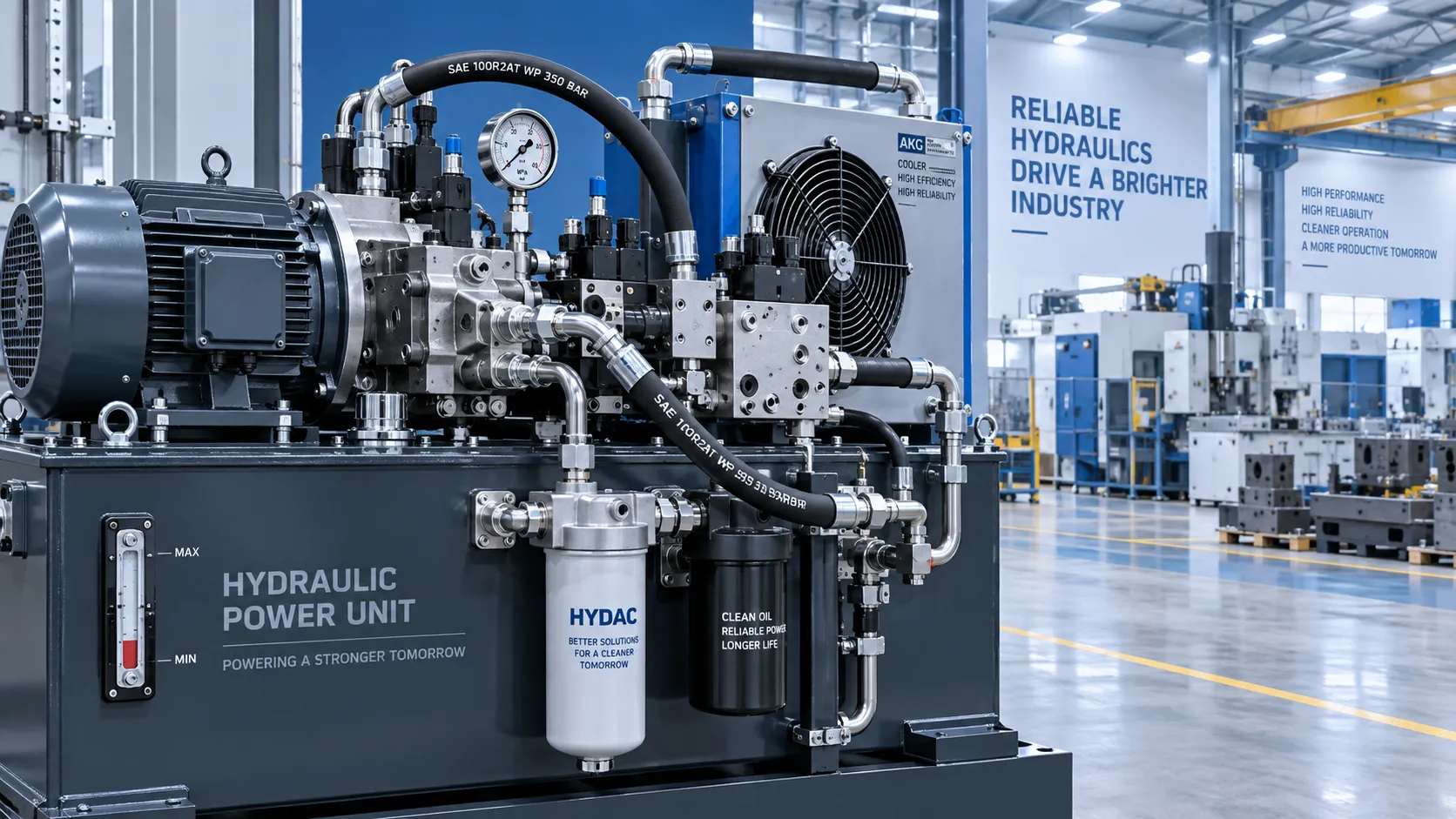
What Determines Industrial Hydraulic System Price for Heavy-Duty Equipment?
Industrial hydraulic system price depends on duty cycle, pressure, components, cooling, and integration. Compare quotes intelligently to secure reliable heavy-duty performance.
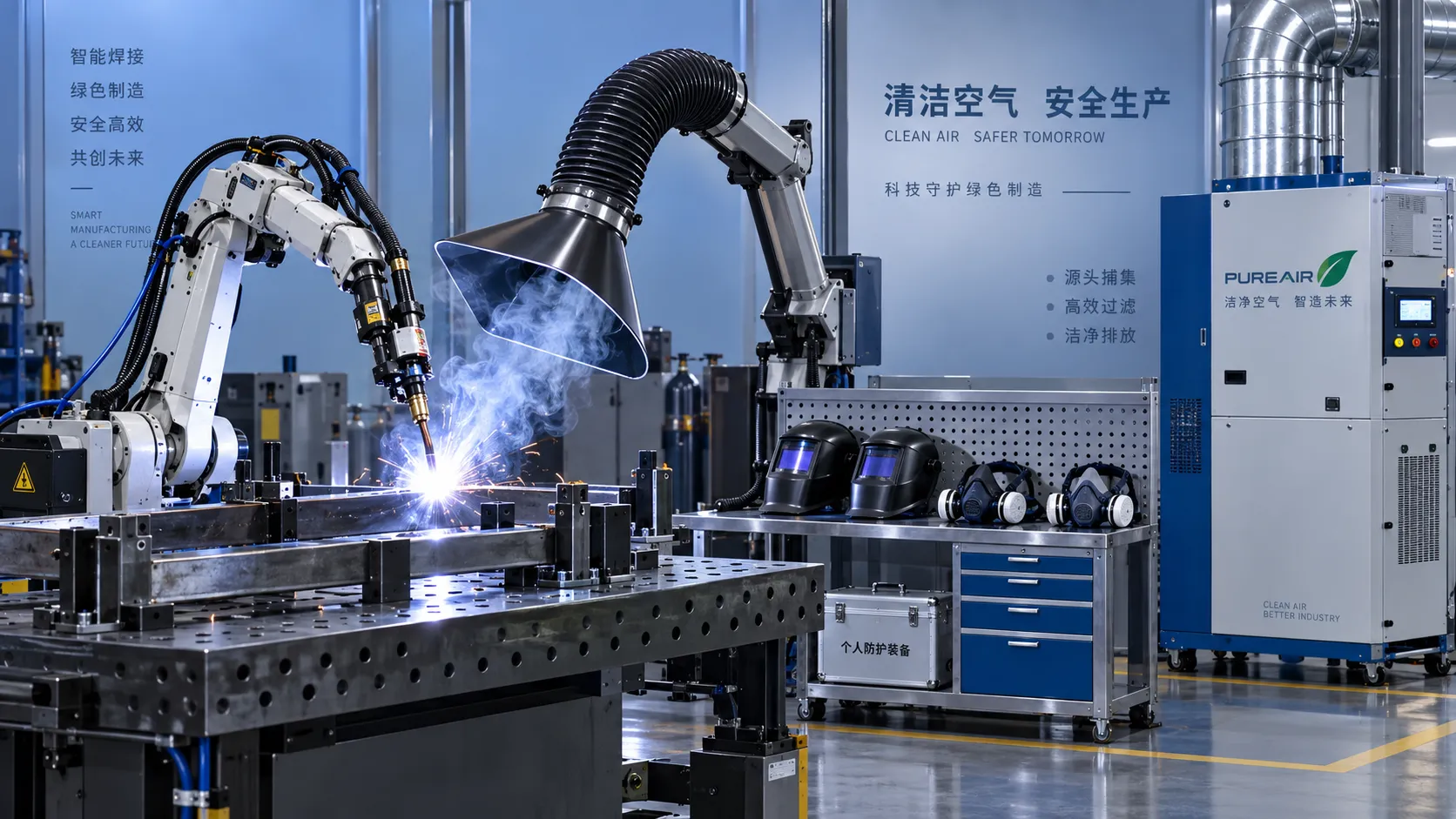
Welding Fume Extraction PPE: When Respirators Are Not Enough for Shop Safety
Welding fume extraction PPE: learn why respirators alone fall short and how source capture, ventilation, and layered controls improve shop safety.
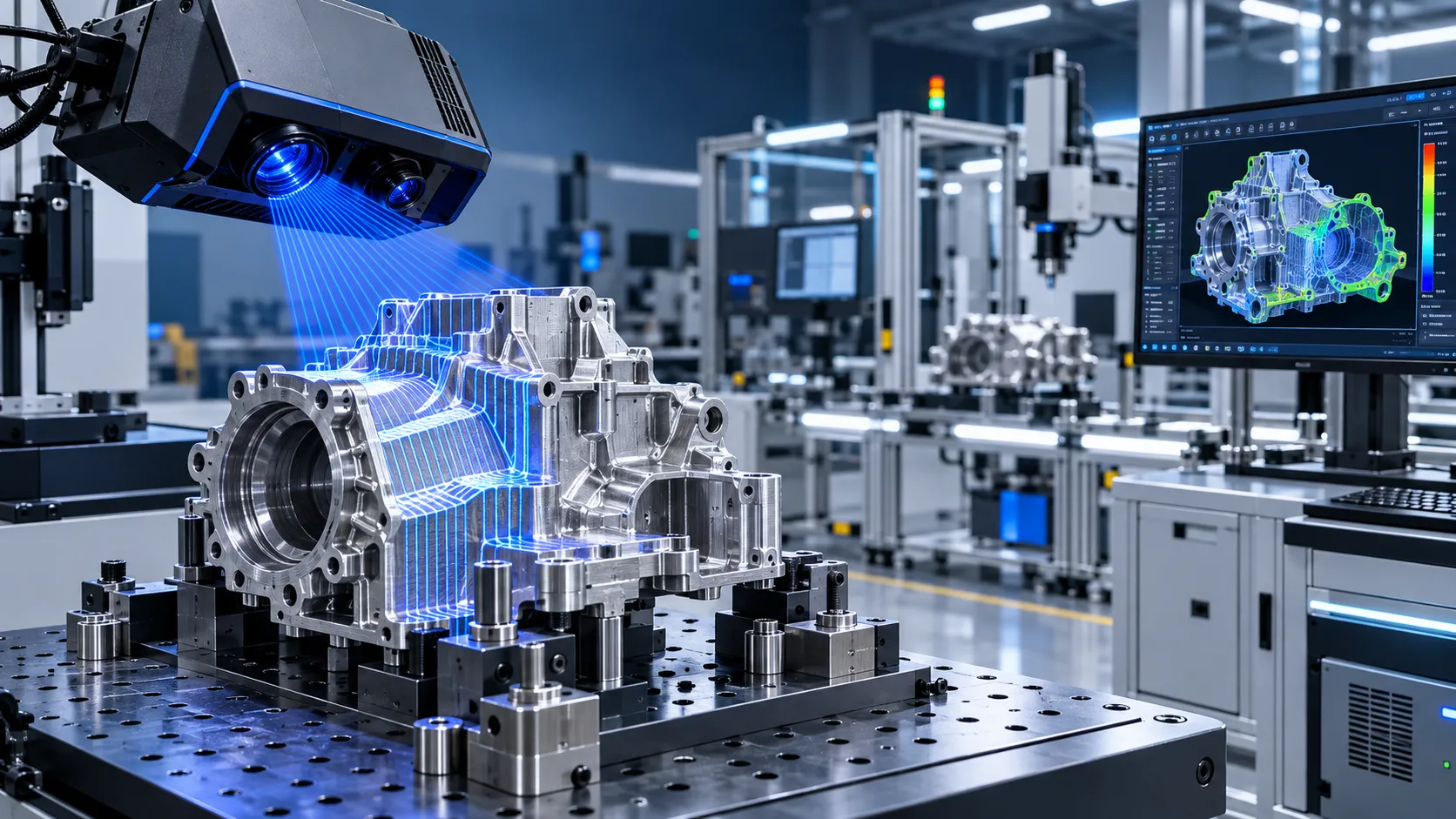
How to Select Optical Metrology Solutions for Tight-Tolerance Manufacturing
Optical industrial metrology solutions for tight-tolerance manufacturing: evaluate accuracy, surface compatibility, workflow, and traceability to select with confidence.
Related News
- 00
0000-00
Welding Fume Extraction PPE: When Respirators Are Not Enough for Shop Safety - 00
0000-00
Which ANSI Standards Apply to Welding Equipment in Industrial Fabrication? - 00
0000-00
How Energy-Efficient Welding Equipment Cuts Power Use in High-Volume Fabrication - 00
0000-00
Which ISO Standards Govern Welding Technology Quality Control and Qualification? - 00
0000-00
North American Welding Innovations Reshaping Automation, Quality, and Labor Productivity
Welding Metallurgy Expert
Weekly Insights
Stay ahead with our curated technology reports delivered every Monday.