
Welding Innovations in Aerospace Manufacturing: Which Processes Improve Precision and Rework Rates?





In aerospace manufacturing, welding innovations have moved from incremental improvement to process-critical strategy. Precision is no longer judged only by final dimensions. It is tied to heat input, distortion control, traceability, and how often a welded part returns for correction. In high-spec assemblies, the best welding choice reduces variation before rework appears, not after inspection catches it.
That shift matters across the broader industrial landscape as well. Aerospace often sets the benchmark for metal joining discipline, then other sectors adapt the lessons. For platforms such as GPTWM, where welding, metrology, and industrial decision intelligence intersect, this makes aerospace a useful reference point for evaluating which process investments deliver measurable production value.
Why precision and rework rates are now linked
Aerospace structures use nickel alloys, titanium, aluminum, and advanced stainless grades. These materials support lightweighting and thermal performance, but they also respond differently to heat, shielding, joint fit-up, and weld sequence.
In practice, rework often begins with small instability. A minor gap change, poor beam alignment, or inconsistent wire feed can create porosity, underfill, distortion, or lack of fusion. The repair itself may then introduce extra heat cycles and weaken dimensional predictability.
This is why welding innovations are being judged less by headline speed and more by process window control. The question is simple: which method keeps the weld inside tolerance with the fewest downstream interventions?
The processes drawing the most attention
Several joining methods dominate current evaluation. They do not compete on identical criteria, because part geometry, material thickness, access, and certification demands vary widely.
Laser beam welding
Laser systems are central to today’s welding innovations because they offer concentrated energy, narrow heat-affected zones, and strong automation compatibility. For thin-wall aerospace parts, that usually means better dimensional retention and less post-weld correction.
Laser welding also fits digital production well. Beam parameters, seam tracking, and inline sensing can be recorded continuously, making process qualification and repeatability easier to defend.
Electron beam welding
Electron beam welding remains one of the most precise choices for deep, narrow welds in demanding alloys. Vacuum processing limits contamination and supports excellent penetration-to-width ratios.
Its drawback is not technical weakness but operational constraint. Chamber size, capital cost, part handling, and batch flow can limit flexibility. Even so, for highly critical joints, it often delivers some of the lowest rework rates available.
Advanced GTAW and hybrid processes
Gas tungsten arc welding still holds a strong position where surface quality and operator control matter. Modern versions with waveform control, automated torch motion, and closed-loop filler management perform far better than conventional manual setups.
Hybrid approaches, especially laser-arc combinations, are also gaining interest. They can widen the process window, improve gap tolerance, and keep throughput competitive without fully sacrificing precision.
Which welding innovations improve outcomes most clearly
When the target is lower rework with tighter tolerances, the most valuable welding innovations usually sit around the process, not only inside the heat source.
- Real-time seam tracking helps maintain alignment on complex contours and variable joints.
- Closed-loop power control stabilizes penetration when reflectivity or material condition changes.
- Integrated vision and thermal monitoring catch defects while correction is still possible.
- Robotic path repeatability reduces operator-to-operator variation in multi-part programs.
- Pre-weld metrology improves fit-up, which often determines whether precision is achievable at all.
This is where GPTWM’s metrology-centered perspective becomes especially relevant. In aerospace, joining accuracy depends on the quality of measurement before, during, and after welding. Precision tools, sensor feedback, and intelligence reporting are not adjacent topics. They are part of the same control chain.
Comparing process fit in aerospace applications
A useful comparison is not “best process overall,” but “best process for the specific weld risk.” The table below reflects common evaluation logic.
Where rework is really being reduced
The strongest gains appear in assemblies where geometry is delicate and repair is expensive. Examples include engine subcomponents, thin titanium housings, sensor brackets, fuel system parts, and complex structural frames.
In those settings, welding innovations reduce rework in three ways. They control heat more precisely, improve positional repeatability, and detect drift early enough for correction. That combination matters more than raw weld speed.
Another important trend is the use of data-backed qualification. Manufacturers increasingly want weld records linked to metrology results, consumable batches, and machine settings. This supports compliance while also making root-cause analysis faster after any nonconformance.
What to examine before selecting a process
A process should not be selected only because it is advanced. The better question is whether its control capabilities match the dominant failure mode in the part family.
Key decision points
- Material behavior: titanium, aluminum, and superalloys react differently to beam and arc energy.
- Joint condition: fit-up variation may cancel the theoretical precision of a premium system.
- Inspection path: some processes simplify NDT interpretation and documentation.
- Production rhythm: chamber-based precision may not suit mixed-model throughput.
- Safety and ergonomics: handheld or semi-automated adoption still depends on disciplined safeguards.
This broader view reflects a growing reality across industrial sectors. Welding innovations create the most value when paired with intelligent torque control, stable fixturing, reliable measurement, and operator-safe workflows. The weld station is only one node in a larger manufacturing system.
A practical reading of current industry signals
Several signals suggest where aerospace welding is heading next. More manufacturers are prioritizing inline monitoring instead of end-of-line defect discovery. More capital reviews now include digital traceability as a quality feature, not just an IT preference.
There is also stronger attention on export controls, raw material volatility, and qualification portability across sites. That is one reason intelligence-led platforms such as GPTWM matter. They connect process trends, tooling changes, metrology requirements, and commercial risk into one decision frame.
Seen this way, welding innovations are not limited to new machines. They include better sensing, stronger procedural discipline, and clearer links between fabrication data and business outcomes.
What to do next when evaluating options
A useful next step is to map the highest-cost rework events by material, joint type, and defect category. That usually reveals whether the problem is heat control, fit-up accuracy, access, or inconsistent execution.
From there, compare welding innovations by process stability rather than brochure claims. Review tolerance retention, defect escape rates, monitoring depth, and how easily weld data links to metrology records.
For aerospace programs, the most credible precision gains come from systems that combine suitable energy input with measurable control. When that pairing is right, rework falls, compliance becomes easier to defend, and production planning becomes more predictable.
Related News

How Procurement Teams Can Map the Industrial Value Chain to Reduce Supply Risk
Industrial value chain procurement helps teams map hidden dependencies, qualify resilient sources, and reduce supply risk before disruptions stop production.
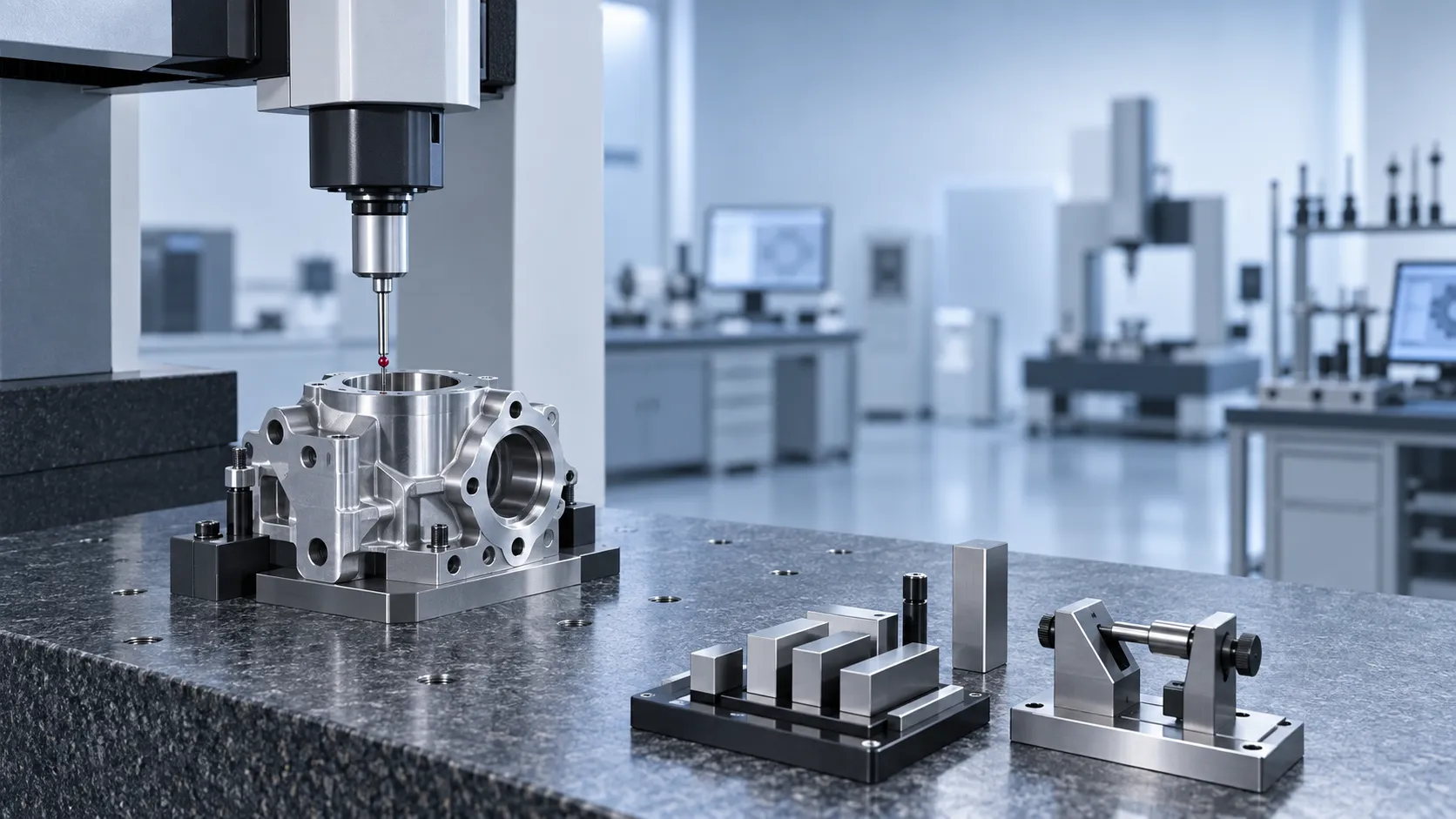
How Specification-Driven Articles Improve Precision Measurement System Selection
Specification-oriented articles precision measurement guidance helps teams compare accuracy, repeatability, environment, and data needs to select reliable systems with confidence.

How to Evaluate a Technology Integration Service Provider for Complex Projects
Technology integration service provider selection guide: evaluate interface ownership, delivery discipline, scalable architecture, and risk control for complex projects.
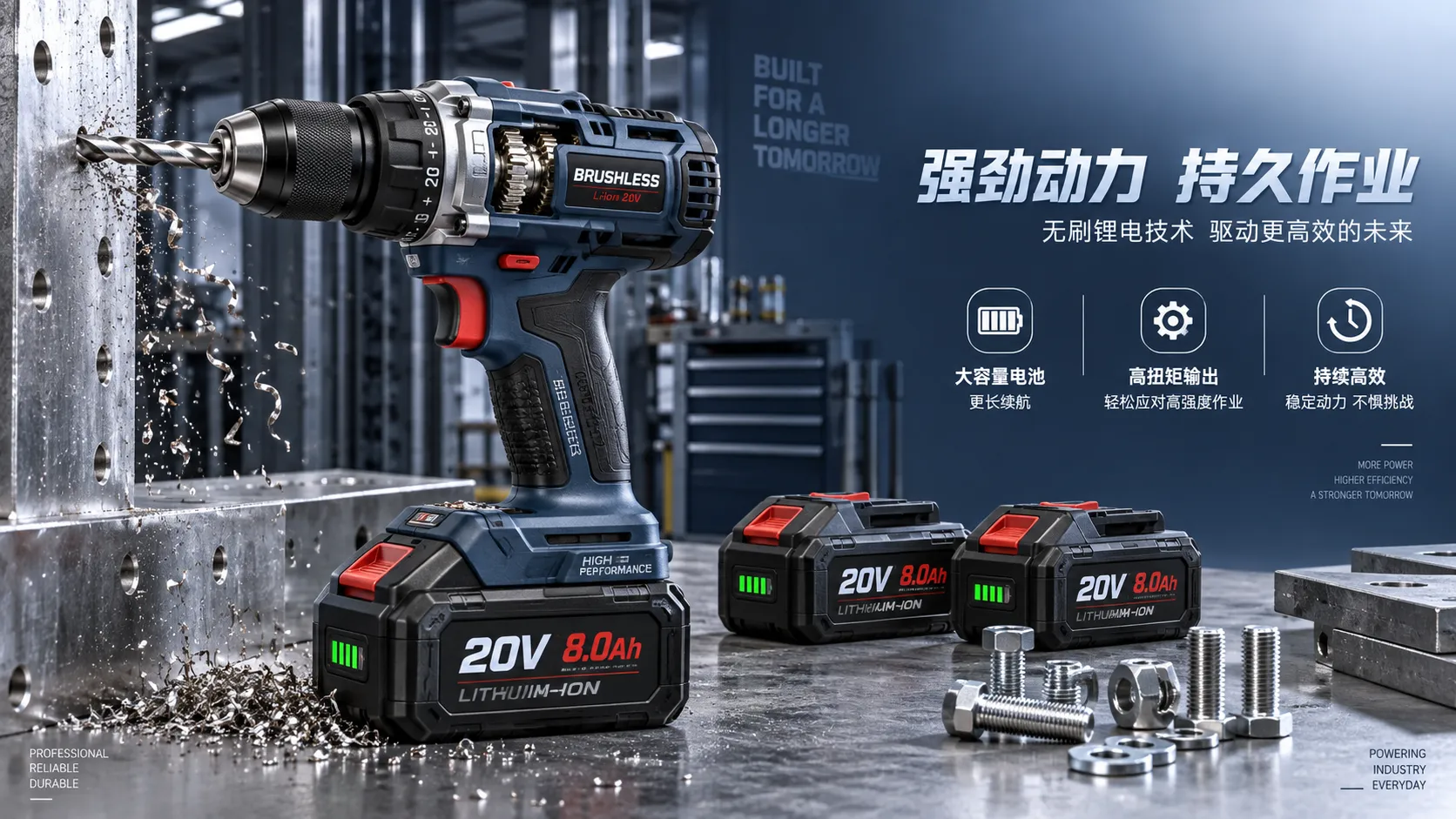
How Battery, Torque, and Duty Cycle Affect Cordless Power Tool Efficiency
Cordless power tool efficiency depends on battery output, torque, and duty cycle. Learn how to match tools to demanding jobs for stronger runtime and productivity.

Product Comparison Resources for Component Compatibility and Lifecycle Risk
Product comparison resources for components: evaluate compatibility, interfaces, service support, and lifecycle risk to reduce downtime, avoid redesigns, and make confident sourcing decisions.
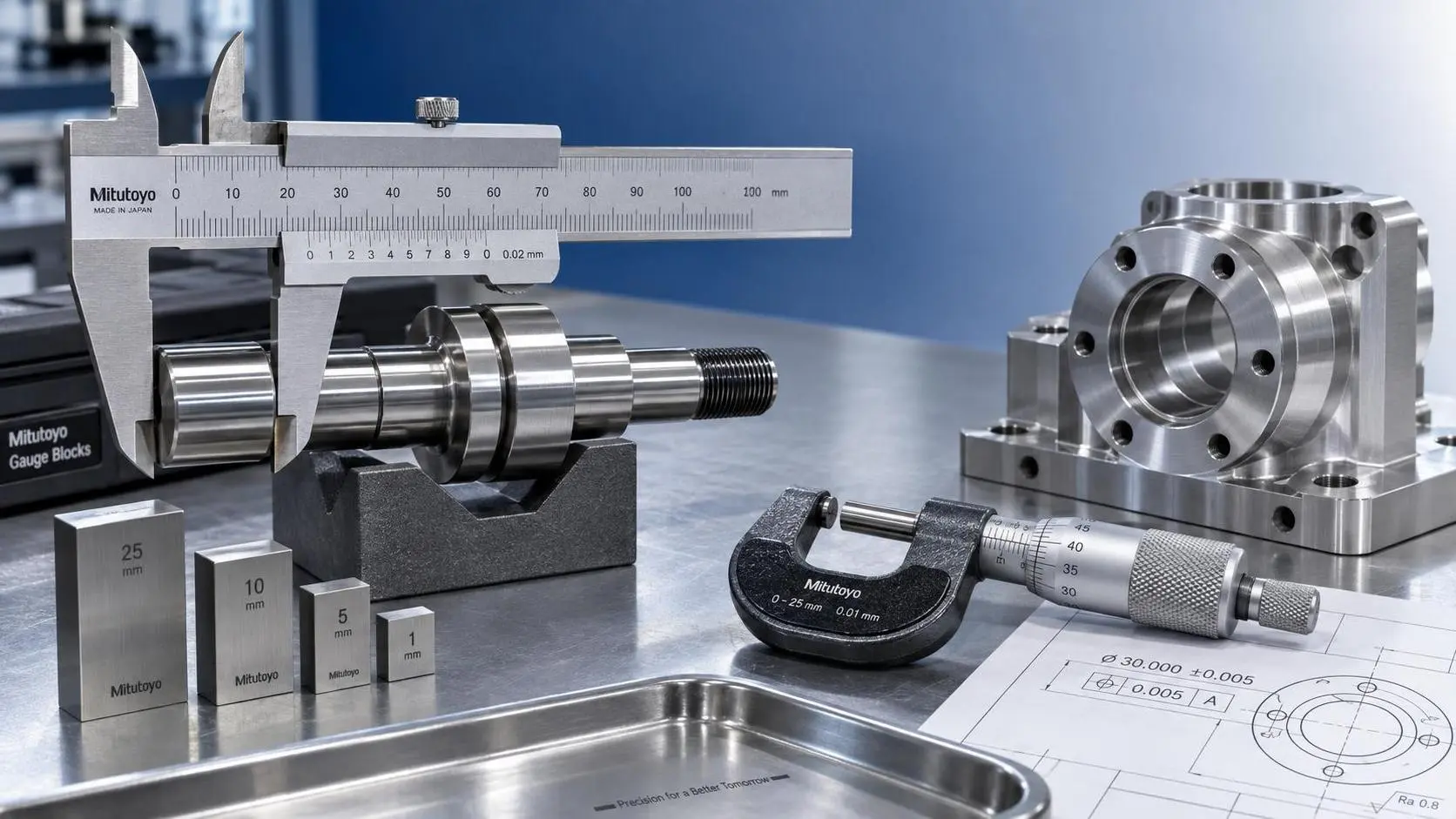
How to Select Vernier Precision Calipers for Tight-Tolerance Machining Inspection
Vernier precision calipers for tight-tolerance machining: learn how to select the right range, jaw design, accuracy, and verification process for reliable inspection.
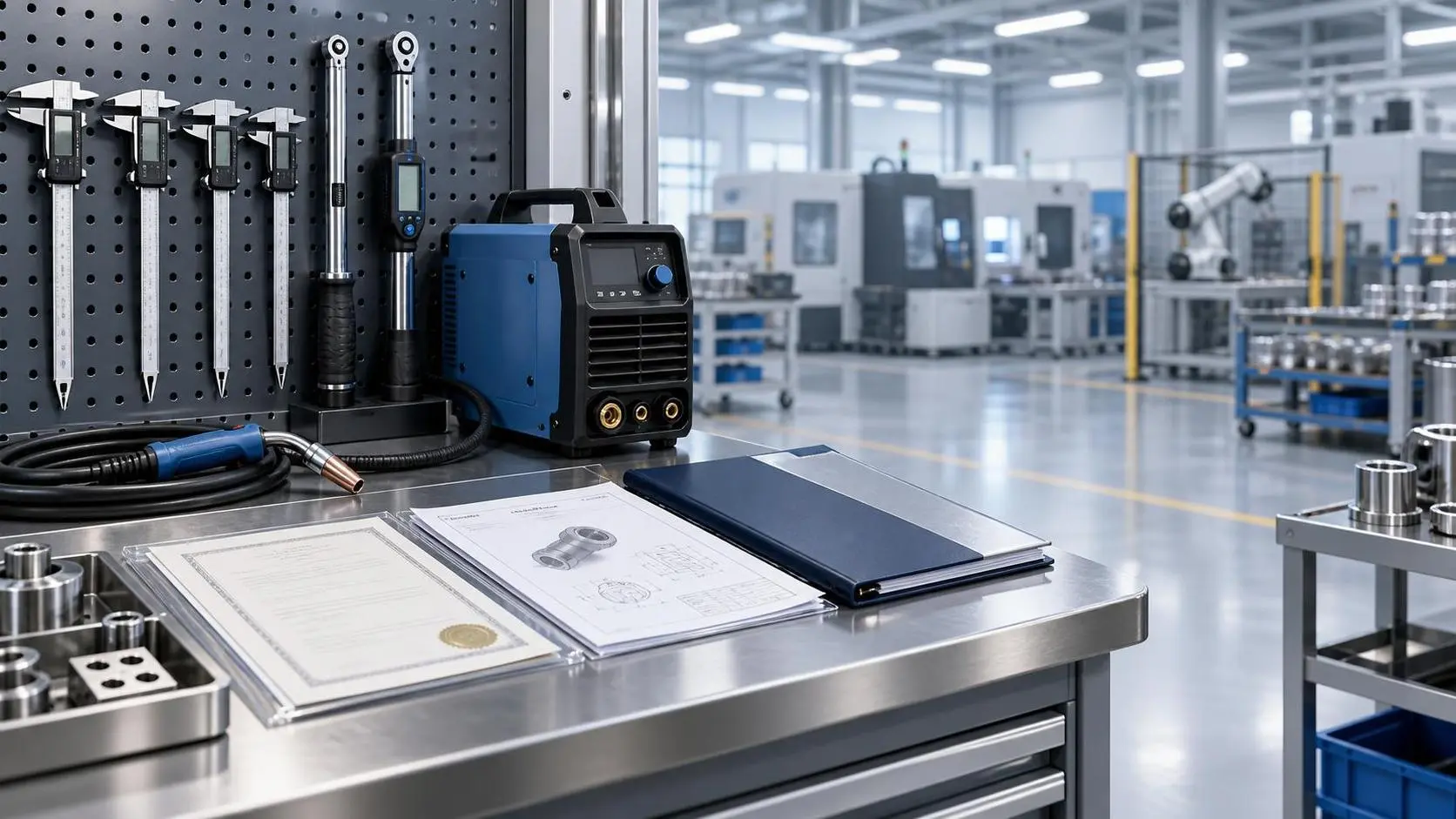
Product Comparison Resources in Europe: How Buyers Can Verify Specs and Suppliers
Product comparison resources Europe: learn how to verify industrial specs, compliance claims, supplier credibility, and delivery risk for smarter purchasing decisions.

How to Evaluate an Industrial Metrology Solution Manufacturer for Production Use
Industrial metrology solution manufacturer evaluation guide for production: compare accuracy, traceability, automation, software, service, and acceptance testing to reduce risk.
Which ISO Standards Matter Most for Precision Engineering Quality Control?
Precision engineering ISO standards explained: discover how ISO 9001, ISO/IEC 17025, ISO 10012, GPS, and ISO 3834 strengthen quality control, traceability, and compliance.
Related News
- 00
0000-00
North American Welding Innovations Reshaping Automation, Quality, and Labor Productivity - 00
0000-00
How to Choose Handheld Laser Welding Equipment for Thin Metal Fabrication - 00
0000-00
Where Do Energy-Saving Welding Equipment Upgrades Deliver the Best ROI? - 00
0000-00
Low-Spatter Welding Equipment Applications: Best Uses by Material and Production Needs - 00
0000-00
How to Choose Auto Darkening Welding Helmets for Safety, Comfort, and Arc Performance
Welding Metallurgy Expert
Weekly Insights
Stay ahead with our curated technology reports delivered every Monday.