
Welding Innovations That Reduce Rework: 5 Processes Improving Fit-Up and Seam Quality





Welding Innovations That Reduce Rework: 5 Processes Improving Fit-Up and Seam Quality
For teams chasing tighter schedules, rework is rarely a small problem.
It slows handoff, adds inspection loops, and quietly drains margin.
That is why welding innovations now matter far beyond the welding booth.
They influence fit-up stability, seam appearance, distortion control, and downstream assembly speed.
In real production, better seam quality usually starts before final inspection.
It starts with a process that holds heat input, travel speed, and joint conditions within a predictable window.
At GPTWM, we track welding innovations because they connect craftsmanship with measurable production control.
The strongest gains often come from methods that reduce variation, not just cycle time.
The five processes below stand out for one reason.
They help fabricators improve fit-up and seam quality while lowering the chance of expensive rework.
1. Pulsed MIG Welding for Better Gap Control
Pulsed MIG remains one of the most practical welding innovations for mixed fabrication environments.
It gives better control over droplet transfer and lowers spatter compared with conventional spray transfer.
That cleaner arc matters when fit-up varies from part to part.
Small gap changes often create visible seam inconsistency and extra cleanup.
Pulsed MIG helps limit those swings by keeping heat input more stable.
It works especially well when operations face:
- Thin-to-medium material thickness changes
- Visible cosmetic seam requirements
- Frequent post-weld grinding costs
- Operator-to-operator consistency issues
From a project standpoint, the value is simple.
Less spatter means less cleanup, and less cleanup means fewer hidden delays before coating or assembly.
Among current welding innovations, pulsed MIG is often the fastest upgrade with the lowest disruption.
2. Laser Hybrid Welding for Long, Consistent Seams
Laser hybrid welding combines laser energy with an arc process.
The result is deep penetration, higher travel speed, and improved seam consistency across longer joints.
This is one of the welding innovations gaining attention in transport equipment and structural fabrication.
The reason is not speed alone.
It is the combination of speed and reduced distortion on long seams.
When long parts pull out of alignment, rework spreads quickly.
Fixtures need adjustment, holes stop matching, and final assembly loses rhythm.
Laser hybrid welding helps by narrowing the heat-affected zone.
That means better dimensional stability after welding.
It is a strong fit when operations need:
- Long seam repeatability
- Reduced panel distortion
- Fewer tack weld corrections
- Reliable throughput on complex assemblies
For higher-volume projects, this is one of the welding innovations that can move seam quality and output at the same time.
3. Adaptive Robotic Welding with Seam Tracking
More obvious signals in the market point to adaptive robotic systems.
These welding innovations use sensors, seam tracking, and programmed correction logic.
Instead of assuming every joint is perfect, the system responds to real joint variation.
That matters because fit-up drift is common, even in well-managed lines.
A robot without tracking may repeat the same mistake very quickly.
A robot with tracking can correct torch position before seam quality drops below standard.
This reduces undercut, missed joints, and inconsistent bead placement.
It also supports better root cause analysis when problems do occur.
Key operational gains include:
- More accurate bead placement
- Less manual touch-up after inspection
- Better traceability of weld parameters
- Improved repeatability across shifts
This also changes how quality teams work.
They can focus less on sorting defects and more on controlling process windows.
For complex assemblies, adaptive robotics are among the most strategic welding innovations available today.
4. Friction Stir Welding for Low-Distortion Joint Quality
Not every project can use friction stir welding, but where it fits, the quality benefits are hard to ignore.
Unlike fusion methods, it joins material in a solid state.
That sharply reduces distortion, porosity risk, and some common seam defects.
It is one of the welding innovations especially relevant to aluminum structures.
For assemblies sensitive to dimensional movement, this process can cut a surprising amount of rework.
Less thermal stress usually means better fit-up at the next station.
That is a major advantage in panels, enclosures, transport sections, and lightweight frames.
Before adoption, teams should check:
- Material compatibility and thickness range
- Access requirements for tooling
- Fixture rigidity and clamping design
- Target savings from reduced finishing work
This is important because advanced welding innovations must still fit the business case.
When the geometry and material match, friction stir welding can deliver exceptional seam quality with fewer correction cycles.
5. Real-Time Weld Monitoring and Closed-Loop Control
Some of the most effective welding innovations are not new arc types at all.
They are monitoring systems that track current, voltage, wire feed, temperature, and travel behavior in real time.
When connected to closed-loop control, the system can correct drift before it becomes a defect.
That shift from detection to prevention is where rework reduction becomes real.
In practical terms, this supports more stable seam quality across changing production conditions.
It is also useful for supplier quality control and documented compliance.
If a weld fails inspection, teams can review parameter history instead of relying on guesswork.
This process brings value through:
- Earlier detection of parameter drift
- Stronger weld data traceability
- More predictable inspection outcomes
- Faster corrective action on recurring defects
As welding innovations continue to merge with digital manufacturing, monitoring and control will likely become the baseline, not the premium option.
How to Choose the Right Process Without Slowing the Project
Choosing between welding innovations is not just a technical decision.
It affects scheduling, training, fixture design, inspection planning, and cost recovery.
A useful starting point is to map the biggest sources of rework first.
This also helps justify investment more clearly.
Instead of buying technology for its own sake, teams solve the exact defect pattern that hurts output most.
That approach makes welding innovations easier to scale across programs and suppliers.
A Practical Rollout Path
In actual operations, the smartest rollout is usually phased.
Start with one defect family, one line, and one measurable target.
A practical sequence often looks like this:
- Audit current rework causes by seam type and station
- Select one of the welding innovations that targets that loss
- Run a controlled pilot with baseline inspection data
- Measure defect rate, repair hours, and throughput change
- Expand only after parameter stability is proven
The main point is to connect process choice with business impact.
Better fit-up and seam quality should show up in schedule reliability, labor efficiency, and fewer inspection surprises.
That is where welding innovations deliver their full value.
The next step is not adopting every new method, but choosing the one that removes the most rework first.
Related News
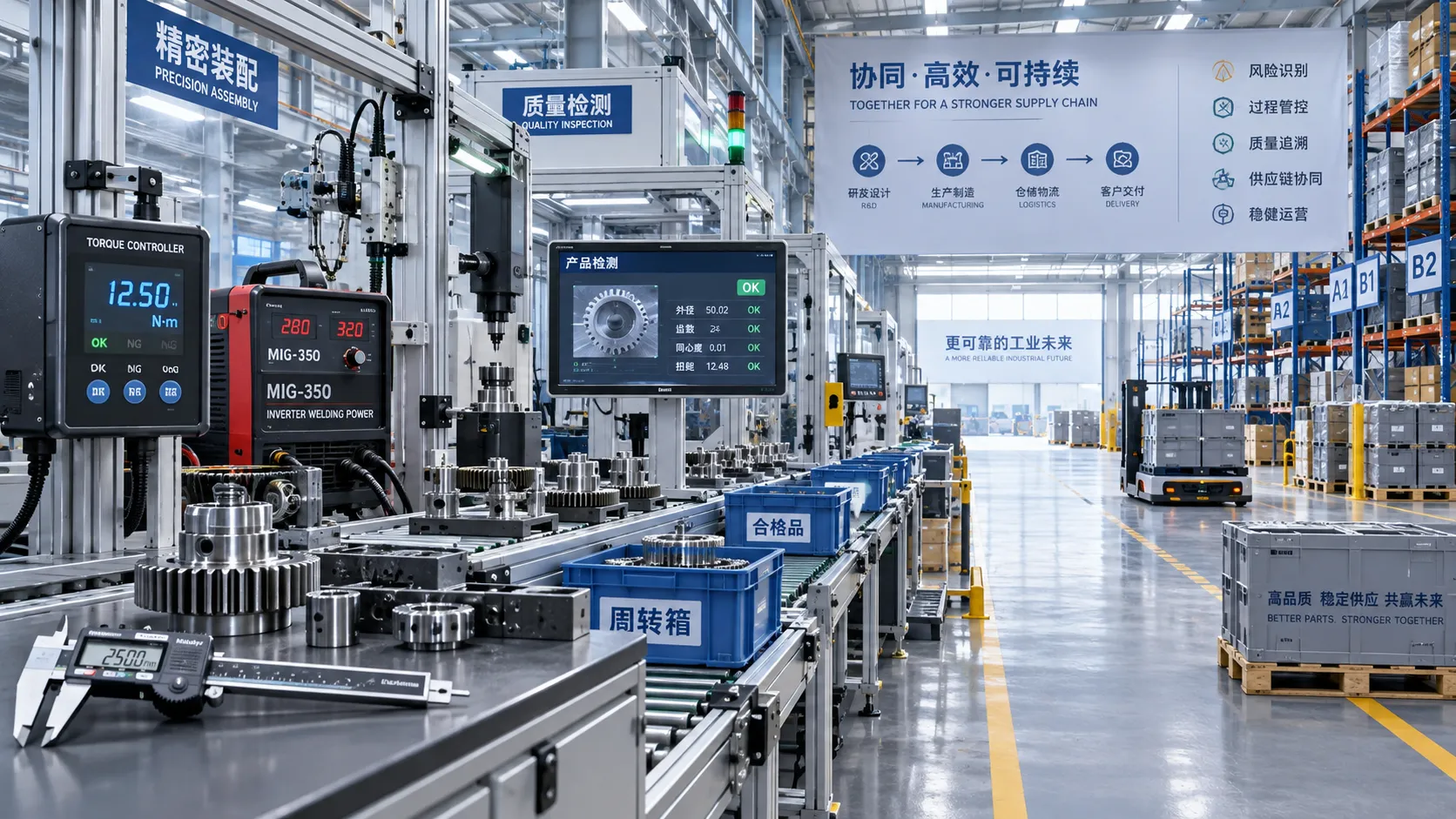
How Procurement Teams Can Map the Industrial Value Chain to Reduce Supply Risk
Industrial value chain procurement helps teams map hidden dependencies, qualify resilient sources, and reduce supply risk before disruptions stop production.
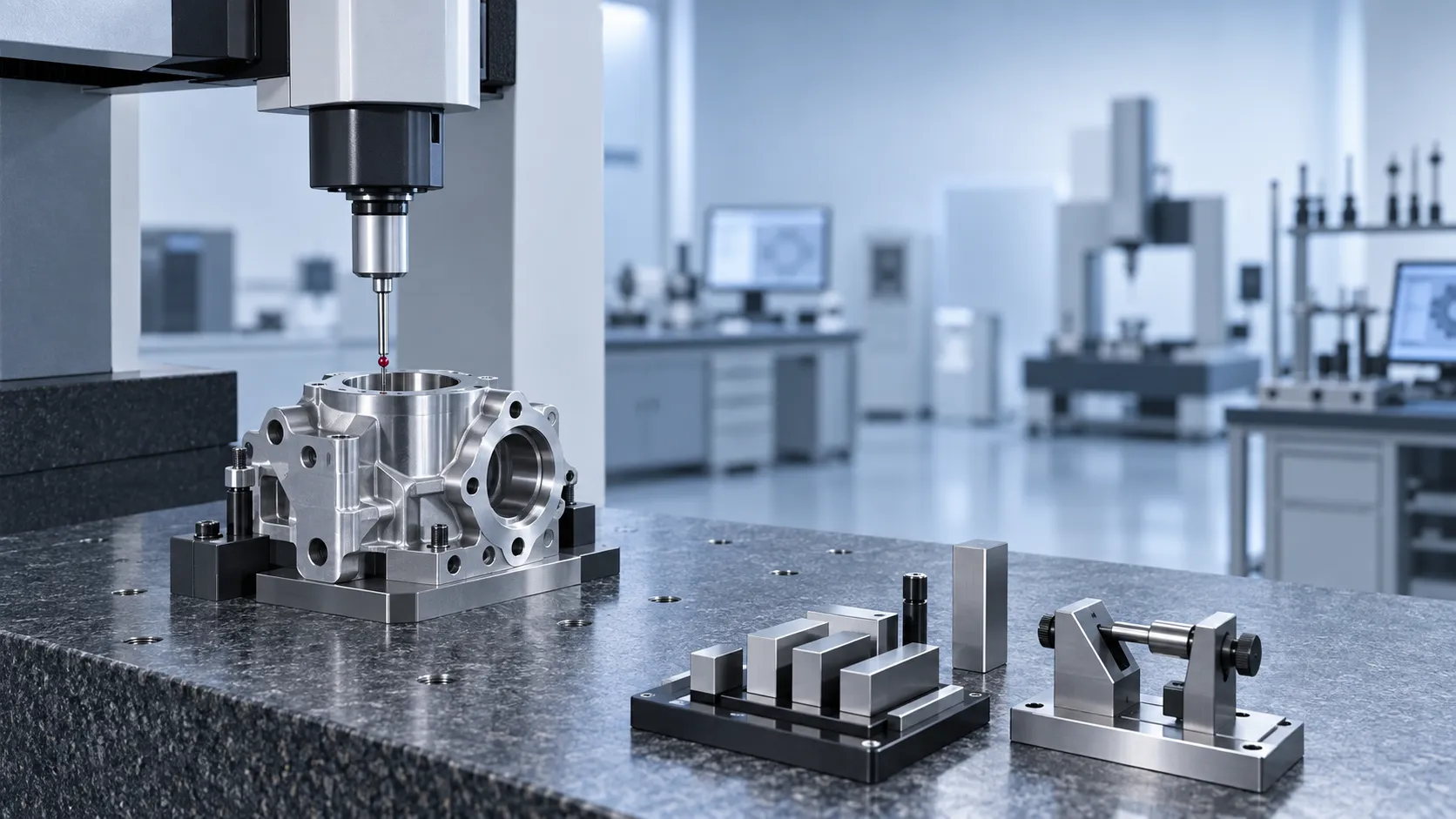
How Specification-Driven Articles Improve Precision Measurement System Selection
Specification-oriented articles precision measurement guidance helps teams compare accuracy, repeatability, environment, and data needs to select reliable systems with confidence.
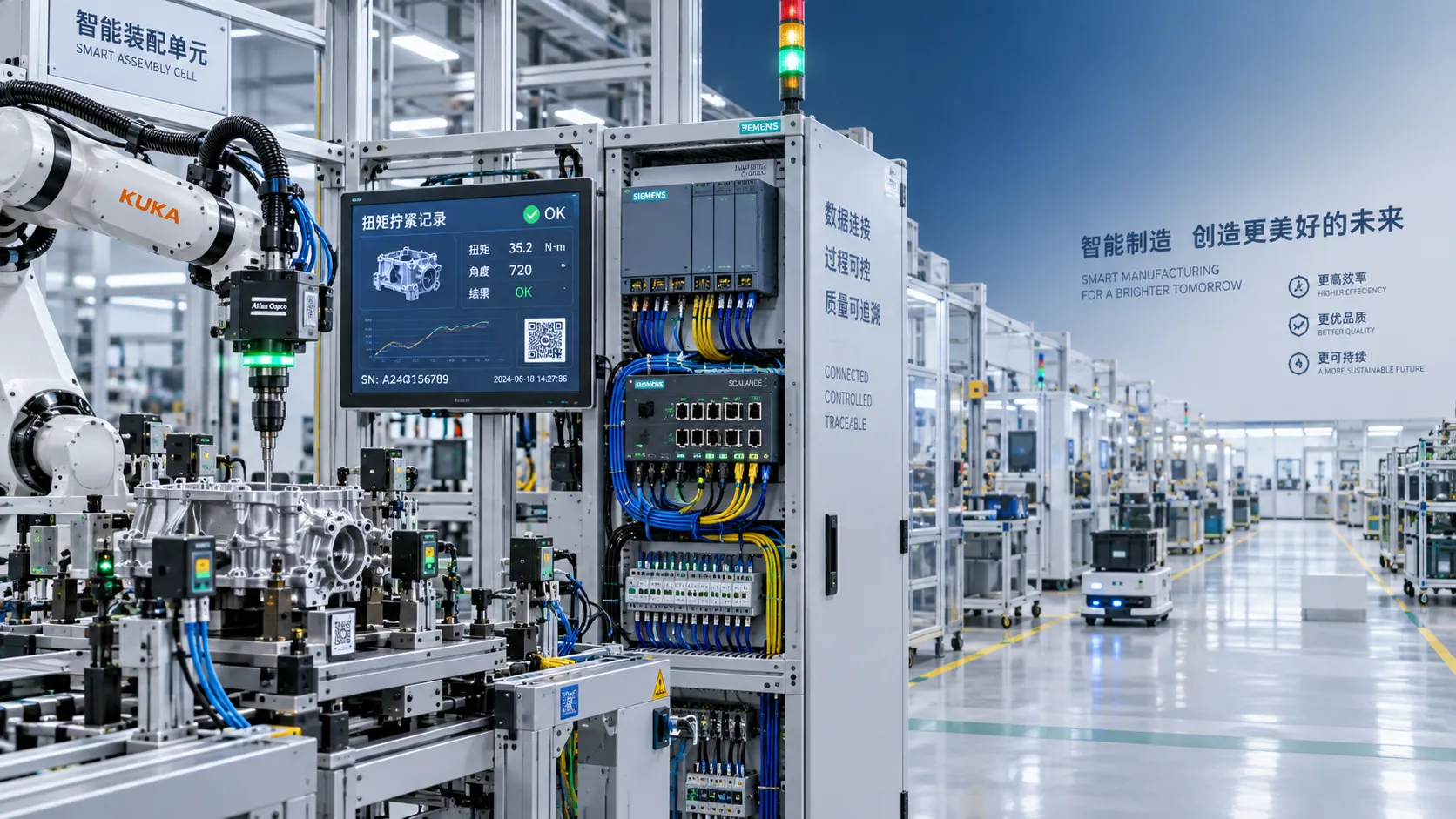
How to Evaluate a Technology Integration Service Provider for Complex Projects
Technology integration service provider selection guide: evaluate interface ownership, delivery discipline, scalable architecture, and risk control for complex projects.
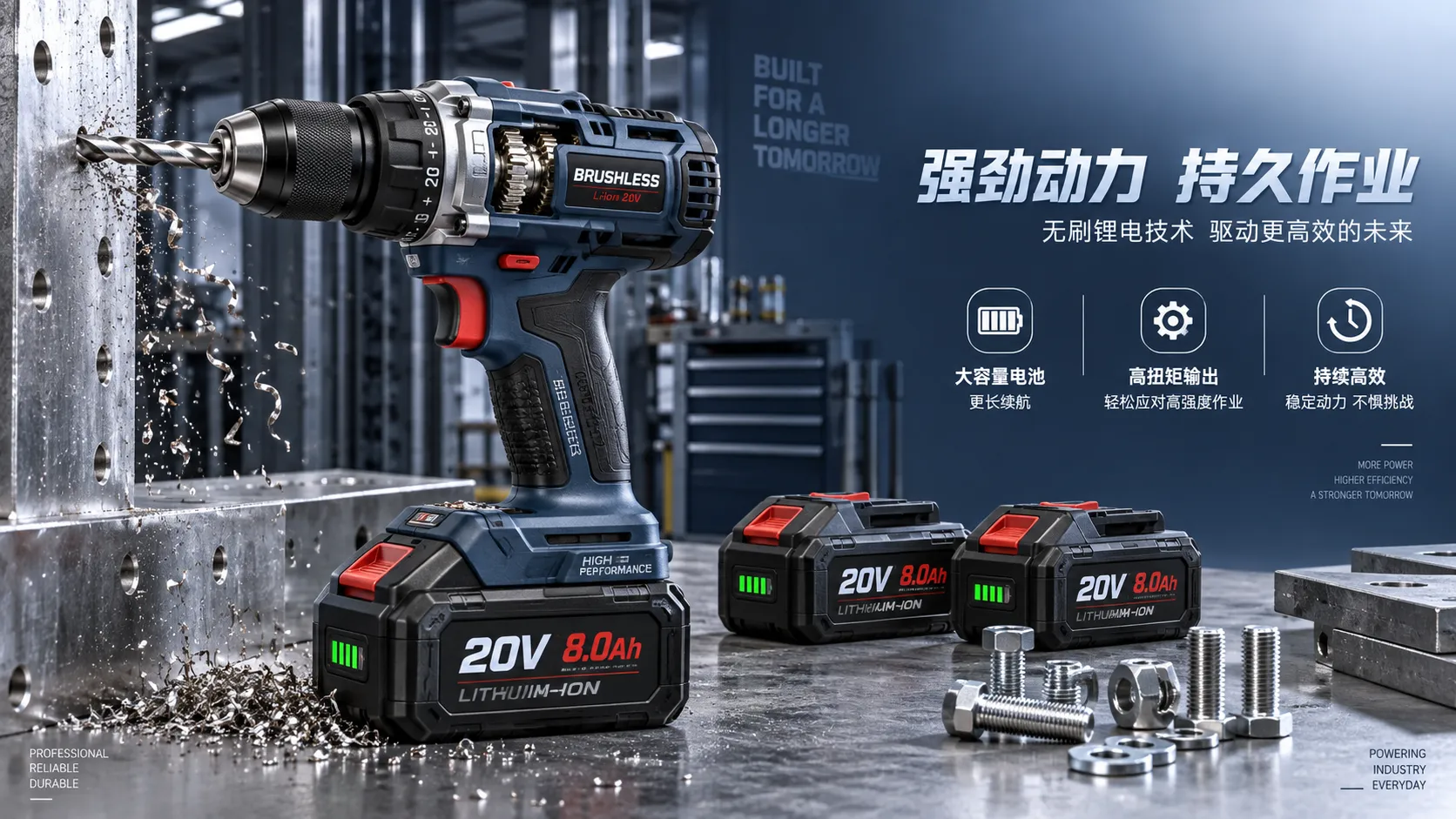
How Battery, Torque, and Duty Cycle Affect Cordless Power Tool Efficiency
Cordless power tool efficiency depends on battery output, torque, and duty cycle. Learn how to match tools to demanding jobs for stronger runtime and productivity.
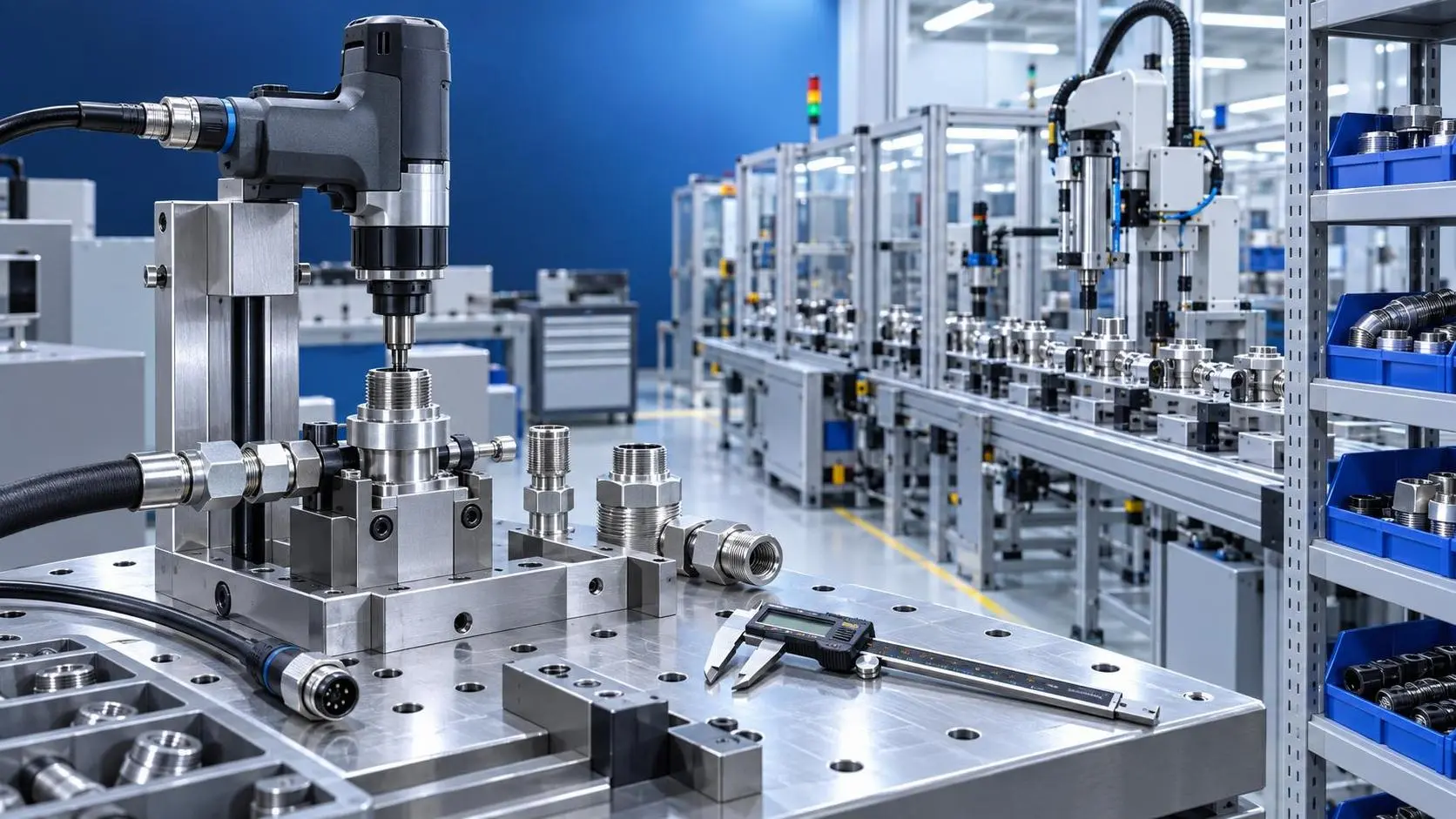
Product Comparison Resources for Component Compatibility and Lifecycle Risk
Product comparison resources for components: evaluate compatibility, interfaces, service support, and lifecycle risk to reduce downtime, avoid redesigns, and make confident sourcing decisions.
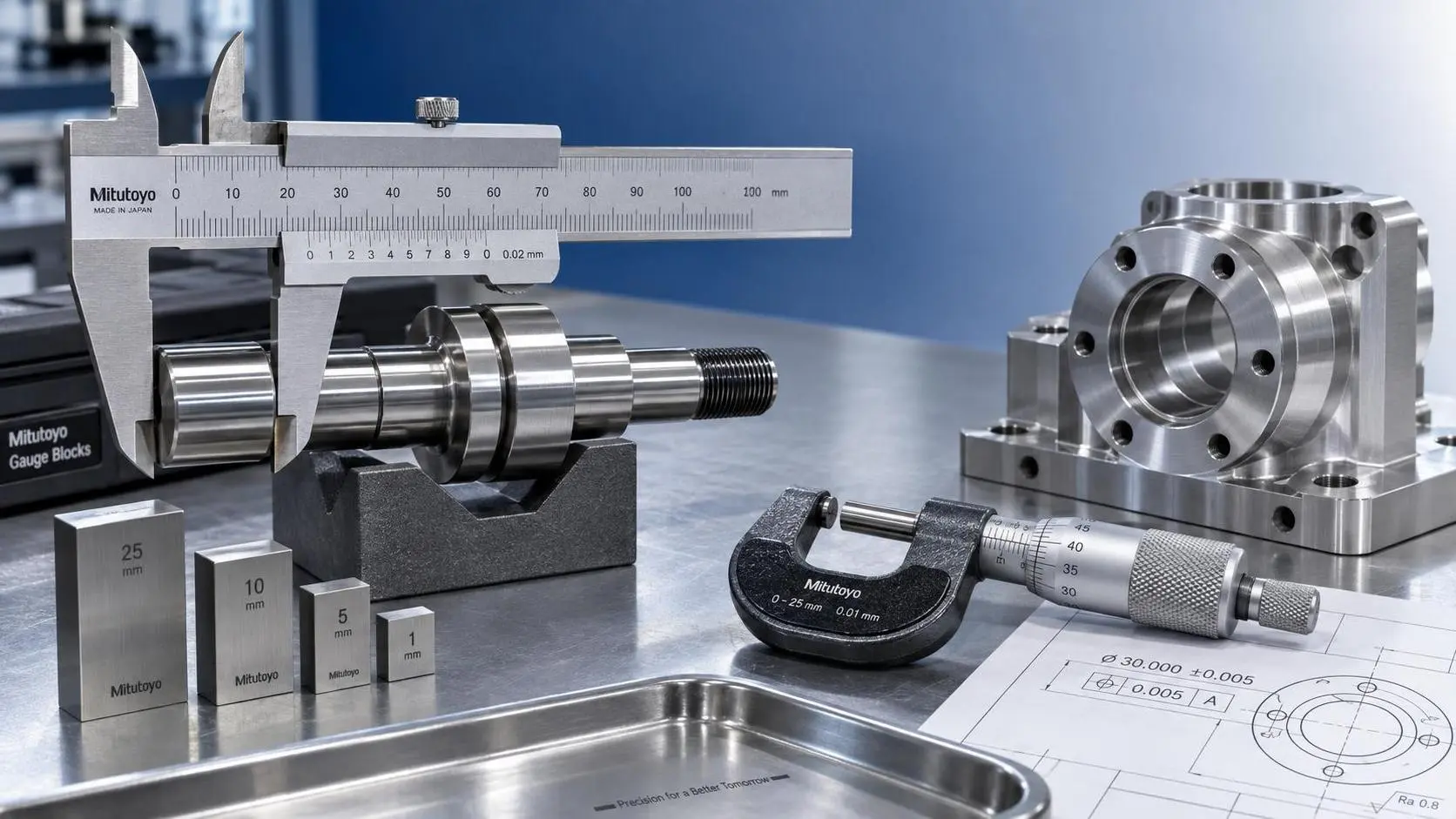
How to Select Vernier Precision Calipers for Tight-Tolerance Machining Inspection
Vernier precision calipers for tight-tolerance machining: learn how to select the right range, jaw design, accuracy, and verification process for reliable inspection.
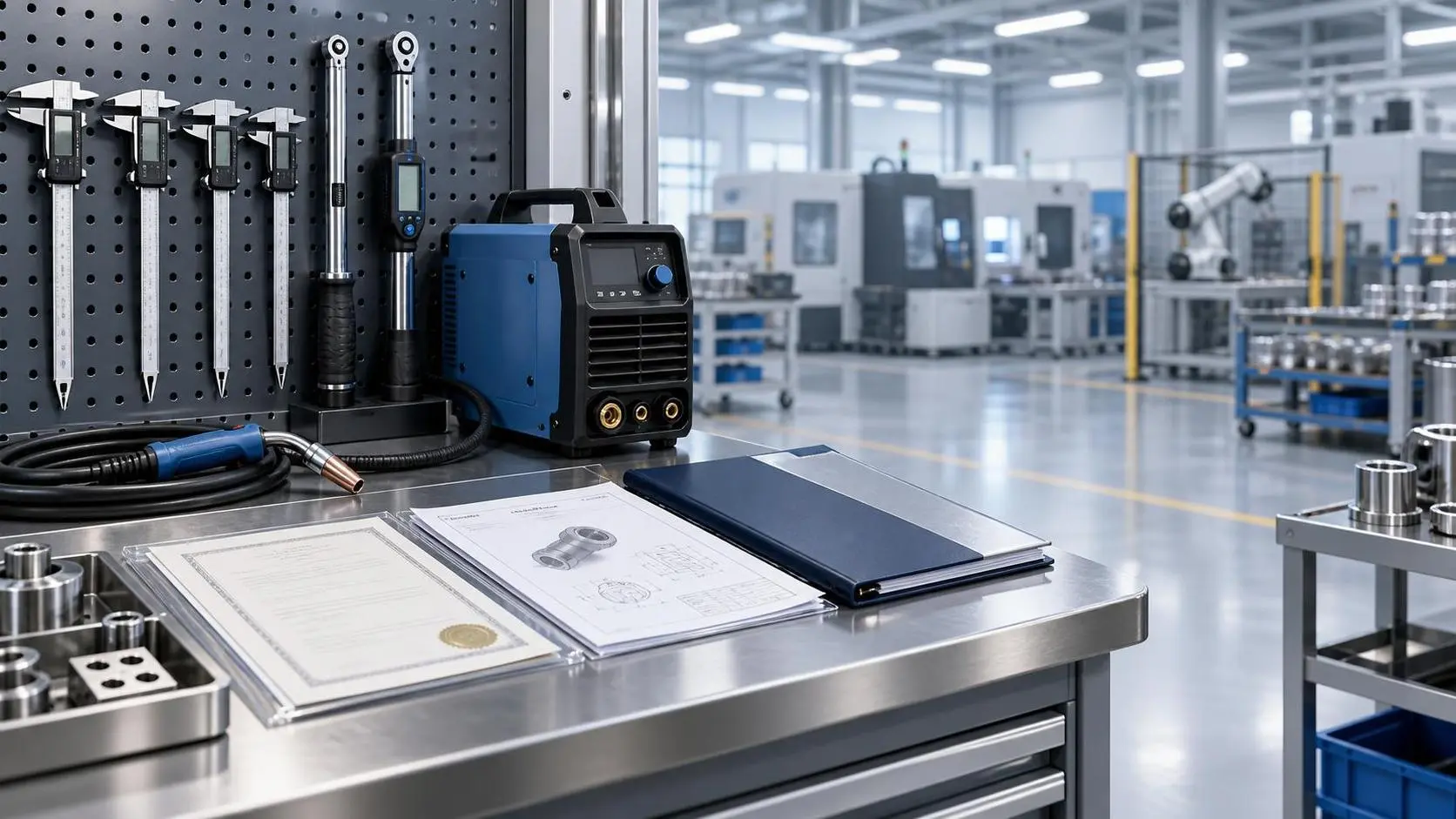
Product Comparison Resources in Europe: How Buyers Can Verify Specs and Suppliers
Product comparison resources Europe: learn how to verify industrial specs, compliance claims, supplier credibility, and delivery risk for smarter purchasing decisions.
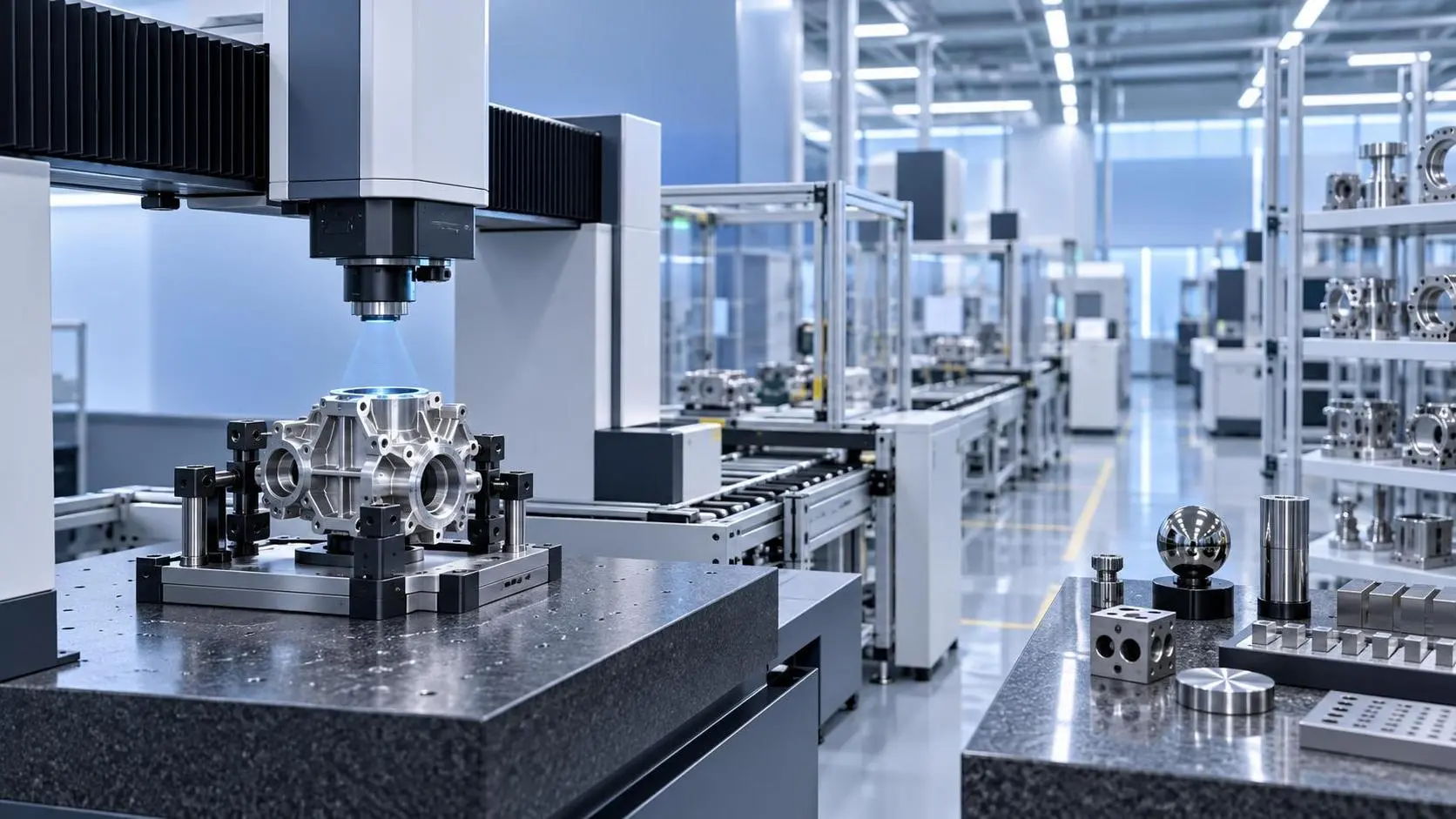
How to Evaluate an Industrial Metrology Solution Manufacturer for Production Use
Industrial metrology solution manufacturer evaluation guide for production: compare accuracy, traceability, automation, software, service, and acceptance testing to reduce risk.
Which ISO Standards Matter Most for Precision Engineering Quality Control?
Precision engineering ISO standards explained: discover how ISO 9001, ISO/IEC 17025, ISO 10012, GPS, and ISO 3834 strengthen quality control, traceability, and compliance.
Related News
- 00
0000-00
North American Welding Innovations Reshaping Automation, Quality, and Labor Productivity - 00
0000-00
How to Choose Handheld Laser Welding Equipment for Thin Metal Fabrication - 00
0000-00
Where Do Energy-Saving Welding Equipment Upgrades Deliver the Best ROI? - 00
0000-00
Low-Spatter Welding Equipment Applications: Best Uses by Material and Production Needs - 00
0000-00
How to Choose Auto Darkening Welding Helmets for Safety, Comfort, and Arc Performance
Welding Metallurgy Expert
Weekly Insights
Stay ahead with our curated technology reports delivered every Monday.