
Welding Technology Explained: How Process Choice Affects Joint Strength and Rework Rate





Welding technology shapes far more than bead appearance. It influences joint strength, defect frequency, heat distortion, and how often a part must return for grinding, repair, or full replacement.
On active production lines, process choice affects daily stability. A fast method that creates inconsistent penetration can raise rework costs, while a slower but controlled process may protect quality and delivery.
That is why welding technology remains a practical decision point across fabrication, maintenance, construction, automotive repair, and precision industrial assembly. The right fit depends on material, joint design, operator control, and inspection expectations.
From the perspective of GPTWM, where industrial assembly, metal joining, and precision metrology intersect, the most useful question is not which process sounds advanced. It is which process keeps strength predictable and rework manageable in real conditions.
Why process choice matters more than many shops expect
Joint strength is created by a combination of penetration, fusion, heat input, filler compatibility, and cooling behavior. Welding technology defines how these factors interact from arc start to final solidification.
Rework rate follows the same path. Porosity, undercut, incomplete fusion, spatter, cracking, and burn-through rarely come from one cause alone. They often begin with a poor match between process and application.
A process that works well on thick carbon steel may struggle on thin stainless sheet. A method suited to long structural seams may create unnecessary cleanup on short, visible joints.
In broader industry, this matters even more now. Material price swings, tighter export standards, and quality traceability requirements leave less room for avoidable repair work.
How major welding methods affect strength and rework
Not every process fails in the same way. Each one brings a distinct balance of speed, control, heat concentration, and tolerance for variation.
MIG welding
MIG is widely used because it is productive and relatively easy to learn. In stable conditions, it supports good repeatability on steel, stainless steel, and aluminum.
Its strength results are strong when wire feed, shielding gas, and travel speed stay consistent. Rework rises when surface contamination, poor gas coverage, or incorrect parameter windows cause porosity and lack of fusion.
TIG welding
TIG offers high control and clean weld appearance. It is often preferred when joint precision, thin materials, or cosmetic finish are critical.
This welding technology can deliver excellent joint integrity, especially on stainless steel and nonferrous metals. The tradeoff is lower speed and greater sensitivity to operator technique, which can limit throughput.
Stick welding
Stick welding remains valuable in outdoor work, field repair, and less controlled environments. It handles rust, wind, and heavier sections better than some gas-shielded methods.
Joint strength can be very reliable, but slag removal and arc consistency affect rework. Cleanup demand is usually higher, and visible finish may require extra labor.
Laser and hybrid processes
Laser-based welding technology is receiving more attention because it concentrates heat, reduces distortion, and supports narrow, efficient seams.
When fit-up is precise, strength and productivity can both improve. However, poor alignment, reflective materials, or weak safety controls can quickly turn a modern solution into a costly rework source.
The hidden drivers behind weak joints
It is tempting to blame the machine when a weld fails inspection. In practice, welding technology only performs as well as the full process window allows.
Material condition is a common issue. Oil, oxide, coating residue, and poor edge preparation reduce fusion quality before the torch even starts moving.
Heat input is another major factor. Too little energy can leave cold laps or incomplete penetration. Too much can weaken the heat-affected zone or distort the part beyond tolerance.
Joint design also matters. Gap size, bevel angle, root access, and fixturing stability determine whether a chosen process can reach the intended strength consistently.
This is where precision metrology becomes relevant. GPTWM often frames welding decisions together with measurement capability because poor fit-up control usually appears later as avoidable rework.
Where different industries feel the impact
The consequences of process choice are not identical across sectors. The same welding technology can create value in one setting and inefficiency in another.
Construction and heavy fabrication
Durability and field tolerance are often more important than cosmetic finish. Stick and robust MIG setups remain practical where surface conditions are variable and repair access is limited.
Automotive and transport repair
Thin materials, mixed metals, and visible surfaces make distortion control critical. Here, welding technology must balance appearance, penetration, and minimal heat damage to surrounding panels.
Aerospace maintenance and precision assemblies
High-value parts leave little tolerance for rework. Cleanliness, traceability, inspection discipline, and exact parameter control matter as much as the weld itself.
What to evaluate before choosing a process
A useful decision starts with the joint, not the machine brochure. The following checks usually reveal which welding technology is realistic for the job.
- Base material type, thickness, and coating condition
- Required penetration level and load direction
- Tolerance for distortion, discoloration, and cleanup
- Indoor or outdoor environment and shielding reliability
- Fit-up consistency and measurement control before welding
- Expected inspection standard and repair accessibility
Usually, rework drops when these inputs are reviewed together. Shops often improve quality more by refining setup logic than by chasing a new process too early.
Current signals shaping welding technology decisions
Several industry shifts are changing how process selection is judged. Safety around handheld laser systems is one example, especially as adoption grows beyond specialized facilities.
Another signal is the push toward intelligent control. IoT-enabled torque systems, digital parameter storage, and traceable inspection records are encouraging more disciplined welding workflows.
There is also rising pressure to reduce skill-dependent variation. This does not eliminate operator judgment, but it increases the value of welding technology that supports stable repeatability.
For platforms like GPTWM, these shifts matter because they connect traditional craft decisions with measurable production outcomes. Process choice is becoming both a technical and an operational intelligence issue.
Practical ways to lower rework without sacrificing strength
The strongest improvement usually comes from disciplined basics rather than dramatic equipment changes.
- Match the process to the actual joint geometry, not only to production speed targets.
- Control fit-up with reliable measuring tools before welding begins.
- Standardize parameter windows for recurring materials and thicknesses.
- Record repeat defects by process, not just by part number.
- Review whether cleanup time is hiding a process mismatch.
- Reassess safety practices when introducing laser or high-output systems.
Simple changes in preparation, fixturing, and parameter discipline often produce a larger quality gain than increasing raw welding speed.
A better next step for process selection
A sound welding technology decision begins with a short review of failure patterns, material mix, and inspection demands. That creates a clearer basis for comparing MIG, TIG, stick, laser, or hybrid options.
It also helps to compare rework sources separately from pure cycle time. A process that looks efficient on paper may lose its advantage once grinding, repair welding, and scrap are counted.
For teams following industrial assembly and joining trends through GPTWM, the useful path is practical: measure fit-up, document recurring defects, and judge welding technology by consistent strength, manageable risk, and realistic shop-floor control.
Related News
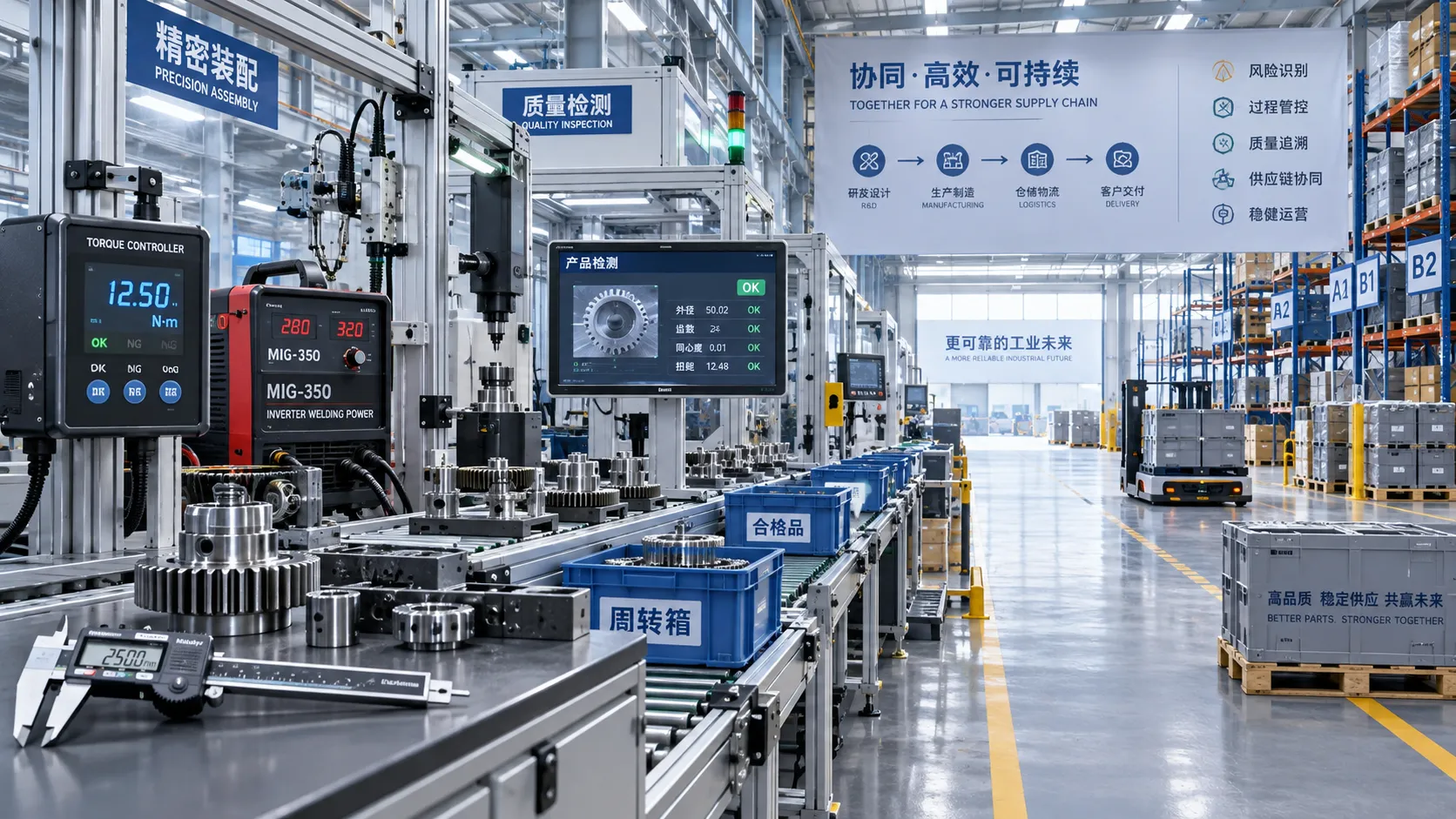
How Procurement Teams Can Map the Industrial Value Chain to Reduce Supply Risk
Industrial value chain procurement helps teams map hidden dependencies, qualify resilient sources, and reduce supply risk before disruptions stop production.
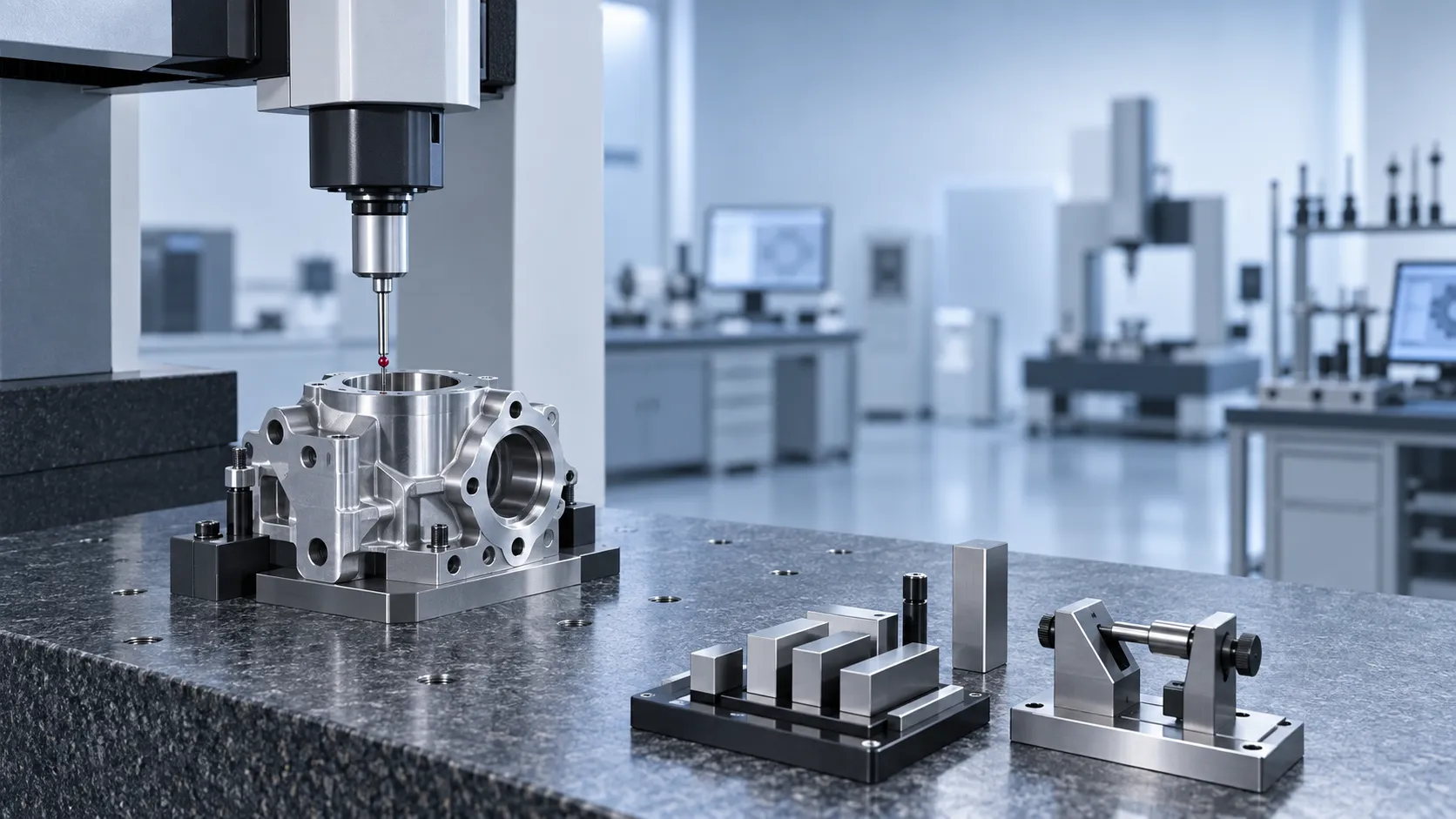
How Specification-Driven Articles Improve Precision Measurement System Selection
Specification-oriented articles precision measurement guidance helps teams compare accuracy, repeatability, environment, and data needs to select reliable systems with confidence.
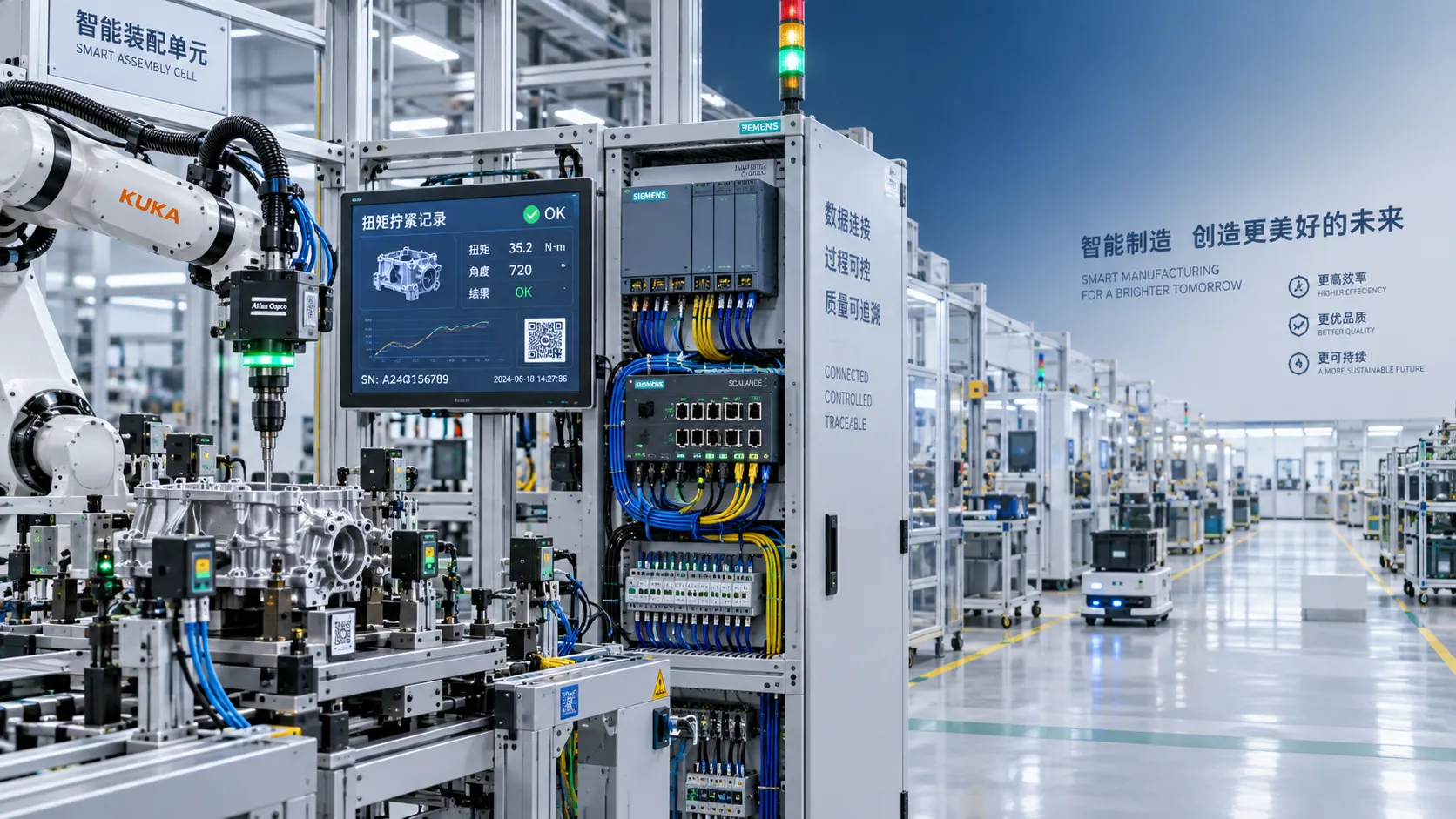
How to Evaluate a Technology Integration Service Provider for Complex Projects
Technology integration service provider selection guide: evaluate interface ownership, delivery discipline, scalable architecture, and risk control for complex projects.
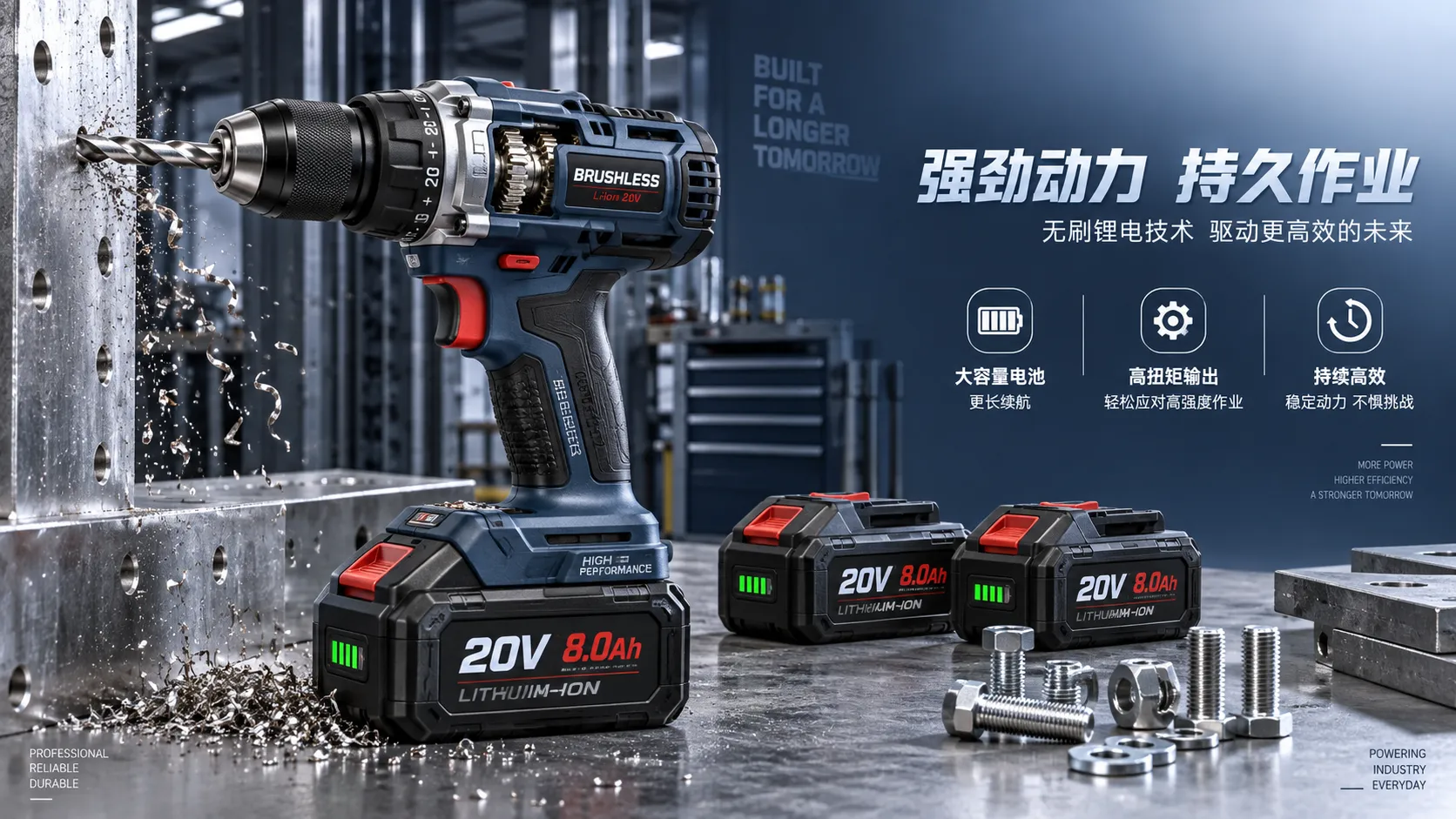
How Battery, Torque, and Duty Cycle Affect Cordless Power Tool Efficiency
Cordless power tool efficiency depends on battery output, torque, and duty cycle. Learn how to match tools to demanding jobs for stronger runtime and productivity.
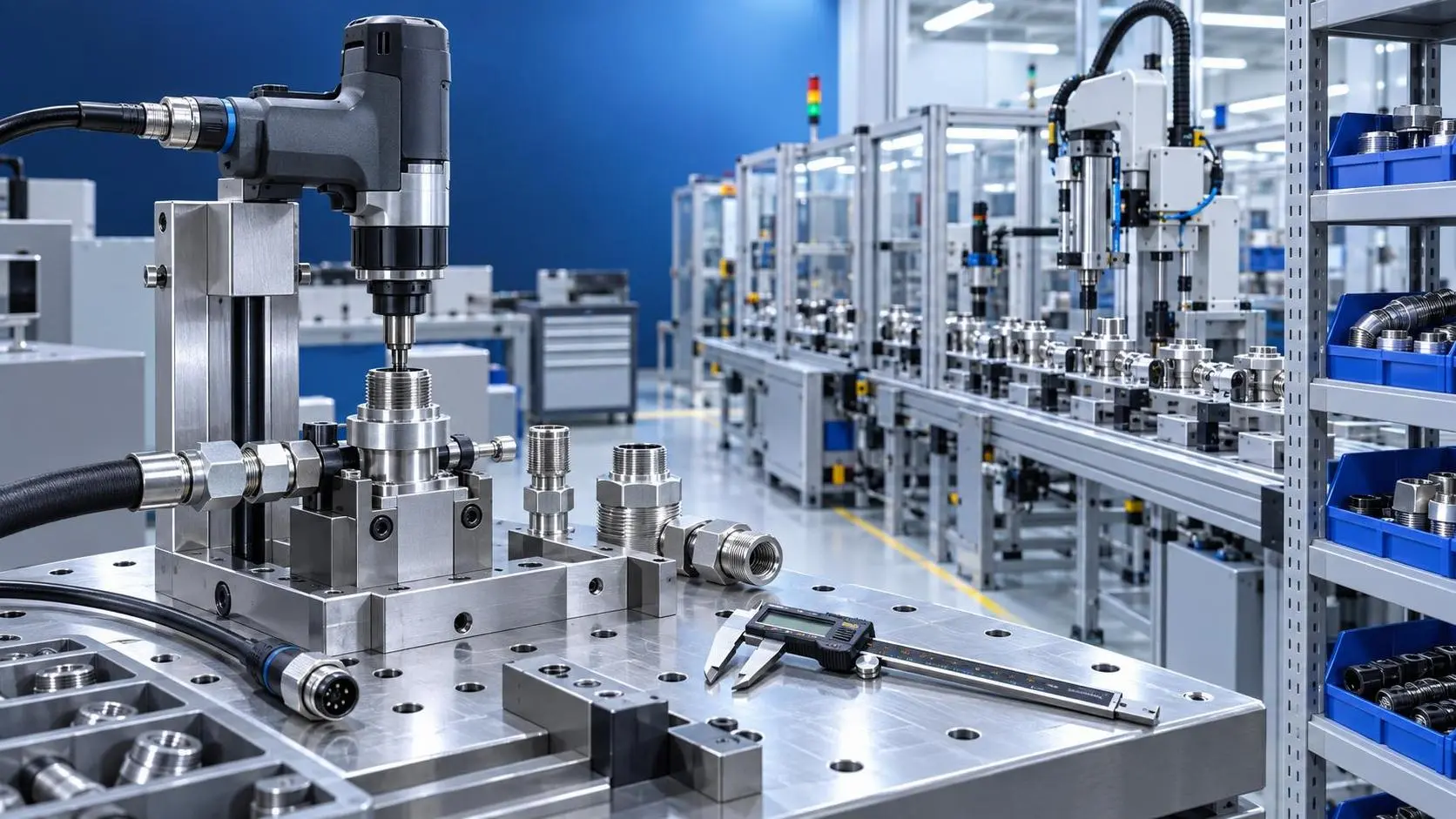
Product Comparison Resources for Component Compatibility and Lifecycle Risk
Product comparison resources for components: evaluate compatibility, interfaces, service support, and lifecycle risk to reduce downtime, avoid redesigns, and make confident sourcing decisions.
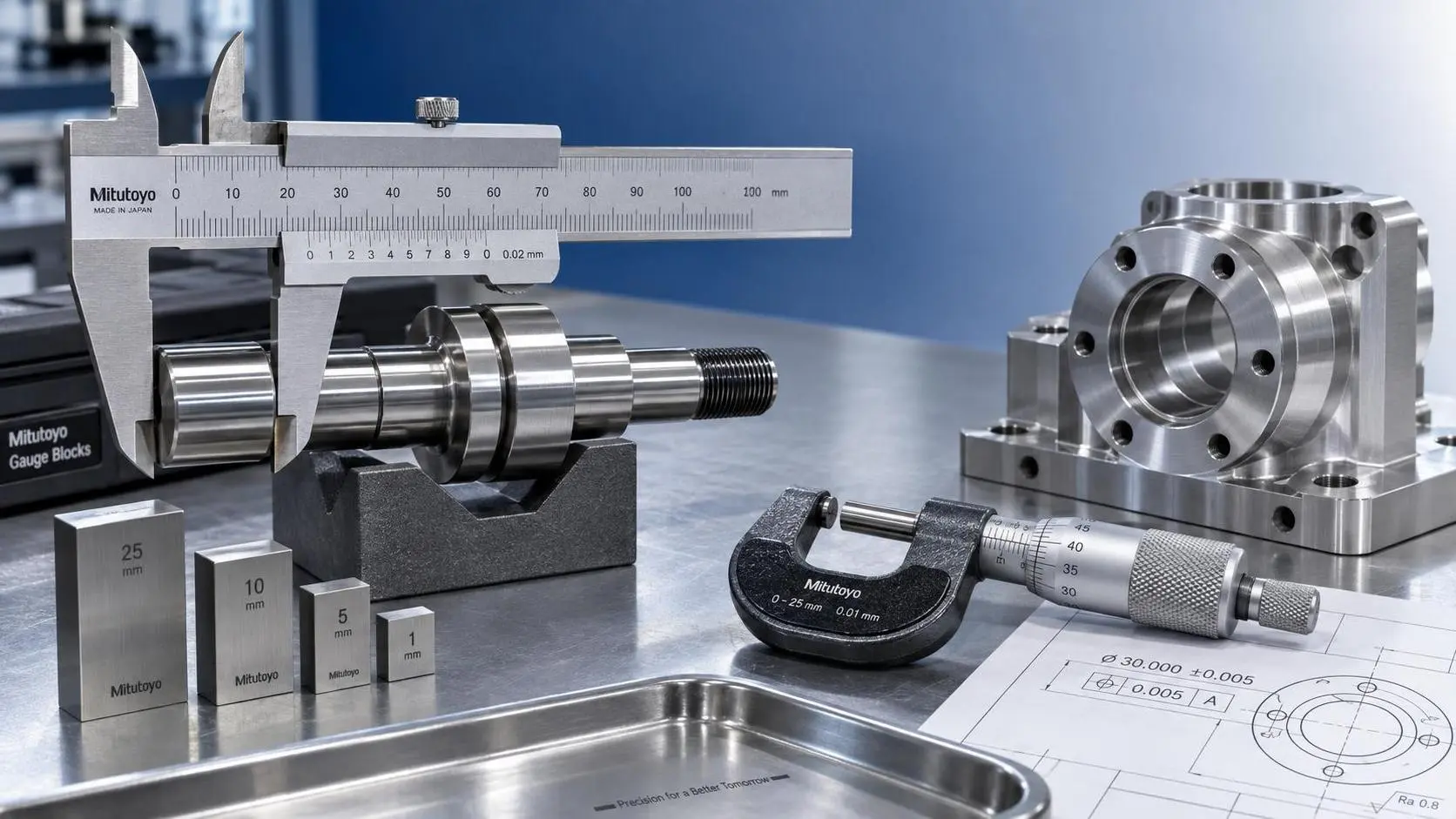
How to Select Vernier Precision Calipers for Tight-Tolerance Machining Inspection
Vernier precision calipers for tight-tolerance machining: learn how to select the right range, jaw design, accuracy, and verification process for reliable inspection.
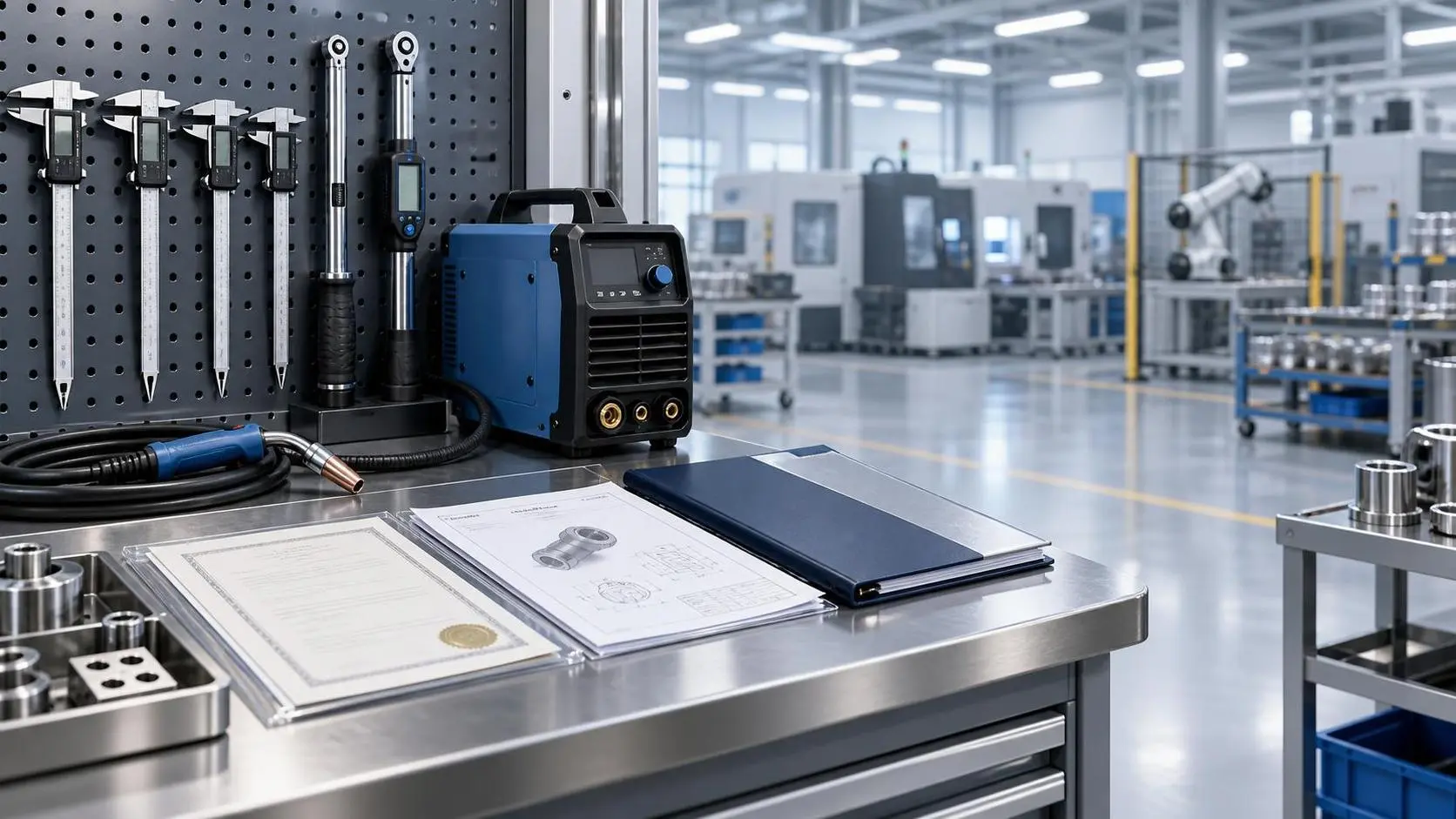
Product Comparison Resources in Europe: How Buyers Can Verify Specs and Suppliers
Product comparison resources Europe: learn how to verify industrial specs, compliance claims, supplier credibility, and delivery risk for smarter purchasing decisions.
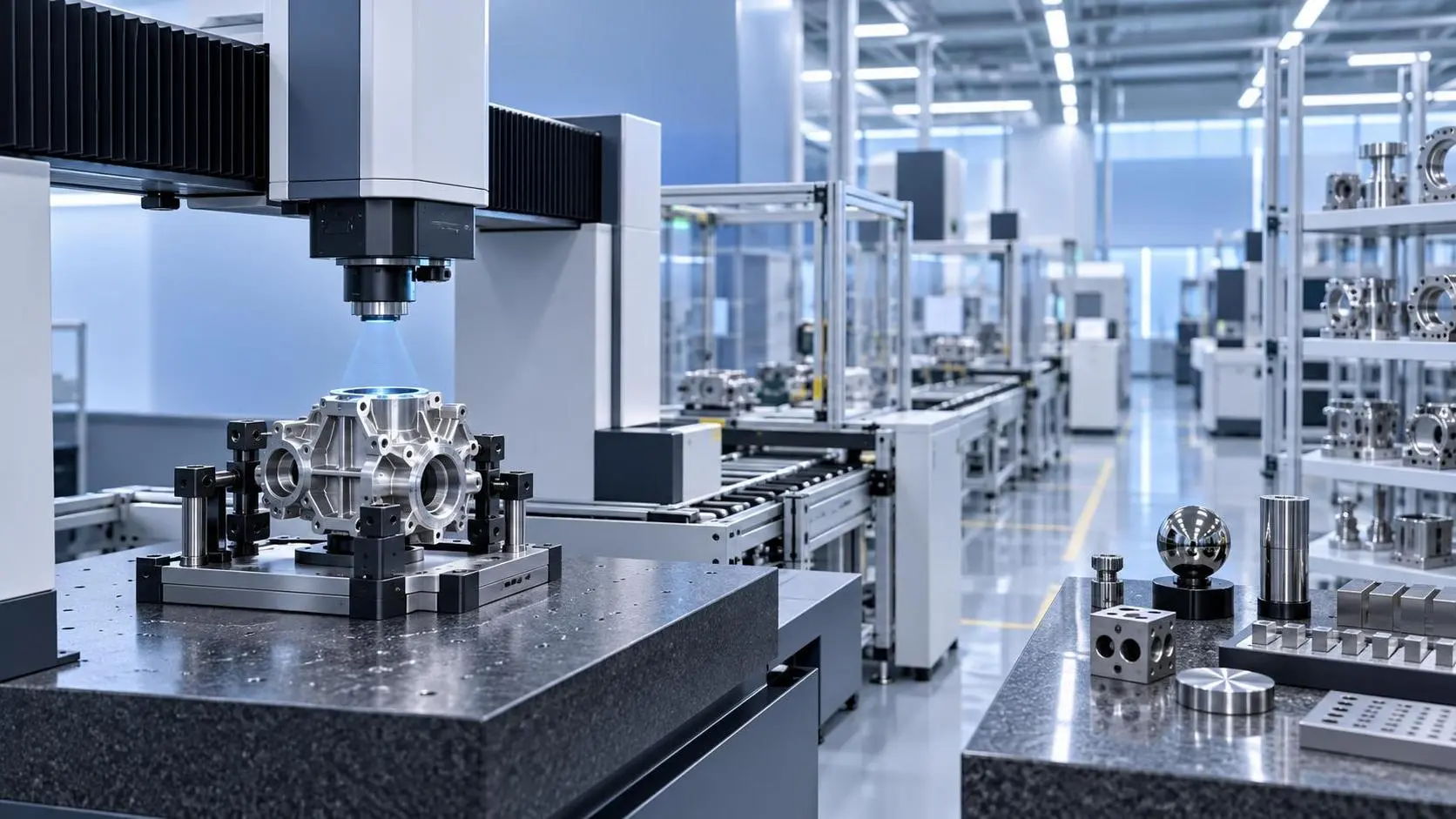
How to Evaluate an Industrial Metrology Solution Manufacturer for Production Use
Industrial metrology solution manufacturer evaluation guide for production: compare accuracy, traceability, automation, software, service, and acceptance testing to reduce risk.
Which ISO Standards Matter Most for Precision Engineering Quality Control?
Precision engineering ISO standards explained: discover how ISO 9001, ISO/IEC 17025, ISO 10012, GPS, and ISO 3834 strengthen quality control, traceability, and compliance.
Related News
- 00
0000-00
North American Welding Innovations Reshaping Automation, Quality, and Labor Productivity - 00
0000-00
How to Choose Handheld Laser Welding Equipment for Thin Metal Fabrication - 00
0000-00
Where Do Energy-Saving Welding Equipment Upgrades Deliver the Best ROI? - 00
0000-00
Low-Spatter Welding Equipment Applications: Best Uses by Material and Production Needs - 00
0000-00
How to Choose Auto Darkening Welding Helmets for Safety, Comfort, and Arc Performance
Welding Metallurgy Expert
Weekly Insights
Stay ahead with our curated technology reports delivered every Monday.