
Hydraulic Systems Troubleshooting: Common Pressure Loss Causes and Fixes





Hydraulic Systems Troubleshooting: Common Pressure Loss Causes and Fixes
When hydraulic systems begin losing pressure, even minor faults can trigger major downtime, unstable performance, and costly maintenance delays.
Finding the real cause fast is what separates a routine repair from a repeat failure.
This guide explains the most common pressure loss issues in hydraulic systems and the fixes that restore stable, safe performance.
In real service work, the best results come from checking symptoms in sequence, not replacing parts too early.
Why Pressure Loss in Hydraulic Systems Matters
Pressure loss changes how hydraulic systems respond under load, during startup, and through long duty cycles.
The first signs are often slow cylinders, weak clamping force, drifting actuators, or overheating fluid.
A machine may still move, but unstable pressure usually means internal inefficiency is already growing.
That also means energy waste, faster seal wear, and higher risk of unplanned shutdowns.
Typical Warning Signs
- Longer cycle times during normal operation
- Pressure gauge fluctuation under constant demand
- Actuator drift when holding position
- Oil temperature rising faster than expected
- Noise, cavitation, or foaming in the reservoir
Common Pressure Loss Causes in Hydraulic Systems
Most pressure loss problems in hydraulic systems come from leakage, restriction, contamination, or incorrect adjustment.
The key is to separate external loss from internal loss before moving deeper into the circuit.
1. Internal Leakage
Internal leakage is one of the most common reasons hydraulic systems cannot build or hold pressure.
Worn pump elements, valve spools, piston seals, or cylinder bores let oil bypass loaded components.
The machine may run smoothly at first, then lose force when demand increases.
A practical check is to isolate sections and compare pressure holding behavior over time.
If pressure drops without visible leaks, internal bypass is the likely cause.
2. External Leakage
External leakage is easier to spot, but it is still often underestimated in hydraulic systems.
Loose fittings, cracked hoses, damaged seals, and worn connectors reduce available pressure and create safety risks.
Even a small leak can lower system efficiency if the circuit operates at high frequency.
In field conditions, oil mist, wet surfaces, and dust sticking around joints are reliable clues.
3. Pump Wear or Cavitation
A worn pump cannot maintain flow, and hydraulic systems lose pressure as load demand rises.
Cavitation makes the problem worse by damaging surfaces and reducing volumetric efficiency.
Listen for whining, rattling, or sharp crackling sounds near the pump inlet.
Check suction strainers, inlet hose condition, reservoir level, and oil viscosity before replacing the pump.
4. Relief Valve Problems
A relief valve set too low, stuck open, or contaminated can bleed off pressure continuously.
This issue is common after maintenance, component replacement, or contamination events in hydraulic systems.
Verify the actual cracking pressure with a calibrated gauge, not only the nominal setting.
5. Contaminated Hydraulic Fluid
Contamination affects nearly every moving part inside hydraulic systems.
Particles can score valves and pumps, while water reduces lubrication and promotes corrosion.
Dirty fluid also causes spool sticking, unstable pressure control, and faster seal degradation.
From recent service trends, fluid condition is often the hidden reason repeated failures keep returning.
6. Blocked Filters or Line Restrictions
Restricted flow changes how hydraulic systems build pressure across the circuit.
A clogged filter, collapsed suction hose, or blocked manifold passage can starve critical components.
In some cases, pressure looks normal at one point but weak downstream.
That is why pressure readings should be compared at multiple test ports.
A Practical Diagnostic Sequence
A step-by-step routine saves time and prevents unnecessary disassembly of hydraulic systems.
- Confirm the complaint under the same load and temperature conditions.
- Inspect oil level, fluid condition, visible leaks, and hose damage.
- Check gauges, sensors, and test equipment for accuracy.
- Measure pump outlet pressure and flow if possible.
- Test relief valve setting and leakage behavior.
- Isolate valves, cylinders, or motors to find internal bypass.
- Review service history for repeated contamination or overheating.
This sequence keeps troubleshooting focused and reduces the chance of replacing healthy components.
Common Fixes That Actually Work
Fixing pressure loss in hydraulic systems is rarely about one universal solution.
The most effective repair depends on the failure mode, operating conditions, and contamination level.
Recommended Corrective Actions
- Retighten or replace leaking fittings, hoses, and seals.
- Reset, clean, or replace a faulty relief valve.
- Replace worn pump components after inlet conditions are verified.
- Flush contaminated hydraulic systems and change filters together.
- Repair cylinders or valves that show internal leakage.
- Use the correct fluid grade for ambient and operating temperature.
More importantly, verify the repair under load, not only at idle pressure.
Quick Field Reference
How to Prevent Repeat Pressure Loss
Once hydraulic systems are repaired, prevention becomes the next priority.
Repeat faults usually point to weak fluid control, missed inspection intervals, or incomplete root cause analysis.
- Track pressure trends after every major repair.
- Use clean transfer methods during oil filling.
- Replace filters by condition and service data, not guesswork.
- Inspect suction lines for softening, cracks, or loose clamps.
- Document valve settings and test readings before adjustment.
- Watch for heat buildup after the machine returns to production.
These habits improve reliability and make future troubleshooting much faster.
A Smarter Service Approach for Hydraulic Systems
Hydraulic systems rarely lose pressure without leaving a pattern.
The clearer signal is usually a mix of weak output, unstable holding, extra heat, and changing noise.
When those signals are checked in order, diagnosis becomes faster and repairs become more accurate.
For teams following global equipment trends, this is also where service quality creates long-term value.
GPTWM continues to track hydraulic systems, precision tools, and industrial maintenance intelligence that help improve uptime, safety, and repair decisions in the field.
Related News
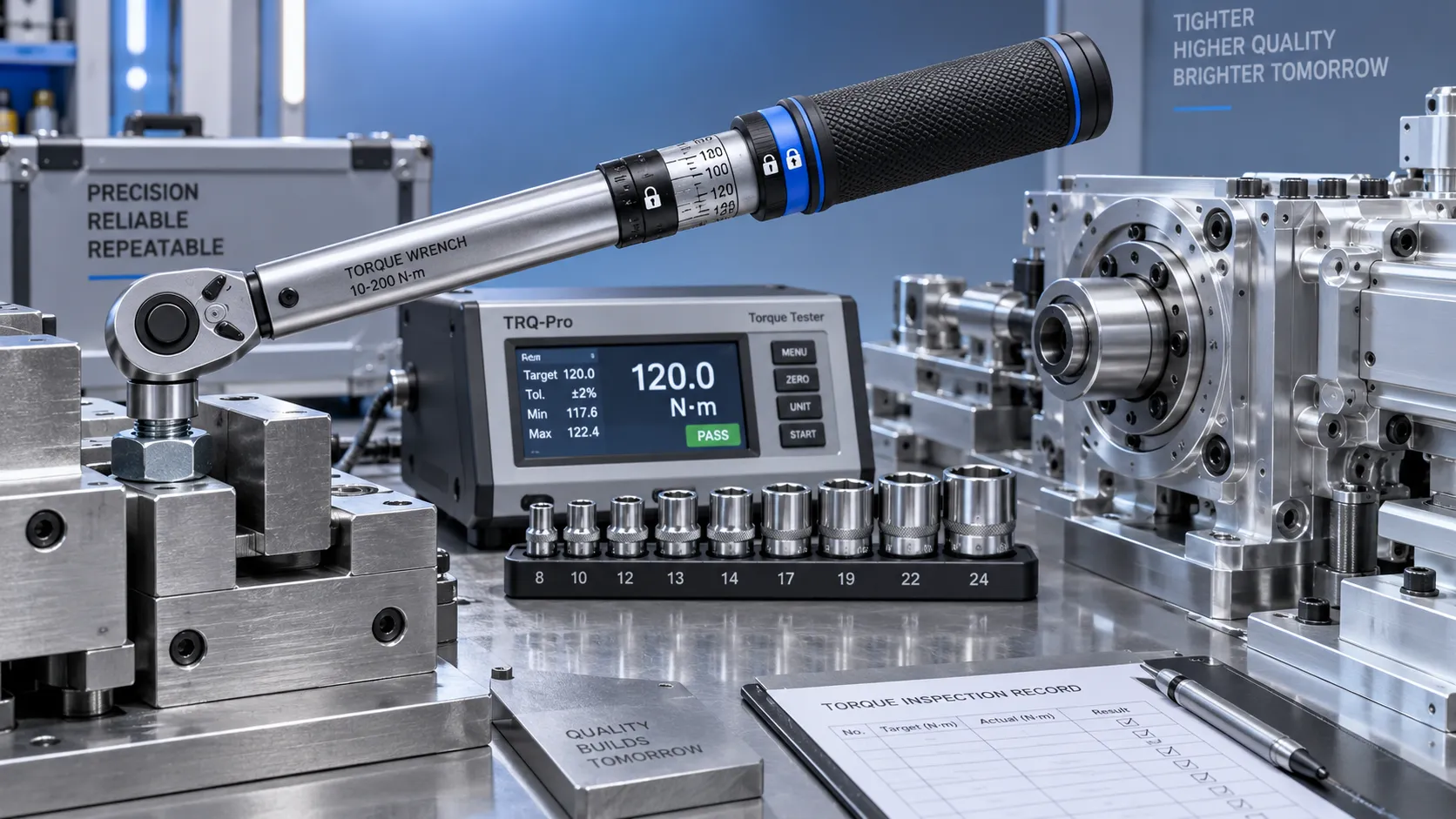
Selecting Adjustable Torque Tools for Repeatable Fastener Assembly
Adjustable torque tools: learn how to match range, accuracy, control methods, calibration, and ergonomics for repeatable, reliable fastener assembly.
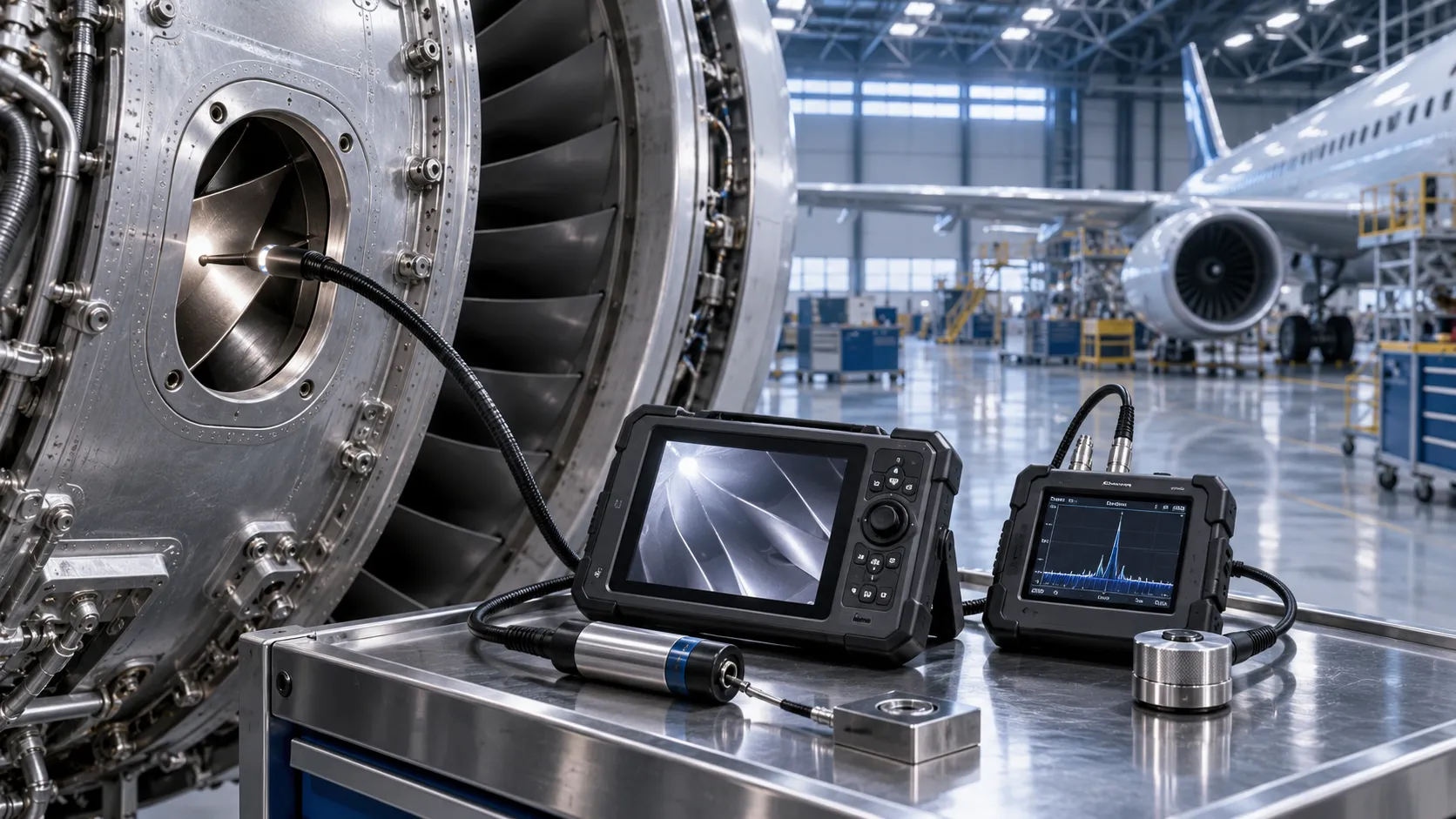
How to Select Aerospace Inspection Tools for Aircraft Maintenance Tasks
Aerospace maintenance inspection tools: learn how to select reliable, traceable equipment for aircraft access, accuracy, calibration, and compliant maintenance decisions.
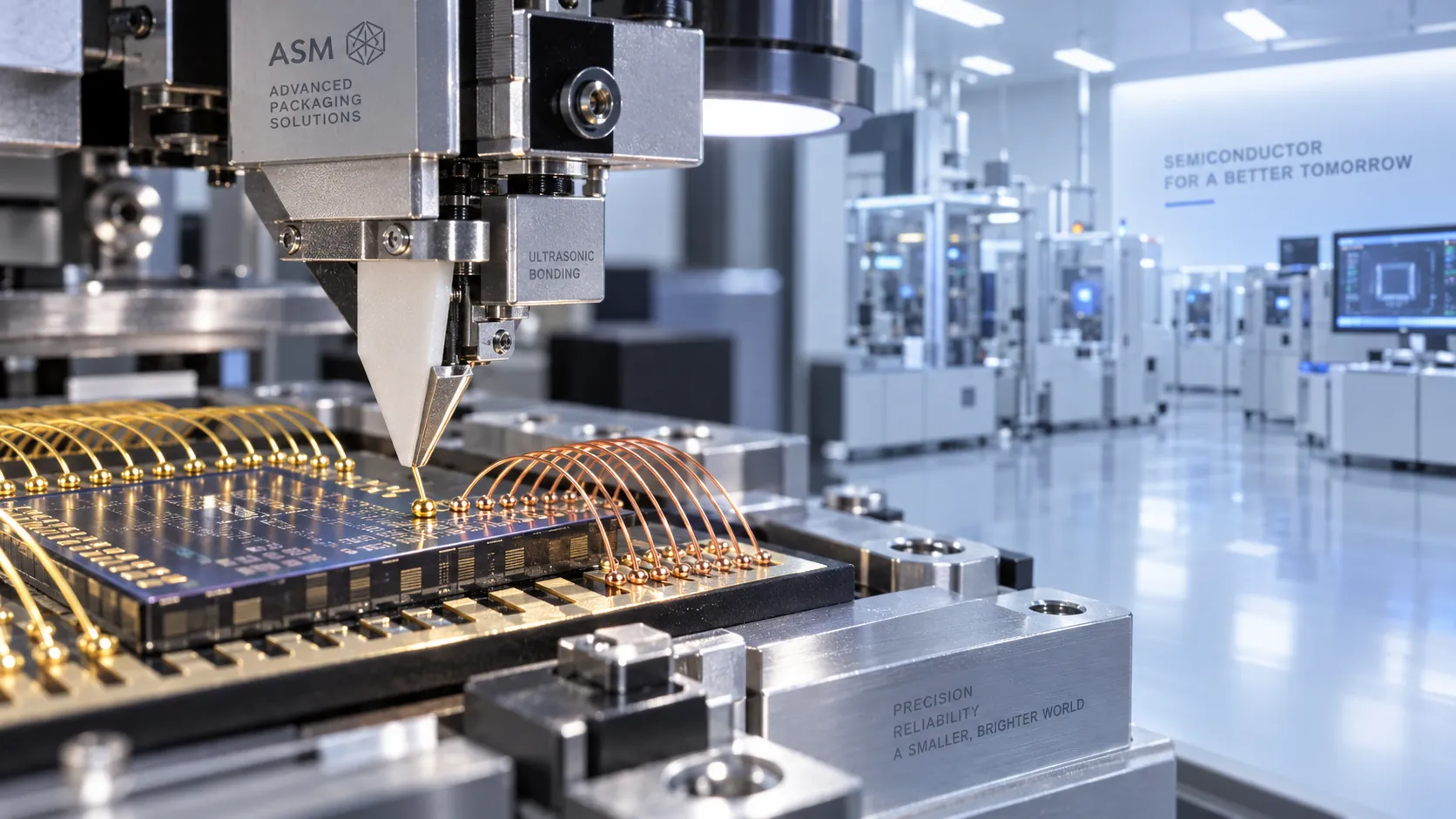
How to Select Wire Bonding Tools for Fine-Pitch Semiconductor Packaging
Explore semiconductor manufacturing tools for wire bonding and learn how to select precision solutions for fine-pitch packaging, reliable loops, accuracy, and yield.
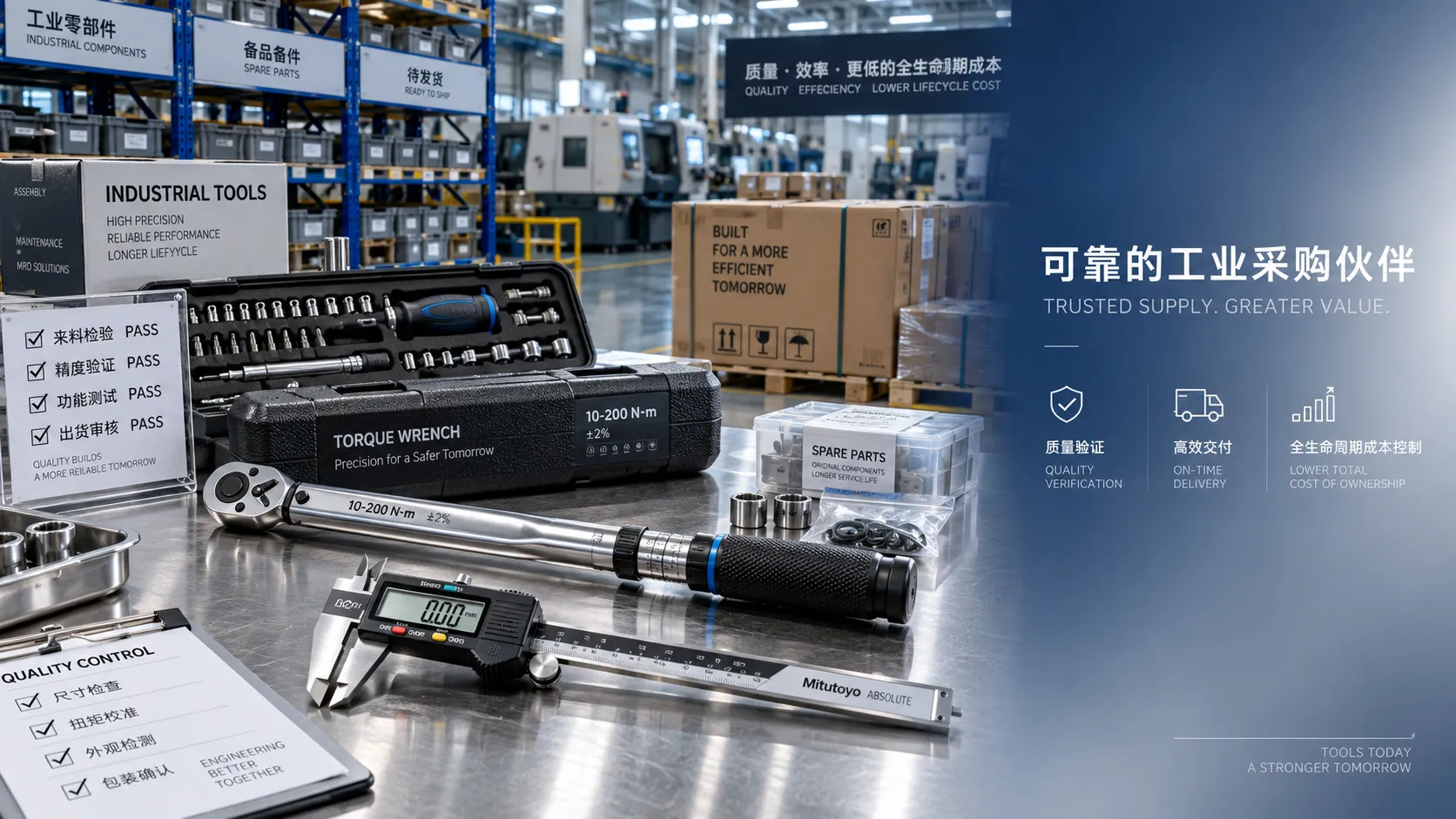
How to Compare Industrial Tool Suppliers for Quality, Lead Time, and Total Cost
Industrial tool selection supplier comparison made simple: evaluate quality, lead times, total cost, service, and supply resilience for confident sourcing decisions.
Industrial Equipment Application Guidance: Match Machines to Operating Conditions
Application guidance industrial equipment: match capacity, duty cycle, materials, site conditions, safety, and lifecycle cost to improve reliable output. Read the guide.
Selecting High-Speed Brushless Tool Motors for Torque, Heat, and Duty Cycle
High speed brushless tool motors: learn how to balance torque, heat, gearing, and duty cycle for reliable industrial tool performance and longer service life.
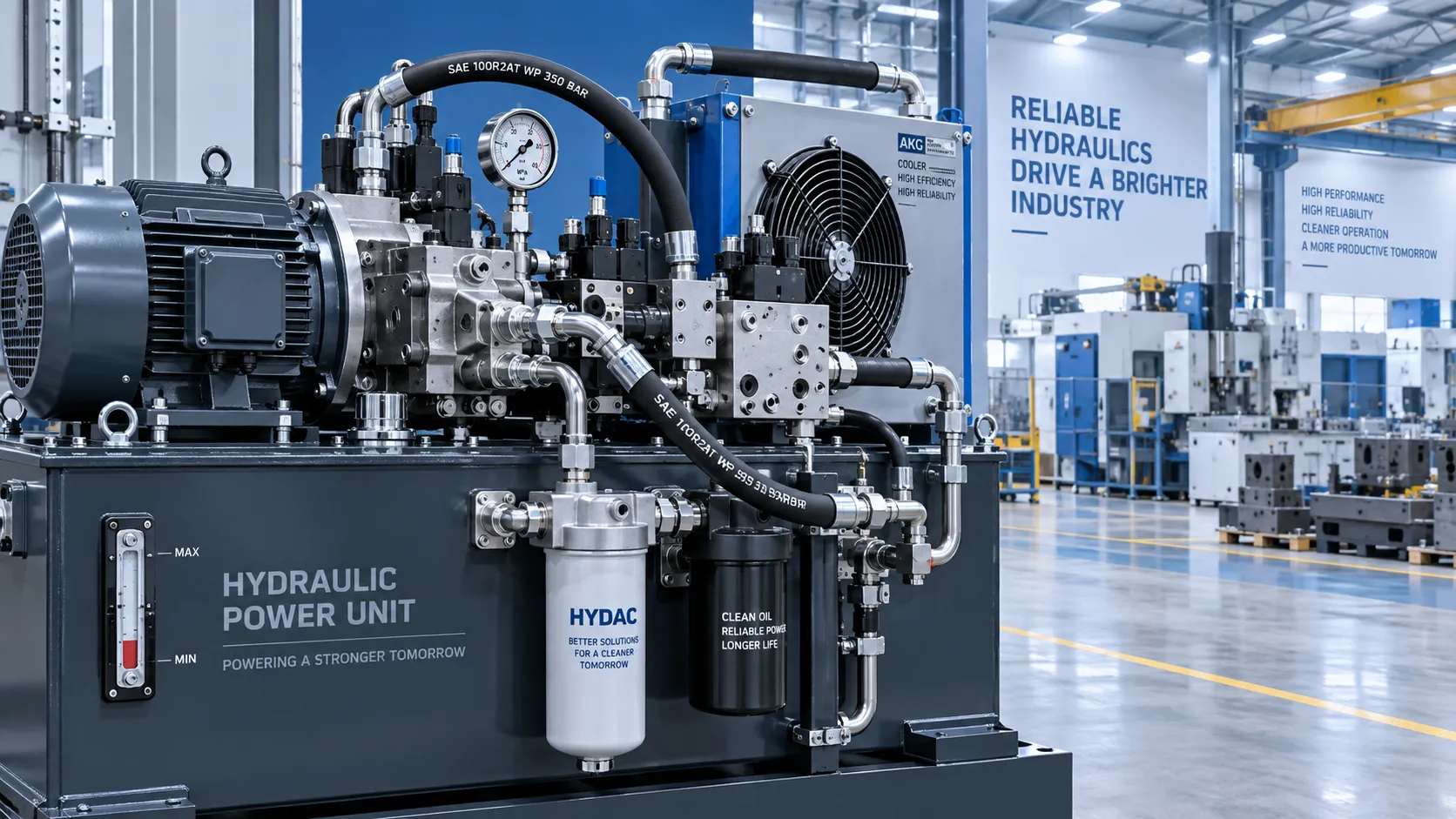
What Determines Industrial Hydraulic System Price for Heavy-Duty Equipment?
Industrial hydraulic system price depends on duty cycle, pressure, components, cooling, and integration. Compare quotes intelligently to secure reliable heavy-duty performance.
Welding Fume Extraction PPE: When Respirators Are Not Enough for Shop Safety
Welding fume extraction PPE: learn why respirators alone fall short and how source capture, ventilation, and layered controls improve shop safety.
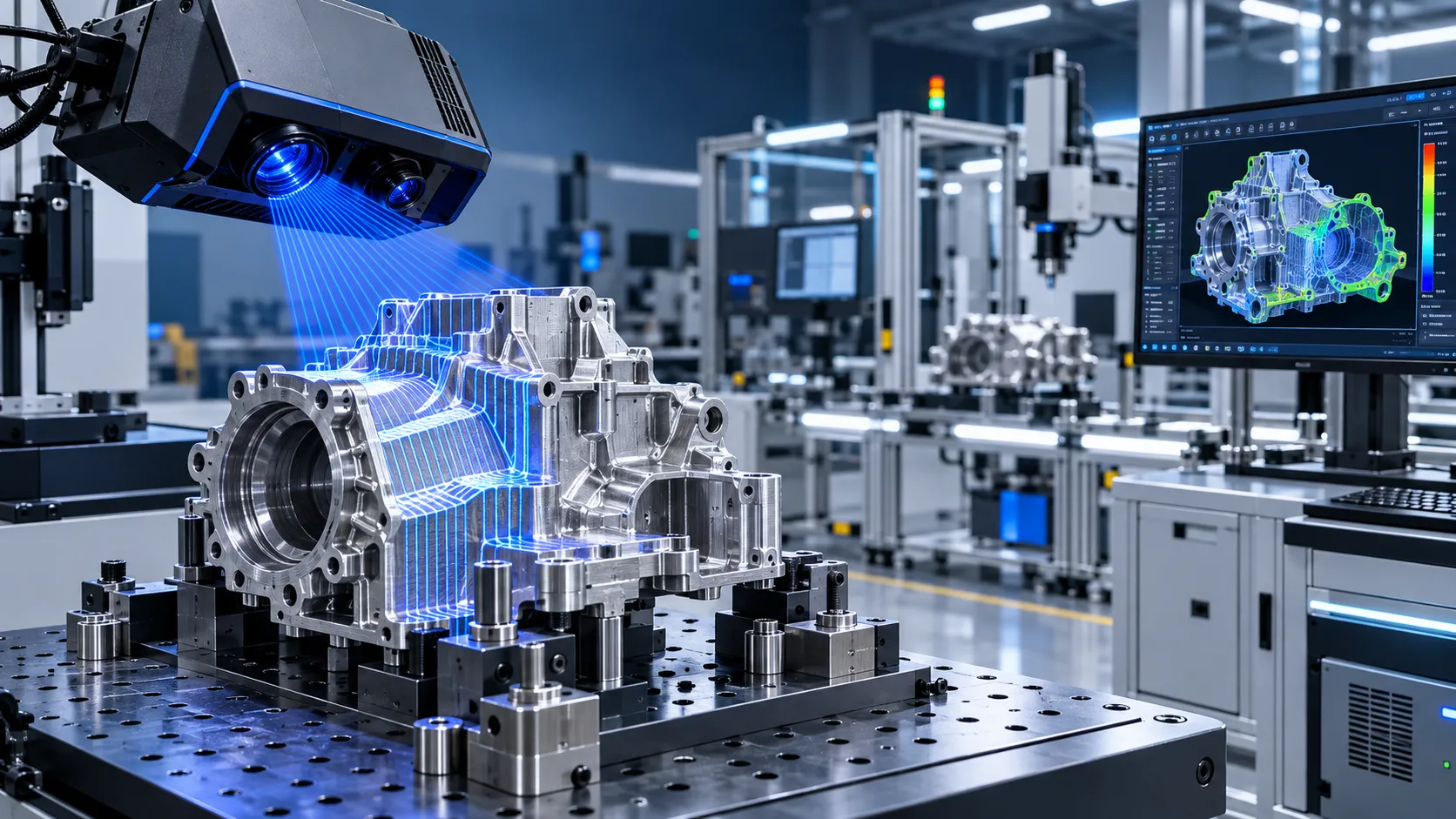
How to Select Optical Metrology Solutions for Tight-Tolerance Manufacturing
Optical industrial metrology solutions for tight-tolerance manufacturing: evaluate accuracy, surface compatibility, workflow, and traceability to select with confidence.
Related News
- 00
0000-00
What Determines Industrial Hydraulic System Price for Heavy-Duty Equipment? - 00
0000-00
High Pressure Hydraulic Systems Selection Guide: Pressure, Flow, Seals, and Safety - 00
0000-00
Pneumatic Industrial Assembly Tools: How to Choose the Right Type for Line Work - 00
0000-00
Hydraulic Systems Troubleshooting: Common Pressure Loss Causes and Fixes - 00
0000-00
Hydraulic Systems Troubleshooting: 7 Causes of Pressure Loss and Slow Actuation
Fluid Torque Specialist
Weekly Insights
Stay ahead with our curated technology reports delivered every Monday.