
Pneumatic Industrial Assembly Tools: How to Choose the Right Type for Line Work





Choosing pneumatic industrial assembly tools for line work is rarely a simple catalog decision. Tool type affects cycle time, fastening repeatability, operator fatigue, compressed air load, and the real cost of keeping a line stable.
That matters across general industry, where assembly lines now serve mixed production volumes, tighter quality controls, and more demanding documentation. A tool that looks suitable on paper can still create rework, torque drift, or avoidable downtime.
Seen from the perspective of GPTWM’s industrial intelligence work, the decision is part of a wider shift. Manufacturing teams are no longer buying only for immediate output. They are comparing lifecycle efficiency, ergonomic standards, maintenance discipline, and future compatibility with digital control systems.
What pneumatic industrial assembly tools actually cover
In practical terms, pneumatic industrial assembly tools are air-powered devices used to tighten, fasten, drill, rivet, grind, or support repetitive assembly operations. Their main value comes from consistent power delivery and durable performance under continuous use.
For line work, the most common categories include pneumatic screwdrivers, nutrunners, ratchet wrenches, pulse tools, impact wrenches, drills, and specialty fastening systems. Not every line needs all of them, and the wrong category can quickly undermine process control.
Air tools remain relevant because they are often lighter than comparable corded solutions at the point of use, generate less heat at the handle, and can perform well in high-duty environments. In facilities with established compressed air systems, they also fit existing infrastructure.
Why line selection has become more demanding
Assembly lines are under pressure from two directions at once. Output expectations keep rising, while quality tolerance becomes narrower. That combination makes fastening behavior more important than raw tool speed alone.
Across automotive, metal products, appliances, industrial equipment, and maintenance operations, one line may handle different fastener sizes, joint materials, and takt times within the same shift. Tool flexibility becomes a purchasing issue, not just an engineering one.
GPTWM has tracked similar patterns in adjacent technologies, especially intelligent torque control and ergonomic standardization. The broader lesson is clear: buyers increasingly need a process view of tools, not just a product view.
Start with the joint, not the tool
A reliable selection process begins with the joint being assembled. Fastener diameter, thread condition, material hardness, access angle, and required torque window should define the shortlist before brand comparisons begin.
Soft joints, such as sheet metal with compressible layers, behave differently from hard joints involving rigid metal-to-metal contact. A tool that performs well on one joint type may overrun or shock-load the other.
This is why pneumatic industrial assembly tools should be matched to fastening behavior, not only to nominal torque range. Rated torque is useful, but it does not fully predict how the tool will respond in real assembly conditions.
Core factors that shape the first decision
- Target torque and acceptable tolerance band
- Hard or soft joint characteristics
- Fastening frequency per shift
- Required access, reach, and tool orientation
- Reaction force at the operator’s hand or arm
- Air pressure stability and available flow volume
How the main tool types differ on the line
Different pneumatic industrial assembly tools solve different production problems. The right question is not which type is best overall, but which type controls the actual risk in a given station.
On high-volume lines, shut-off screwdrivers and pulse tools often deserve closer attention than impact tools. They usually support better repeatability, lower operator strain, and easier integration into quality routines.
Torque control is only part of the story
A purchasing review often centers on torque range, but line results are shaped by a wider set of variables. Speed under load, clutch type, trigger response, and reaction behavior can be just as important.
For example, two tools may share a torque rating, yet one creates higher scatter because the clutch engages less consistently on variable joints. Over time, that difference appears as more rechecks, more rejected parts, and more operator adjustment.
Where traceability matters, the market is also moving toward tighter links between pneumatic tools and external verification systems. GPTWM’s coverage of IoT-based torque control reflects this trend. Even conventional air tools are increasingly evaluated for compatibility with smarter process oversight.
Questions worth testing before approval
- Does actual torque repeatability stay stable across the full shift?
- How sensitive is the tool to air pressure fluctuation?
- Can the station maintain target cycle time without rushing the operator?
- What happens when fastener conditions vary slightly?
- How quickly can wear parts be replaced without stopping the line too long?
Duty cycle, ergonomics, and maintenance economics
Many tool comparisons fail because they treat purchase price as the main cost. In line work, the stronger cost drivers are downtime, early wear, air consumption, calibration needs, and fatigue-related inconsistency.
Duty cycle should be reviewed honestly. A tool designed for intermittent fastening may look attractive in a quote, yet wear rapidly in a multi-shift station. That creates hidden replacement cost and unstable process performance.
Ergonomics also deserves commercial attention. Handle angle, grip size, suspended support options, vibration, and reaction force all affect line continuity. A tool that reduces strain can improve sustained output more than a small increase in free speed.
Maintenance planning should be part of selection, not an afterthought. Pneumatic industrial assembly tools depend on air quality, lubrication policy, seal condition, and scheduled inspection. Weak maintenance support can turn a good tool into a poor investment.
Matching tool choice to common industrial scenarios
Different sectors prioritize different tool characteristics, even when the fastening task appears similar. Looking at the operating context helps narrow the field faster.
These patterns are not rigid rules. They are useful starting points for evaluating pneumatic industrial assembly tools against real station behavior, available utilities, and quality expectations.
A practical framework for comparing options
A good comparison process should combine technical fit with operational evidence. Desktop review is not enough. Short trials on actual joints usually reveal issues that datasheets hide.
- Map each station by torque, access, joint type, and daily fastening volume.
- Screen tool categories before comparing brands or price points.
- Validate repeatability using real fasteners and actual air conditions.
- Review consumables, service intervals, and local parts support.
- Estimate total cost through uptime, scrap exposure, and maintenance time.
- Check whether future process monitoring or torque verification is likely.
This kind of framework aligns well with GPTWM’s intelligence approach. The most useful decisions connect tool mechanics, production economics, and broader industry direction instead of treating them as separate questions.
Where to focus next
The right pneumatic industrial assembly tools are the ones that fit the joint, the line rhythm, and the quality system at the same time. That usually means narrowing choices with process data before negotiating specifications.
A useful next step is to build a station-by-station review covering torque demand, duty cycle, ergonomics, air supply quality, and verification needs. With that baseline, comparisons become clearer, and purchasing decisions are more likely to support long-term line performance.
Related News
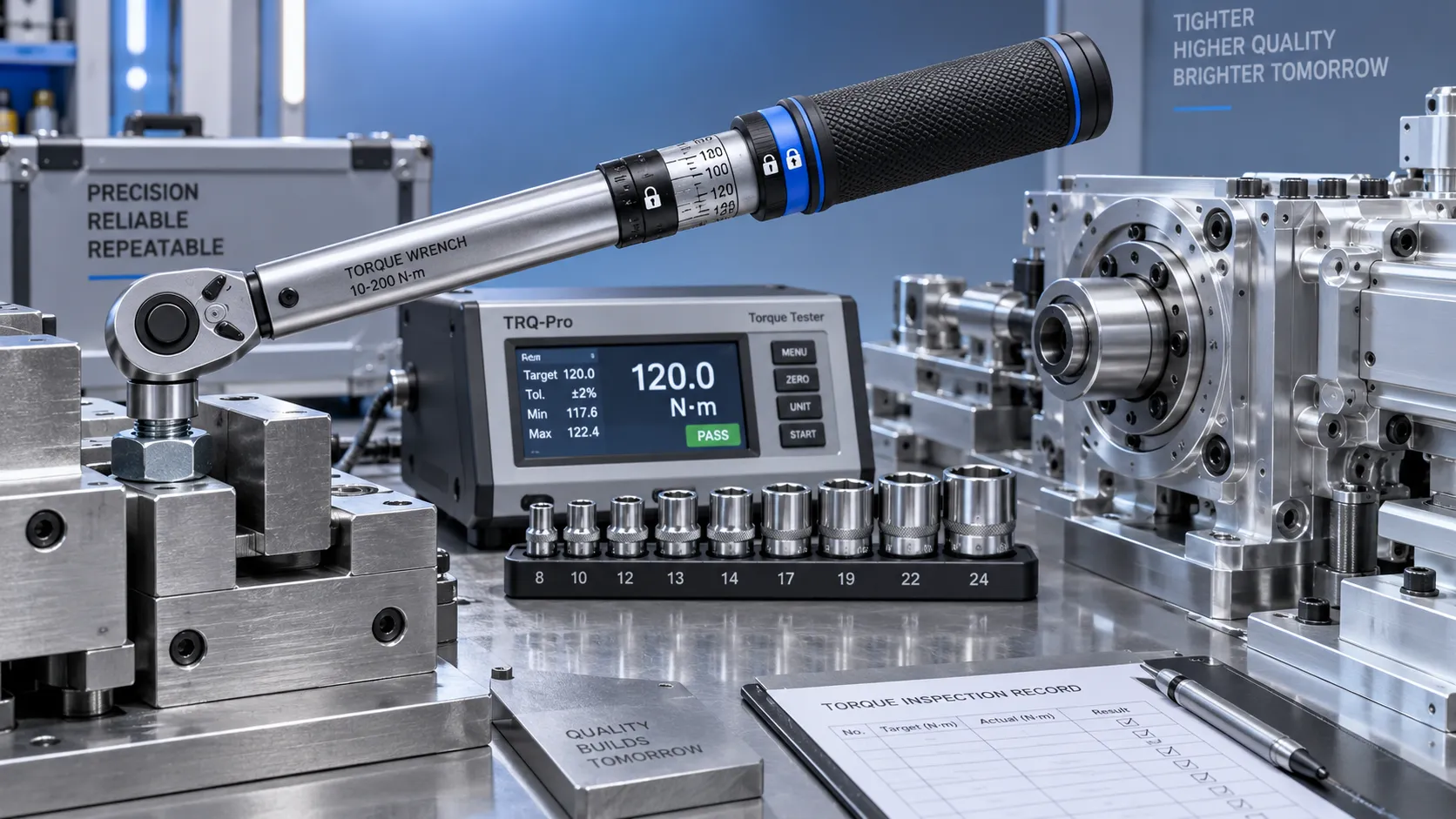
Selecting Adjustable Torque Tools for Repeatable Fastener Assembly
Adjustable torque tools: learn how to match range, accuracy, control methods, calibration, and ergonomics for repeatable, reliable fastener assembly.
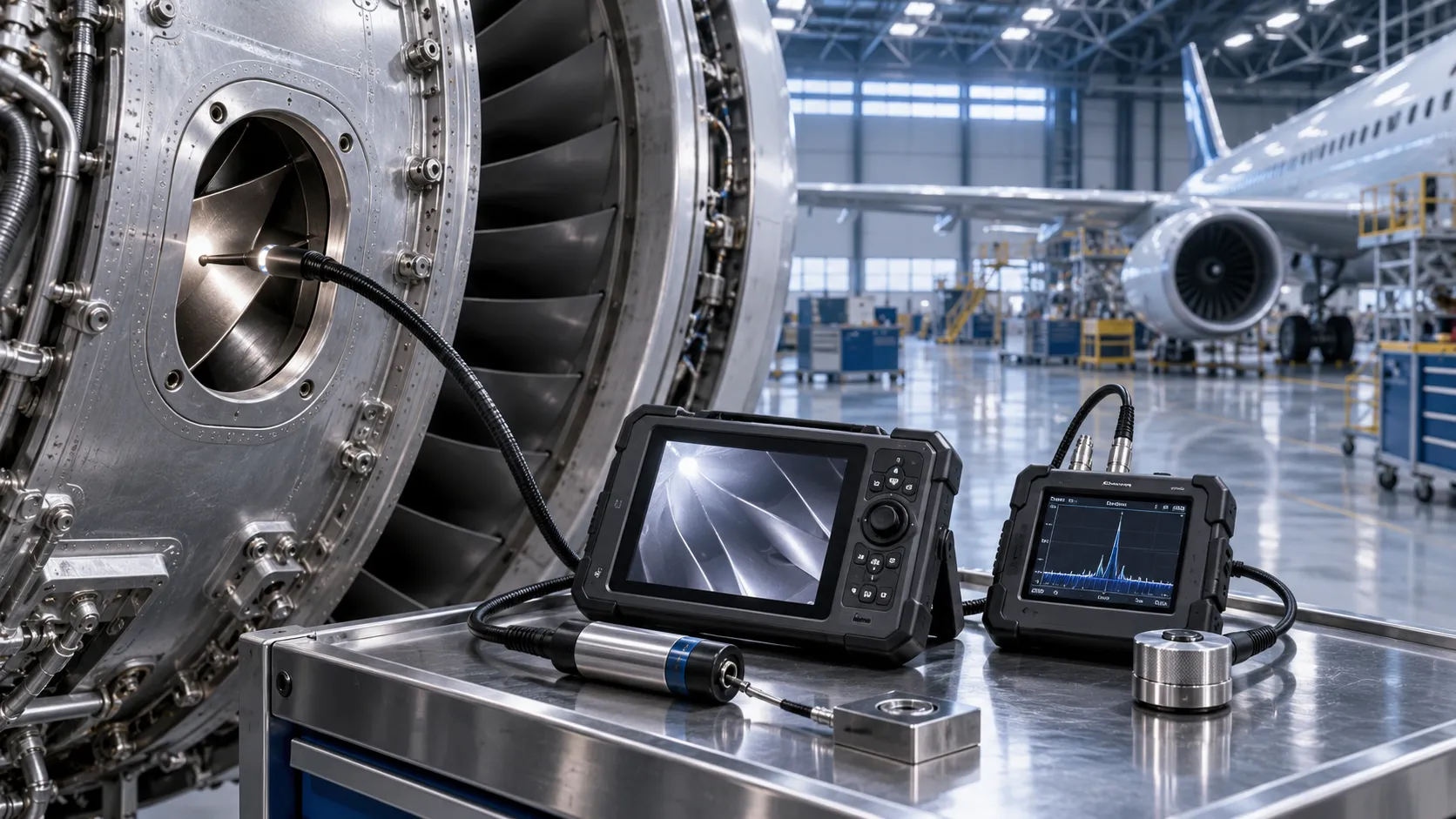
How to Select Aerospace Inspection Tools for Aircraft Maintenance Tasks
Aerospace maintenance inspection tools: learn how to select reliable, traceable equipment for aircraft access, accuracy, calibration, and compliant maintenance decisions.

How to Select Wire Bonding Tools for Fine-Pitch Semiconductor Packaging
Explore semiconductor manufacturing tools for wire bonding and learn how to select precision solutions for fine-pitch packaging, reliable loops, accuracy, and yield.
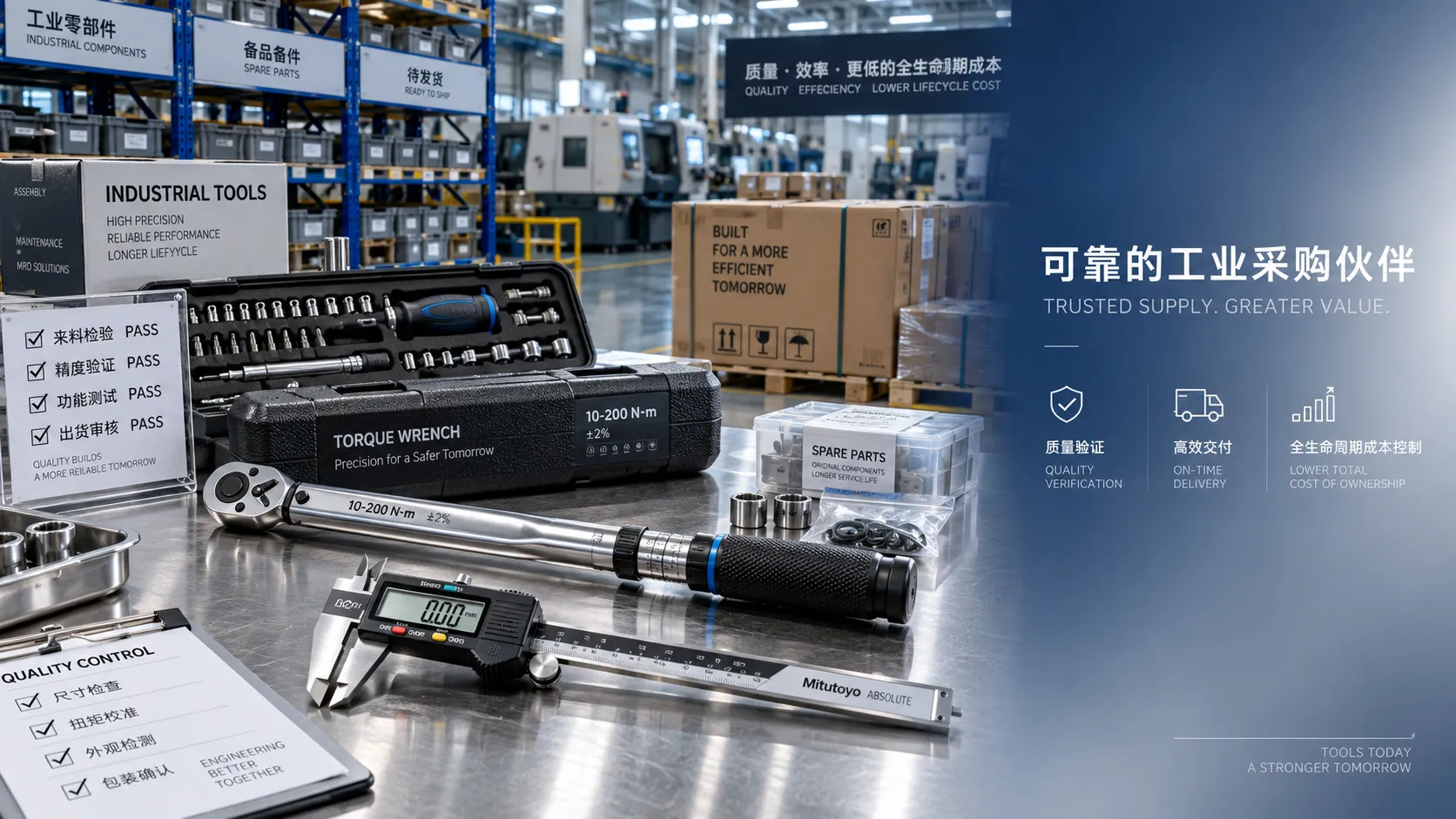
How to Compare Industrial Tool Suppliers for Quality, Lead Time, and Total Cost
Industrial tool selection supplier comparison made simple: evaluate quality, lead times, total cost, service, and supply resilience for confident sourcing decisions.
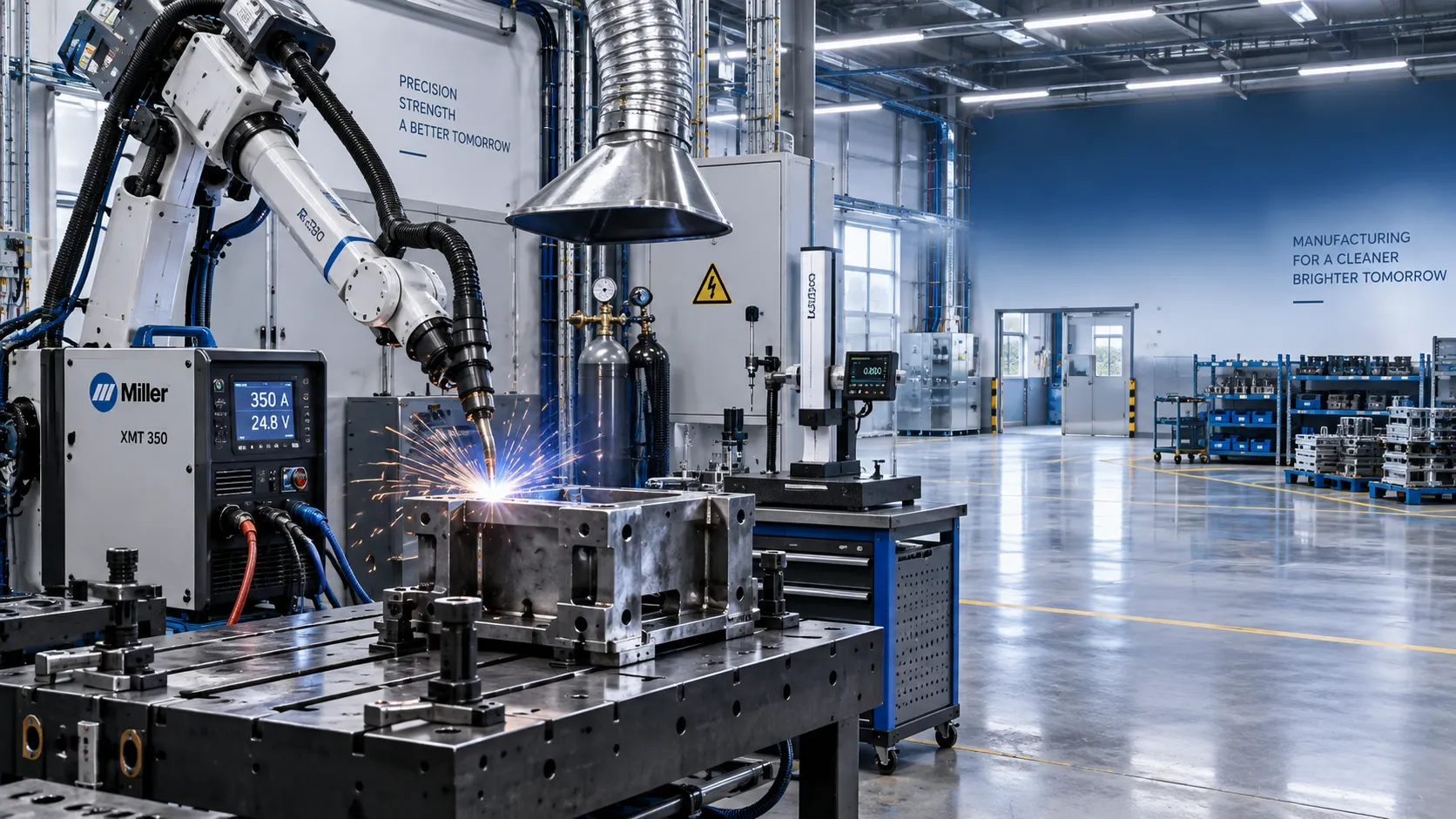
Industrial Equipment Application Guidance: Match Machines to Operating Conditions
Application guidance industrial equipment: match capacity, duty cycle, materials, site conditions, safety, and lifecycle cost to improve reliable output. Read the guide.
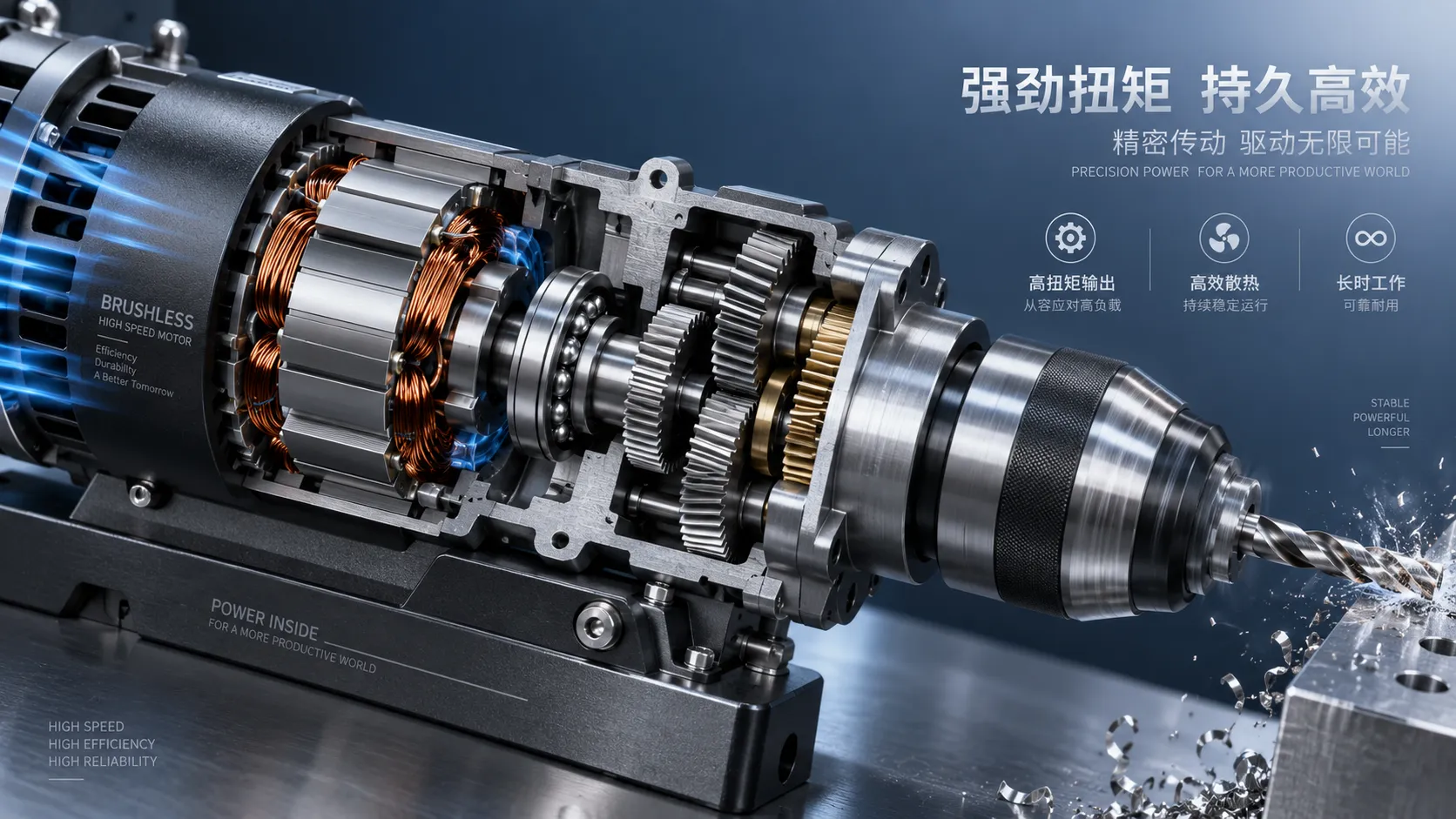
Selecting High-Speed Brushless Tool Motors for Torque, Heat, and Duty Cycle
High speed brushless tool motors: learn how to balance torque, heat, gearing, and duty cycle for reliable industrial tool performance and longer service life.
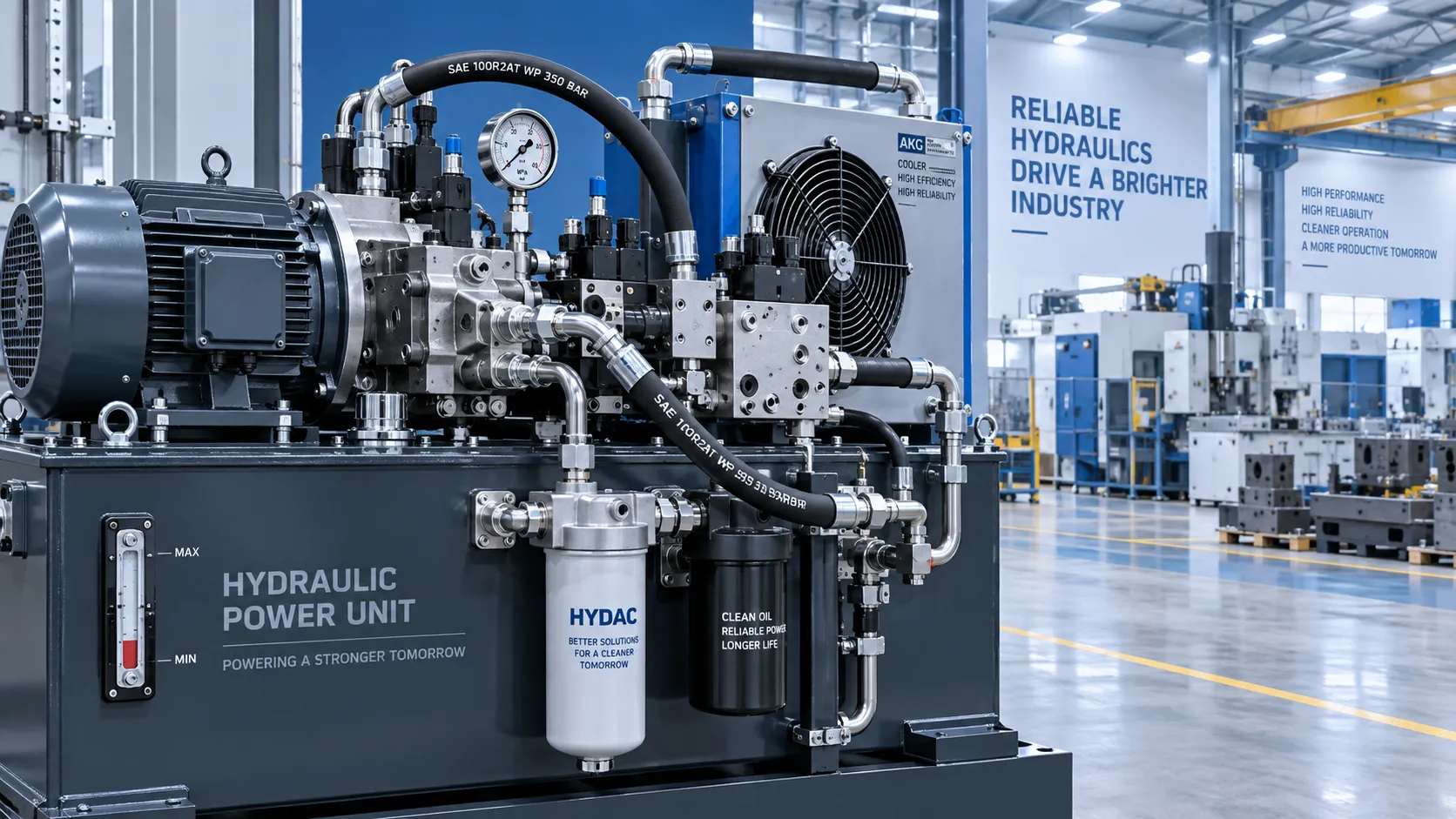
What Determines Industrial Hydraulic System Price for Heavy-Duty Equipment?
Industrial hydraulic system price depends on duty cycle, pressure, components, cooling, and integration. Compare quotes intelligently to secure reliable heavy-duty performance.
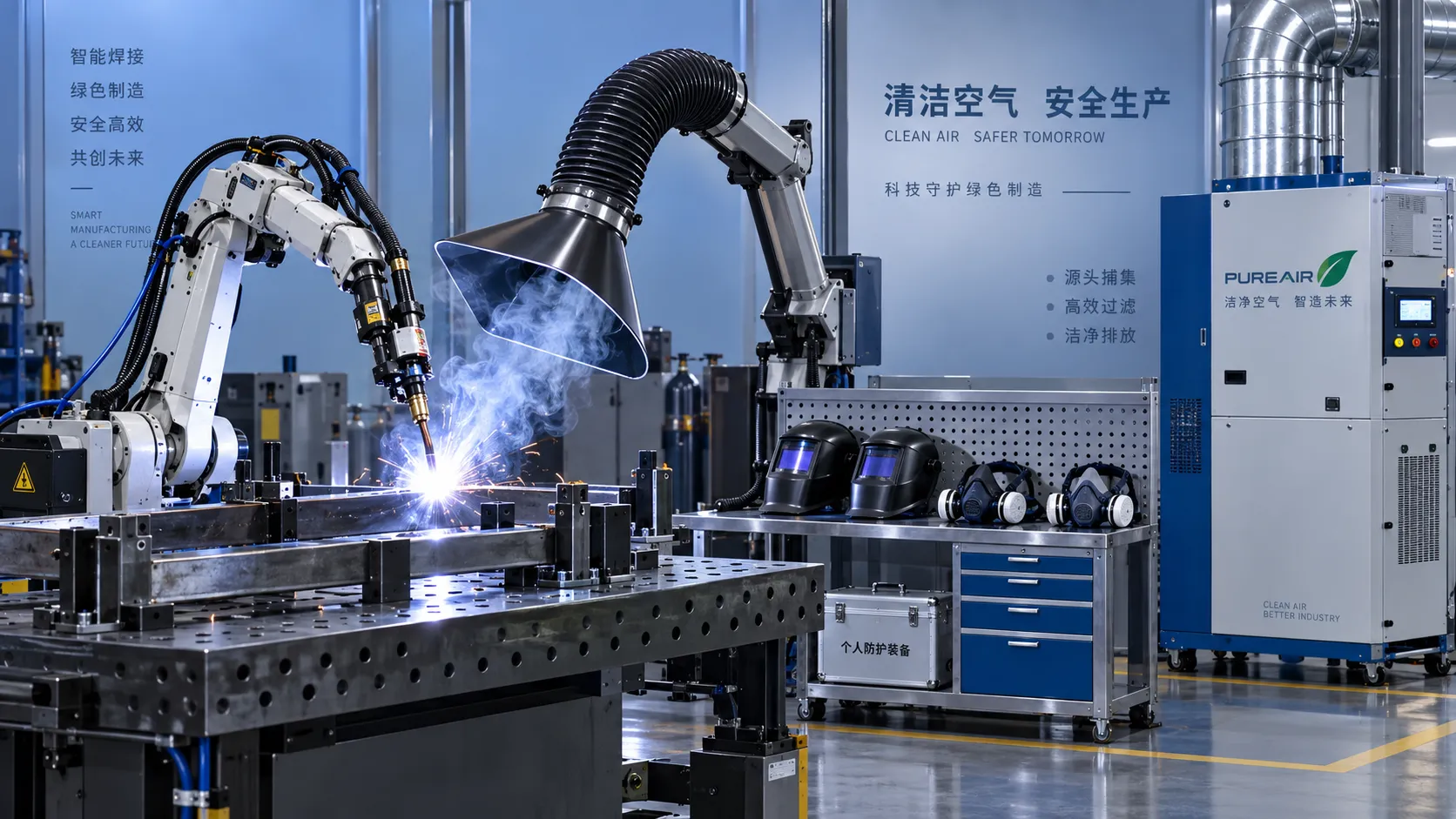
Welding Fume Extraction PPE: When Respirators Are Not Enough for Shop Safety
Welding fume extraction PPE: learn why respirators alone fall short and how source capture, ventilation, and layered controls improve shop safety.
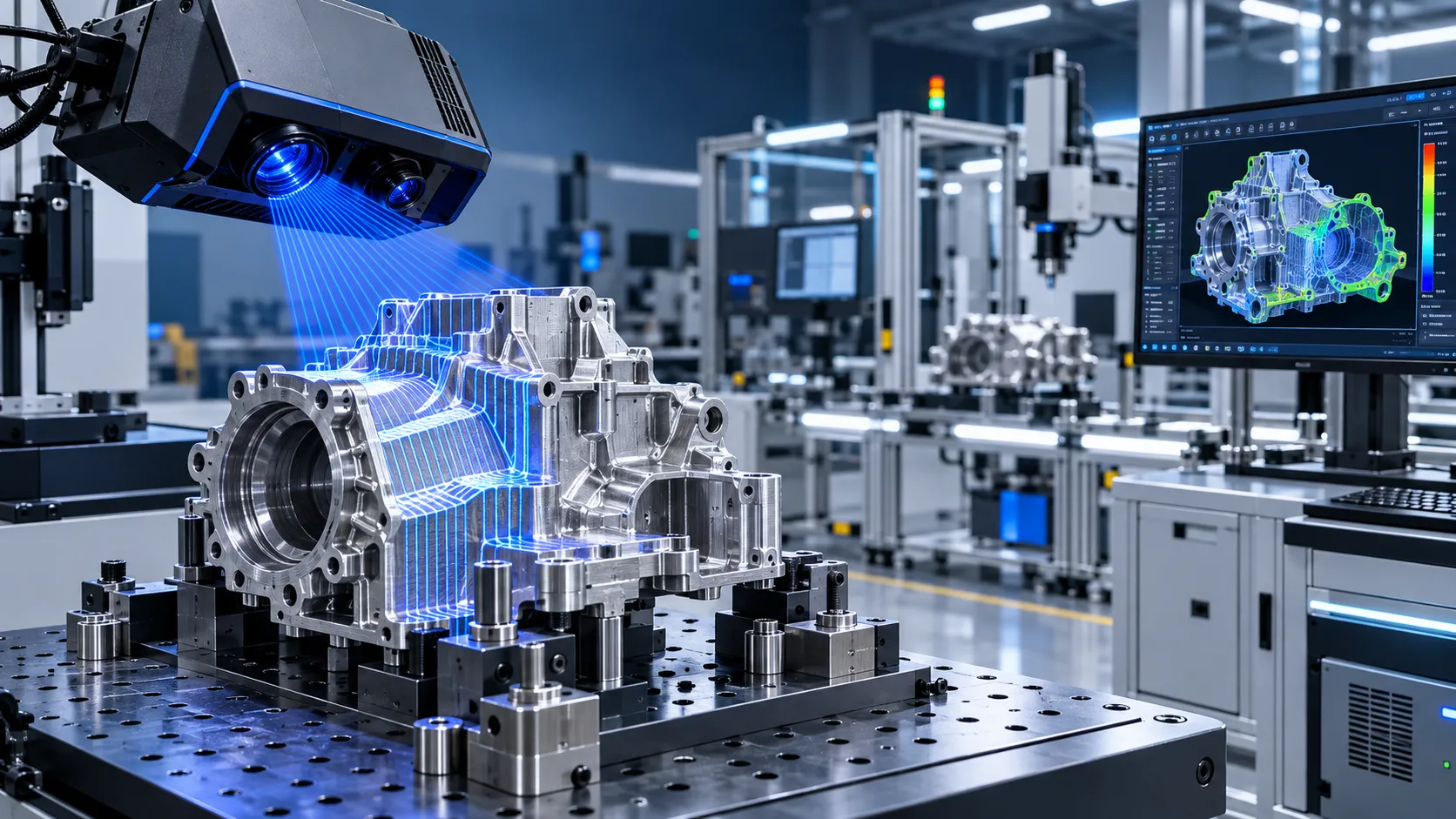
How to Select Optical Metrology Solutions for Tight-Tolerance Manufacturing
Optical industrial metrology solutions for tight-tolerance manufacturing: evaluate accuracy, surface compatibility, workflow, and traceability to select with confidence.
Related News
- 00
0000-00
What Determines Industrial Hydraulic System Price for Heavy-Duty Equipment? - 00
0000-00
High Pressure Hydraulic Systems Selection Guide: Pressure, Flow, Seals, and Safety - 00
0000-00
Pneumatic Industrial Assembly Tools: How to Choose the Right Type for Line Work - 00
0000-00
Hydraulic Systems Troubleshooting: Common Pressure Loss Causes and Fixes - 00
0000-00
Hydraulic Systems Troubleshooting: 7 Causes of Pressure Loss and Slow Actuation
Fluid Torque Specialist
Weekly Insights
Stay ahead with our curated technology reports delivered every Monday.