
Hydraulic Systems Buying Guide: Key Pressure, Flow, and Maintenance Factors to Compare





Choosing hydraulic systems sounds straightforward until pressure loss, heat buildup, and service gaps start affecting uptime. A smart comparison goes beyond catalog specs and focuses on how the system will actually perform in daily industrial work.
For applications tied to construction, automotive service, metal fabrication, and aerospace maintenance, the right hydraulic systems help stabilize output, protect components, and reduce unplanned maintenance costs over time.
At GPTWM, market observation often shows the same pattern: buying errors usually come from underestimating pressure margins, overestimating flow needs, or ignoring maintenance support. Those details shape total cost far more than unit price alone.
Start with the operating load, not the product brochure
Before comparing hydraulic systems, define the real workload. Peak force, duty cycle, ambient temperature, and cycle frequency will narrow the right configuration much faster than brand-first screening.
Core comparison points that matter first
- Match system pressure to actual peak load, then leave a practical safety margin. Running too close to the limit often shortens seal life and raises failure risk during surge events.
- Check required flow against cycle time targets. Excess flow may seem safer, but it can increase heat generation, energy consumption, and valve stress in hydraulic systems.
- Confirm fluid compatibility across pumps, seals, hoses, and manifolds. Small material mismatches can quietly trigger leakage, swelling, contamination, and expensive maintenance interruptions.
- Review continuous and intermittent duty ratings separately. Some hydraulic systems perform well in short bursts but lose efficiency or stability during long operating windows.
- Compare filtration levels early. Poor contamination control damages valves and pumps faster than many buyers expect, especially in mobile, dusty, or mixed-environment industrial settings.
- Ask for pressure drop data across lines, fittings, and valves. A strong pump cannot fix a poorly balanced layout with hidden flow restrictions.
One practical rule helps: if the application changes load frequently, evaluate the full working range, not only average values. Hydraulic systems often fail at extremes, not at normal operating points.
Pressure and flow should be balanced together
Pressure creates force. Flow creates speed. In hydraulic systems, these two numbers must support the same production goal. Focusing on one without the other leads to slow cycles, overheating, or unstable motion.
What to compare in technical documents
If a supplier gives only nominal values, ask for performance under load and temperature variation. That is where many hydraulic systems separate reliable operation from brochure-level claims.
Do not overlook component compatibility
Hydraulic systems are assemblies, not single products. Even if the pump looks strong, weak links in hoses, couplings, valves, or seals can drive most of the maintenance burden later.
- Verify hose pressure ratings with impulse resistance, not static ratings alone. Repeated pressure spikes can destroy hose life long before the theoretical limit is reached.
- Check valve response time and leakage performance where precise holding or repeatable motion matters. This is especially important in clamping, lifting, and fixture control applications.
- Confirm seal materials against fluid type and temperature. A low-cost seal mismatch in hydraulic systems often becomes a high-cost shutdown within months.
- Review port standards, thread types, and fitting availability in target regions. Sourcing delays from minor interface differences are more common than expected.
- Ask whether replacement parts are shared across models. Standardized components simplify inventory planning and lower long-term service complexity.
GPTWM intelligence on industrial tooling and metrology markets often highlights one useful habit: compare service ecosystems along with hardware. Support quality affects hydraulic systems just as much as core design.
Maintenance needs shape lifetime cost
A lower purchase price can disappear quickly if hydraulic systems need frequent filter changes, complex bleeding, or hard-to-source replacement parts. Maintenance planning should be part of the first comparison round.
Questions worth asking before selection
- How often are filters, seals, and fluid expected to be replaced under normal duty? Service intervals should be based on actual application conditions, not ideal test benches.
- Is contamination monitoring available or easy to add? Better visibility helps extend component life and prevents avoidable failures in hydraulic systems.
- Can technicians access wear parts without major disassembly? Service-friendly layouts reduce labor hours and shorten recovery time during planned maintenance.
- Are diagnostic points included for pressure and temperature checks? Fast troubleshooting saves time when performance drops unexpectedly.
- What is the realistic lead time for service kits and critical spares? Long downtime usually costs more than premium spare pricing.
Another overlooked factor is training. Hydraulic systems with advanced control logic or sensor integration may perform better, but only if setup and maintenance are handled correctly.
Application context changes the right choice
In construction equipment, shock loads, dust, and outdoor temperature swings make durability, filtration, and hose protection more important than tight efficiency numbers alone.
For automotive maintenance and assembly, hydraulic systems often need smoother control, repeatable cycle speed, and compact layouts. Space limits and fast service access become key buying factors.
In aerospace maintenance, contamination control and traceable performance data matter more. Stable pressure behavior, documented compatibility, and dependable service records should carry extra weight.
Metal joining and precision fixture operations also need careful hydraulic systems matching. If clamping force drifts or response lags, weld quality, alignment accuracy, and repeatability can all suffer.
Common buying mistakes that cause avoidable problems
One common mistake is selecting hydraulic systems only by maximum pressure. High pressure capacity does not guarantee thermal stability, clean flow, or acceptable cycle performance.
Another is ignoring return-line design and cooling needs. Excess heat quietly reduces fluid quality, damages seals, and shortens pump life.
Some buyers also assume maintenance can be standardized later. In reality, hydraulic systems with inconsistent fittings, fluids, and parts quickly complicate inventory and service routines.
A simple shortlisting method
- Define load, speed, duty cycle, and temperature range.
- Remove hydraulic systems that only meet nominal conditions.
- Compare compatibility, filtration, and service access.
- Review spare parts lead time and technical support depth.
- Estimate lifetime cost, not purchase price alone.
Use market intelligence to improve the final decision
Hydraulic systems do not exist in isolation. Raw material fluctuations, export controls, and regional standards can influence pricing, availability, and replacement planning.
That is why GPTWM tracks industrial shifts across assembly, welding, and precision maintenance sectors. Broader intelligence helps connect technical selection with supply continuity and long-term operating value.
A reliable decision usually comes from combining three views: application demand, component-level detail, and service ecosystem strength. When those align, hydraulic systems are far less likely to become a hidden cost center.
For the next step, build a comparison sheet around pressure, flow, compatibility, filtration, and maintenance access. That simple structure makes hydraulic systems easier to evaluate clearly and consistently across different industrial uses.
Related News
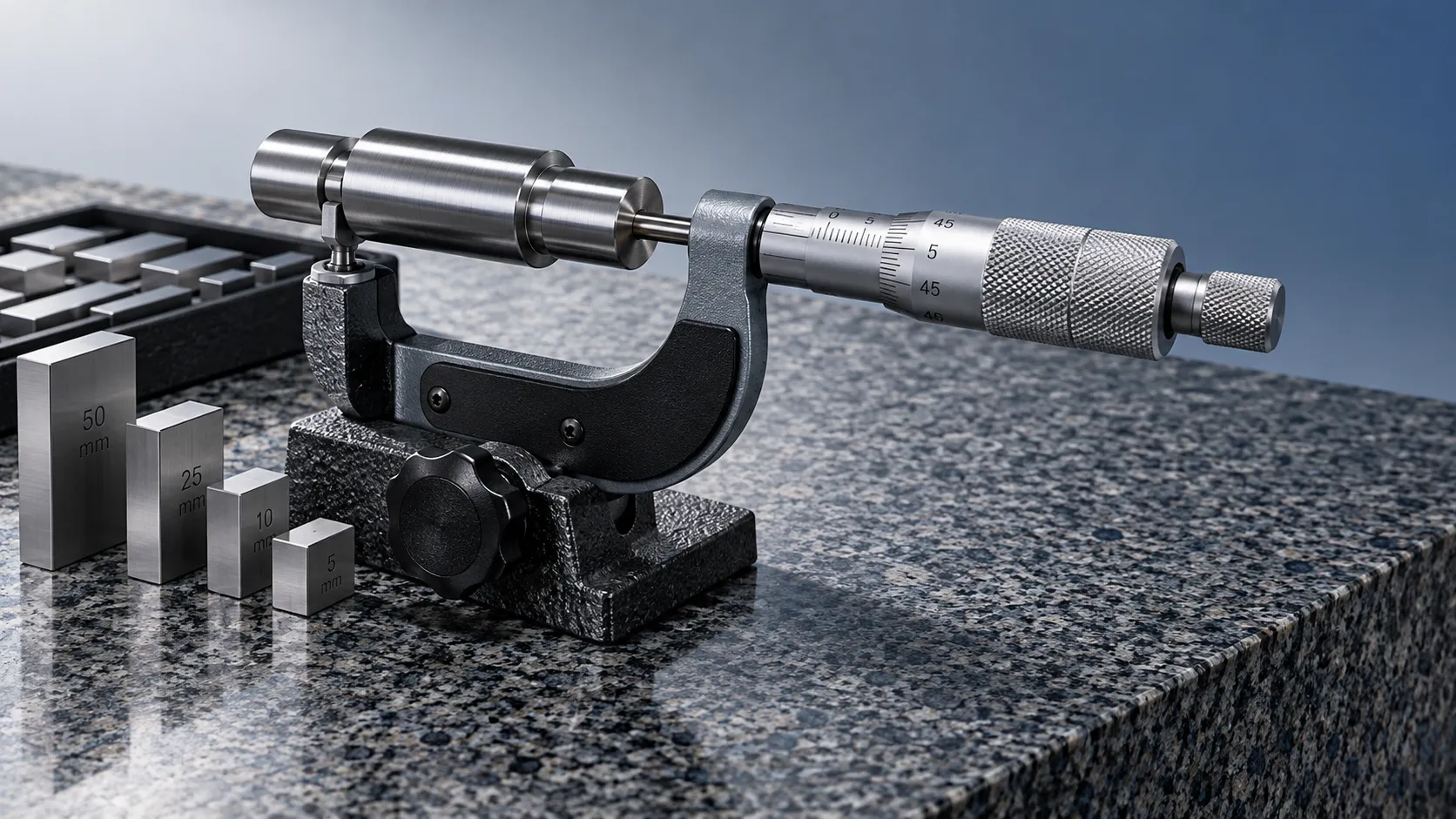
Choosing Industrial Metrology Tools: Matching Measurement Uncertainty to Tolerances
Improve industrial tool selection for metrology by matching measurement uncertainty to tolerances. Learn how to reduce inspection risk and choose equipment with confidence.
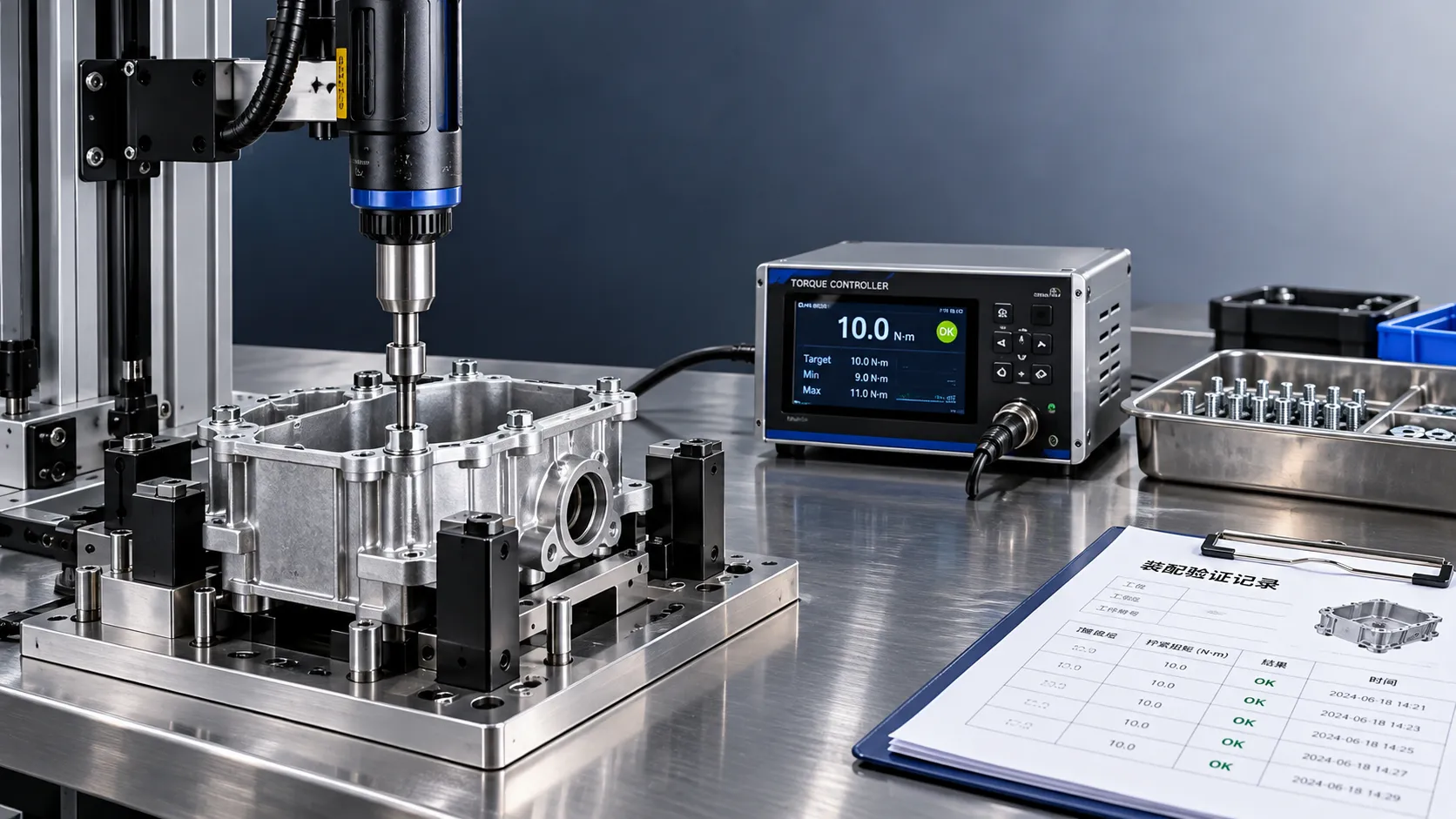
Torque System Suppliers: How to Assess References for Assembly Projects
Explore supplier and solution references torque systems buyers should verify. Assess assembly fit, traceability, and support to reduce risk and choose with confidence.
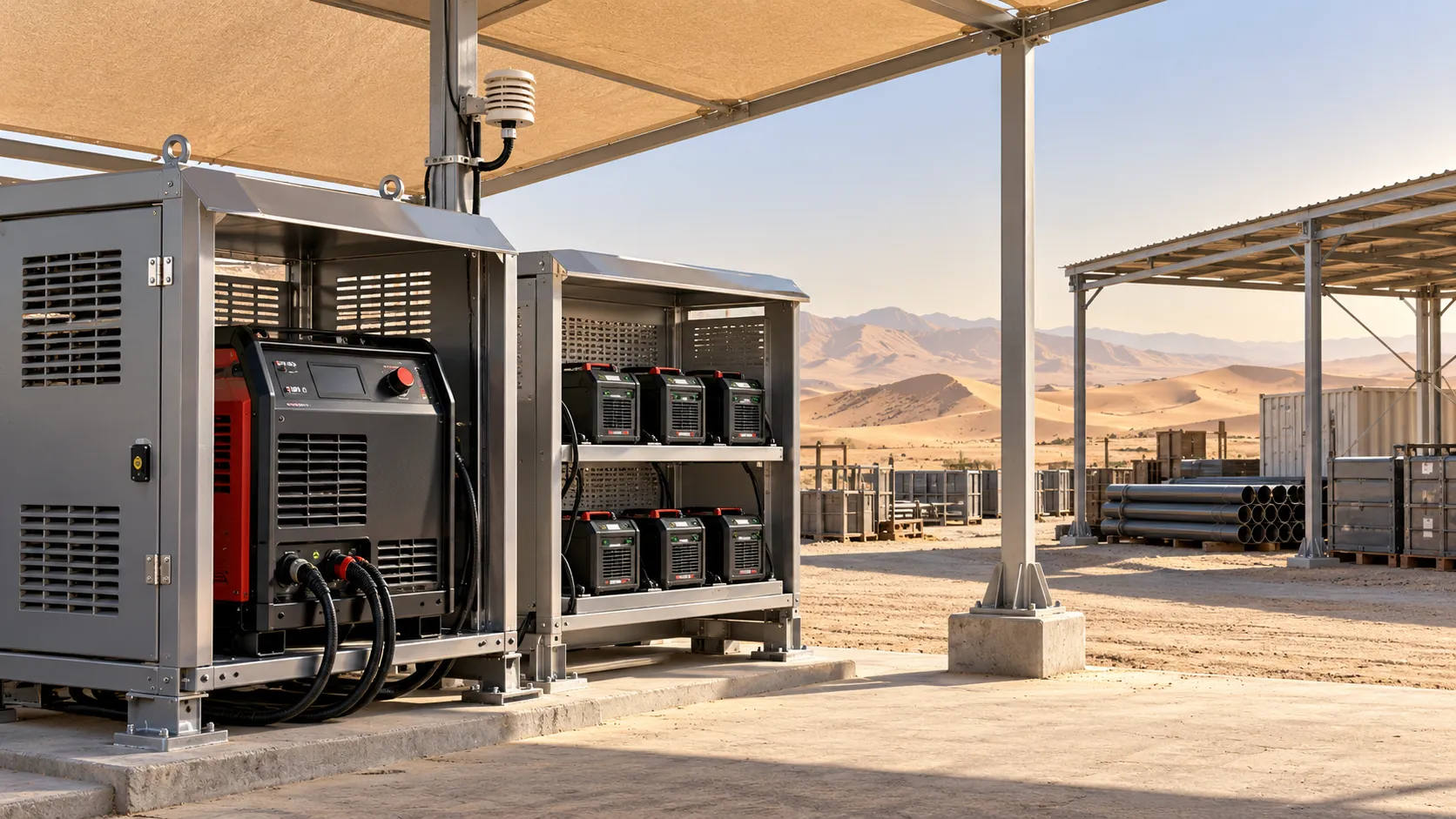
Equipment Application Guidance for the Middle East: Managing Heat and Dust
Explore application guidance Middle East teams can use to manage heat and dust, protect welding equipment, batteries and precision tools, and reduce downtime. Get practical tips.
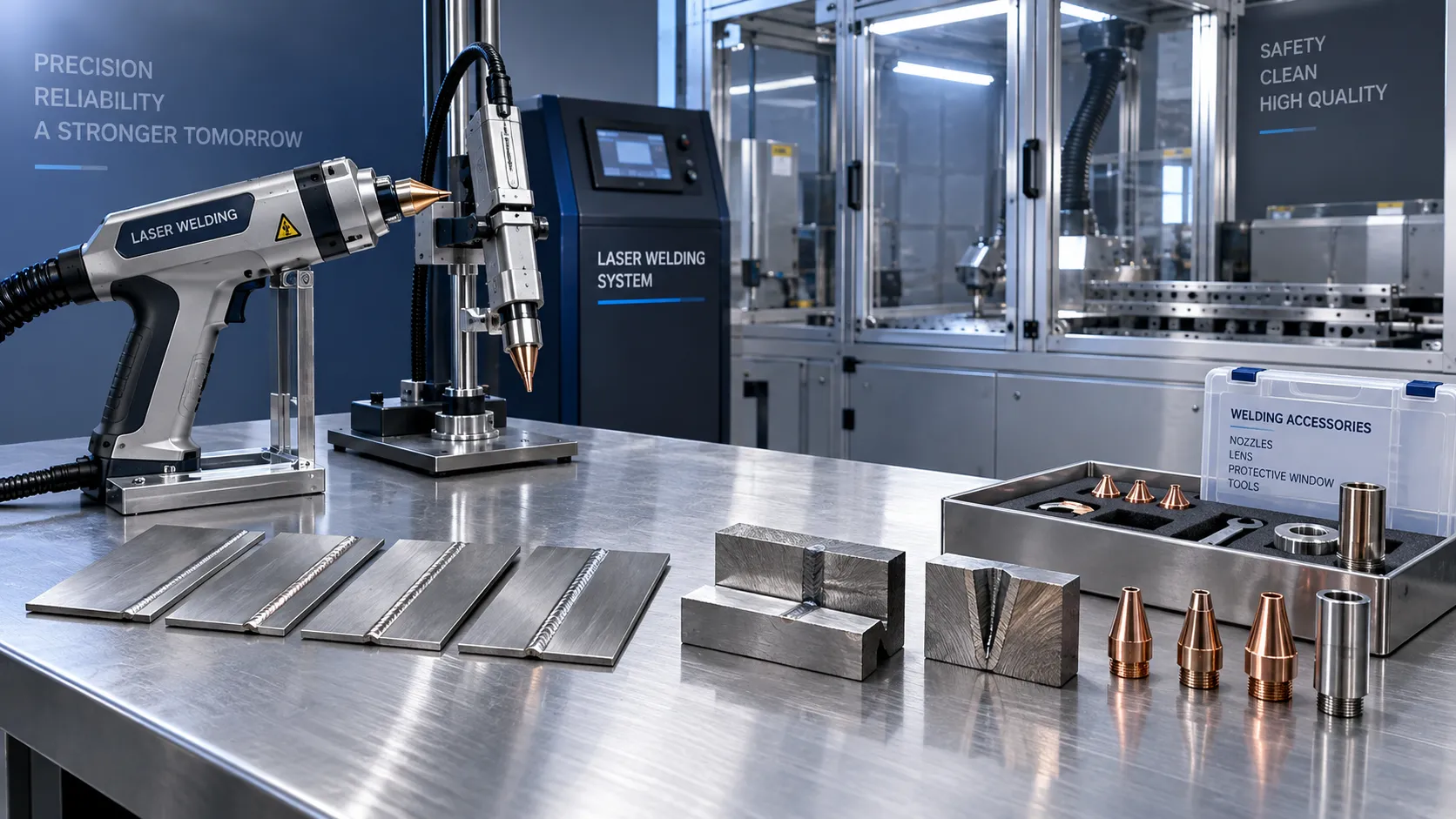
Choosing a Handheld Laser Welding Supplier: Weld Trials, Training, and Service
Choose a handheld laser welding supplier with proven weld trials, safety training, and reliable service. Learn what to verify before buying to reduce downtime and protect your investment.
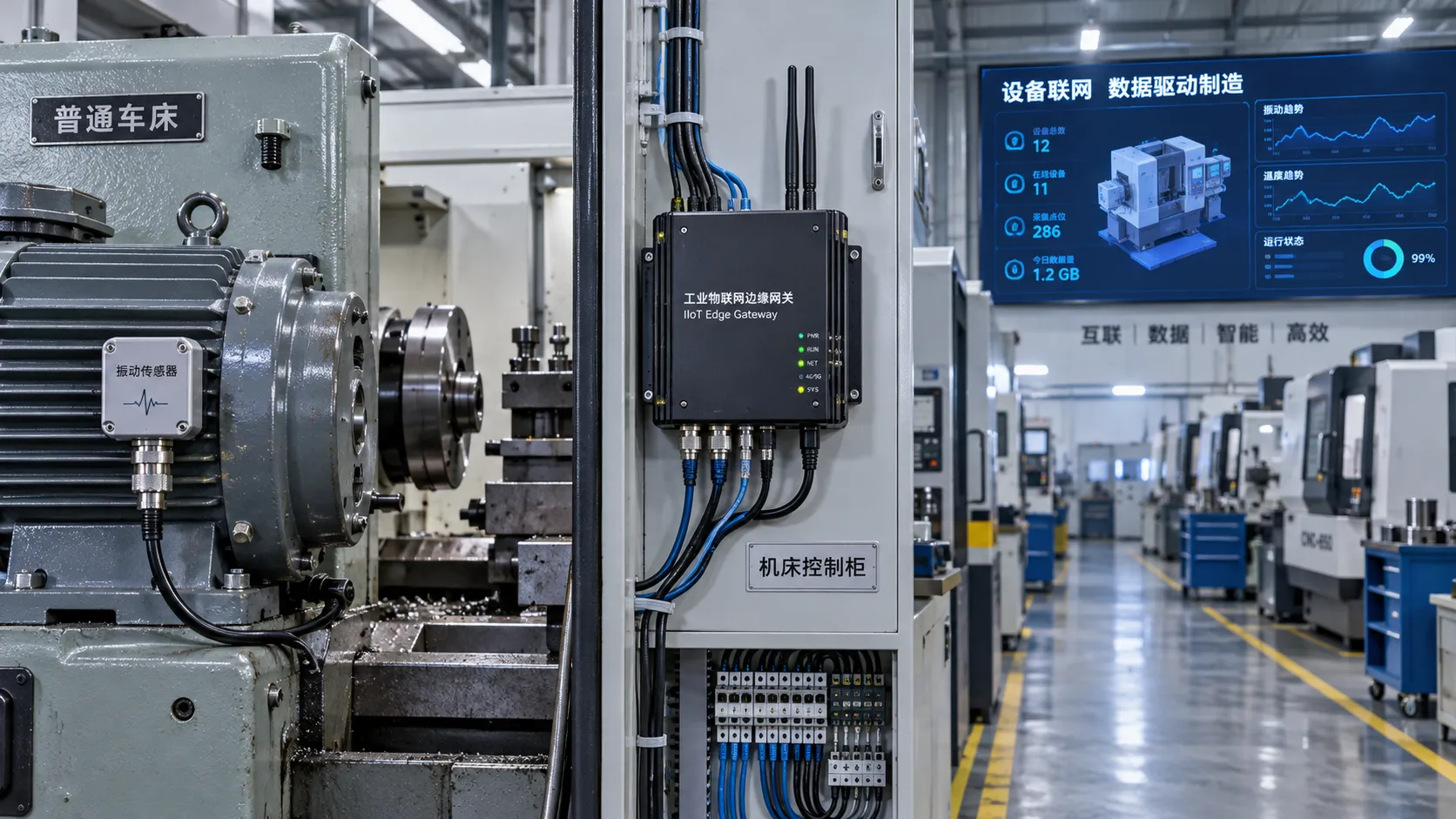
Choosing an Industrial IoT Platform: Key Criteria for Legacy Equipment
Choose an industrial IoT platform for legacy equipment with confidence. Discover key checks for connectivity, data integrity, security, and lifecycle costs before investing.

In-House vs. Outsourced Aircraft Maintenance: Comparing Total Costs
Compare aerospace maintenance cost for in-house vs. outsourced aircraft upkeep. Discover hidden expenses, downtime impacts, and break-even factors to find the best fit for your fleet.
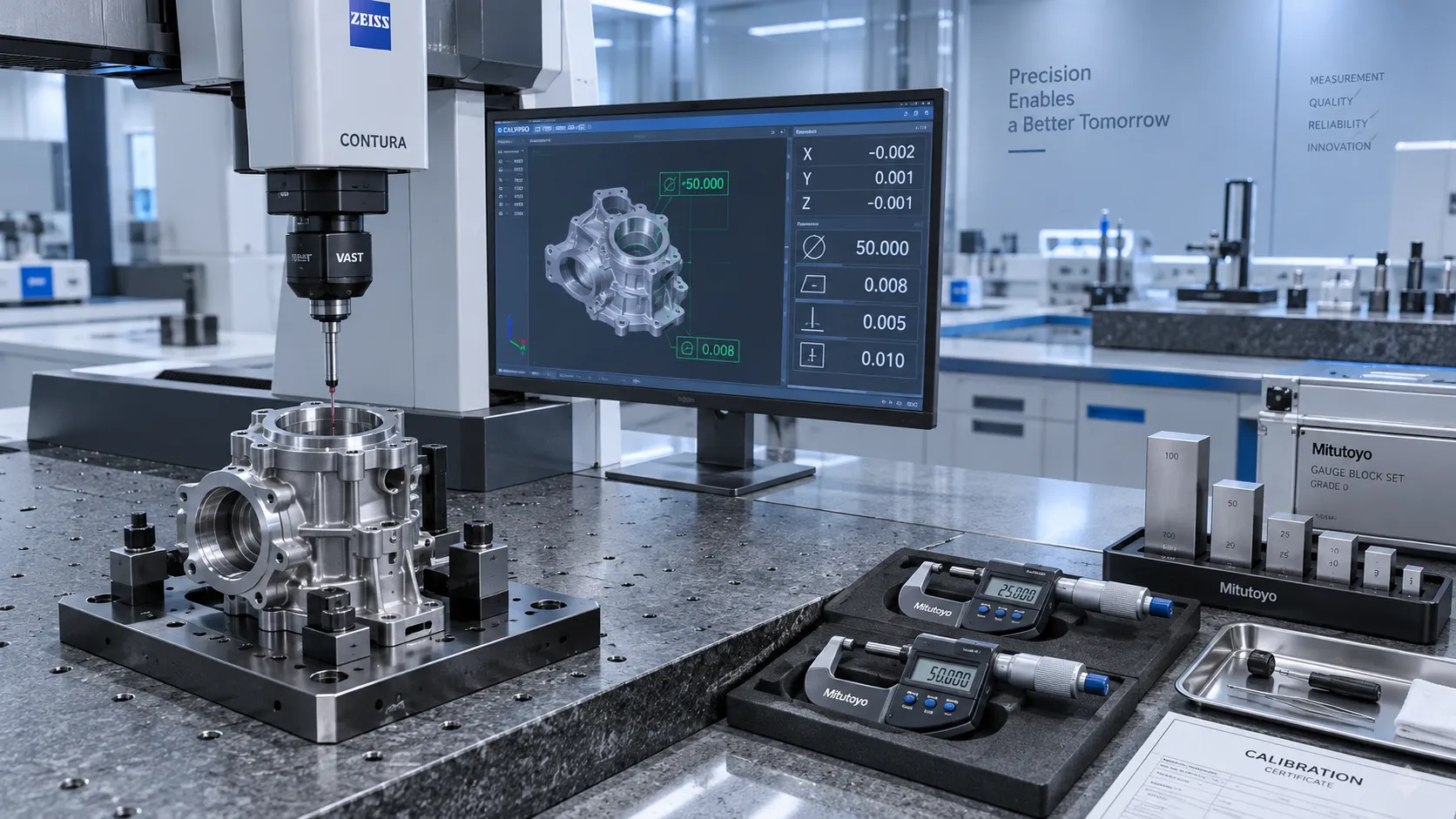
How to Select High-Precision Measuring Instruments for Tight-Tolerance Production?
High-precision measuring instruments are essential for tight-tolerance production. Learn how to evaluate accuracy, repeatability, environment, calibration, and data integration.
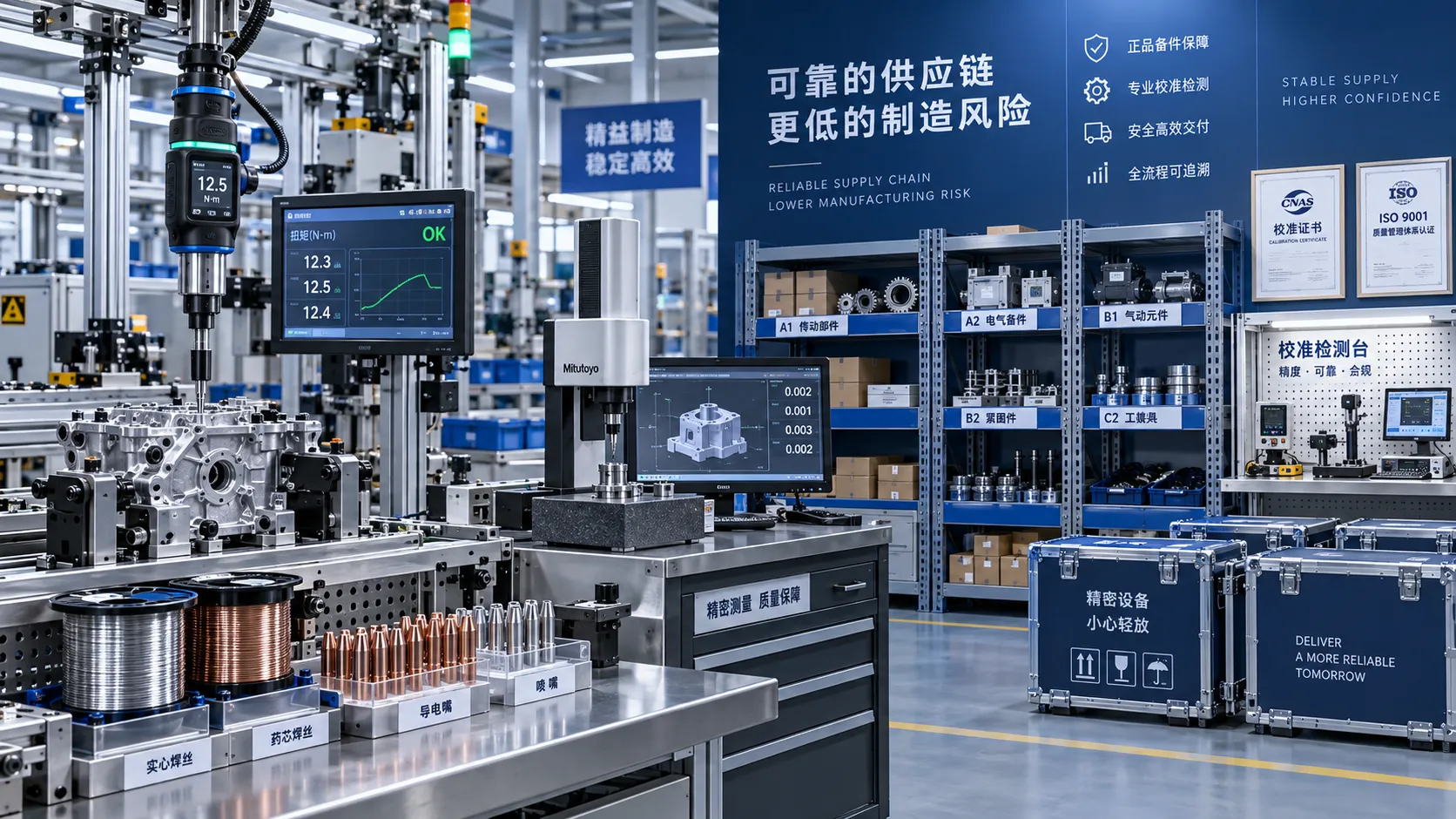
How Industrial Innovation Supplier Networks Reduce Sourcing Risk for Manufacturers
industrial innovation supplier network insights help manufacturers reduce sourcing risk, control lifecycle costs, and choose reliable tools, services, and suppliers with confidence.
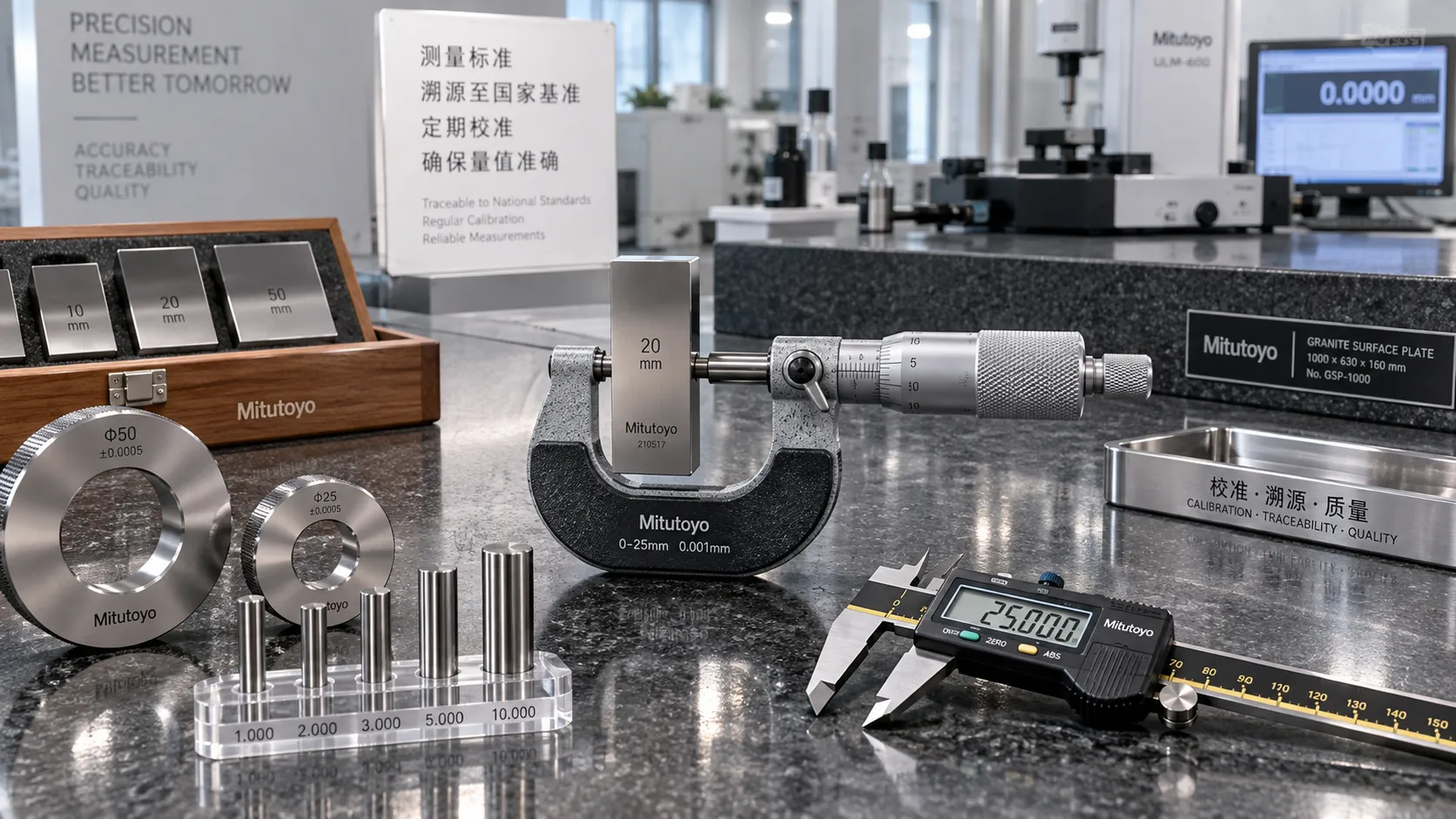
How Often Should Precision Measuring Instruments Be Calibrated?
How often should precision measuring instruments be calibrated? Learn how usage, tolerance, environment, and risk determine a reliable calibration schedule.
Related News
- 00
0000-00
What Determines Industrial Hydraulic System Price for Heavy-Duty Equipment? - 00
0000-00
High Pressure Hydraulic Systems Selection Guide: Pressure, Flow, Seals, and Safety - 00
0000-00
Pneumatic Industrial Assembly Tools: How to Choose the Right Type for Line Work - 00
0000-00
Hydraulic Systems Troubleshooting: Common Pressure Loss Causes and Fixes - 00
0000-00
Hydraulic Systems Troubleshooting: 7 Causes of Pressure Loss and Slow Actuation
Fluid Torque Specialist
Weekly Insights
Stay ahead with our curated technology reports delivered every Monday.