
Hydraulic Systems Troubleshooting: 7 Causes of Pressure Loss and Slow Actuation





Hydraulic Systems Troubleshooting: where pressure loss usually begins
Pressure loss and slow actuation rarely start as isolated faults. In hydraulic systems, they often build from small changes in flow, sealing, temperature, or contamination.
That is why routine service can suddenly become unplanned downtime. A cylinder slows, a clamp hesitates, or a motor fails to hold force under load.
In practical field work, the fastest repair usually comes from narrowing the symptom first. Is the problem present at startup, under heat, during peak load, or only after repeated cycling?
Across construction equipment, workshop presses, welding fixtures, and industrial assembly lines, hydraulic systems respond differently to the same fault. The operating context matters as much as the gauge reading.
This is also why GPTWM follows hydraulic equipment with the same attention given to precision tools and metrology. Reliable diagnosis depends on linking component behavior, operating conditions, and measurable evidence.
Why do hydraulic systems lose pressure and move slowly at the same time?
These two symptoms often appear together because pressure and flow are connected. When flow becomes unstable or leaks internally, actuators cannot build force or maintain normal speed.
The seven most common causes are usually easier to confirm than people expect:
- Low hydraulic fluid level or aeration in the reservoir
- Clogged suction strainers, return filters, or restricted lines
- Worn pumps that can no longer supply rated flow
- Internal leakage across cylinders, valves, or motors
- Relief valve set too low or sticking partially open
- Oil viscosity outside the intended temperature range
- Contamination causing spool drag, scoring, and unstable sealing
A useful rule is simple. If movement is slow everywhere, think supply side first. If one actuator is weak or drifting, focus on local leakage or valve control.
Which checks should come first before parts are removed?
The best early checks are the least invasive ones. They save time, protect service margins, and prevent replacing healthy components.
Start with reservoir level, oil appearance, filter condition indicators, and actual operating temperature. Milky oil, foam, dark varnish, or a hot tank already point the diagnosis in a direction.
Then compare commanded action with measured response. If pump noise rises while pressure stays low, suction restriction or aeration becomes more likely.
If pressure builds but the actuator still moves slowly, the problem may be inadequate flow, downstream restriction, or internal bypassing inside the actuator.
The table below helps connect the most common symptoms with the first inspection point.
Could the issue be in the pump, the valve, or the cylinder?
Yes, and distinguishing between them is usually the turning point. Hydraulic systems often hide the real fault because one failing component affects the whole circuit.
When the pump is the real problem
A worn pump typically causes system-wide slowness. Flow falls first, while pressure may appear acceptable with no load and collapse during demand.
Listen for cavitation or whining. Check inlet vacuum if tools are available. In many hydraulic systems, a restricted suction path damages pump efficiency before failure becomes obvious.
When the valve is stealing performance
A relief valve stuck slightly open can dump flow continuously. Directional valves with scored spools may also leak internally or respond sluggishly because contamination increases friction.
More common than complete failure is partial malfunction. The machine still moves, but not at the expected speed, pressure, or consistency.
When the actuator is bypassing internally
Cylinder seal wear often shows up as drift, weak clamping, or an inability to hold position. In rotary units, internal leakage causes heat and poor torque output.
In actual service, isolating the actuator and checking whether pressure decays under load is often more valuable than replacing seals on assumption.
How much do oil condition and contamination affect hydraulic systems?
More than many teams expect. Oil is not just a power medium. In hydraulic systems, it also lubricates, seals, cools, and carries contamination through the circuit.
If viscosity is too low, internal leakage rises. If viscosity is too high, cold starts become slow, suction losses increase, and valves react poorly.
Contamination creates a second layer of trouble. Fine particles score pump surfaces, damage valve lands, and shorten seal life. Water contamination reduces lubrication and accelerates corrosion.
For hydraulic systems used in dusty maintenance environments, mobile equipment, or high-cycle fixtures, oil analysis is not a luxury. It is a practical diagnostic tool.
- Check whether the oil grade matches the machine requirement
- Confirm service intervals were based on condition, not calendar only
- Inspect breathers, seals, and fill points for contamination entry
- Review whether overheating is degrading oil faster than expected
This evidence-based approach aligns with GPTWM’s broader view of industrial reliability. Better outcomes come from measured data, not from guessing under pressure.
What diagnosis mistakes make pressure loss harder to solve?
The biggest mistake is treating pressure loss as a pressure problem only. Many hydraulic systems seem weak because flow is insufficient, not because peak pressure is impossible.
Another common mistake is testing only when the machine is cold. Worn components often pass early checks and fail after oil temperature rises.
It is also risky to change the relief setting before confirming root cause. Raising pressure can hide wear briefly while increasing heat and component stress.
Replacing filters without asking why they loaded up is another trap. The filter may be reporting contamination generated elsewhere in the circuit.
A more reliable method is to document symptoms by condition:
- Cold versus hot operation
- No-load versus full-load response
- Single actuator versus all functions
- Steady-state loss versus intermittent hesitation
Once those patterns are clear, hydraulic systems become much easier to troubleshoot without unnecessary teardown.
What is the most practical next step after the fault is found?
After repair, verify more than restored motion. Confirm operating pressure, cycle speed, fluid temperature, and leak stability under normal load.
If the root cause was contamination, flushing and filter replacement may matter as much as the component change. If the cause was overheating, the cooling path and duty cycle need review.
For hydraulic systems supporting assembly, clamping, lifting, or service equipment, a short post-repair checklist prevents repeat calls and protects component life.
- Record baseline pressure and cycle time after repair
- Note oil grade, cleanliness actions, and replaced seals or valves
- Confirm relief settings against manufacturer data
- Watch hot performance before closing the case
In the end, the most efficient troubleshooting path is rarely the most dramatic one. Hydraulic systems respond best to structured checks, measured evidence, and a clear link between symptom and cause.
If repeated failures keep appearing, the next useful step is to compare service records, contamination history, and operating loads. That often reveals whether the issue is component wear, maintenance practice, or system design stress.
Related News
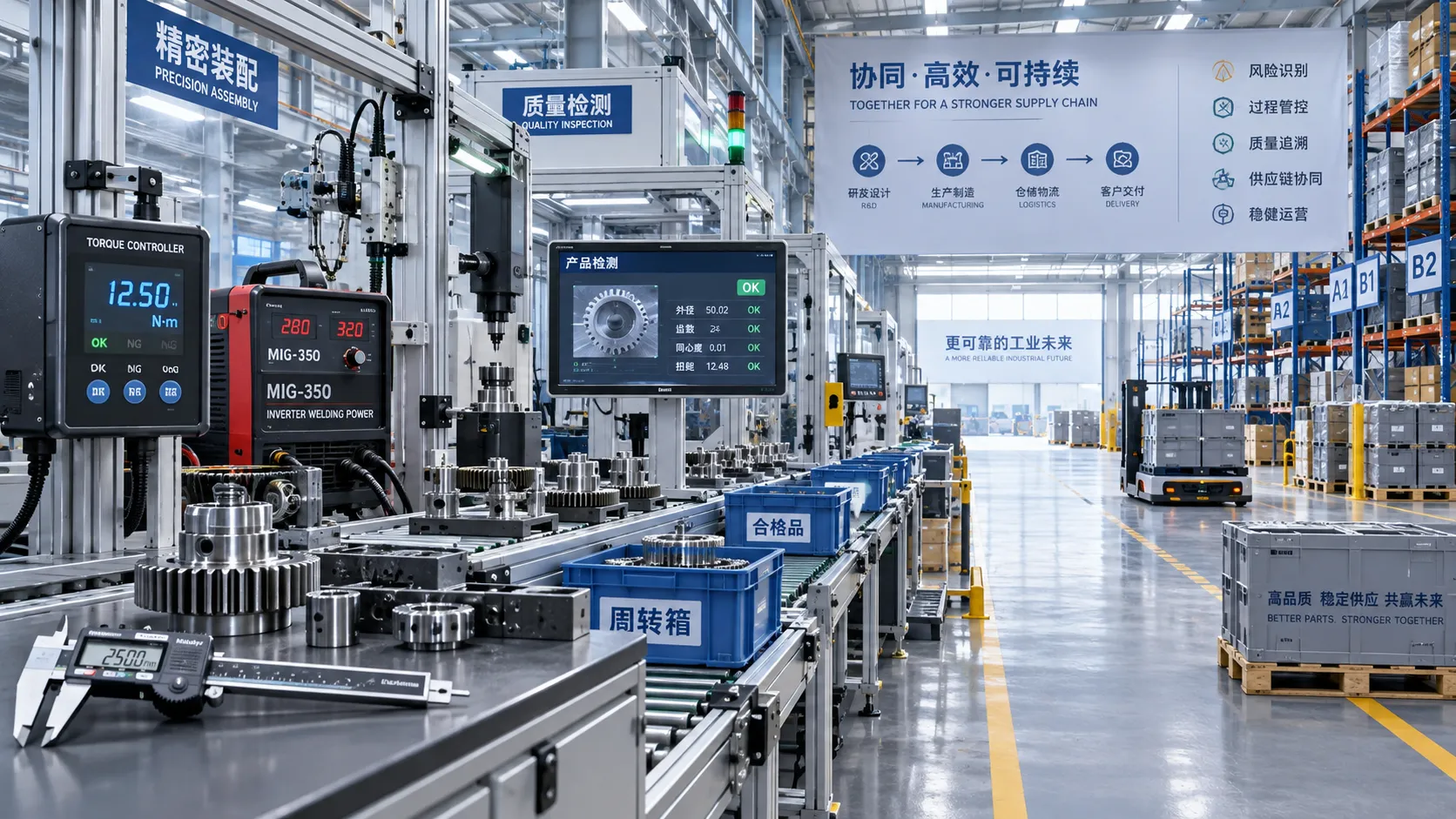
How Procurement Teams Can Map the Industrial Value Chain to Reduce Supply Risk
Industrial value chain procurement helps teams map hidden dependencies, qualify resilient sources, and reduce supply risk before disruptions stop production.
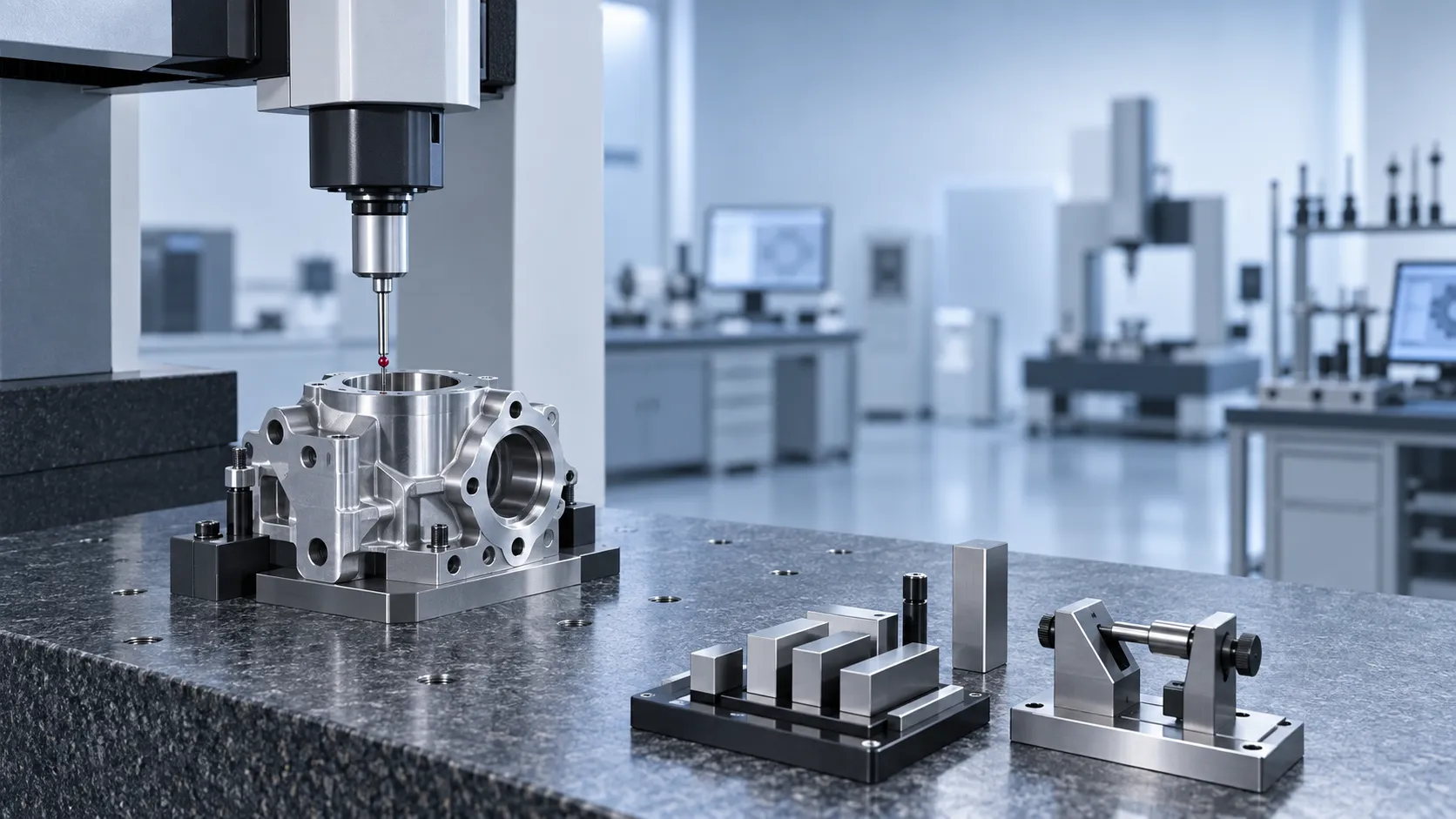
How Specification-Driven Articles Improve Precision Measurement System Selection
Specification-oriented articles precision measurement guidance helps teams compare accuracy, repeatability, environment, and data needs to select reliable systems with confidence.

How to Evaluate a Technology Integration Service Provider for Complex Projects
Technology integration service provider selection guide: evaluate interface ownership, delivery discipline, scalable architecture, and risk control for complex projects.
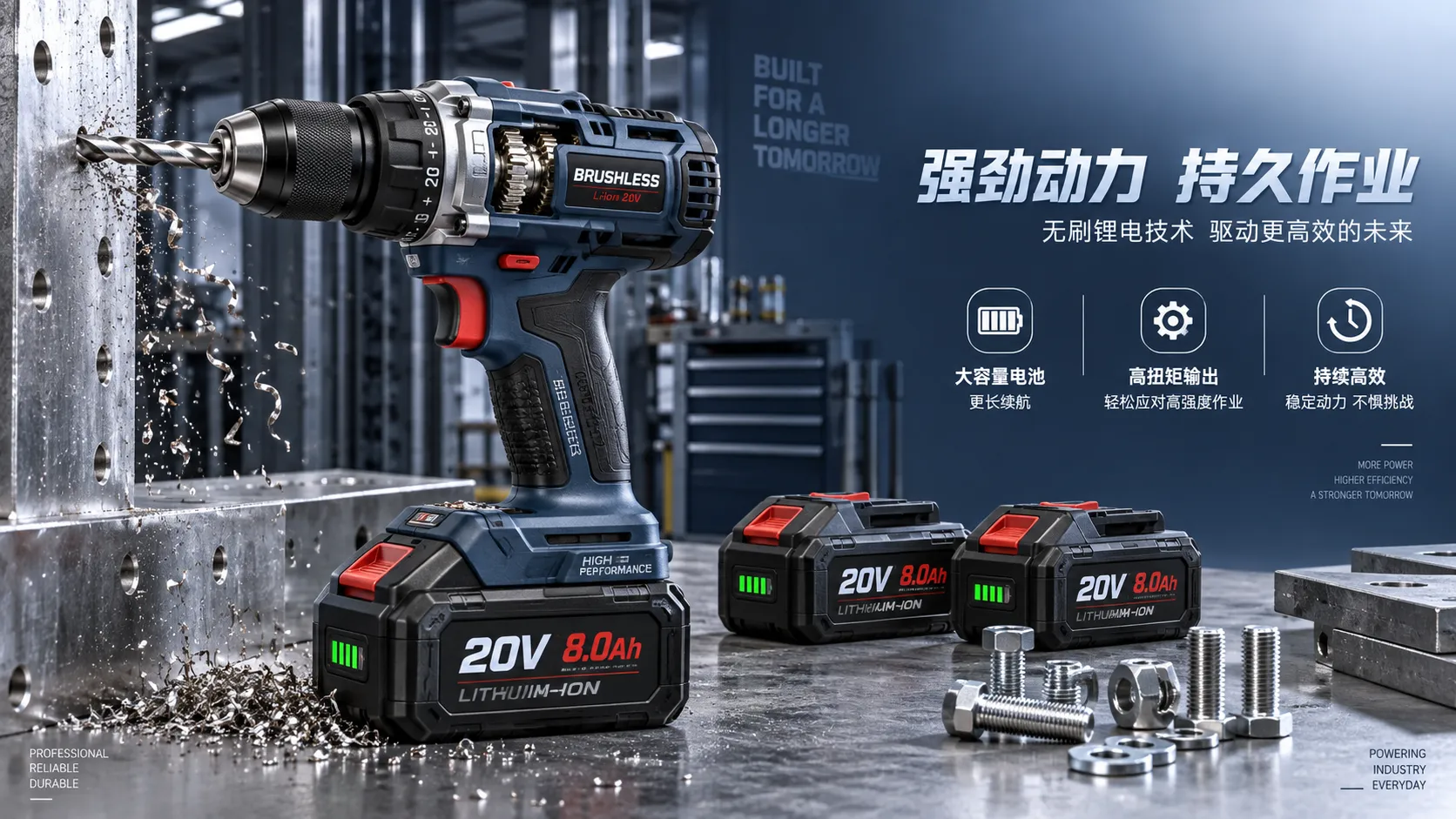
How Battery, Torque, and Duty Cycle Affect Cordless Power Tool Efficiency
Cordless power tool efficiency depends on battery output, torque, and duty cycle. Learn how to match tools to demanding jobs for stronger runtime and productivity.
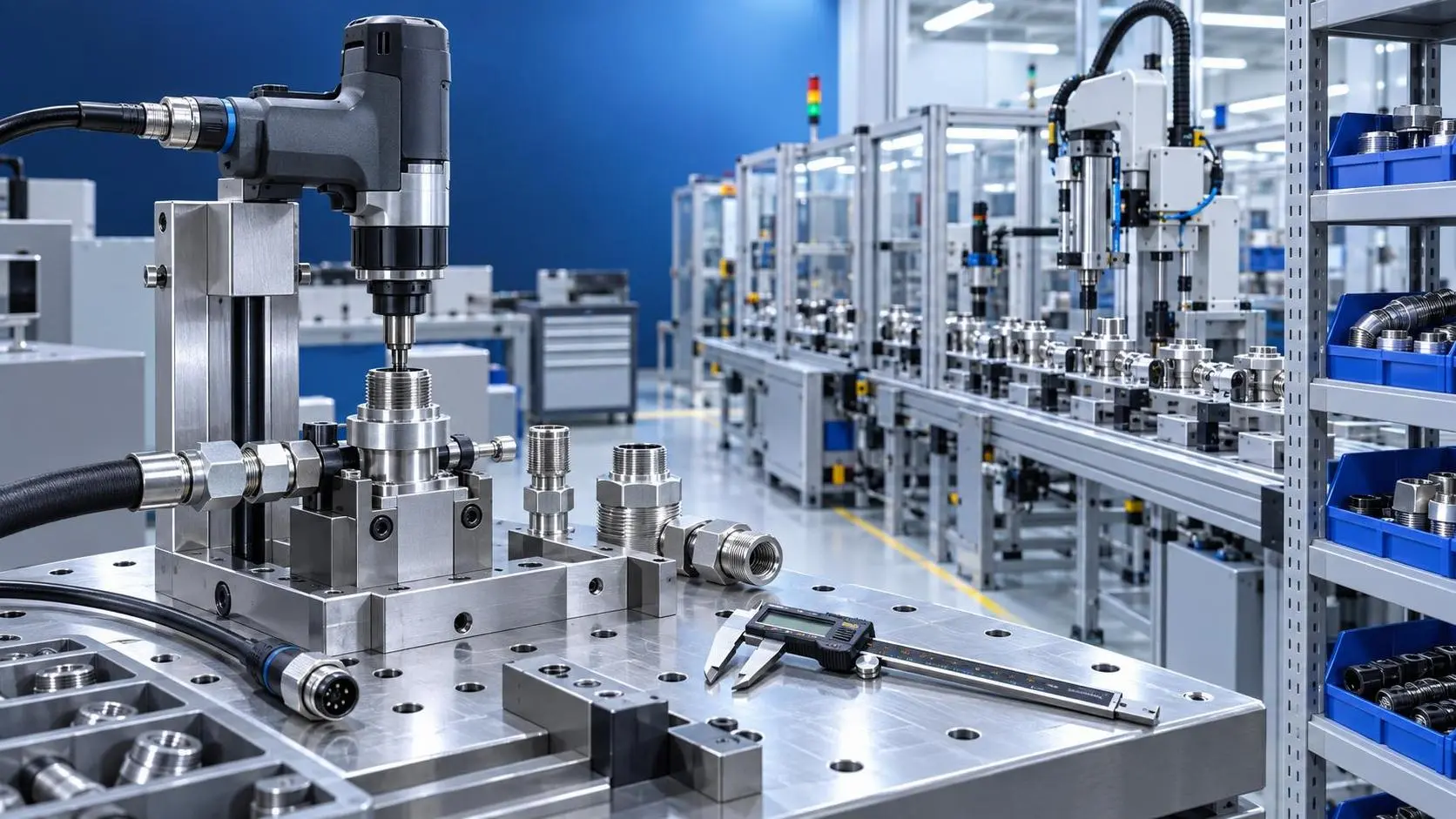
Product Comparison Resources for Component Compatibility and Lifecycle Risk
Product comparison resources for components: evaluate compatibility, interfaces, service support, and lifecycle risk to reduce downtime, avoid redesigns, and make confident sourcing decisions.
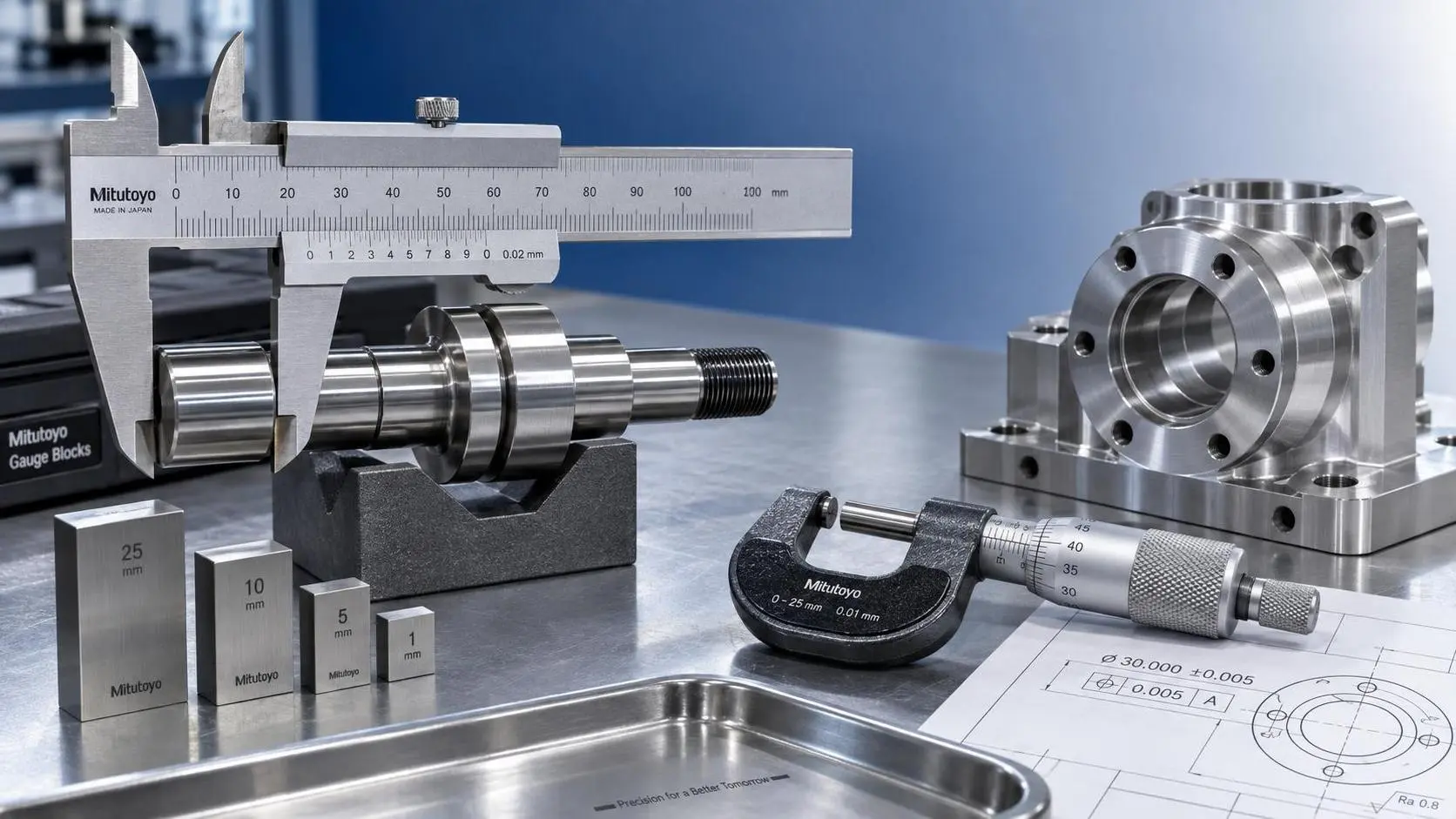
How to Select Vernier Precision Calipers for Tight-Tolerance Machining Inspection
Vernier precision calipers for tight-tolerance machining: learn how to select the right range, jaw design, accuracy, and verification process for reliable inspection.
Product Comparison Resources in Europe: How Buyers Can Verify Specs and Suppliers
Product comparison resources Europe: learn how to verify industrial specs, compliance claims, supplier credibility, and delivery risk for smarter purchasing decisions.
How to Evaluate an Industrial Metrology Solution Manufacturer for Production Use
Industrial metrology solution manufacturer evaluation guide for production: compare accuracy, traceability, automation, software, service, and acceptance testing to reduce risk.
Which ISO Standards Matter Most for Precision Engineering Quality Control?
Precision engineering ISO standards explained: discover how ISO 9001, ISO/IEC 17025, ISO 10012, GPS, and ISO 3834 strengthen quality control, traceability, and compliance.
Related News
- 00
0000-00
High Pressure Hydraulic Systems Selection Guide: Pressure, Flow, Seals, and Safety - 00
0000-00
Pneumatic Industrial Assembly Tools: How to Choose the Right Type for Line Work - 00
0000-00
Hydraulic Systems Troubleshooting: Common Pressure Loss Causes and Fixes - 00
0000-00
Hydraulic Systems Troubleshooting: 7 Causes of Pressure Loss and Slow Actuation - 00
0000-00
Hydraulic Systems Buying Guide: Key Pressure, Flow, and Maintenance Factors to Compare
Fluid Torque Specialist
Weekly Insights
Stay ahead with our curated technology reports delivered every Monday.