
How Industry Category Guides Help Global Sourcing Teams Compare Suppliers Faster





How Industry Category Guides Help Global Sourcing Teams Compare Suppliers Faster
When a sourcing team says it needs to “compare suppliers,” the real problem is usually messier than price benchmarking. One vendor quotes a welding package with consumables included, another quotes only the power source. A metrology supplier looks strong on catalog depth but weak on calibration support. A precision tools manufacturer claims short lead times, yet the delivery promise quietly depends on outsourced motor assemblies. On paper, all three may look comparable. In practice, they are not.
That is where industry category guides global sourcing work becomes more than a content exercise. A good category guide gives procurement teams a usable comparison frame: what counts, what is optional, what should be verified early, and where hidden cost usually appears. For buyers handling industrial tools, welding systems, measuring instruments, or hydraulic equipment across regions, this structure often saves more time than any supplier directory does.
In industrial sourcing, speed is valuable, but speed without filtering creates rework. Teams lose days chasing vendors that were never fit for the application, the compliance environment, or the service model required after delivery. Category guides reduce that waste by translating a broad market into a shorter list of meaningful supplier types.
Why supplier comparisons slow down in the first place
Most procurement delays are not caused by lack of supplier names. They come from inconsistent comparison inputs. Industrial categories are full of mixed business models: OEM factories, contract manufacturers, trading companies with technical support capability, regional distributors with repair capacity, and specialist integrators who package third-party components into one deliverable. If a team does not separate these roles early, it ends up comparing unlike with unlike.
Take welding equipment as an example. A buyer may ask for handheld laser welding systems from several suppliers. One seller has deep application knowledge and can discuss safety controls, duty cycle expectations, and local training obligations. Another mainly resells units and competes on headline price. A third has acceptable hardware but limited documentation for export review. Without a category guide, all three land in the same spreadsheet column. That is how “lowest quote” turns into “highest management cost” a few weeks later.
The same issue appears in precision metrology. Calipers, micrometers, gauges, and higher-end measurement systems can look straightforward to source until the discussion reaches calibration traceability, repeatability under shop-floor conditions, replacement part availability, or software compatibility. In other words, the hard part is rarely finding suppliers. It is defining what makes them comparable.
What a useful category guide actually does
A practical guide does not just group suppliers by product family. It breaks the category into sourcing logic. That means at least four things.
- It separates core product capability from bundled commercial extras.
- It identifies the technical variables that materially affect fit, cost, and risk.
- It highlights regional and application-specific checks that should happen before RFQ rounds deepen.
- It helps the team decide which suppliers belong in the same evaluation pool.
This sounds simple, but it changes the entire flow of supplier review. Instead of asking every vendor the same generic list of questions, buyers can ask category-specific questions early enough to eliminate weak matches. That matters when the team is covering several industrial subsegments at once, especially categories where performance is shaped by usage conditions rather than by nominal specifications alone.
For organizations tracking industrial assembly, metal joining, and precision inspection markets, intelligence platforms such as GPTWM are useful not because they “list products,” but because they connect fragmented market signals into decision context. In sectors like power tools, welding, and metrology, supplier evaluation is often influenced by raw material shifts, export restrictions, evolving ergonomic expectations, and the maturity of newer technologies such as IoT-enabled torque control or handheld laser systems. Those signals are easy to miss when procurement looks only at unit cost.
The difference between category mapping and supplier shortlisting
Teams often jump straight to shortlisting because that feels like progress. In reality, category mapping is what makes shortlisting credible.
A category guide should first answer a more basic question: what kind of supplier do we need for this purchase? For example, if the item is a standard mechanical measuring tool for routine distribution, broad manufacturing capacity and stable QC may matter more than advanced application engineering. If the purchase is a welding package for an aerospace maintenance environment, documentation discipline, parameter consistency, operator safety provisions, and post-sale technical support become much more important. Same broad category, very different sourcing logic.
This is where many buyers save time. They stop evaluating twelve suppliers against forty questions and instead divide the market into three or four supplier profiles, then compare vendors only within the right profile. That is faster and usually fairer.
Where category guides save money, not just time
The obvious benefit is faster comparison. The less obvious benefit is cleaner total cost evaluation.
In industrial buying, the cheapest quote often carries cost outside the quote: extra validation cycles, documentation correction, accessory mismatch, delayed commissioning, higher defect sorting effort, or weak parts availability. A category guide helps surface those cost drivers before negotiation becomes the main discussion.
For precision tools and metrology products, hidden cost often sits in calibration management, returns handling, and tolerance disputes. For welding and powered equipment, it may sit in training, wear parts, safety compliance, or unstable component sourcing. For hydraulic or assembly-related products, it may be service interval uncertainty and field support limitations. None of these items are exotic. They are just easy to overlook when a team is under deadline.
That is why strong sourcing teams use category guides to define “cost of ownership checkpoints” before they compare price. The order matters.
What to put into a supplier comparison framework
Not every category needs the same template, but some fields repeatedly prove useful across industrial sourcing:
- Supplier role: manufacturer, assembler, authorized distributor, integrator, or trader with technical services
- Application range: standard distribution, industrial maintenance, regulated environment, or project-based integration
- Critical technical variables: power range, tolerance class, material compatibility, control system type, or consumable ecosystem
- Quality and documentation depth: inspection records, manuals, test reports, labeling consistency, export documents
- Service structure: spare parts availability, training support, repair path, response time expectations
- Commercial resilience: lead time stability, MOQ flexibility, currency exposure, packaging and logistics readiness
The point is not to create a giant scorecard. The point is to keep the team from spending equal time on factors that do not carry equal risk. In many categories, three or four variables decide 80 percent of downstream success.
Industrial categories where market intelligence matters more than buyers expect
Some categories look stable until the market shifts underneath them. GPTWM’s positioning around the “last mile” of manufacturing is relevant here because these are exactly the segments where technical detail and market change meet. A procurement team sourcing torque tools, welding systems, or high-precision measurement devices may need to account for evolving safety expectations, shifts in motor architecture, or demand changes from construction, automotive, and aerospace maintenance. That does not mean every sourcing decision needs a macro trend deck. It means category guides should be updated with real market signals, not frozen after one sourcing cycle.
For instance, if a guide still treats all powered hand tools as interchangeable, it may miss meaningful differences tied to brushless motor design limits, duty-cycle expectations, or smart control features. If it treats all laser welding systems as a single line item, it may fail to capture safety and training requirements that can materially affect deployment. These are not marketing details. They influence supplier suitability.
A common mistake: using category guides as static reference files
A guide only helps if it stays close to actual buying conditions. Too many organizations build one during a sourcing transformation project and then leave it untouched while supply markets change.
A better approach is lighter and more practical. Review the guide whenever one of these changes: supplier mix, application requirements, logistics route, documentation standard, or relevant market volatility. Raw material movement alone does not always justify rewriting a category guide, but if that movement changes lead-time credibility, substitution risk, or quote validity windows, procurement should adjust the comparison logic.
The same applies to export restrictions or local compliance checks. These need project-level confirmation, but category guides should at least flag where verification is likely to be necessary. That early warning prevents teams from advancing suppliers that may later fail on paperwork rather than on product.
How experienced buyers usually use them
The best buyers do not treat category guides as final authority. They use them to ask sharper first-round questions. That is a subtle but important distinction.
If the guide is doing its job, a sourcing team should be able to identify within one or two calls whether a supplier belongs in the process, what evidence matters most, and where a low quote may hide future friction. It also helps internal alignment. Engineering, quality, and procurement often use different language for the same risk. A structured category framework gives them a shared basis for discussion, which usually shortens decision cycles more than supplier chasing does.
That is the practical value of industry category guides global sourcing teams rely on: less noise, fewer false comparisons, and better early judgment. Not because the guide replaces supplier evaluation, but because it stops the team from wasting evaluation effort where the fit was weak from the start.
If a sourcing process feels slow, the issue is often not a shortage of vendors. It is the lack of a category lens strong enough to separate comparable suppliers from merely available ones. In industrial procurement, that distinction is where time and cost usually part ways.
- industrial assembly
- metal joining
- precision metrology
- handheld laser welding
- hydraulic equipment
- industrial tools
- precision tools
- aerospace maintenance
- welding equipment
- torque tools
- laser welding
- industry category guides
- precision tools manufacturer
- precision metrology equipment
- industry category guides global sourcing
Related News
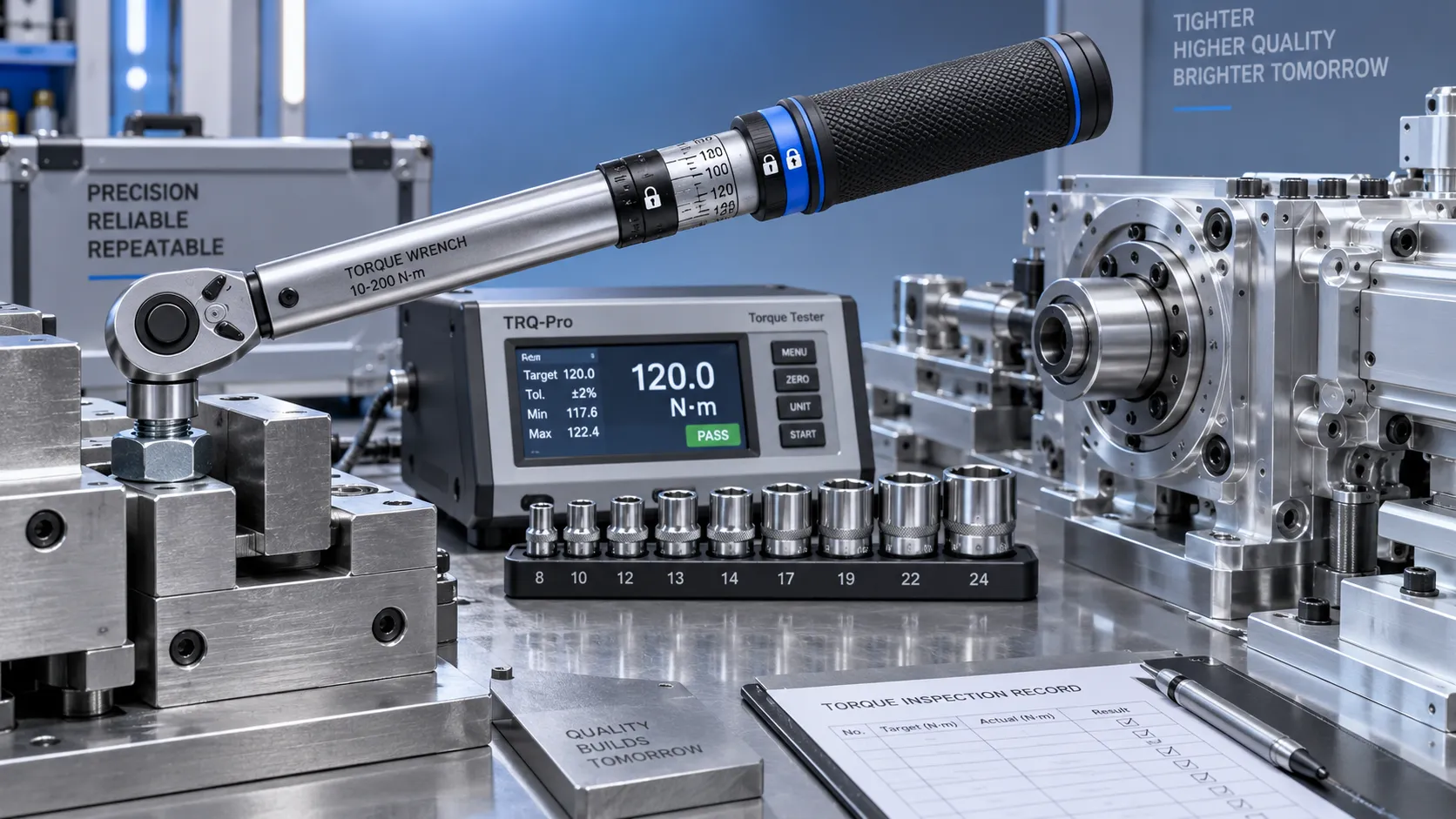
Selecting Adjustable Torque Tools for Repeatable Fastener Assembly
Adjustable torque tools: learn how to match range, accuracy, control methods, calibration, and ergonomics for repeatable, reliable fastener assembly.

How to Select Aerospace Inspection Tools for Aircraft Maintenance Tasks
Aerospace maintenance inspection tools: learn how to select reliable, traceable equipment for aircraft access, accuracy, calibration, and compliant maintenance decisions.

How to Select Wire Bonding Tools for Fine-Pitch Semiconductor Packaging
Explore semiconductor manufacturing tools for wire bonding and learn how to select precision solutions for fine-pitch packaging, reliable loops, accuracy, and yield.
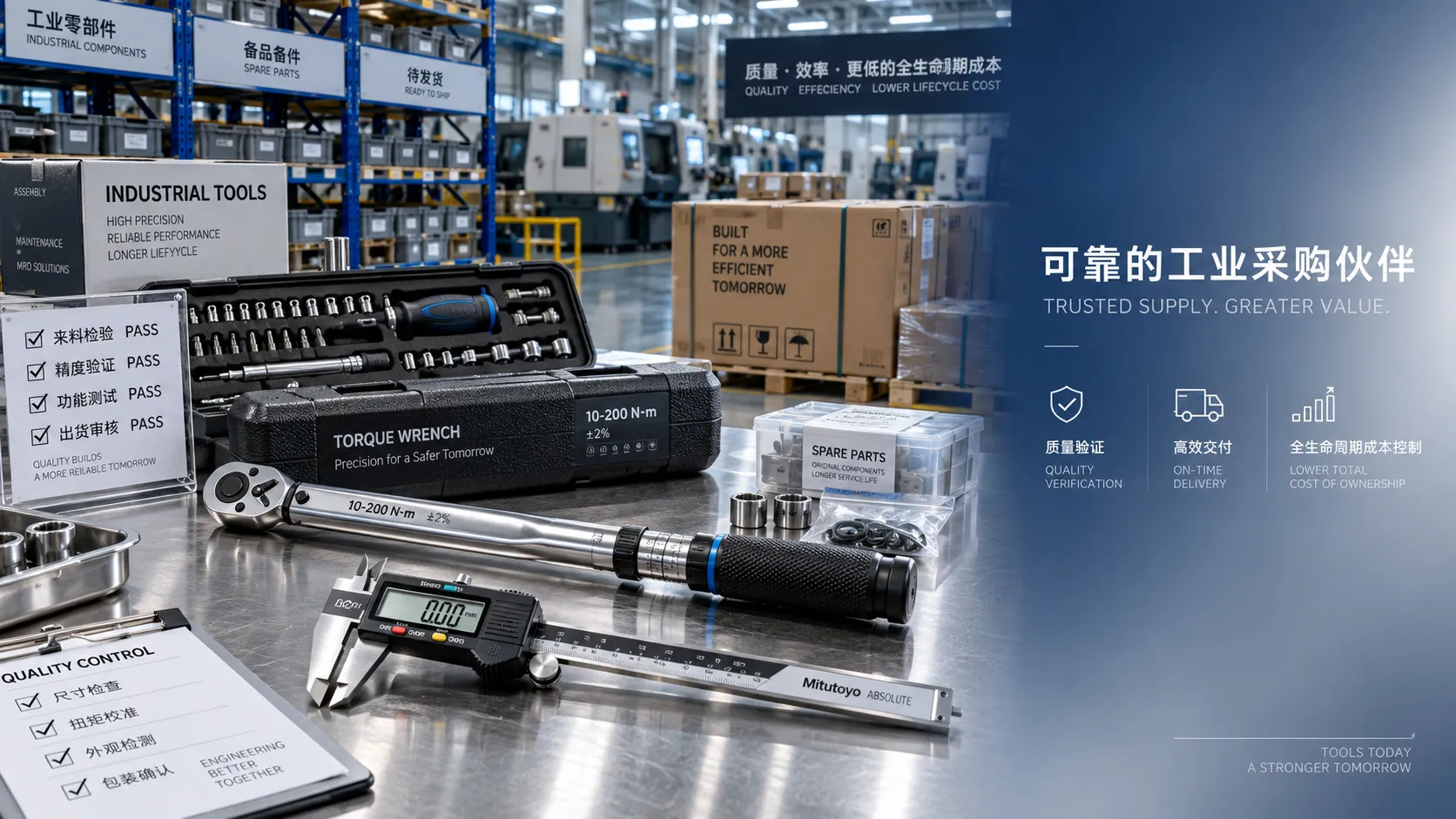
How to Compare Industrial Tool Suppliers for Quality, Lead Time, and Total Cost
Industrial tool selection supplier comparison made simple: evaluate quality, lead times, total cost, service, and supply resilience for confident sourcing decisions.

Industrial Equipment Application Guidance: Match Machines to Operating Conditions
Application guidance industrial equipment: match capacity, duty cycle, materials, site conditions, safety, and lifecycle cost to improve reliable output. Read the guide.
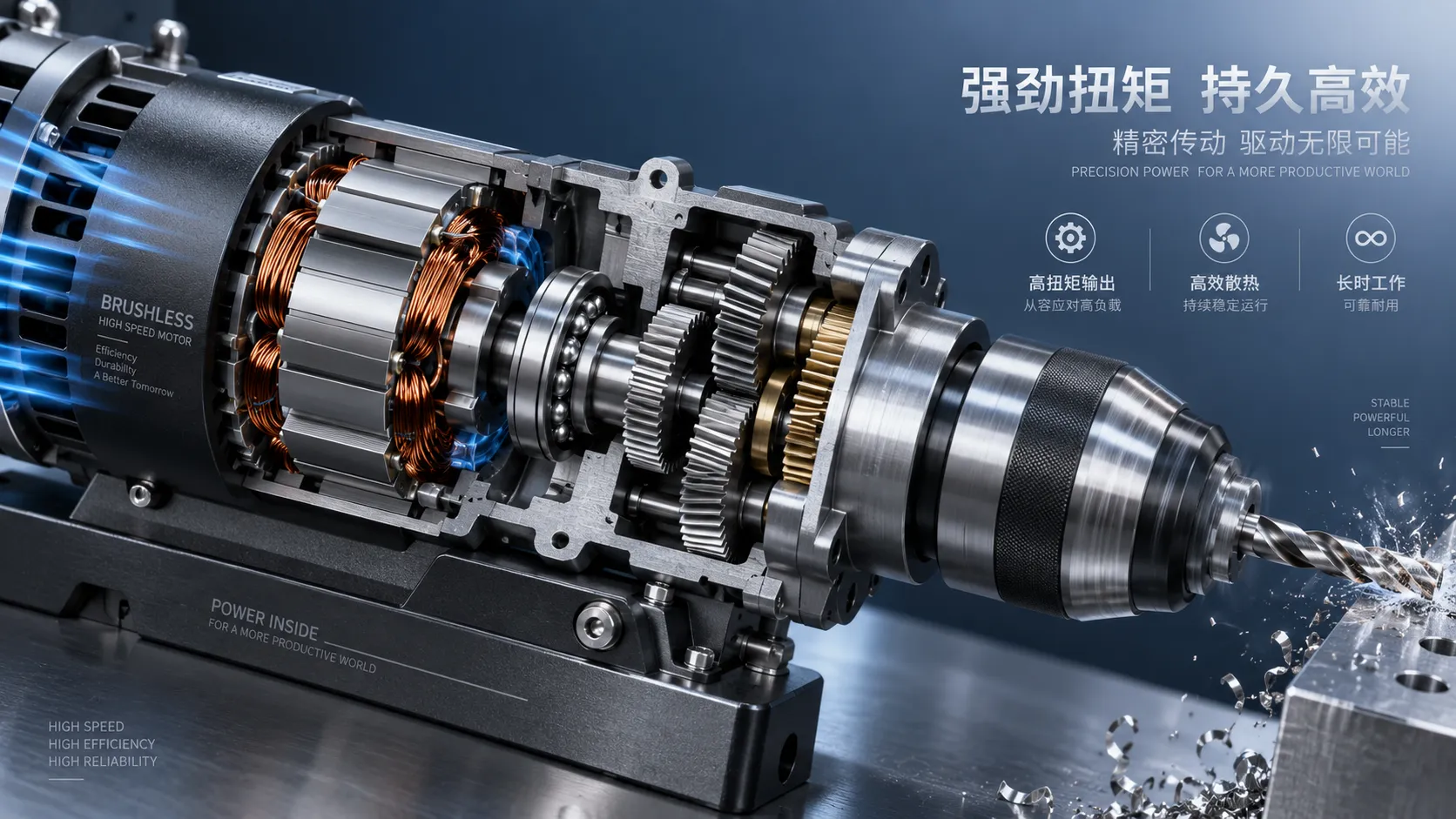
Selecting High-Speed Brushless Tool Motors for Torque, Heat, and Duty Cycle
High speed brushless tool motors: learn how to balance torque, heat, gearing, and duty cycle for reliable industrial tool performance and longer service life.
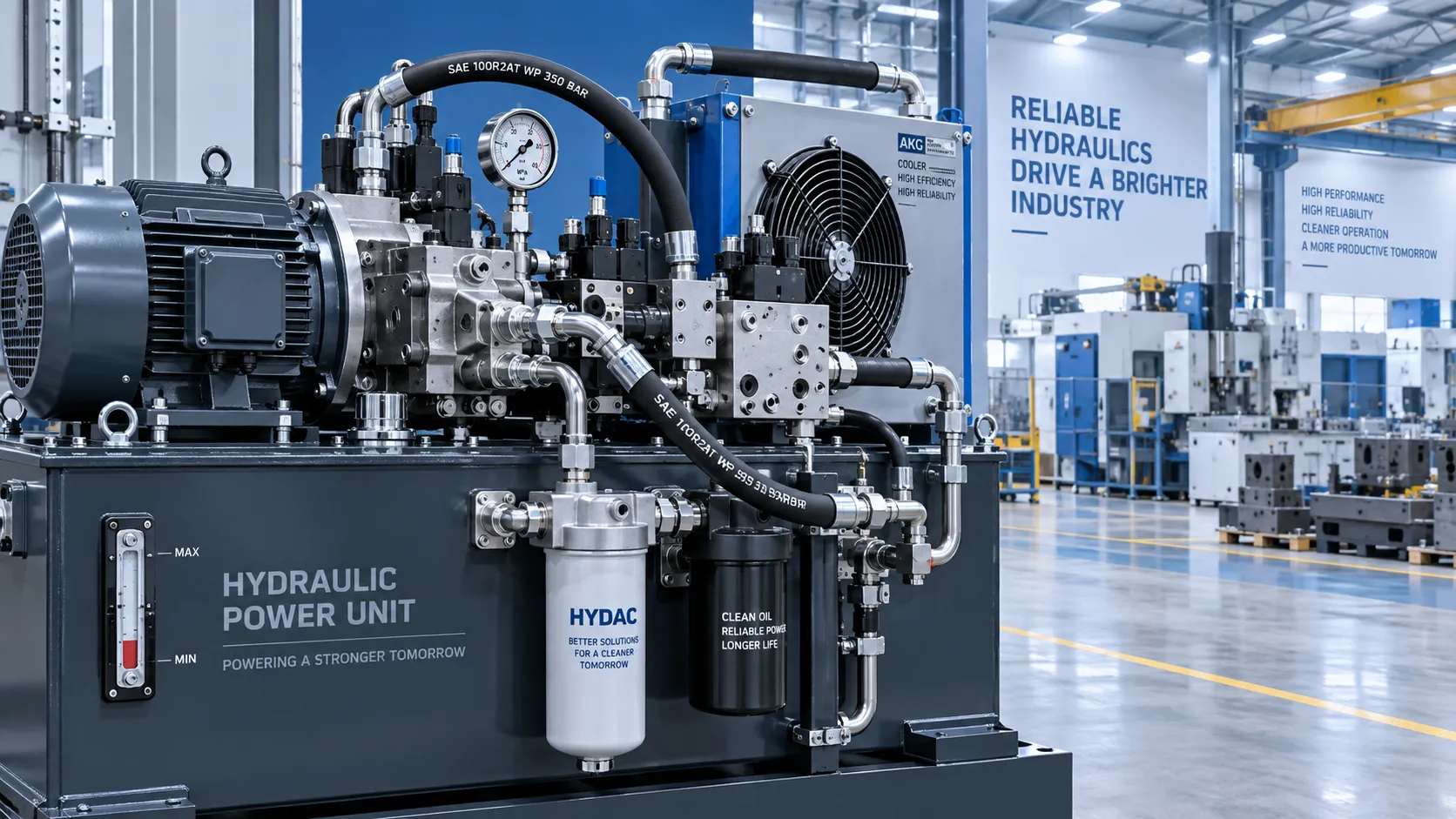
What Determines Industrial Hydraulic System Price for Heavy-Duty Equipment?
Industrial hydraulic system price depends on duty cycle, pressure, components, cooling, and integration. Compare quotes intelligently to secure reliable heavy-duty performance.

Welding Fume Extraction PPE: When Respirators Are Not Enough for Shop Safety
Welding fume extraction PPE: learn why respirators alone fall short and how source capture, ventilation, and layered controls improve shop safety.

How to Select Optical Metrology Solutions for Tight-Tolerance Manufacturing
Optical industrial metrology solutions for tight-tolerance manufacturing: evaluate accuracy, surface compatibility, workflow, and traceability to select with confidence.
Related News
- 00
0000-00
How Procurement Teams Can Map the Industrial Value Chain to Reduce Supply Risk - 00
0000-00
How Industry Category Guides Help Global Sourcing Teams Compare Suppliers Faster - 00
0000-00
Intelligent Tools in Southeast Asia: Key Market Trends, Buyers, and Supply Chain Shifts - 00
0000-00
Industrial Value Chain Europe: Where Sourcing Risks and Lead-Time Pressure Are Rising - 00
0000-00
North America's Industrial Value Chain: Key Shifts in Sourcing, Labor, and Logistics
Dr. Alistair Vaughn
Weekly Insights
Stay ahead with our curated technology reports delivered every Monday.